
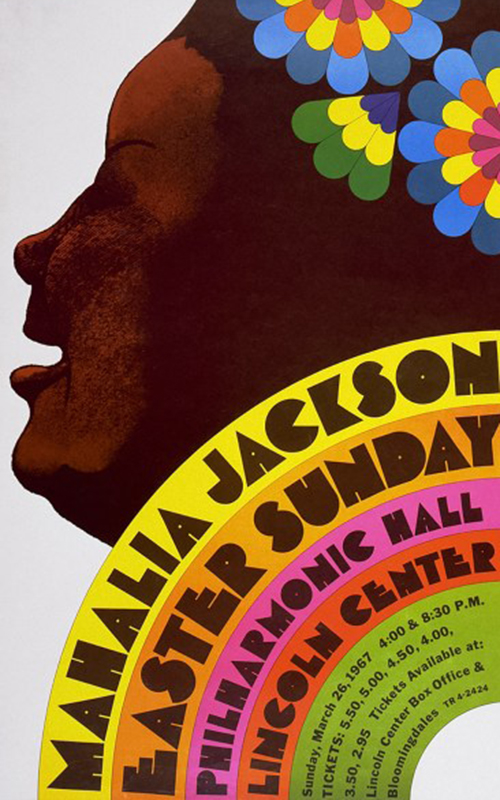
The Black Arts Movement
Galvanized by the post-World War II decolonization of African nations and the civil rights, Black power, anti-war, and feminist and womanist movements, African-descendant cultural producers in the United States began claiming a Black aesthetic that emerged from the lived experience of Black people. The Black Arts Movement (BAM) permeated rural and urban areas, drawing on blues, jazz, Black folk culture, and Black idiomatic expressions as its foundation.
Spend a day with Michele L. Simms-Burton, scholar of African American and Africana studies, to explore the Black aesthetics and Black pride that define BAM and how this movement converged with and diverted from political, economic, and social landscapes of the 1960s and 1970s. Examine a number of Black cultural producers during this period, from the music to the literature to the Black-owned presses.