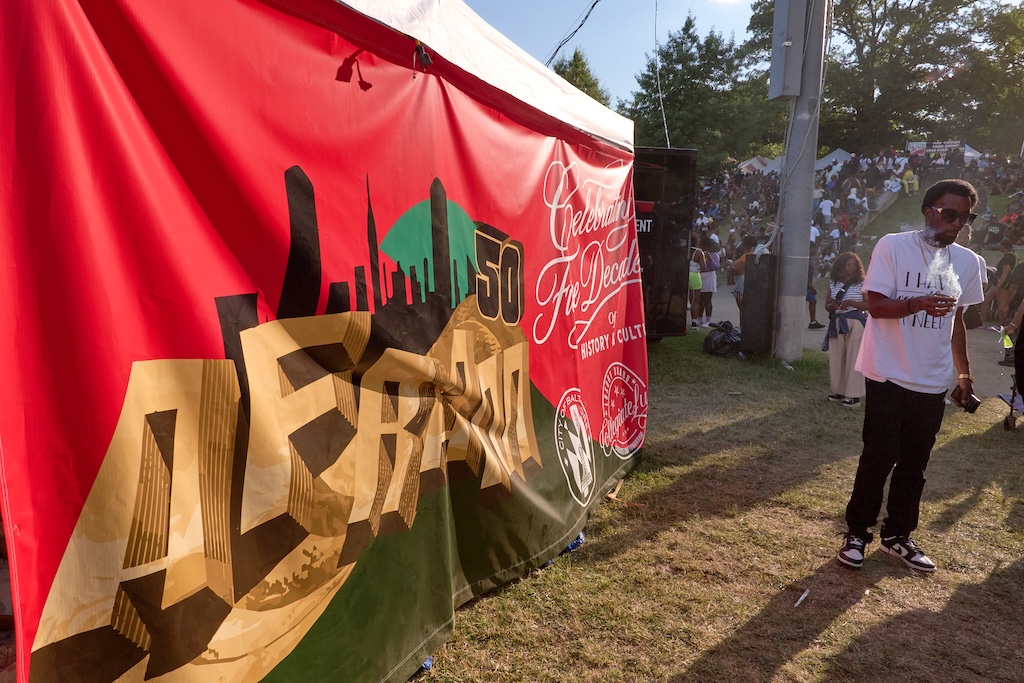
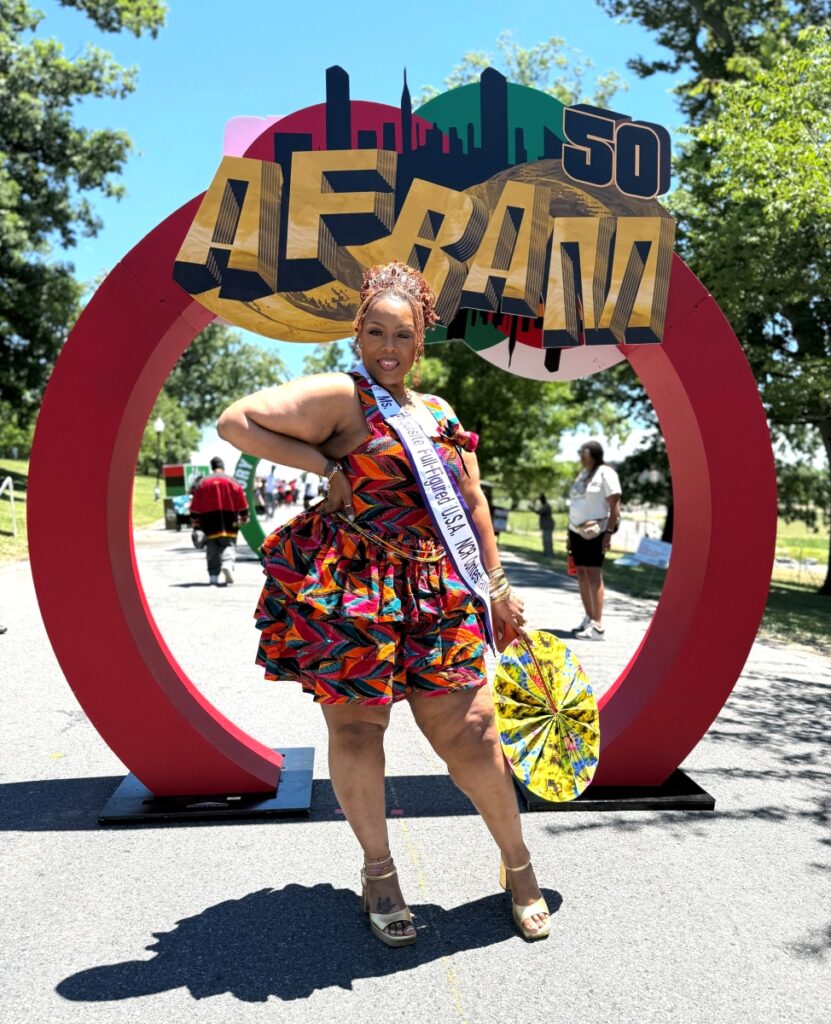
This Juneteenth weekend, AFRAM embraced and showcased what Black and proud looks like with its 50th celebration at Druid Hill Park. The archway at the entrance set the tone for not only what to expect of vendors but even how to carry oneself. Demonstrating this as soon as I crossed the threshold was Kris Jacobs, a motivational coach. Dressed in a kente-patterned dress, with a fan in hand and a sash proclaiming her a contestant in the Miss Exquisite Full-Figured pageant, Jacobs proudly and boldly stood in AFRAM’s archway like a queen overlooking her kingdom.
She shared, “I am here to support my sister, the maker of this dress at NASS African Creations, to raise awareness of the pageant, giving plus-sized women more beauty visibility, and to promote my purpose, Carry Less, Care More!” Encountering Jacobs set the tone of my journey into AFRAM.
AFRAM emerged from the throes of America’s bicentennial celebration. In 1976—After enduring an unusually harsh winter, a plane crash at the Baltimore Memorial Stadium, a City Hall shooting, and the unfortunate incident of rats devouring a 35-ton commemorative cake in the harbor—the city was in need of a morale booster. While the opening of the Maryland Science Center and the impressive Tall Ships showcase were undoubtedly remarkable achievements, residents yearned for a celebration highlighting the resilience and creativity of its African American community whose contributions and innovations throughout history have played a pivotal role in shaping the city’s identity. Sharing the conviction that Black residents who helped build Baltimore deserved recognition, Norman E. Ross, then director of the city’s Urban Services Cultural Arts Project, spearheaded the efforts to create the African American Exposition, an expo known today as AFRAM.
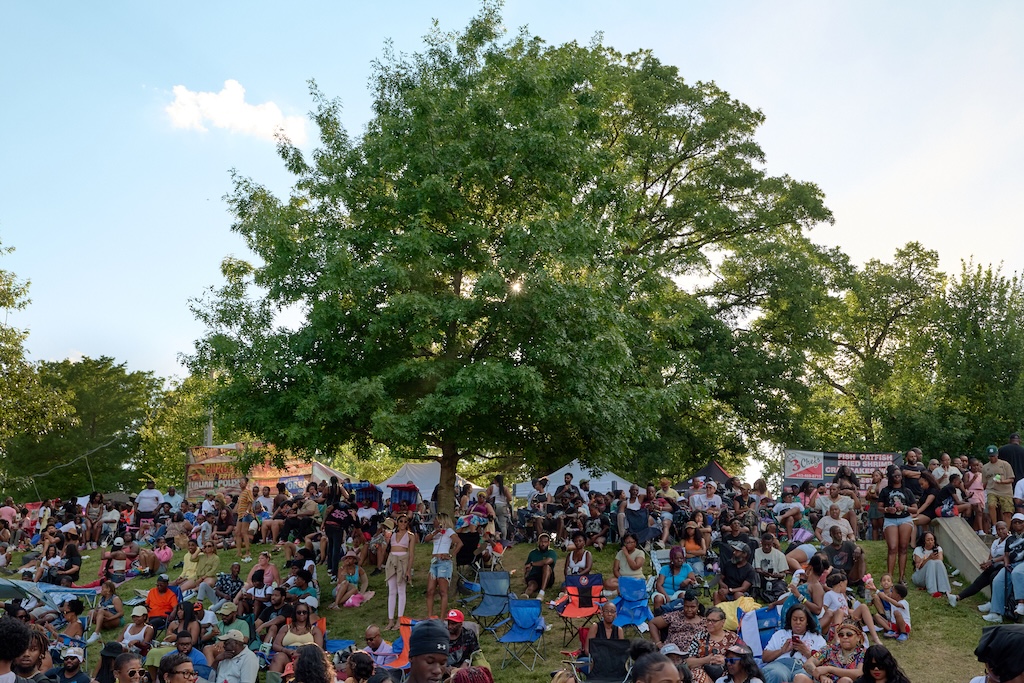
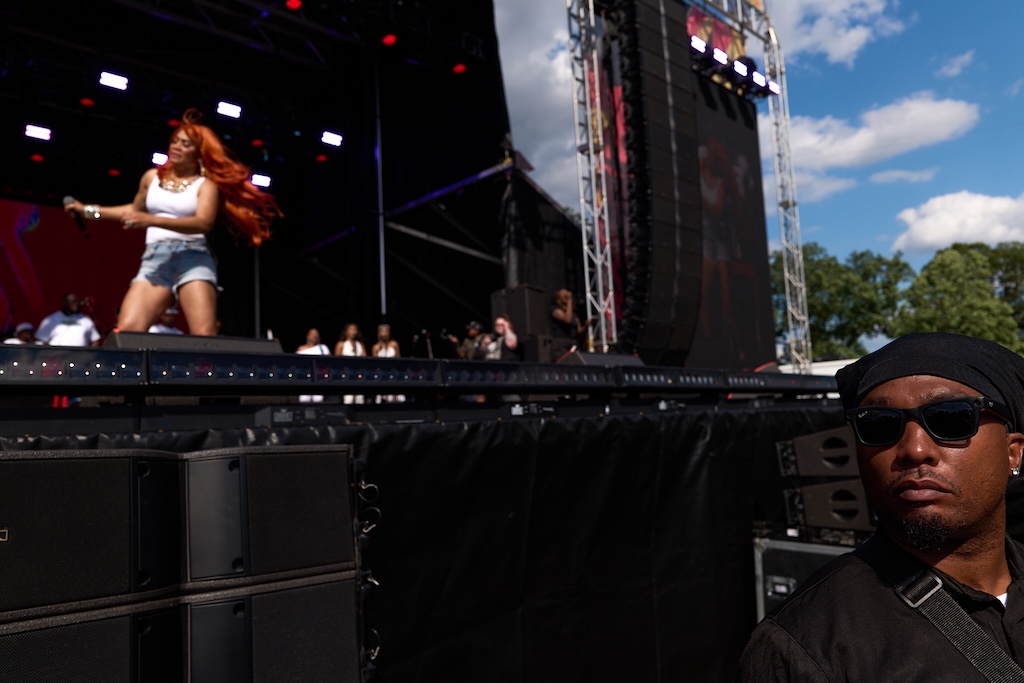
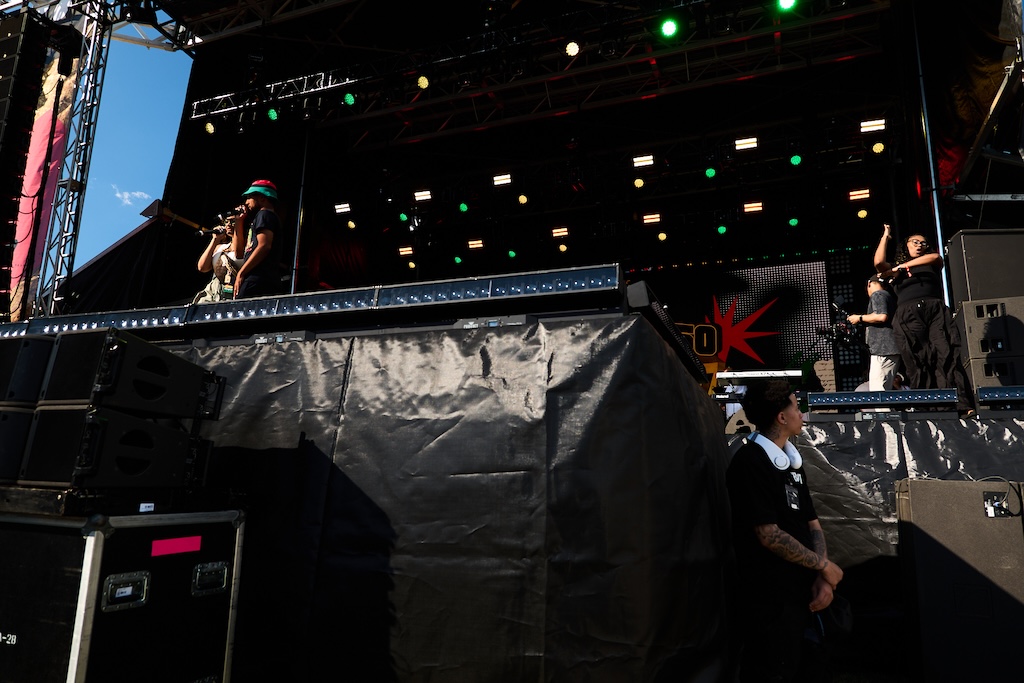
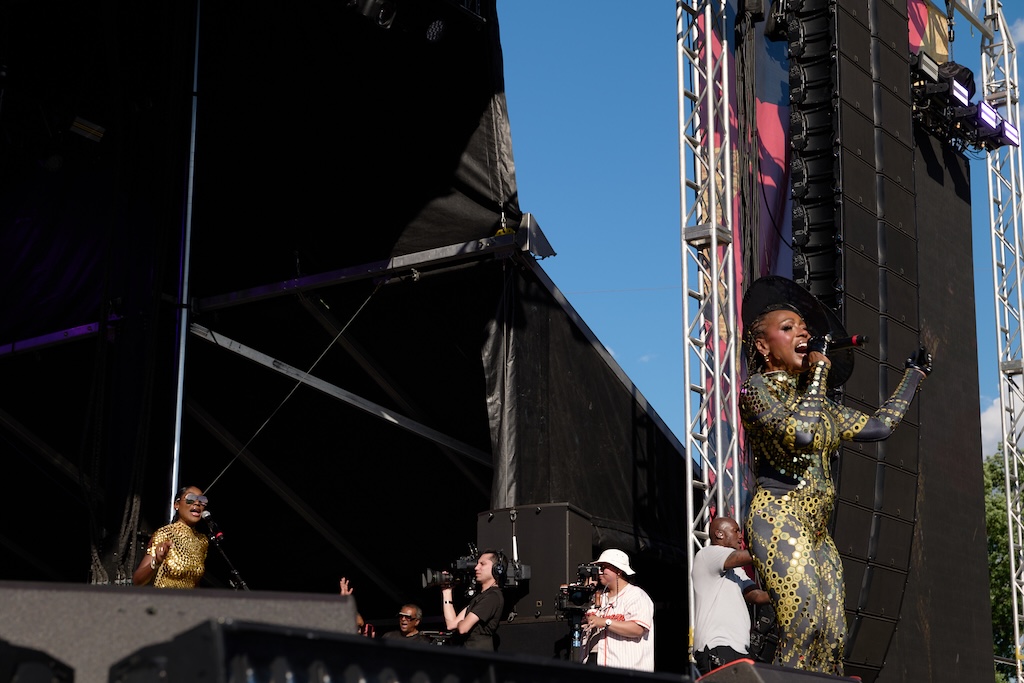
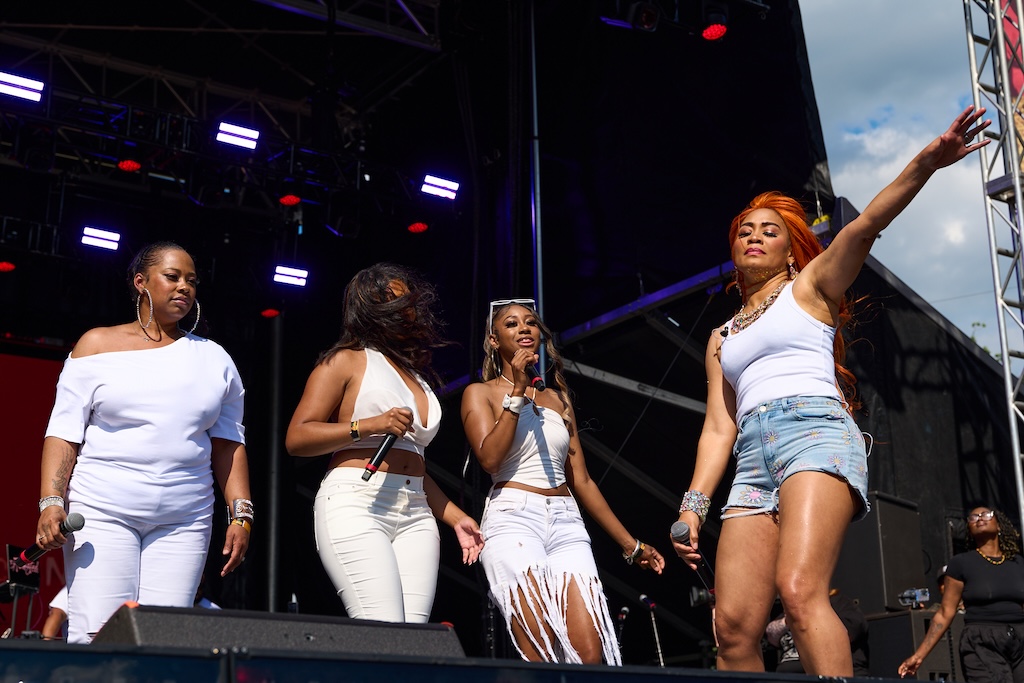
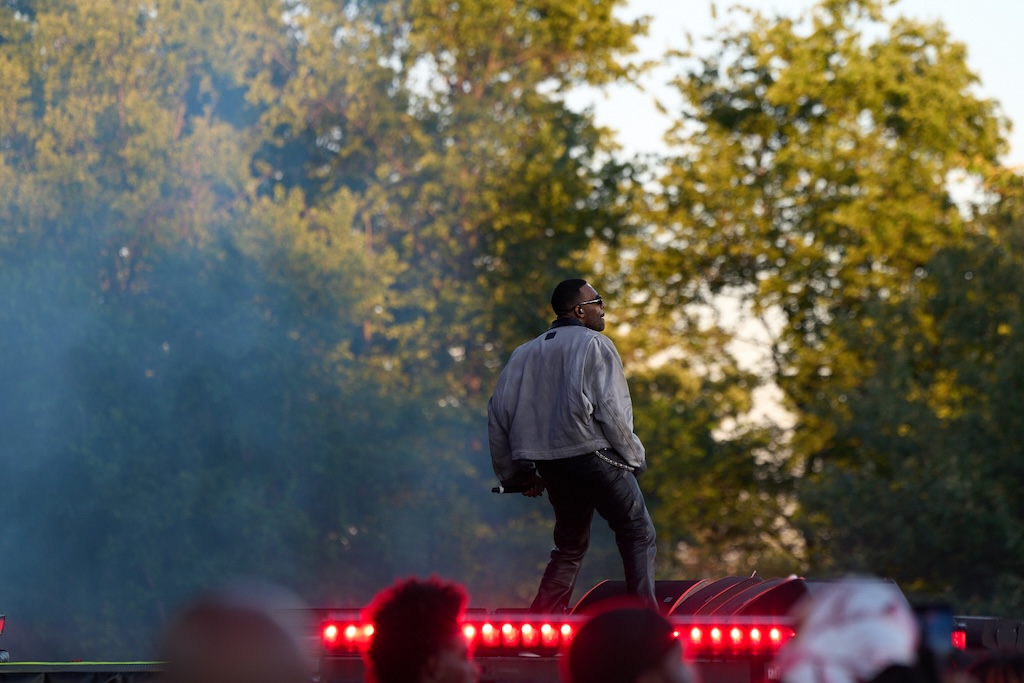
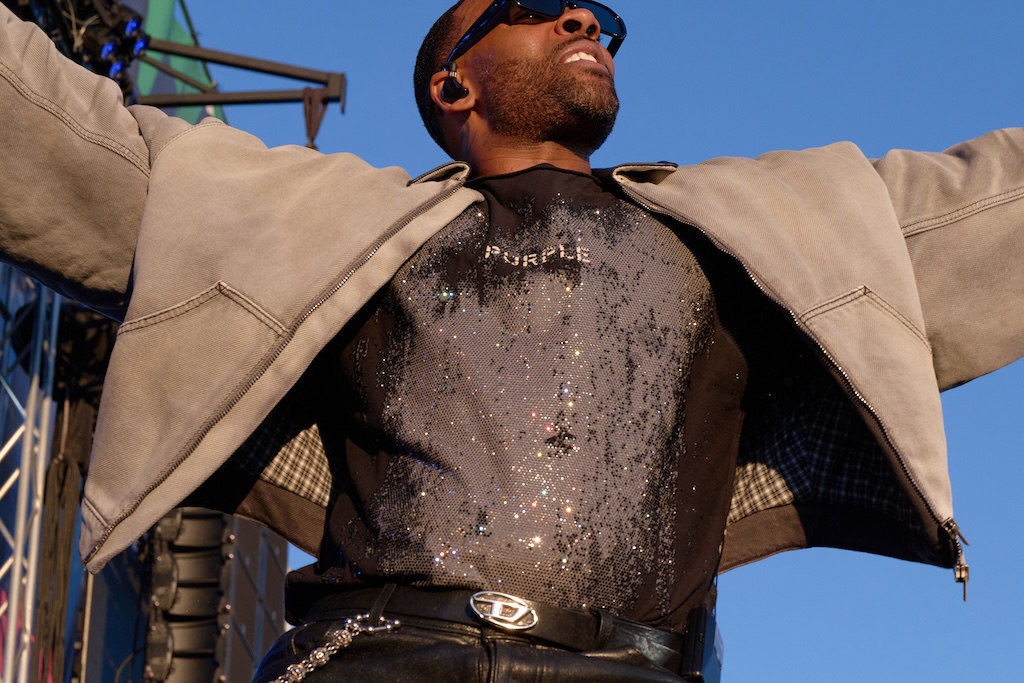
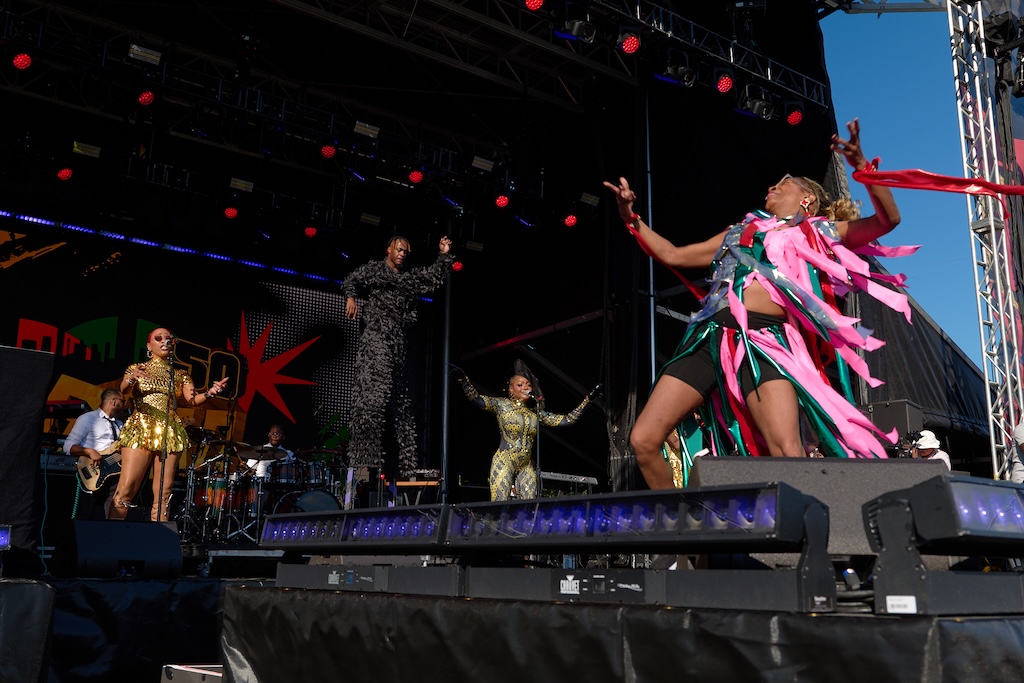
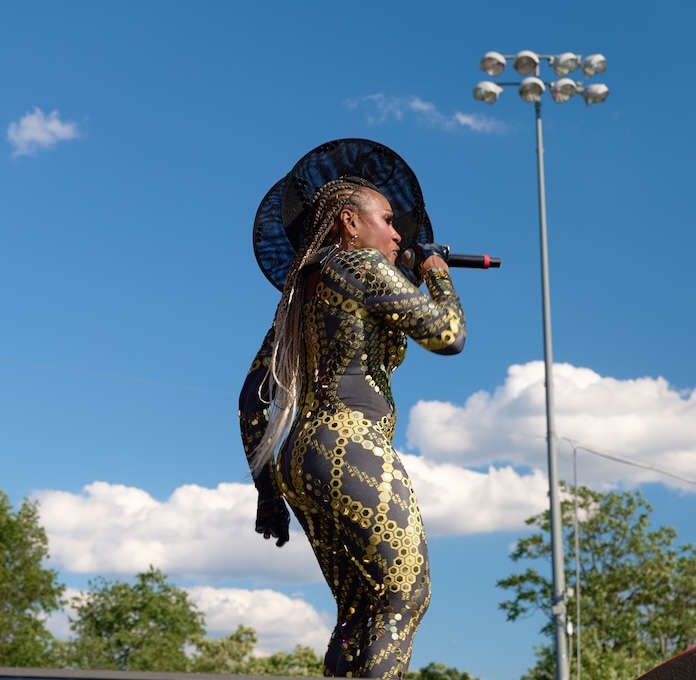
Celebrated in Druid Hill Park, AFRAM has since grown to be the largest African American festival on the East Coast. Now in its 50th year, this free celebration kicked off Friday, June 19th and lasted through Sunday, June 21st. AFRAM 50 welcomed hometown recording artists Dru Hill, Lil Mo, Paula Campbell, Eric Waddell, P. J. Morton, and Ultra Natè, bridged together with sets by DJ QuickSilva.
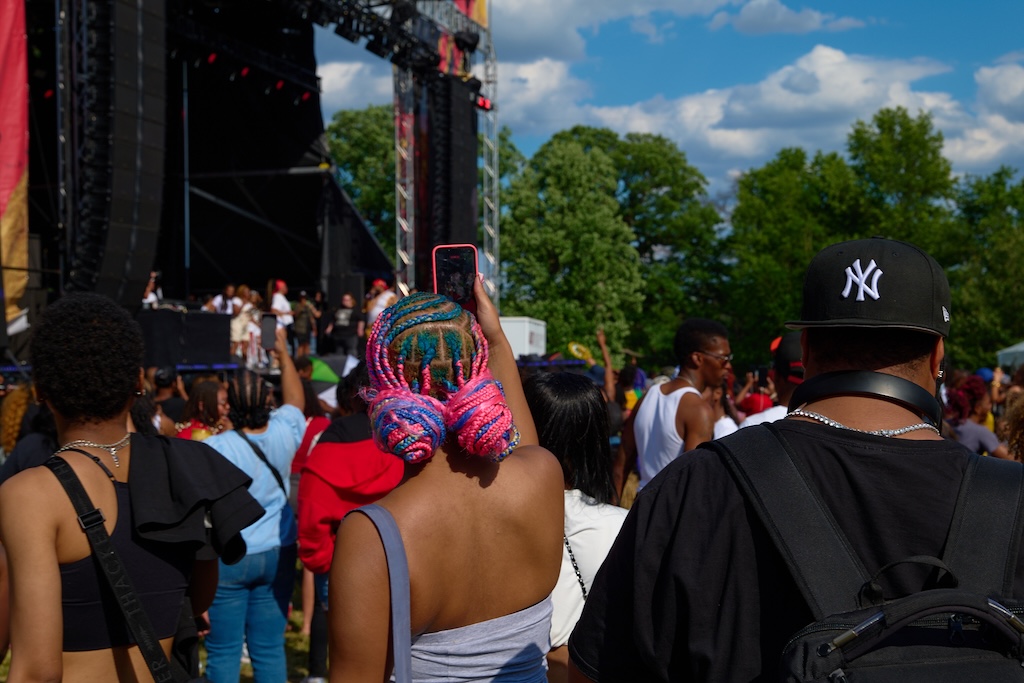
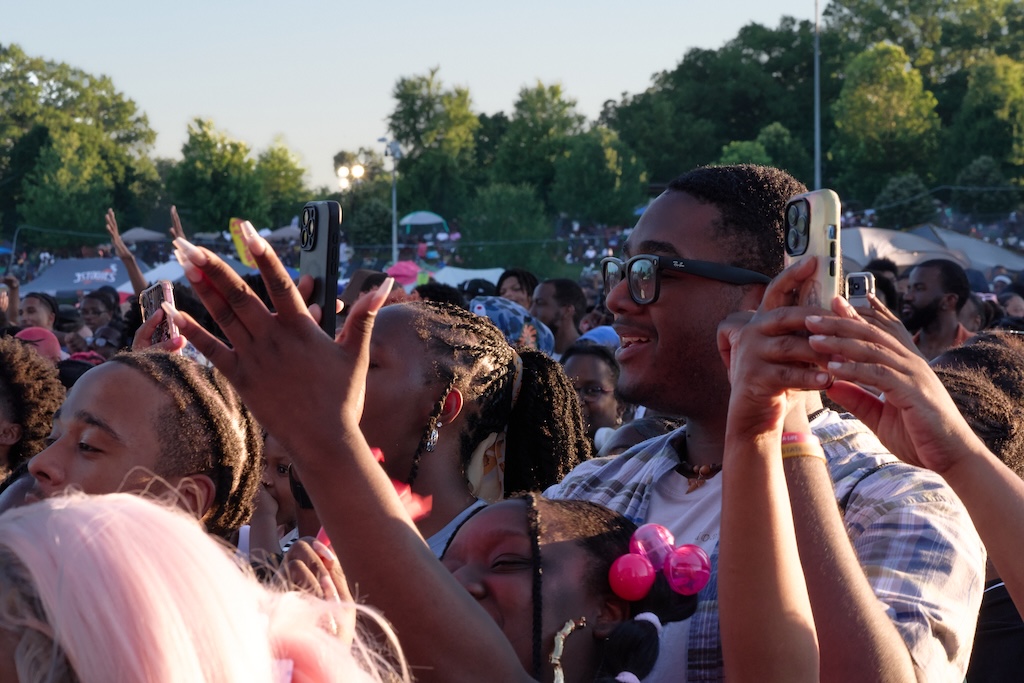
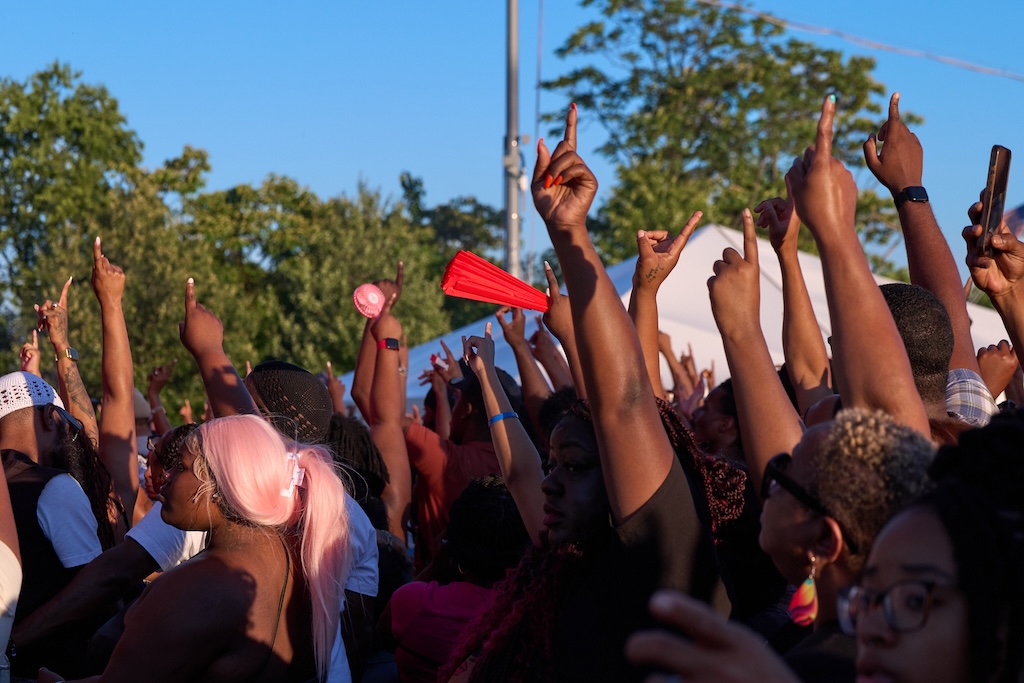
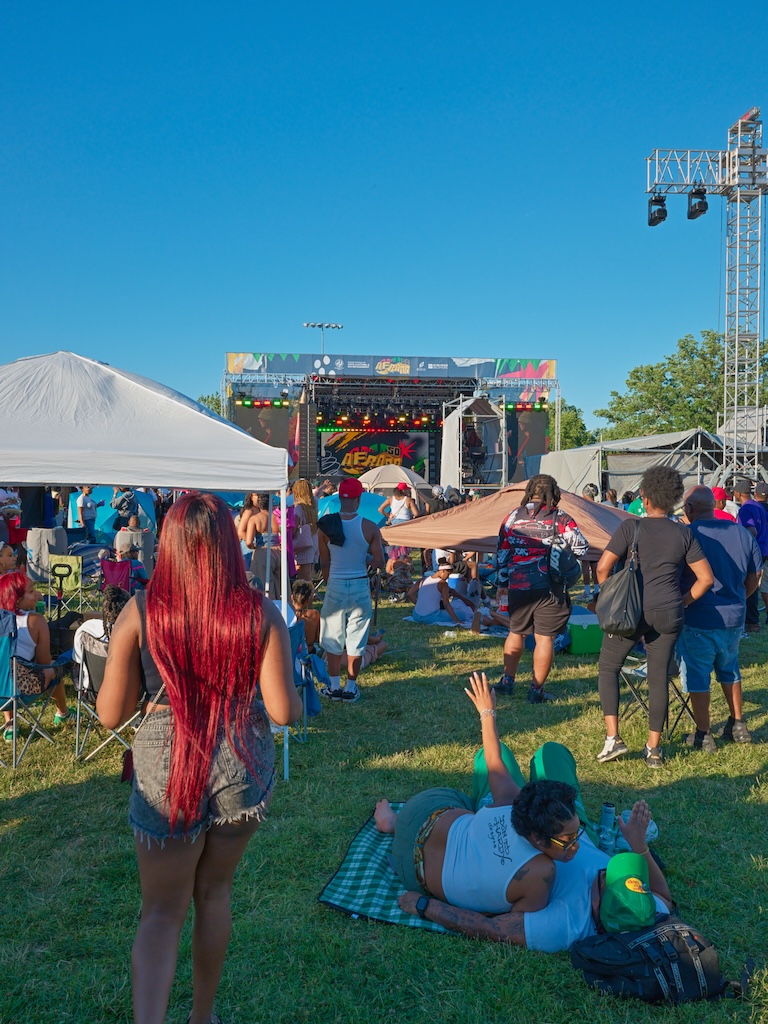
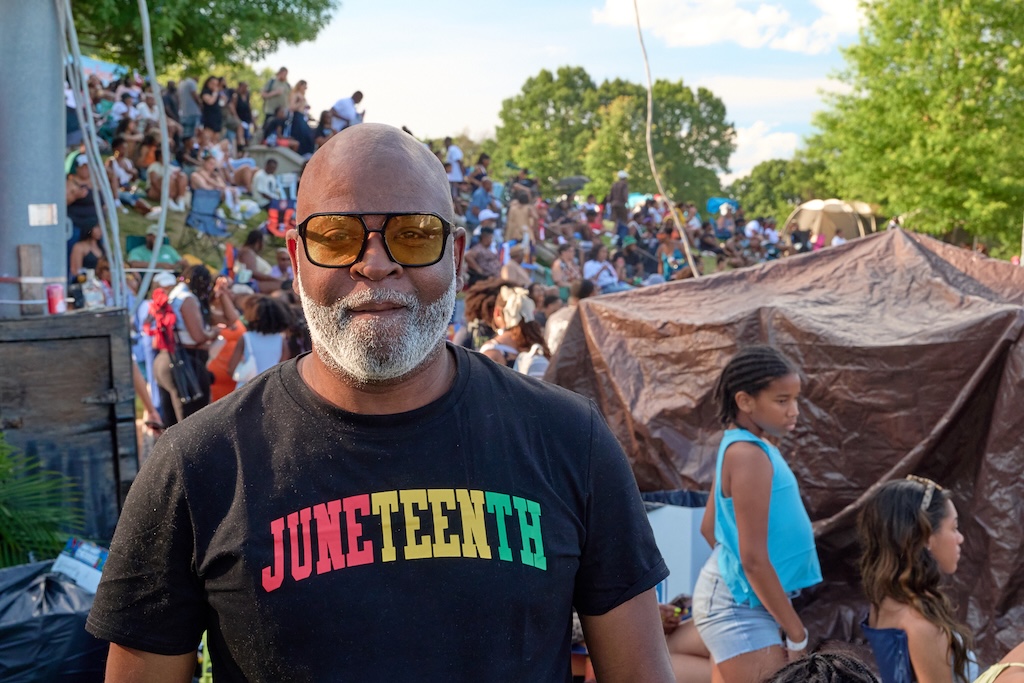
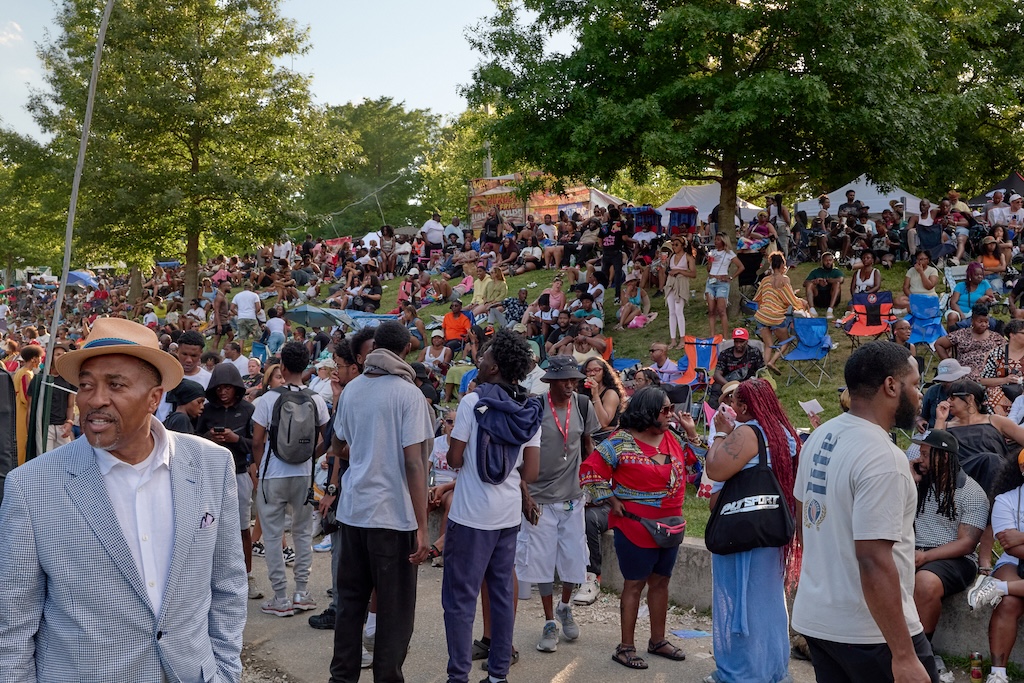
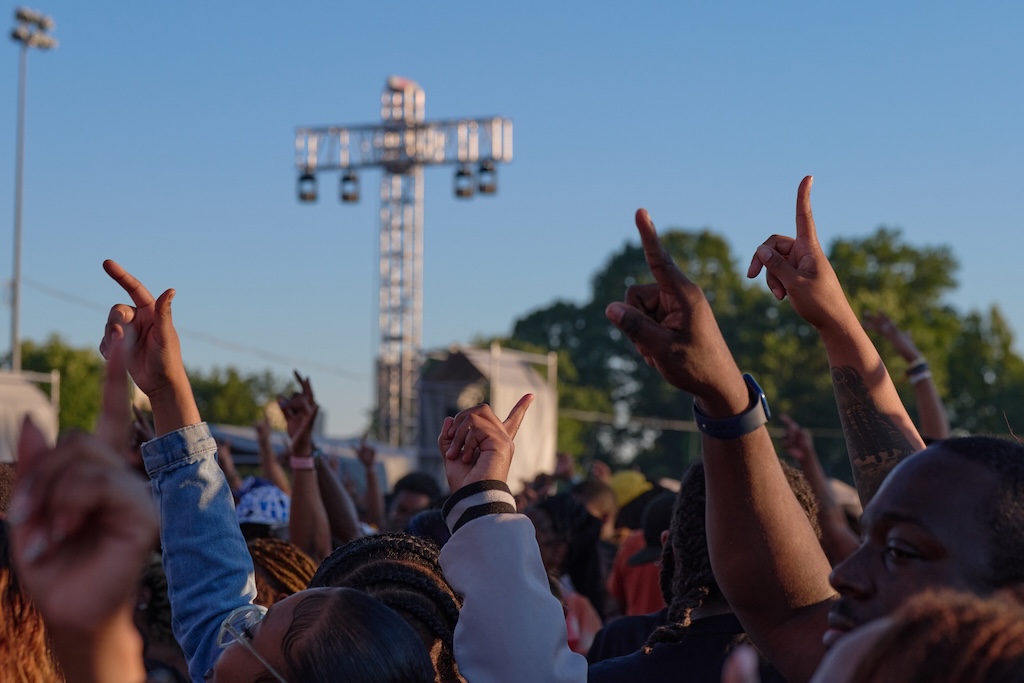
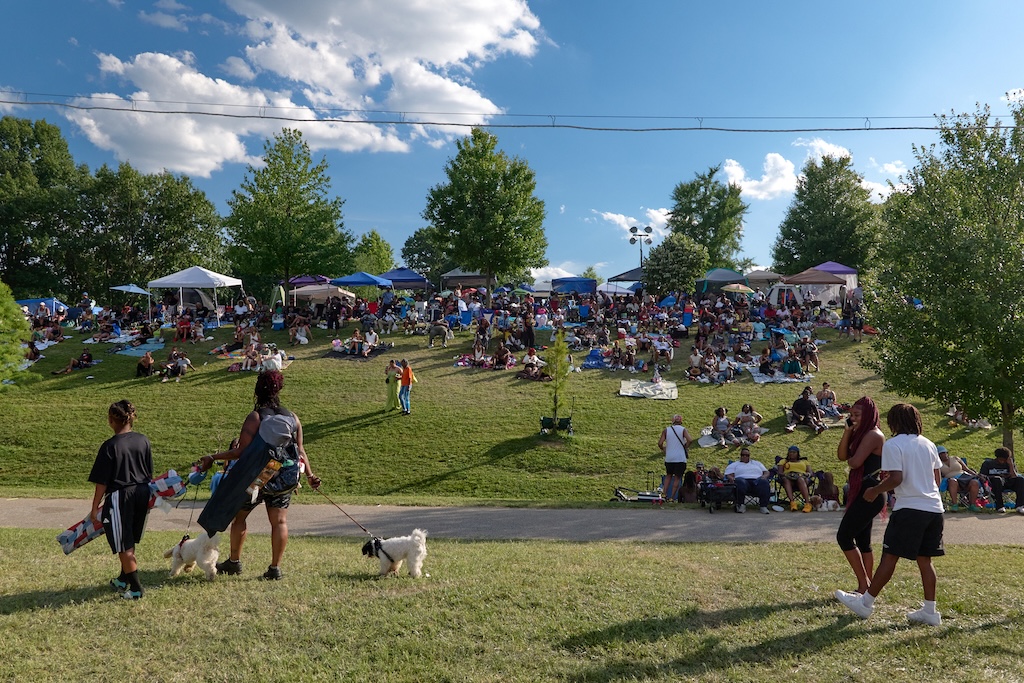
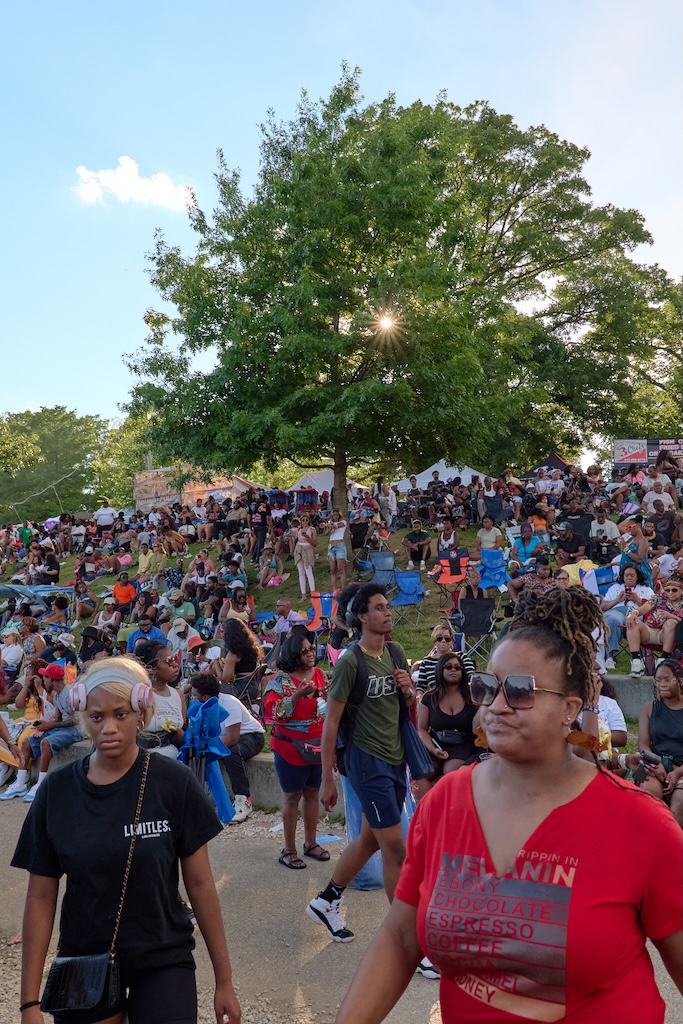
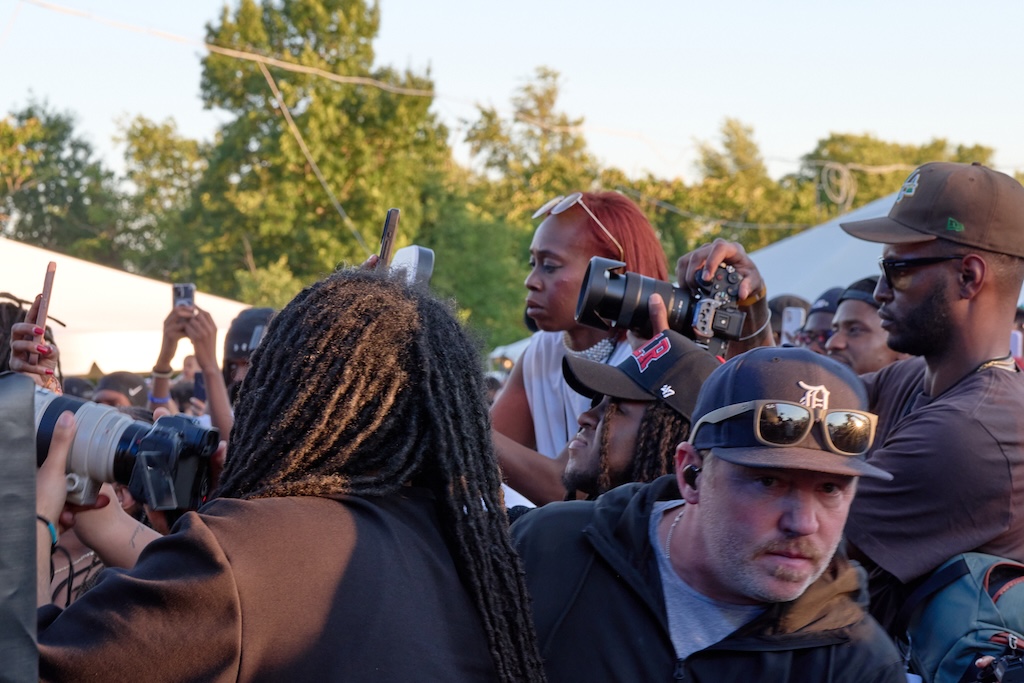
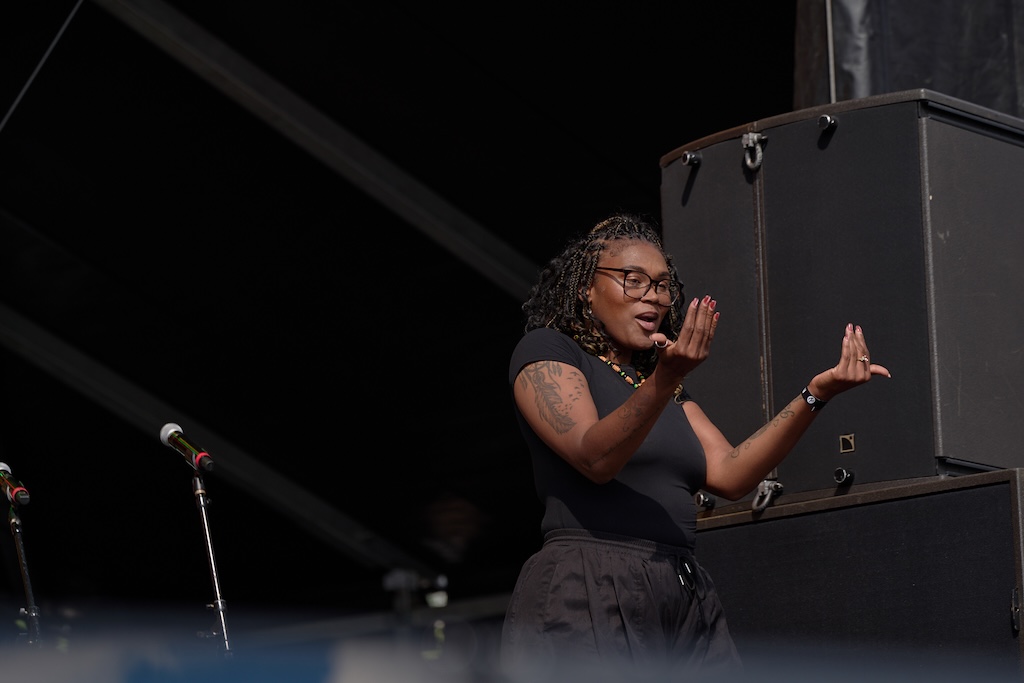
Throughout the weekend, other stellar performances included SWV, The Lox, Mario, Chloe, Normani, Tamia, and J. Brown. Prior to the featured entertainment, the crowd was seated and spread out on lawn chairs and picnic blankets, treated by dance performances, fashion shows, and DJ sets. But once the artists hit the stage, folks were on their feet. As the night progressed, there was little room to move.
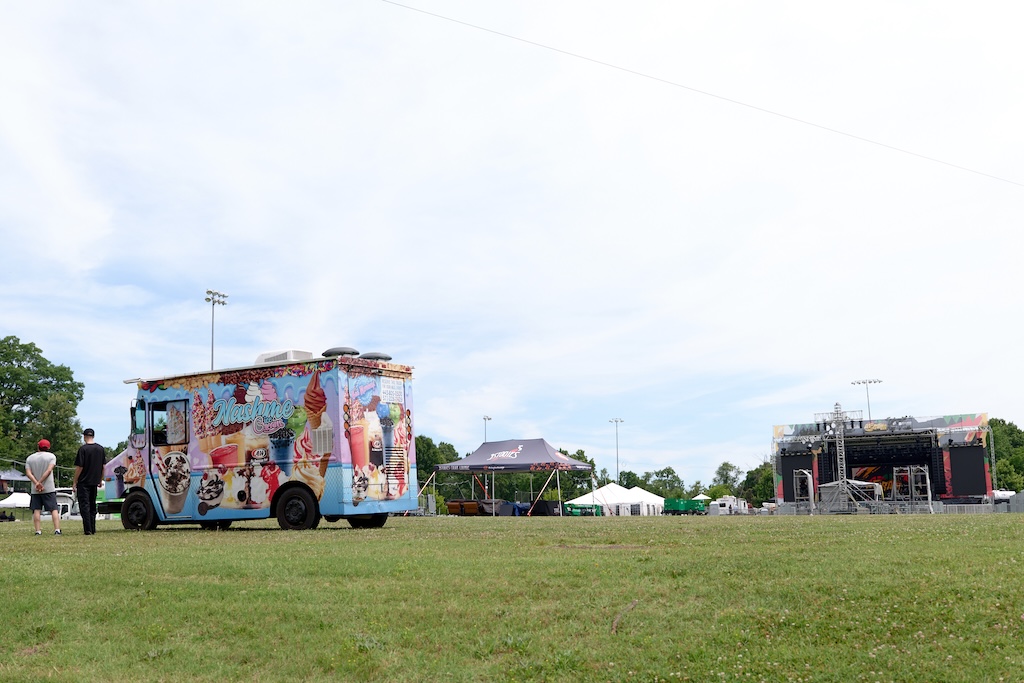
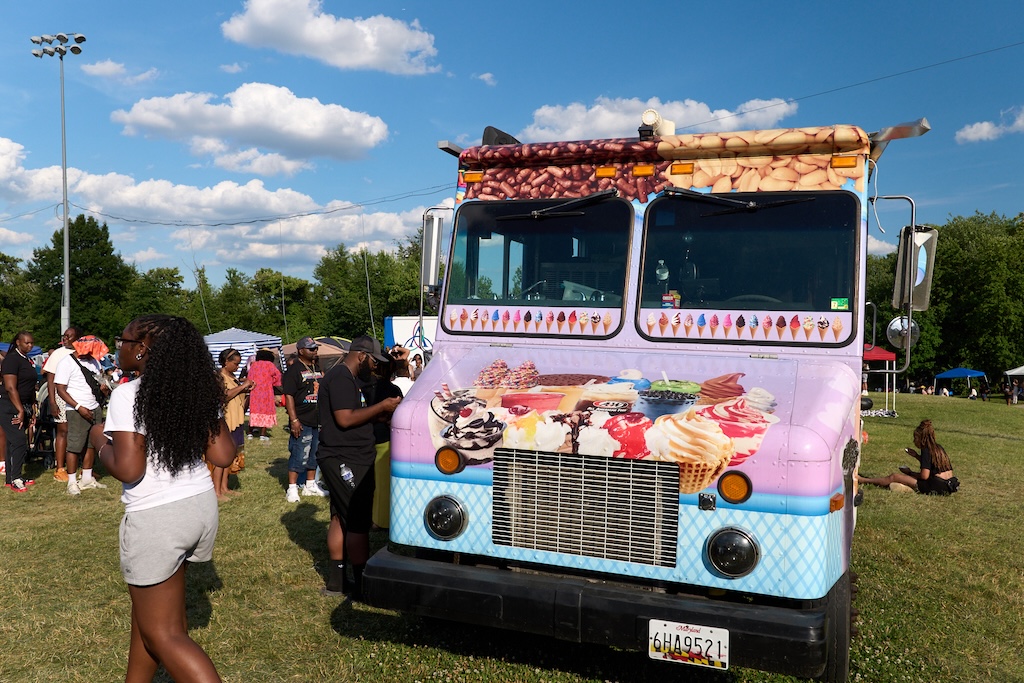
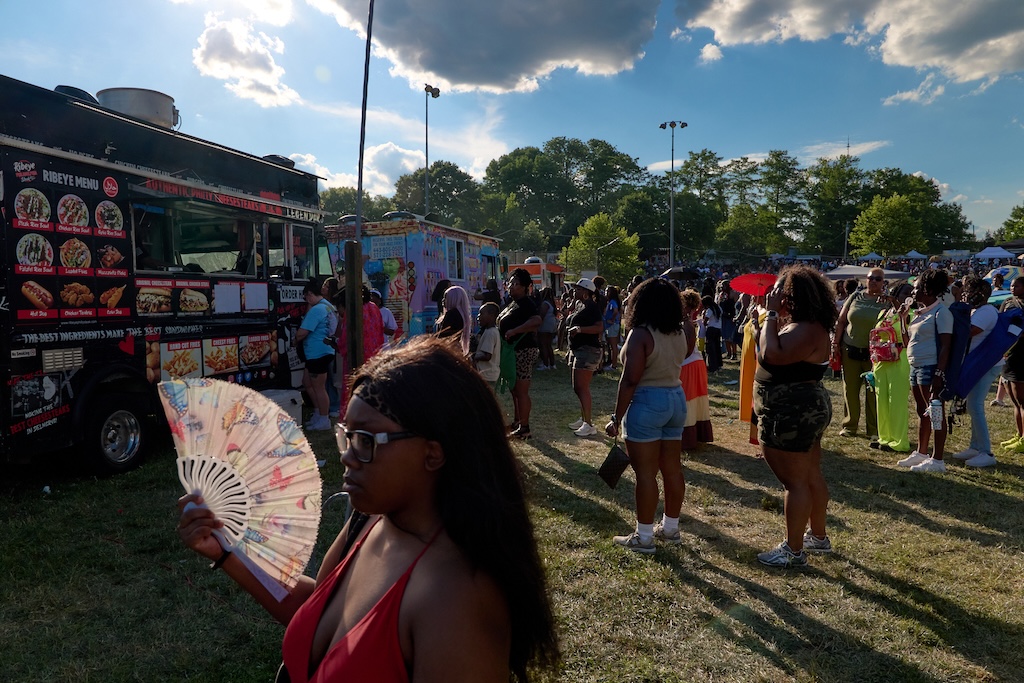
A mosaic of Black culture was in abundance. Paths through the park were lined with food trucks, vendors selling homemade to imported wares. Boiling pots, sizzling pans, and fired-up grills sent an array of scents wafting in the air, enticing what seemed to be a never-ending crowd of aspiring foodies willing to indulge in the culinary offerings and holistic remedies.
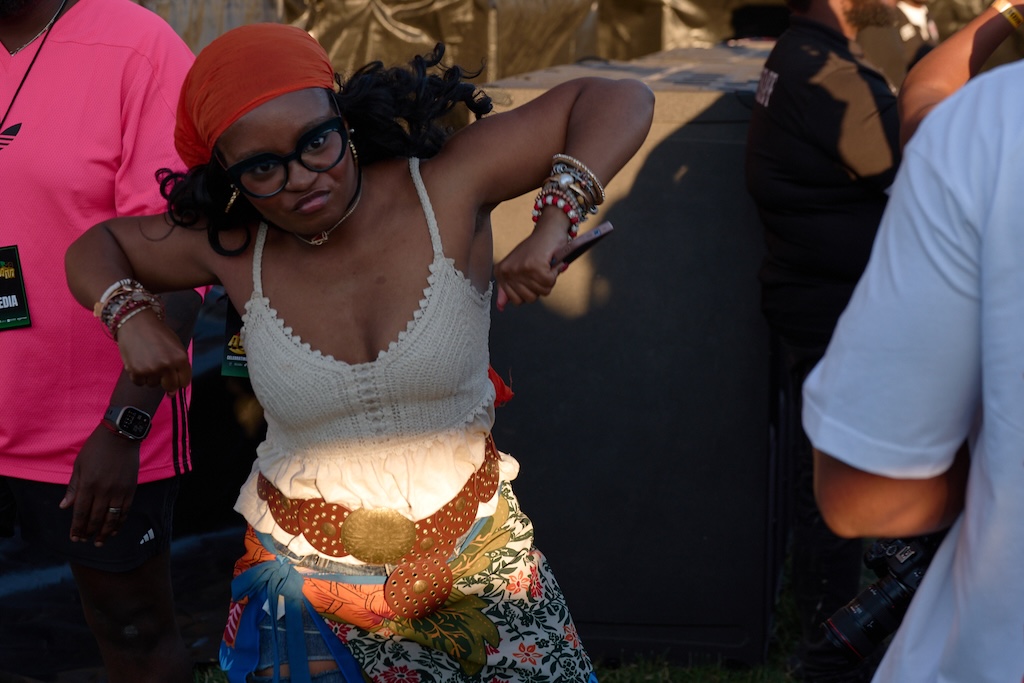
Eighty-degree sun rays swathed by a cloudless blue abyss, granted passage for oiled up skin and scarcely clothed bodies. Bold expressions of independent aesthetics were exhibited with pride and purpose. Visual artists demonstrated their process and invited on lookers to engage with them on their social media and even for future personal enrichment.
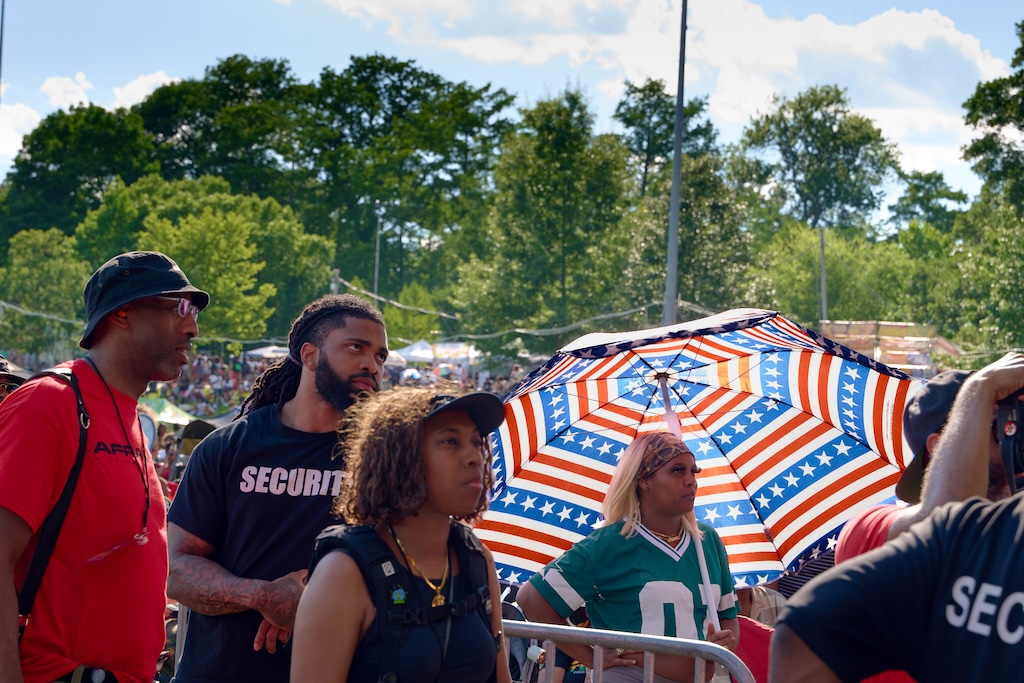
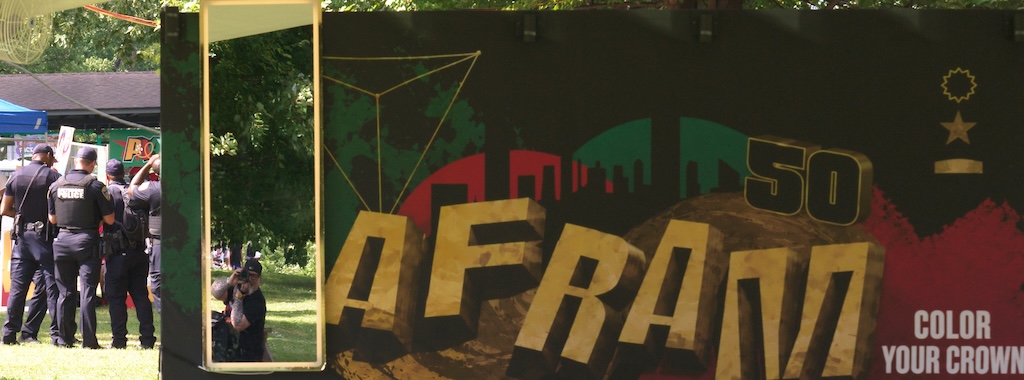
As with any large-scale outdoor festival, the Baltimore Police Department, Office of Emergency Management, Baltimore City Fire Department, and festival security worked closely together to help ensure the safety of attendees. Still heat, unsupervised young people, and music can be an unpredictable concoction. Saturday evening, a large fight was reported and a said group of young people assaulted police officers with debris. Law enforcement addressed it quickly and the incident led Mayor Brandon Scott to declare the remainder of the festival closed to unaccompanied minors.
Tensions lifted Sunday, as singer Charlie Wilson closed out the festival. He made a return to the stage after a year recovering from a series of strokes. The former Gap Band front man needed assistance but invoked nostalgia, delivering vocals from his 1970s hits to a swaying, mature crowd. Wilson sang and played the piano while sharing his struggles and triumphs. He expressed gratitude for a career spanning 50 years and concluded his performance, paying homage to his faith and accepting a framed mayoral salute presented to him by Mayor Scott.
“Celebrating 50 years of AFRAM with more than 200,000 attendees is a testament to what this festival means to Baltimore, the East Coast, and Black culture,” says Linzy Jackson, Director of the Mayor’s Office of Arts, Culture and Entertainment. “For five decades, AFRAM has brought generations together to celebrate our music, art, food, and community. Seeing hundreds of thousands of people come together to support local artists, businesses, and performers is exactly what this festival is all about, and we’re proud to continue building on that legacy. I also want to thank our co-producers, the City agencies, public safety partners, staff, volunteers, sponsors, and everyone who worked tirelessly behind the scenes to make this milestone celebration possible. AFRAM’s success is a reflection of what we can accomplish when we work together.”
In a national political climate when Black artistic and cultural expression is increasingly fighting for acknowledgment and support, AFRAM celebrates the resiliency of Baltimoreans, who show up and make up our city’s glory.
Please enjoy the following photos by Ramy Sadek.