
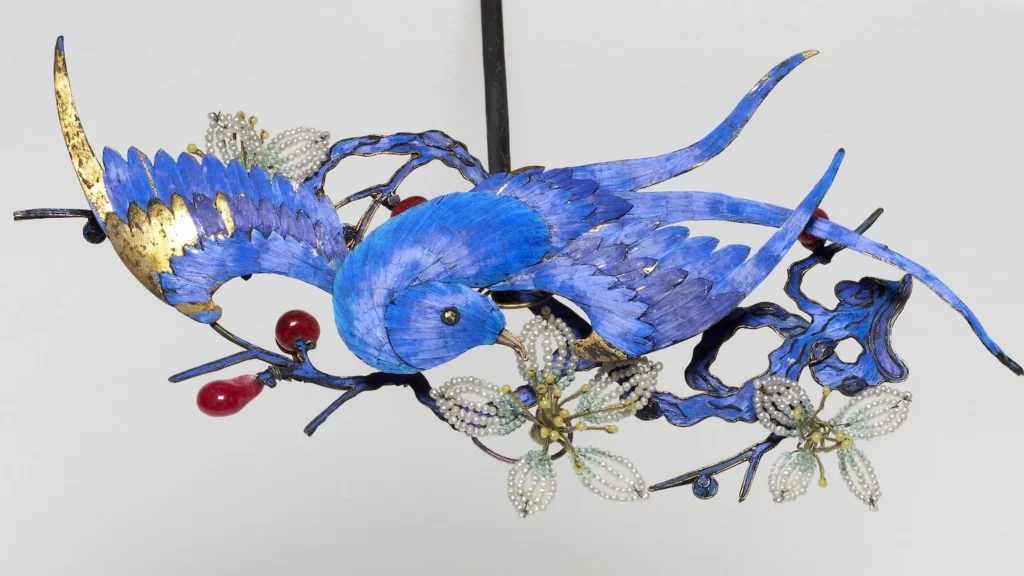
Luxury & Loss at The Walters
Saturday, November 7
Ongoing through January 24
Walters Art Museum
Luxury & Loss: Feather, Shell, Tusk, Horn opens November 7 at the Walters Art Museum
Exhibition explores remarkable luxury goods made with animal materials alongside the growing awareness of their environmental impact, curated by Dany Chan, Associate Curator of Asian Art
On November 7, the Walters Art Museum opens Luxury & Loss: Feather, Shell, Tusk, Horn, a major exhibition that explores luxurious art objects crafted from four natural materials taken from the animal world: kingfisher feather, tortoiseshell, elephant ivory, and rhinoceros horn. For centuries, these materials were prized by the powerful and wealthy for their beauty, scarcity, and the skill required to obtain and work with them. The exhibition will also examine the evolving understanding of how the consumption of materials from these animals over centuries contributed to the eventual decline and endangerment of their respective wild animal populations, which resulted in governments worldwide banning the commercial trade of all four materials in the 20th century. Luxury & Loss is on view through Sunday, January 24, 2027.
The exhibition includes 94 objects and draws on the Walters’ collections of Asian, European, American, and African art with additional private and institutional loans. In the first section, historical artworks made from related animal materials, including mother-of-pearl, ostrich feathers, red coral, whale baleen, bone, and hide, introduce visitors to the long relationship between humans and animals across an array of geographic and artistic traditions.
From there, the exhibition is arranged into sections devoted to each of the four main materials: feather, shell, tusk, and horn. Through these displays, the show examines each material’s historical appeal and use, impact on wildlife populations, and society’s evolving response to that legacy. Works by contemporary artists examining different aspects of these legacies are featured in each section. Made with faux, ethically sourced, or repurposed historic animal materials, these works speak to the enduring human desire for beauty and luxury.