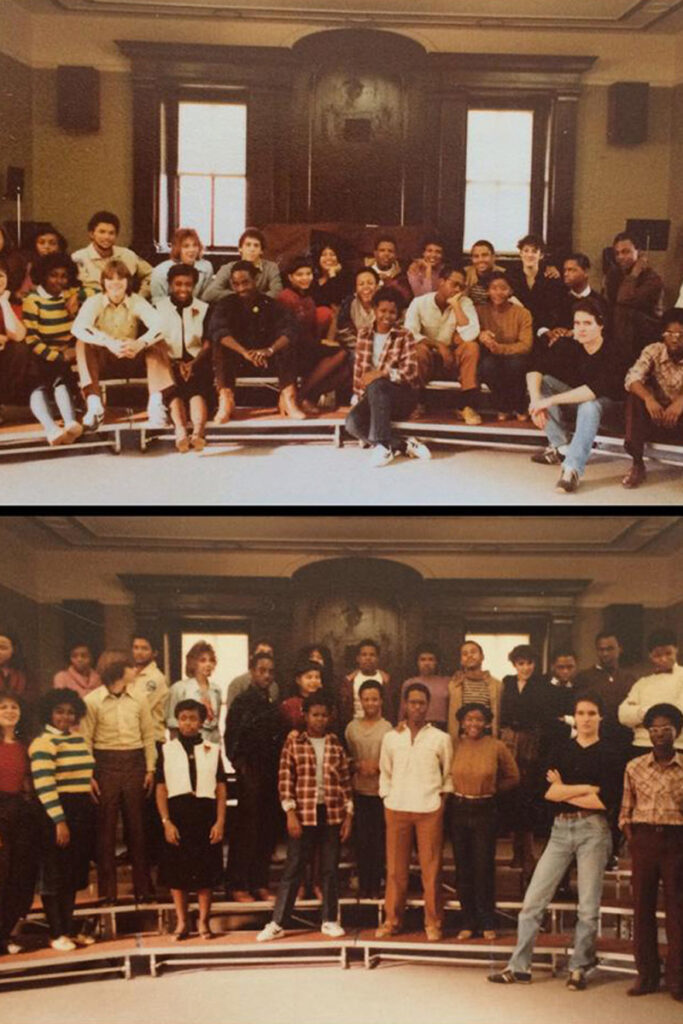
In a photograph from the early 80s, students squeeze together on a three-tiered riser in front of the heavy wood-framed windows of the Baltimore School for the Arts’ recital hall. The image has that sepia-tinge of old pictures. The wide lapels, polyester trousers, and feathered hair further give away the era, but the mix of goofy smiles and stoic stares, graceful postures and self-conscious shrinking, captures something timeless about teenagers on the cusp.
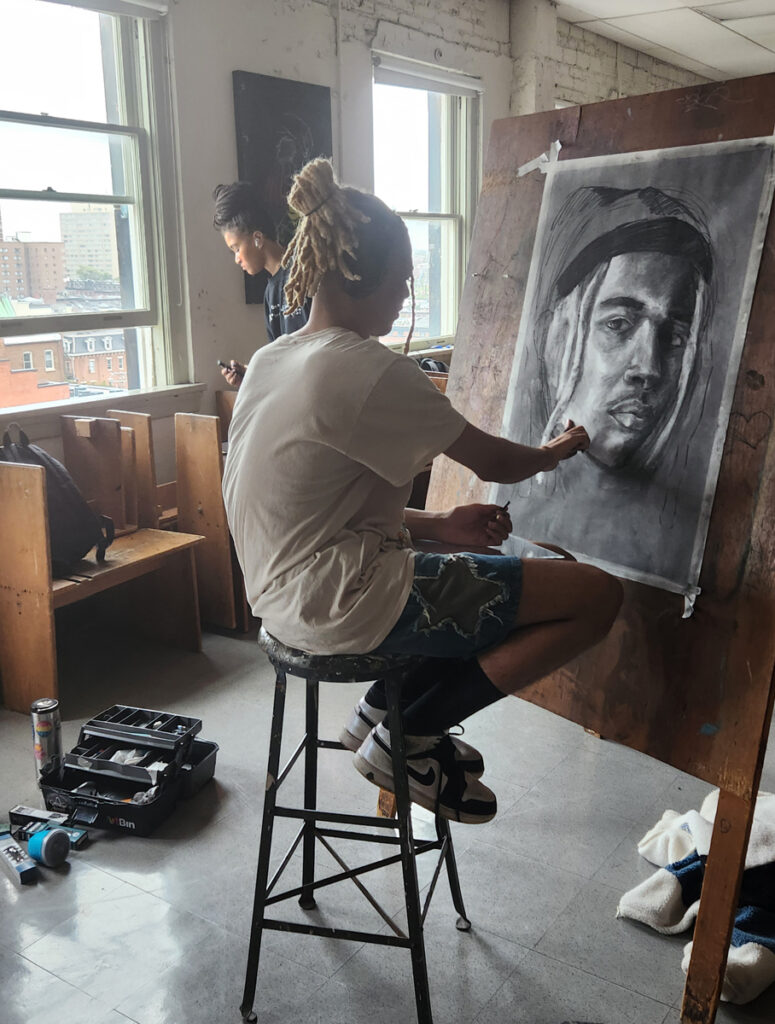
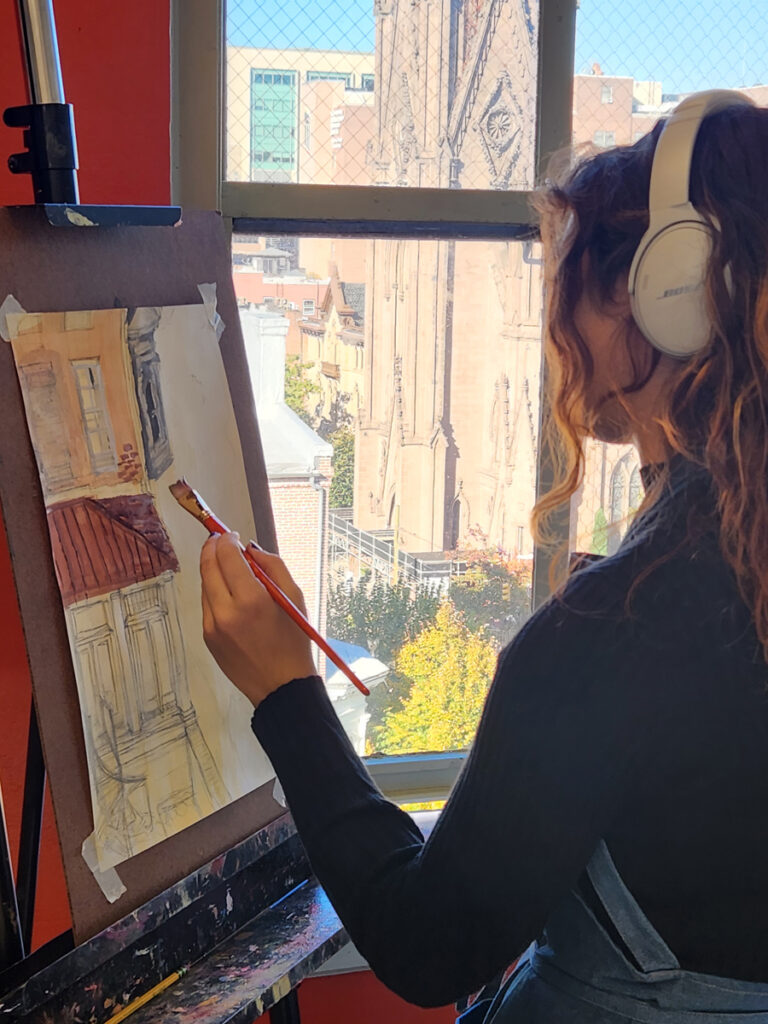
This “certain something” is just as visible in the halls of BSA today, as students hurry to class or rehearsal carrying paint boxes or violins or pointe shoes, maybe brimming with confidence or maybe uncertain about who they are meant to be. The beauty is that during their years at BSA, students will get much closer to figuring this out through immersion in their chosen art form, mentorship from expert faculty, and collaboration with the other creatives who surround them.

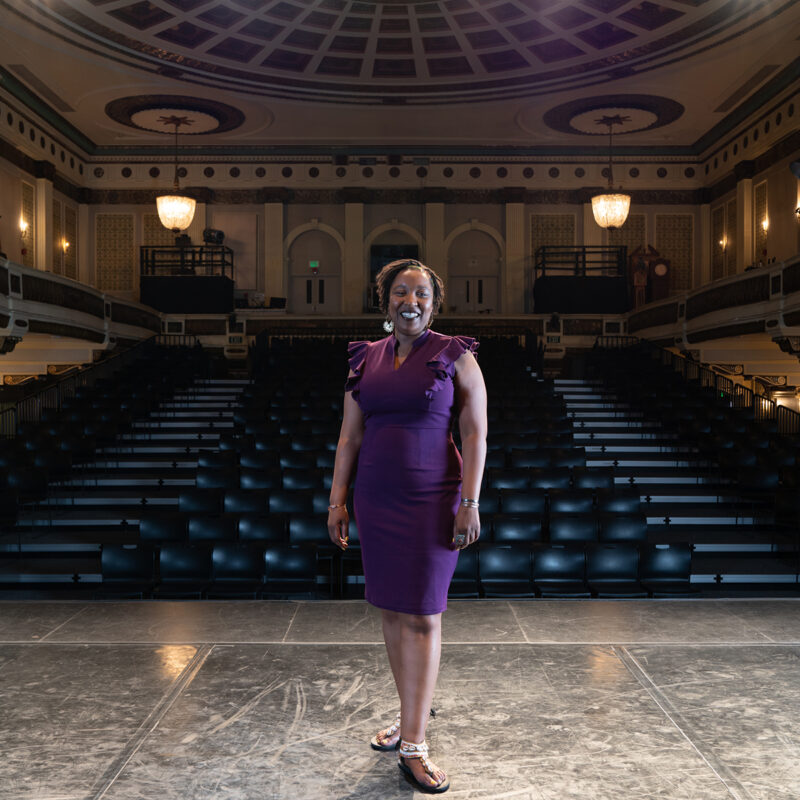
“Beyond the excellent instruction, BSA let me be who I am,” says theater arts alum Cameron Francis ‘89. “Our teachers encouraged self-expression and were never judgmental. They let us explore and take risks. That kind of empowerment is extremely important, especially to teenagers who need a safe environment in which to assert their independence and creativity.”
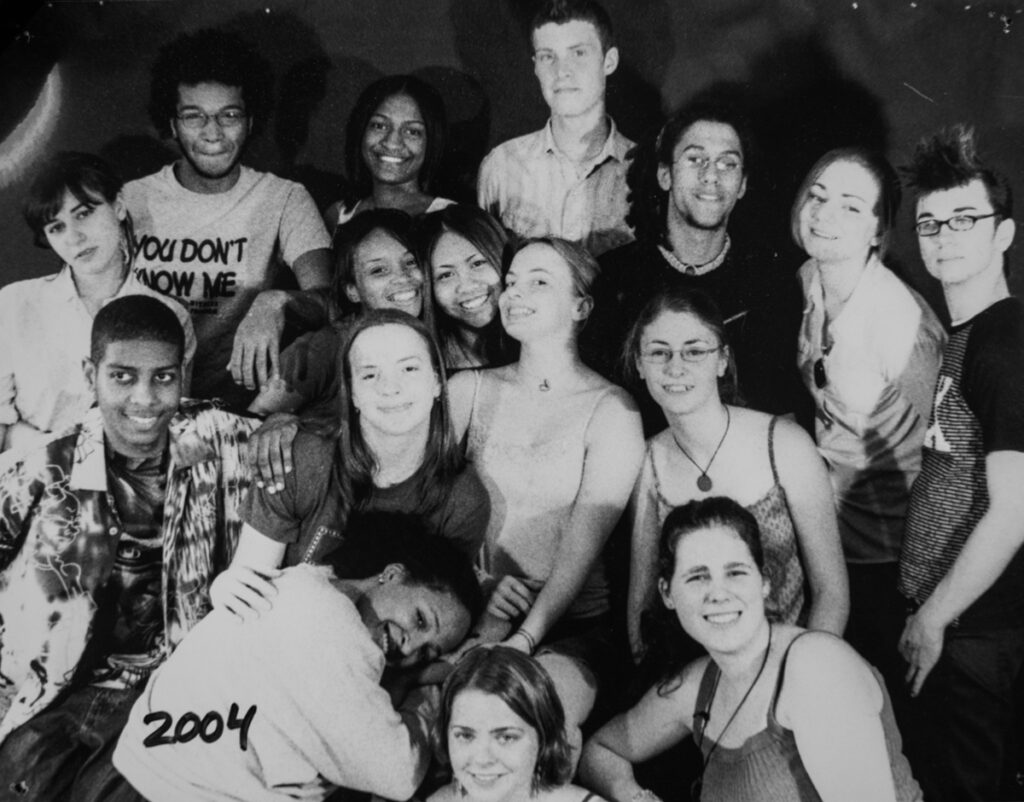
Iris Andersen ‘96 who has managed BSA’s after-school program TWIGS (To Work In Gaining Skills) and currently chairs the dance department also credits her classmates for a transformative high school career. “One of the most profound parts of being at BSA was the experience of being truly seen by my peers—not just as a student, but as an artist,” she says. “Witnessing what others could create, and having them witness my own work, left a deep and affirming imprint on me.”
Cameron Francis, Class of ’89“Beyond the excellent instruction, BSA let me be who I am. Our teachers encouraged self-expression and were never judgmental. They let us explore and take risks. That kind of empowerment is extremely important, especially to teenagers who need a safe environment in which to assert their independence and creativity.”
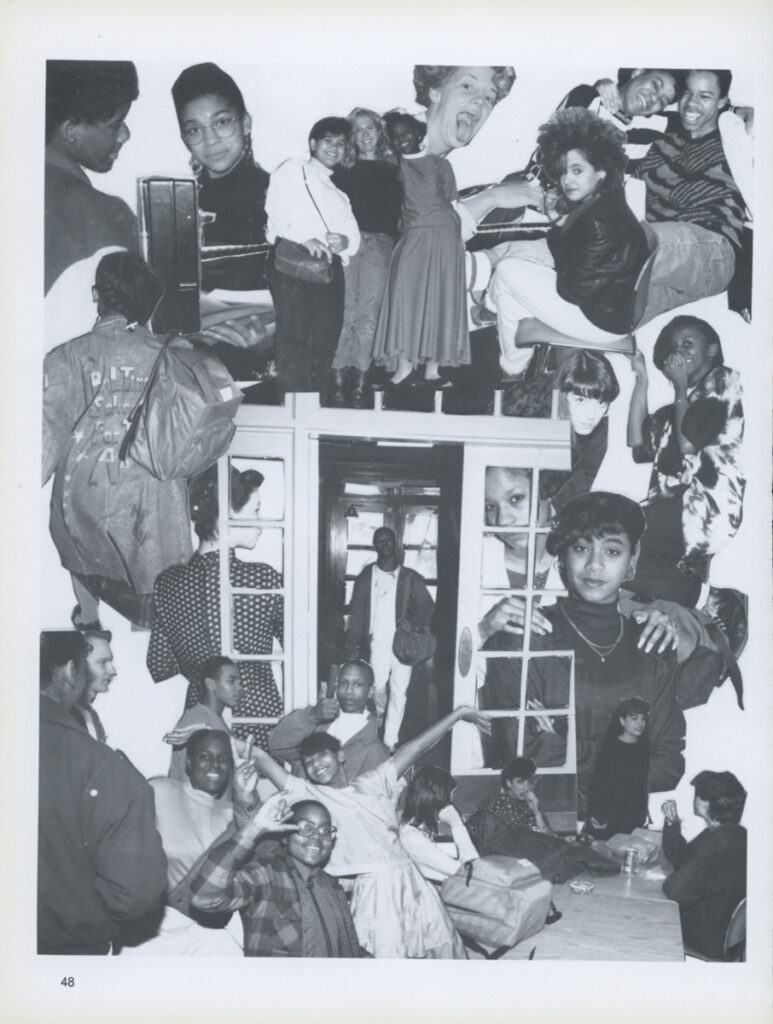
The supportive community at BSA is a huge feature of students’ experiences across disciplines and decades. Michael Solomon, who began as a substitute teacher in 1989 and now works with TWIGS, attributes the unique spirit of the school to the strong bonds among students: “They feel connected with each other. At assemblies, you can see the spirit by their reactions—their applause and yelling at being together.” Students also feel a strong connection to the school itself. Alumni come back often to visit, and there is a common thread in their stories about their time at BSA: they all felt a sense of purpose and belonging.
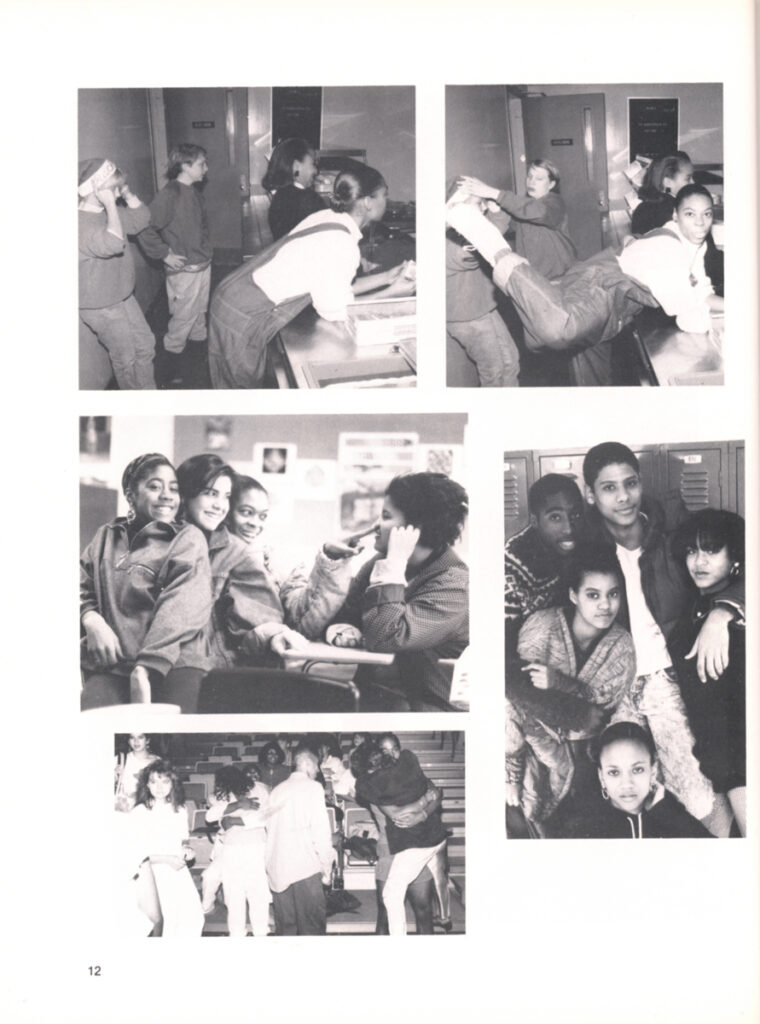
Despite the rigorous schedule of arts and academics—the school day lasts from 8:00 a.m. until 3:51 p.m. and longer for students with rehearsals—it is not unusual for staff to have to usher students out at the end of the day. “They don’t want to leave,” says BSA Foundation Director, Stephanie Moore. That students linger after hours makes sense; over the last several years, in response to their desire for more extracurricular opportunities the school has expanded its programming.
Executive Director Roz Cauthen explains, “I’m noticing a real cultural shift starting to happen here at BSA. We have always had to make room and create a balance for arts and academics. Now we’re juggling a third thing that is coming into play around student voice and student leadership.” Maintaining this balance has been no easy feat, but Cauthen and the faculty at BSA are dedicated to honoring both the original purpose of the school and adjusting to a changing educational landscape.
Andersen elaborates, “Like the world around it, BSA has had to adapt—shifting priorities in response to administrative changes, cultural trends, and the rise of the student voice. We’ve moved away from a one-way model of teaching toward one built on mutual respect for every person in the room and what they are bringing to the present-day experience of being a young person in the world.”
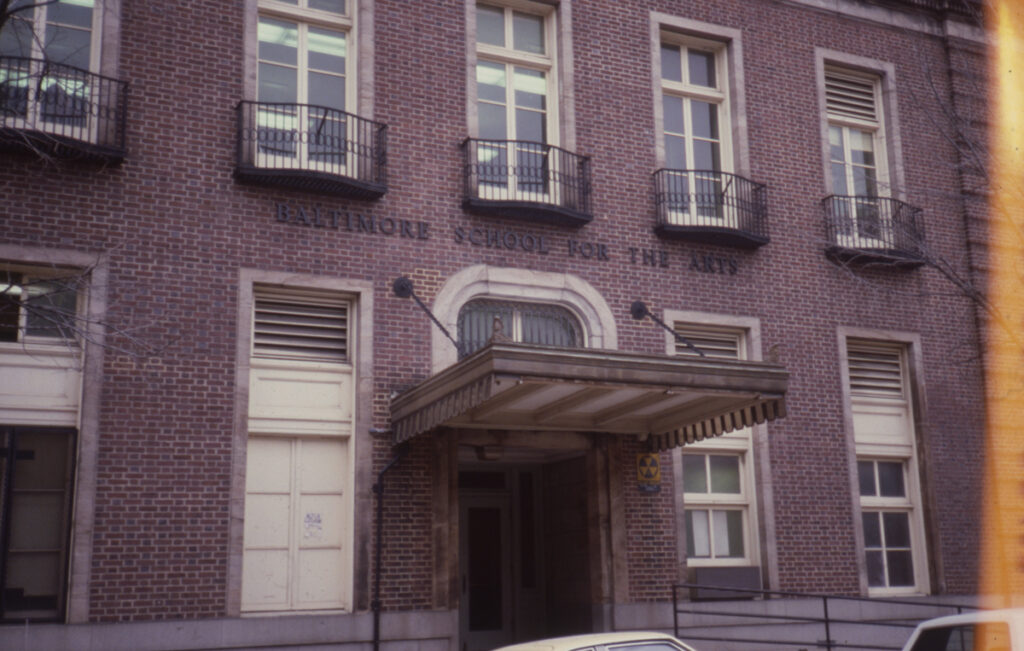
The founders of the Baltimore School for the Arts may not have envisioned the current classroom dynamics or the numerous clubs that have formed in recent years—a music listening club, a school newspaper, a textile club, several affinity groups, and more—but chances are they would be thrilled to see the ways in which the school has managed to maintain the integrity of the founders’ vision as it grows to meet students’ needs. They would certainly recognize the mission, articulated clearly on the school’s website and embodied in the work of faculty, staff, and students: “Baltimore School for the Arts seeks to prepare the next generation of the creative workforce by providing inspiring arts and academic training to high school students as well as opportunities in the arts to younger children and the greater community.” And surely the founders would recognize the students themselves: talented, ambitious, and full of the vitality that allows young creatives to take the risks that lead them to grow as artists and as human beings.
It was in 1980 that the BSA first opened its doors, but the work began in the 1970s, a decade that brought about significant change in Baltimore. Despite racial tensions and a struggling economy—or perhaps because of it—the decade saw an expansion of arts and culture. Much of this growth was thanks to the Cultural Arts Program (CAP). CAP grew out of Lyndon B. Johnson’s War on Poverty and provided funding for arts centers, educational programs, and events like AFRAM. These offerings seemed to whet Baltimore’s appetite for artistic development, and the city’s hunger for the arts reinforced what many educators already knew: Baltimore needed a high school dedicated to the arts.
It was Margaret Deman Armstrong, a music teacher, who spearheaded the effort to establish the Baltimore School for the Arts. In the mid-seventies when she began her work, there were only a few arts high schools in the country, and it took some convincing to get North Avenue on board with a conservatory model. Bringing on David Simon, the dean of Manhattan School of Music, as the head of the school helped. As Solomon notes, “He had his own ideas of what the school should be. For one thing, he thought the department heads should all be real artists working in the arts.”
Simon and the other founders fought the teachers’ union for the right to hire the teachers they believed best served the mission of the school, and today this basic principle still defines the makeup of the arts faculty. Even the academic teachers, Cauthen notes, “are creative and bring art into their classroom in very meaningful ways.” Armstrong, Simon, and the other founders had a clear vision and the tenacity to make that vision a reality. Their efforts in the 1970s have had a lasting impact on the school and, by extension, on the city itself.
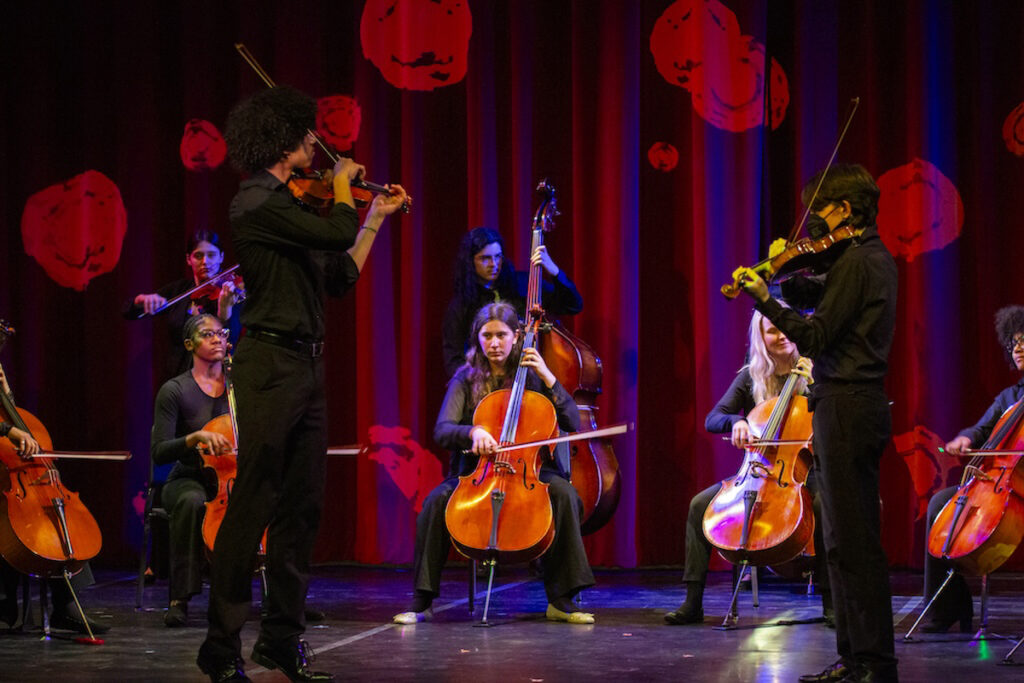
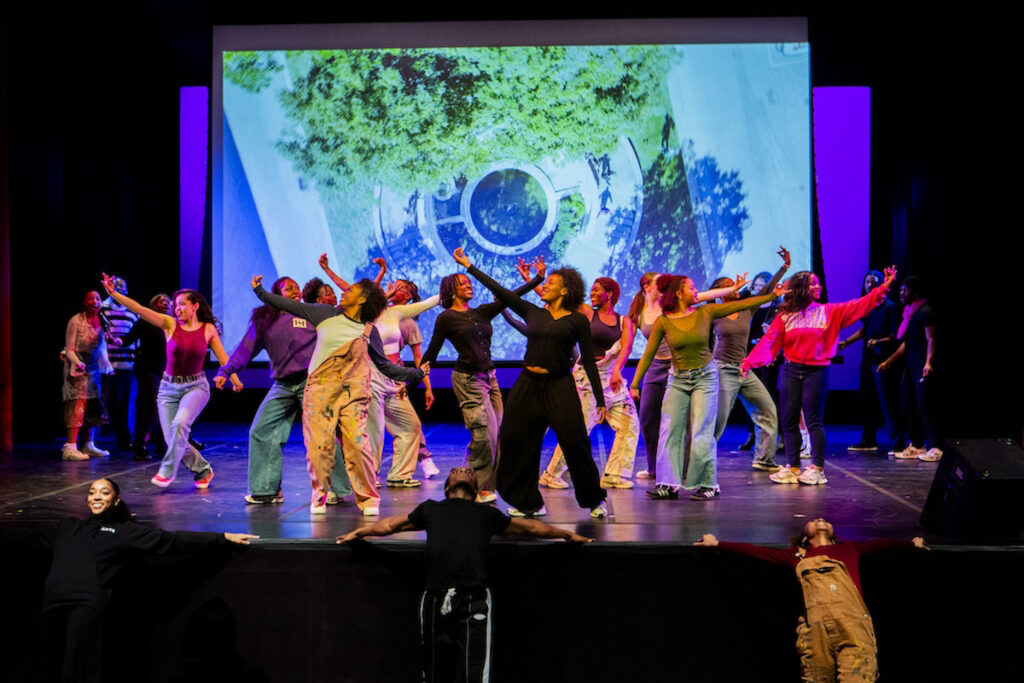
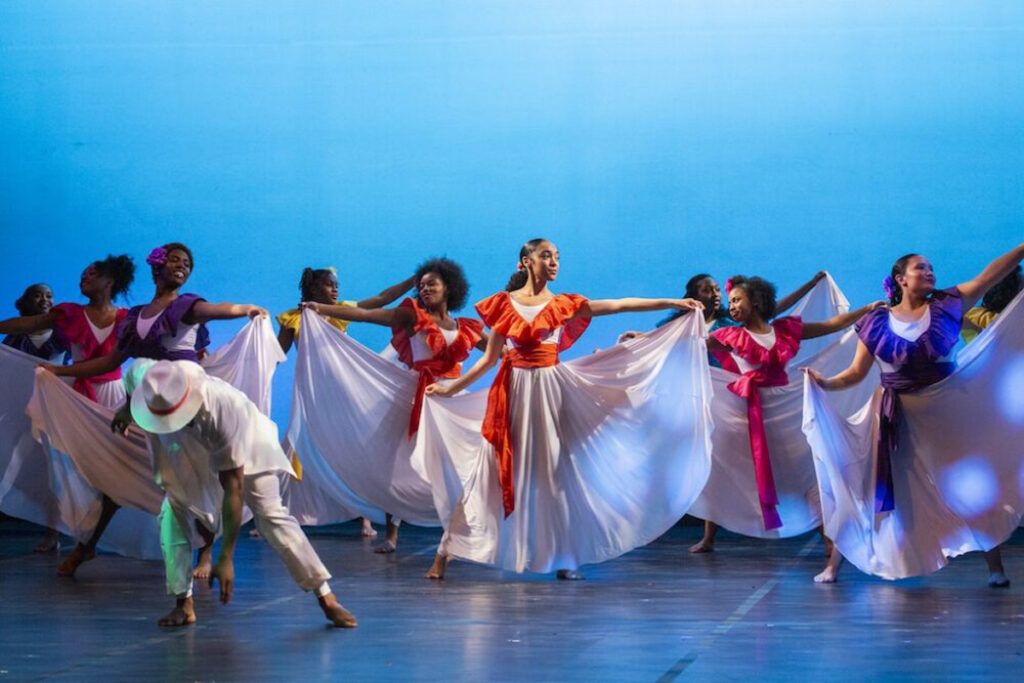
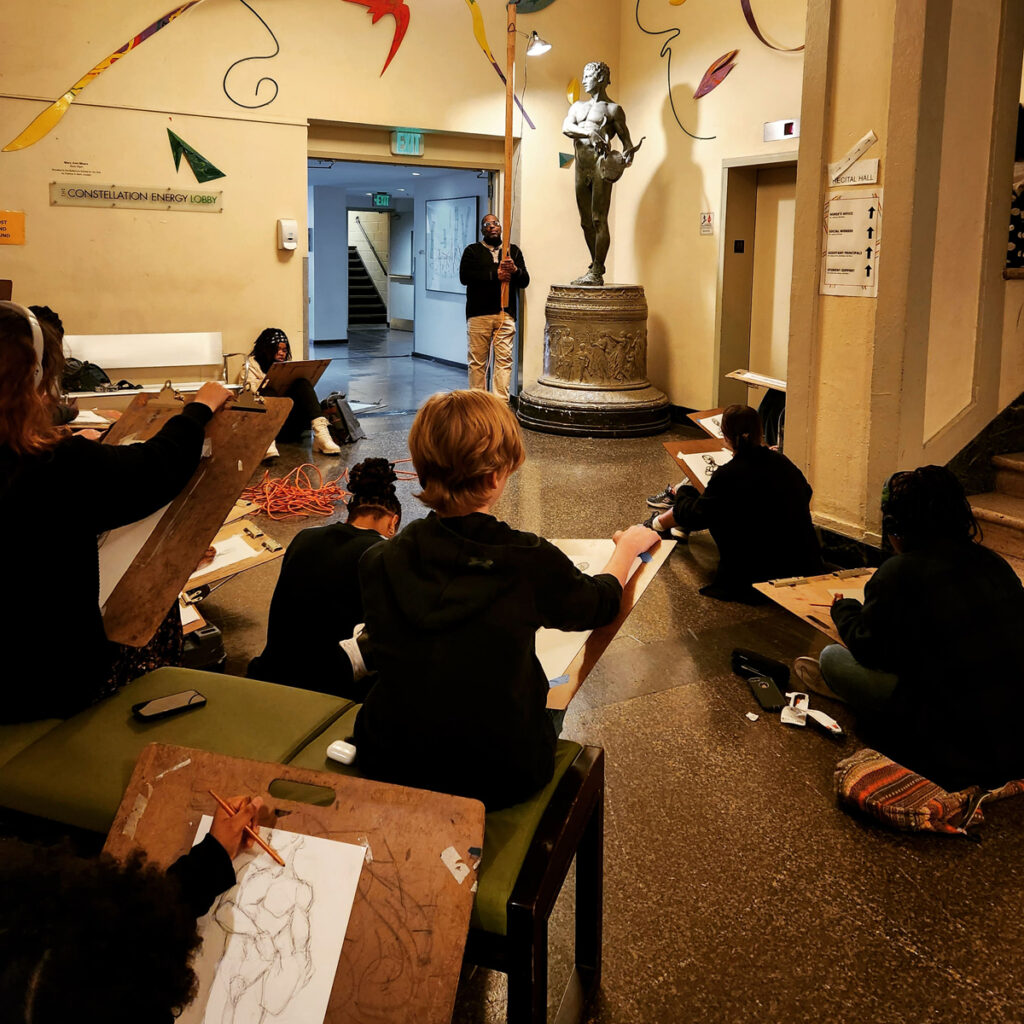
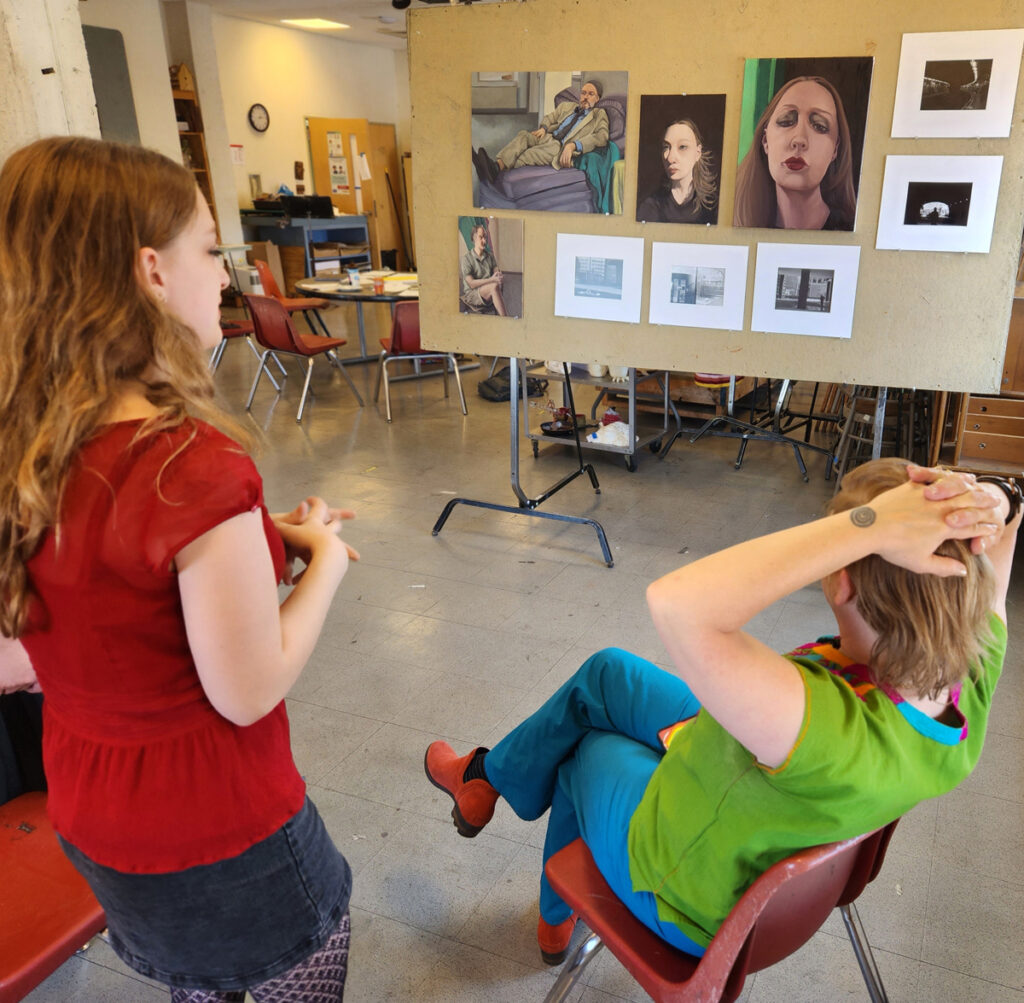
Through the TWIGS program, established in 1982, BSA reaches 700 young people throughout the city, offering classes in instrumental and vocal music, dance, visual arts, theatre and stage production, and film and visual storytelling. Students must audition to be a part of TWIGS, but there is no cost once they are admitted. “To put it simply, the TWIGS program has given thousands of Baltimore City youth the opportunity to train at a caliber parallel to, and often surpassing, private studios and institutions,” says Andersen. “Because the TWIGS program is free, we remove major barriers to access while holding all students to standards of progress and participation, rather than ability to pay.”
Funding from the BSA Foundation is integral to the existence of TWIGS and supplements the regular funding provided for the high school from the Baltimore City Public School System. Moore explains, “The Baltimore School for the Arts Foundation was founded in lockstep with the school. The original creation documents from the School Board of Commissioners allowed the BSA to create a separate 501(c)(3) and our goal is to fundraise and support the work of BSA and TWIGS and other community engagement programs that are related to the school.”
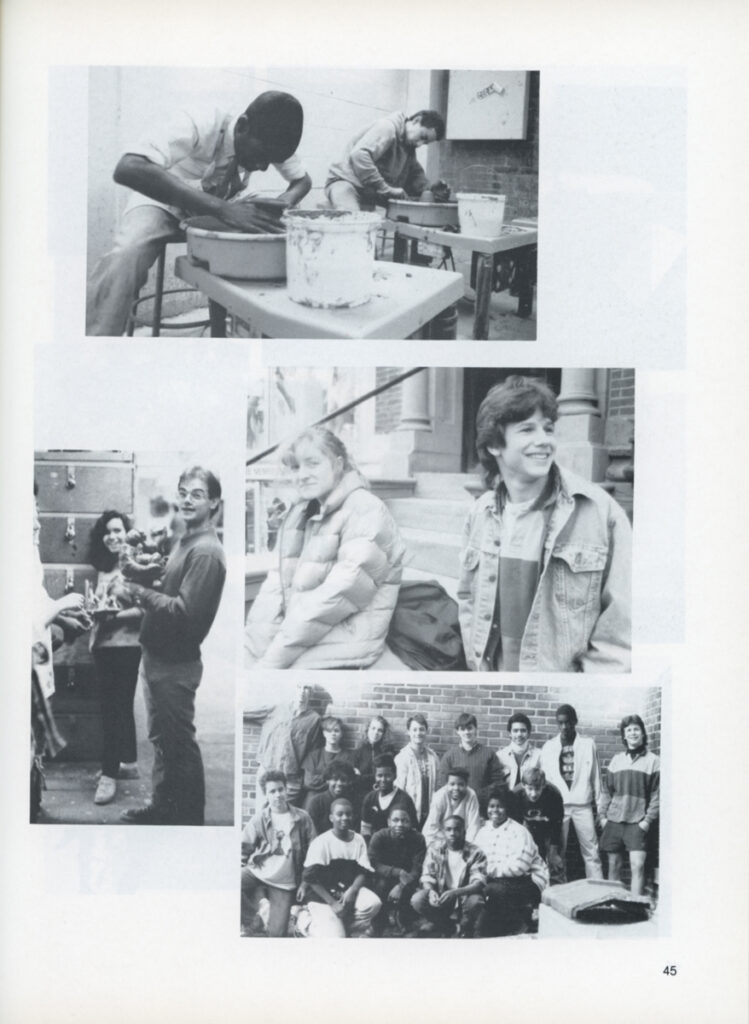
Some BSA alums go on to mainstream fame: Josh Charles ’88, Tupac Shakur who attended from 1986 until 1988, Jada Pinkett Smith ‘89, and Christian Siriano ’04 are notable examples. But regardless of name recognition, the graduates from Baltimore School for the Arts share a common experience of intense focus on their art area in a safe space during a pivotal moment in their lives. Whether they continued their artistic journey after BSA, chose a different path, or returned to the school as teachers to recreate the experience for the next generation, their time at BSA shaped their sense of self.
As Meagan Adele Lopez ’00 says, “It’s not just the walls or the work, it’s the timing of it all. You’re fourteen, maybe fifteen, a jumble of limbs and longing, cracking voice, cracking confidence, a soul trying to breathe in a city that doesn’t always let you. Then you step through the doors, you’re accepted and it’s not a school; it becomes a sanctuary where freaks and weirdos aren’t cast out, they’re cast in and taught discipline, and freedom of expression from teachers who care deeply for their craft and you. BSA gave us hope during a moment in time when many other students give up or are forgotten. I think this combination of freedom of expression, discipline, safety and friendship is rare in life, let alone in a high school, and this is Baltimore School for the Arts’ secret sauce.”