This week’s Baltimore news includes: John Waters paints the Town & Country red, Baltimore’s road to nowhere, going once and sold to the auctioneer, and more reporting from Maryland Matters, WYPR, Technical.ly Baltimore, and other local and independent news sources.
‘Deep Loss’: Maryland Surpasses 10,000 COVID-19 Deaths
by Hannah Gaskill
Published September 16 in Maryland Matters
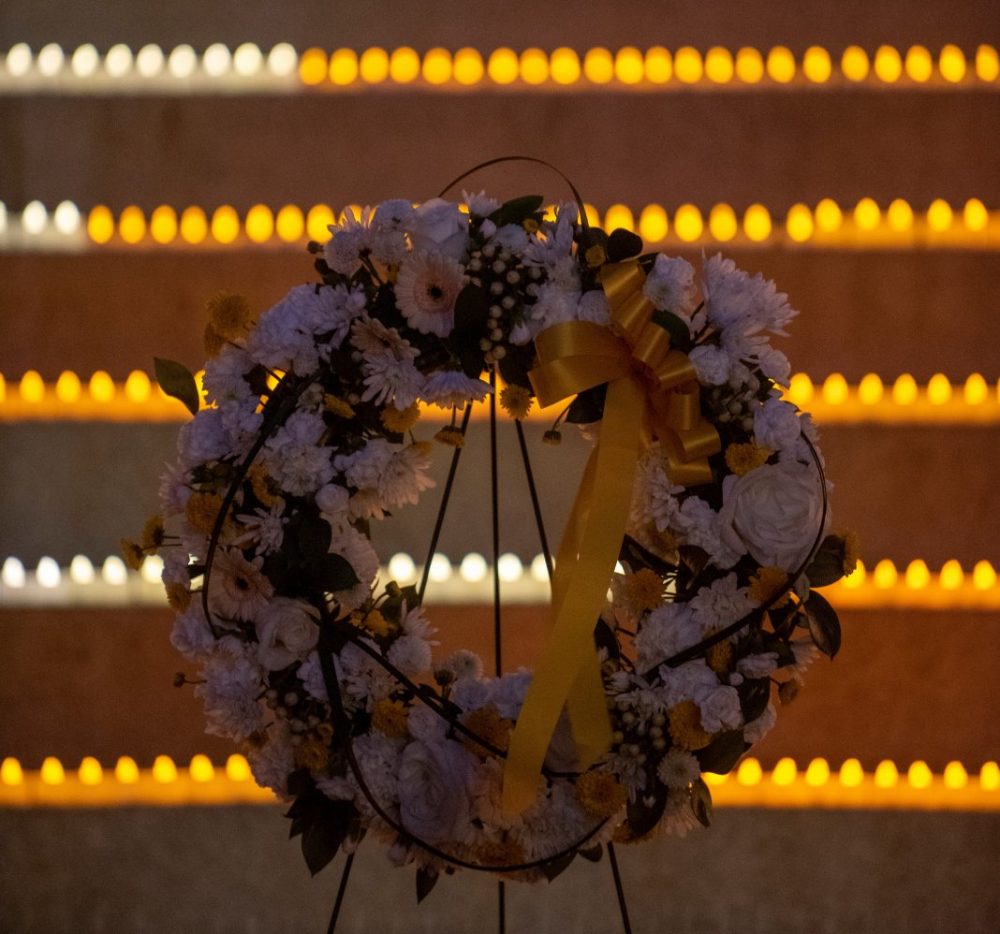
Excerpt: The Department of Health reported Thursday morning that more than 10,000 Marylanders have died of COVID-19, and Maryland flags are flying at half-staff to mark the grim milestone.
“More than 10,000 lives have now been taken from us by this deadly virus,” Gov. Lawrence J. Hogan, Jr. (R) said in a statement. “Each of these Marylanders was the most important person in the world to someone, and our prayers are with all the family members and loved ones who are grieving.”
According to an update to the Department of Health’s COVID-19 dashboard Thursday morning, 10,011 Marylanders have died of COVID-19 since Hogan declared a state of emergency on March 5, 2020, after the state’s first three cases were reported.
Senate President Bill Ferguson (D-Baltimore City) called Maryland’s death toll a “deep loss.”

Democratic Policymakers Alarmed by Texas Abortion Law, Ponder Legislative Protections in Maryland
by Hannah Gaskill
Published September 21 in Maryland Matters
Excerpt: Maryland policymakers are weighing legal and legislative action to protect abortion access in light of the enactment of a Texas state law that prohibits abortions as early as six weeks — often before people know they’re pregnant.
David Schuhlein, a spokesperson for Senate President Bill Ferguson (D-Baltimore City), said that Ferguson is “alarmed” about the Texas law.
“He is dedicated to protecting a woman’s right to choose and is exploring options to protect that right for this upcoming session,” Schuhlein said in a statement.
Representatives for House Speaker Adrienne A. Jones (D-Baltimore County) did not respond to a request for comment.
But Del. Ariana B. Kelly (D-Montgomery), an advocate for reproductive rights, said that she thinks the time is right for the legislature to move some more progressive policies.
“I think we’re really well-poised in Maryland right now for some major pro-choice legislation,” Kelly said during a phone interview Friday.
Fight Blight Bmore Founder Nneka N’Namdi Wants Baltimore to See the Bigger Picture
by Grace Hebron, photography by Schaun Champion
Published September 22 in Baltimore Magazine
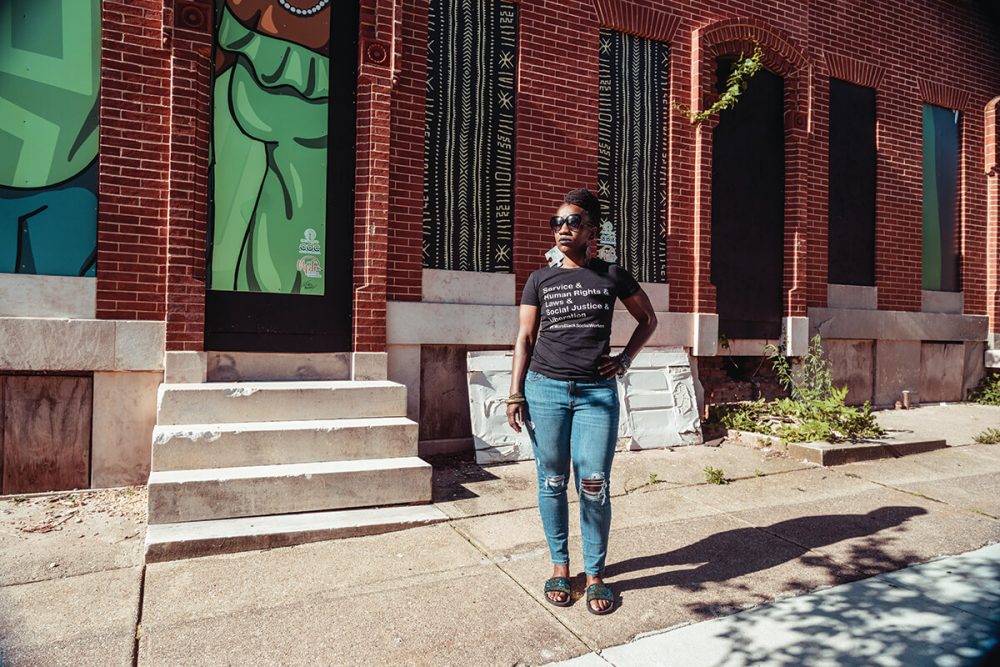
Excerpt: Five years ago, Nneka N’Namdi watched as children rode their bikes along a demolition site. As they crossed Fremont Avenue to Lafayette Street, where four large brownstones were being razed, the bikers rode past hazardous debris and gaping, six-foot holes in the ground.
The urban decay she witnessed that day—it happened to be Mother’s Day weekend—inspired N’namdi to launch Fight Blight Bmore (FBB), an advocacy group aimed at eradicating blight by creating safer spaces for Baltimore residents. More recently, these efforts have included a push for more equitable housing practices, with focuses on community development, estate planning advocacy, and dismantling the city’s ties to systemic racism.
“Being a port city where you have all the different geographical types—except for frozen tundra—Baltimore could really live up to its natural promise,” says N’namdi, who lives in old West Baltimore, one of Baltimore City’s most run-down areas. “But it will never be what it could be, due to the displacement and the genocide of indigenous Americans, and the enslavement and oppression of Africa-descended people. Until those things are dealt with, we can forget it.”
The Marvelous Mr. John Waters
by Mike Albo
Published September 20 in Town & Country
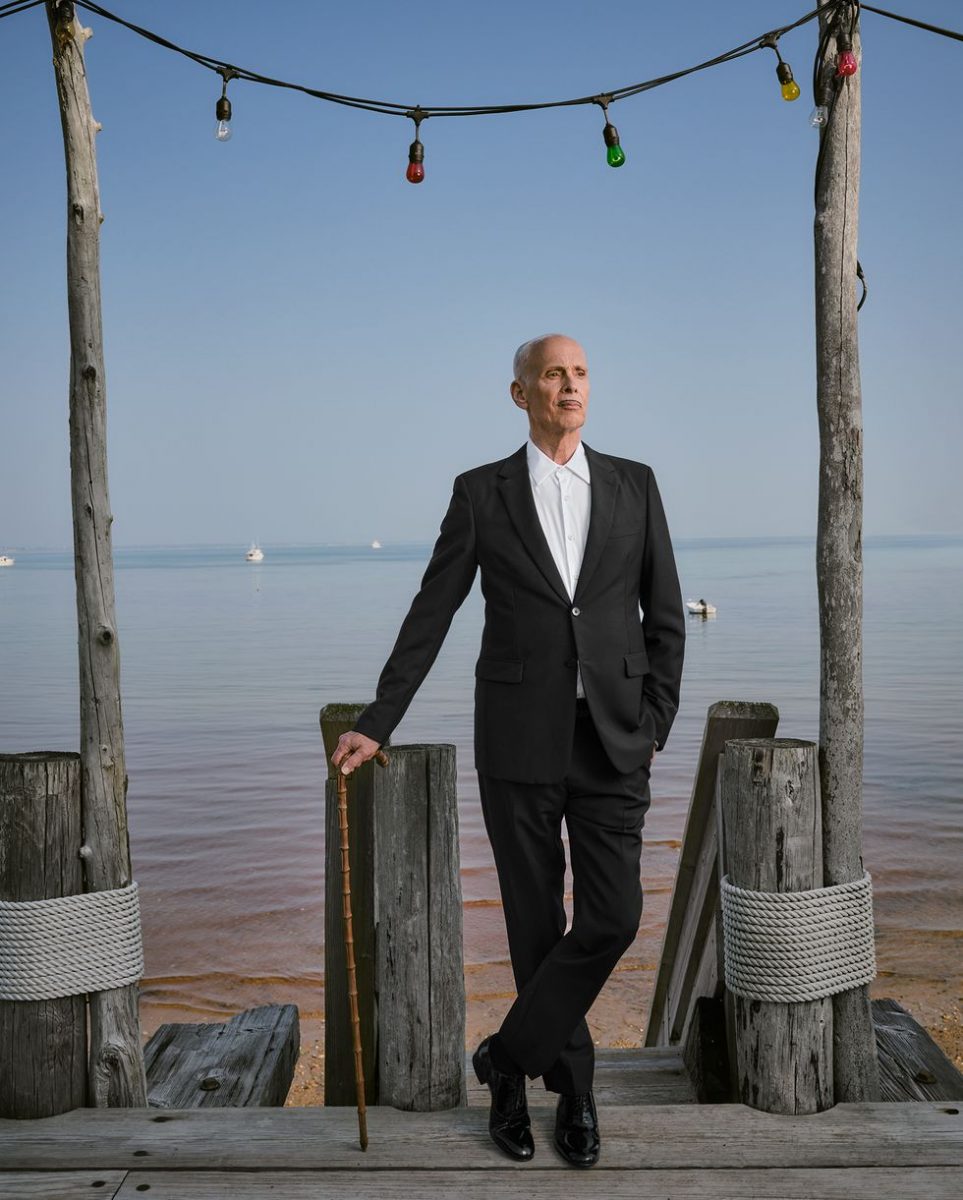
Excerpt: John Waters is rattling off a list of upcoming projects. It is summer, and he’s looking ahead to appearances on Search Party and The Marvelous Mrs. Maisel. He is the host act for alt-country fabulist Orville Peck at the Red Rocks Amphitheatre in Colorado, and he is expected to do the same at the California indie music festival Halloween Meltdown in October. There are also art exhibits of his visual work staged by his New York gallerist Marianne Boesky, and more dates for his long- running one-man show, This Filthy World.
“And then I go to Europe,” he says. “I do stuff there a lot, too. I have to get used to it again. Suddenly I think, Oh my god, how did I ever do that—19 cities in 22 days?” Waters says all this with a nonchalant exhale, almost as if he still smoked (he quit years ago), displaying zero stress. At 75, with a backlist of cult films he readily admits didn’t make much money, the Bard of Baltimore has never been more in demand.
Perhaps unexpectedly, Waters has been elevated, by both Hollywood and his critics, to the highest echelon of film culture: an auteur. From his first full-length film, Mondo Trasho, to his most recent, A Dirty Shame (starring T&C’s May cover star, Selma Blair), not to mention his books and shows—even the one-liners and film clips of his cycling through TikTok—there are few artists as easily recognizable, or as beloved and embraced by battalions of fans.
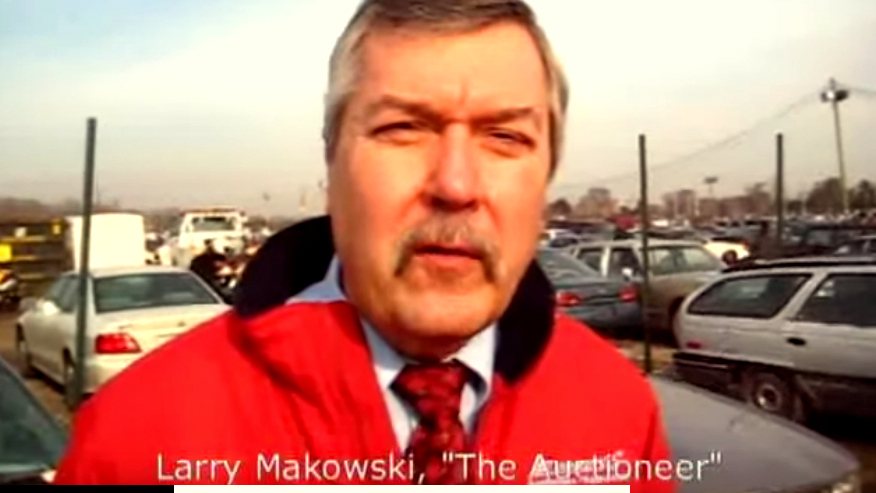
An auctioneer pocketing money from the sale of impounded vehicles? It has happened yet again
by Mark Reutter
Published September 16 in Baltimore Brew
Excerpt: For the second time, Baltimore failed to collect money from the auctioneer it hired to sell off impounded, abandoned and surplus cars and trucks, resulting in more than $480,000 in lost revenues.
A near total lack of oversight allowed the auctioneer to improperly “commingle” city revenues with his own funds, according to a report issued yesterday by the Office of the Inspector General.
So lax was the Department of Transportation at the Pulaski Highway impoundment yard that the auction company “typically counted the money after each auction behind closed doors inside a recreation vehicle it owned, usually without any city representative,” IG Isabel Mercedes Cumming wrote.
The vendor was not identified in the report, but city and court records point to Express Auction Services, and its owner, Larry A. Makowski, a Baltimore auctioneer who now lives in rural Virginia.
In a phone interview today, Makowski said, “I didn’t take the money. I never handled the money. Other people stole it from me.” He said he offered to pay back the missing proceeds over a six-year period, but the city refused.
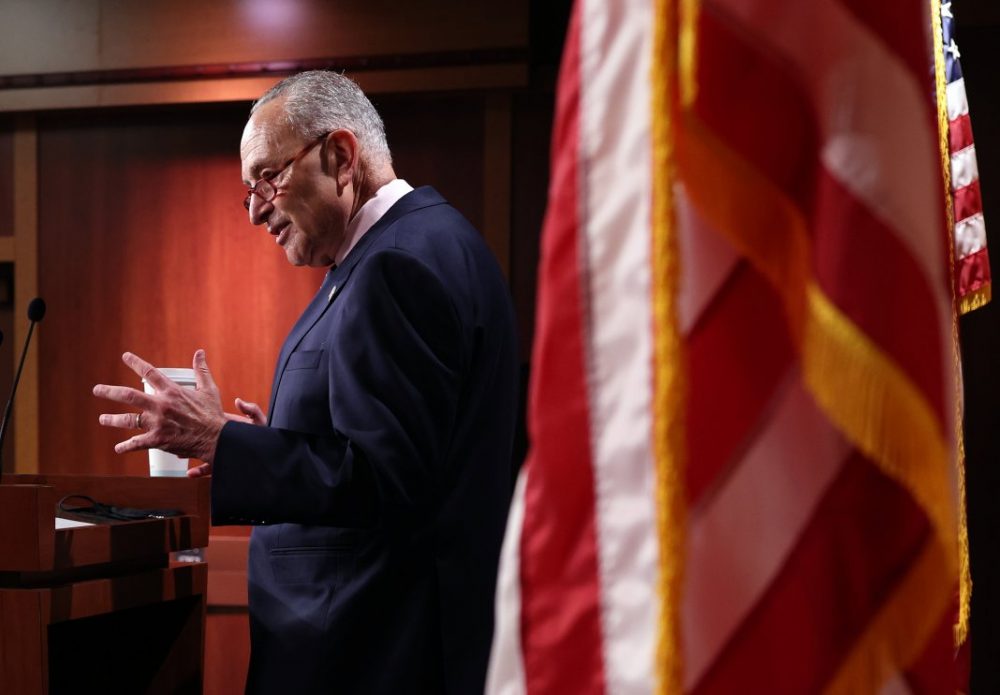
Advocates Press for Action in Congress on Voting Rights, Despite Grim Outlook
by Antonia Figuera
Published September 22 in Maryland Matters
Excerpt: Activists are ramping up the pressure on U.S. Senate Majority Leader Chuck Schumer to move on his chamber’s version of a voting rights bill, even though there’s no sign there will be enough Republican support to advance it.
Alternatively, they’re pressing for an end to the filibuster, though there’s no indication there would be enough Democratic support for that yet either.
The push comes as Democrats in Congress face tough decisions in the coming days on how to move ahead on a massive budget reconciliation bill, infrastructure legislation, disaster relief, continued spending to avert a government shutdown and help for Afghan refugees.
Schumer, a New York Democrat, has promised the Senate will act to try to move voting rights ahead too, as soon as this week, though there’s no vote scheduled yet on the “Freedom to Vote Act” amid the crush of other problems.
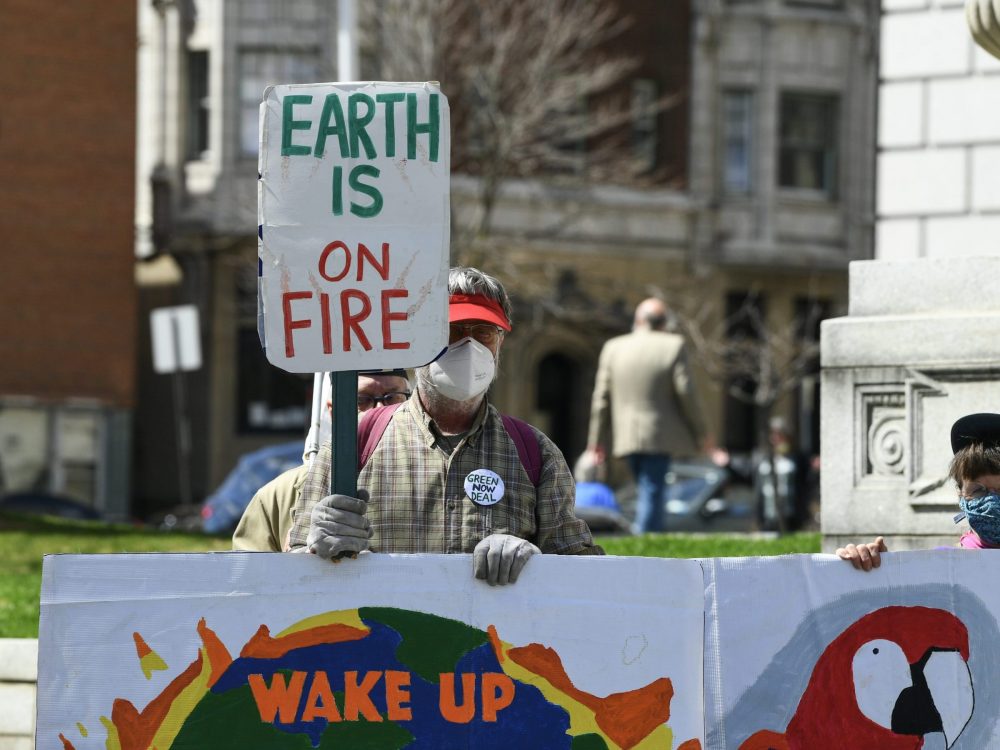
Battleground Baltimore: How the Green New Deal for Public Schools Could Help Baltimore City
by Jaisal Noor, Lisa Snowden-McCray, and Brandon Soderberg
Published September 17 in The Real News Network
Excerpt: In the first two weeks of the 2021-2022 school year, two dozen Baltimore City Schools that lack functioning air conditioning closed early five times due to high temperatures. The rising threat of COVID-19 variants, which are becoming increasingly transmissible in indoor unventilated spaces, has created a new sense of urgency in Baltimore among educators and activists who are calling on elected officials to support a bill they say would finally address those long standing issues.
The Green New Deal in Public Schools is a ten-year, $1.43 trillion dollar proposal introduced by former public school principal Rep. Jamaal Bowman (D-NY) in July. The goal of the legislation is to fight climate change by upgrading every public school in the country with green infrastructure, addressing historic inequities by focusing resources on high-need schools, providing resources to create culturally relevant curriculum, and funding the training of hundreds of thousands of additional educators.
“The Green New Deal for Public Schools represents the level of school infrastructure investment that is urgent and necessary to heal the harm from decades of disinvestment, redlining and cycles of poverty and trauma, particularly for Black and brown children,” Bowman said in a press release.
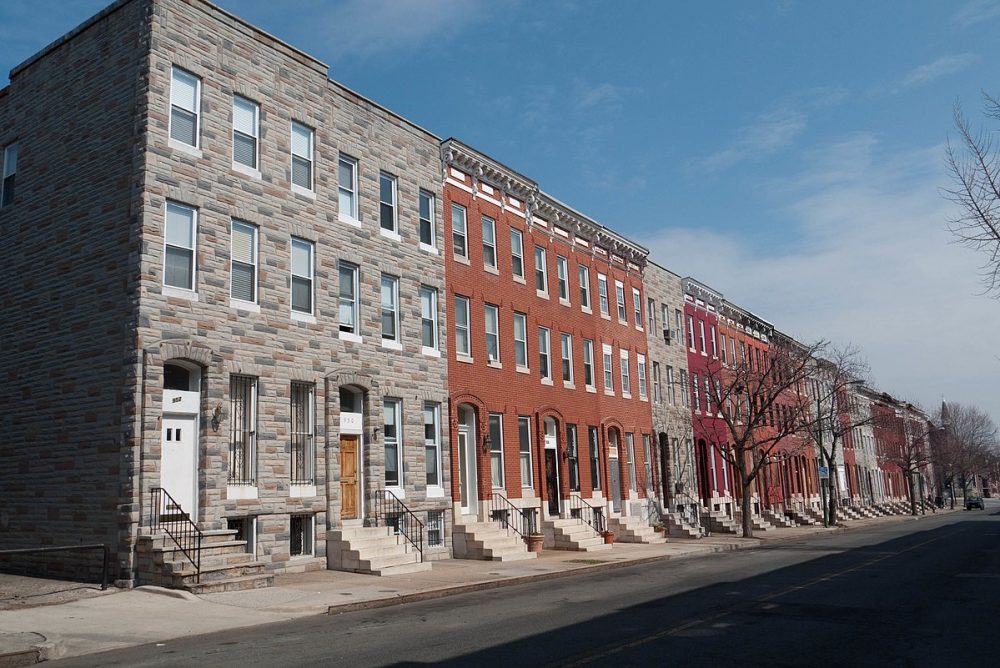
Redevelopment in neighboring cities offers lessons for Baltimore. Can it apply them?
by Donte Kirby
Published September 22 in Technical.ly Baltimore
Excerpt: Consider Harlem and Harlem Park.
In New York City’s Harlem neighborhood, which has long drawn Black residents seeking opportunity from around the country, $350K will get you an 834-square-foot, two bedroom, one-bath apartment, according to Zillow.
By contrast, in West Baltimore, $300K will get you five bedrooms and five baths in Harlem Park. But that points to a trend that’s common knowledge: the further south you go (save DC), the more square footage your money buys you. Harlem Park is not Harlem in terms of size and profile, but there are some parallells. As its namesake status suggests, Harlem Park is also a historic Black neighborhood with a renowned theatre that showcased amazing local talent. The Apollo Theatre in Harlem still stands, and the building that housed the Harlem Theatre in Harlem Park does, too — just in its original incarnation, a church.
Could Harlem Park and Harlem one day become even more similar? Population trends show some familiarity. Harlem lost 10,000 Black residents, according to the 2020 US Census. West Baltimore, where Harlem Park is located, meanwhile, was one of a number of West Baltimore neighborhoods where the population fell by more than 10% as the city saw Black residents leave in spades, according to University of Baltimore’s Baltimore Neighborhood Indicators Alliance (BNIA).
Community arts and education project launches in Bolton Hill
by Ed Gunts
Published September 20 in Baltimore Fishbowl
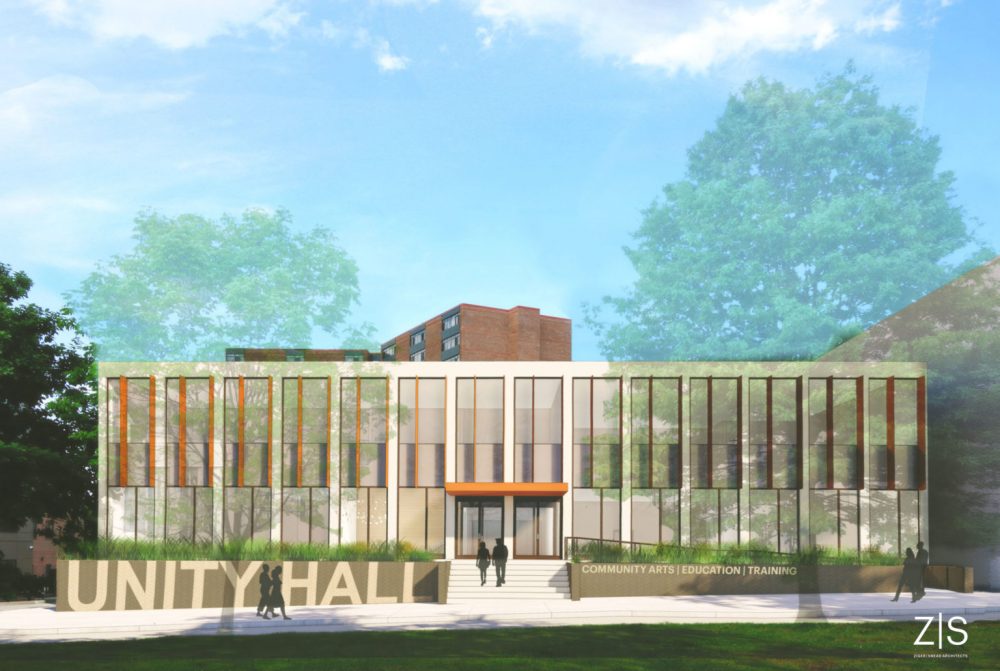
Excerpt: Mayor Brandon Scott and community leaders gathered on Tuesday to launch the renovation of Baltimore Unity Hall, a $9.7 million center for community arts, education and training at 1505 Eutaw Place.
The project involves the conversion of a three-story, 1960s-era union hall to a 30,000-square-foot hub for programs and organizations serving Bolton Hill, Madison Park, Upton and other communities in Central West Baltimore.
When complete next spring, Baltimore Unity Hall will contain offices, co-working and programming spaces at-below market rents for non-profits and community-based organizations serving the area. It will also contain an auditorium, artist studios and exhibit spaces that will make it a venue for community meetings, art exhibits, music performances and other cultural events.
The lower level will provide a workforce development center with a commercial kitchen and training and event spaces. Training will be provided at low or no cost to residents seeking employment.
The project could help remove barriers that have traditionally separated Black and white Baltimore, with its location between relatively-affluent neighborhoods of Mount Vernon and Bolton Hill and less wealthy neighborhoods to the west. The renovation is also expected to improve the building’s appearance while providing construction jobs.
Searching For A Turn-Around On The Highway to Nowhere
by Emily Sullivan
Published September 16 in WYPR
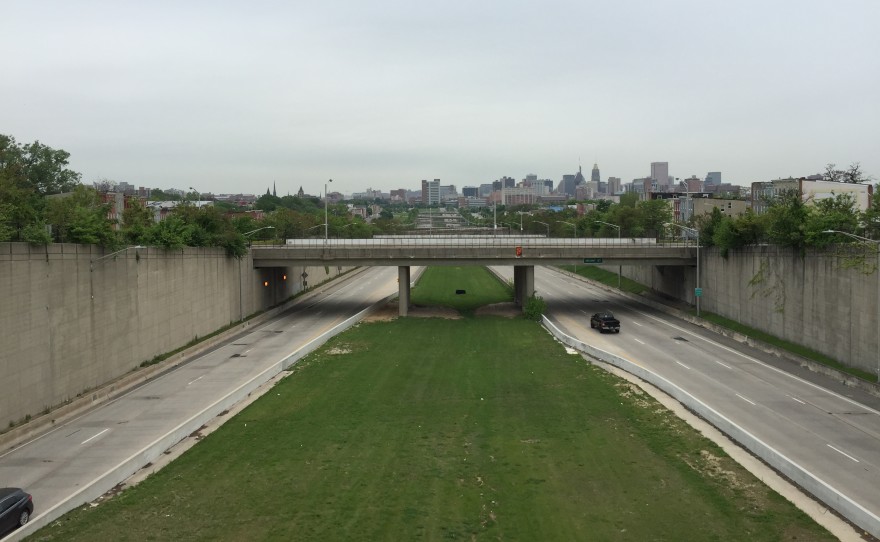
Excerpt: Looking out onto the six-lane stretch of highway that separates one West Baltimore neighborhood from another, Glenn Smith remembers what used to be.
“50 years ago, you would see a bustling neighborhood. And where we’re standing at, you had a real community,” he said. “It was like a Norman Rockwell painting. Now there’s a void.”
Smith was a teenager when the notice came to the door of The Fort, his beloved family rowhome on Lauretta Avenue: his family and about 1,500 of their neighbors would have to vacate their predominantly Black community so that workers could build an extension of Interstate 70.
But after the Smiths and their neighbors moved out in 1969, and 971 homes and 62 businesses were destroyed to make way for the highway, the partially-constructed project was cancelled. Workers left something behind: a sunken, 1.39 mile highway with a series of overpasses that stand in place of once-vibrant blocks. To Smith, it’s “a monument to what happened to our community.”

Hutch business incubator seeks to help build 25 Black-owned businesses by 2025
by Marcus Dieterle
Published September 22 in Baltimore Fishbowl
Excerpt: Hutch, an incubator for women and minority entrepreneurs in the digital services and related industries, is seeking to support more business owners with the skills and resources they need.
The leaders of digital services firm Fearless founded Hutch in 2019, offering a two-year incubator program for women- and minority-run businesses. And at the beginning of September, Hutch opened meeting and co-working spaces in the Spark Baltimore building at Power Plant Live!, which also houses Fearless.
Now, they are recruiting their next cohort of entrepreneurs for the incubator program.
Hutch was founded by Fearless founder Delali Dzirasa and chief operating officer John Foster. Dzirasa is also the husband of Baltimore City Health Commissioner Dr. Letitia Dzirasa, who served as Fearless’s health innovation officer before taking her current post.
Speaking at the unveiling of Hutch’s new space earlier this month, Dzirasa said that when he started his company, he struggled to feel like he belonged. But his mentors pushed him to continue and build Fearless into what it is today.
Now, Hutch is providing that same encouragement for other entrepreneurs, Dzirasa said.