BALTIMORE, MD — The Robert W. Deutsch Foundation is pleased to announce the recipients of the 2026 Rubys Artist Grants, the inaugural cohort selected under the program’s newly reimagined structure. This cycle, the Rubys will provide $180,000 in direct funding to 12 artists working in Performance and Visual Arts — the first two disciplines in the program’s new two-year rotating cycle — as well as two $25,000 Jane Brown Alumni Rubys grants to previous awardees and two $2,500 Rubys Material Grants.
Beginning this year, the Rubys focus on two artistic disciplines per cycle, with the four disciplines — Literary, Media, Performing, and Visual Arts — rotating on a two-year basis. This new structure ensures that all four disciplines continue to be supported on a regular cycle, while strengthening cohorts, honing support within each field, and continuing to grow opportunities for future, current, and alumni grantees.
This year also marks a special milestone for Foundation President and program founder, Jane Brown. After 31 years with the foundation, Brown will transition from her impactful role as President and CEO of the Robert W. Deutsch Foundation later this year to make way for a new generation of leadership. To mark that occasion, the Rubys has renamed its alumni award the Jane Brown Alumni Ruby, acknowledging her catalytic role in supporting artists and investing in their big ideas. To further mark the magnitude of this shift, the foundation is proud to award two Jane Brown Alumni Rubys this cycle — the program’s first and only year granting two alumni awards.
Now in its thirteenth year, the Rubys Artist Grant program is rooted in the belief that artists should be paid for all parts of their creative work, not only for the final outcome. In addition to funding, the program provides professional development, network building, artist services, and technical assistance for awardees. Through partnerships with other Deutsch Foundation grantees — including Open Works, BmoreArt, Connect + Collect, and Motor House — the Rubys provide recipients with access to tools, technologies, equipment, performance and event space, and dialogue relevant to their work.
Launched by the Deutsch Foundation in 2013, the Rubys Artist Grant program draws inspiration from the national work of New York City-based Creative Capital Foundation and is named in honor of its visionary founder, Ruby Lerner. Past Rubys recipients have gone on to achieve critical acclaim and received residencies and fellowships from prestigious institutions such as Creative Capital, the Guggenheim Foundation Fellowship, United States Artists, and Halcyon Arts Lab. They have also showcased their projects at renowned venues like the New/Next Film Festival, the Hirshhorn Museum, and the Baltimore Museum of Art.
Brief profiles of the 2026 Rubys Artist Grant recipients and their respective projects are included below, followed by profiles of this year’s jury panelists — many of whom will also serve as mentors to the awardees:
2026 Rubys Artist Grant Recipients — Performance and Visual
Josh Aterovis – To support The Pansy Hour, a new, original immersive theatrical experience from Submersive Productions inspired by Baltimore’s hidden queer history and the dazzling Pansy Craze of the 1920s and ’30s. Step inside a secret 1932 speakeasy where music, drag, ritual, ghosts, and queer joy intertwine in a magical realist celebration of resilience, chosen family, and the spaces we create to survive and thrive.
Carolyn Case – To support the creation of Magic Mess, an artist book documenting a surprise convergence of two different pursuits: the artist’s lifelong artistic practice and an acre-sized native meadow that she created in her yard.
Andrea Conte – To support The Records & The Ruse, a documentary theatre performance that draws on years of investigative journalism and Freedom of Information research to uncover previously undisclosed state actions targeting the Baltimore Chapter of the Black Panther Party. Blending investigative documentary processes with theatrical storytelling, the performance examines how political power, the historical record, and public narratives shape our understanding of truth.
Katie Hileman – To support Let’s Get Fucked Up and Die, a fat-positive dance theatre piece and memory play in the form of an early 2010s house party that explores an elder millennial’s longing for the exhilaration of their 20s, and asks, is there really a difference between being nostalgic and being haunted by your past.
Michelle Marrion – To support 10 O’Clock Flowers, a film that follows Tibebe, a Haitian artist and activist in her 70s, on a spiritually charged journey reckoning with a system of child slavery called “restavek” that marked her life. While reclaiming dreams of becoming a poet and actor, she fights for change she hopes will once again have a ripple effect.
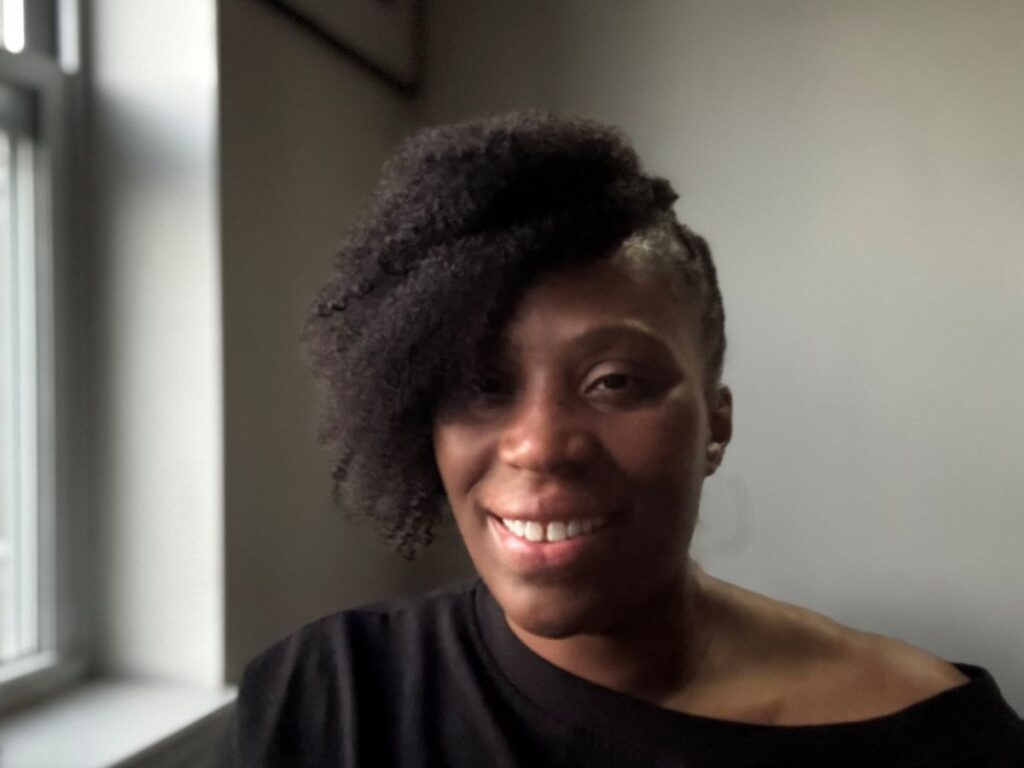
Adriana Monsalve – To support Magdalena / Mississippi, a photo-based art book that uses revisionist history to explore colonized land and waterways elusive to black and brown bodies through the displacement of mixed diasporas. Investigative collaboration with the dead results in an irreverent fable that calls legends to life and ghosts to play.
Katie O’Keefe – To support Mending Takes Time, a new body of work integrating dance and movement into the poses of life-sized stitched portraits, with guidance from dance professionals and dance movement therapists. Materializing into life-sized, multi-figurative embroidery pieces, they illustrate the artist’s chronology of her healing journey while living with chronic illness.
S. Rasheem – To support Soul of the City: Baltimore’s Creative Legacy, a documentary exploring how Baltimore’s artists and culture bearers have used creativity as a force for resistance, healing, and community transformation, forming a living archive of the city’s cultural history within the Baltimore Legacy Project.
Alex Vernon & Sarah Olmsted Thomas – To support Really Quite A Lot of Mechanisms, a darkly comedic puppet show set in the not-too-distant Now when nations are at war, bad things happen to good people, and dropped toast always lands butter side down; but, good people, take solace that just beneath the seen world there are…Really Quite A Lot of Mechanisms.
Paul Villmoare – To support Flamenco Reimagined, integrating Persian and Arabic musical traditions into contemporary flamenco guitar performance. Through specialized mentorship, he will develop original compositions across five traditional flamenco styles and preserve his research in a digital archive to provide a new cross-cultural resource for fellow musicians.
James Williams II – To support Heaven Knows / Victories and Losses, a project that develops a series of materially complex, journal-like paintings
that weave an abstract, non-linear narrative. Using fragile surfaces, layering, appliqué, and metaphorical material processes, the work explores personal vulnerability, emotional authenticity, and the tension between hopelessness and hope, creating an intimate and contemplative dialogue between material, process, and viewer.
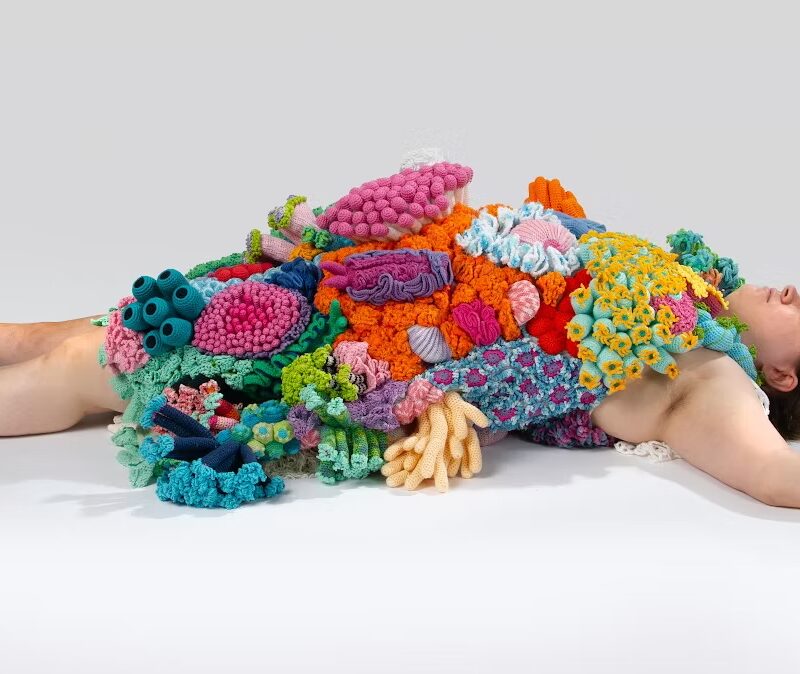
Karen Yasinsky – To support Felted Objects, a new body of needle-felted wool busts and simplified, abstracted figures using stick-figure warning signs as a starting point. The sculptures are cartoony but attempt to embody a specific character.
Jane Brown Alumni Rubys Awards
Each Rubys grant cycle includes one Alumni Award to recognize an exceptional project by a previous recipient, as part of a separate application process. This year, the newly renamed Jane Brown Alumni Ruby Award celebrates the Rubys’ growing alumni community with two awards of $25,000 each to be used for the production of new work. The 2026 Jane Brown Alumni Ruby Award recipients are:
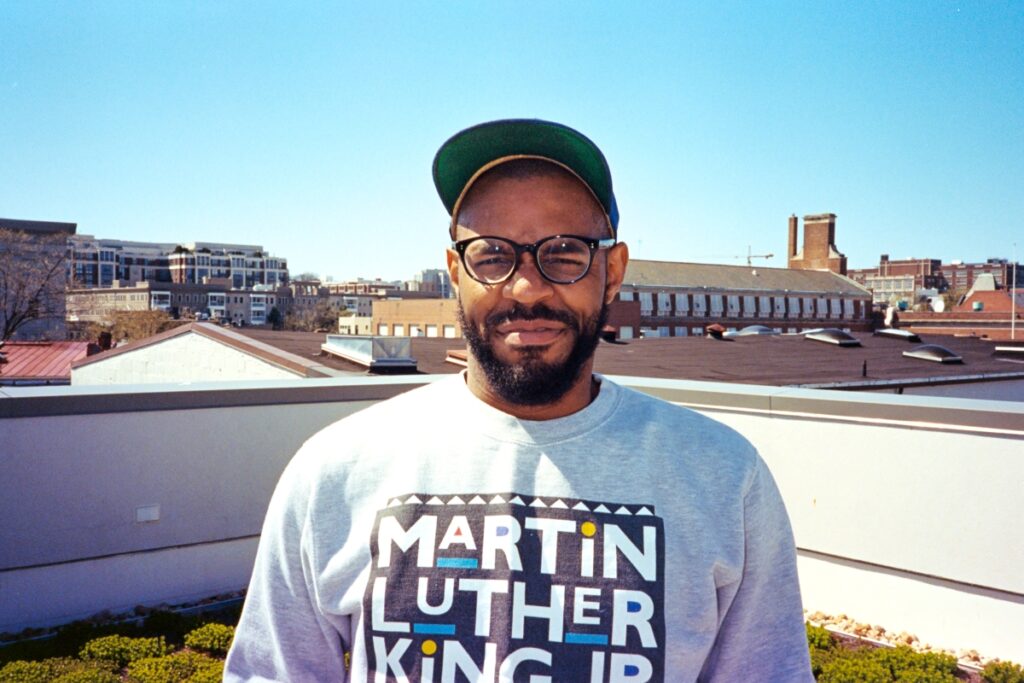
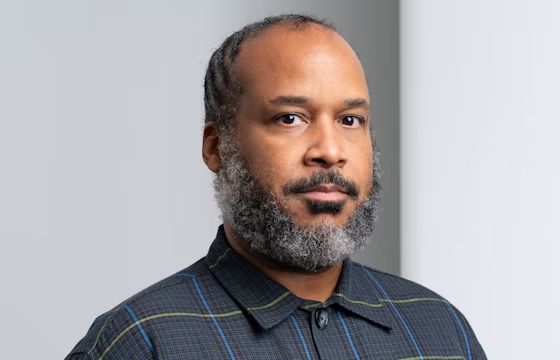
Tahir Hemphill – To support Semantic Geometries, a public art installation that transforms large archives of popular language into light and sculpture within a historic industrial building. Using LED systems, AI-generated text, the Rap Almanac, and Baltimore civic data, the work reveals the hidden structures through which language shapes our understanding of place, culture, and community.
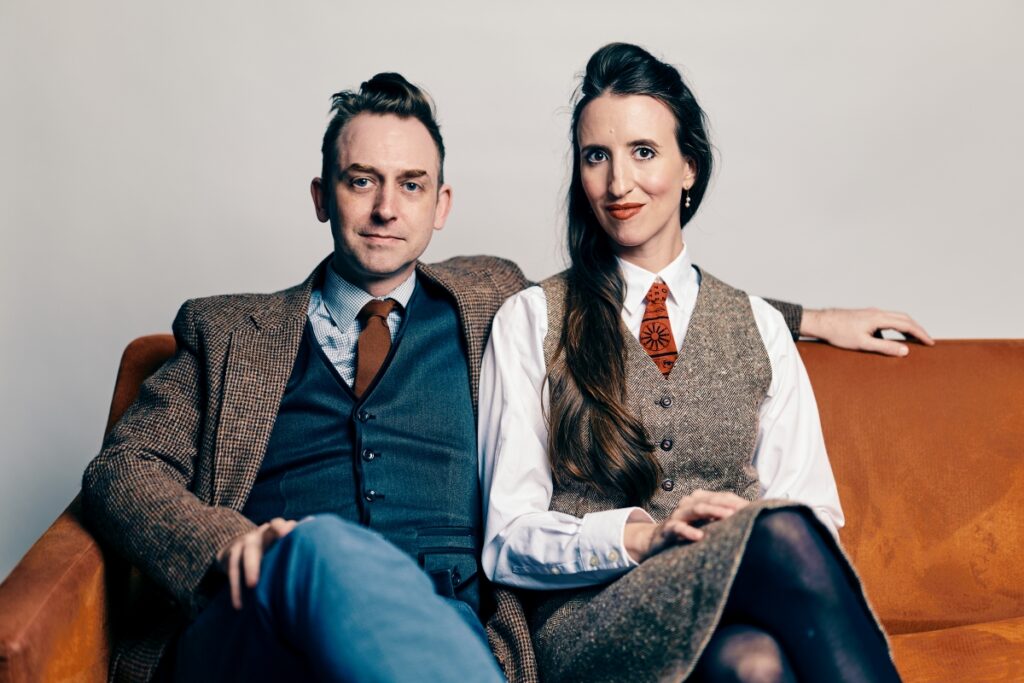
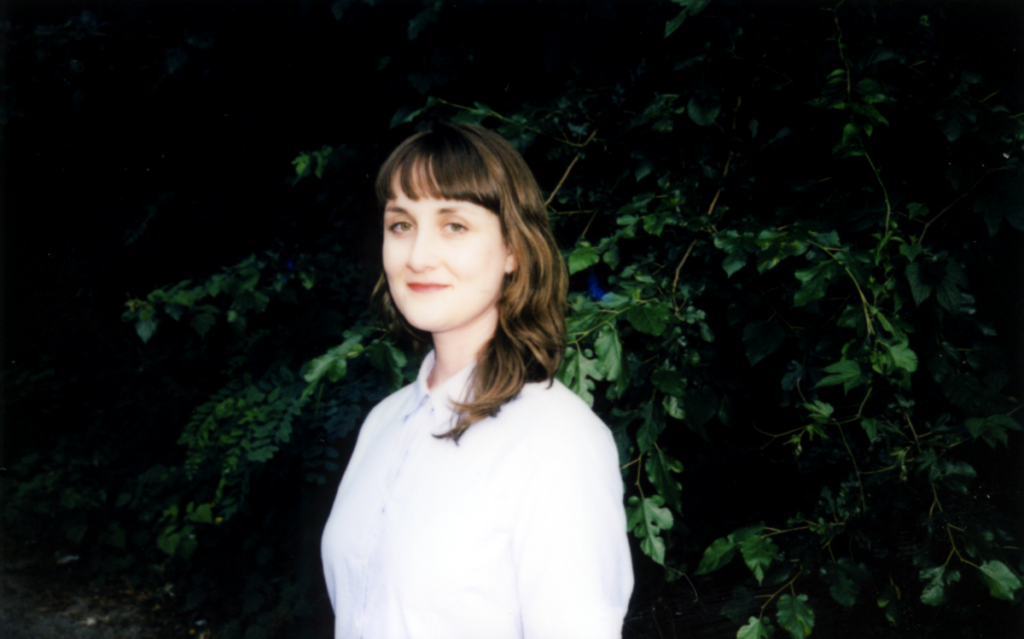
Marnie Ellen Hertzler – To support Frog Hollow, a multichannel installation following Francis, a humanoid robot left to tend an old farm after humanity’s departure, who recovers the memory that human life was never separate from the natural world they attempted to abandon. Built on a layered LLM character architecture across twelve narrative profiles, the work unfolds across screens that simultaneously hold her states of consciousness: live-action footage, Unreal Engine animated sequences, identity primers, and raw feed from the robot’s own vision camera.
Rubys Material Grants
The jury also selected two additional outstanding projects to receive Rubys Material Grants and access to Rubys artist services, helping further develop the projects and provide a year of mentorship to further hone their proposals:
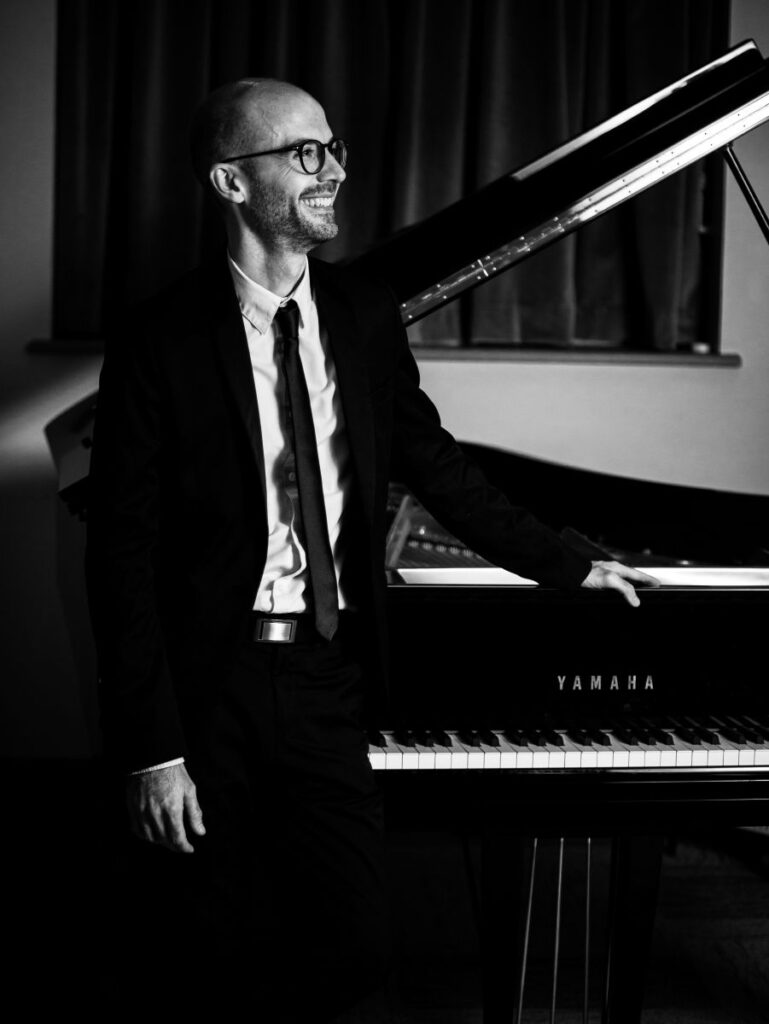
Agustin Muriago – To support Nuestra Historia, discovering and recording classical piano works by lesser-known Latin American composers that highlight the folk traditions and cultural connections across the region.
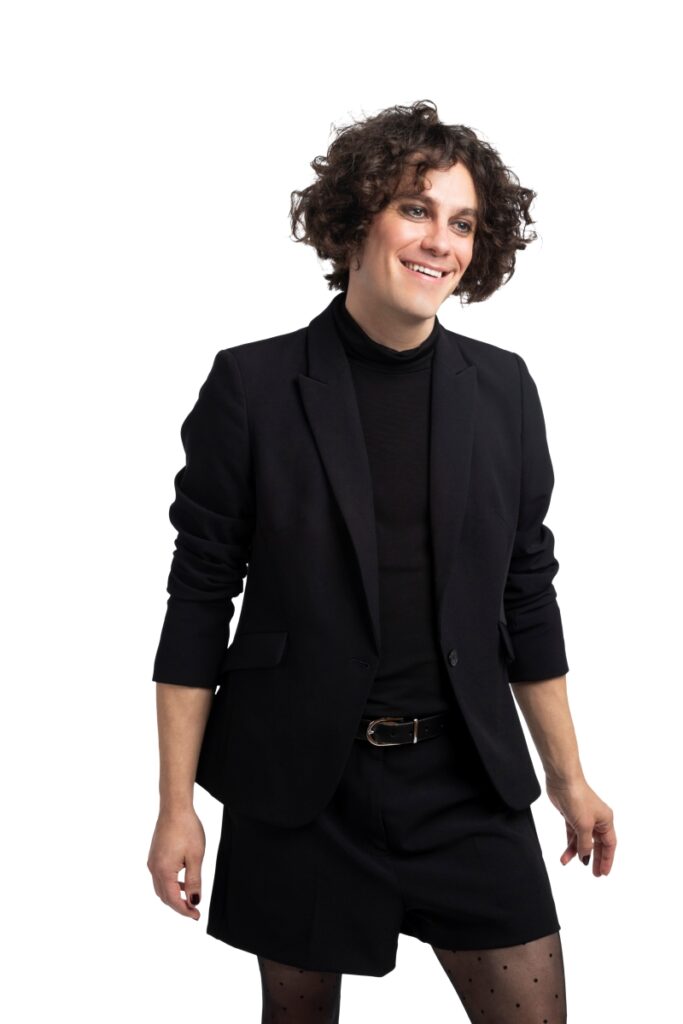
Joey Zeledon – To support Design is Trans, a collection of functional sculptures that playfully transform everyday objects beyond their prescribed identities, asserting that trans people are part of everyday life while inviting viewers to see themselves and each other with greater fluidity and multiplicity.
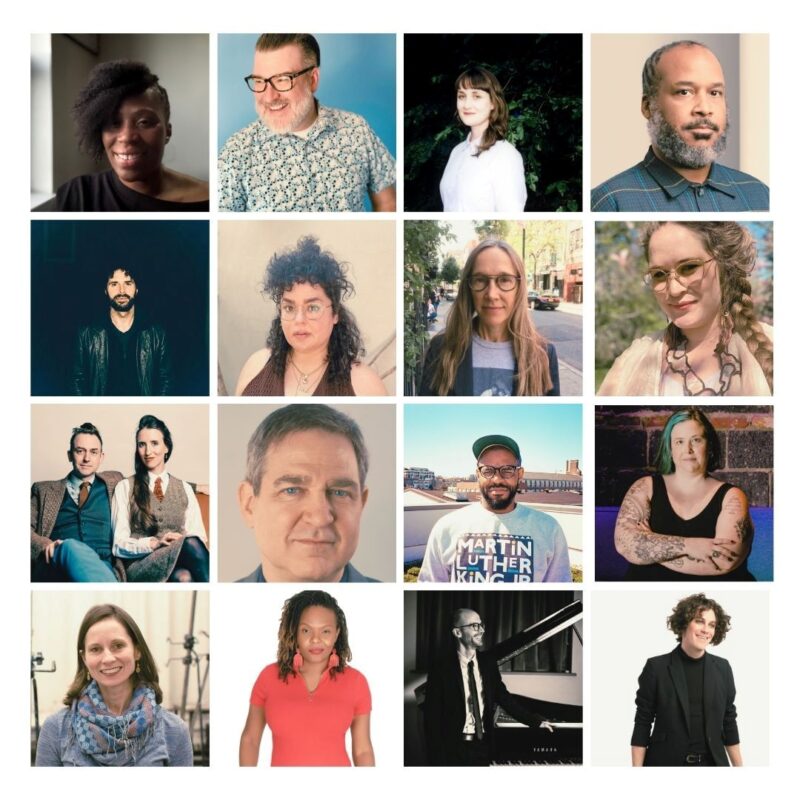
2026 Jury Panel
The 2026 Rubys jury panels for Media and Literary Arts were comprised of the following esteemed professionals, many of whom will serve as mentors to the awardees this year:
Laylah Ali is a visual artist whose main career focus has been paintings and drawings, though she has also worked in performance and online media. Ali’s works are included in the permanent collections of numerous public institutions, including the Albright-Knox Art Gallery, Buffalo; the Museum of Contemporary Art Chicago; the Museum of Modern Art, New York; and the Walker Art Center, Minneapolis. Ali has been the recipient of numerous honors including the Joan Mitchell Foundation Painters and Sculptors Grant, United States Artists Fellowship, William H. Johnson Prize, and Institute of Contemporary Art Boston Artist Prize. Her work and process were highlighted in season 3 of the acclaimed PBS Art21 series.
Angelica Arbelaez is a curator, writer, and researcher. Currently, she is the Assistant Curator of Modern and Contemporary Art at the High Museum of Art in Atlanta, Georgia. Prior to joining the High, Arbelaez was the Rubio Butterfield Family Fellow at the Whitney Museum of American Art where she co-curated the solo exhibition Ilana Savdie: Radical Contractions (2023) and assisted with the planning and research for the group exhibitions Shifting Landscapes (2024–2026) and no existe un mundo poshuracán: Puerto Rican Art in the Wake of Hurricane Maria (2022–2023). Arbelaez has also held positions at Oolite Arts and Locust Projects in Miami, Florida. She holds an MA from the Center for Curatorial Studies at Bard College and a BA in art history from Florida International University.
Heather Darcy Bhandari (she/her) is the Program Director at the Foundation for Contemporary Arts. She is known for her work as a curator, writer, educator, and artist advocate. Most recently, she co-founded CreativeStudy, a business and financial health education platform for creatives now run by Springboard for the Arts in Minnesota. She is a trustee of Art Omi and an adjunct lecturer at Brown University. The 2nd edition of her book, ART/WORK, was published by Simon and Schuster in 2017 and updates appeared in its 28th printing last year. From 2000 to 2016 Heather was a director of Mixed Greens gallery where she curated over 100 exhibitions while managing two-dozen emerging to mid-career artists. Immediately following, she was the Director of Exhibitions at nonprofit gallery Smack Mellon. In fall of 2024 she was a visiting critic at RISD. Heather received a BA from Brown University and an MFA from Pennsylvania State University. Her career began at galleries Sonnabend and Lehmann Maupin.
Nathan Pugh is a writer with experience in journalism, criticism, and arts administration. His essay “Why I Left the Kennedy Center” was one of the most-read American Theatre articles in 2025. He’s spent the past five years in the Washington, D.C. area, and his bylines include DC Theater Arts, Washington City Paper, Smithsonian magazine, Equity News magazine, 3Views on Theater, 1 Minute Critic, Theatrely, and NPR. He is an incoming student at the David Geffen School of Drama at Yale, where he’ll be getting an M.F.A. in Dramaturgy and Dramatic Criticism
Raised in New York by two musicians, Rosie Slater began playing drums at the age of nine. She has appeared on recordings by artists including Frank Ocean, Wolfgang Tillmans, Stevie Van Zandt, and Darlene Love, and has performed live on drums, percussion, synthesizers, and background vocals with Brian Wilson, Elvis Costello, Lesley Gore, Ben E. King, Torres, Thick, Blood Vulture, and others. A fixture of the New York City music scene, Rosie spent years writing, recording, and performing with her band New Myths, helping shape its distinctive blend of art rock and post-punk. She also writes and records solo music under her own name, exploring a more personal and experimental approach to songwriting and production. She studied jazz performance at NYU, an influence that continues to inform her versatile approach to drumming across rock, pop, experimental, and improvised music.
Ashley DeHoyos Sauder is the Curator of DiverseWorks and organizes a full range of visual, performing, and public arts programming. Recent projects include the exhibition The Past Does Not Need You But Borrows Your Mouth by Hong Hong, Spectral Field by Anahita Bradberry, River on Fire Exhibition and the River on Fire Art & Climate Justice Symposium (2024) and performances Memory Fleet by Jasmine Hearn (2024), D.R.E.A.M = AFRAM by Lisa E. Harris (2023) and LANDS – Portrait of the city of Houston by French collaborators Jocelyn Cottencin and Emmanuelle Huynh (2023). DeHoyos Sauder also manages Diverse Discourse Guest Lecture Program and co-organizes The Idea Fund, a regranting program co-administered by DiverseWorks, Aurora Picture Show, and Project Row Houses, funded by the Andy Warhol Foundation for Visual Arts. In her free time DeHoyos serves as a Steering committee member for Houston’s BIPOC Artists Network and Fund, serves as a board member for the Climate Justice Museum and as a partner advisor for the National Performance Network. She is a recipient of the Warhol Foundation for Visual Art Curatorial Research Grant and Teiger Foundation Climate Pilot Program for Curators. DeHoyos Sauder received a BFA from Sam Houston State University (2013) and MFA in Curatorial Practice from Maryland Institute College of Art (2016). She currently lives and works in Houston.
Supporting more than 200 artists since its inception, the Rubys Artist Grants program remains a vital resource for Baltimore-area artists. Full details can be found at https://www.rwdfoundation.org/rubys