In the 1920s and into the 30s, Baltimore had already established itself as a cradle of artistic and cultural achievement. Around Pennsylvania Avenue, the sounds of jazz and more poured from the city’s many theatrical outlets and traveled far beyond its borders. Groundbreaking musicians, singers, hoofers, actors, and all manner of supporting players plied their trades to the delight of audiences everywhere.
But there was a substratum of entertainers whose talents rarely reached beyond their own admittedly small network. In this case, size did not matter. These were the days of the Pansy movement. The city’s denizens of that ilk—what we might call drag queens and kings today, along with their supporters and sponsors—carved out a niche where they could be themselves, live their true identities, and—if only for a few hours each evening—revel in a space of their own.
Baltimore was famous for its drag balls, and even in mainstream venues, queens could be found delivering deliciously bawdy songs and patter. Reading about those heady days gone by, long before the government began trying to rewrite our history and erase the LGBTQ+ community from it, one finds these heroes holding their own in the best ways they could. Submersive Productions has recreated the atmosphere that greeted visitors and performers of the 1930s at an imagined venue in the interactive theatrical experienceThe Pansy Hour.
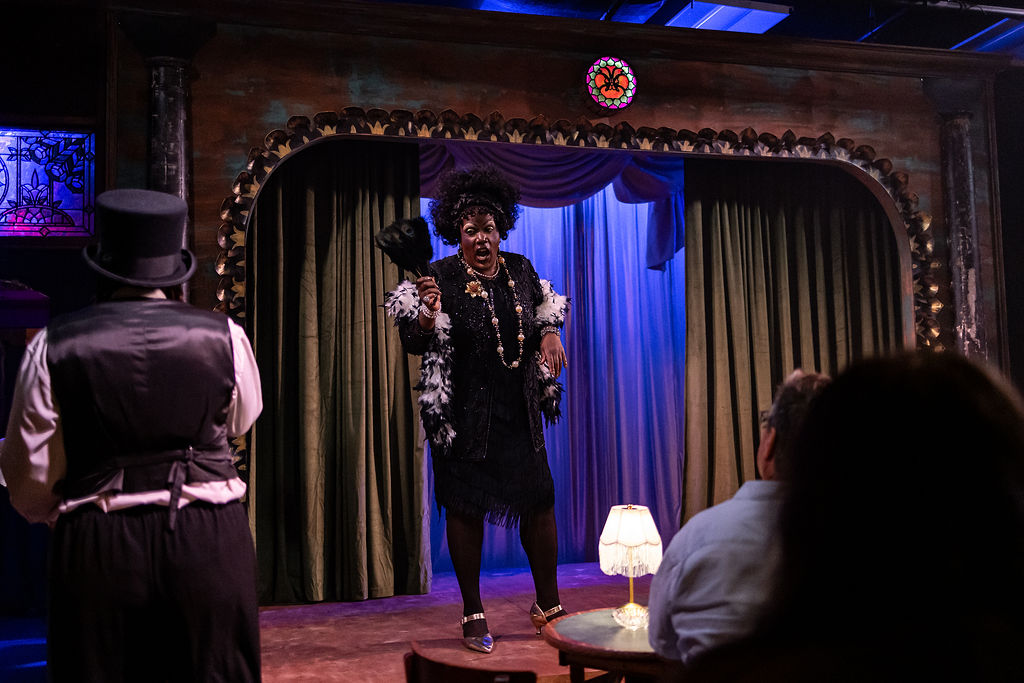


Despite being a kick-ass name for a gay bar, there is no evidence in the references I consulted that an actual Baltimore establishment called The Pansy Club ever existed. But there is plenty of documentation about the Pansy scene here and its balls—large, eclectic gatherings of people who dressed in their finest to see some of the era’s top female impersonators and drag queens and kings. Newspapers, predominantly the Baltimore Afro-American, covered these events extensively. Taking place against the backdrop of Prohibition and the Jim Crow laws of the day, these bastions of acceptance of the queer lifestyle (though we didn’t call it that then) offered performers a haven and audiences exceptional entertainment. It’s easy to see why Submersive Productions chose a set that evokes the speakeasies of those Prohibition-era days.
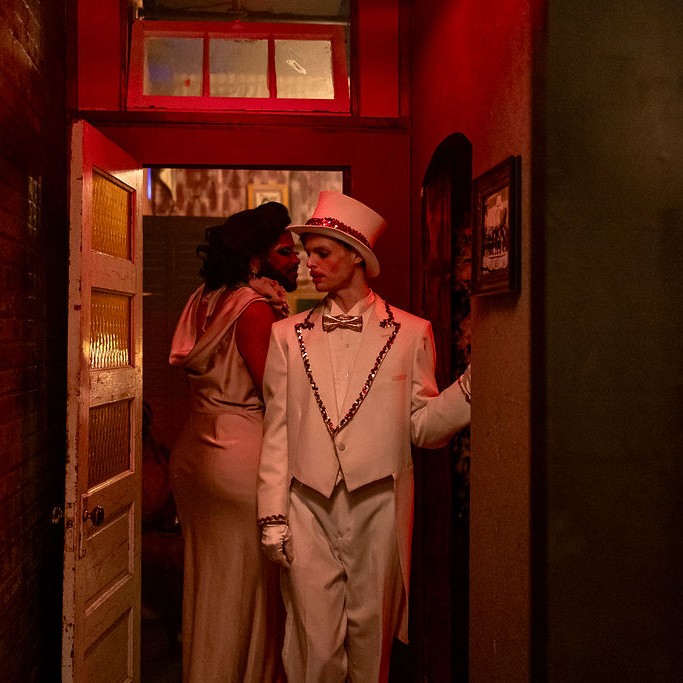
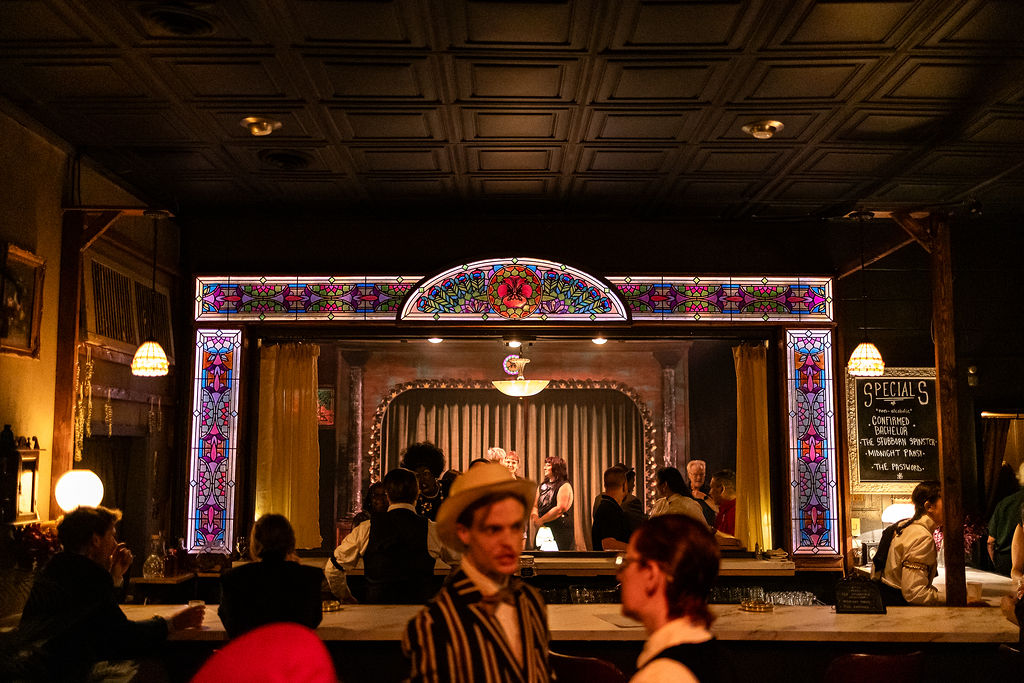
The entertainment begins in a building housing this interactive installation, a maze of rooms and corridors, hidden doorways, and unexpected spaces. Visitors first move through an exhibit featuring newspaper clippings and photographs before entering the main areas, anchored by a large bar that separates the speakeasy from the performance space. The latter features a small stage and a jazzy two-piece combo that keeps pace with the performers and provides the evening’s musical accompaniment. I’d estimate an audience of perhaps 25, with performers circulating throughout the space. There’s even the ghost of a famous drag queen drifting around soundlessly, a specter in a spangled dress.
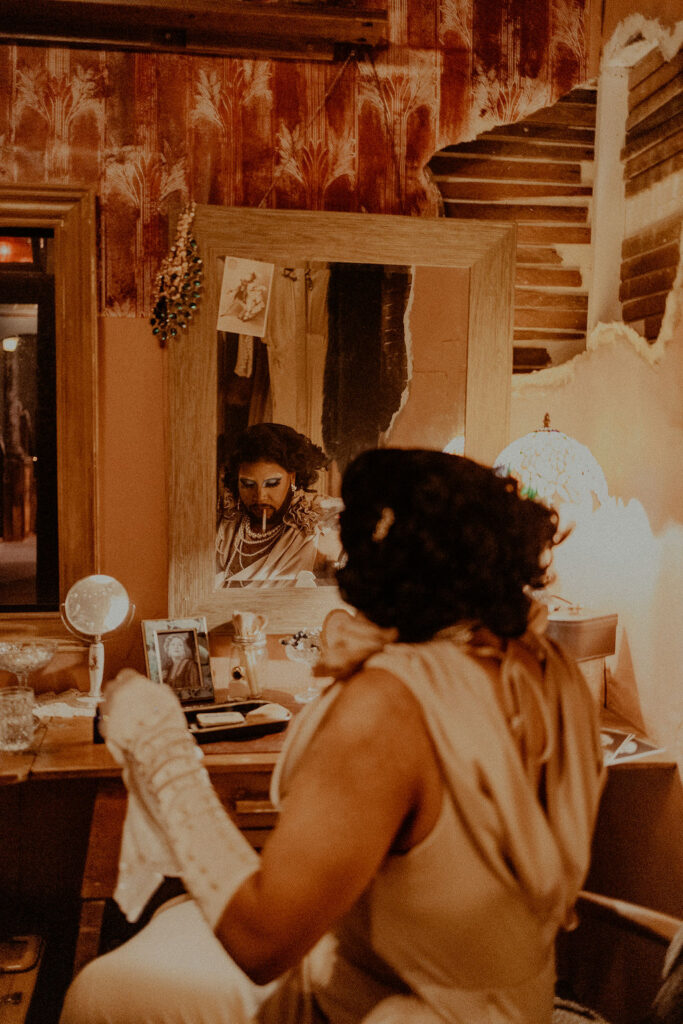
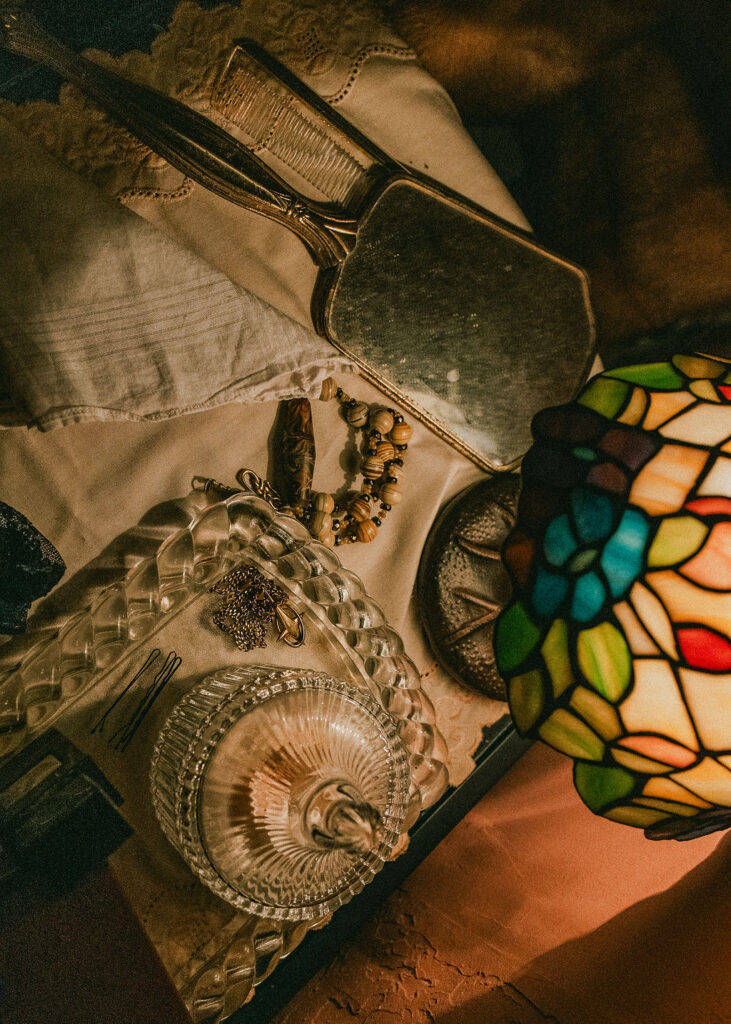
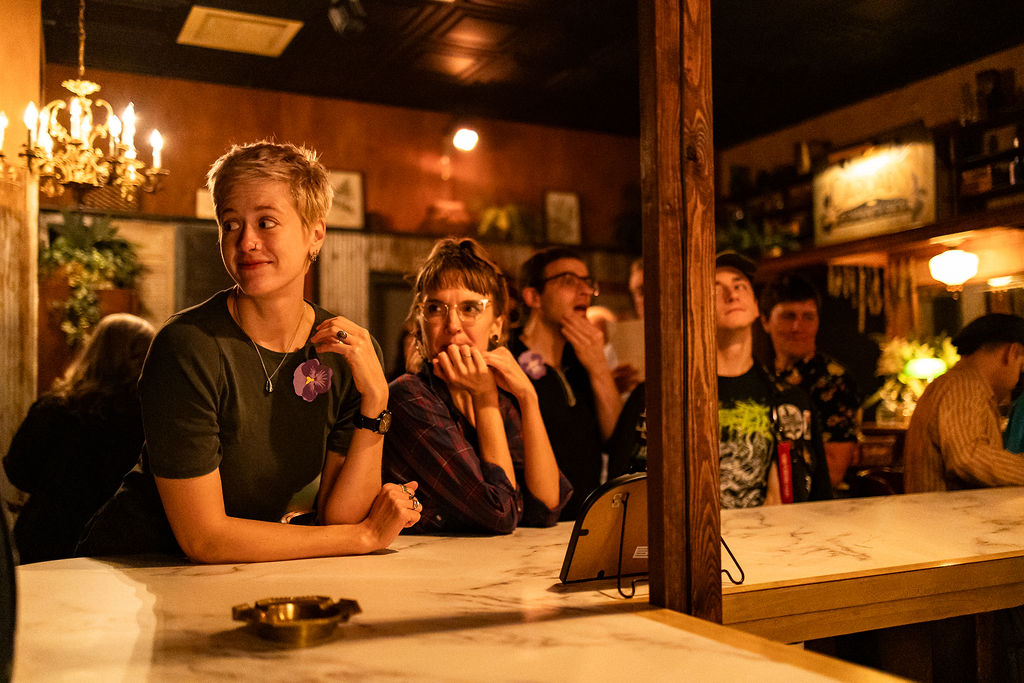
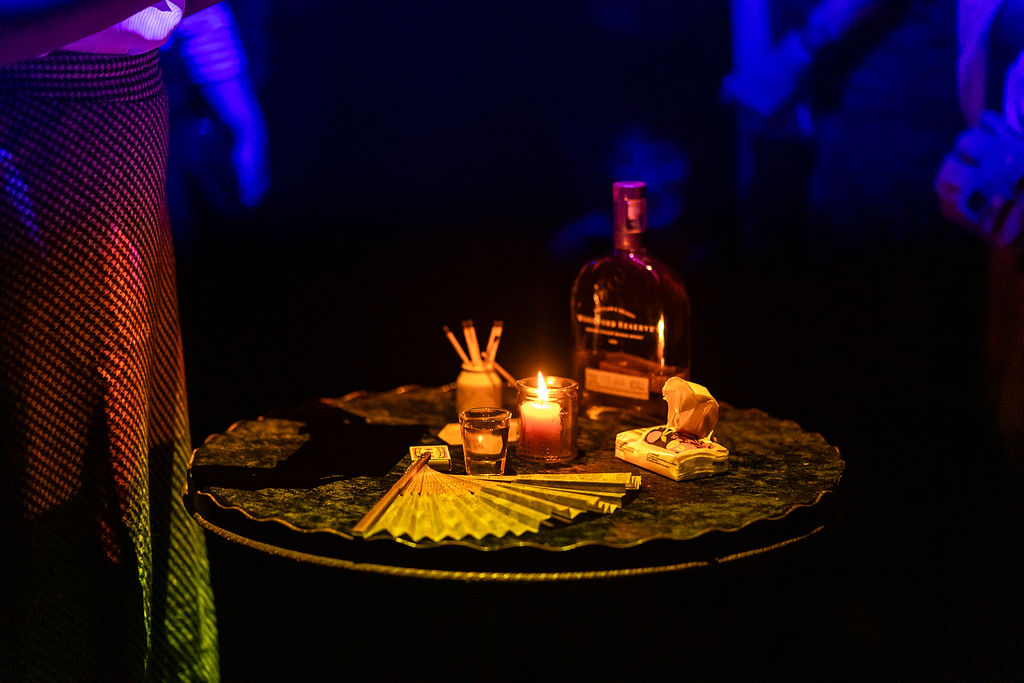
The cabaret set is dotted with wooden tables and chairs, its period shabby-chic adding to the experience. Muted shades of faded maroon, green, and sepia, along with the walls and vintage-style frame around the small stage, contribute to the speakeasy’s charm. Posters and photographs of drag queens share the walls with assorted artifacts and notices. Through the doorway on the other side of the bar lies the speakeasy, with cleverly curated curios, knickknacks, and tchotchkes crowded onto nearly every surface. Back on the cabaret side, passages lead to the backstage area, where the evening’s entertainers prepare for their numbers. Beyond that lies a curious little hideaway where secrets might be spilled or hooch imbibed. It was the Depression, remember. Other unexpected nooks and crannies reveal themselves along the way, creating the impression of a rabbit warren, with one intriguing chamber leading to another and the promise of a surprise around every corner. Prowling the perimeter is a bespectacled photographer, snapping away with a very modern digital camera that looks vintage. Very authentic.
Obviously, great pains were taken to recreate the speakeasy, and the details were everywhere. One of the production’s most interesting aspects was the way the actors mingled throughout both the cabaret and bar areas, sometimes engaging audience members in conversation, sometimes carrying on their own private relationships with one another, all in full view.

I was drawn into the action myself at one point. The emcee, a charming but no-nonsense character known as Geraldine “Big Papa” Duchess, was being pressed and harassed by the head of some temperance league or another, who had somehow finagled the lease and was threatening foreclosure. The two argued loudly in the cabaret area, with the antagonist demanding, “I want witnesses!” in response to Big Papa’s request that they continue their discussion in private. Big Papa turned to me. “Would you be my witness? Good! Come on back here with us!”
And with that, I was ushered into her period-perfect office, where I did indeed witness her signing over the club. I took the act personally and was ready to go into battle alongside Big Papa and the other speakeasy employees against this haranguing harridan. I was then dispatched back to the main area to continue watching the show. Nice interactive touch, that!
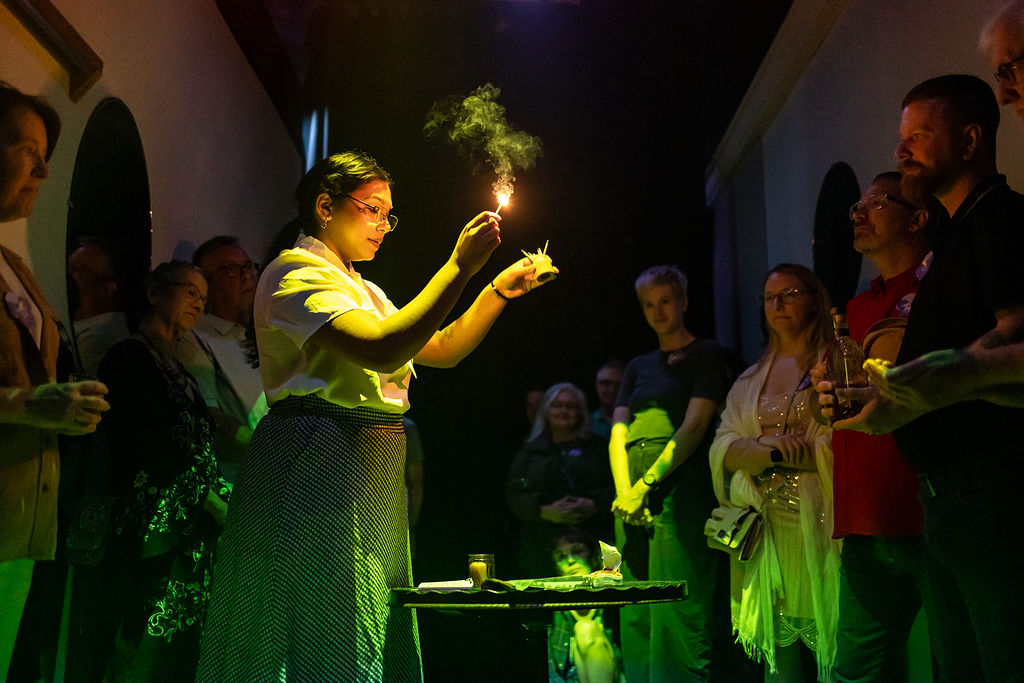
The signing signaled the end of the club in the show and, I think, served as a metaphor for the impending end of the “Pansy Craze,” as one newspaper called it. Pressure from powerful politicians and the Archdiocese of Baltimore who viewed the Pansy Balls and clubs as degenerate and perverted forced many of them to close, and by the mid-1930s, most had shut down—a scenario repeated in other cities like New York. That relatively short period, from the late 1920s to the mid-1930s, when the Pansy scene was in its heyday, was slowly folding back into history, but it would never disappear.
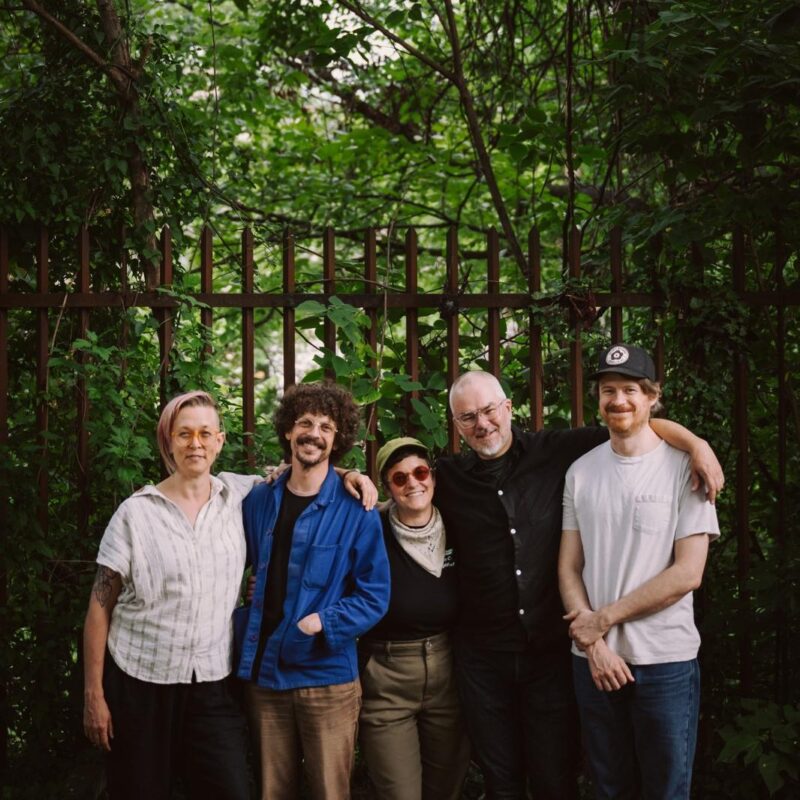
Submersive Productions is one of those local theatre companies that I’m chagrined to say I don’t know much about. But based on its brick-and-mortar space, the huge amount of talent on display, and the genial folks I dealt with, I truly hope to see much more of its work. The program lists the Creative/Production Team as Josh Aterovis, Aaron Barlow, Liz Gordon, Vicky Graham, Jacob Marrero, Ursula Marcum, and Glenn Ricci. I believe I spoke with Glenn Ricci, who welcomed me into the space and explained that the production differs each time, with a double cast alternating roles. Some of it is scripted, some improvised, and all of it moves right along, much like a typical night in a speakeasy-turned-drag bar. The space is filled with people who, in those days, were on the fringes of society, moving through their own milieu with as much grace as they could muster.
Lighting and projections were by Juan Juarez. Sound was by Mo Oslejsek and Glenn Ricci. The beautiful period-perfect costumes were created by Byron “Oprah” Powe, with assistance from Michelle Jenkins. Two of my favorite drag queens, Jasmine Blue and Betty O’Hellno, created the terrific wigs. I suspect Marcie Schwartz was responsible for the special makeup effects that gave the spooky, soundlessly drifting lady her ghostly pallor. She utters only one word the entire evening—wait for it. But the biggest tip of the hat goes to Aaron Barlow for the outstanding set design. Perfection.
The able musicians created a smooth ride, with bass riffs from Glenn Ricci and piano from Senyo Agawu. They kept up the tempo even when the singers drifted around a bit. All of the cabaret performers were spot-on. From Jacob Marrero’s nod to Ethel Waters with “Stormy Weather” to Betty O’Hellno’s inspired take on Marlene Dietrich performing “All I Do Is Dream of You,” and then Marcie Schwartz’s “Burlington Bertie from Bow,” taking us back to London’s music hall days before launching into a spirited tap number, “I’ve Got Rhythm,” each performance was totally believable and just plain fun.
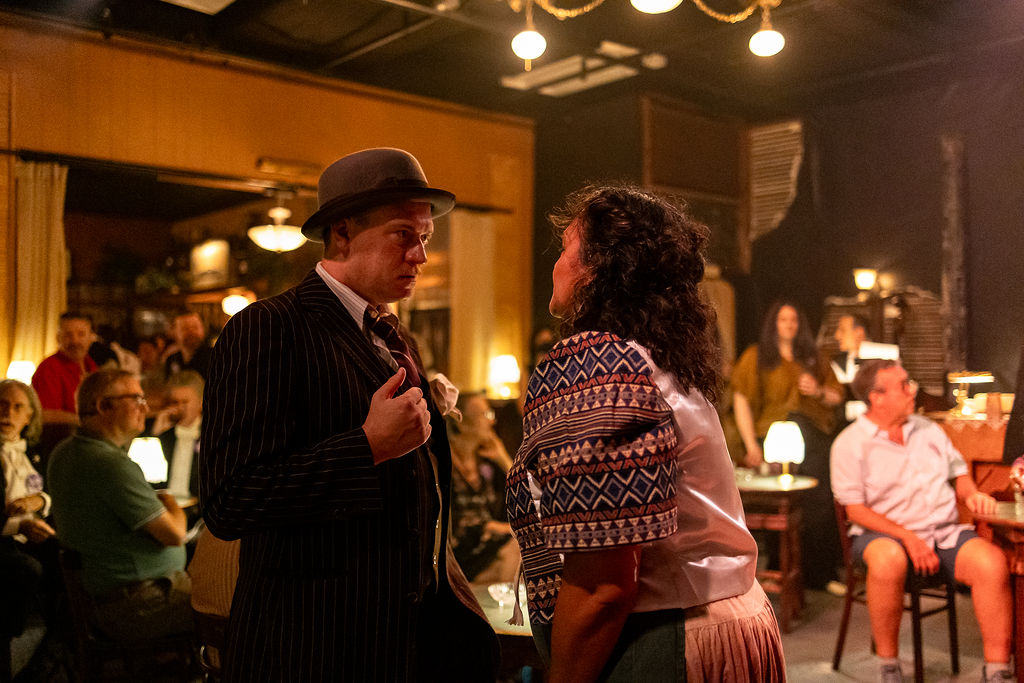
But the biggest laughs came from the raunchy, blue lyrics delivered by the inimitable Oprah Powe as Mad Haddie Mae, channeling Bessie Smith at her most hilariously raunchy, with a mouth on her that would make a sailor blush.
In the show, Big Papa announces the closure to the audience and performers, saying, “We’re used to having things taken from us.” It’s a touching moment and a fitting denouement to the evening, if a little sad. But the group rallies during the bows, leaving us with a feeling of tentative optimism despite the pressures faced by the LGBTQ+ community then, many of which persist today. Certainly, things are better—much better. But the battles continue, and this writer remains convinced that we will win this war—or at least live to fight another day.
Submersive Productions’ The Pansy Hour is playing through November 15, 2026. Performances take place at the company’s headquarters in the Hampden area. The exact location is revealed upon purchase of a ticket. Tickets must be purchased in advance online.