About fifteen years ago, coming almost directly off my graduation from a small art school in Pennsylvania, I enrolled in the Studio Art MFA program at Towson University. As a first-generation college student, I was eager to continue my education and venture into what many called the “Art World,” something of which I had no actual knowledge of at the time.
TU’s MFA program tapped into Baltimore’s rich art community by hiring artists and arts professionals to teach graduate seminars, such as Professional Practices and Critique Seminars. Outings to local galleries and studio visits were also incorporated into the program. This proved invaluable in developing my understanding of the art scene as well as in building my personal community on which I have come to rely ever since.
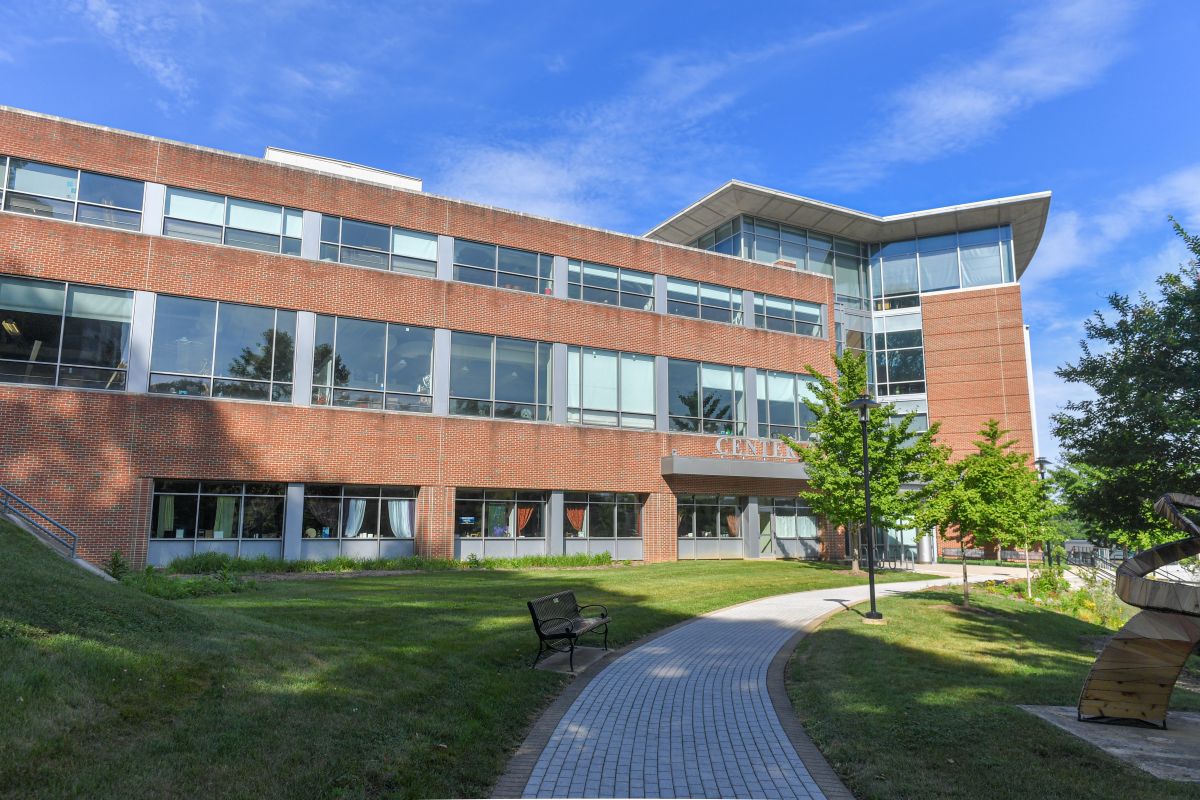
The Studio Art MFA program at Towson includes concentrations ranging from Printmaking and Drawing, to Ceramics, Painting, and Jewelry/Metals as well as Sculpture. While most of the courses, studios, and facilities are located in the Center for the Arts building—which is shared with Music, Theatre, Film, Art History, and Art Education—there are also a few community facing centers. This all makes for a community-oriented experience, fostering crossovers not only with other departments, but also across all ages of the greater Baltimore community.
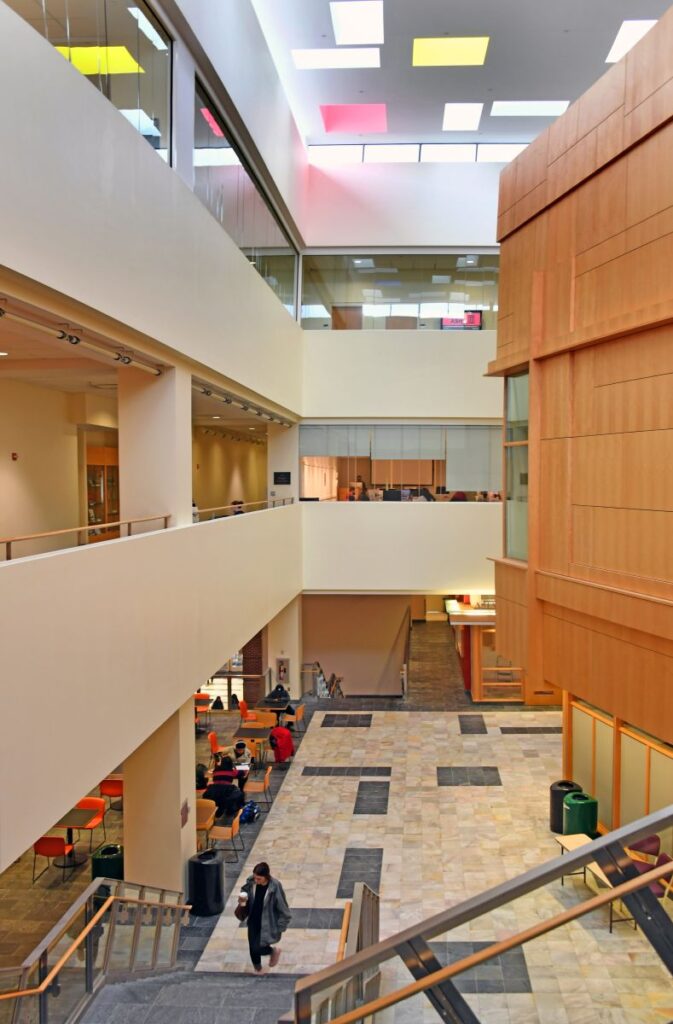
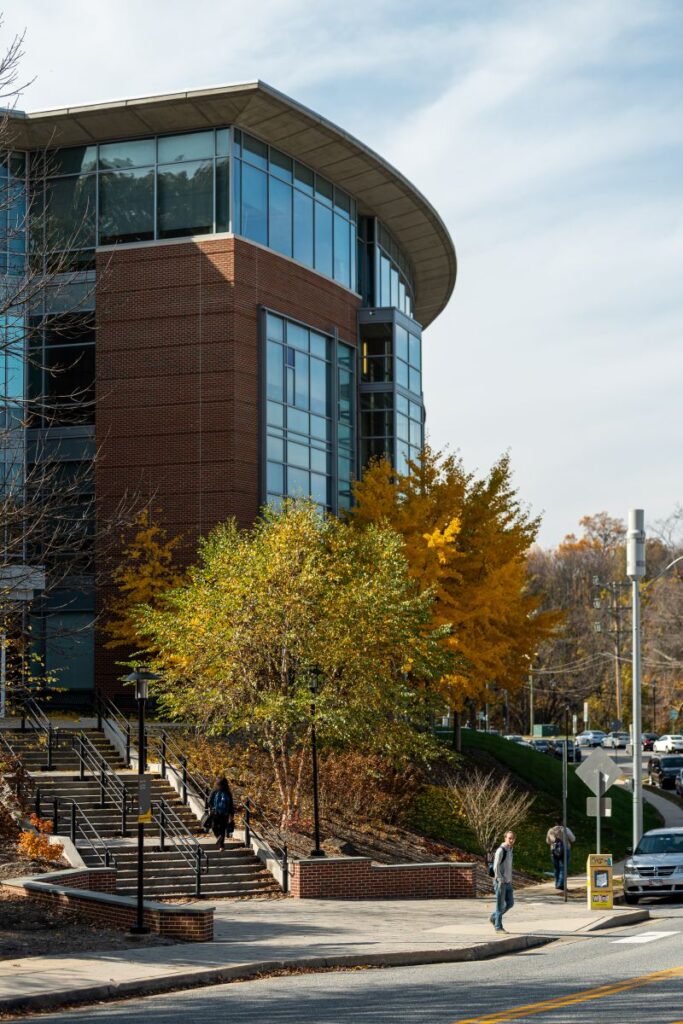
Typically, the MFA program takes two to three years, with an option to enroll part-time. Many among my cohort had other jobs, families, and responsibilities. Towson offers opportunities to work on campus as a graduate assistant (likely in your area of study) in exchange for pay and tuition remission. It also offers Teaching Assistantships, which gives MFA candidates experience in the classroom, first alongside a professor, and then by teaching their own classes. This experience positioned me to teach on a college level after graduating with a relative level of comfort.
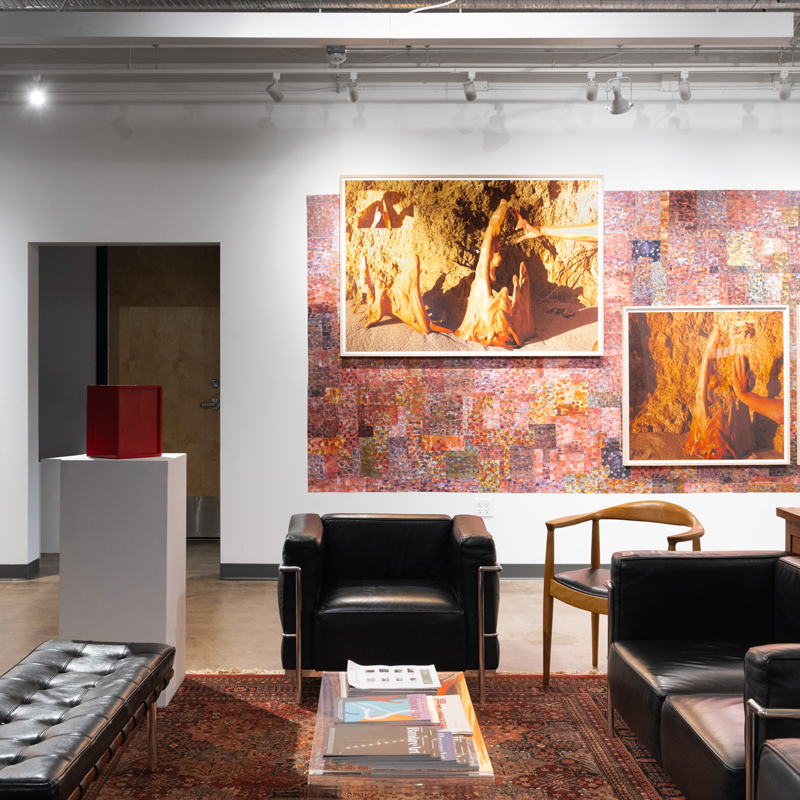
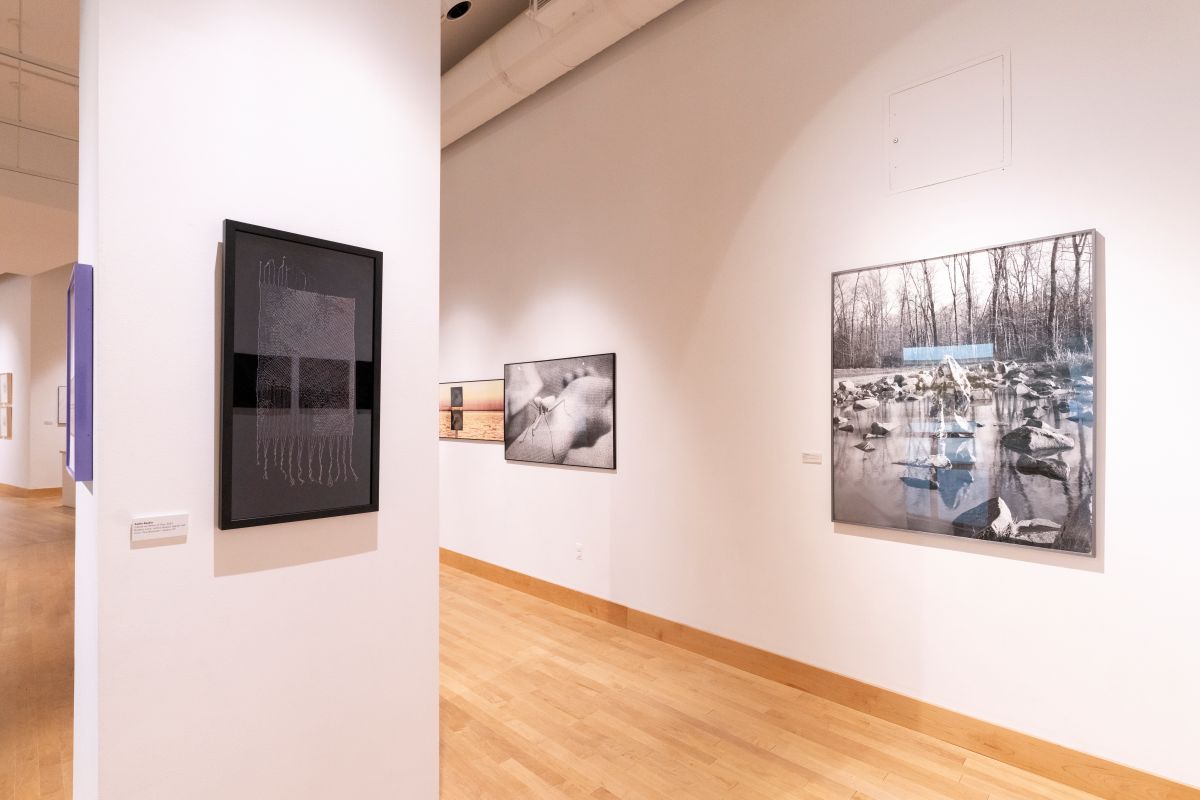
The Center for the Arts Building houses three galleries: the Holtzman gallery, mostly used for MFA thesis shows; the Center for the Arts gallery, which hosts national and international artists; and the Asian Arts and Culture Center, where I worked as a graduate assistant. Towson students have access to all the massive state school has to offer. Coming from a very small art school, one of my greatest surprises was the sheer size of campus; it sits on more than 300 acres and offers over 80 graduate programs, including the Masters Degree in Fine Arts.
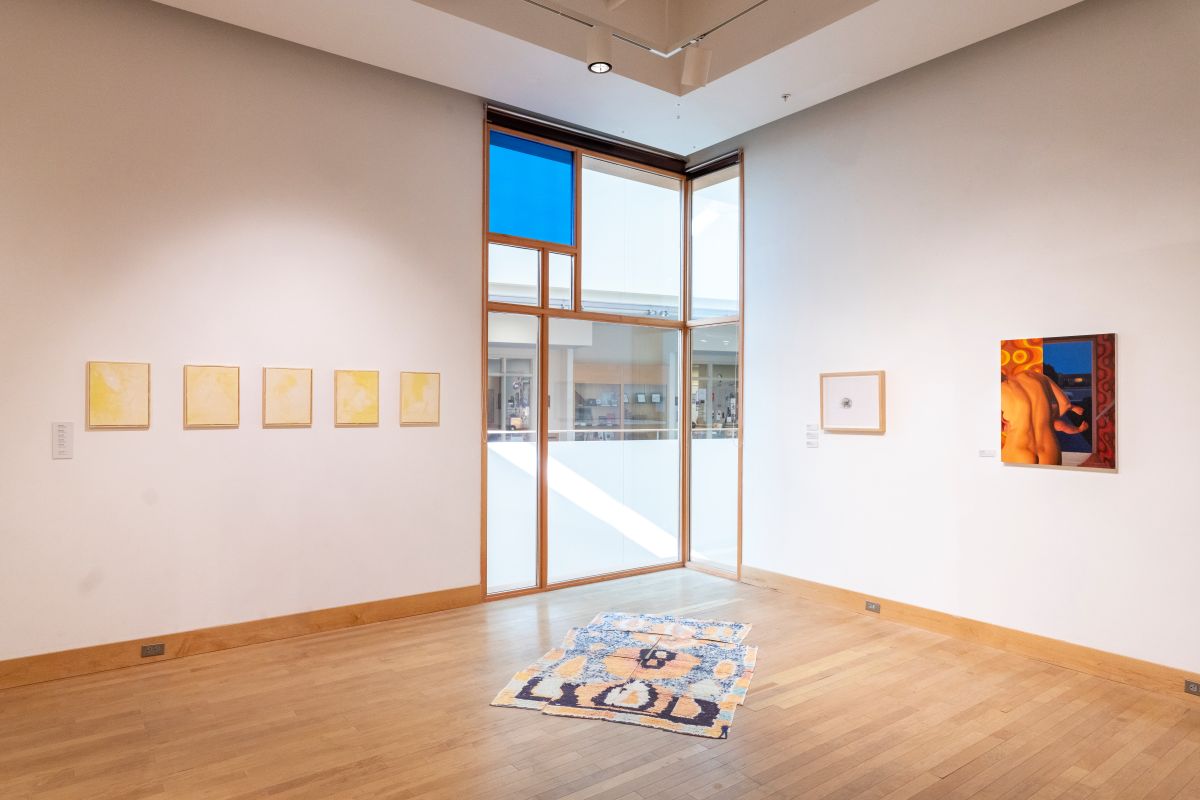
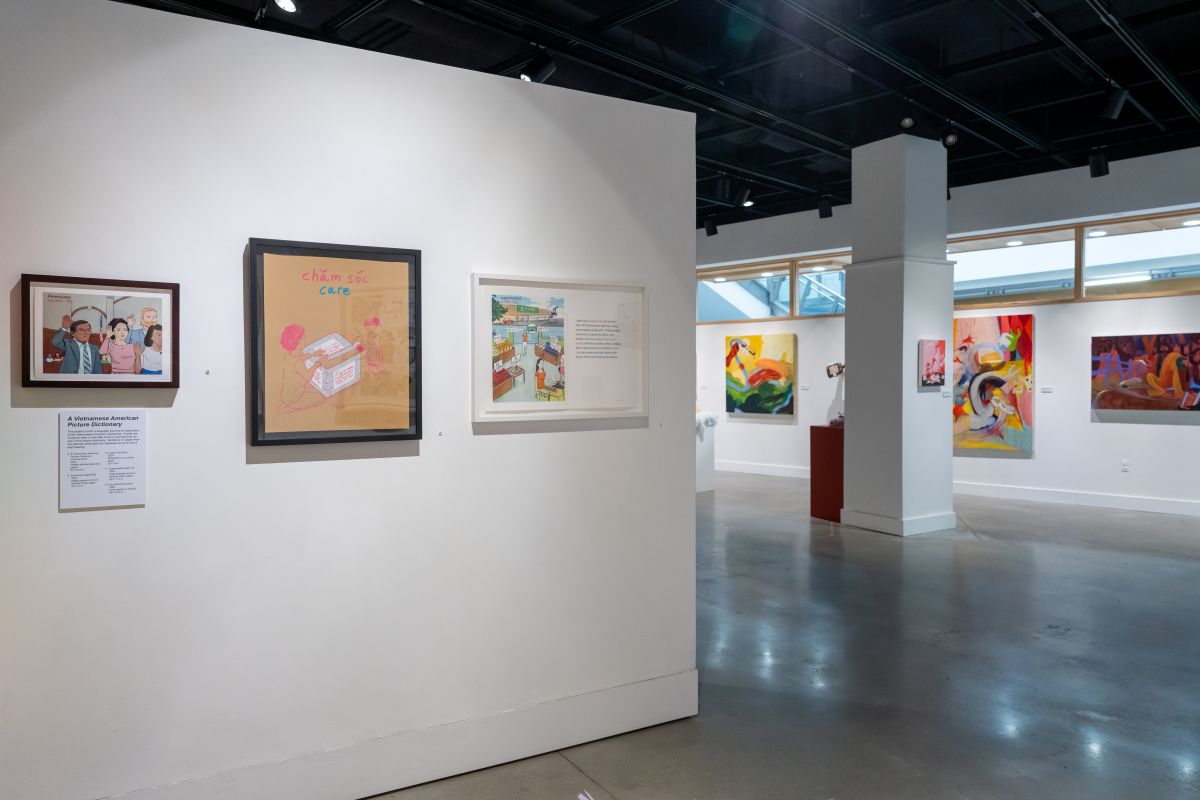
Curious to learn what life is like for students enrolled in the MFA program today, I recently returned to campus.
The resources available at Towson University have grown at a rapid rate since my departure. The studios in the Center for the Arts building are spread out over four floors—much the same as in my day, despite the campus’ rapid growth. Depending on circumstance and interests, students are assigned studios, with the ability to move around during the pursuit of their degrees. They still have 24/7 access, a perk of which many art students take full advantage.
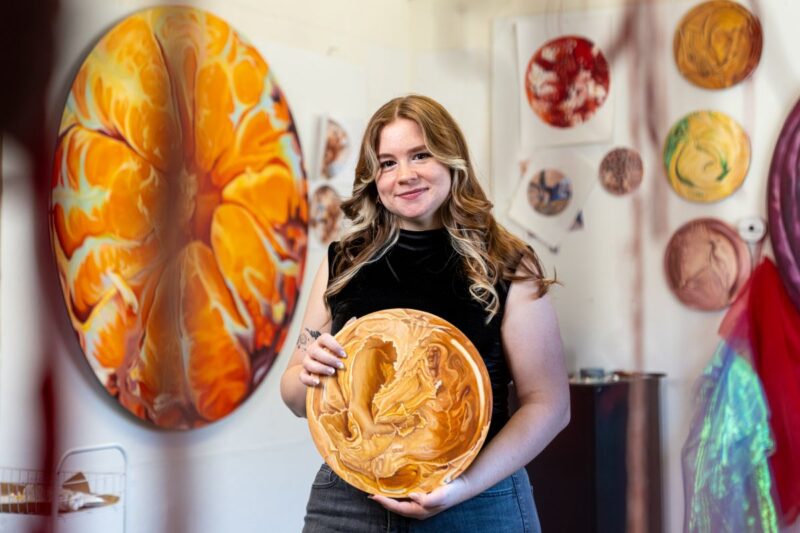
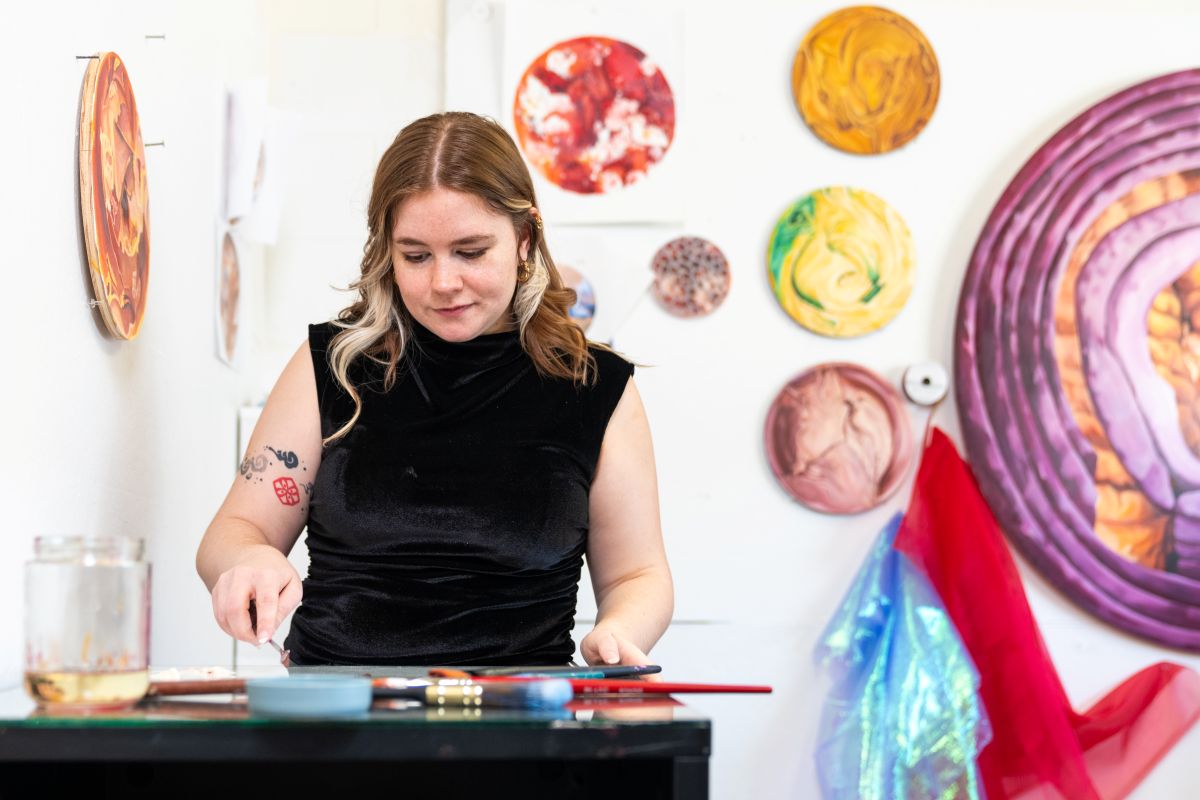
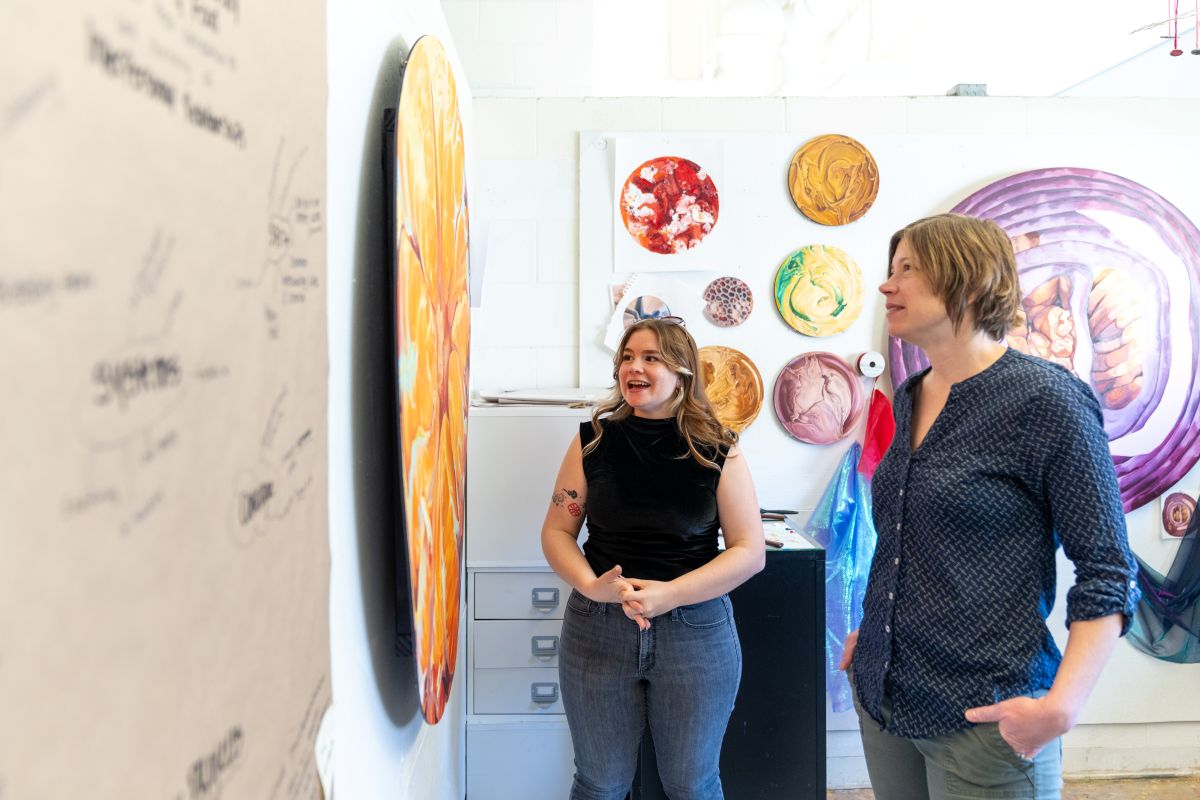
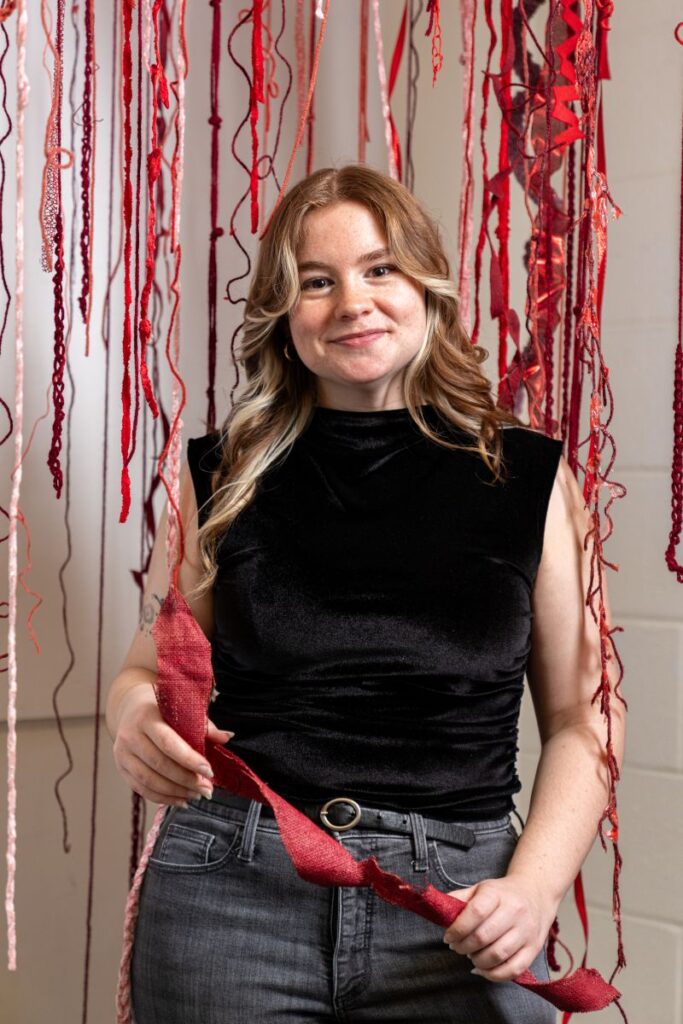
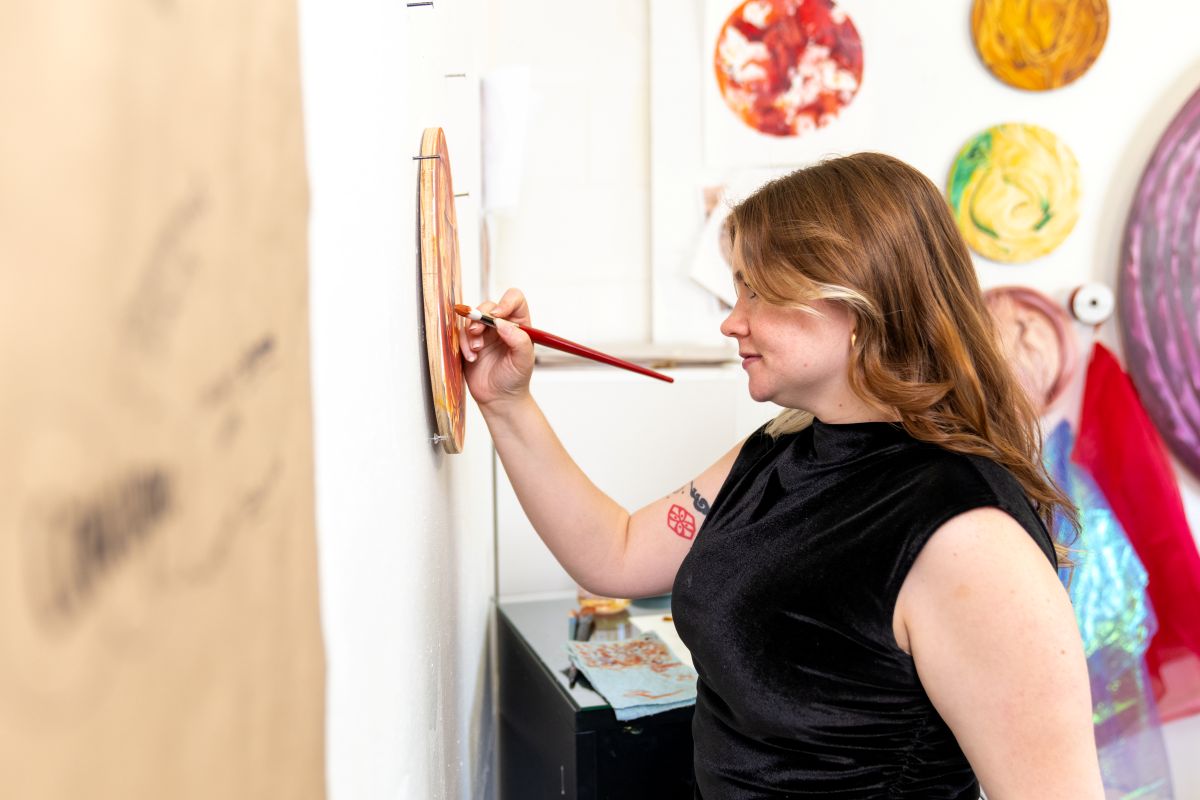
Second year MFA candidate Annie Tamini met me in her fourth-floor studio—a prime corner spot with a window. She is focusing on painting and has a background in Art Education, which she has continued to cultivate at Towson while preparing for her thesis exhibition in the Fall of 2026. We spoke about her reasons for attending Towson, and how her experience in the MFA program is so far unfolding.
Amy Boone-McCreesh: When did you start the MFA program here at Towson and what were some determining factors in your enrollment?
Annie Tamini: I started in the fall of 2023, because it took me three years—or it’s going to take three and a half years—I’m graduating in the fall of 2026. Location was a determining factor for me. I’m originally from Maryland. I did my undergrad in Pennsylvania, but I wanted to do my graduate studies somewhere a little more local. I liked the price point and the opportunity of so many different GAs and jobs and different ways for tuition to be returned or reimbursed, et cetera. So I really liked that aspect of it, the outreach, just how integrated Towson is into the Baltimore art community, the breadth of the facilities, the fact that it’s a little bit of everything.
In my own practice, that’s really snowballed and allowed me to extend my practice beyond what I thought it was going to be. I went directly from undergrad to this program because I was at a crossroads of whether or not I was going to go directly into education or if I wanted to take more time to cultivate my artistic practice first. I don’t think I would have done it any other way because I’m very much an artist first and an educator second.
ABM: What kind of work have you been making while here at Towson?
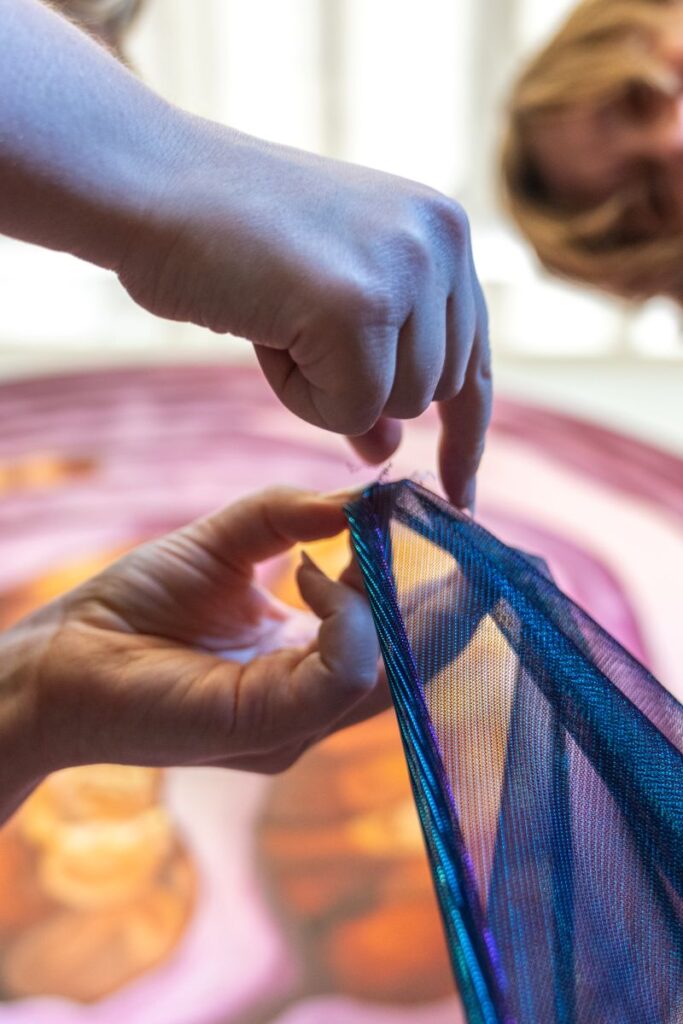
AT: I started out specifically as a painter. And I still consider myself a painter. My work has moved into an interdisciplinary space of painting and textile. And the work is all about this metaphorical mirror that we can use the body and the systems of the body to also sort of mimic the interpersonal systems that we see within ourselves and within the world as a greater space. So all of the work is fluctuating between familiarity and curious interest, but also things that are really grotesque and really uncomfortable and this idea of inside, outside, and then this idea of systems working together. I’m big into research. I’m not a visual thinker. I’m a very linguistic, verbal thinker
ABM: What has surprised you about the program here, anything you weren’t expecting?
AT: I think with a school that has such a big name, I was expecting more of a competitive environment. And it’s much more of a collaborative and a community environment. I don’t feel like I have to upstage or fight with other graduates for grants or for recognition.
ABM: Can you take me through a typical day for you this semester?
AT: Every day is totally different. I do a lot within the department and on campus. I’m in the grad program and then I’m also the graduate assistant for painting and foundations. That means running our small undergraduate gallery, the storage space gallery, doing studio technician stuff, hazardous waste. I also coordinate most of the models for the department.
Within the program, after you get a certain number of credits, you can take on a class that you’re able to teach as an adjunct professor. So I also teach a non-majors art course: Non-majors drawing, Art 106.
We also have what’s called the Community Art Center, which is run by Stacey Arnold. Because the studios are in the same building where I work, it’s super easy for me to make the most of my schedule. A lot of the classes are at night, so I come into the studio mid-morning. I typically like to work in long blocks in my studio, so I’ll work in my studio for five, six hours. And then I’ll go to my class in the evening or vice versa, if I teach something in the morning, then I’ll go to my studio in the evening. But I’m usually a big block studio person.
Everything is open and available all the time. So I can do it whatever time works for me. Typically, the expectation is about 10 hours of studio work a week minimum. I usually put in more just because I’m here and 10 hours looks really different for different people. Sometimes that’s research. Sometimes it’s investigating. Sometimes it’s actually putting paint on panel.
ABM: Have you crossed over with other departments or areas of study while on campus?
AT: I was the graduate assistant for the Art Education program. So as the graduate assistant, I did a lot of the administrative tasks that were involved in the art education. I also did work with individual classes, not only prepping, but doing a lot of the course material and being in conversation with students and supporting students in lesson planning and model making. It was really helpful when they were doing all of their licensing. I was able to see how Maryland does it, which is a little different from Pennsylvania, where I studied undergrad.
ABM: What is the role of your advisor or committee?
AT: Everyone is assigned a chairperson of their committee and then you have anywhere from two to four other committee members, all generally relating to what you’re doing. They are mostly from the art department but there is flexibility if you want someone else. You meet with them once pre-midterm, once pre-final individually, and then you meet with them together as a group for midterm and final.
ABM: How do you find the community of feedback, whether informal from a peer, with a faculty mentor committee, visiting artist etc.?
AT: Feedback is pretty consistent. Again, because it’s a very community-based culture, whenever somebody’s in their studio, their door is usually open. And the vibes are very approachable. Everybody is interested in what each other is doing, and everybody sort of has this understanding of, hey, please come in and take a look around. We share feedback informally.
The visiting artists are great—we have so many, and we’re required to participate. The visiting artists have a really good breadth of knowledge, so it’s great to get feedback from people other than the ones you’re seeing all the time. It’s helpful to be able to compare that to your committee who sees your work four times, if not more, a semester. I get very different feedback. Then sometimes I come to my committee and tell them I want to go a different direction. I’ll get mixed reviews, of course, because everybody’s a little bit different. But in my experience, if the reasoning is sort of logical, they’re supportive. Thinking about thesis has encouraged me to sharpen my direction into what feels authentic to me.
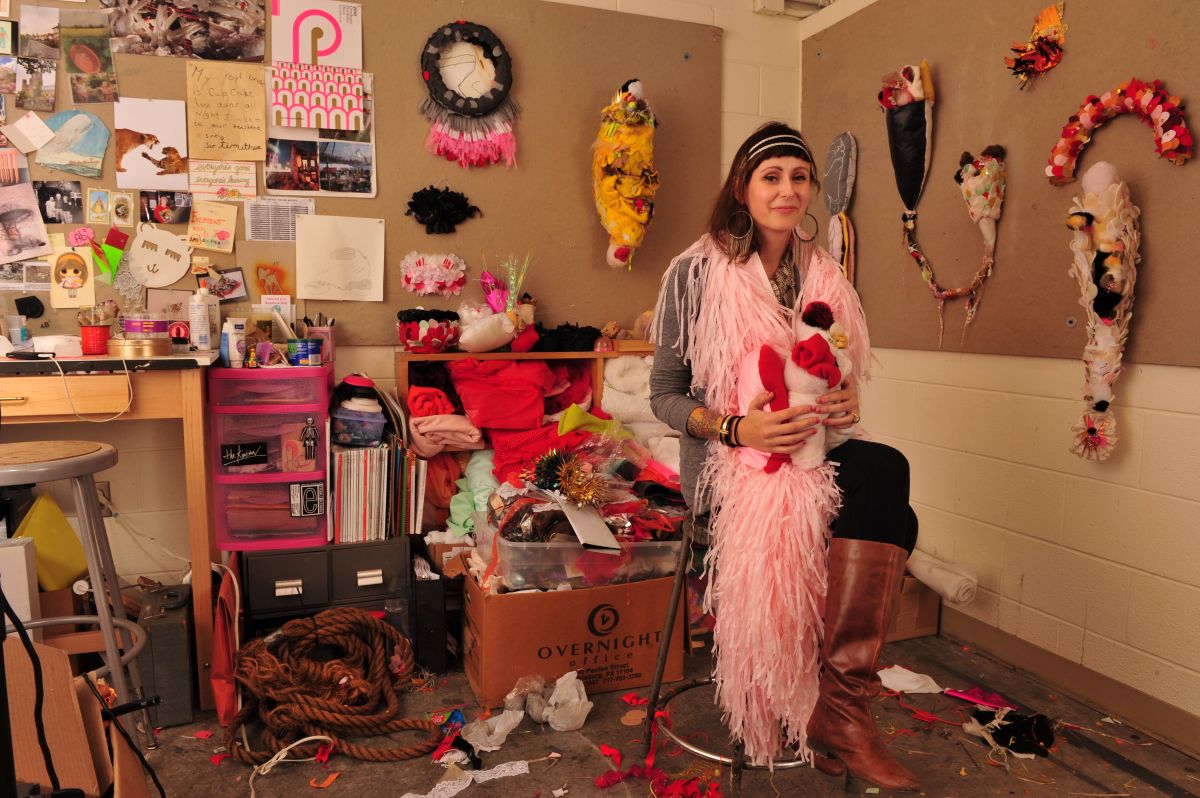
The decision to pursue an MFA, of any kind, at any location, can feel increasingly indulgent and possibly ridiculous. A life in the arts is not necessarily one that provides easy answers; instead it enables a path to question everything. With the looming presence of artificial intelligence, hostile politics, and the jarring daily existence in a polarizing world, our questions can be powerful. We artists are equipped to reimagine culture, examine contemporary life, and create opportunities for others to join us in asking bold, new questions of the world.
I didn’t fully grasp the importance of having institutional back up, facilities, and structure when I was a student. Now many years after departing Towson, I understand how crucial it is. TU provided me with a roadmap that continues to guide me as a working artist today. I value education and accessible critical conversation so much so that I have continued to teach—now both undergraduate and graduate courses at MICA, Howard Community College, Dickinson College, Franklin and Marshall, Loyola, and of course Towson University.
In addition to teaching, I have a fulfilling career in the formerly unknown-to-me “Art World.” I exhibit across the country and travel as a visiting artist or to give artist talks. I’ve shown my work in museums, galleries, and worked in public art.
Towson University immerses students in a community that looks a lot like the real world—diverse circumstances, socioeconomic statuses, and backgrounds. Problem solving, critical thinking, and communication skills are employed both in and out of the classroom setting rather than in an institutional bubble. The years I spent there equipped me with empathy and flexibility while instilling my drive to keep forging ahead even when American culture consistently signals that it does not value artists unless they have capitalist clout.
I moved to Baltimore in 2008 to attend Towson University and have been here ever since. I have found the arts community here to be supportive yet rigorous, with a lot of DIY energy. Baltimore is a place that benefits from the constant churning of college students (13 colleges just in the city limits) into underground communities of art and music and all things adjacent. As creatives, we are often responsible for making our own opportunities, then passing the baton to the next group of young people ready to make their mark upon our city.
If you are considering the MFA Program in Studio Arts at Towson University you can find more information on the programs here. The deadline to apply for this upcoming fall is January 15, 2026.