
In film, hair is never neutral. It grounds a character in place and time. And even before a line is spoken, it begins the story.
Tené Wilder understands that visual literacy. As the key hairstylist on Sinners, she approaches hair as storytelling. “It’s essential to consider who the character is, including their history, lifestyle, and emotional journey, not just their appearance,” she says.
That commitment to character has earned Wilder national recognition. She won a Primetime Emmy Award in 2021 for Outstanding Contemporary Hairstyling for her work on Pose. This year, she and the hairstyling team of Sinners won the 13th Annual Make-Up Artists & Hair Stylists Guild Award for Best Period and/or Character Hair Styling. She was also nominated for a Screen Actors Guild Award, a NAACP Image Award and Sinners is nominated for an Academy Award for Best Makeup and Hairstyling.
Yet Wilder speaks about her work less in terms of accolades and more in terms of intention. “Every texture, part, and detail is intentional and true to the period,” she explains, “emphasizing authenticity and helping the actor fully embody their character.” Wilder does not overwhelm a character with design or spectacle. Precision distinguishes her work. Shape, density, sheen, and structure are subtle cues that support performance.
“I embraced texture, realism, and shape,” she says. “While I maintained an honest historical foundation, I allowed the hair to feel lived-in, layered, and connected to the world of the story.”



Tené WilderI embraced texture, realism, and shape. While I maintained an honest historical foundation, I allowed the hair to feel lived-in, layered, and connected to the world of the story.
That lived-in quality becomes especially important in reflecting the arc of a character’s journey. In Sinners, Grace Chow (played by Li Jun Li), begins the film tightly controlled. “Every aspect was intentional and well-maintained,” Wilder notes. As the narrative unfolds, Grace’s hair loosens. It becomes slightly undone. The shift is subtle but deliberate. “This transformation was not accidental; it mirrors an emotional journey.”
The transformation reads immediately on screen. A once precise silhouette softens. The parting feels less rigid. Strands begin to fall out of place, catching light differently, moving with a looseness that suggests exhaustion, vulnerability, or release. Nothing is exaggerated, yet the visual shift recalibrates how we understand Grace’s interior life. Wilder makes the emotional turn legible without announcing it.


Hair also carries weight because it shapes representation. Wilder approaches that responsibility with care. “I recognize that hair is not merely about styling. It represents identity,” she says. “In historical and genre films, the way we present hair influences how audiences perceive identity, culture, and history.”
Preparation ahead of being on set is key. “Our process begins with a storyboard and reference photos for each character,” she explains, “providing a strong visual foundation rooted in historical context and the director’s vision.” From there, each look is shaped with intention, ensuring every detail supports character and narrative.
“Growing up in Baltimore, I developed a deep respect for all cultures,” Wilder reflects. “I witnessed how hair reflects identity, pride, and lived experiences.”
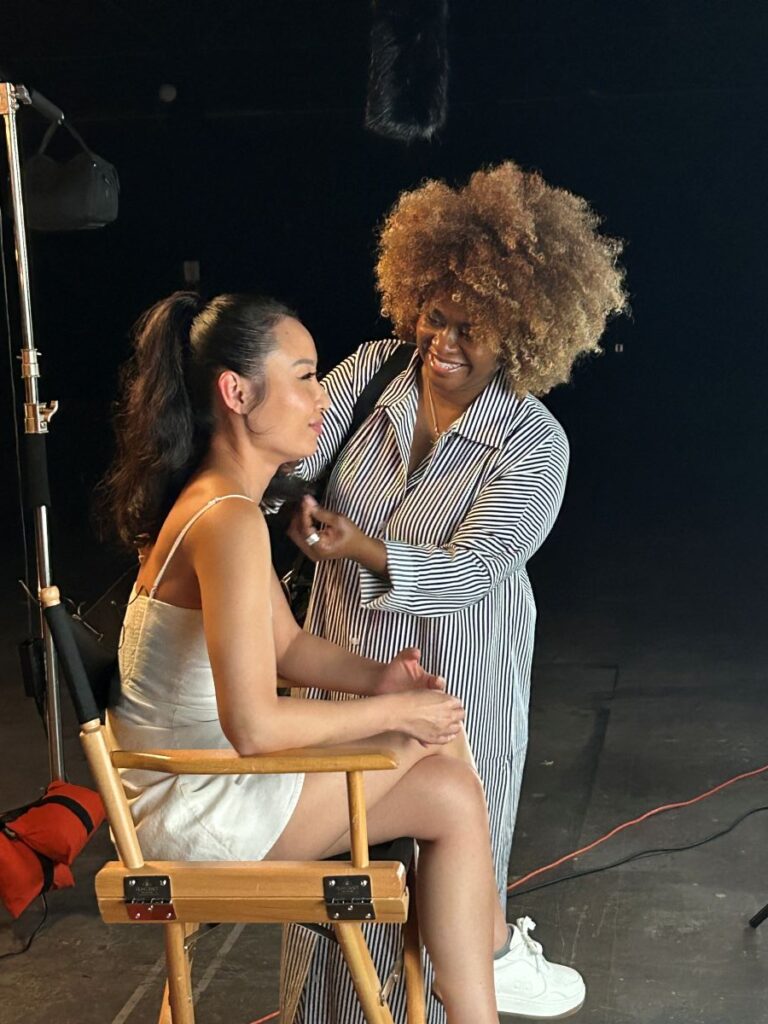

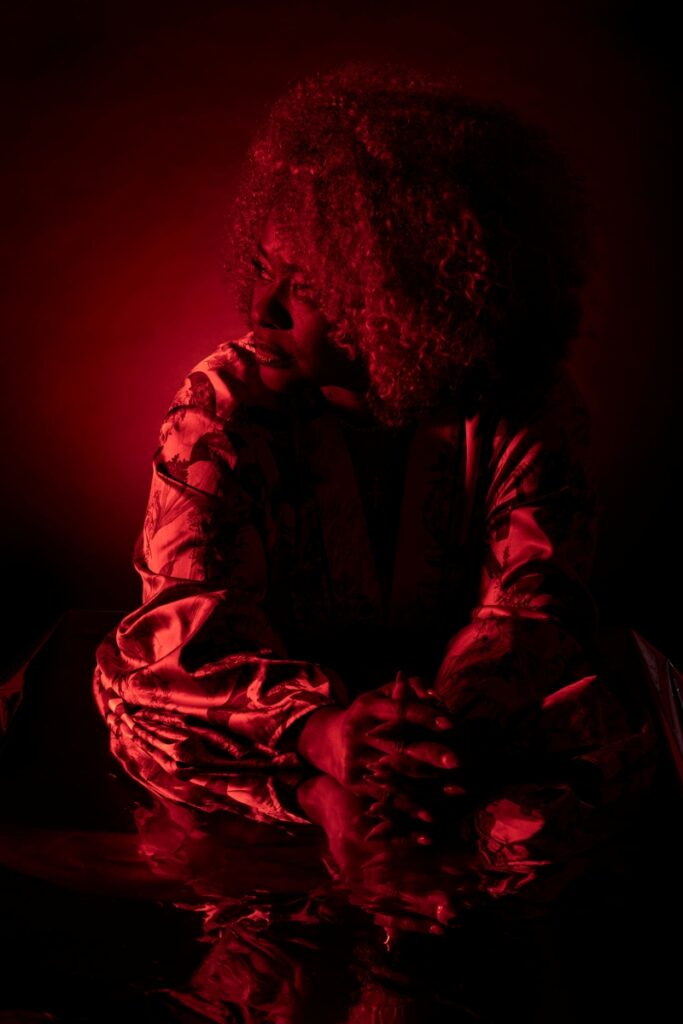
Tené WilderGrowing up in Baltimore, I developed a deep respect for all cultures. I witnessed how hair reflects identity, pride, and lived experiences.
Even as Sinners blends Southern Gothic atmosphere with history and myth, Wilder’s work grounds the characters in something tactile and human. “I am particularly interested in crafting layered period pieces, powerful dramas, and genre films where culture and identity play crucial roles,” she says. “I am drawn to characters with depth, transformation, and emotional complexity.”
The creative challenges she has embraced, through her work in film and television, have expanded Wilder’s styling into authorship. In Sinners, her hairstyles do not sit on the characters. They belong to them. They evolve as the characters evolve. They signal history is not static but continuously dynamic—shaped and unraveling—strand by strand.
As for what’s next, Wilder says, “My goal is to continue telling stories in which hair does more than simply enhance appearance; it helps define the legacy.”
Be sure catch Tené Wilder on the 98th Academy Awards Sunday, March 15, 2026 at 7:00 PM ET / 4:00 PM PT.