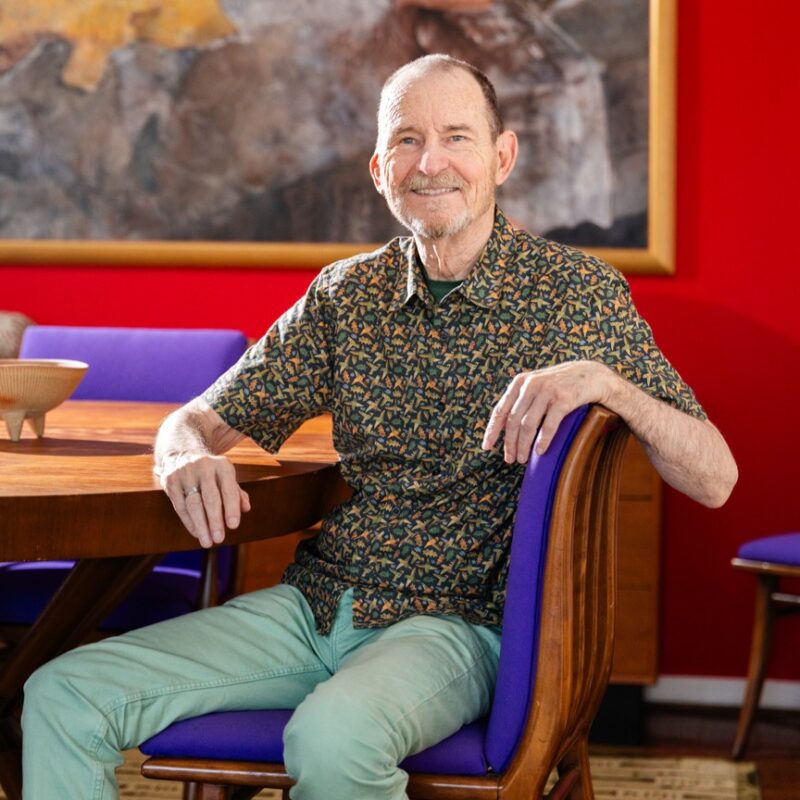
In the staff directory for the Bloomberg Arts Internship (BAI), Deputy Chief of Education Kristina Berdan describes herself as “a passionate educator, dreamer, do-er of all things student-centered, creative, and joyful.” This is an apt characterization.
When I first met Kristina Berdan, she was teaching at The Stadium School and running The Youth Dreamers, an organization whose goal was, “to create a youth-run youth center that would employ teens and creatively serve children of all ages.” She and her students did exactly that, and while the Dream House closed its doors in 2020, its legacy lives on through the hundreds of students who worked to create it. For her part, Berdan continues to take experiential learning in Baltimore City to a whole new level—now through her work with the Bloomberg Arts Internship.
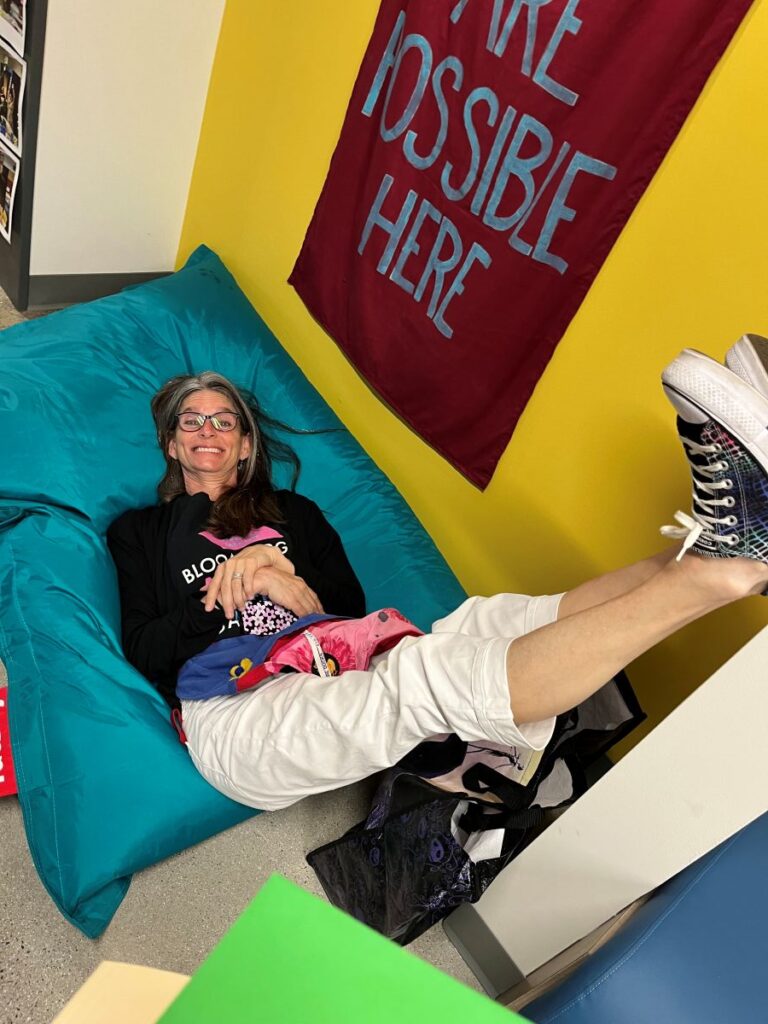
What stood out to me about Berdan back in the Youth Dreamer days was her tireless commitment to the children she mentored and her creative approach to engaging young people in meaningful work. Over fifteen years after our initial introduction, I was delighted to find her running another innovative program for Baltimore teens, bringing her signature sparkle—she literally had strands of pink tinsel in her hair when we met—to Arts for Learning Maryland and the Bloomberg Arts Internship. Here she continues to emulate the beliefs that the best way to effect positive change in this world is to empower its youth, and the best way to optimize educational experiences for young people is to have them play an active role in the development of those experiences.
According to Aniya Baker, an alum from 2023 and the current Social Media Manager at BAI, Berdan “truly wants the best for everyone. She listens with intention, not just to respond or instruct, but to truly understand.” Along with Berdan, there is a team of dedicated and talented people who work to achieve the goals of the program.
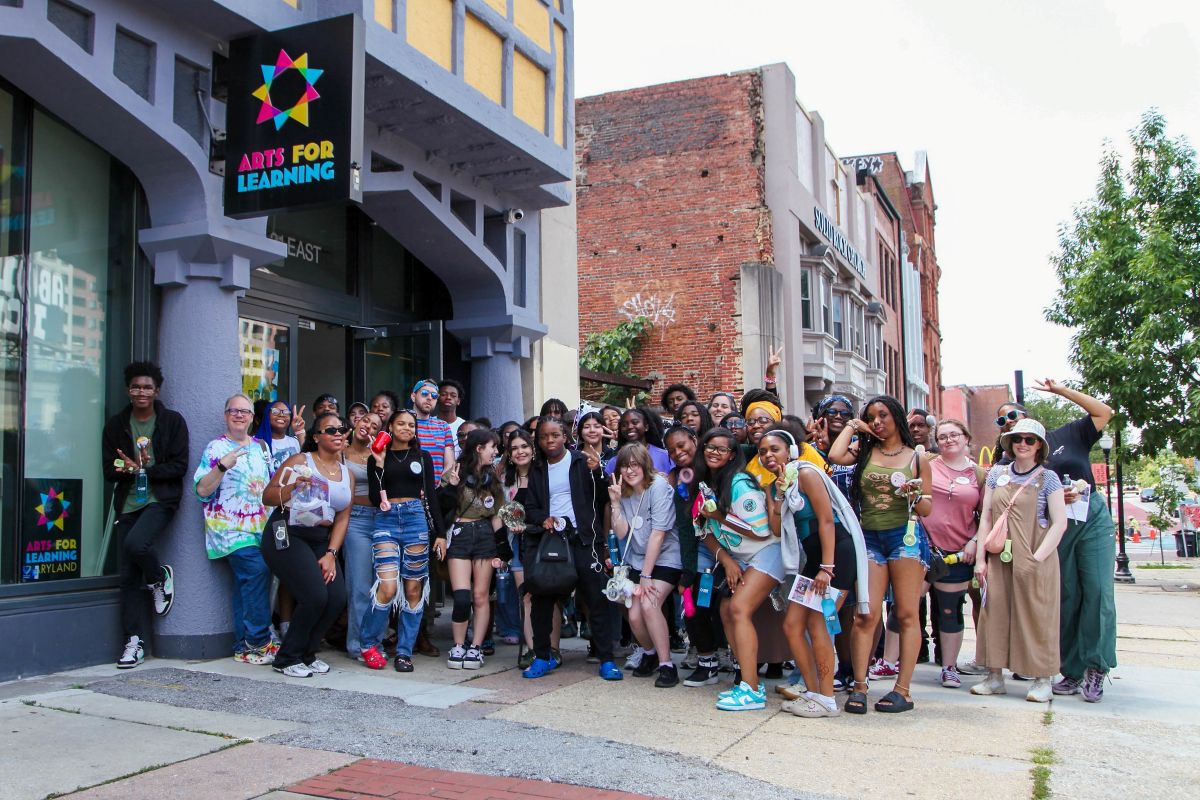
“It is a beautiful village of humans,” says Berdan, “all of whom commit uniquely and tremendously to our community. Our goal is that every student finds at least one of these humans who they see as their person both during the program and beyond. We do our best to build a diverse staff in terms of race, gender, age, experience, spirit, and more—so that interns see themselves fully represented.” This beautiful village of mentors, consultants, and writing coaches are currently guiding 50 rising high school seniors through a transformative summer.
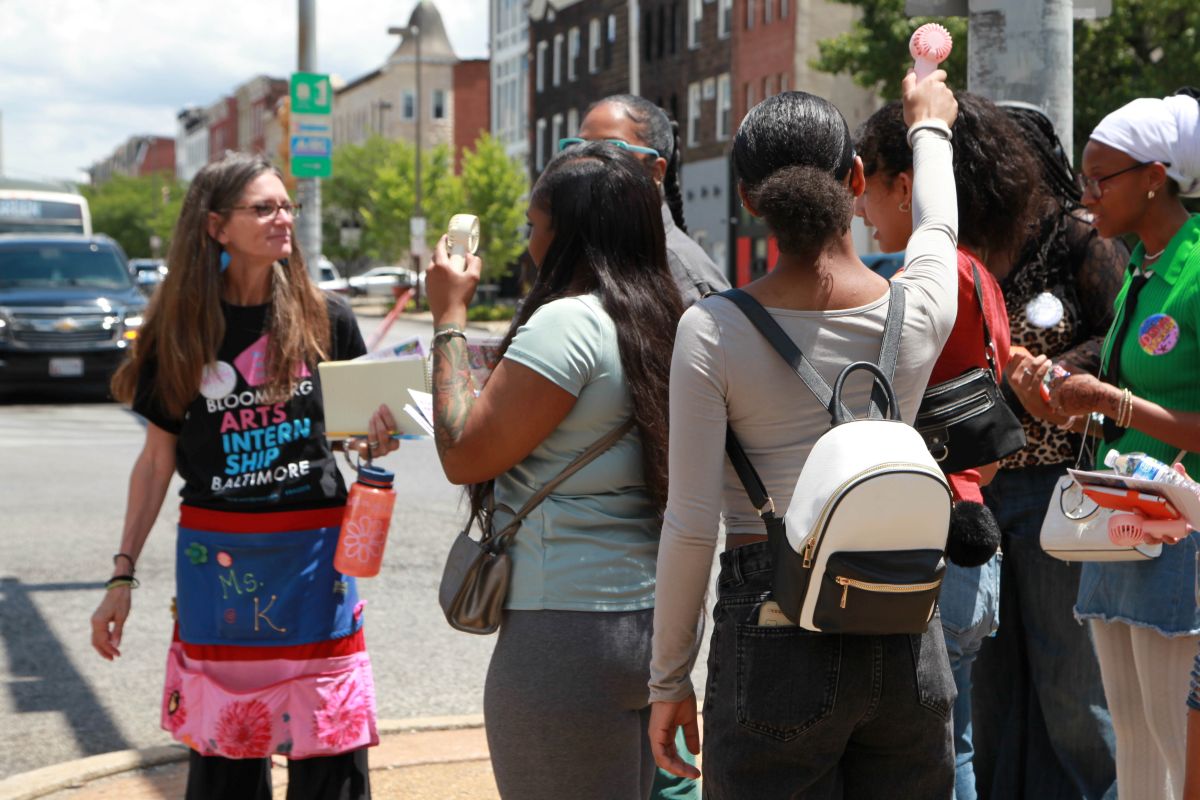
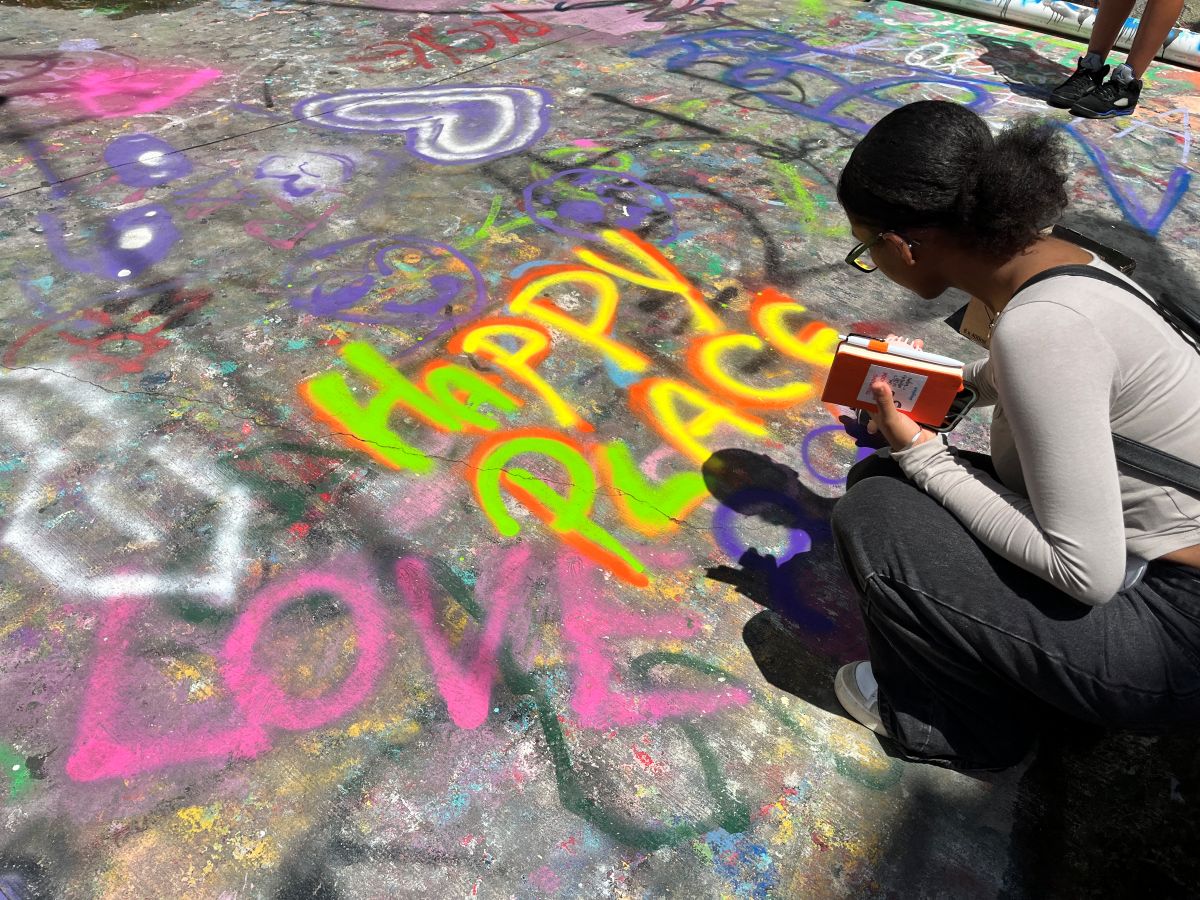
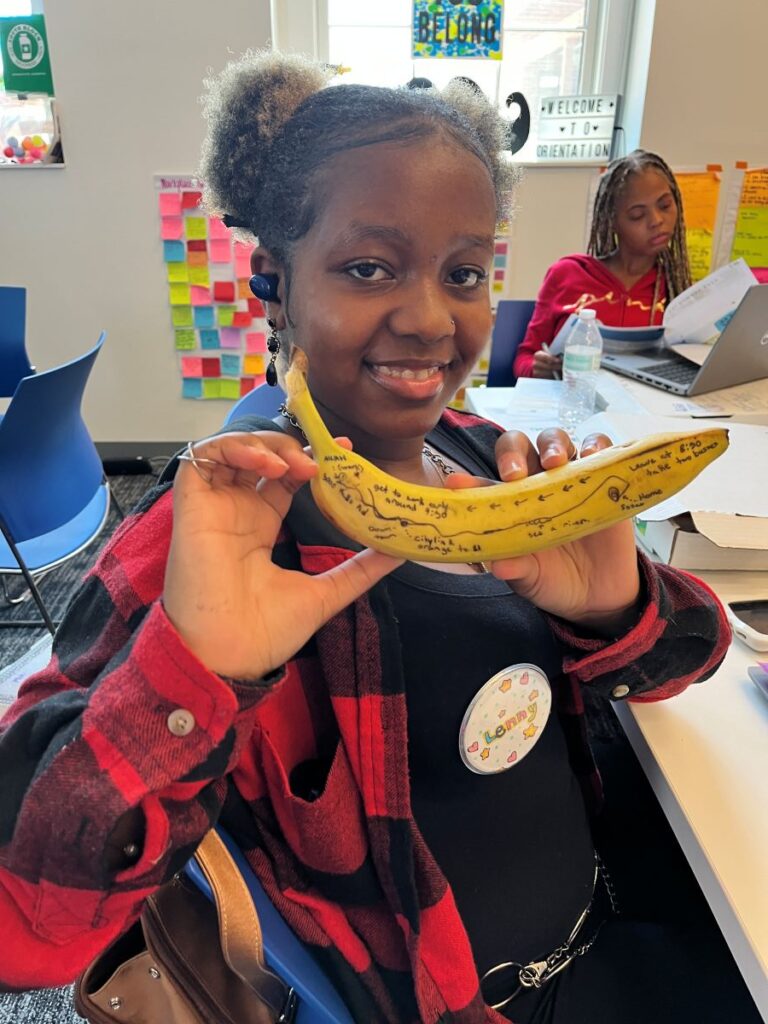
The 32 Baltimore worksites include institutions that focus on performing arts, visual arts, music, film, fashion, community arts spaces, and arts education.Elizabeth Hazen
The Bloomberg Arts Internship began in New York City in 2012, eventually expanding to Philadelphia, Baltimore, DC, and Boston. The program was designed to prepare rising high school seniors for college and post-college careers in arts-related fields, and interns are paid for their participation in the seven-week program. After a week-long orientation, interns spend six weeks working on-site for an arts organization, visiting cultural sites in the city, and participating in professional development activities.
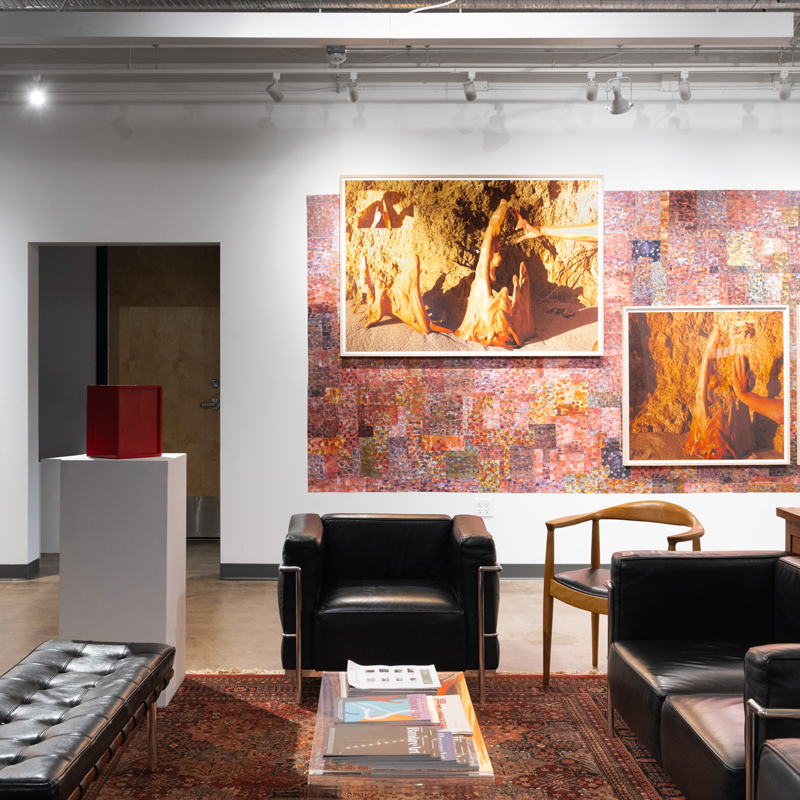
The 32 Baltimore worksites include institutions that focus on performing arts, visual arts, music, film, fashion, community arts spaces, and arts education. Maryland Center for History and Culture, The Creative Alliance, Center Stage, Peabody Prep, and The Walters are just a small sample of the sites where students may be placed.
Placing students with their jobsites, like so much that happens at BAI, is a collaborative process: students and jobsites create wish lists and then participate in a matching day that is a little like speed-dating.
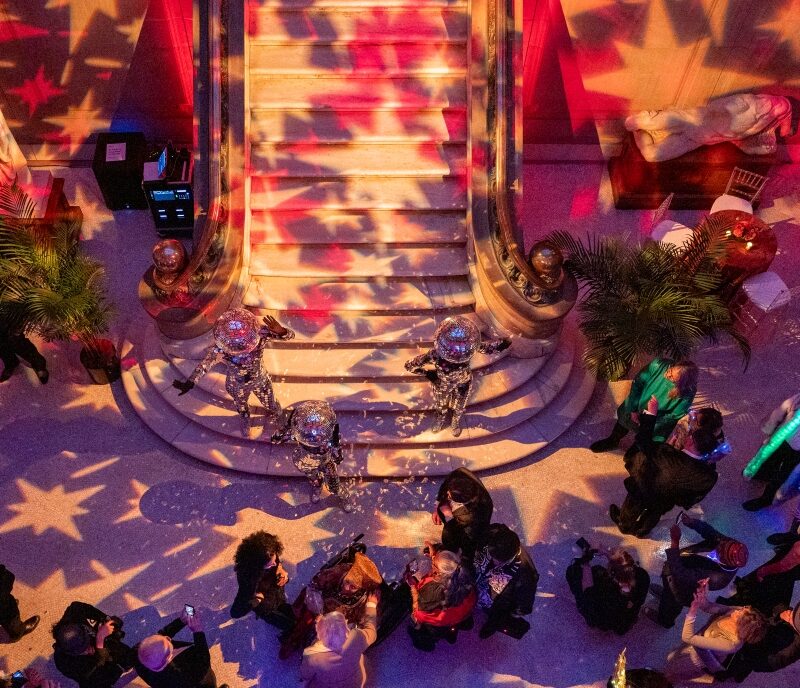
Berdan explains, “We host a matching event for both the worksite supervisors and the interns at Baltimore Unity Hall. During that in-person evening, interns begin by sharing who they are and then supervisors share a bit about their organizations and the projects they have for interns. We create a playbill of student bios for the supervisors and a playbill of all of the internships for our students. We invite interns and supervisors to preview their playbill and come prepared with questions for each other.” After this sharing and information-gathering, both students and supervisors create lists of their top choices. From these lists, Berdan and her team make matches for the summer.
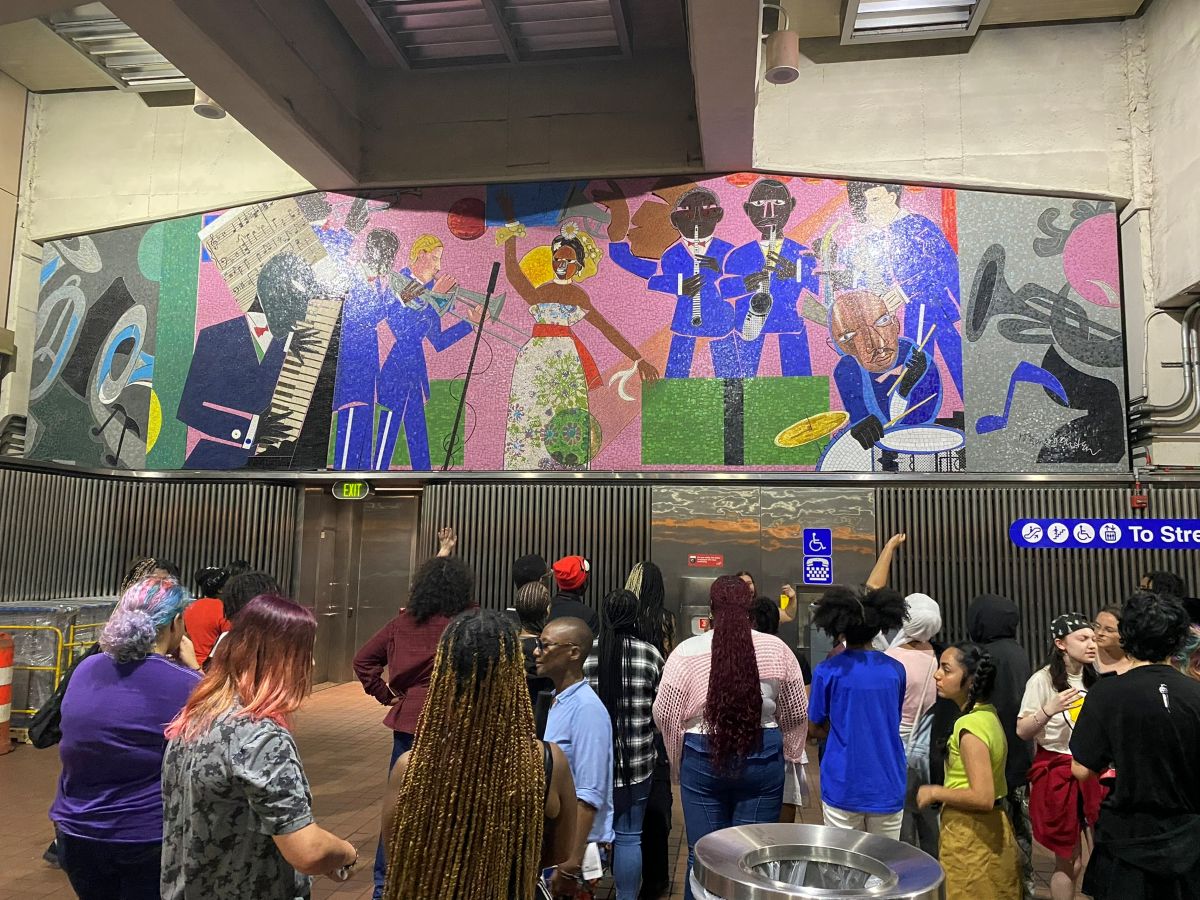
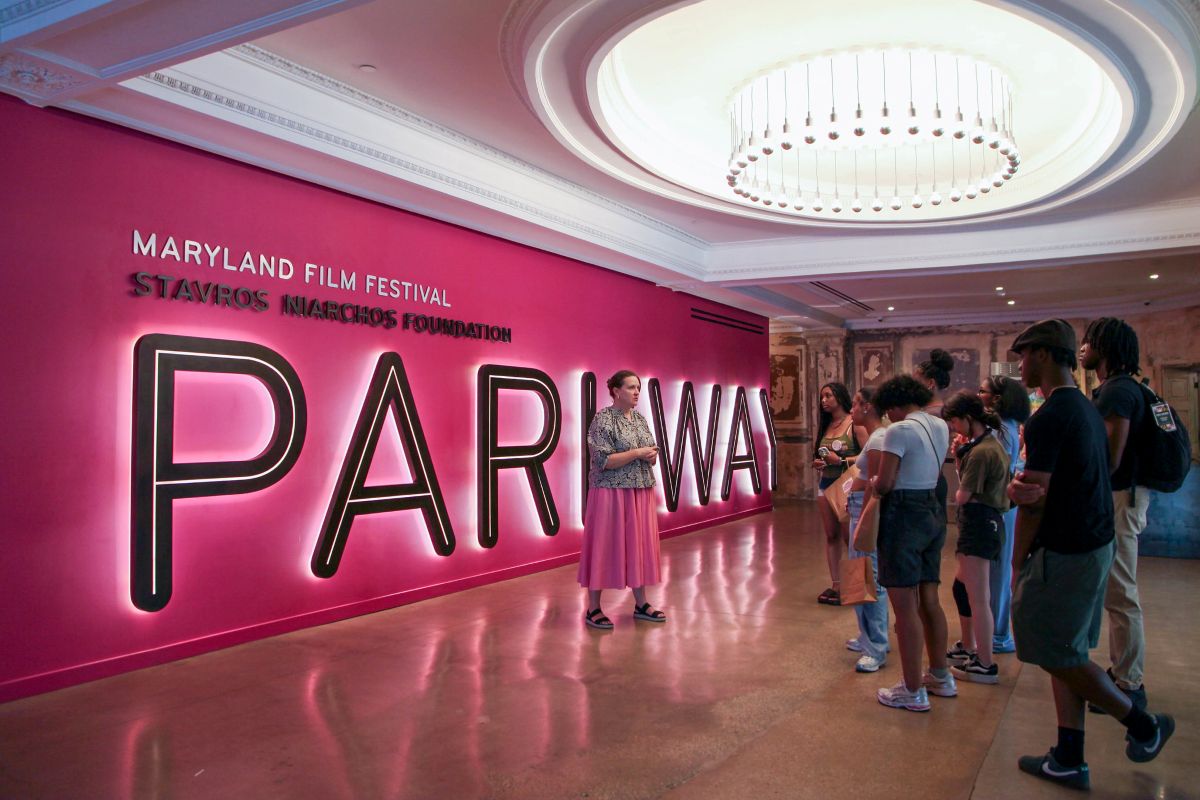
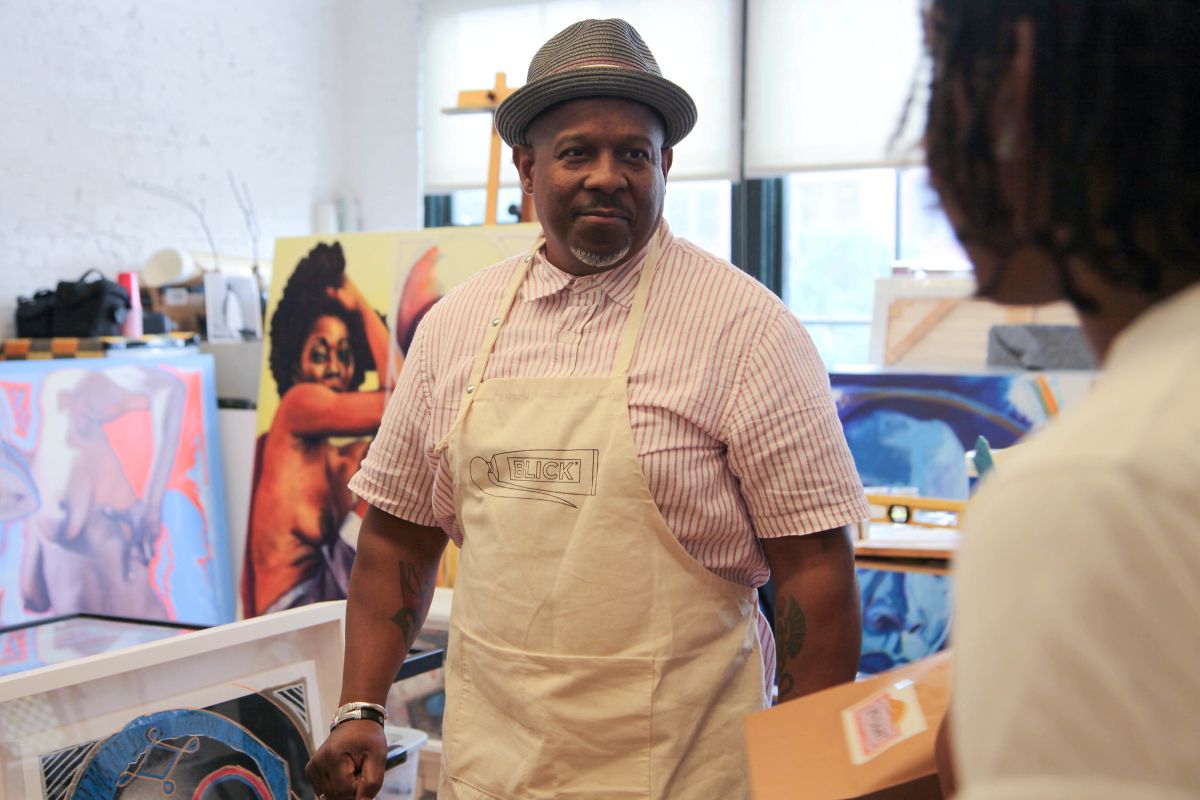
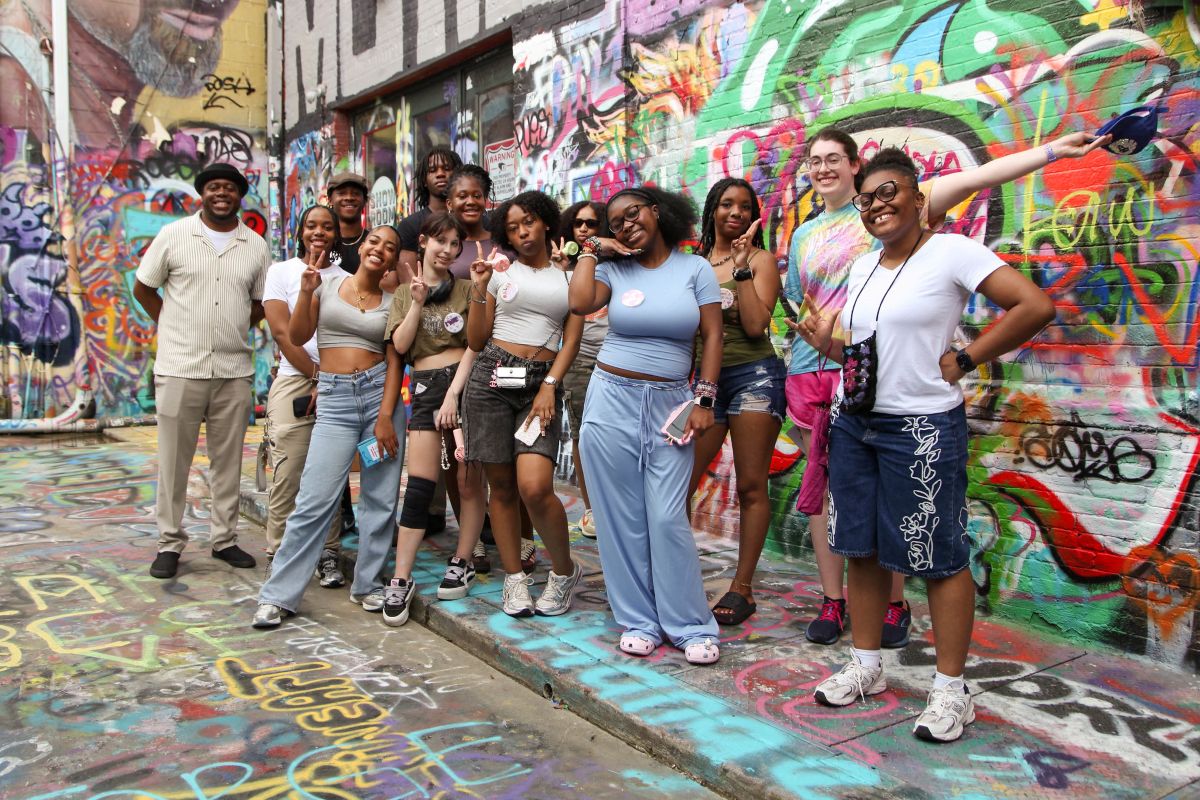
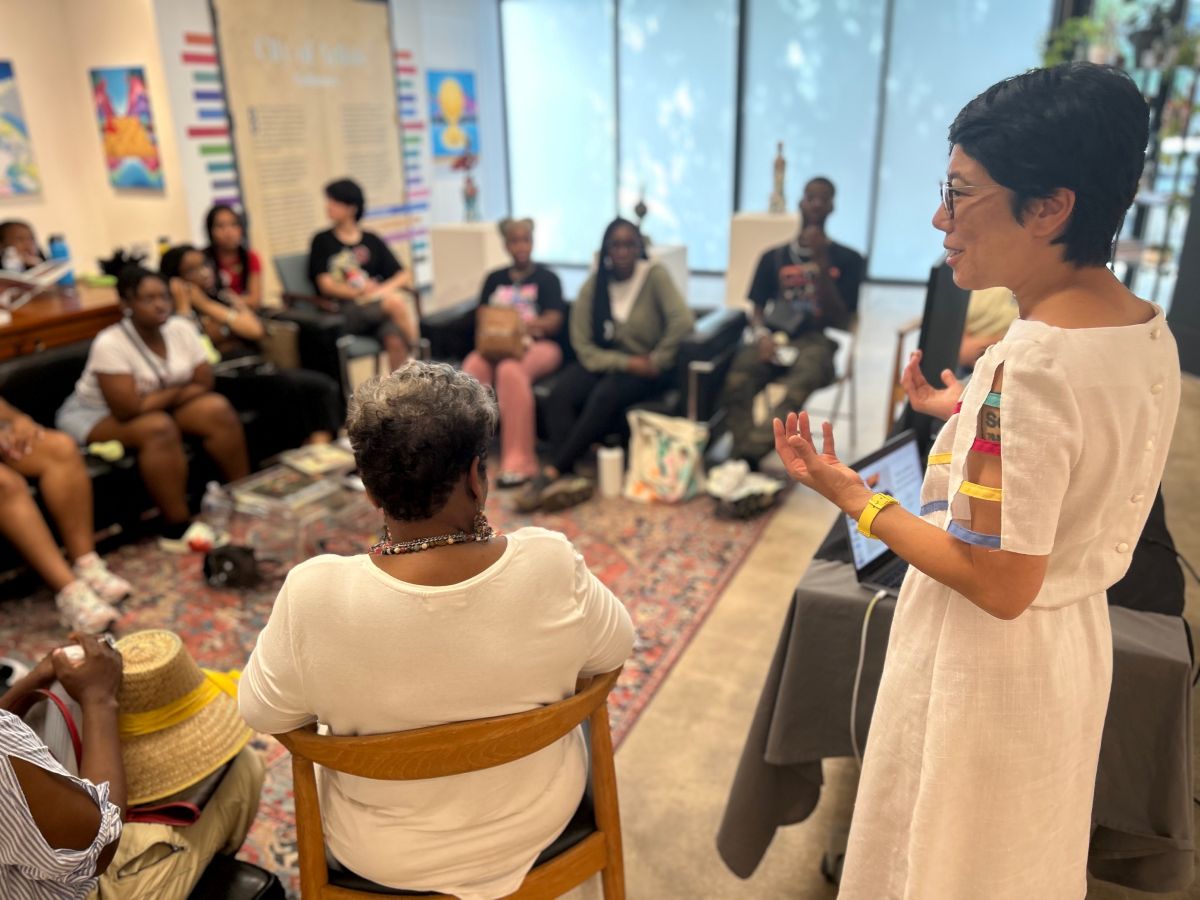
The internship had its inaugural year in Baltimore in 2017. Since then, it has grown from 25 to 50 interns, and the number of worksites has increased each year as well.Elizabeth Hazen
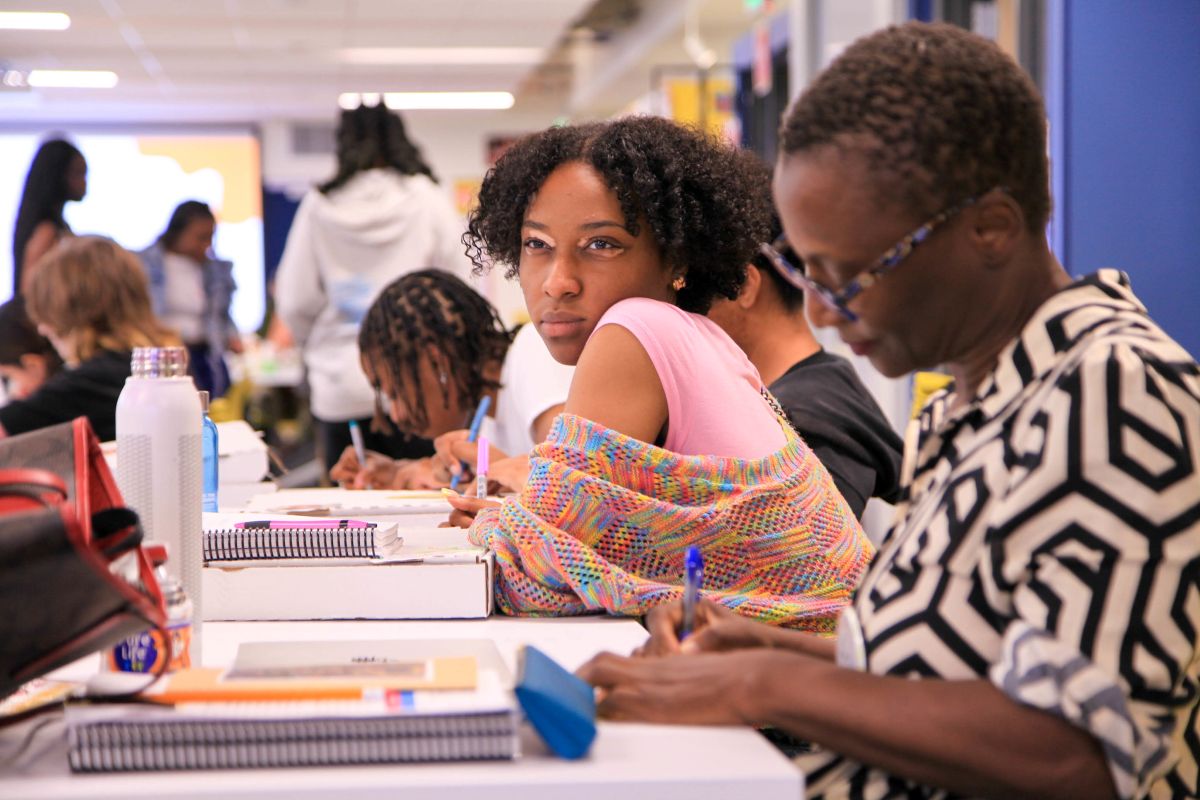
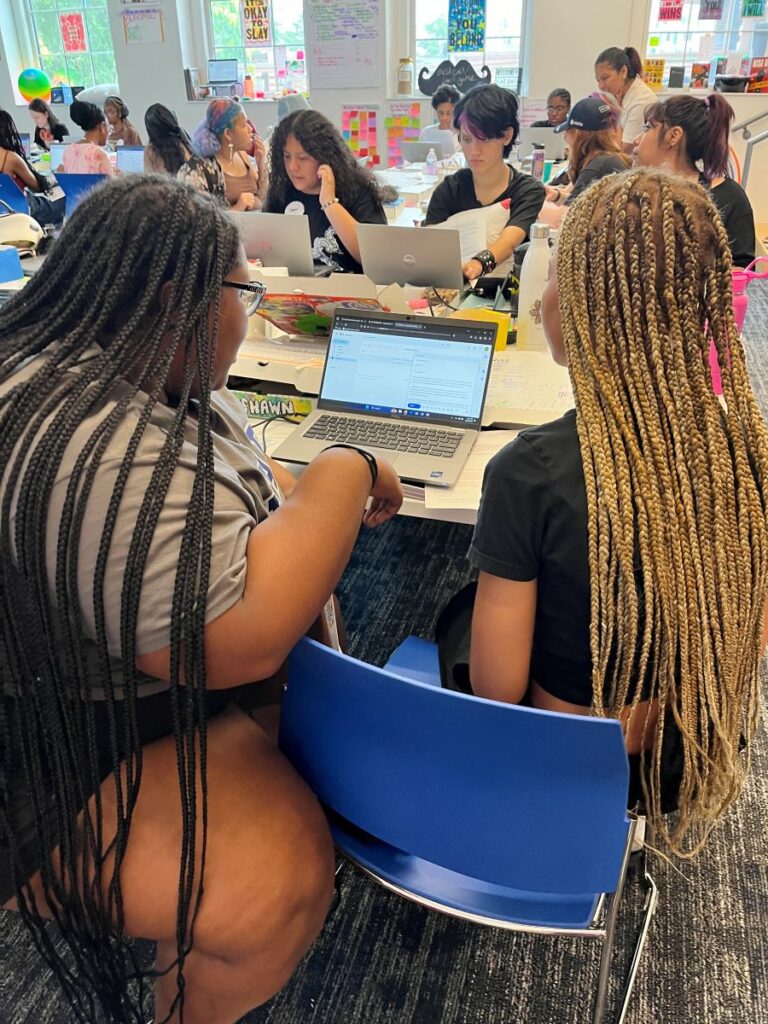
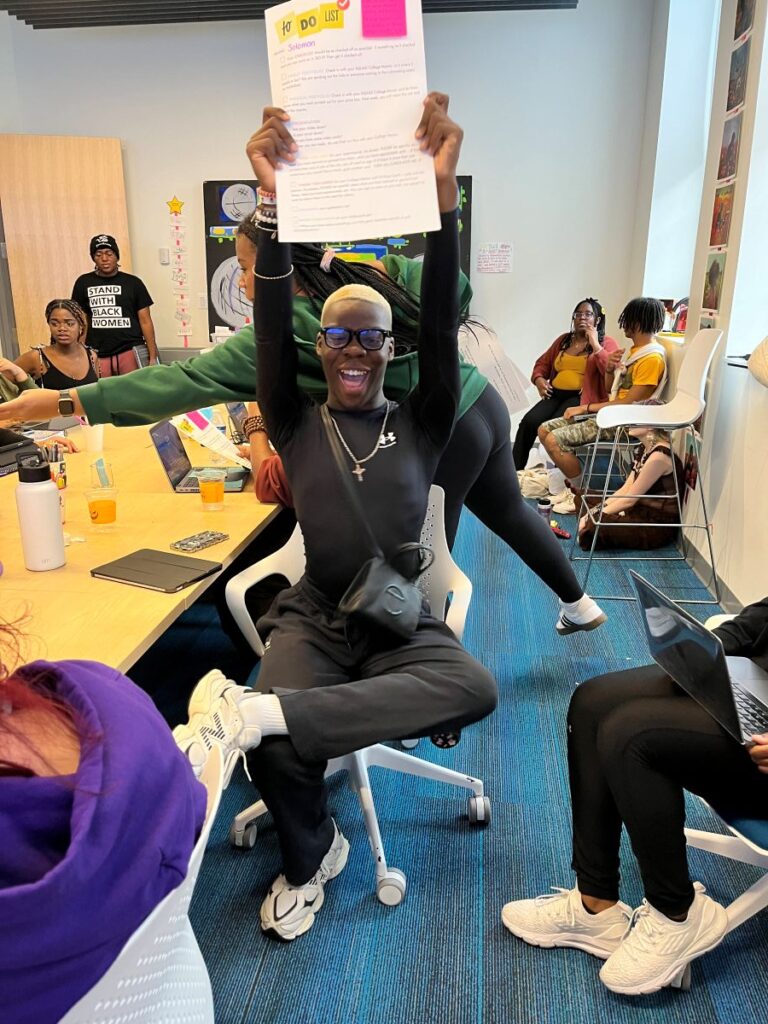
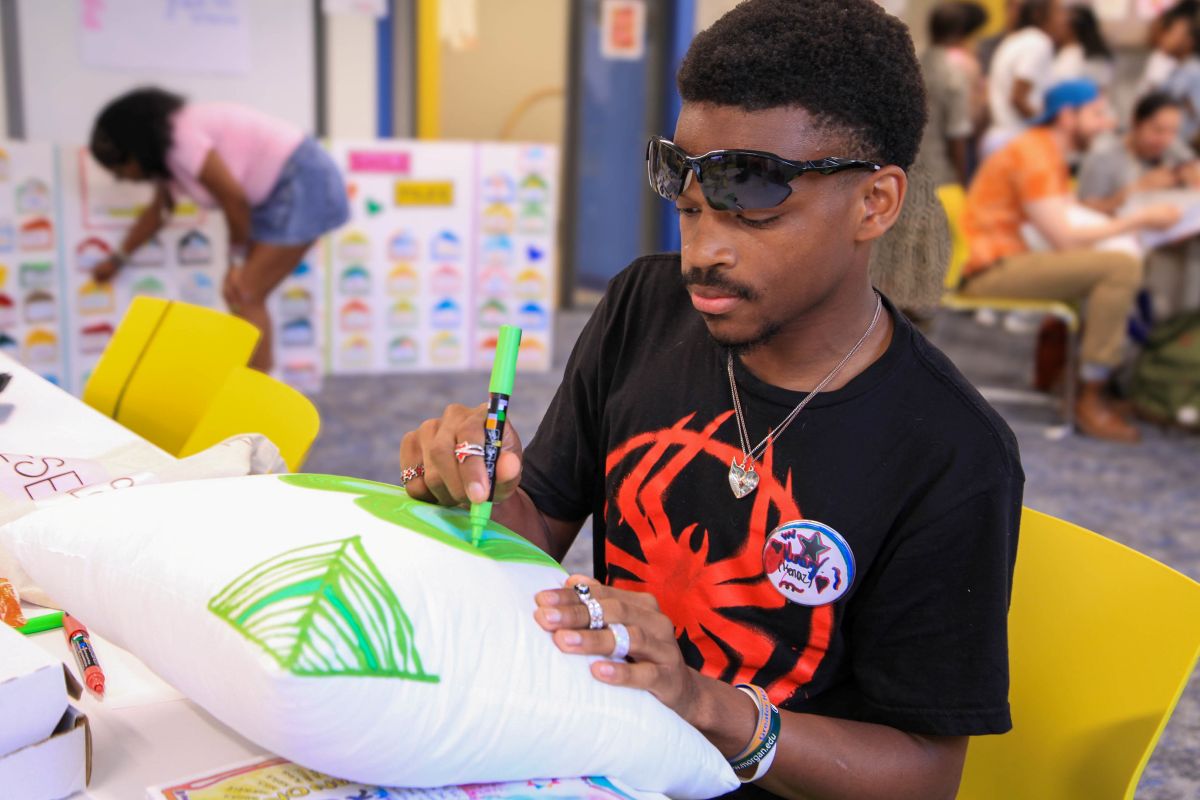
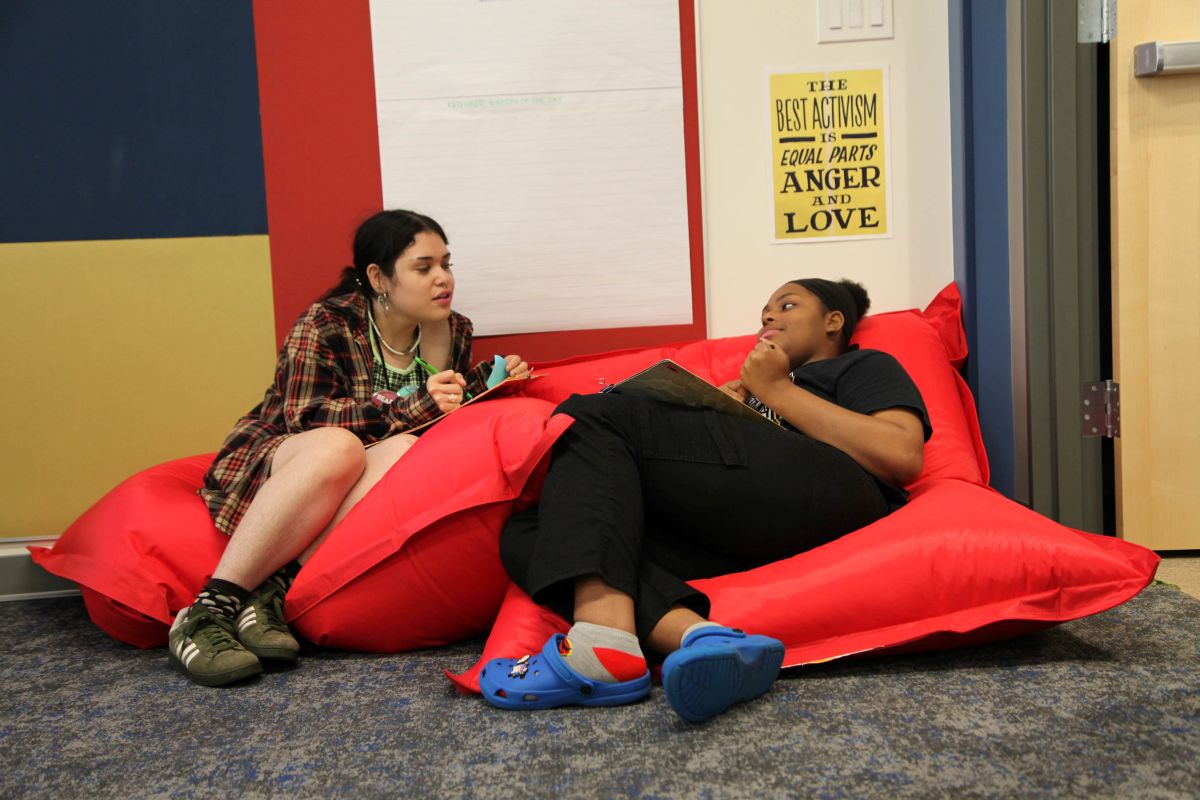
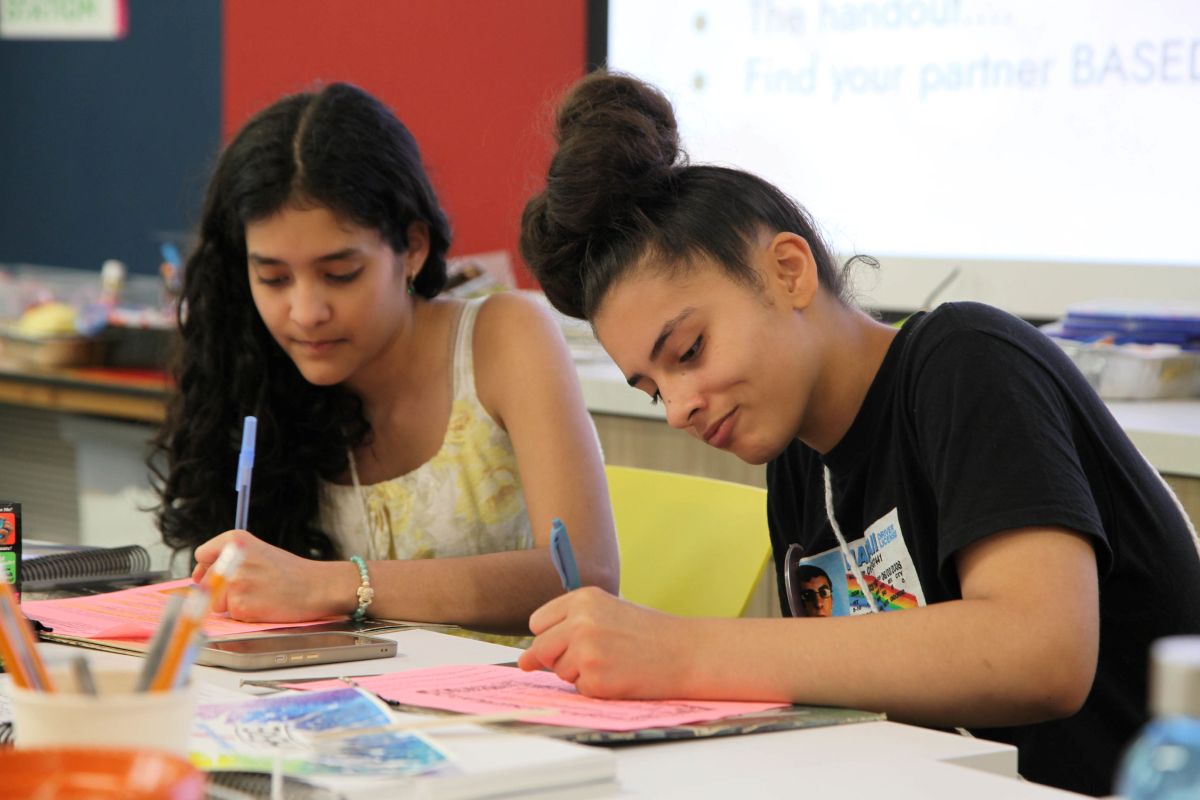
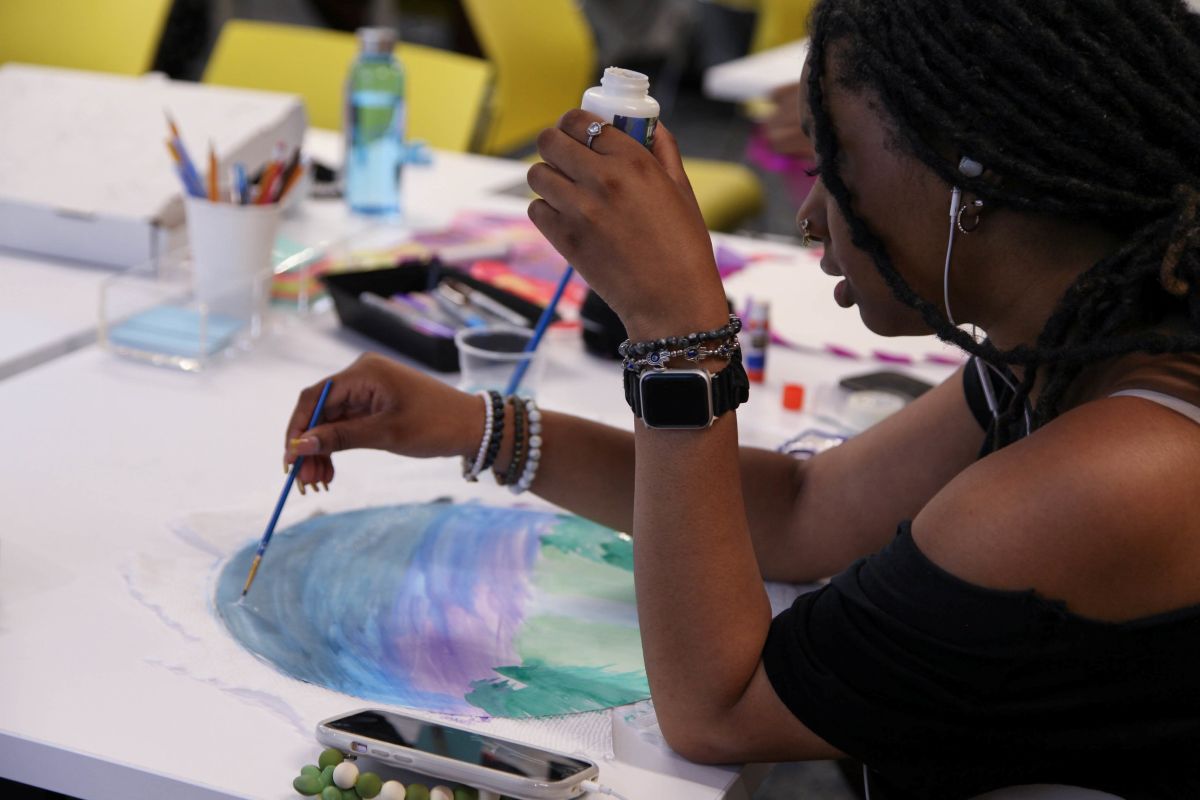
Interns spend Mondays through Wednesdays working at their assigned site, gaining valuable experience in everything ranging from proper email etiquette to the specific ins and outs of their institution. On Thursdays and Fridays, they return to Arts for Learning’s headquarters for professional development where they reflect and share stories about their sites, connect with local artists, work with writing coaches on creating their artist statements, resumes, and college essays, and this is just to name some of it. Program Associate and 2018 BAI alum Jada Snyder describes the PD days as both fun and enriching: “I got to meet different artists in the city, explore art venues, and connect with other students in my cohort.”
The internship had its inaugural year in Baltimore in 2017. Since then, it has grown from 25 to 50 interns, and the number of worksites has increased each year as well. In part, the rigorous assessment of the program at the end of each session has allowed Berdan and her team to make changes that improve the experience, again adhering to the belief that students should be actively shaping the program. “At the end of orientation week,” says Berdan, “the interns complete a feedback survey. College Mentors do their own version of it. We then have small focus groups mid-summer to gather more feedback about how things are going.” There is a final survey at the end of the summer, as well.
This openness to feedback from participants is a vital part of the program’s development, and Berdan even established a group to formally assess the program’s strengths and weaknesses: “In 2019,” Berdan explains, “we hired young people from the summer to be ambassadors and formed an advisory council. They became recruiters, giving information sessions at schools.” Indeed, alums play numerous vital roles in the program, and there are currently three alums who work full-time for BAI.
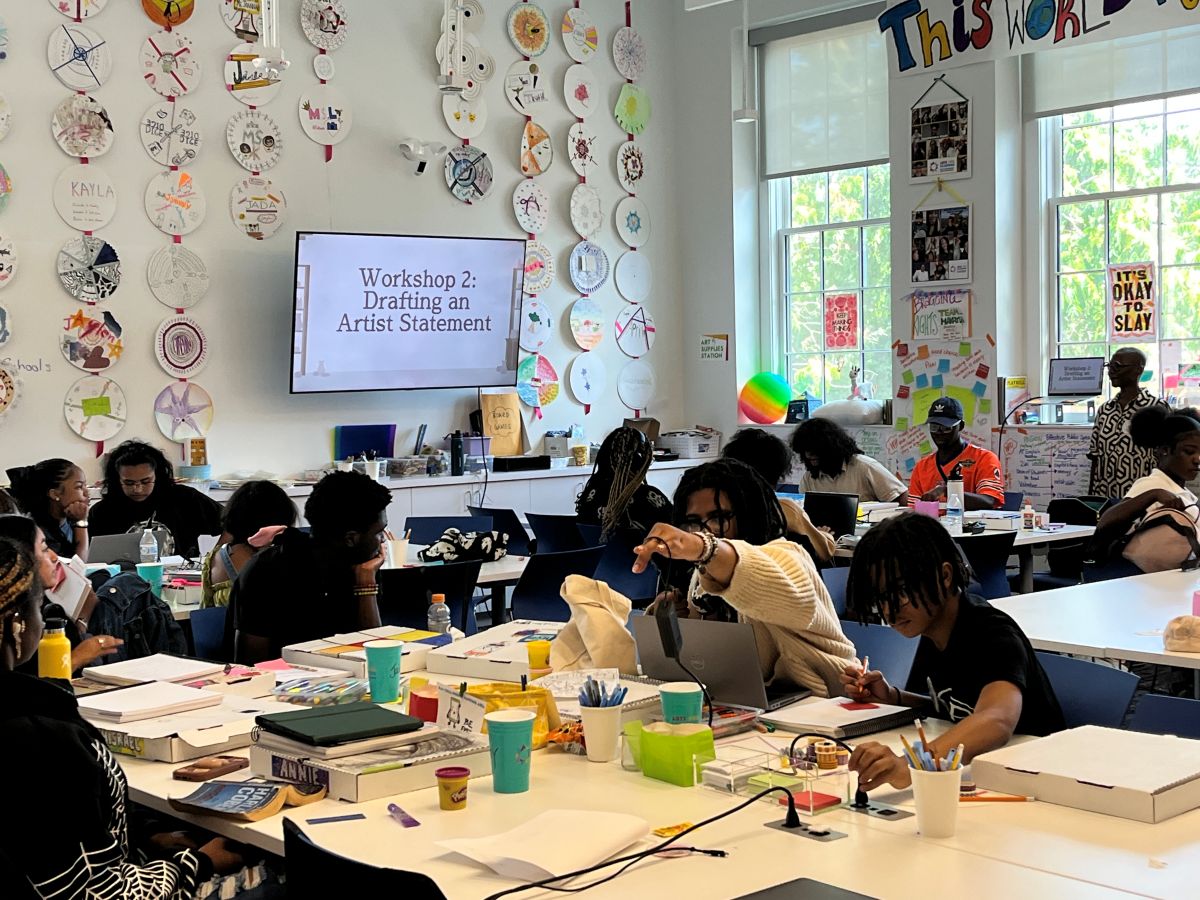
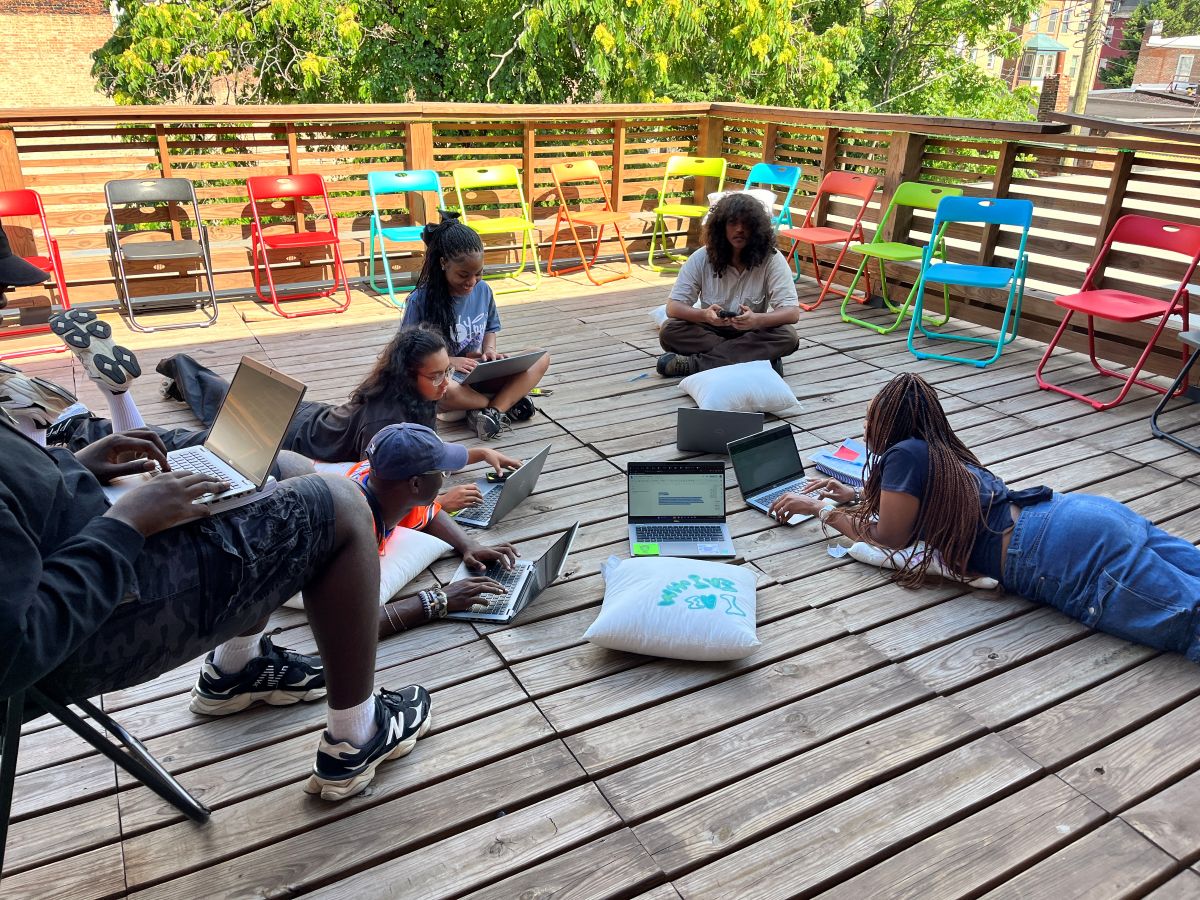
Berdan essentially built the program as it exists in Baltimore today, incorporating three core elements—jobsite experience, exposure to arts institutions, and skill-building for college and beyond—and to all of it she’s added her signature flair.Elizabeth Hazen
Berdan essentially built the program as it exists in Baltimore today, incorporating three core elements—jobsite experience, exposure to arts institutions, and skill-building for college and beyond—and to all of it she’s added her signature flair. For example, the playbills for students and supervisors are classic Berdan. Run of the mill bios have no place in these packets; instead, students and staff are asked to come up with more creative—and ultimately more revealing—types of information like a one-sentence introduction, a favorite quote, and a source of creative inspiration.
The student handbook is another font of fun and interesting material. Of course it includes basics like contact info, rules and regulations, and a calendar, but it also contains encouraging graphics and quotes like, “You are magic, never forget that,” and pages with advice from previous interns: “Don’t be shy, and advocate for the things you want,” “Keep your shine,” and, “Do things on time.”
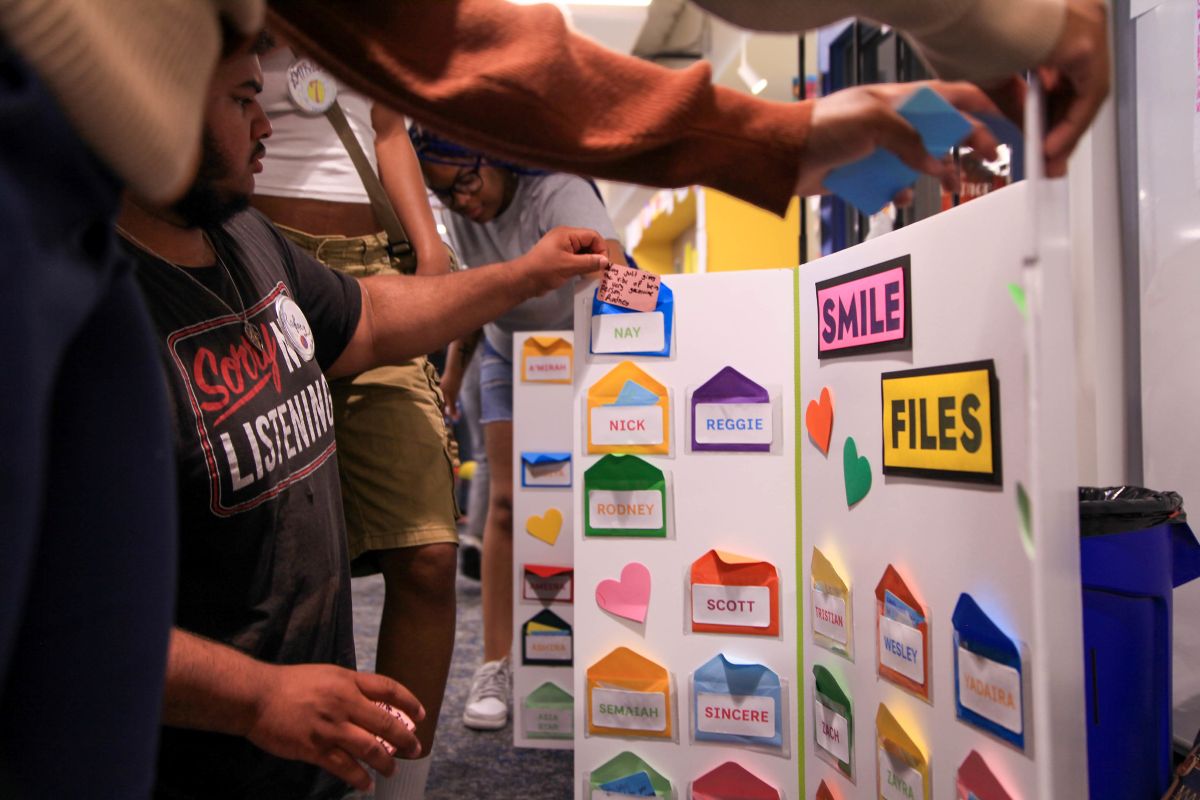
There are other small details that, taken together, are a large part of why the program is so successful. On PD days the work tables are stocked with small colorful cards and pens. During orientation, Berdan explains to the interns that these are for writing words of encouragement or appreciation to other students and staff: “Smile Files.” Messages are written quietly, during breaks and down time throughout the program, and tucked into envelopes on a brightly designed trifold post-office of sorts to be received and read at the end of the day.
Snyder explains that one of her jobs is to keep everyone fed: “During our PD days we provide interns and staff lunch, but we also provide special snacks. The snacks are special because before the summer starts, we ask what each intern’s favorite snack is . . . each day we feature a couple of the interns’ favorite snacks. This might seem trivial but different parts of Baltimore can be food deserts, so to provide food to students can be very important.” The collective sharing of favorite foods also sends the message to interns that what they think—and what they like—matters and is worth sharing. This, in a playful and delicious way, also builds on their self confidence and connection to the group.
“Having an experience like BAI at a young age really helps build an understanding of what it takes to be successful in any field, even if it’s not the arts,” says BAI alum (2023) and current social media manager Aniya Baker. “You learn so much about how the world works, discover things about yourself you wouldn’t have known otherwise, and truly learn how to work with others.”
There have been recent expansions to the program that allow students to stay involved with BAI even after the summer has ended. In 2021, they began to offer a year-long internship, allowing some students to continue working during their senior years.
As part of her role as Program Associate, Jada Snyder further engages alumni through the Extended College Mentorship Program. She explains, “During the BAI program, our interns are paired with a college mentor that they get to connect with during the 7-week program. The Extended College Mentorship Program extends that relationship for five years. Alumni who wish to be a part of the program are supported for five years throughout senior year of high school and their four years of college. We are closing out our second year of the program and it has truly been such an honor to see relationships between mentee and mentor blossom and grow.”
Regardless of whether students continue to stay formally connected to BAI after their summer stints—and many do stay connected—the impact of their experience lasts far beyond the final presentations in August. Berdan says, “The fact that we have so many alumni return for so many reasons is a testament to this community. They return for advice, to share what they are doing, to work in the program, to support the next class, and so much more.”
In the comments on final evaluations, there are powerful themes: BAI allows students to be their true selves, to find their passions, to grow into their potential, and to be connected to each other and to a thriving arts community in their city, all with dedicated support from a team of knowledgeable and caring individuals.
To prospective applicants, Baker says, “A lot of people assume art is limited to drawing and painting, but everything is art. Music, dancing, content creation, building—even me writing this is a form of art. Think bigger and try new things. You have to expand your horizons to truly see what the world has to offer you.”
Find more information about Baltimore’s Bloomberg Arts Internship here.