One main reason that Baltimore is a “City of Artists,” host to a vast cultural ecosystem that is high achieving, exponentially diverse, and globally relevant is the presence of the Maryland Institute College of Art (MICA). Not only is MICA a draw for talented young artists across the globe, its the center of gravity for a network of faculty, staff, collaborators, fans, friends, patrons, and alumni – like Amy Sherald, Joyce J. Scott, Abbi Jacobson, Kamrooz Aram, Lou Fratino, Jeff Koons, Gaia, Morris Louis, and Betty Cooke. There are so many MICA alums in Baltimore, so many of us, who came to Baltimore to study but ended up putting down roots due to love, employment, and professional opportunities, many of our own making.
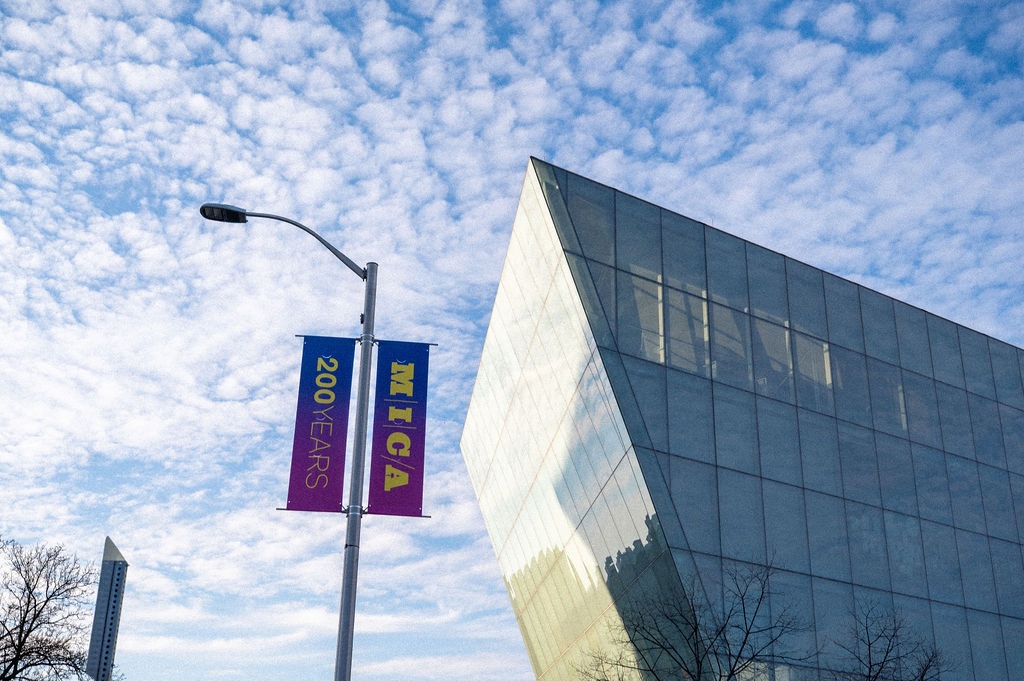
In an age when art colleges have faced sudden closures and challenges in student enrollment, MICA’s continued success and impact in Baltimore and beyond is a gift to all of us who love art, especially “the art of our place and time.” Now that MICA is achieving its 200th anniversary, and is the oldest art and design college in continuous operation in the nation, is a great time to celebrate and support this beloved institution.
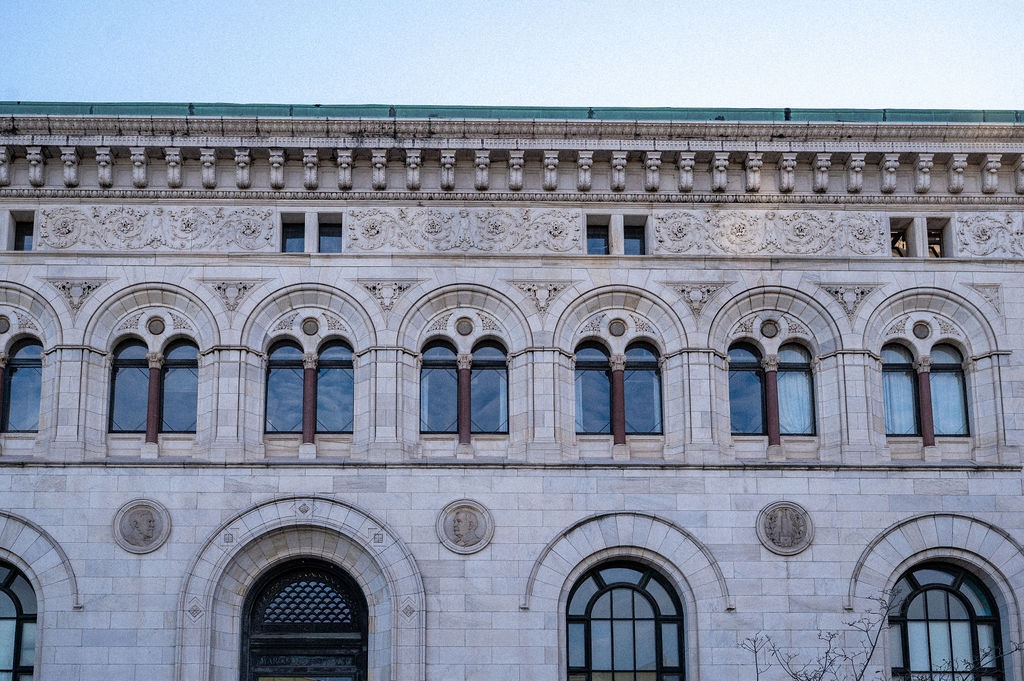
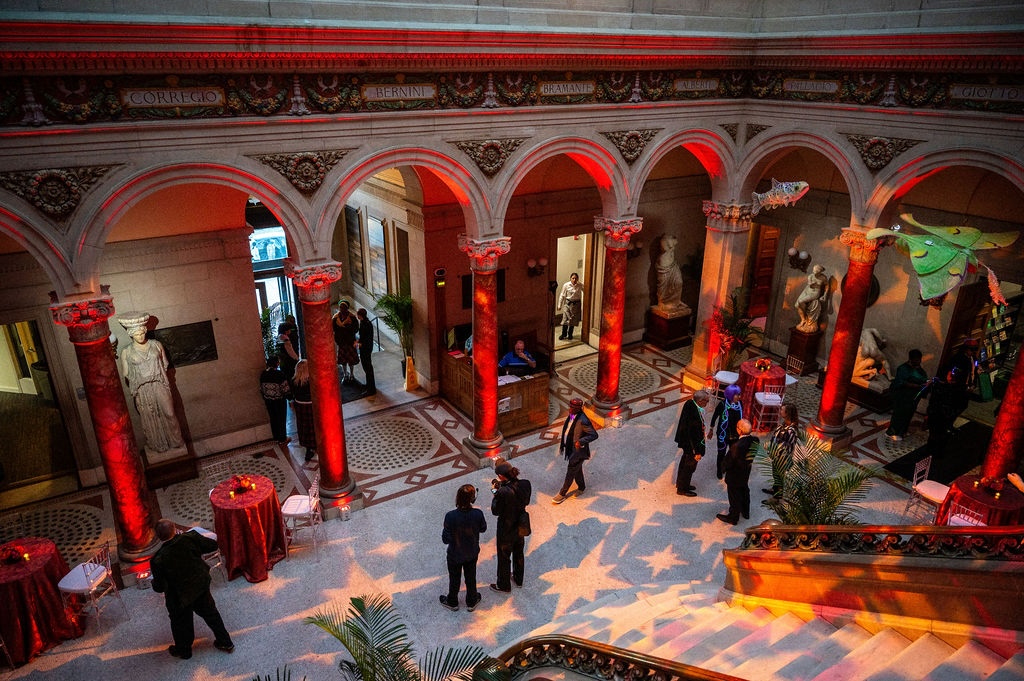
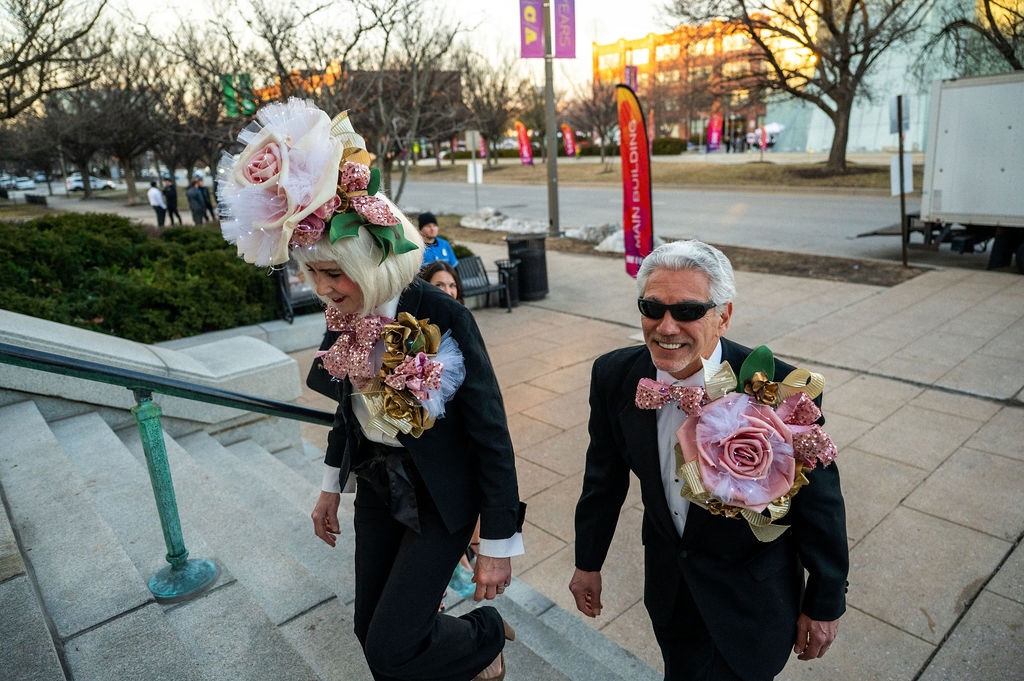
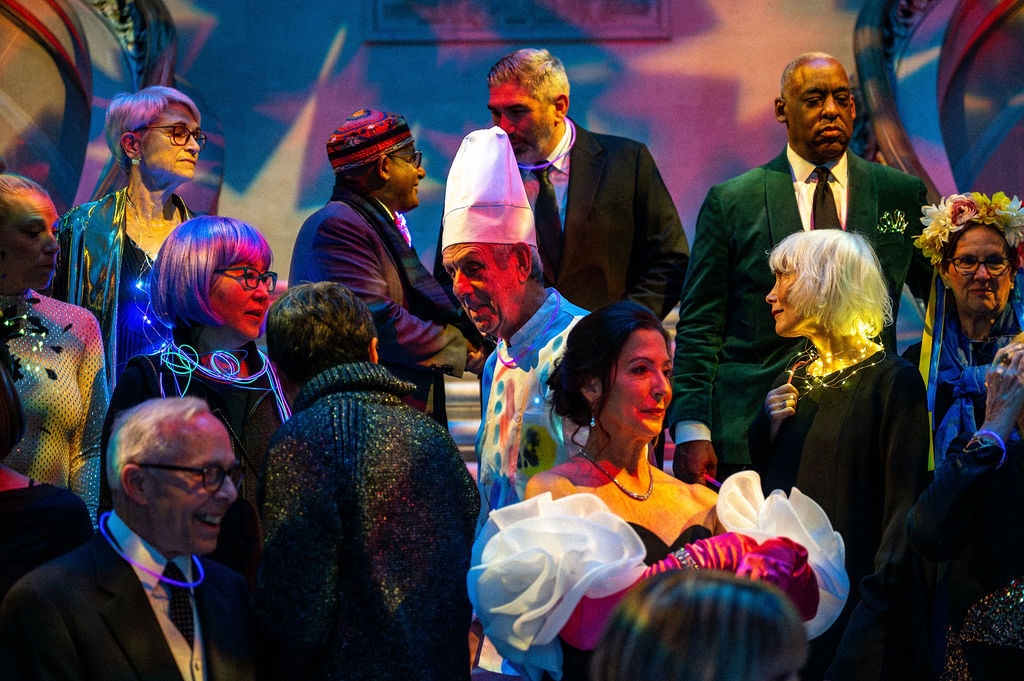
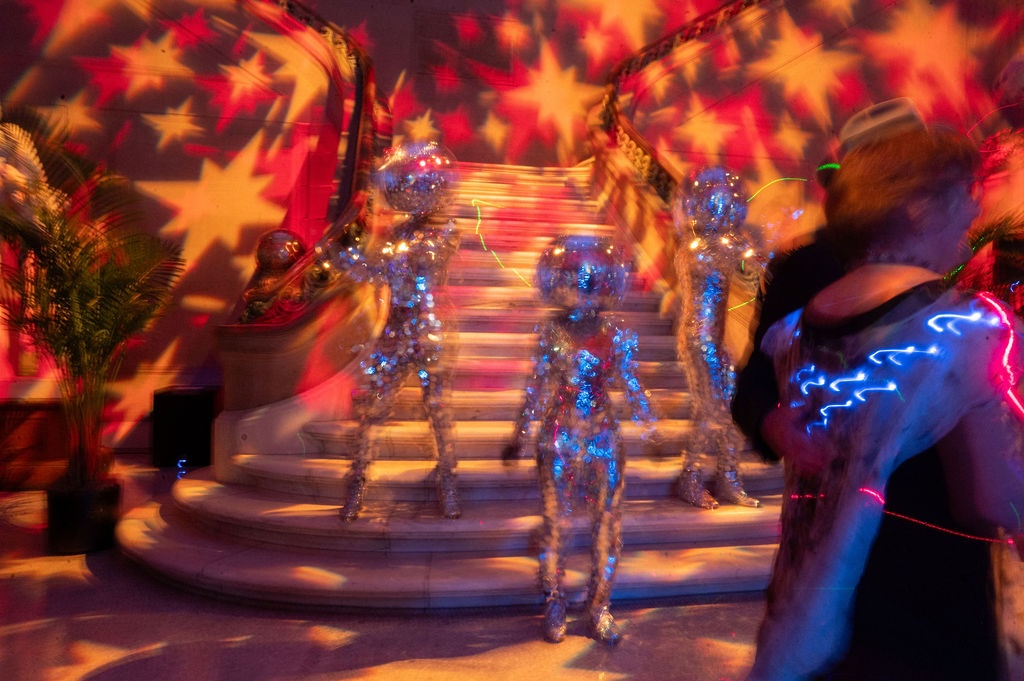
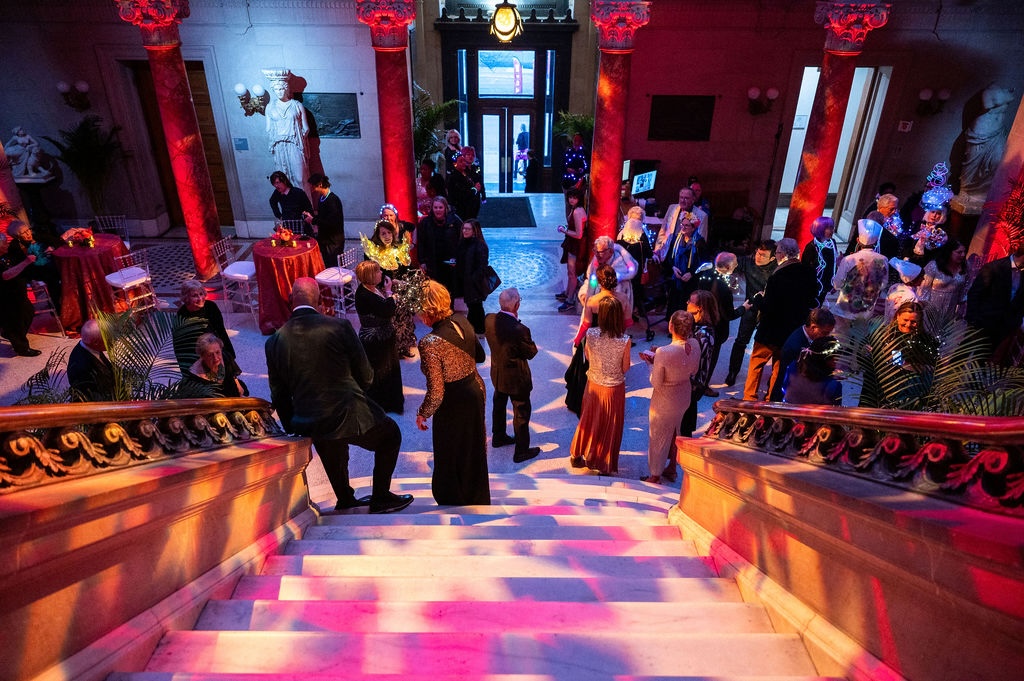
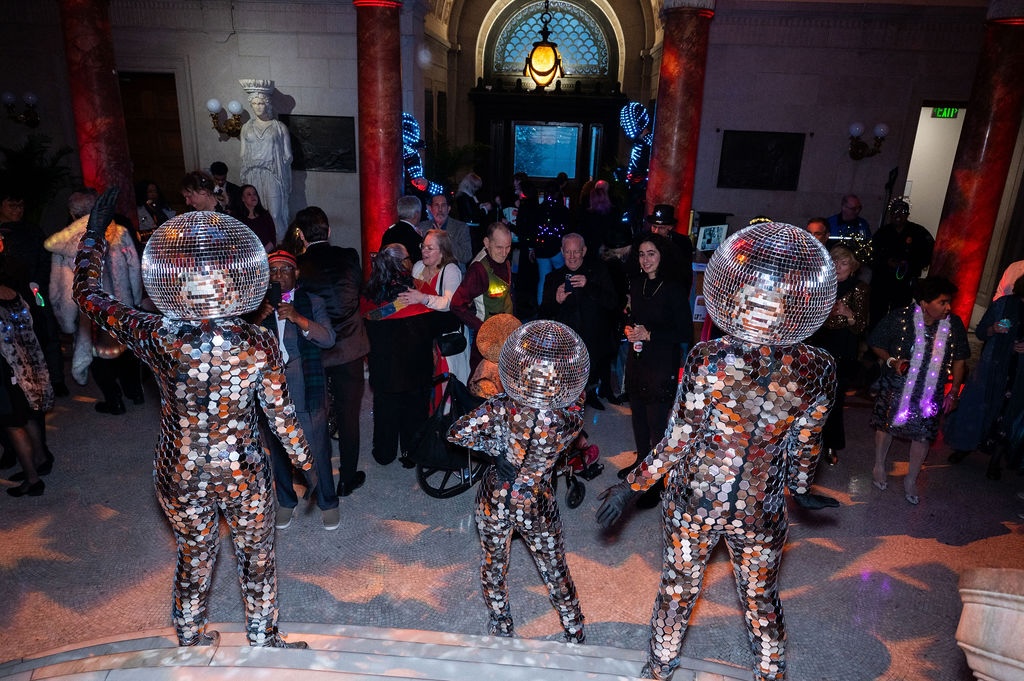
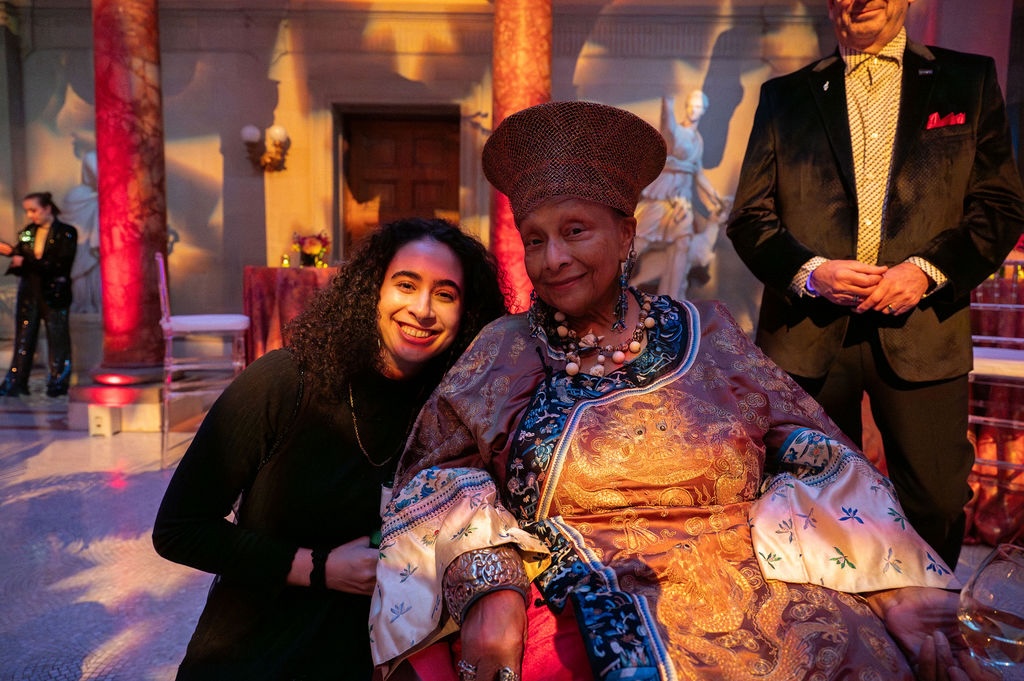
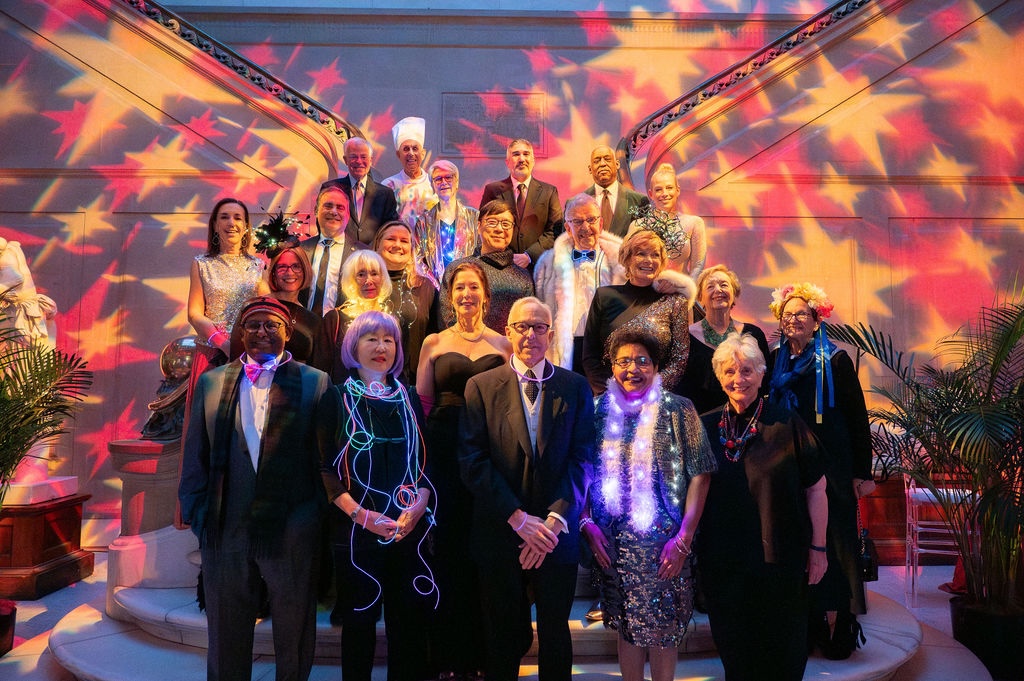
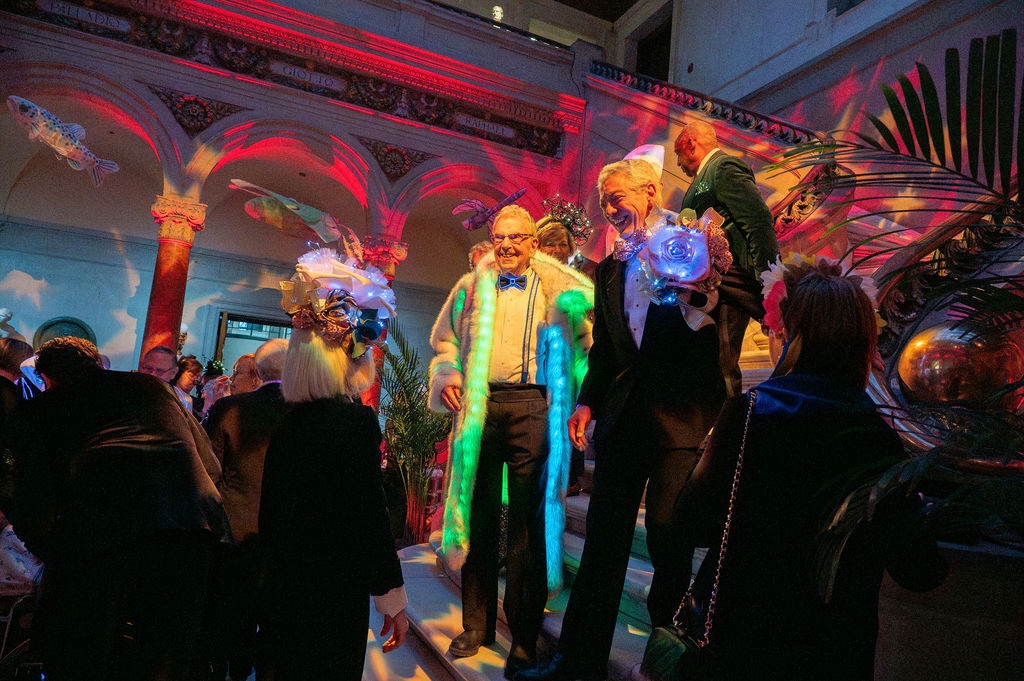
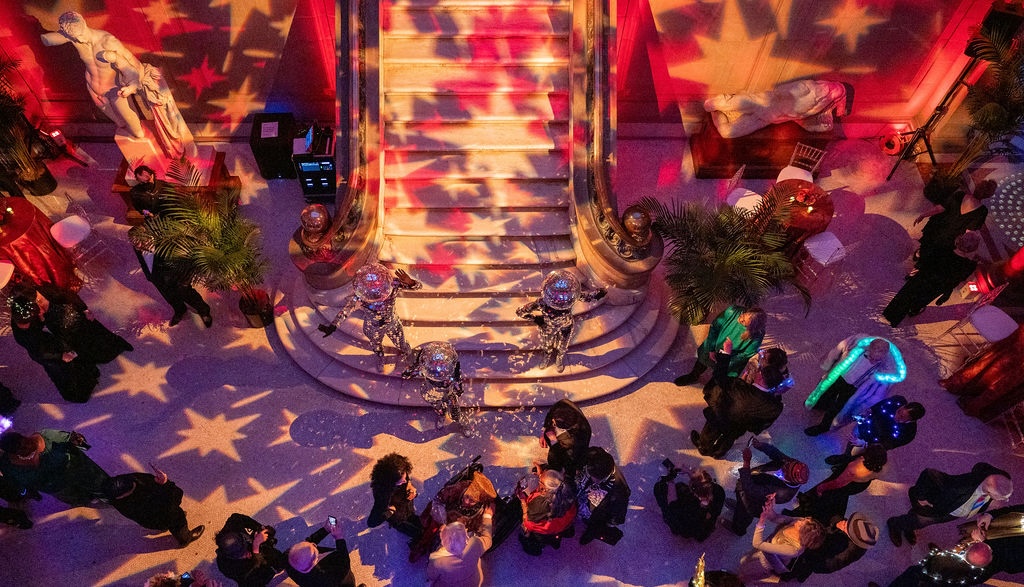
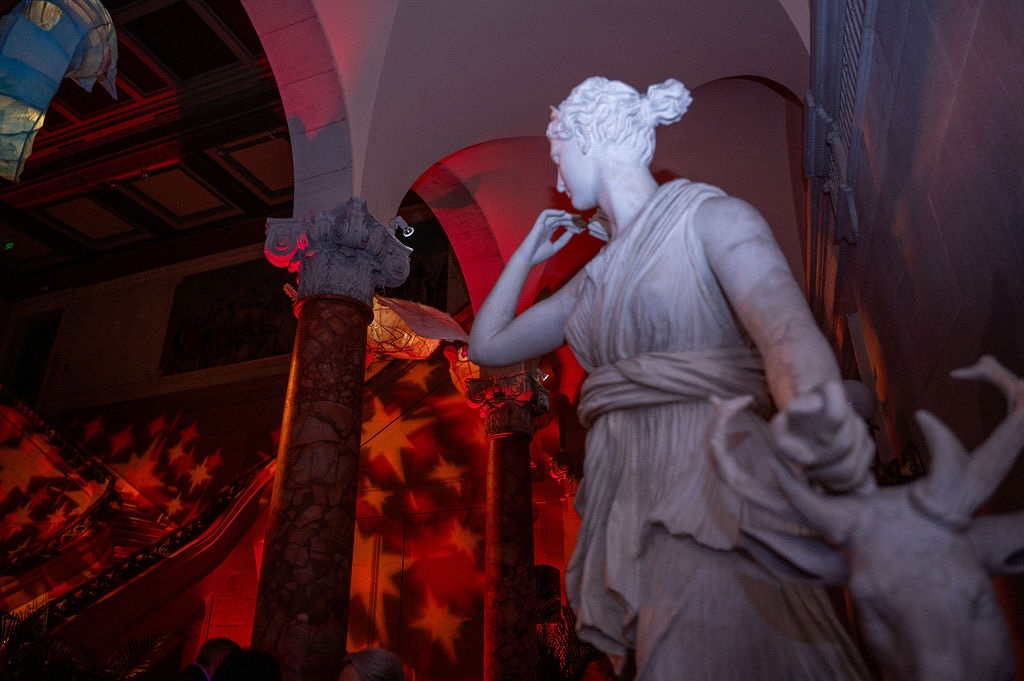
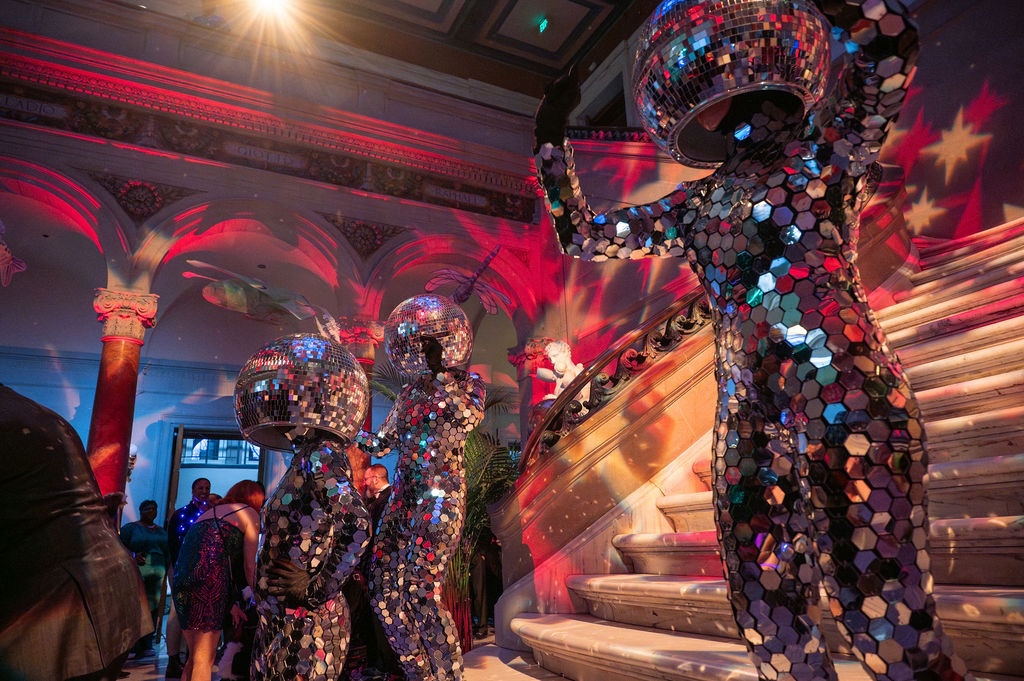
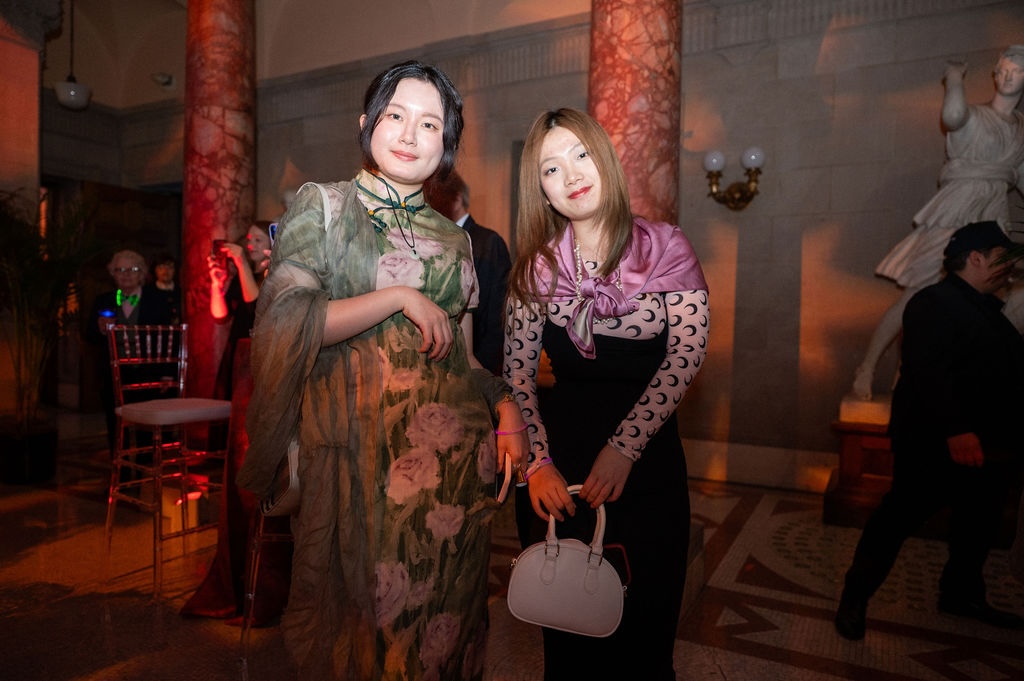
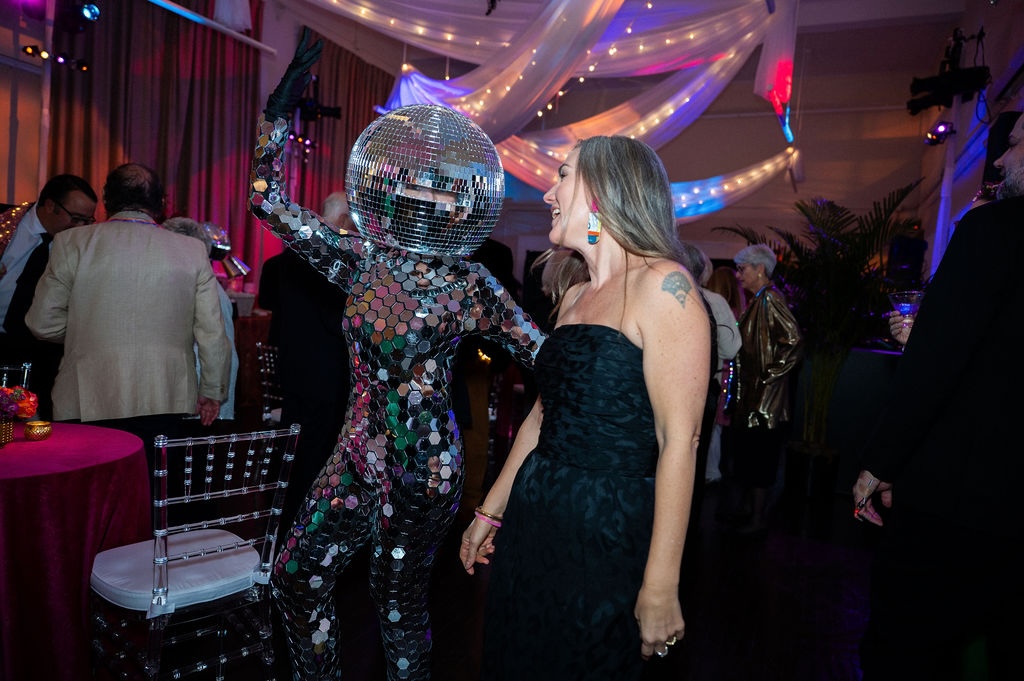
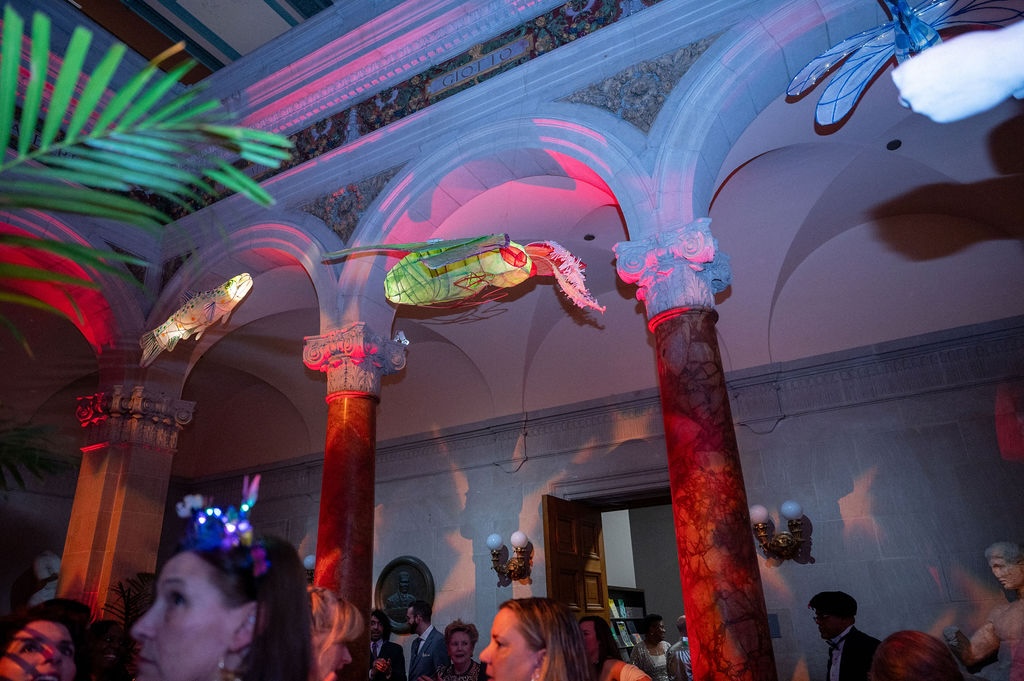
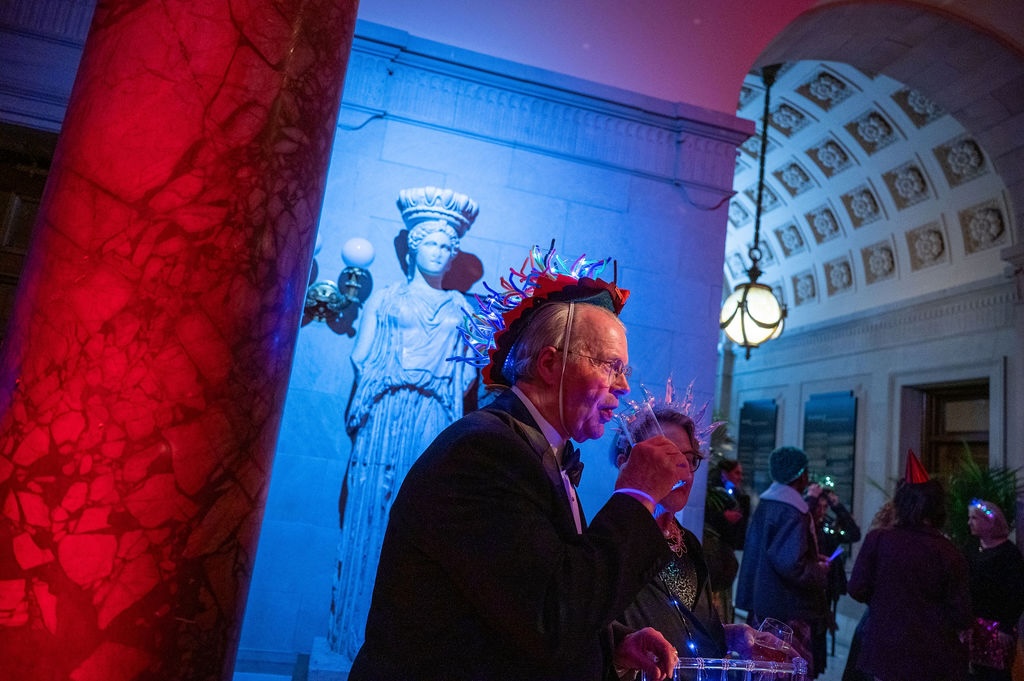
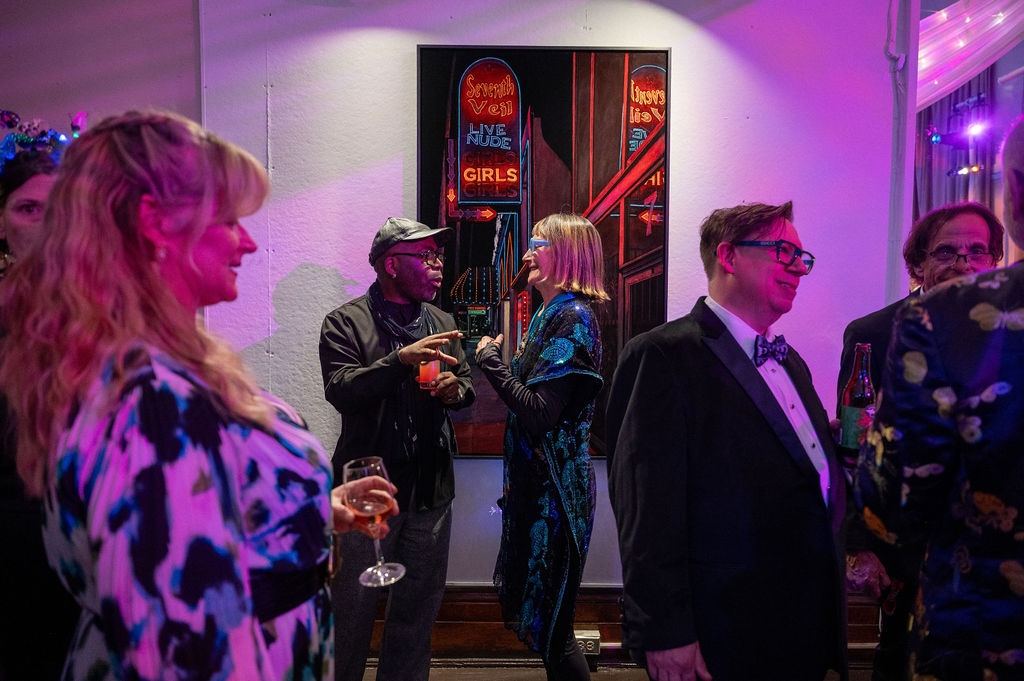
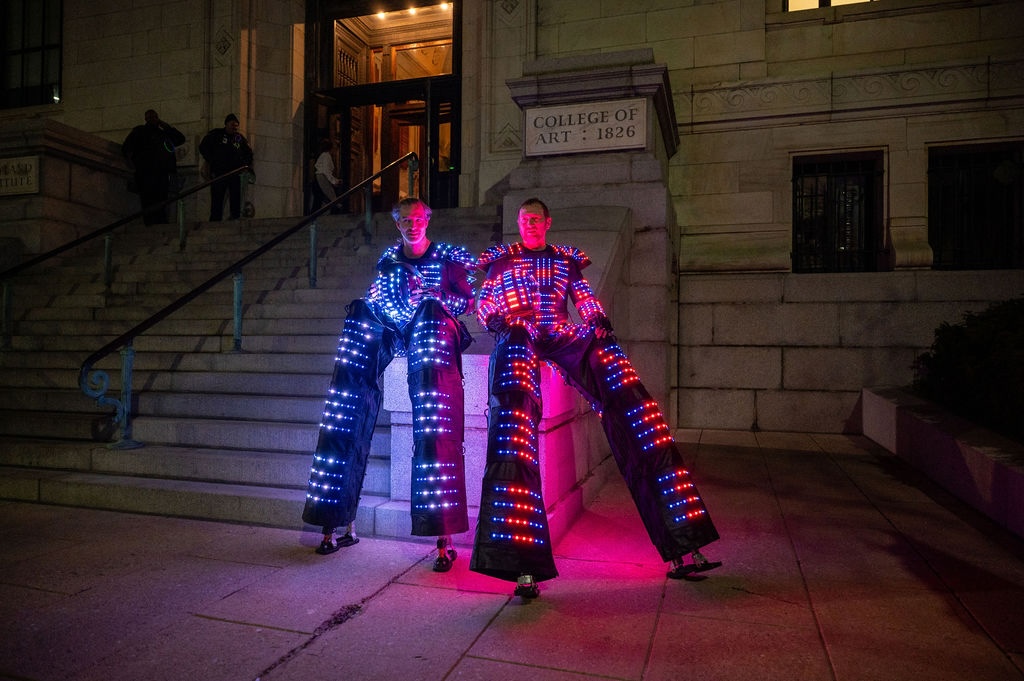
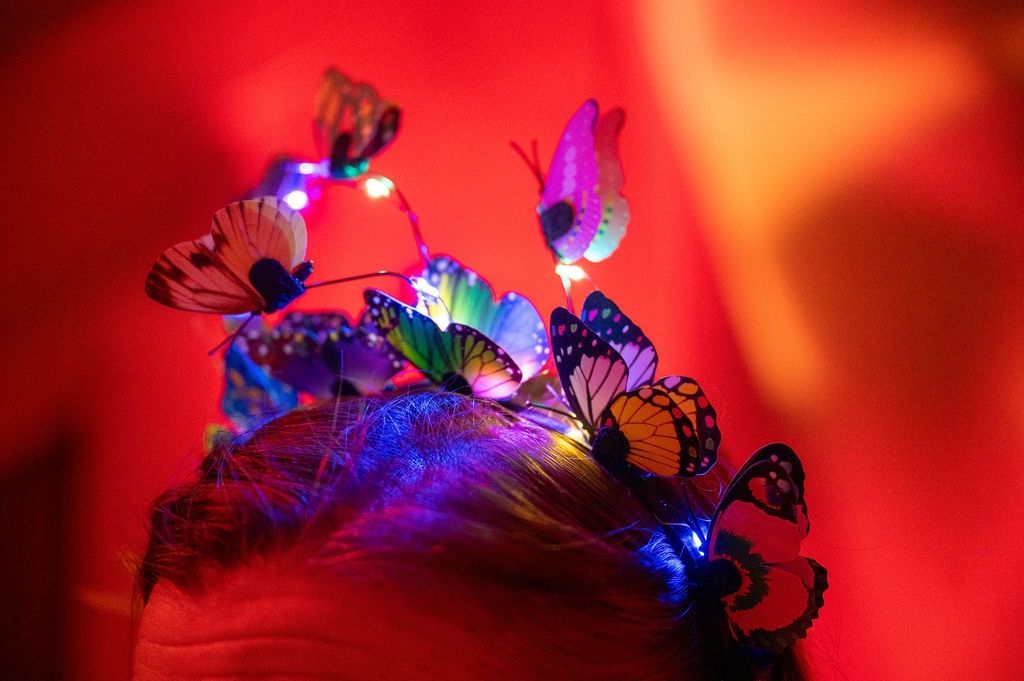
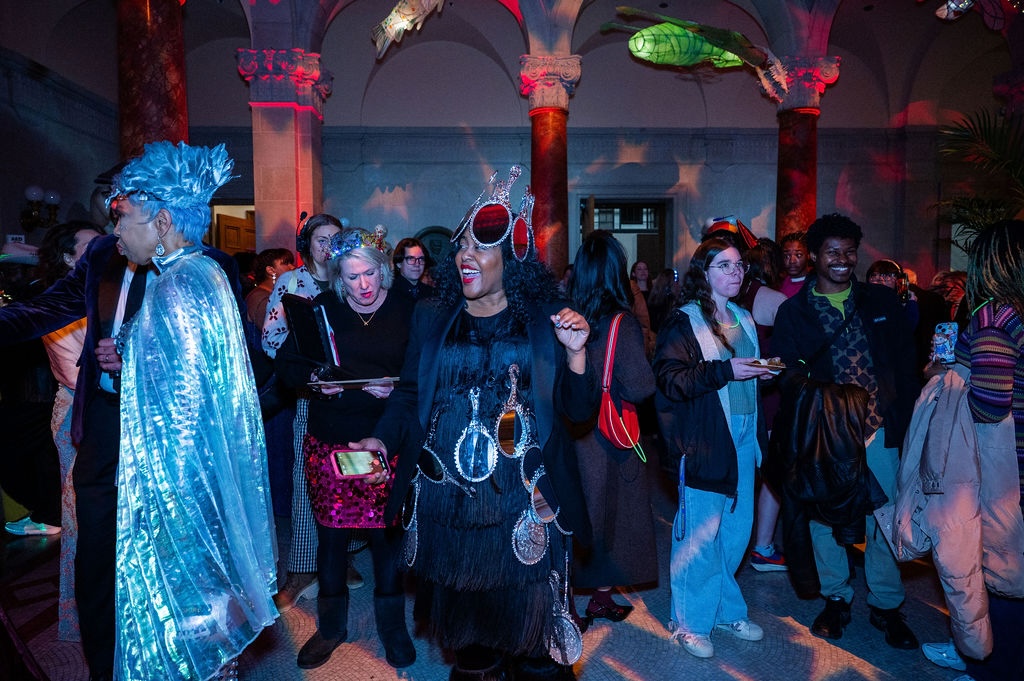
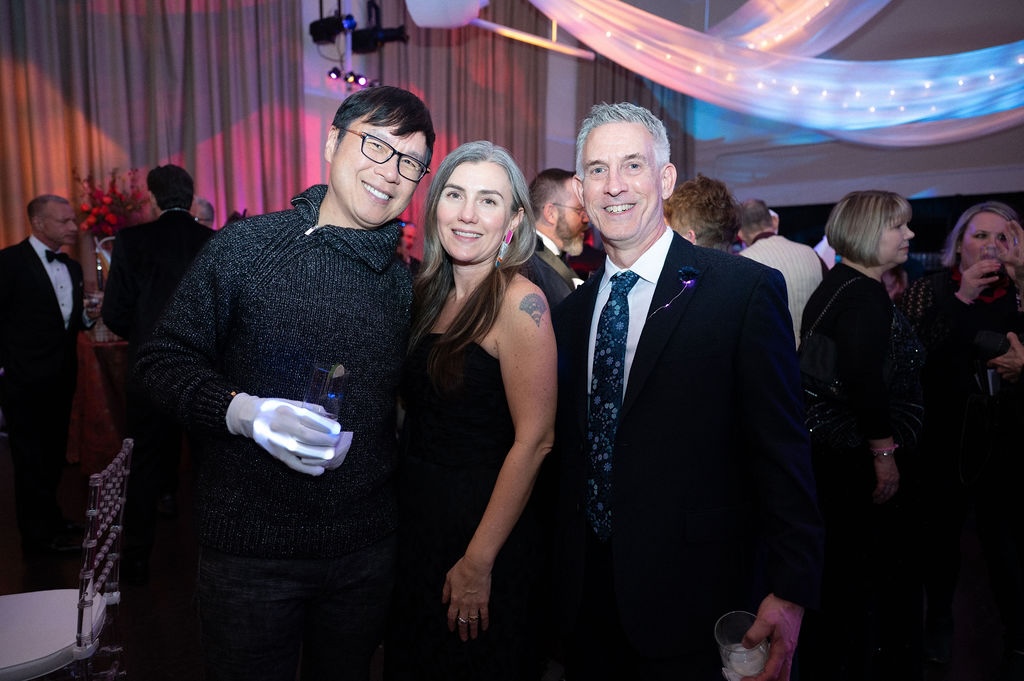
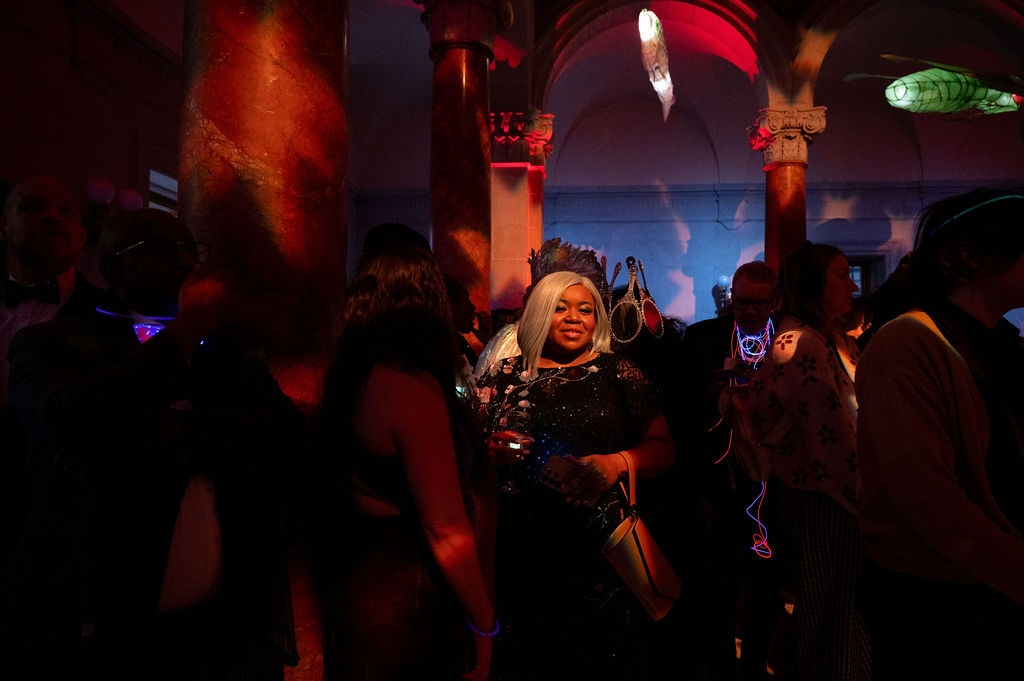
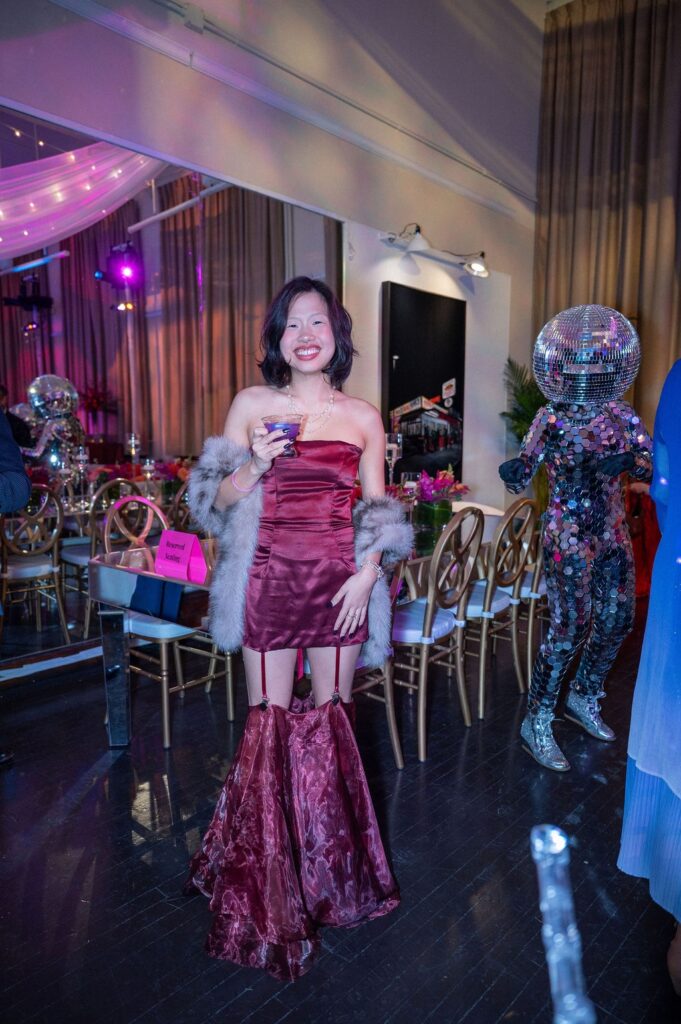
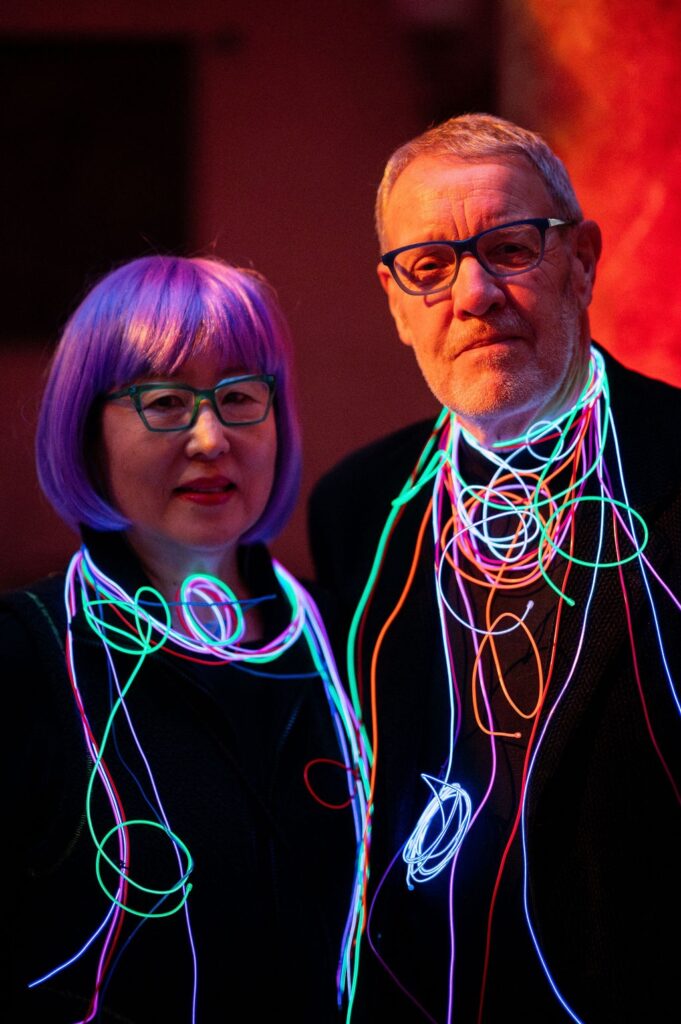
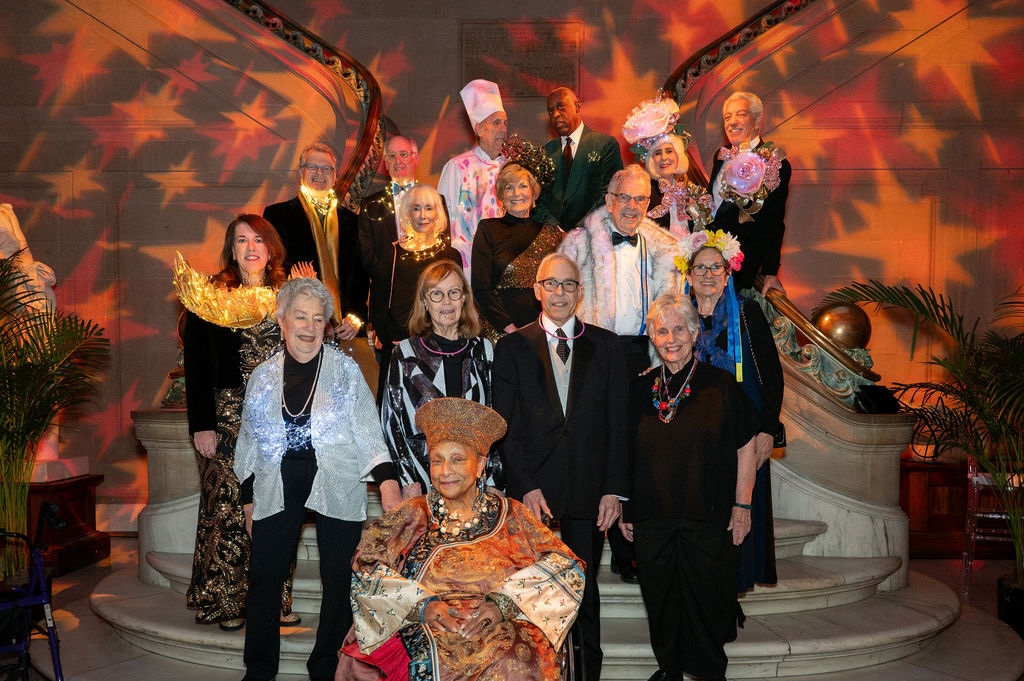
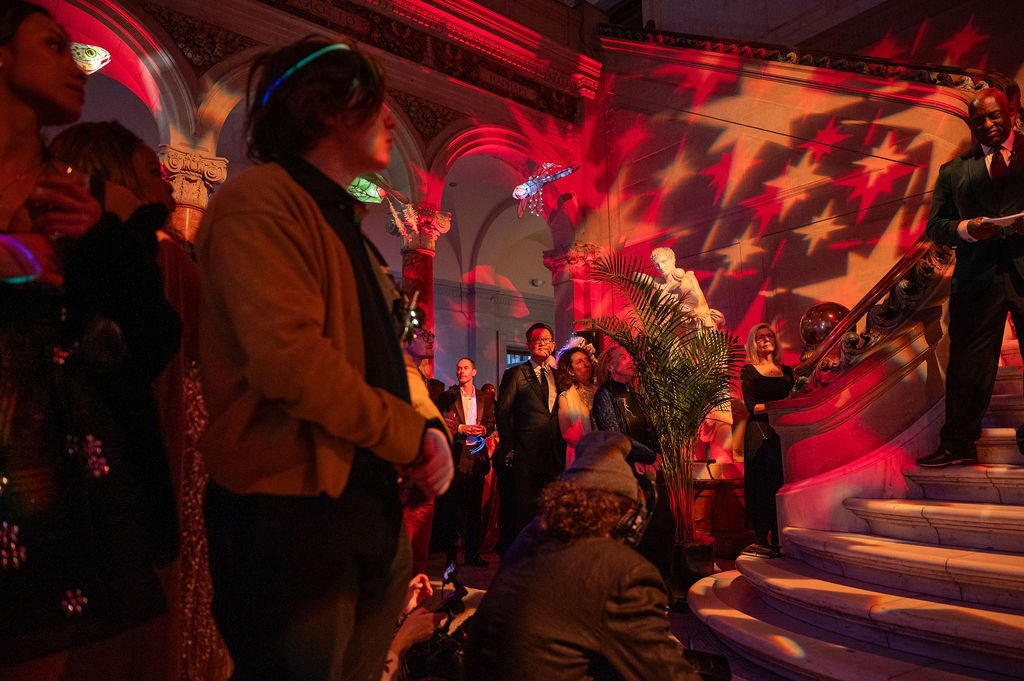
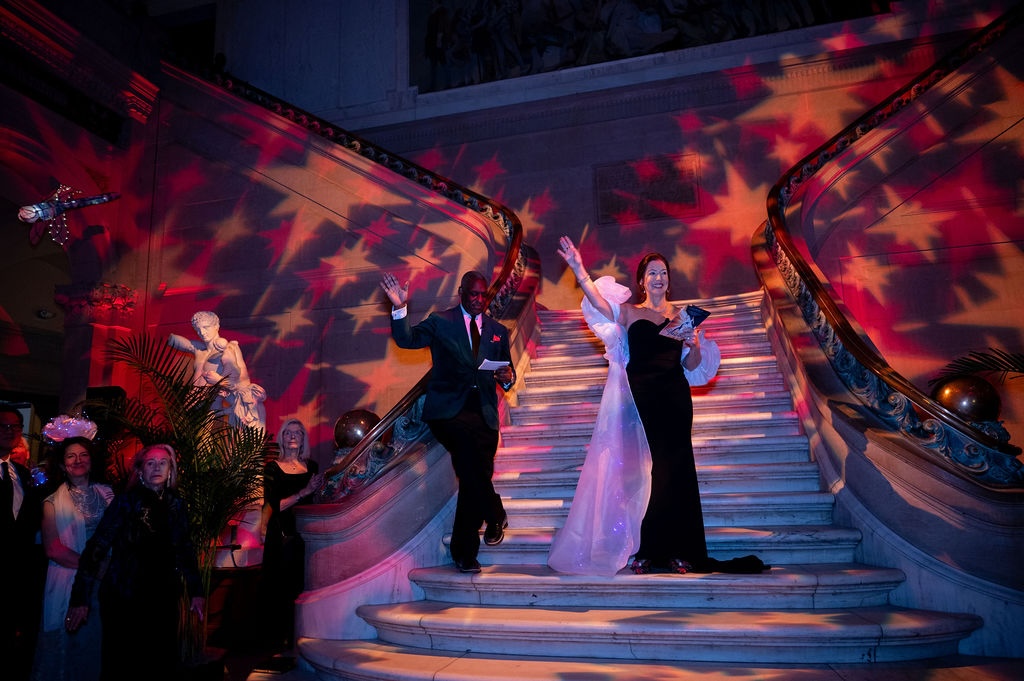
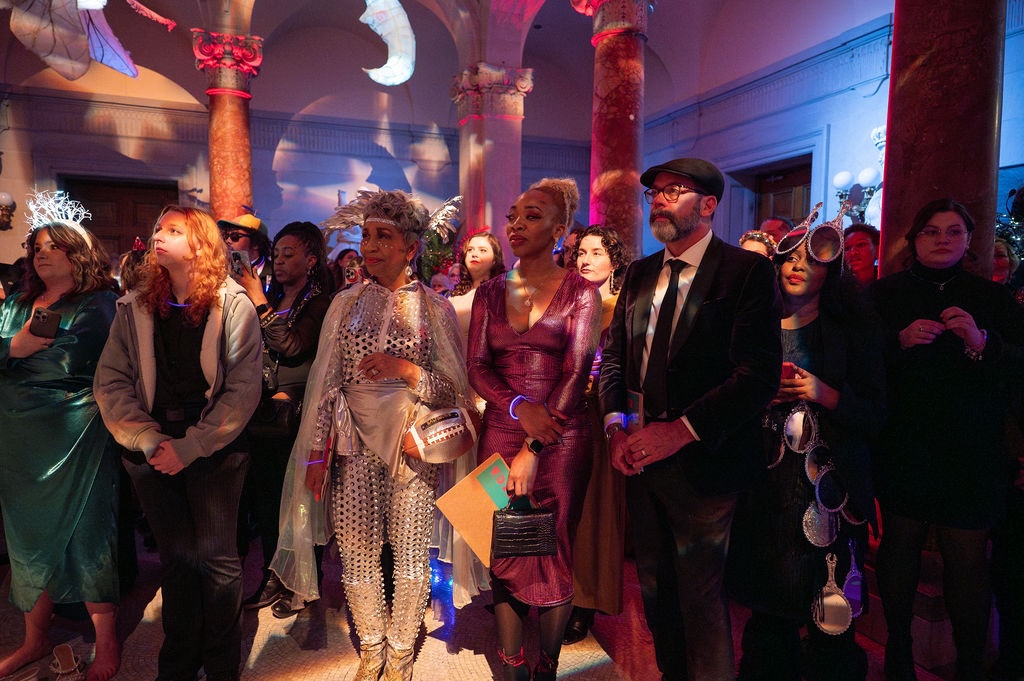
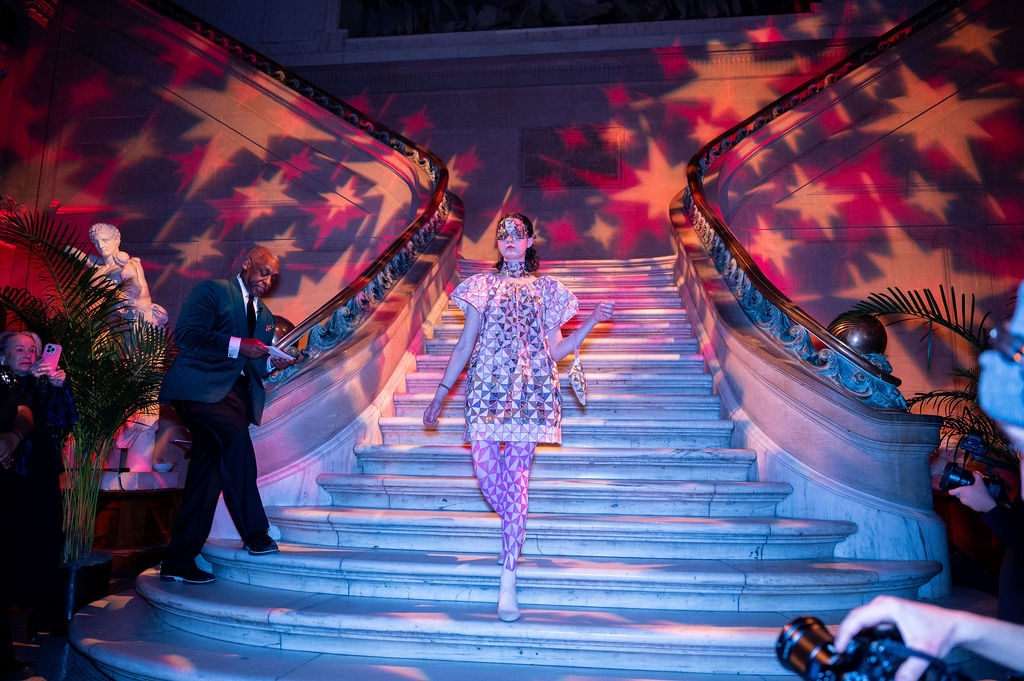
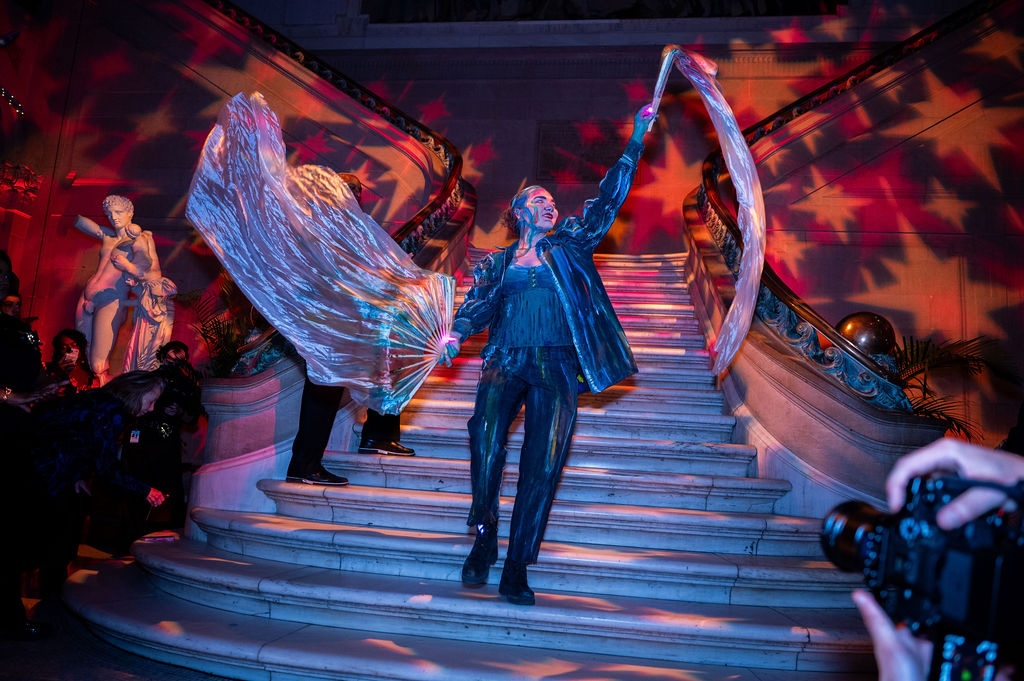
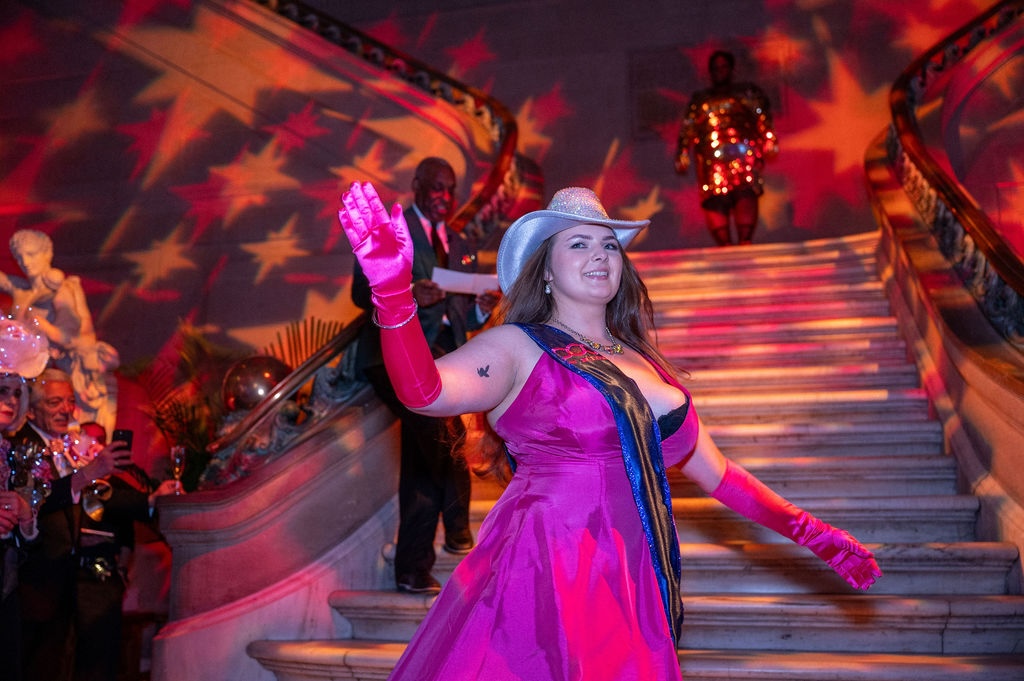
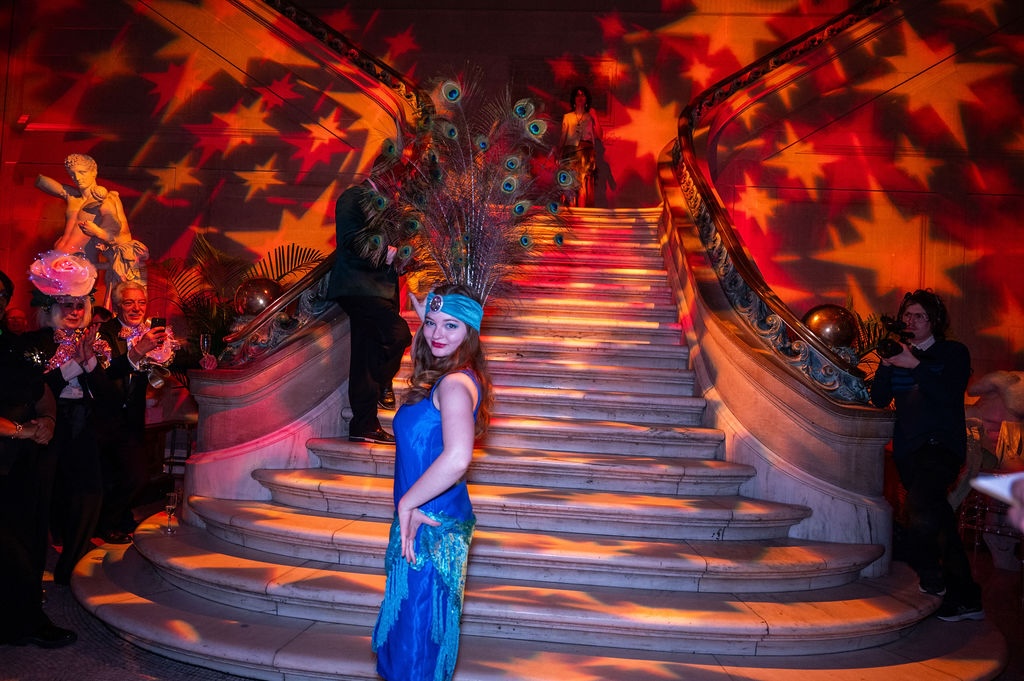
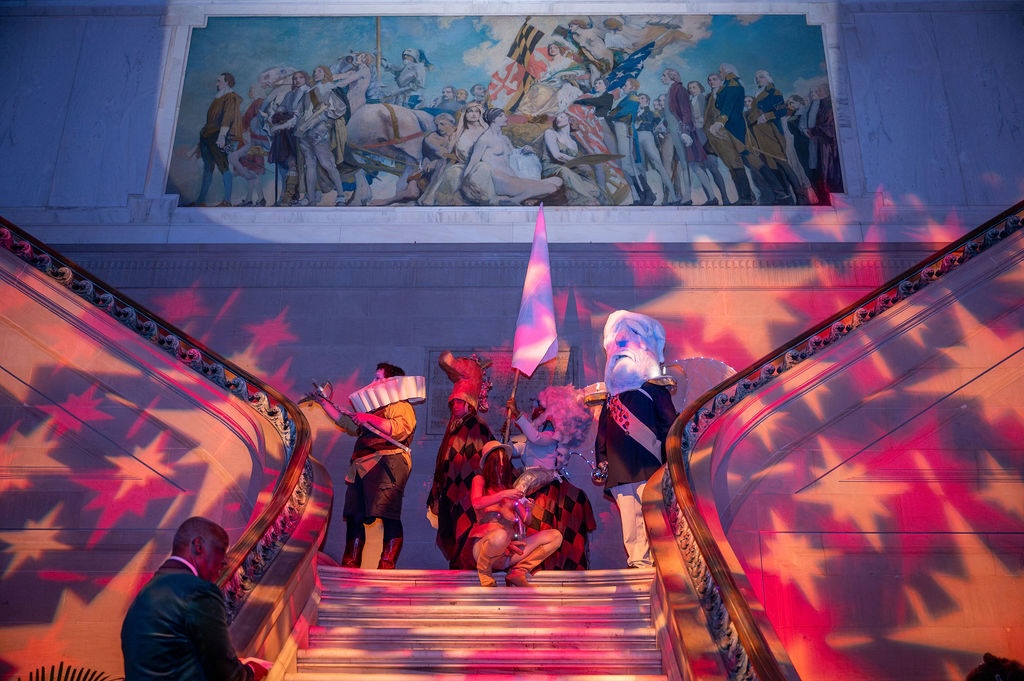
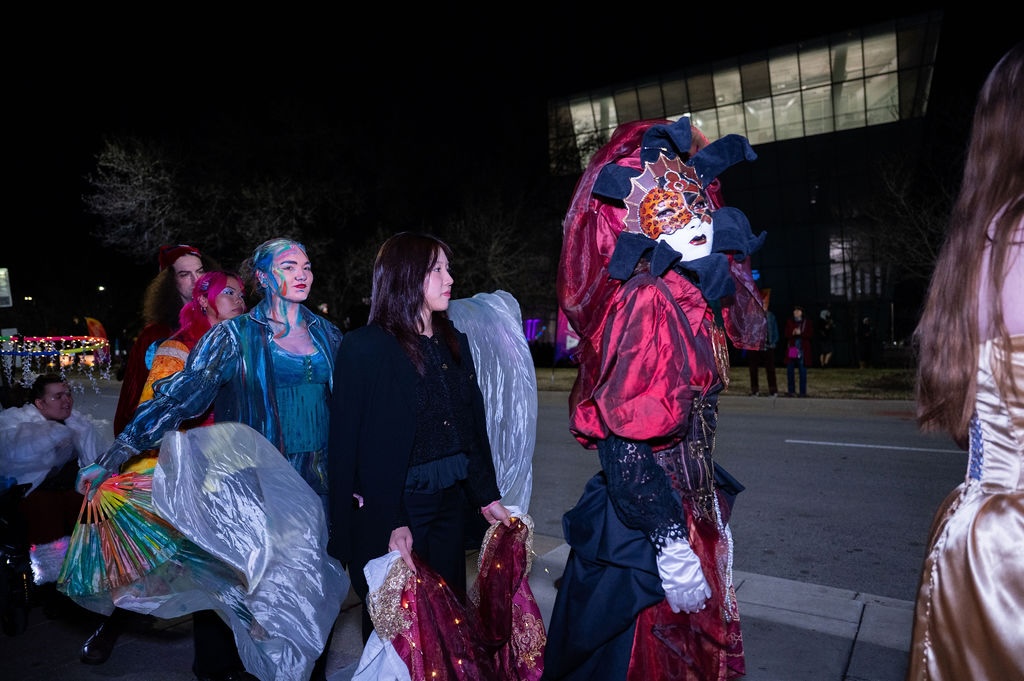
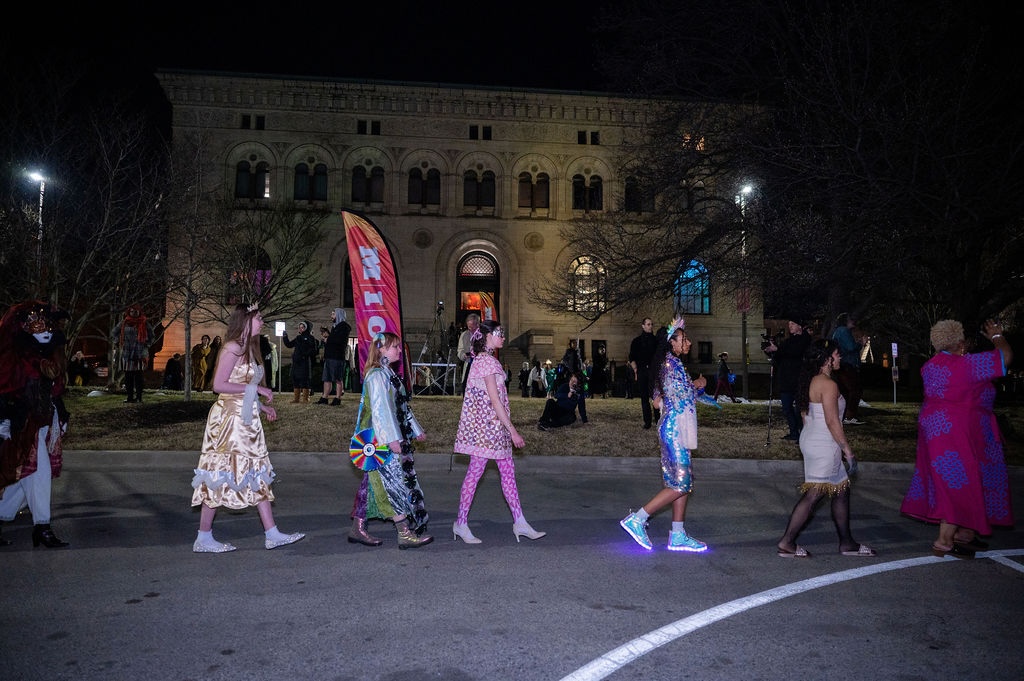
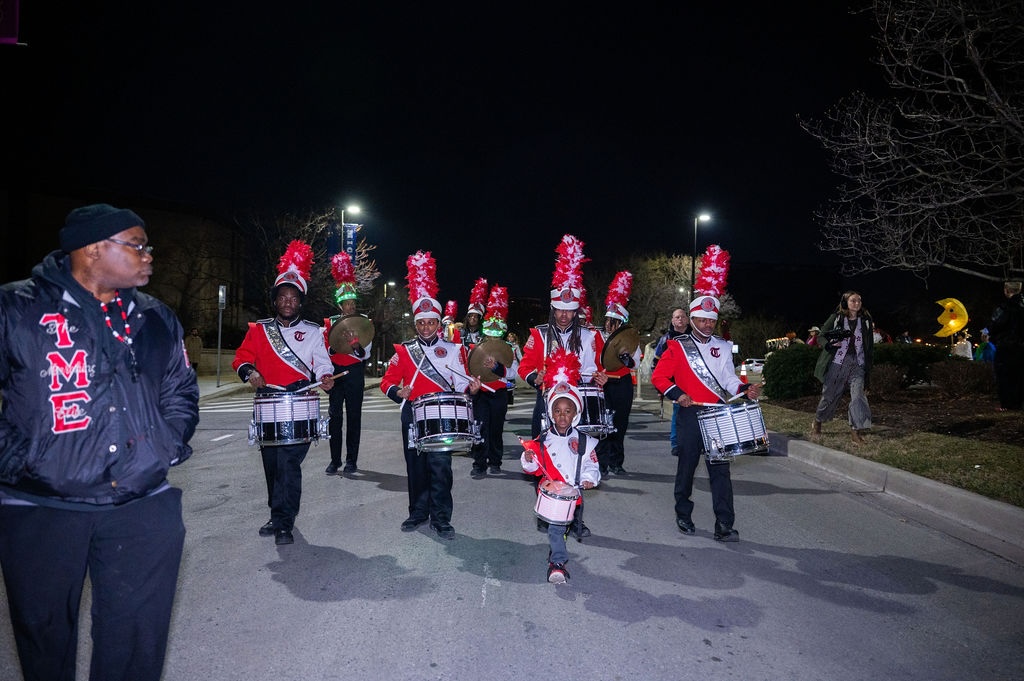
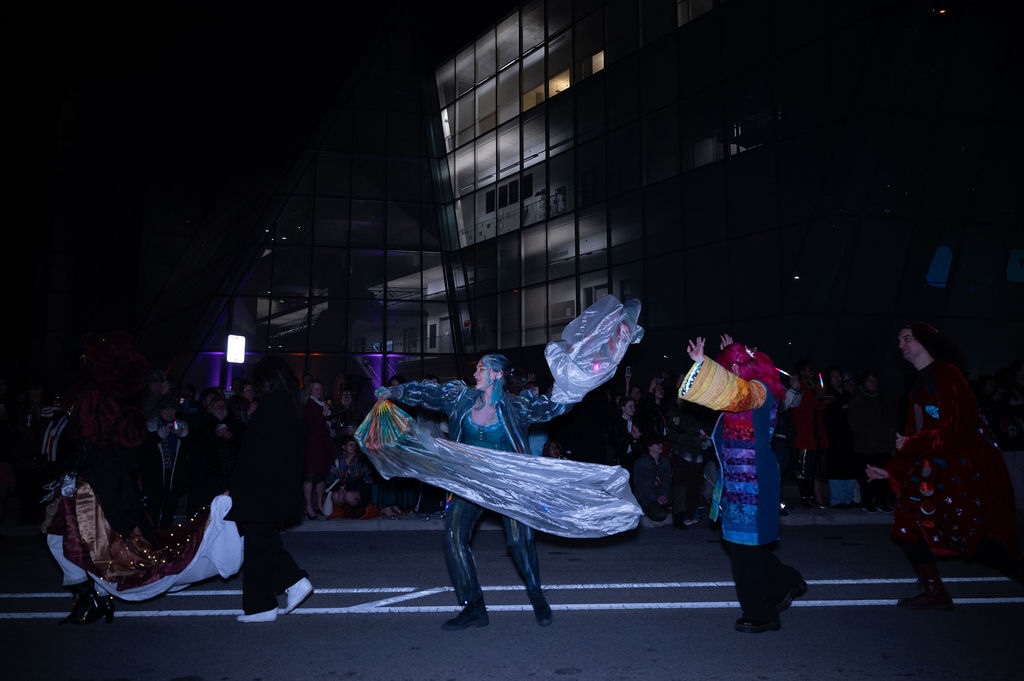
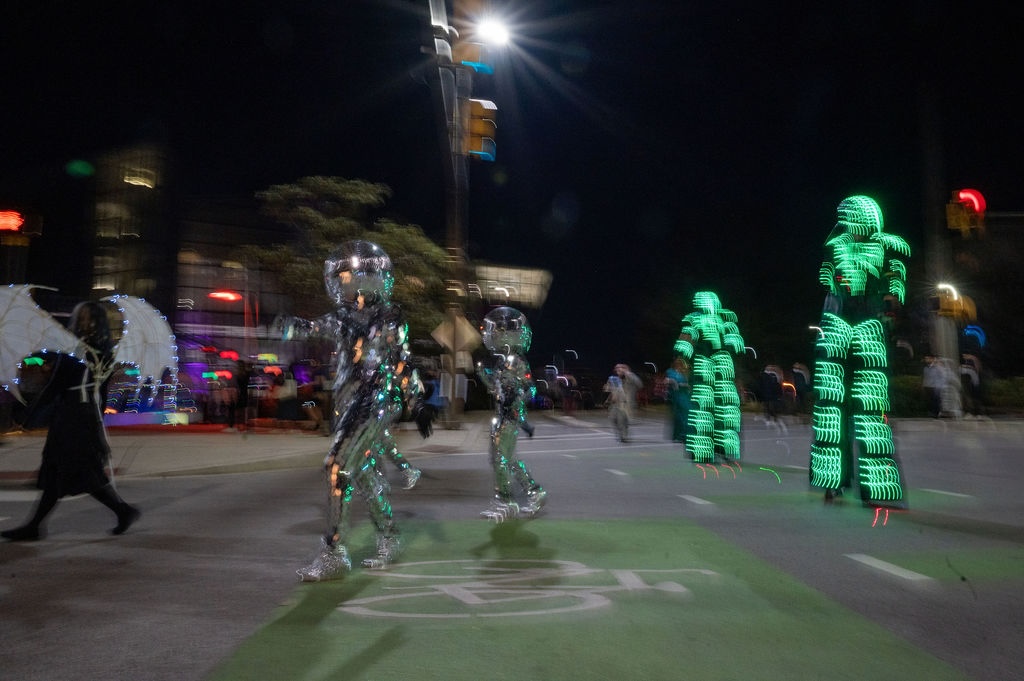
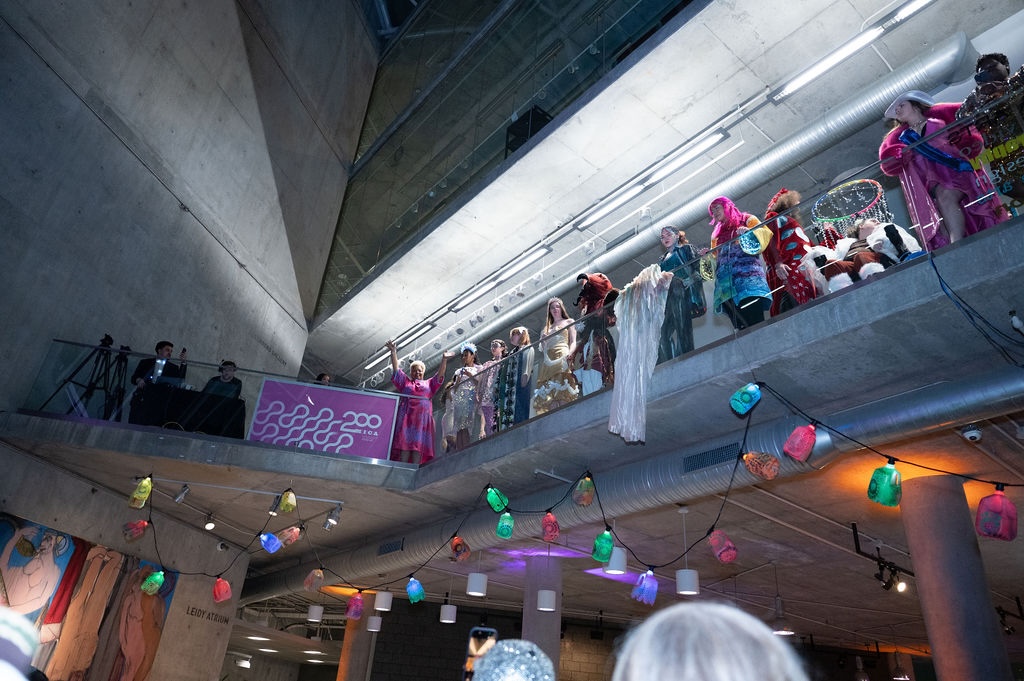
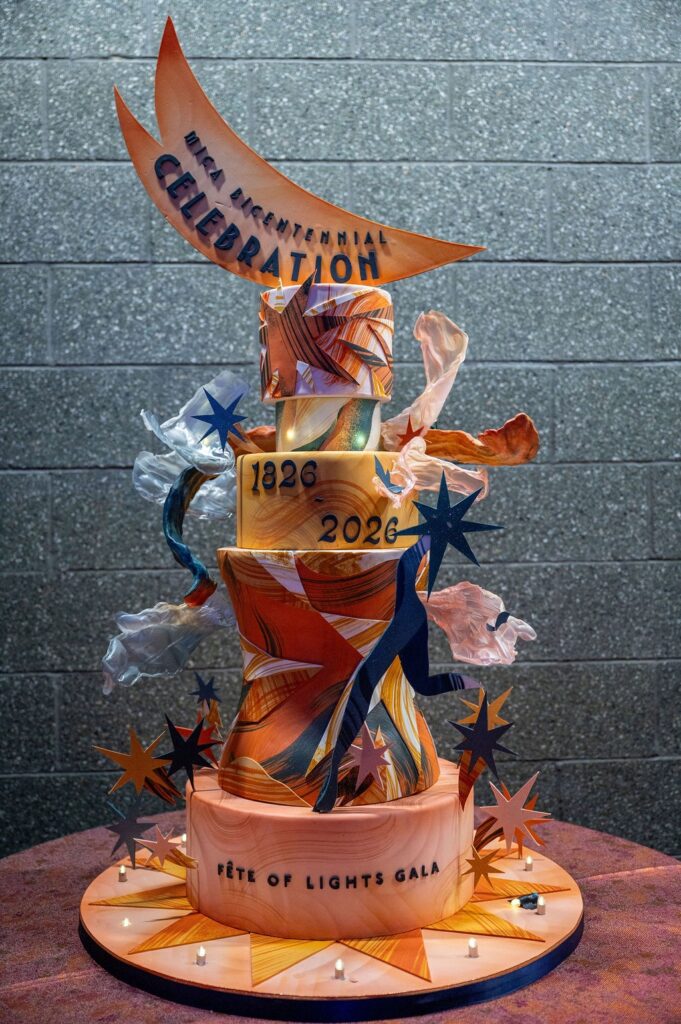
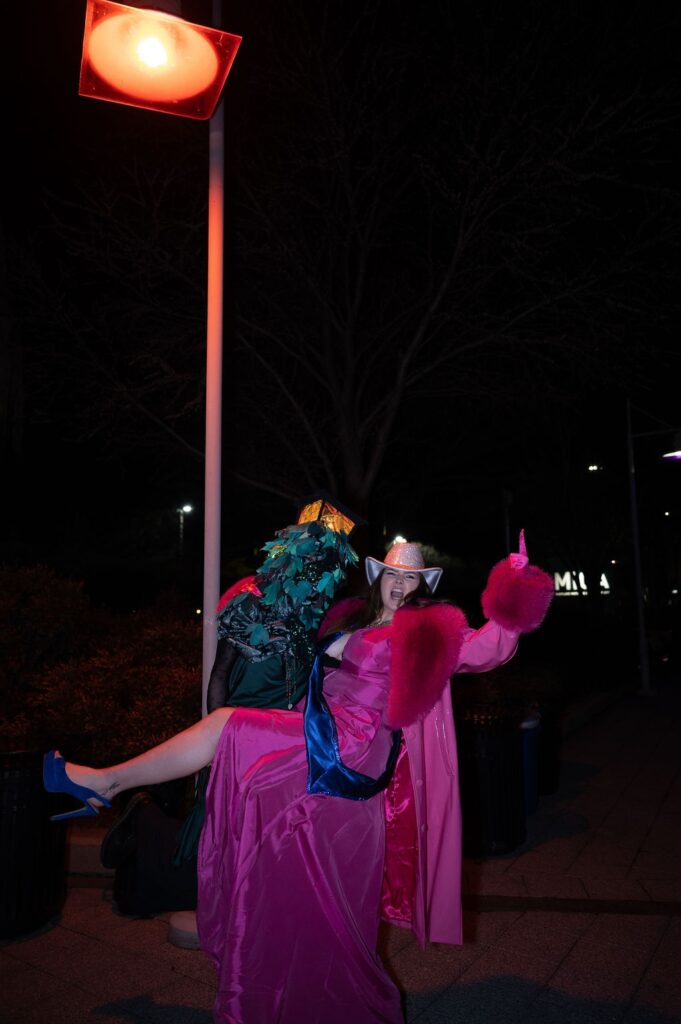
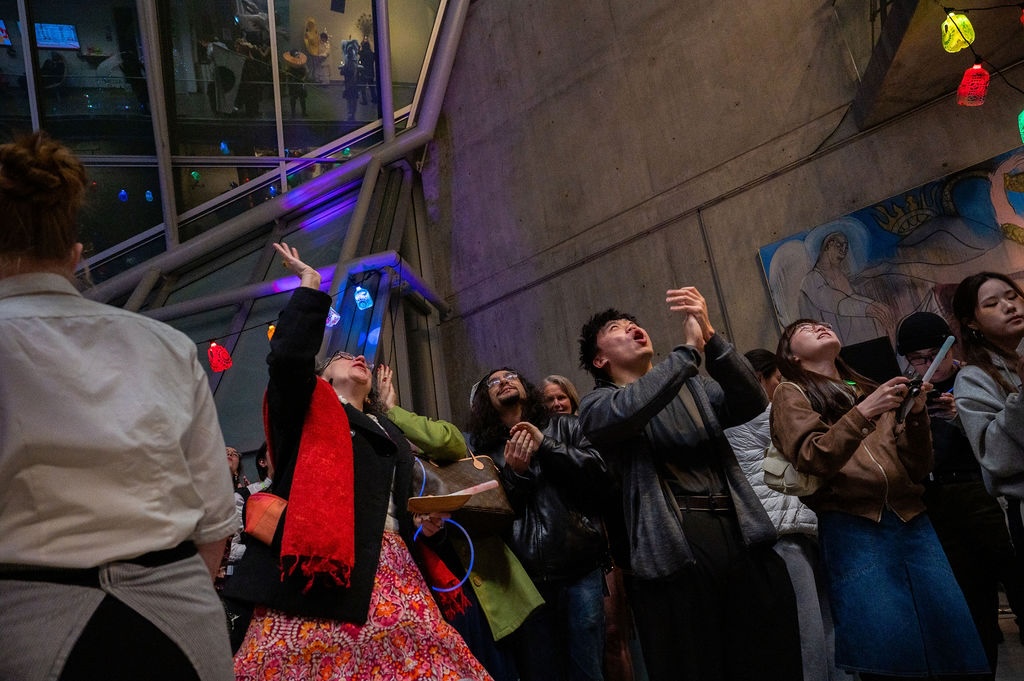
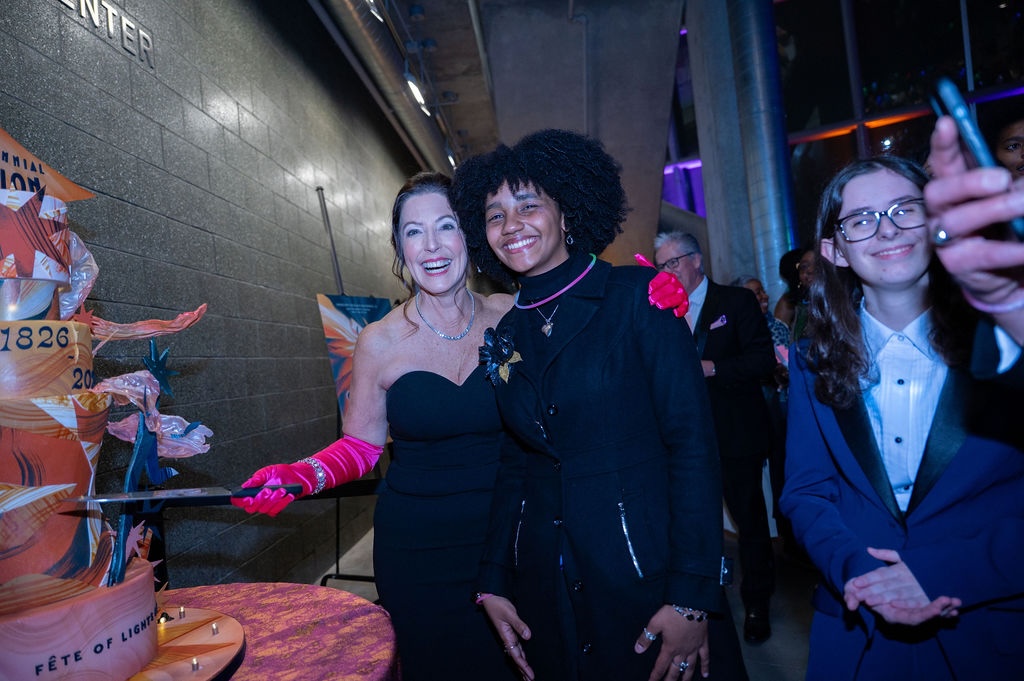
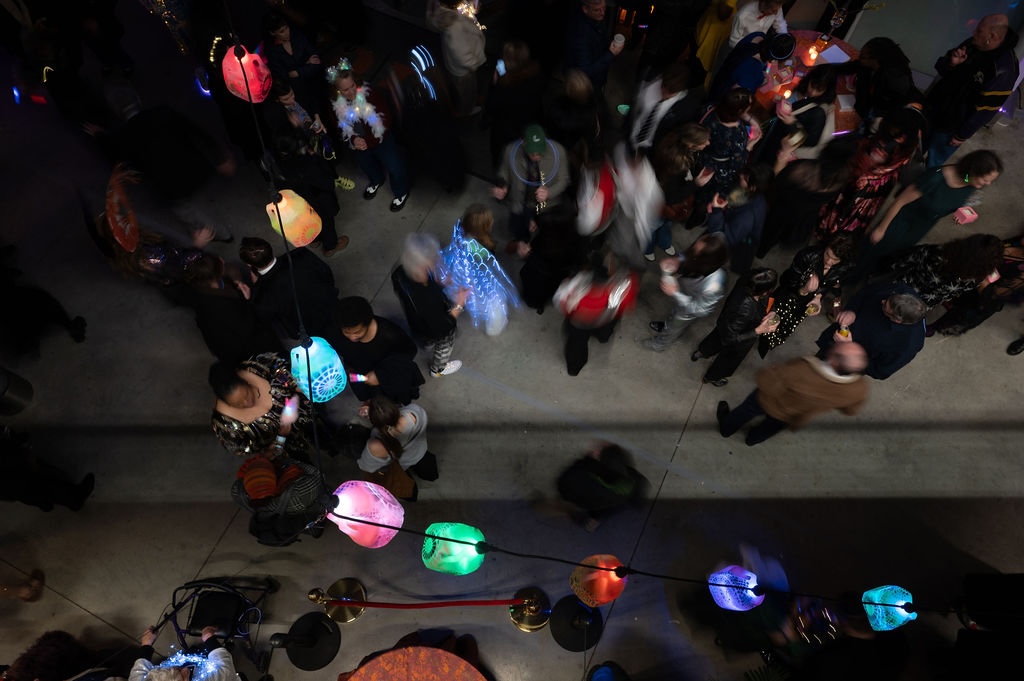
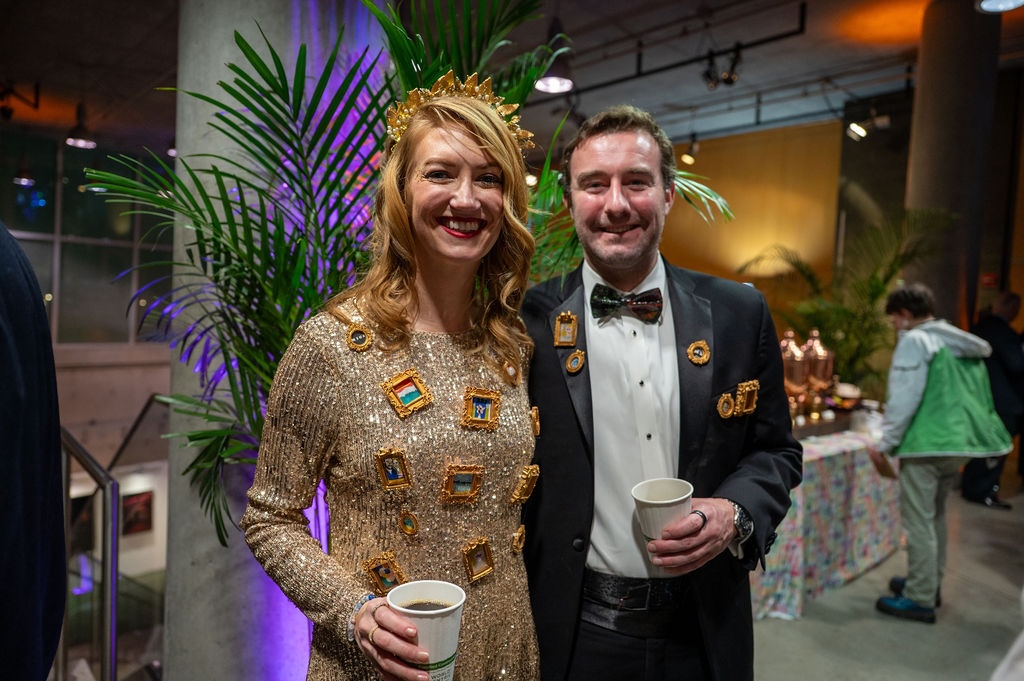
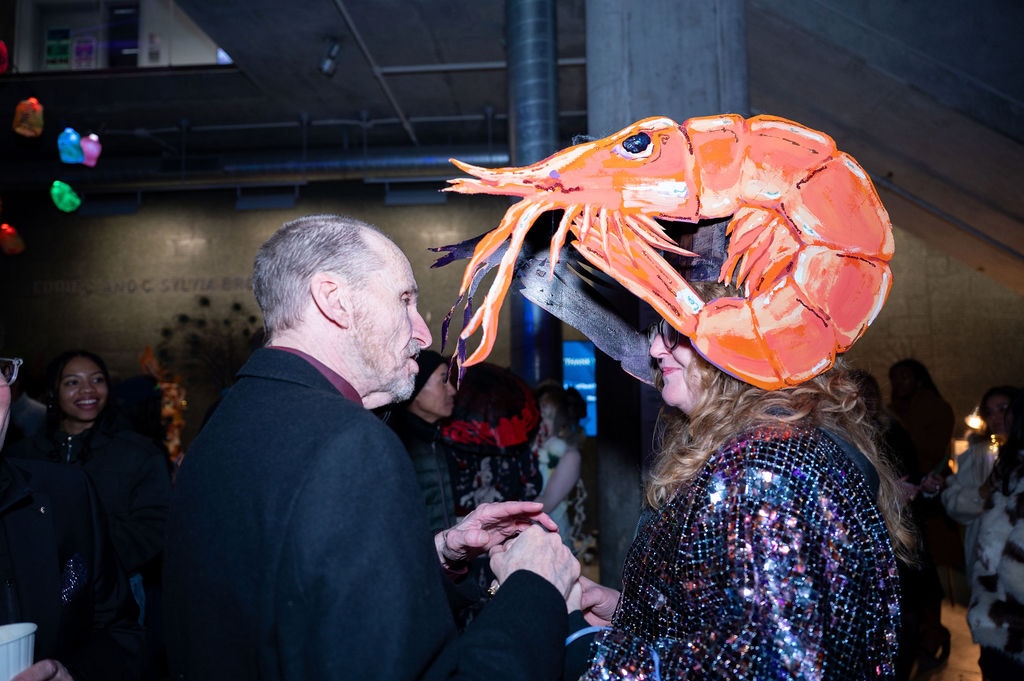
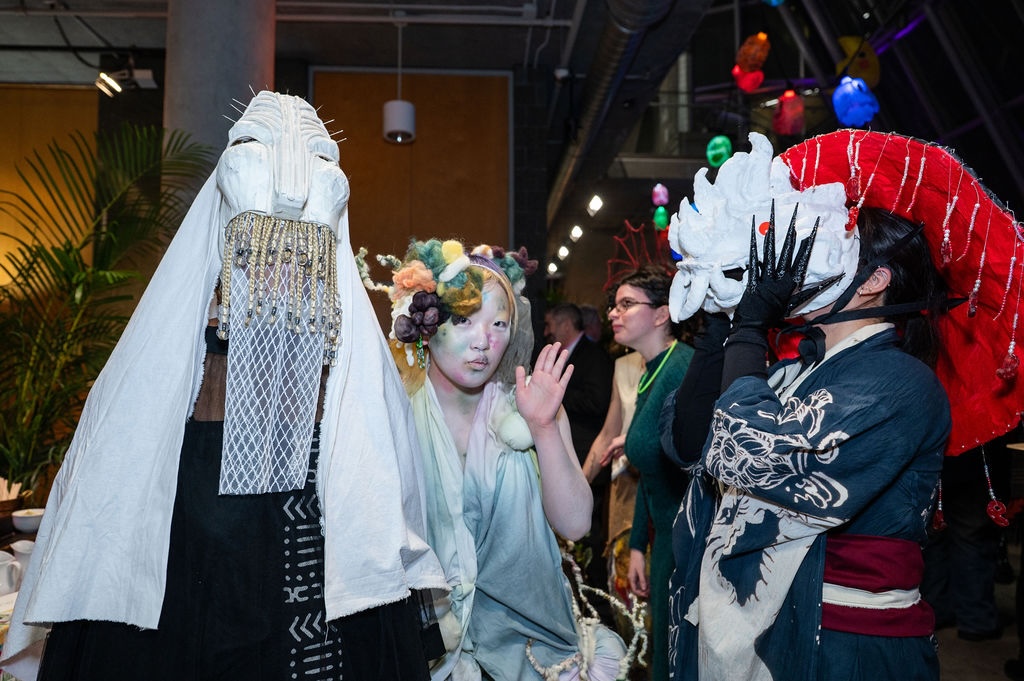
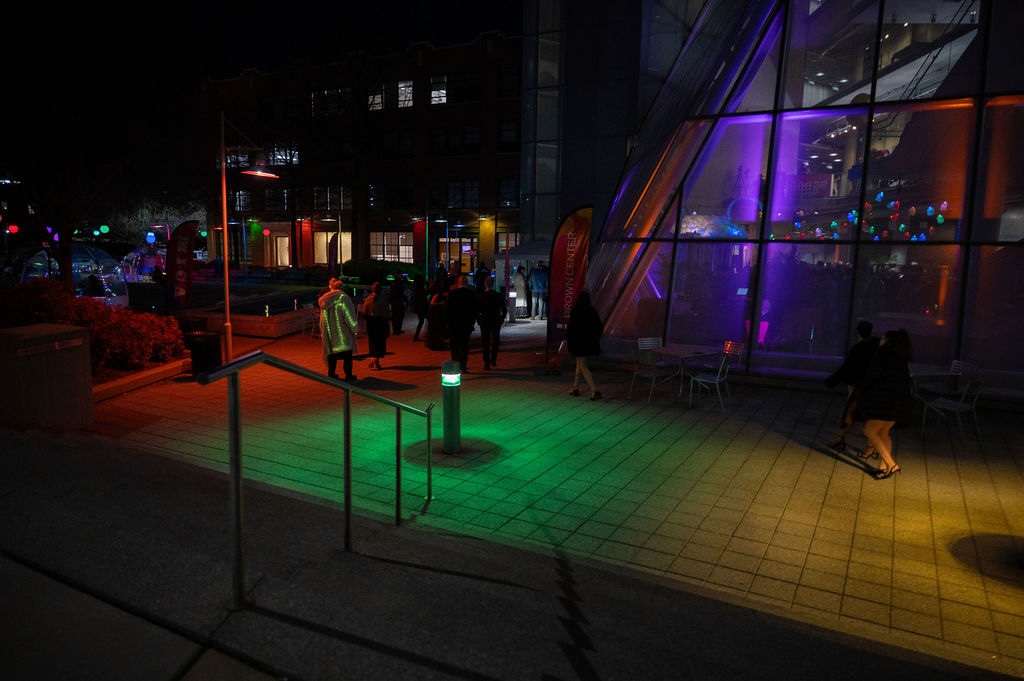
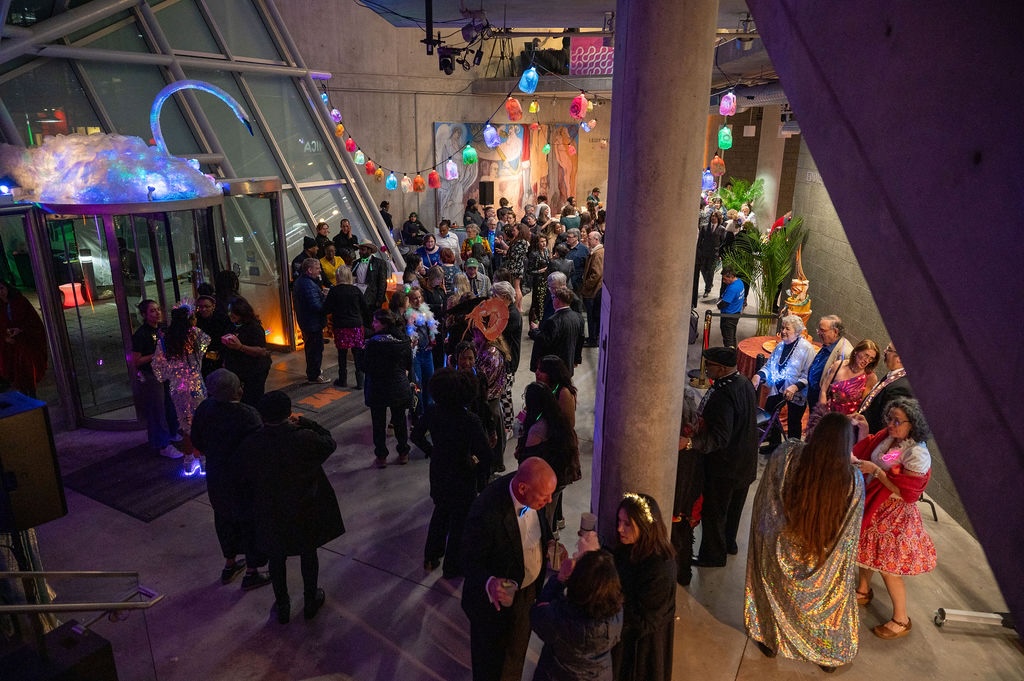
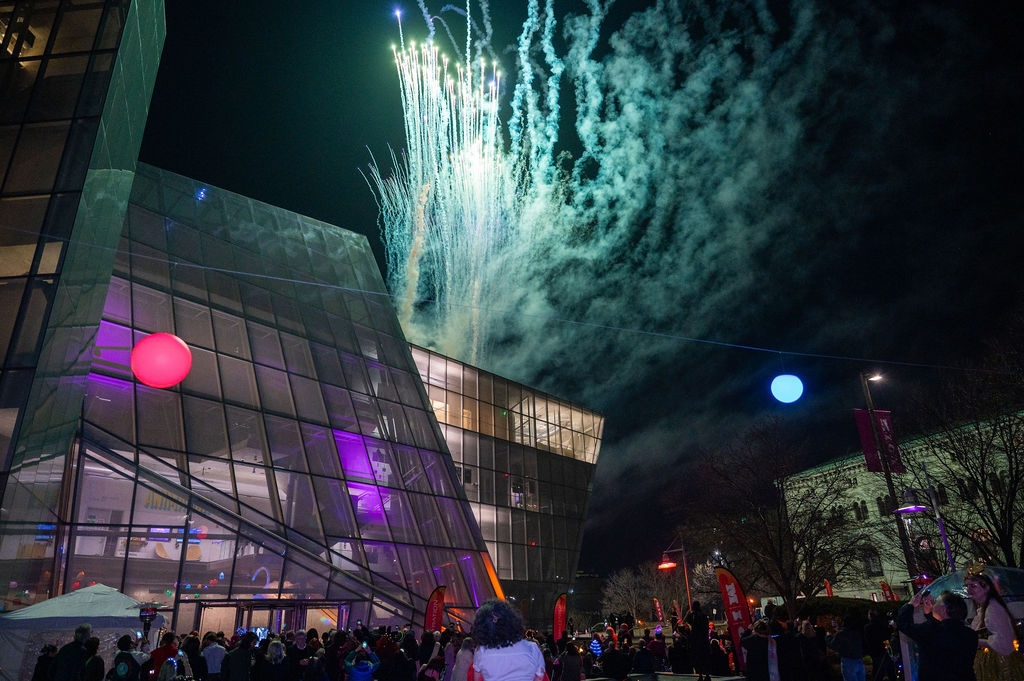
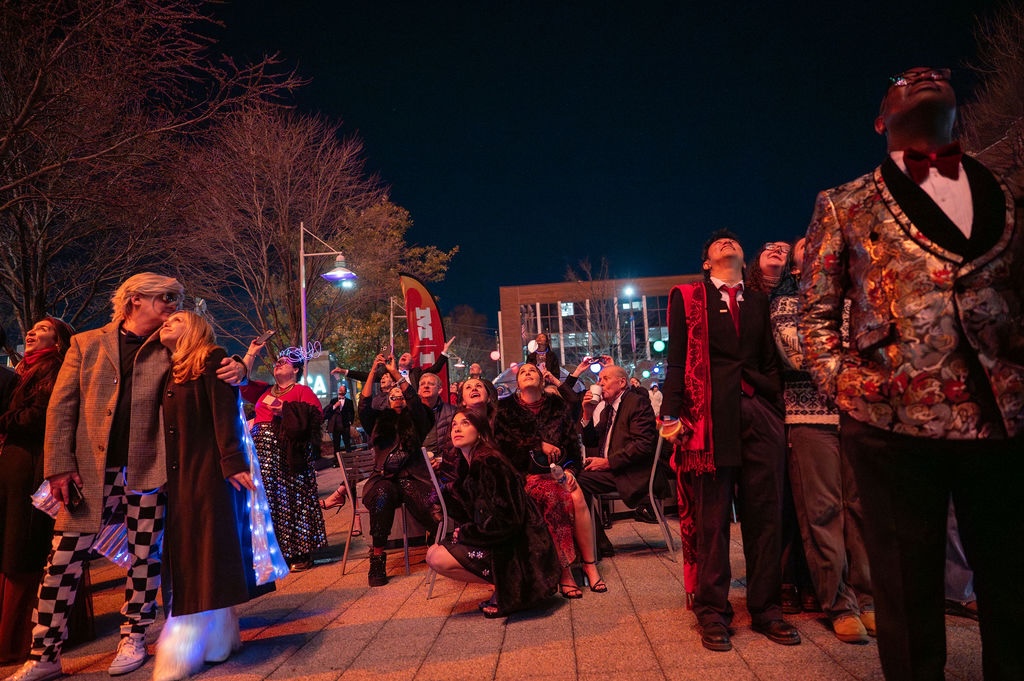
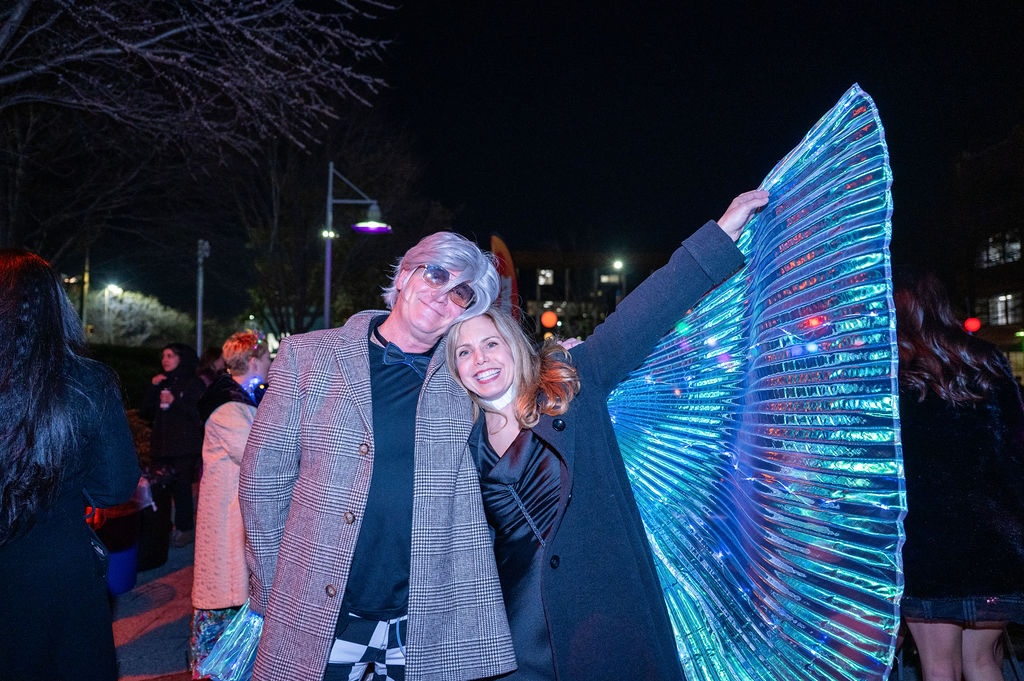
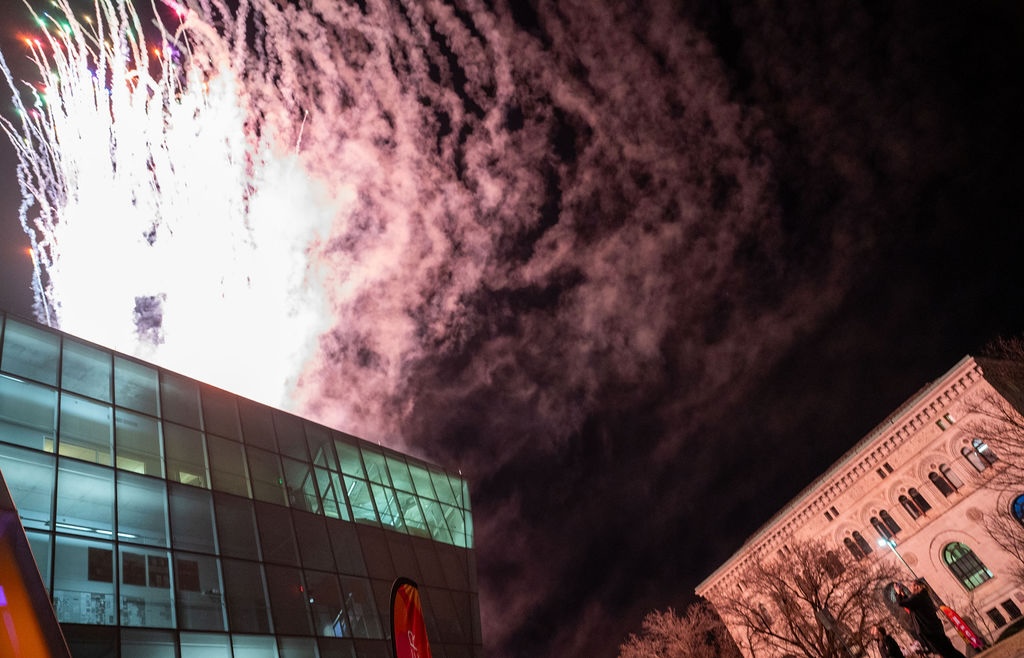
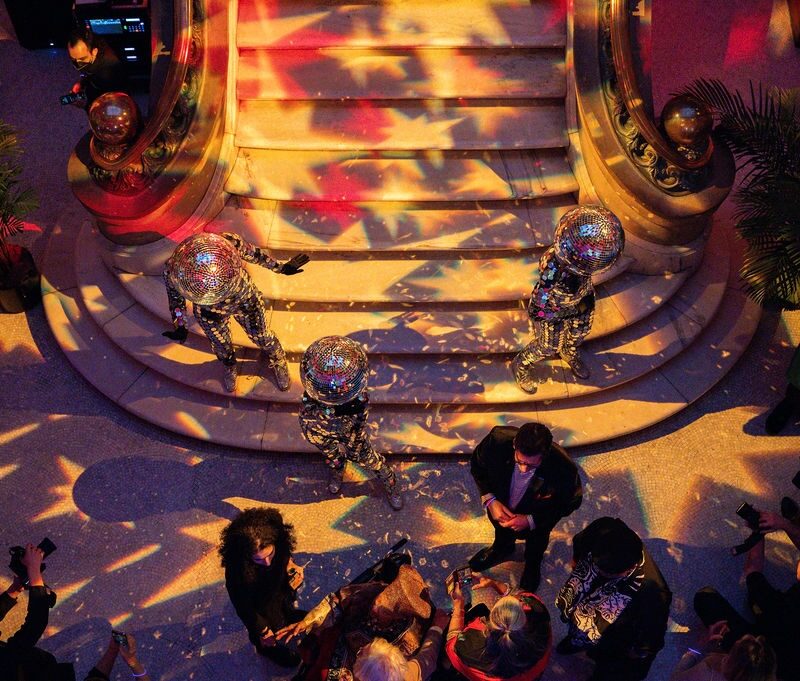
MICA has leaned into this historic milestone by mining its rich and storied past, hosting a Bicentennial Gala called the Fête of Lights on February 21, at the Main Building and Cohen Plaza, featuring wearable art, art installations, a student-led fashion show, parade, and massive party themed around light and creativity.
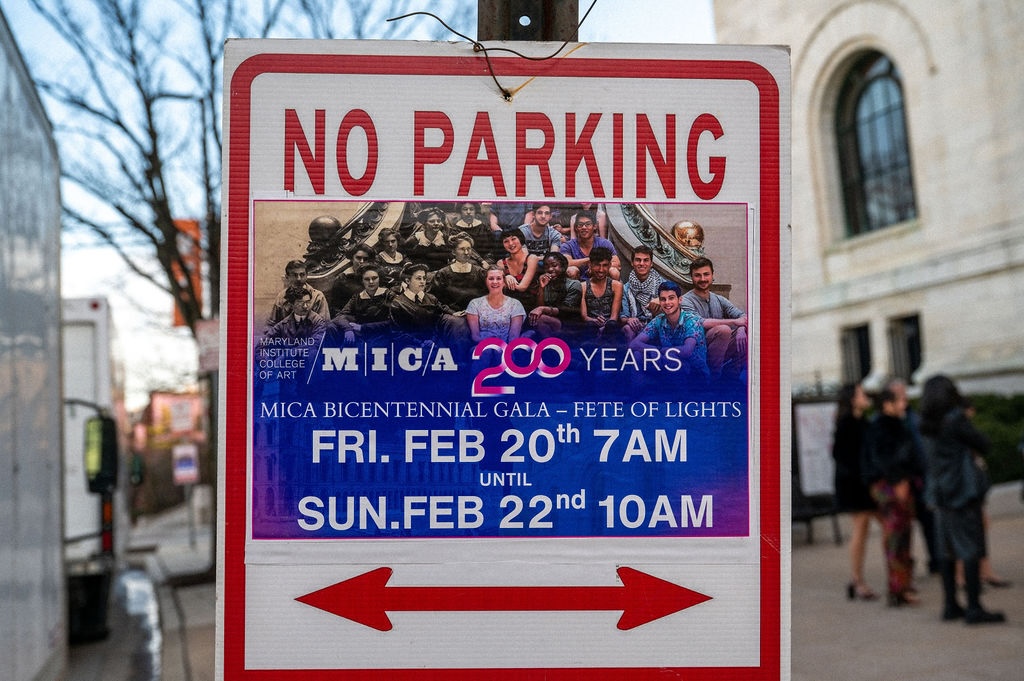
The modern Fête bridges MICA’s 200-year history with contemporary artistic practice and is a revival of events that originated in the late 1920s, which were student-led costume parties, both social and artistic; a tradition that lasted into the early 1980s. In copious research found in MICA archives, school researchers and event planners discovered that these Fête events were known as joyful, informal celebrations of art and community, rather than a stiff formality. They featured elaborate fantasy costumes of all kinds, for example, Vernon Clark’s set design in 1931.
For MICA’s Bicentennial in 2026, the Fête was brought back to honor this history and “ignite” the future, promising 200 more years, hopefully, of continued cultural education, mentorship, creative research, and a thriving cultural economy in the region. The new Fête featured immersive, light-filled experiences across the campus, including light-based sculptures, a parade of student and alumni-designed wearable art, and performances.
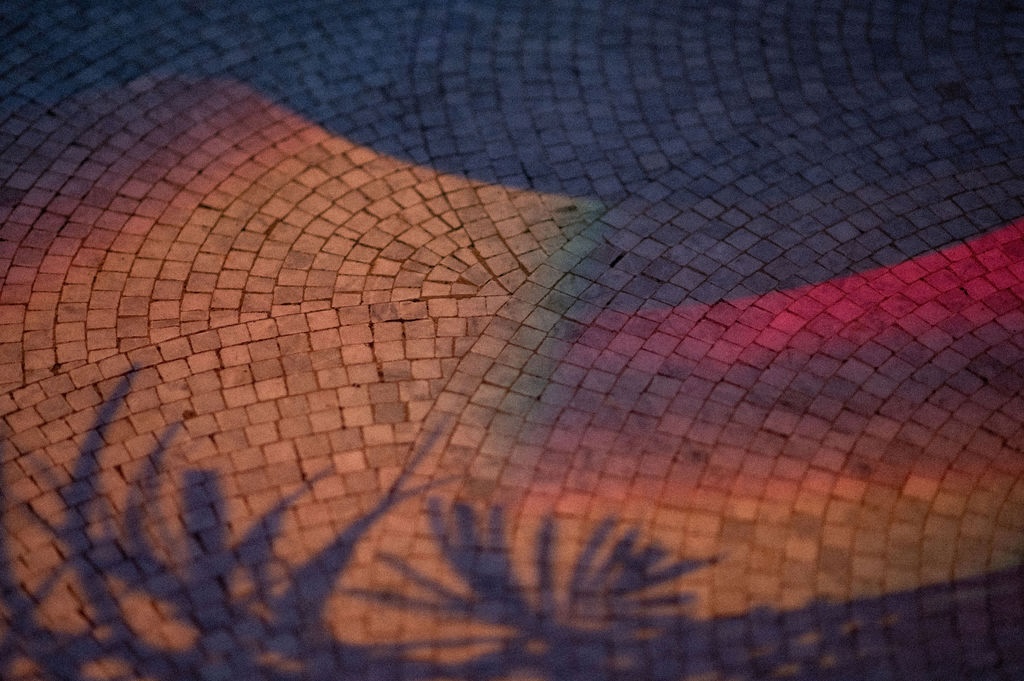
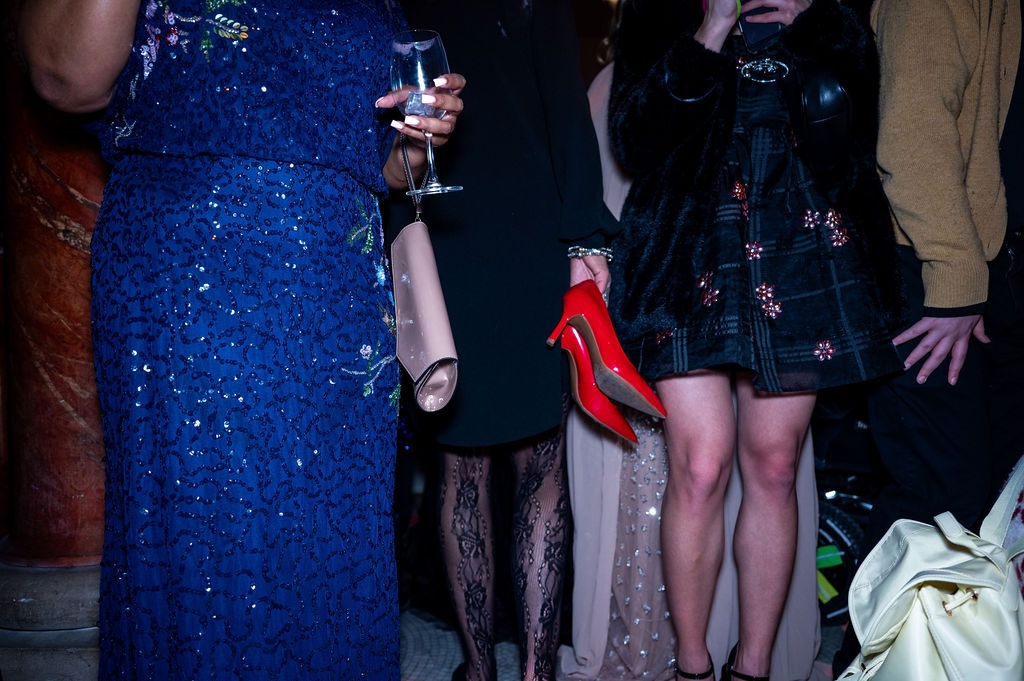
Cheers to MICA for reaching this moment with elegance and creativity; we hope you enjoy Mollye Miller’s photos that capture the magic of the event.