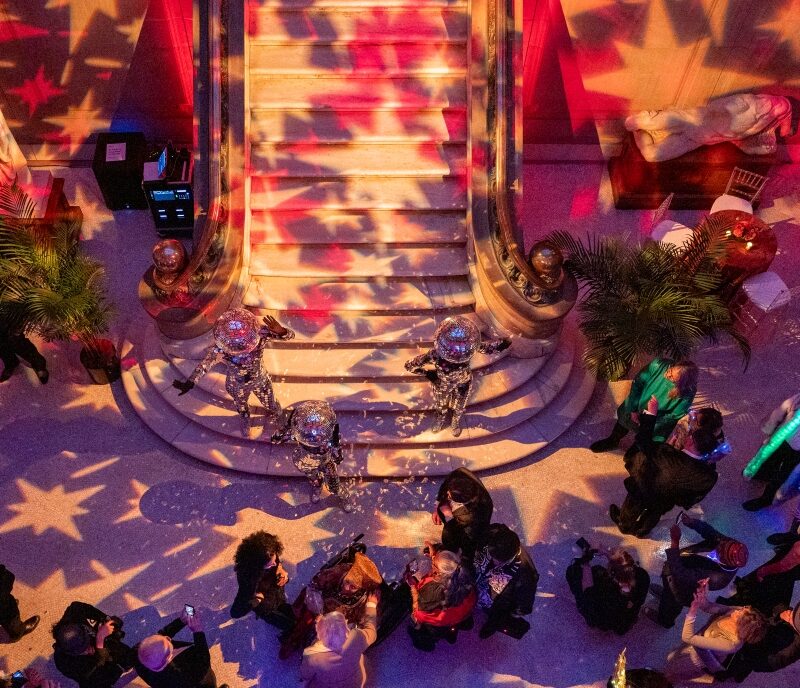
On March 24th 7,100 ceramics experts, enthusiasts, and others landed in Detroit for the five-day National Council on Education in the Ceramic Arts (NCECA) Conference. NCECA is an annual event that brings together knowledge, a wide breadth of ceramic art and artists, and clay lovers of all kinds. NCECA is coming to Baltimore in 2027, and we should be very excited.
The conference presents talks, workshops, demonstrations, and exhibitions in the host city’s convention center, but the activities and celebration of ceramic art expand far beyond. According to Joshua Green, NCECA’s executive director, about 85 ceramic art exhibitions in the greater Detroit region were developed concurrently with the conference, but that number does not include countless smaller pop-up exhibitions and events planned to coincide with the official ones.
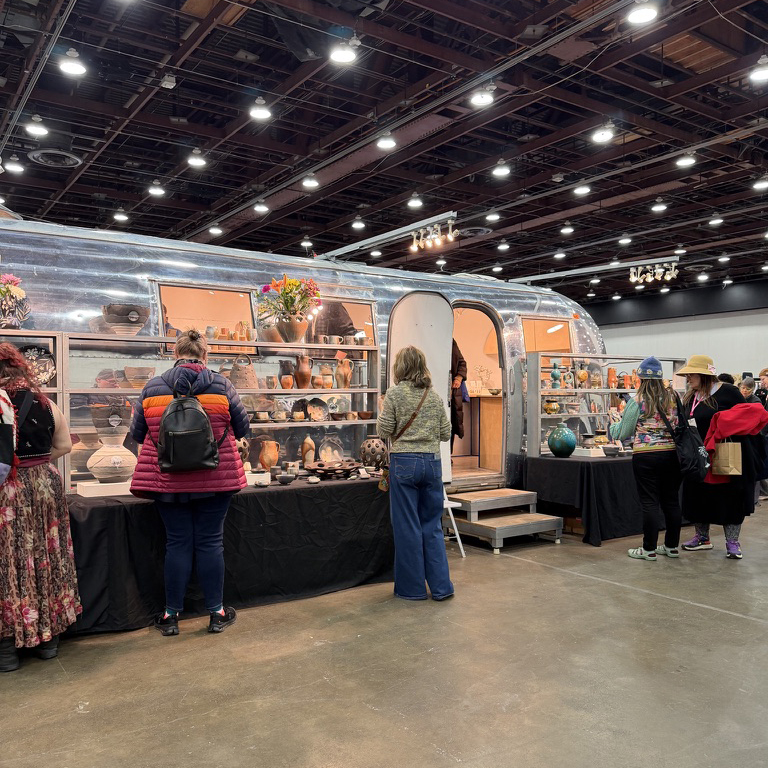
The sheer amount of everything ceramics is overwhelming and it can be hard to know where to begin. The expo features vendors selling kilns, tools, materials of all kinds, and publications. Ceramic art centers, undergraduate and graduate programs, and other organizations also table the event. Before entering the ticketed conference, the Gallery Expo and Emerging Artist installations are free and open to the public—and stand out as highlights of the conference.

Joshua Green, NCECA Executive DirectorBaltimore is an ideal host city for the next NCECA conference. The city’s built environment has a sense of varied character throughout its diverse neighborhoods. Baltimore’s comparatively low cost of living, sense of DIY grit and determination make it a great place for art and artists… Imagine a city as a kind of metaphorical vessel, in which traditions of craft intermingle with new and sometimes radical imaginative visions of creation. Baltimore is a place where arts and community come together as catalysts for creativity in everyday life.”
I attended this year’s edition of NCECA and had a menu of lectures, demos, and panel discussions from which to choose—on topics ranging from Organized Chaos in the Ceramics Studio! to Building Bridges Through Clay and Preserving Ceramic Cultural Heritage Sites. The talks covered hands-on art-making, the role of art and artists in culture and change, and ceramics history. There were also hyperlocal sessions like Made in Detroit: 100 Years of Clay and different affinity groups. The keynote this year was Hank Willis Thomas with a talk titled, Mind Your Heart.
I’ve included some highlights from my experience of NCECA with some thoughts from others who have connections with Baltimore. These are only a fraction of what you can see and experience. If you are friends with ceramic artists, potters, or collectors the conference as a whole feels like a family reunion—it is amazing to see the camaraderie, shared love of technique, and collaboration that happens. Clay as a medium is one that is accessible, tangible, and something that community can be built around.
Here are some of the highlights that make this conference such a pleasure to attend:
Gallery Expo:
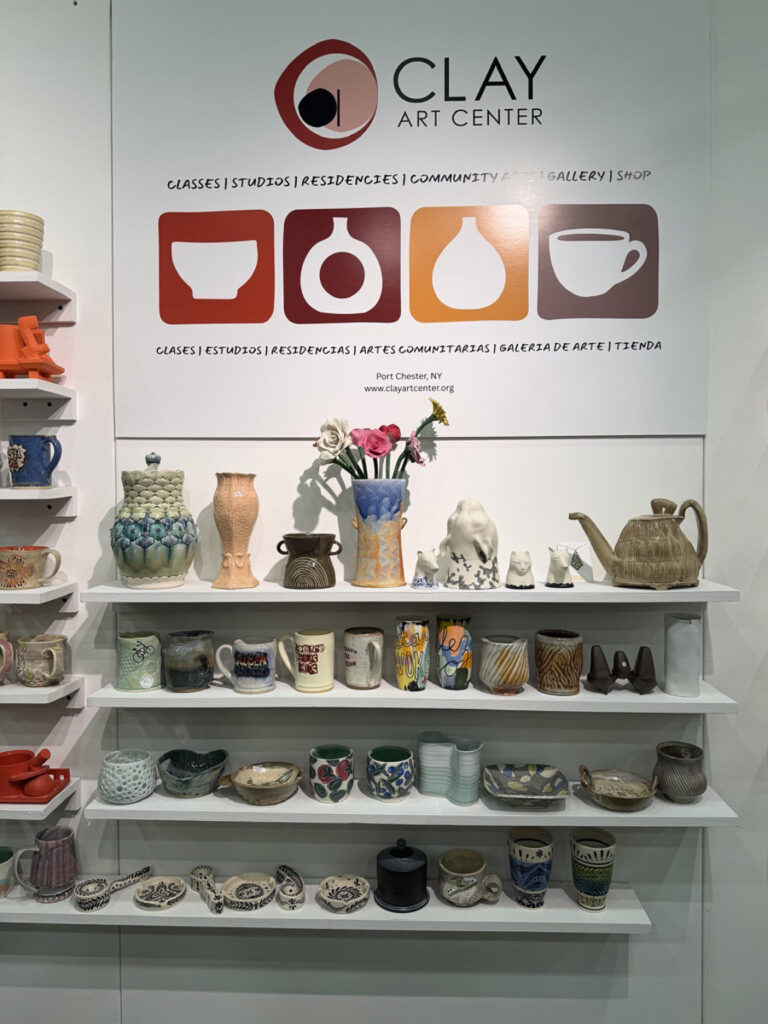
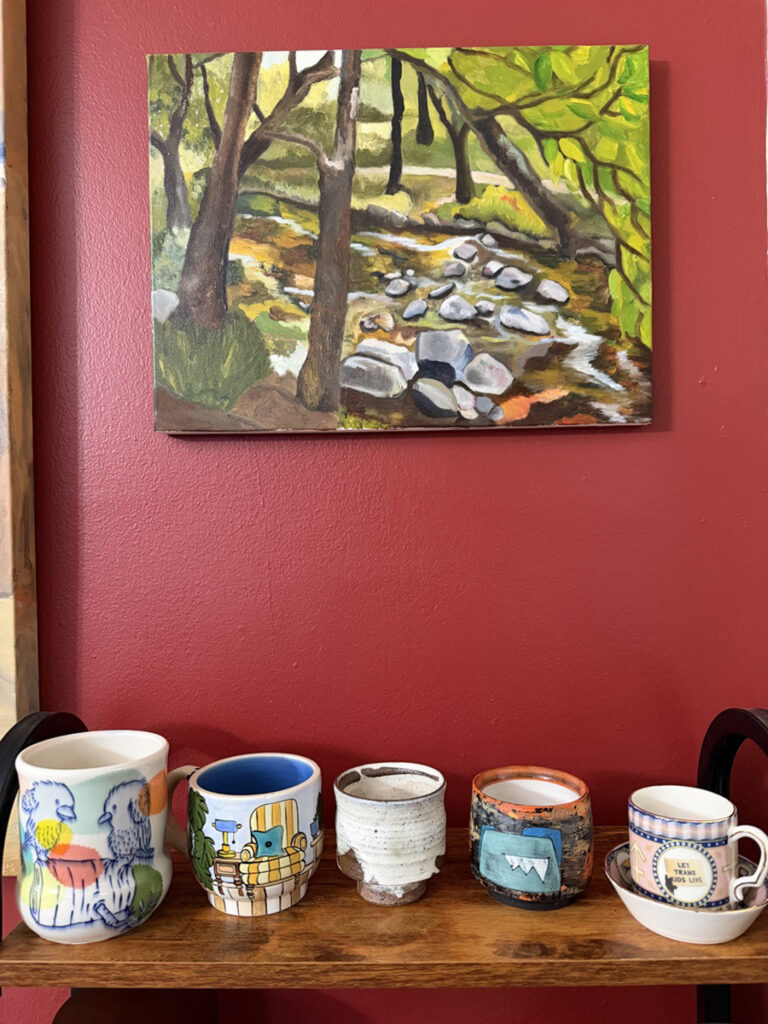
If you love handmade mugs, cups, plates, and sculpture, the Gallery Expo is the place to be. It is hard to choose between so many beautiful objects. I did end up with about two more mugs than I had planned. Everything from traditional diningware to ceramic music boxes is on view and available for purchase. Galleries travel from across the country to showcase artists that they show in their hometown. My favorite booth this year was that of the Clay Art Center who travelled from Port Chester, NY. It was beautifully curated, had a wide selection of work, and I came home with a gorgeous mug by Maria G. Albornoz, whose colorful, functional ware with domestic motifs caught my eye.
Emerging Artists:
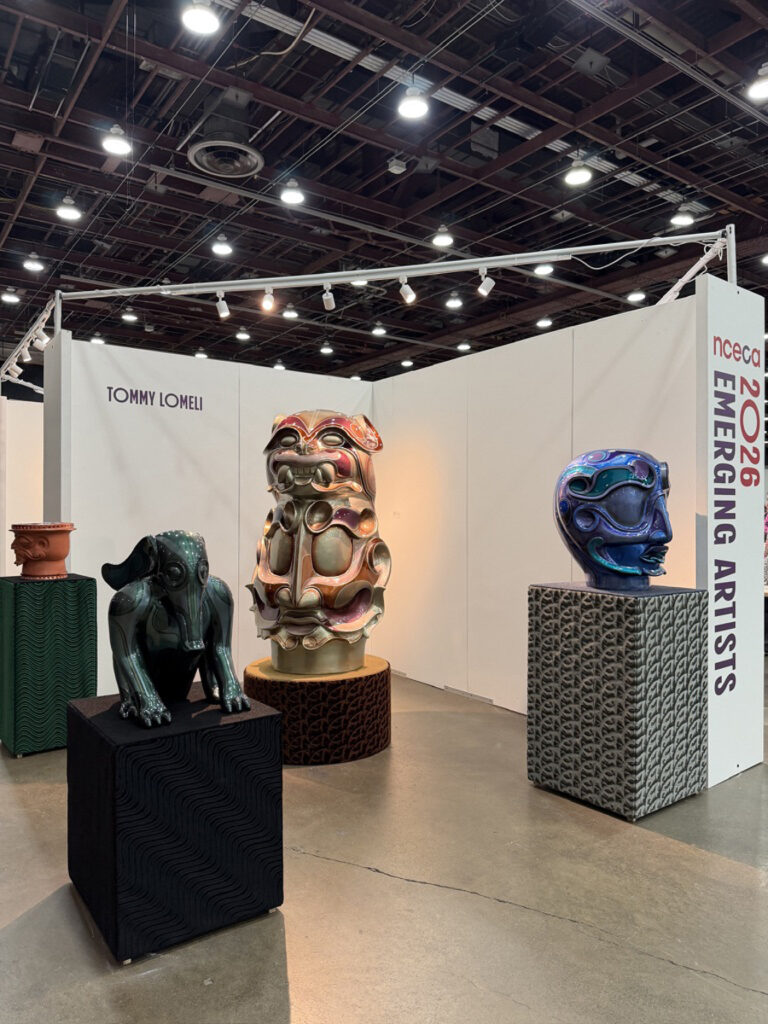
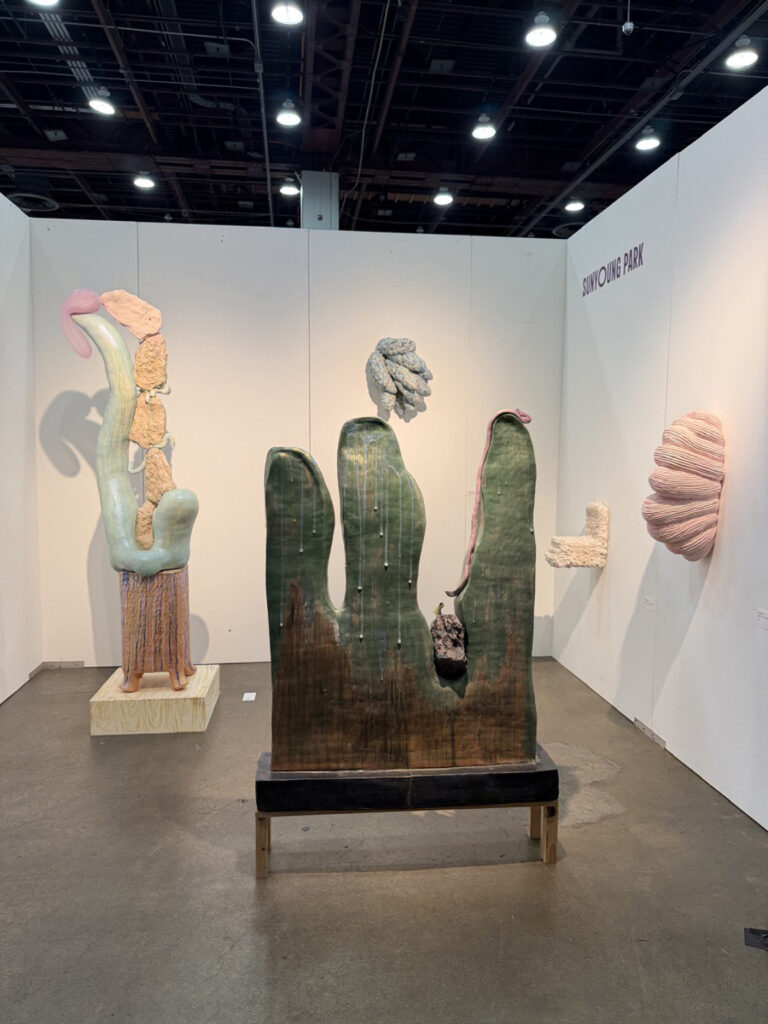
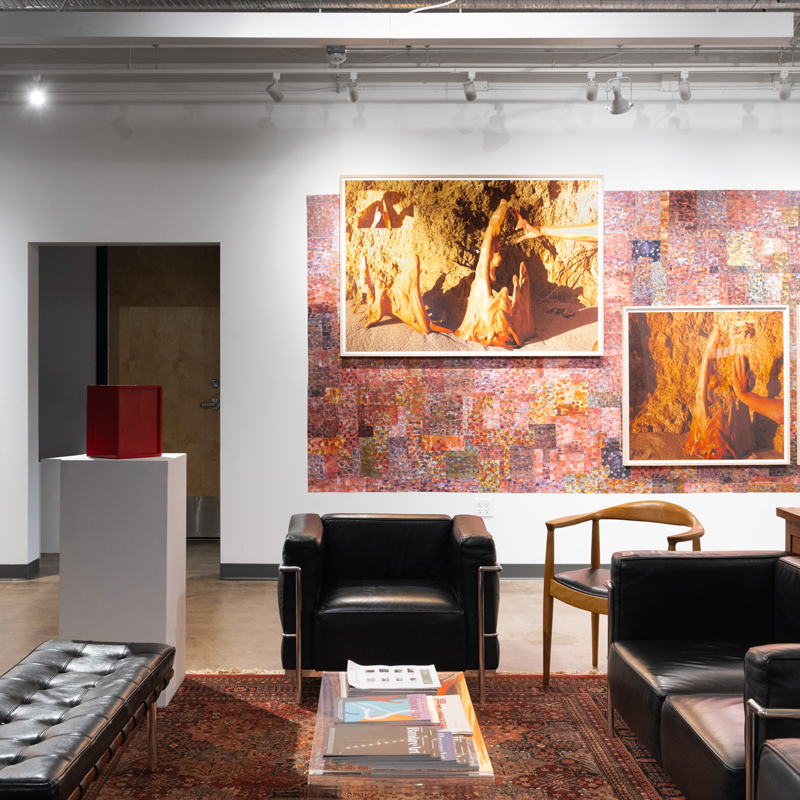
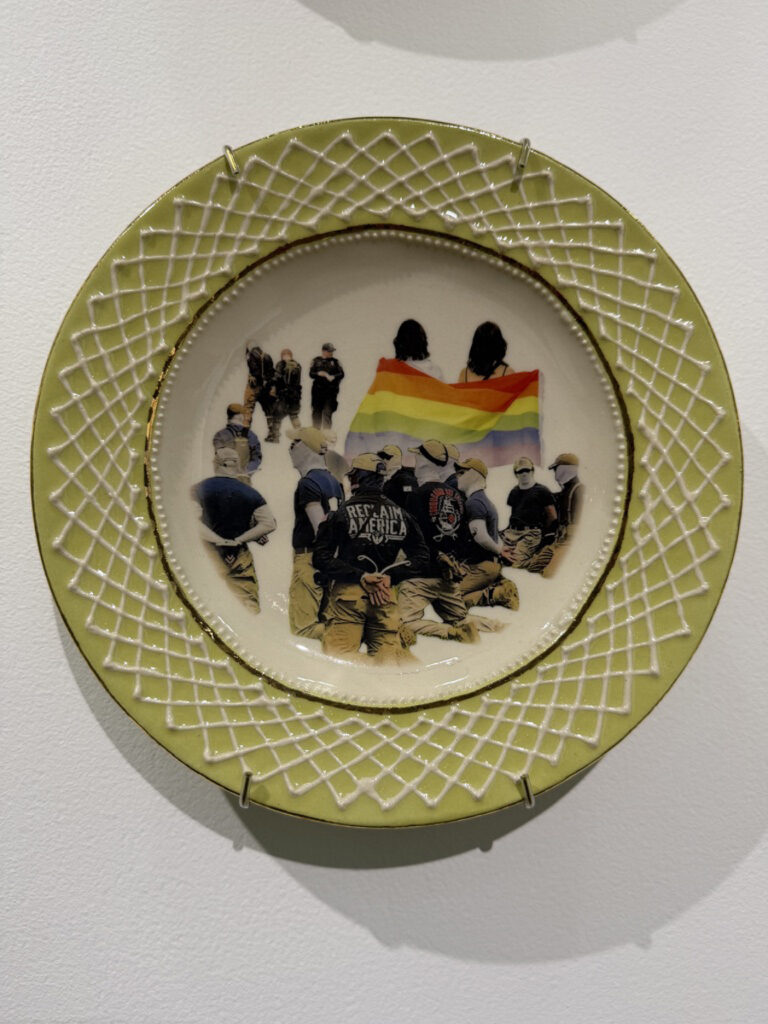
Each year NCECA selects six emerging artists to receive $3,300, a prominent exhibition space, and talk the final day of the conference. This year’s Emerging Artist Fellowship Cohort were Connor Czora, Maxwell Henderson, Tommy Lomeli, Bianca MacPherson, SunYoung Park, and Irén Tété. The exhibition of these artists was phenomenal. Each individual space was a strong exhibition in itself with powerful sculptural work, politically conscious pottery, and an interesting installation that showed the many facets that ceramics can take. In thinking about NCECA and Baltimore next year, I was able to connect with DC-based MICA alumnus Connor Czora to ask some questions about his experience:
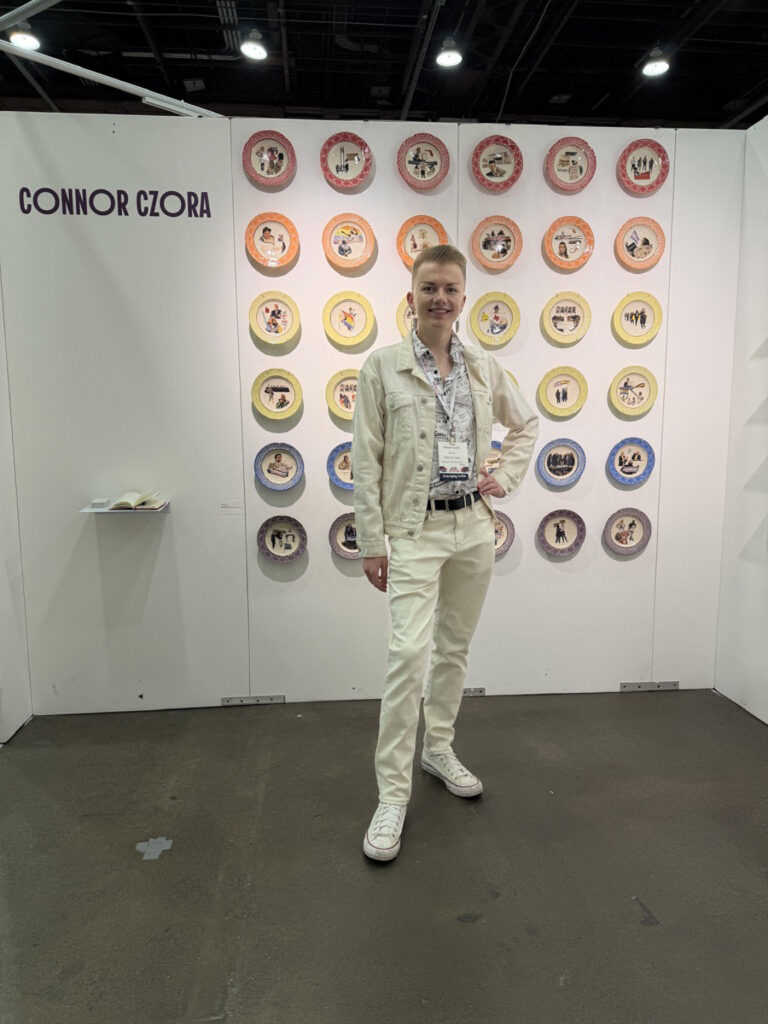
Sarah McCann: What was the best part of being an emerging artist at NCECA?
Connor Czora: This experience has been a whirlwind, but my favorite aspect of being an Emerging Artist was the opportunity to connect with so many people over my work. The conference this year saw more than 7,000 attendees, ranging from internationally-recognized ceramic artists to students and aspiring potters. As an Emerging Artist, I exhibited a solo show that was attended by artists I have looked up to for years, curators of major American museums, colleagues, and friends. This opportunity to share my perspectives on clay and to have deep conversations with global leaders in the field is unforgettable.
How do you think NCECA impacts the national ceramics community and the local arts communities in the cities the conferences visit?
The ceramics community is tight-knit in a way I haven’t seen from other fine arts media. Every year, NCECA raises the bar on what’s possible with clay and how we can push each other further as ceramic artists. City-wide exhibitions demonstrate the breadth and possibilities of contemporary ceramic art, while lectures and panel discussions educate our community on new approaches to the medium. (For instance, this year saw an inaugural series on Clay in Performance alongside demonstrations in 3D modeling for mold design.) The opportunity to connect with artists from all over the world in a single place is invaluable.
Having been at MICA and in Baltimore, what do you think will be special or unique about the event happening in Baltimore? And/or what excites you the most about a Baltimore NCECA?
Baltimore is where I found my voice in clay, and I’m thrilled for potters internationally to experience this community. We have the well-known staples like The Walters’ ceramics collection, Baltimore Clayworks’ nationally-renowned studios and galleries, and the BMA, but Baltimore has a deeper ceramics history than most people realize. The city was a global hub of majolica production in the mid-19th to 20th centuries, and Bolton Hill neighborhood’s architectural terracotta has been the subject of national residencies and exhibitions. The 2027 conference theme is “Charm”, and in celebrating that, there’s no place like Baltimore.
Featured Exhibitions and Art Around Town:
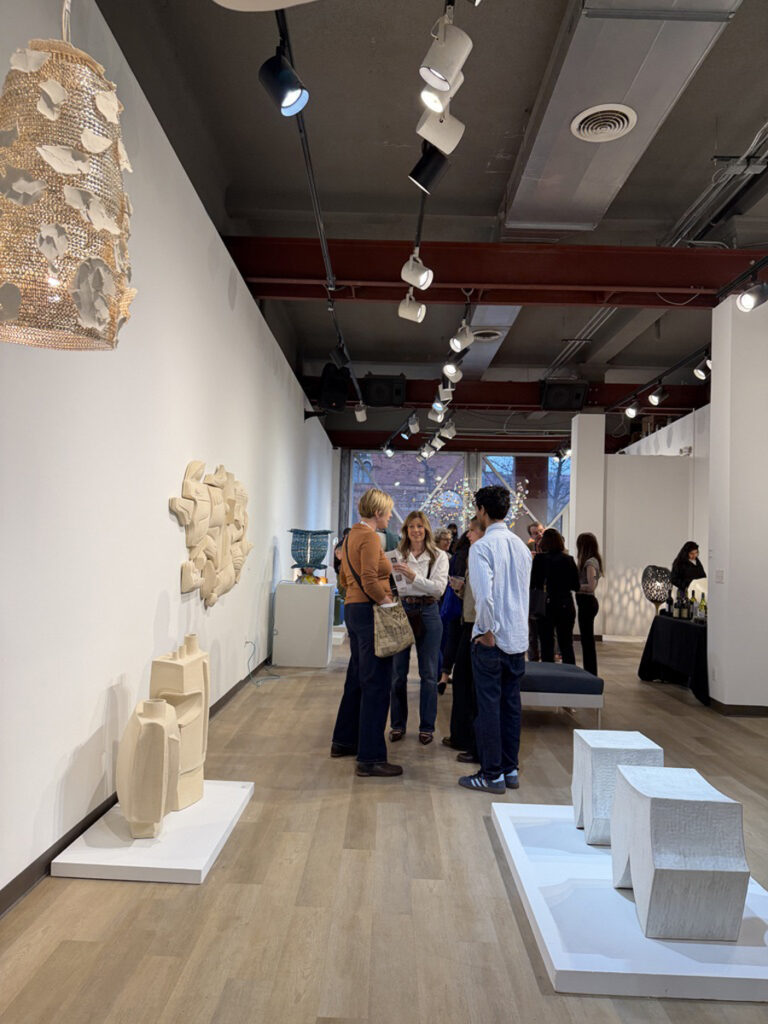
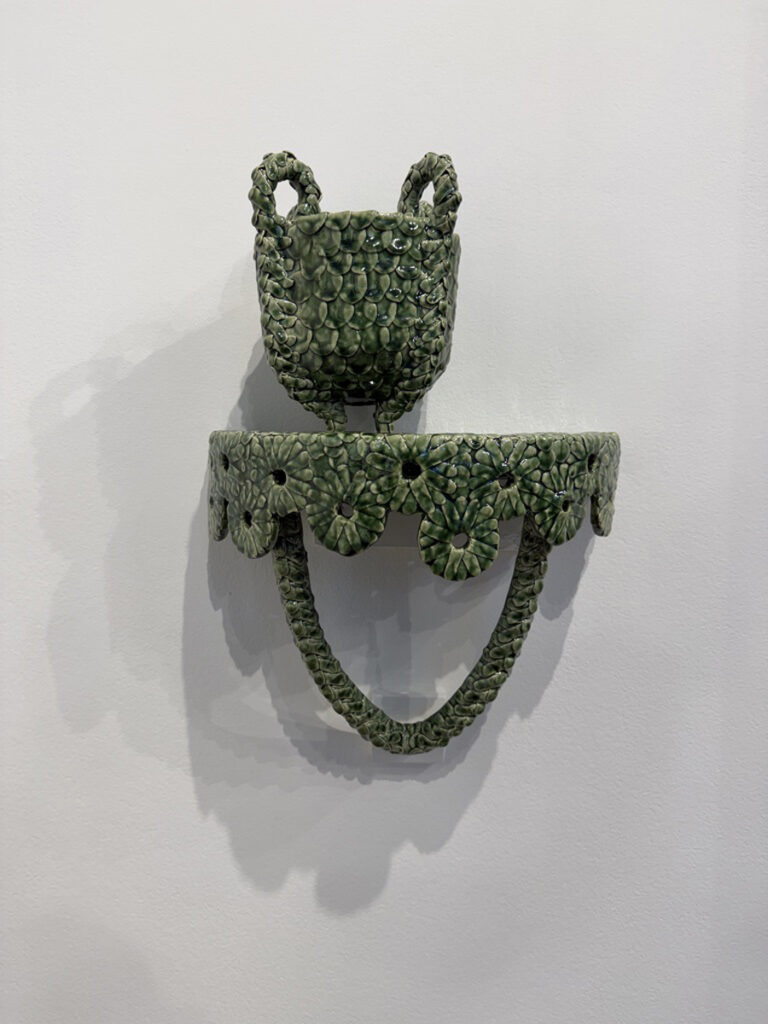
One of my favorite parts of attending NCECA is the vast number of ceramic exhibitions on view in the host city. I did not get to see nearly enough during my limited time in Detroit, but two of the NCECA featured exhibitions were at the top of my list, Thresholds and Body Shop. One of the neat things about how NCECA plans is that these exhibitions happen on site in local gallery and arts spaces. Thresholds was an exhibition of ceramic furniture that I could only dream of living with. Beautifully braided ceramic wall tables, sculptural dividers that would feel like living with clay roommates, lamps, and more. It was held at the Detroit Artists Market, a nonprofit art organization committed to contemporary art and connecting artists, collectors, and communities. Their shop was also full of local artist made items and had beautiful crafts that added to the experience.
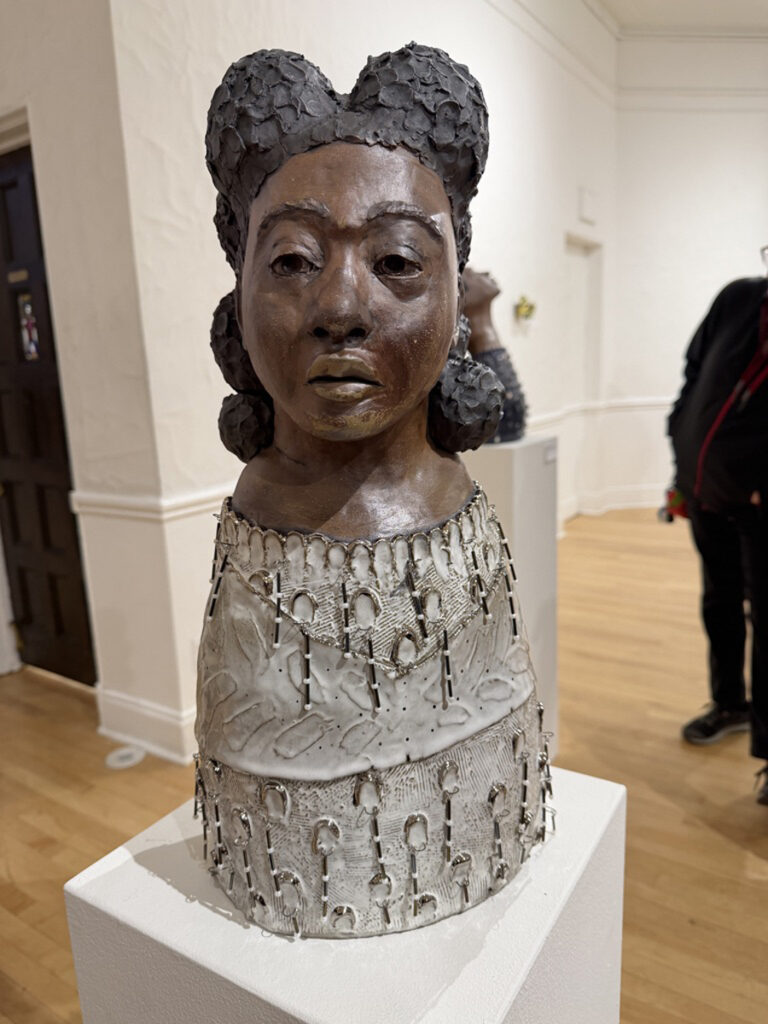
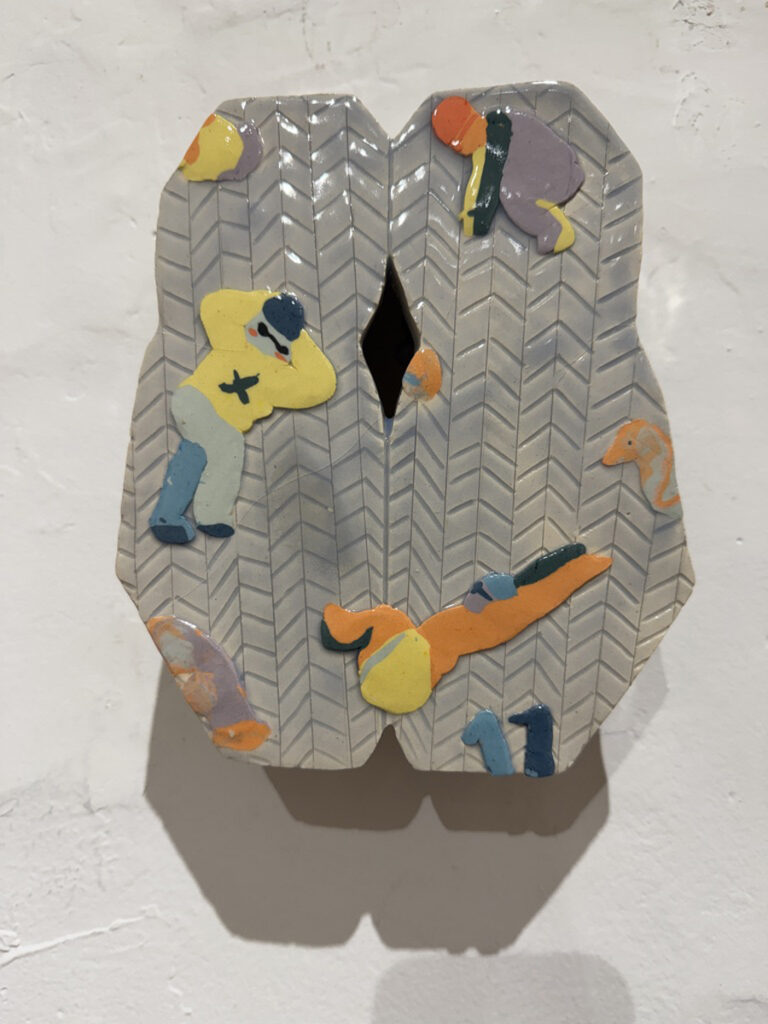
The Scarab Club hosted Body Shop, organized by Qwist Joseph and Christina A. West—an exhibition of work that explored the body in all forms, figures, negative space left by figures, adornment and decoration, and the loss that comes with having a body. This included figuration such as Quinn Alexandria Hunter’s beautiful bust, “I’ll Be Loving You Always,” more abstract work that was the result of artists’ bodies being pressed into clay, and more lighthearted pieces like Wansoo Kim’s, “under my shoes, under your shoes” depicting ceramic soles with figures and colorful abstractions.
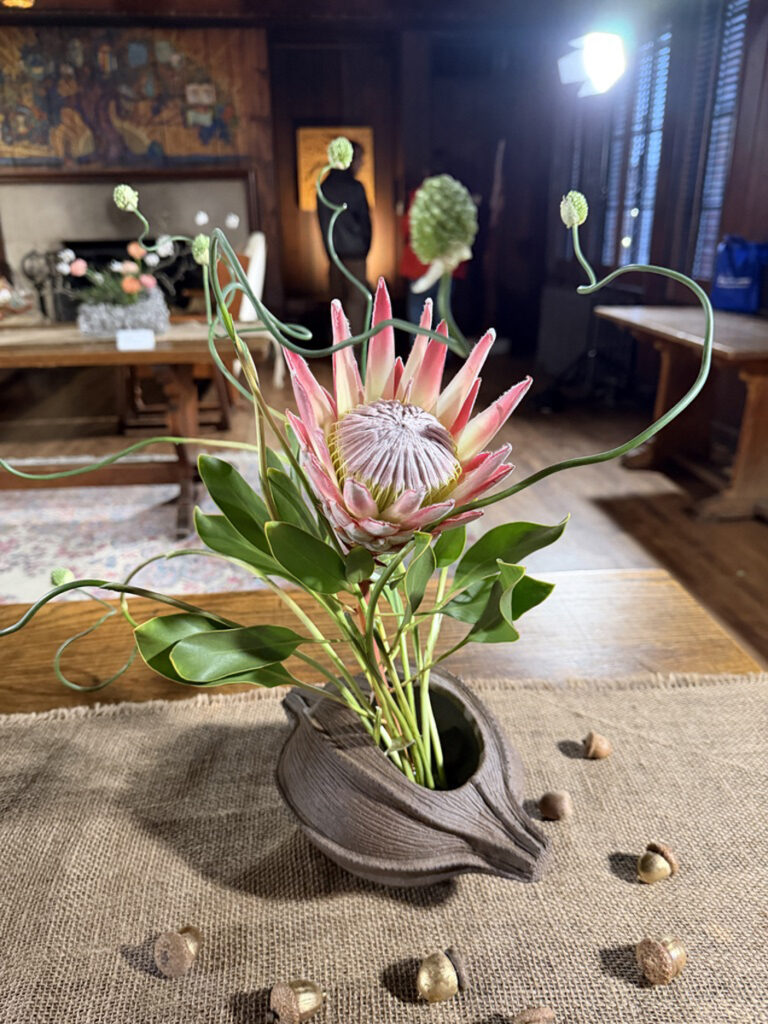
Upstairs, the Scarab Club also presented Stems & Vessels, a collaborative exhibition combining ceramic vessels and ikebana, the traditional Japanese art of flower arrangement. One of my favorites was Deborah Wood’s “Seedpod,” pot with a gorgeous array of wispy greens and pink, yellow, and purple blooms. Surrounded by the dark panelled walls of the Scarab Club, the flower and ceramic combination was powerful.
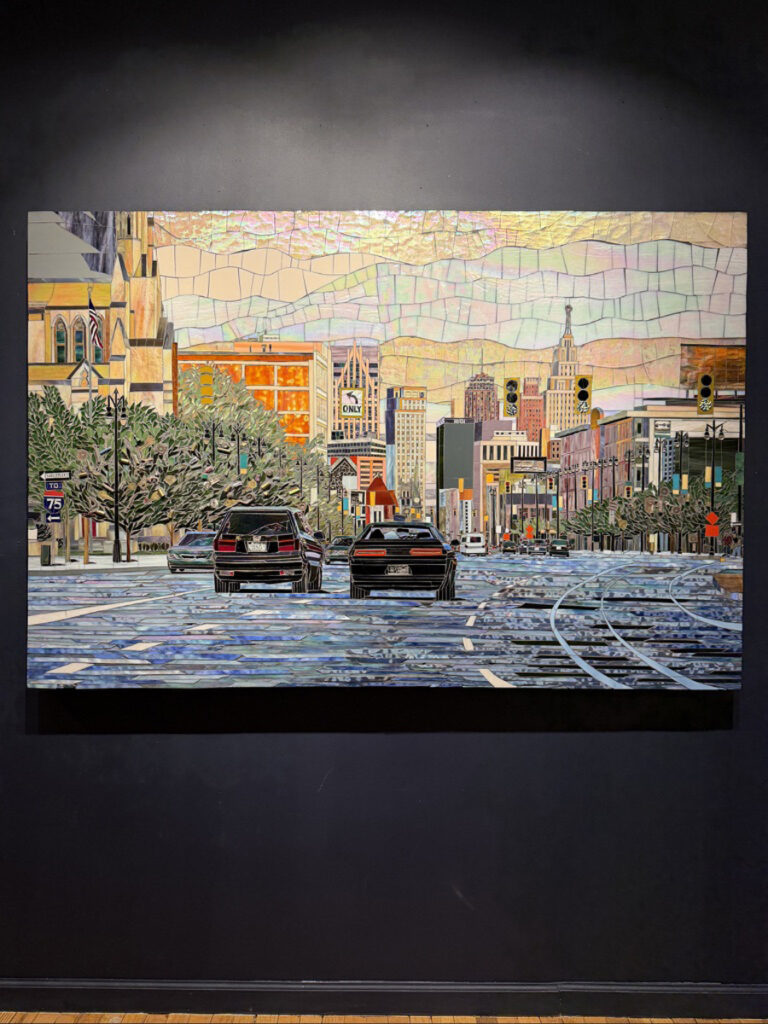
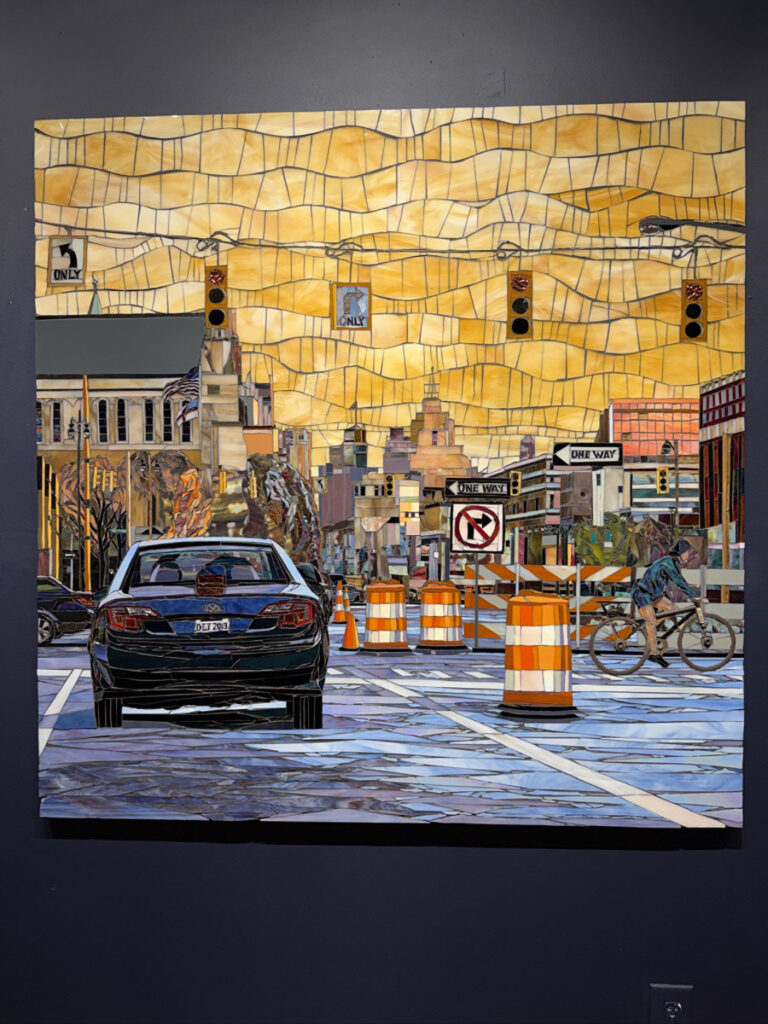
In visiting different spaces during NCECA, I always find at least one impressive contemporary art space that has a stellar ceramic art exhibition on view, as well additional work installed that just happens to be synchronous with the context of the conference. This year, it was the nonprofit N’Namdi Center for Contemporary Art where Mom’s Collection was the ceramic exhibition on view. Curated by Bryan Hopkins and Jeremiah Ibarra, this show borrowed from artists’ families’ collections (like seven-year-old Matt Hyleck’s collaboration with his father Walter, along with more recent plates). In addition, the gallery had exhibitions of work by Darcel Deneau and Mel Rosas. Deneau is a mosaic artist working in stained glass and mixed media. The delicately-combined colorful glass pieces merge with other materials including bullets to show the beauty and challenges of Detroit. Mel Rosas’ paintings explore the duality of his cultures, reality and dreams, and the struggles we currently face as individuals and a society. Both exhibitions touched on what makes for beautiful, healthy communities, and the challenges presented by the current systems, structures, and places in which we live.
I asked Whitney Simpkins of Baltimore’s Personal Best Ceramics a few questions about Detroit and what excited her for next year’s edition on our home turf. Simpkins began selling ceramics in 2016 as a way to part with all the extra cups and bowls that hadn’t been given away to friends. Personal Best Ceramics evolved into a business producing more than just cups and bowls, and her ceramics have found their way into the hands of many, many new friends since.
Sarah McCann: As a ceramic artist, what is the best part of attending NCECA for you?
Whitney Simpkins: It’s the one time a year I get to meet and reunite with so many ceramic artists from all over, all in one place. I’m a mentor to another ceramist who lives in California and it was our first time meeting in person!
What excites you most about NCECA in Baltimore?
The ceramic community in Baltimore is super vast, and it will be exciting to show it off. That, and finally being able to go home to my own bed at the end of a long day at the convention center and galleries.
What was the best thing you saw/heard/attended in Detroit?
The short-form presentations give artists the platform to showcase whatever they want to talk about for 10 minutes at a time. It’s always really interesting, partially due to the time restraint, but also because the topics are often super niche and don’t get a full presentation elsewhere at the conference.
60th Anniversary Exhibition:
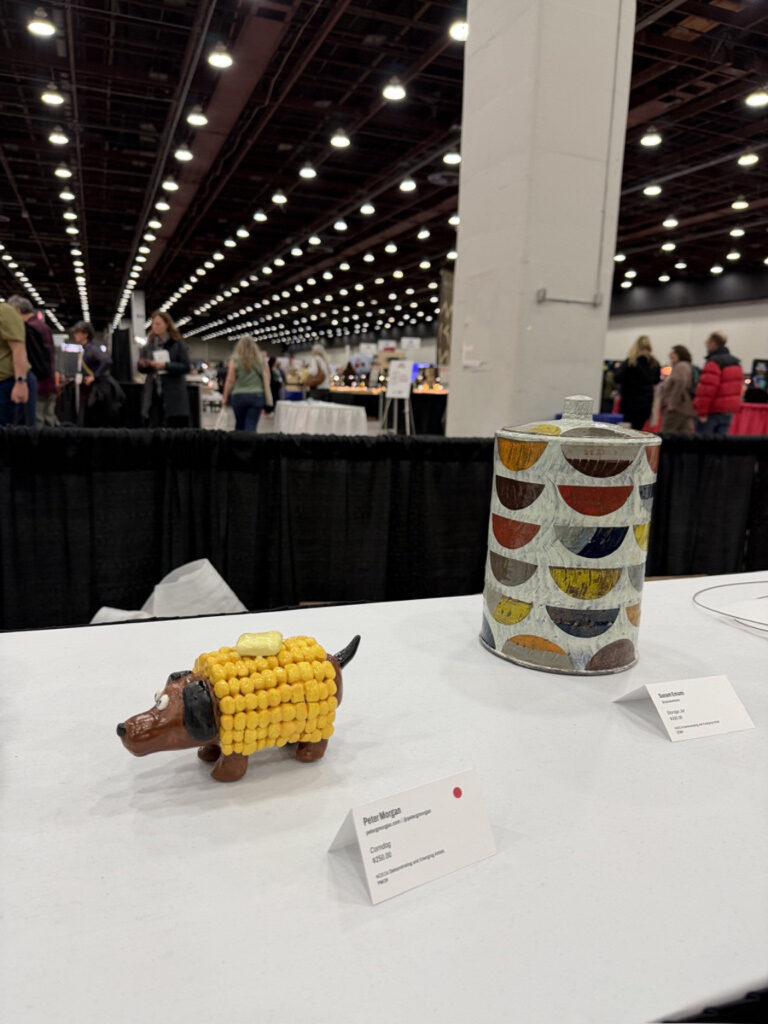
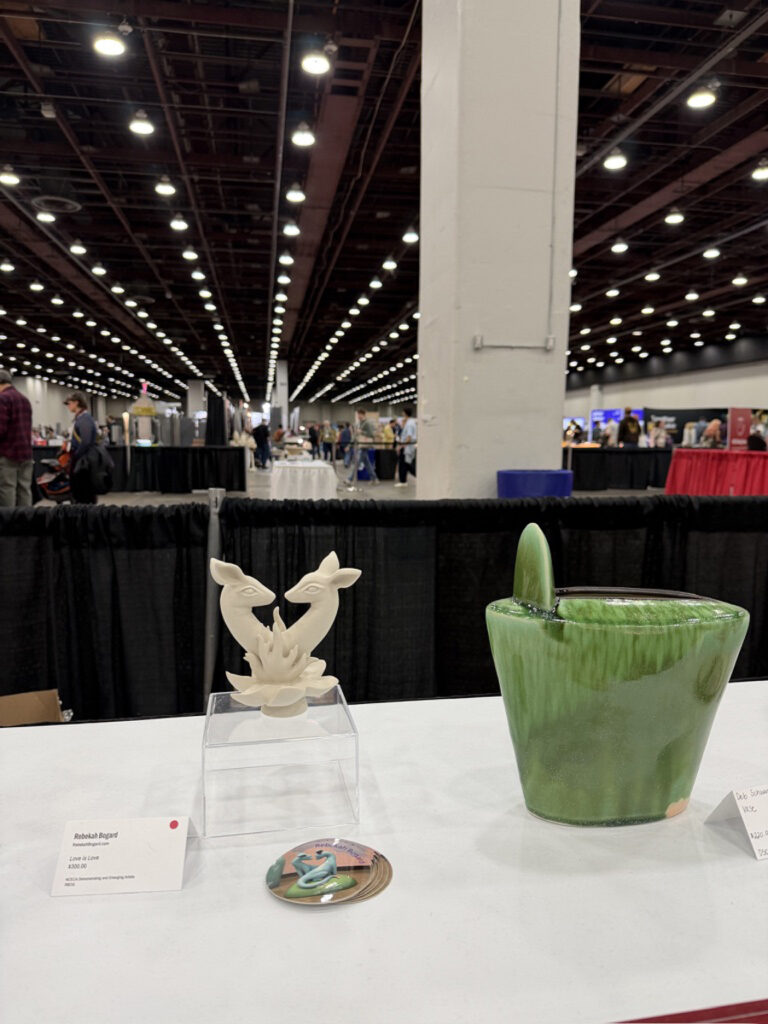
My last highlight is the wide range of creativity in the ceramic arts that was showcased in the 60th Anniversary exhibition. Although I am sure this is also featured elsewhere in the conference, nowhere did I find it quite as direct as finding a ceramic “corn dog” sculpture by Peter Morgan, a clay dog whose body is corn kernels with a pat of butter on top and Sanam Emami’s Storage Jar. A piece whose title describes it perfectly. The cylindrical crafted jar is decorated with half circles of different colors and would be a beautiful and functional addition to any collection. At another table, Revekah Bogard’s piece, Love is Love features two deer heads facing each other growing out of a lotus and flame. A delicate piece that is smooth and simple installed next to a green vase by Deb Schwartzkopf with deep layers within the glaze on this planter shaped open vessel.
Lastly, I connected with BmoreArt contributor Patrick Bell, who is a Board Member at Baltimore Clayworks and part of the team that runs Red Giant Gallery, to get his perspective on NCECA coming to Baltimore:
Sarah McCann: What makes you most excited about a Baltimore NCECA?
Patrick Bell: A huge part of NCECA is reconnecting with people you don’t get to see otherwise, and that’s always been what’s most exciting for me. Being able to do that in Baltimore adds another layer to it. I get to show people around and share some of what’s been happening in the Baltimore’s art scene.
As a Board Member of Clayworks, what impact do you think the conference will have on the local clay community?
I think the impact works in two directions. There are people who are students, collectors, or just generally interested in ceramics who might not usually travel to NCECA, and this gives them access to a range of work they wouldn’t normally see. At the same time, for artists who are already maintaining a practice, I’m hopeful it brings increased visibility and a chance to highlight the strength of the work being made in Baltimore.
As a person who runs a local arts space, what impact do you think the conference will have on the wider Baltimore arts community?
I’m hopeful it brings more attention to ceramics within the city and makes visible just how large and active that community already is. Ideally, it also draws in people who might not otherwise engage with the medium and expands the audience for the work being made here. It also gives just about every art space in the city the chance to shine. Generally ceramic shows are going to get the most attention during the conference but if you have anything programmed at that time I think you’re likely to get increased traffic from the conference.
There is so much more to experience of NCECA artist demos, the annual cup sale, the NCECA scavenger hunt, feats of throwing in the expo. I had the opportunity to ask Joshua Green, NCECA executive director about what excited him about coming to Baltimore and he said, “Baltimore is an ideal host city for the next NCECA conference. The city’s built environment has a sense of varied character throughout its diverse neighborhoods. Baltimore’s comparatively low cost of living, sense of DIY grit and determination make it a great place for art and artists. Baltimore’s mid-Atlantic location, amidst one of the country’s busiest travel corridors, promises that navigating to the conference will be attainable for domestic and international travelers. The city’s significance as a hub for Black arts and artists, and a home to world-class museums that are free and open to the public make it a particularly appealing cultural travel destination. Imagine a city as a kind of metaphorical vessel, in which traditions of craft intermingle with new and sometimes radical imaginative visions of creation. Baltimore is a place where arts and community come together as catalysts for creativity in everyday life.”
I love this description about what Baltimore has to offer to the ceramics community. I cannot possibly cover all that NCECA has to offer Baltimore, so mark your calendar as NCECA’s 61st conference, Charm, takes place in Baltimore, Maryland, March 10–13, 2027.