You can hear a pin drop in the studio where a group of 8th grade actors lay on the floor in fetal positions. They are practicing fluidity as they slowly rise to stand while focusing on their breath. The synergy between mind, body, and voice and the application of the three is what these students learn to activate as actors. This is not just a common warm up, but intentional practice to trust their intuition and have confidence in their choices.
In arts education, that word—confidence—is often misunderstood. It is not boastful or performative. Confidence is the ability to trust yourself. It is the discipline to prepare, the courage to take risks, and the resilience to try again when something does not land the way you hoped. In many ways, confidence is the curriculum of TWIGS.
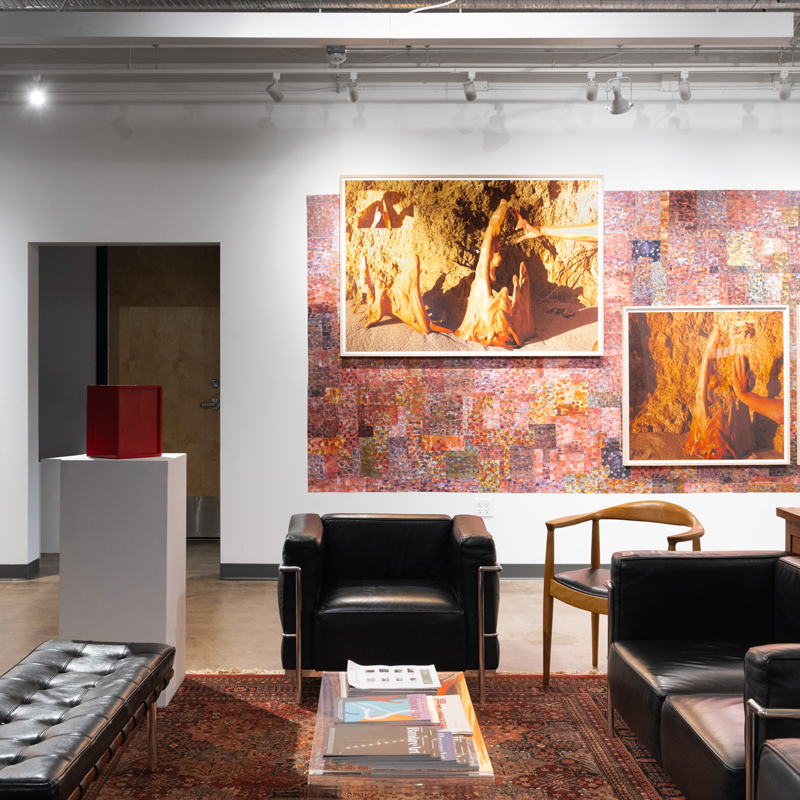
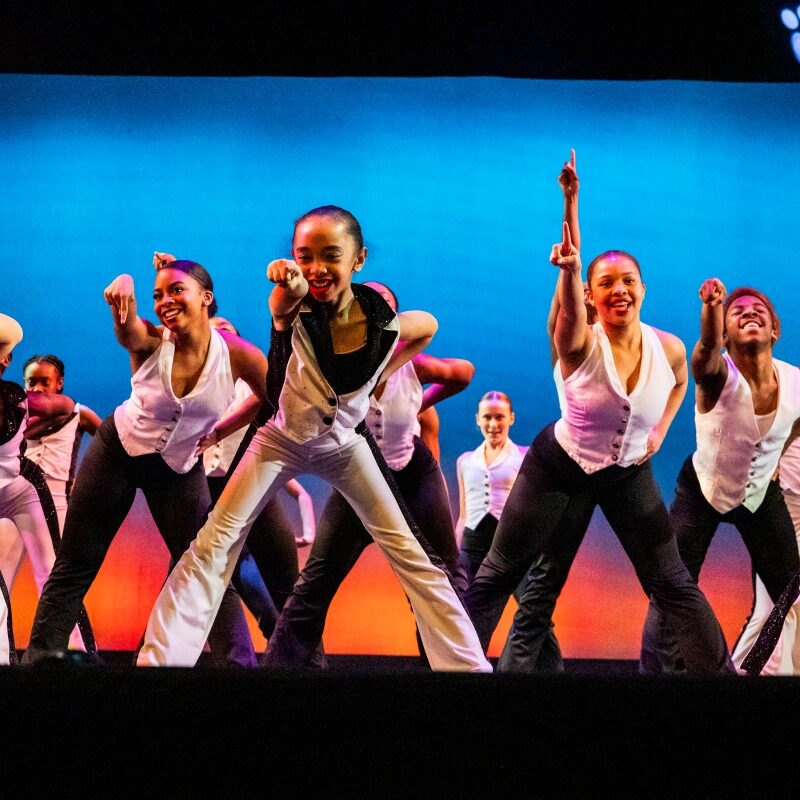
Baltimore City Public School students in 2nd through 8th grade who are enrolled in the TWIGS (To Work in Gaining Skills) program meet weekly to learn from professional artists and build connections with peers from various backgrounds at the Baltimore School for the Arts (BSA). TWIGS offers a choice of six art areas: music, theater, stage design, dance, visual art, and film. Participants are selected through an audition process that, in most areas, prioritizes artistic potential and passion over prior experience. And once accepted, the classes are free.
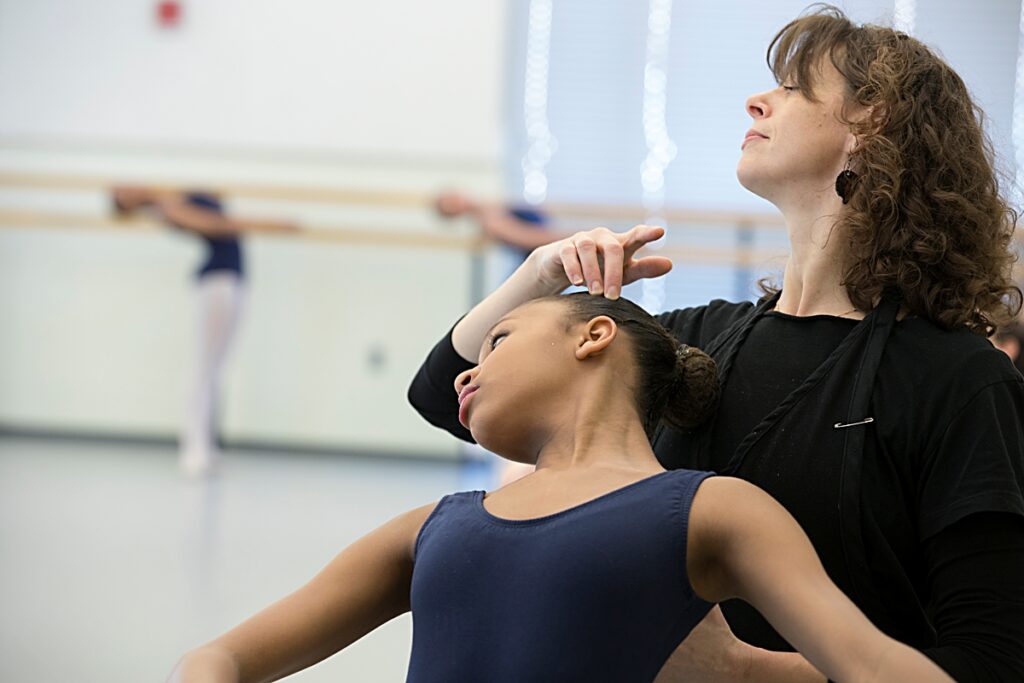
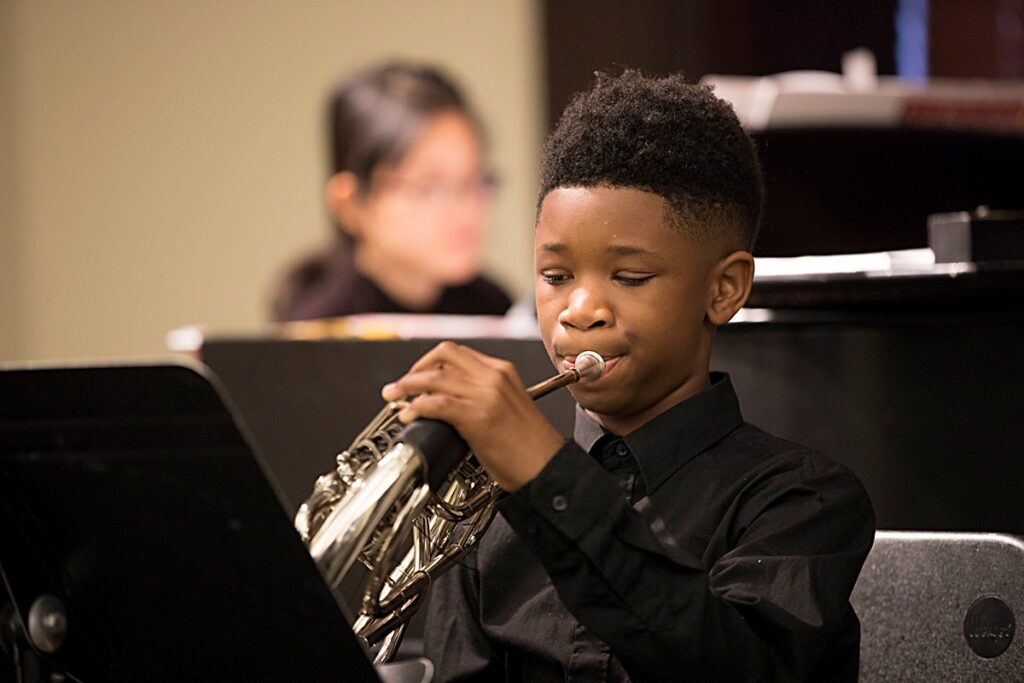
Candace DickensIn arts education, that word—confidence—is often misunderstood. It is not boastful or performative. Confidence is the ability to trust yourself.
The arts are a playground for imagination, discovery, and mistakes. We see this in young children who have early exposure. But what happens to children who have yet to experience live theatre or a museum? What happens when imagination is never affirmed? What happens when creative instincts are never challenged, shaped, or refined?
Baltimore City is full of youth who deserve opportunities to explore their creative identities as individuals and as a collective. But access to consistent arts education in elementary school is imbalanced across our city. Many children attend schools where arts instruction is non-existent or inconsistent. Some families do not have the financial flexibility to invest in private lessons or fee-based programs.
Educational opportunity and economic stability are deeply connected to long-term quality of life, and too many of our young people are navigating systems that were not built with their success at the center. Consider the 71% of BCPS students who are identified as “low-income.” Labels like that quietly shape how children see themselves. They narrow imagination and distort what young people believe is possible, even when their talent and potential say otherwise.
Statistics tell the perspective of the storyteller. They do not define potential or always state the whole truth.
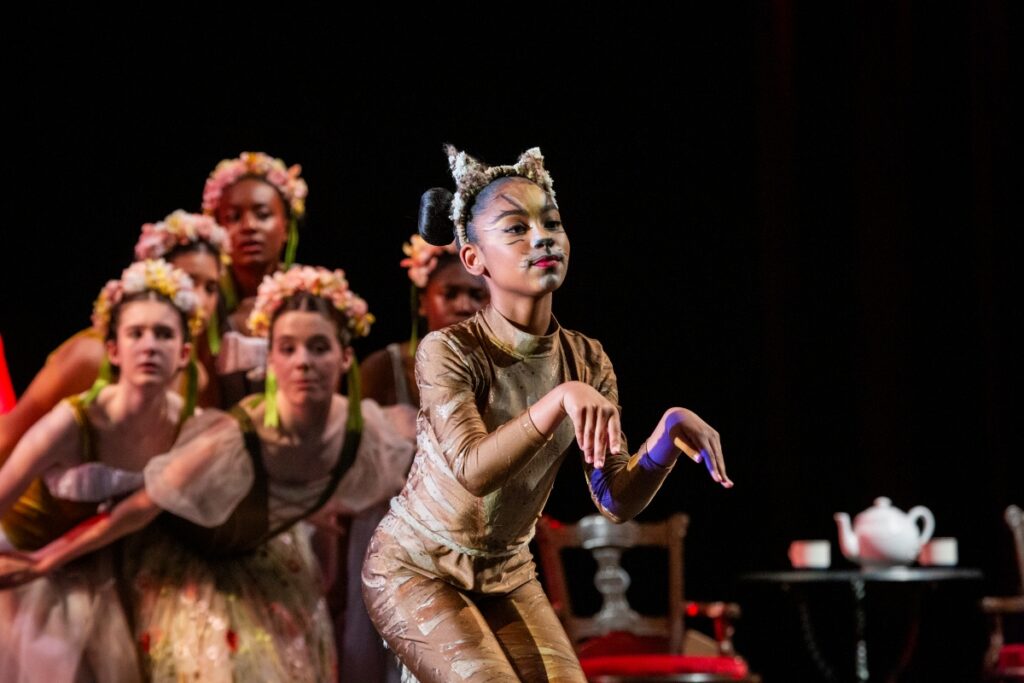
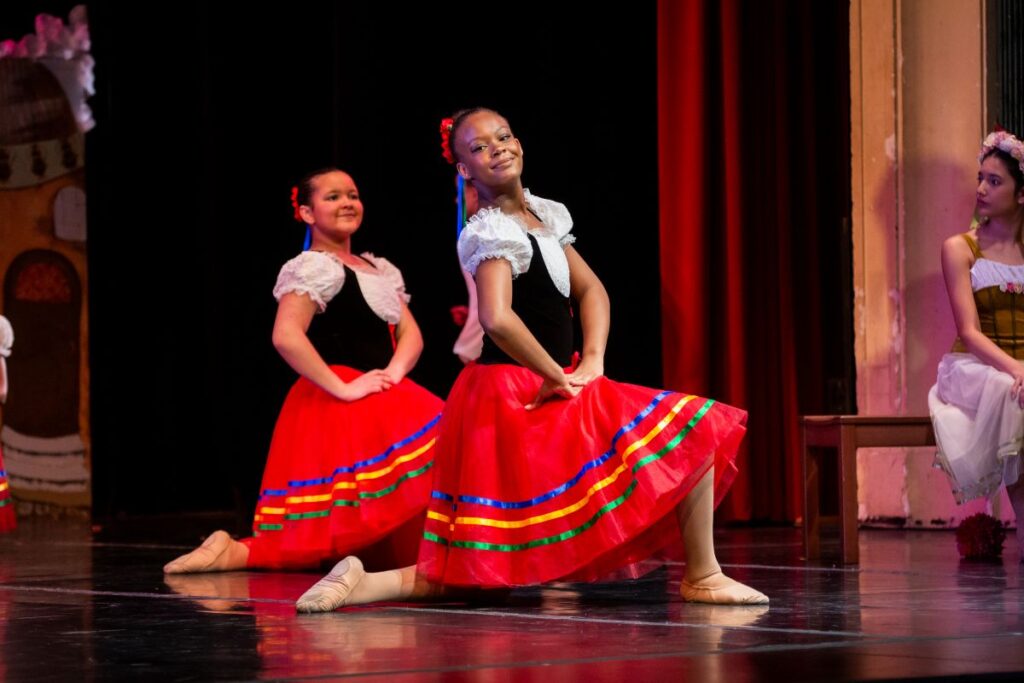
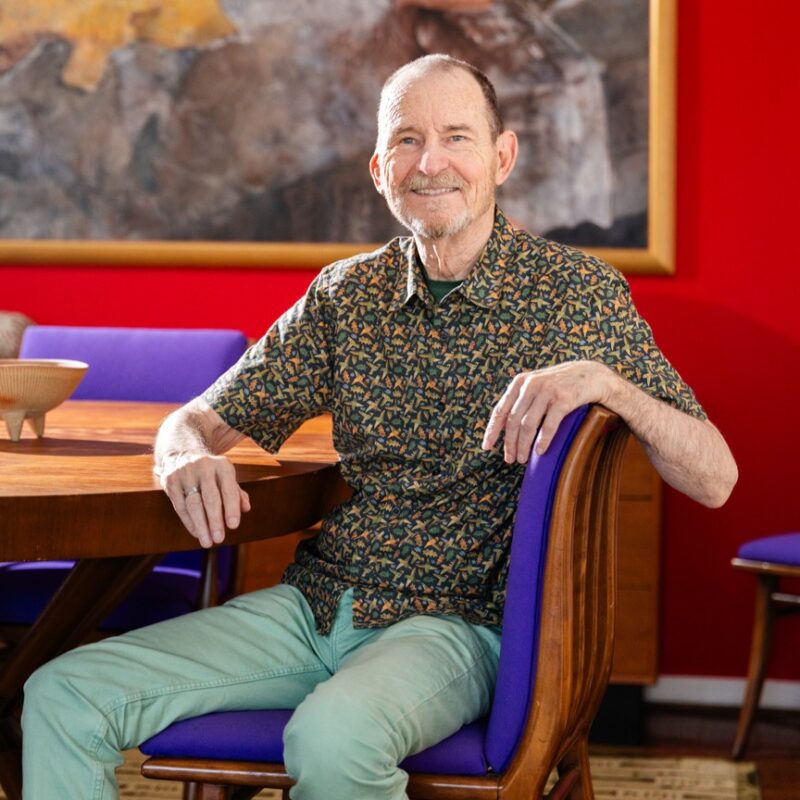
I grew up in East Baltimore, raised by creative parents who were born and raised in disenfranchised circumstances in communities where imagination was innately present but access to formal arts education was limited. I too struggled to hear my own voice above the external noise that suggested I wasn’t worthy or capable of rising above the challenges in front of me. I understand what it feels like to question your place in a room before you even enter it.
Fortunately, TWIGS became the environment that propelled me forward. My ability to communicate and regulate emotions strengthened as a result of tiered skill building and thoughtful reflection. What I gained was not simply artistic technique. I gained language. I gained emotional tools. I gained the ability to stand in front of others and trust that my voice mattered.
That shift changed the trajectory of my life.
As I walked through the doors of BSA as a TWIGS student, the pressures of my then reality, went away. For 90 minutes each week, I connected with friends who shared the same love for our craft. My instructors guided and encouraged us toward taking healthy risks. The correlation between arts education and my impact as an administrator and civic leader is undeniable.
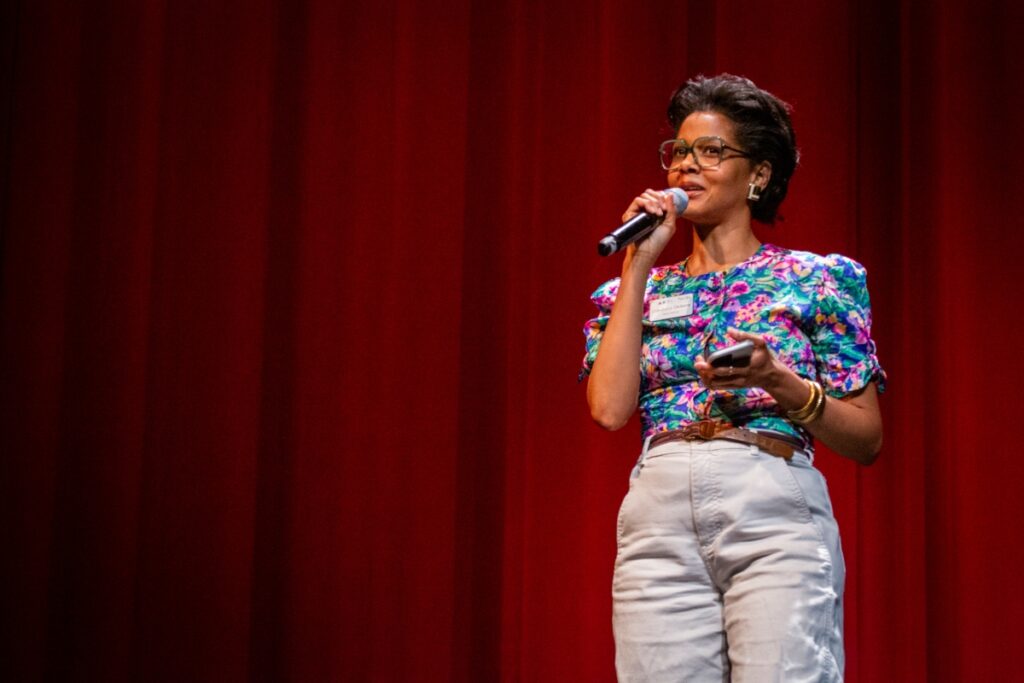
Students who are enrolled in TWIGS and maintain consistent attendance experience measurable growth that extends far beyond artistic technique. Through disciplined creative practice, they strengthen their ability to regulate emotions, adapt to feedback, and move through challenges with greater ease. Over time, this kind of structured artistic training supports cognitive flexibility, reduces anxiety, and builds the internal stability that anchors confidence—enabling children to thrive in academic, civic, and other settings.
But beyond research, I see it in real time.
I see it in the student who hesitates to audition, then realizes they earned their place on the first day of class. I see it in the child who once struggled through a monologue but now speaks with intention. I see it in the introverted child who emerges in ensemble work.
Confidence cultivated in creative spaces does not stay in the studio. It follows students into classrooms, board rooms, relationships, and leadership roles. It shapes how they advocate for themselves. It shapes how they collaborate. It shapes how they recover from disappointment.
It shows up when a student advocates for themselves in a classroom discussion. It shows up when a teenager interviews for a summer job and communicates with clarity. It shows up when a young person decides that their new ideas are worth sharing rather than conforming to the status quo.
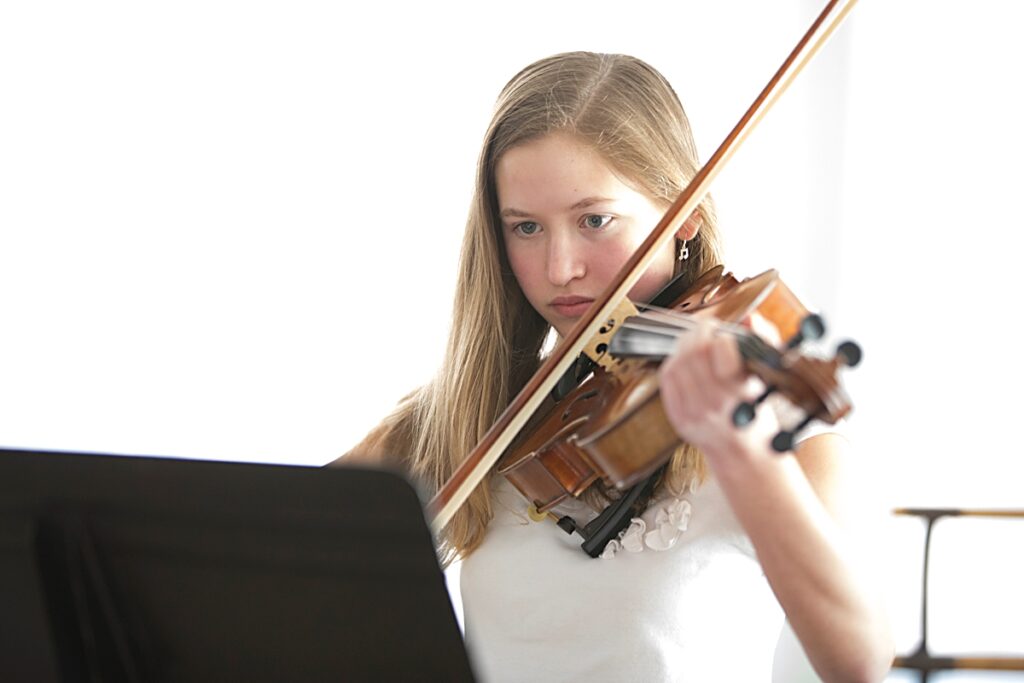
Candace DickensThe ability to think creatively, respond with courage, collaborate across differences, and revise your work in pursuit of excellence are not secondary skills. They are life skills.
Nearly half of TWIGS participants go on to audition for The Baltimore School for the Arts’ high school program or other pre-professional arts pathways. Many continue into higher education and careers across industries—not only in the arts, but in fields that require communication, adaptability, and problem-solving.
The arts are often categorized as enrichment, something supplemental to a “core” education. But when confidence is treated as foundational, arts education becomes infrastructure. The ability to think creatively, respond with courage, collaborate across differences, and revise your work in pursuit of excellence are not secondary skills. They are life skills.
The call to action to reimagine the implementation of arts education throughout our city and beyond is more pertinent now than ever before. Once all children are given the opportunity to see themselves as creative problem solvers in this world, we can celebrate our success as a community.
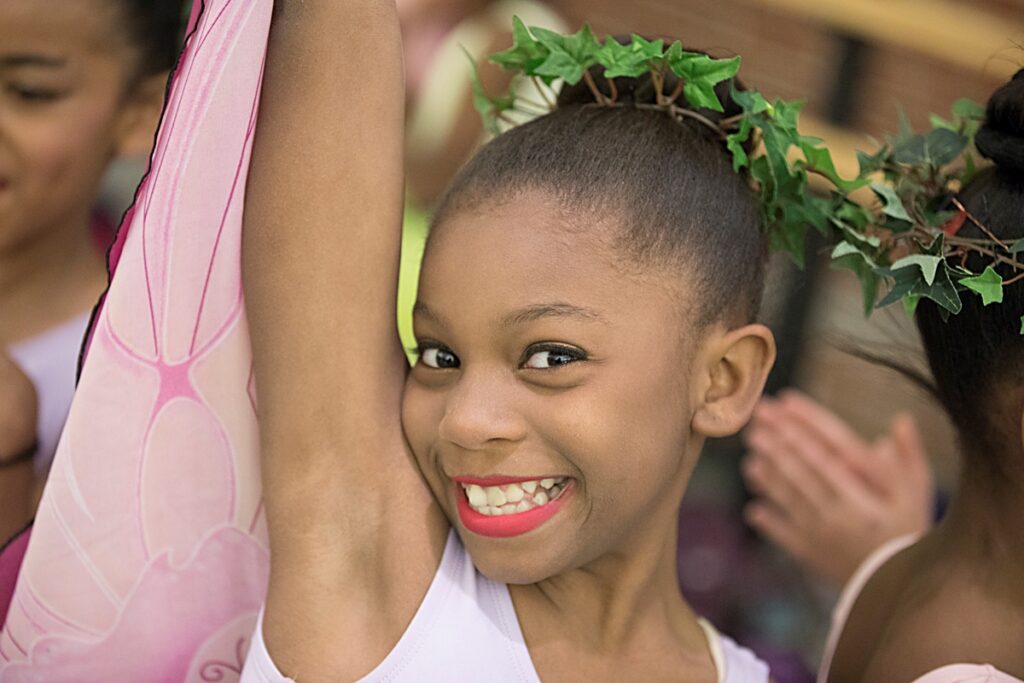
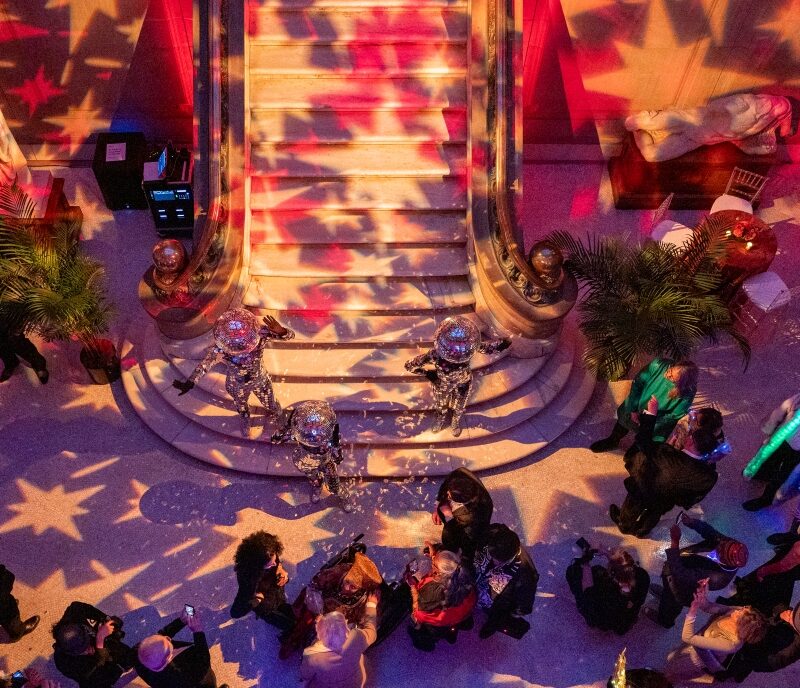
This May, as we are in the audition season for TWIGS, I think about the young people who may not yet realize our space belongs to them. I think about parents and caregivers who notice that special “thing” in their children but are unsure how to nurture it. I encourage families to explore what is available to them through TWIGS.
But this conversation extends beyond a single program or audition cycle.
What would Baltimore look like if every elementary school student had consistent access to high-quality arts education? What if confidence-building was considered essential curriculum rather than optional programming? What if every child, regardless of income or circumstance, had structured opportunities to take healthy risks in environments that expect excellence?
The truth is, talents reside in all of our children—be it on a canvas, behind a camera, or center stage. TWIGS simply cultivates enriched atmospheres inclusive of healthy risks that stimulate young learners to respond and collaborate with courage. The confidence they discover through this work is not a byproduct of arts education; it is the core.