After years of upheaval, relocation, and uncertainty, Artscape appears to have found its footing downtown. But as Baltimore’s signature arts festival settles into its new identity, questions remain about what exactly is being rebuilt—and for whom.
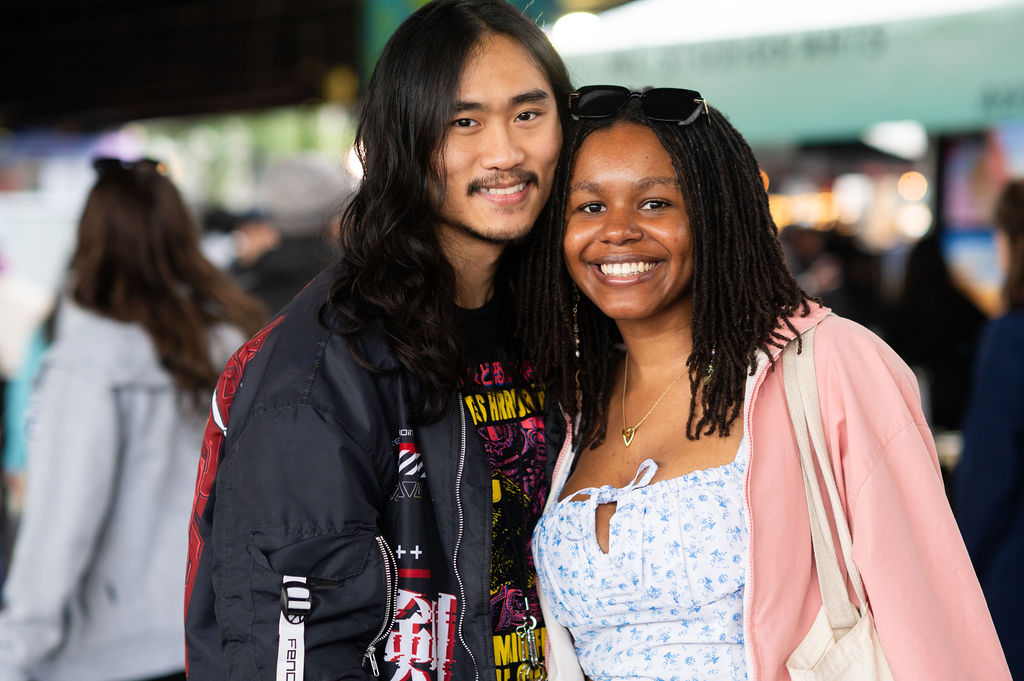
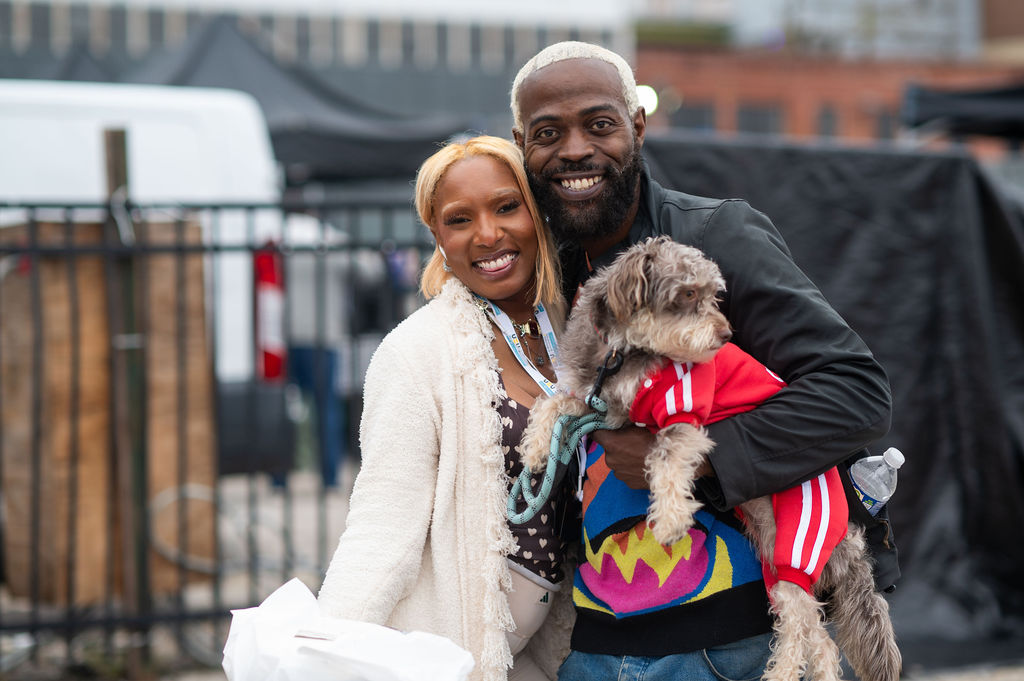
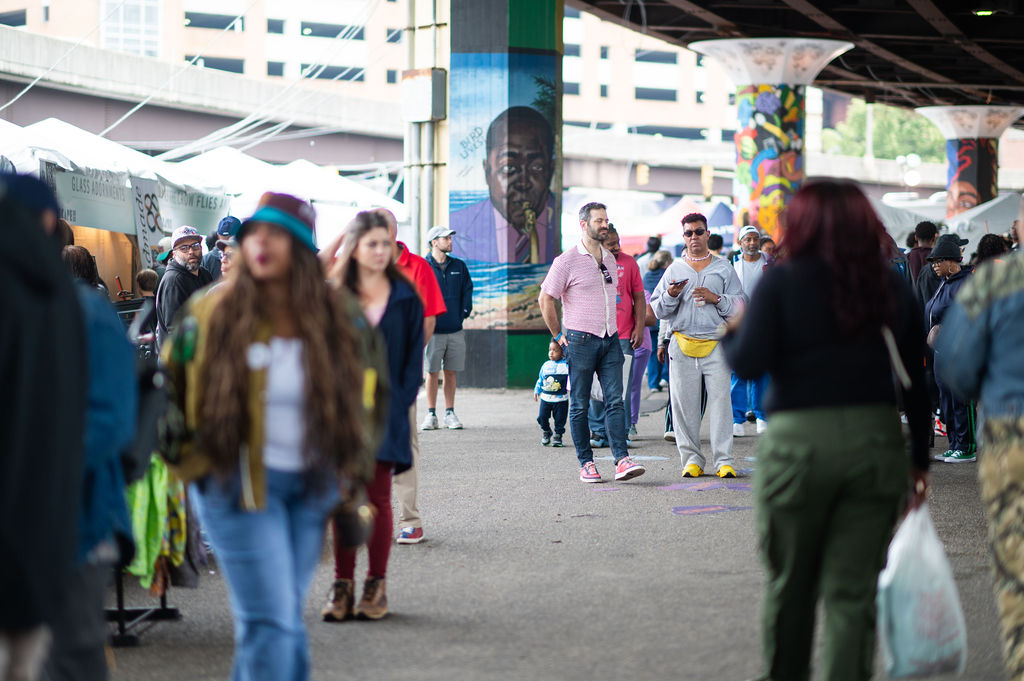
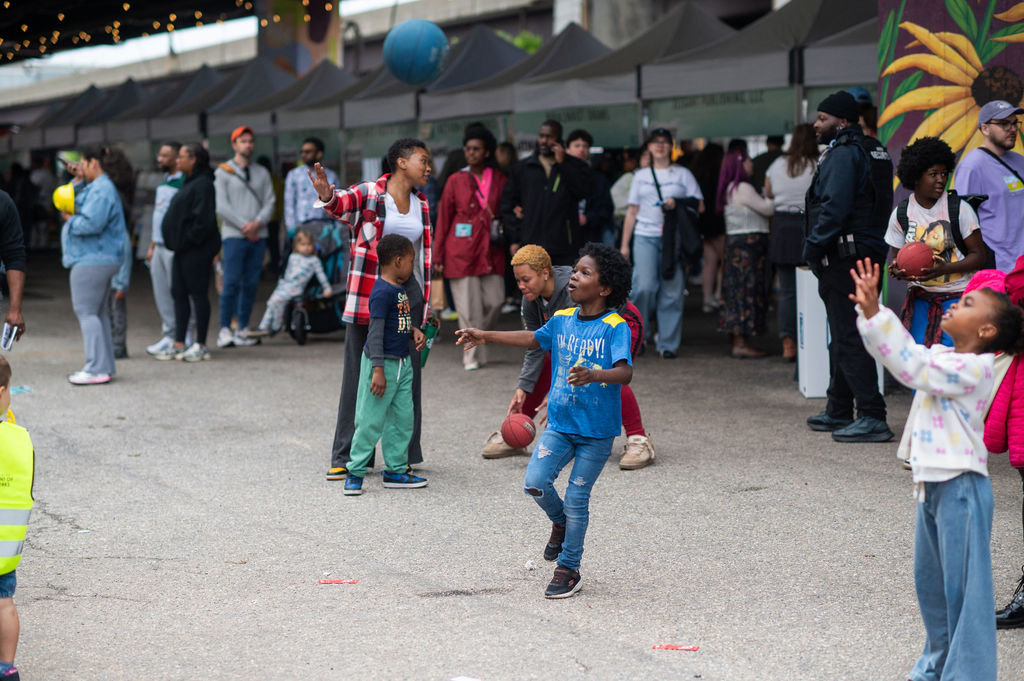
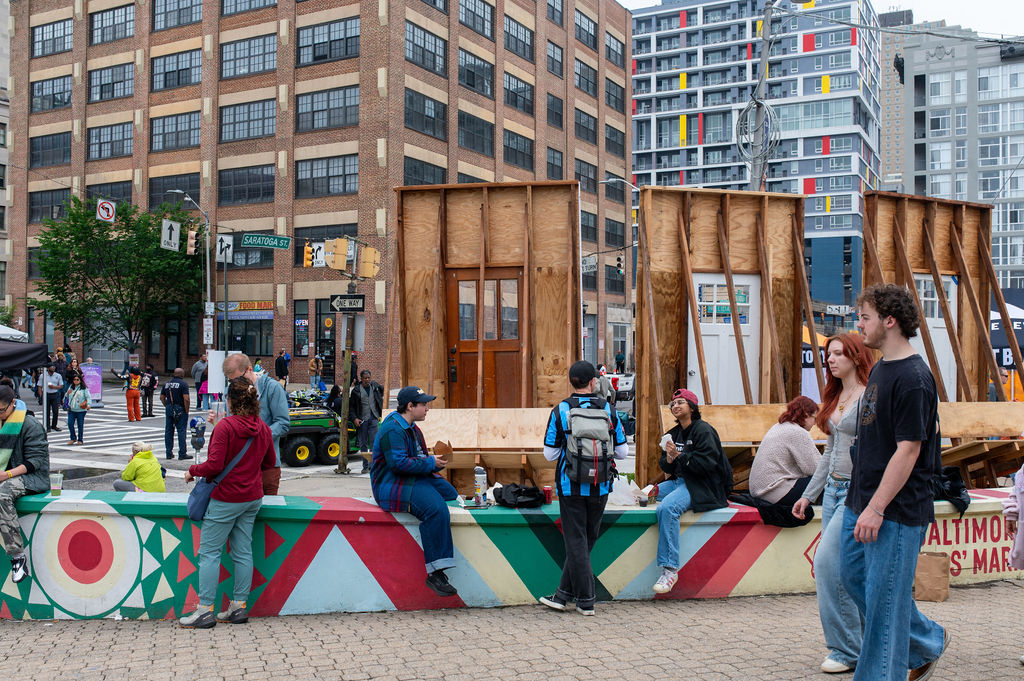
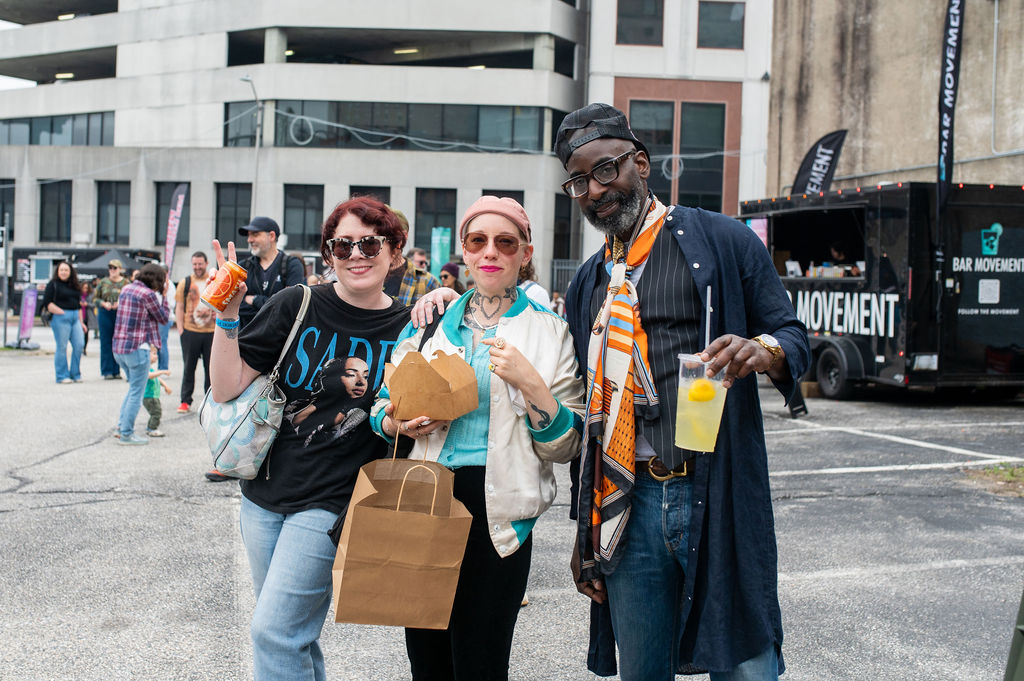
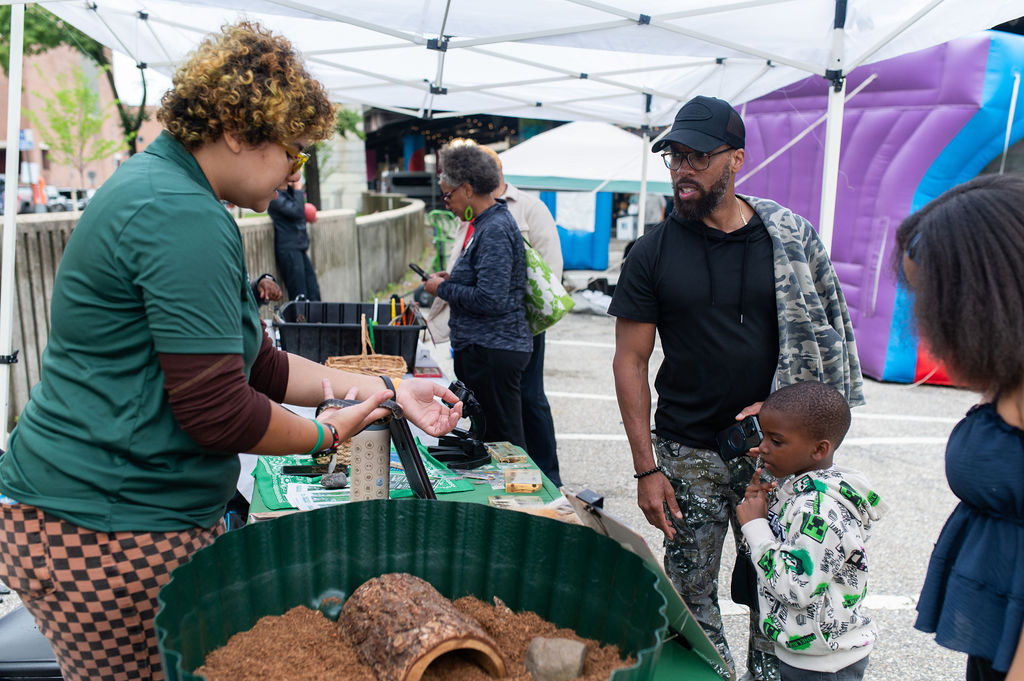
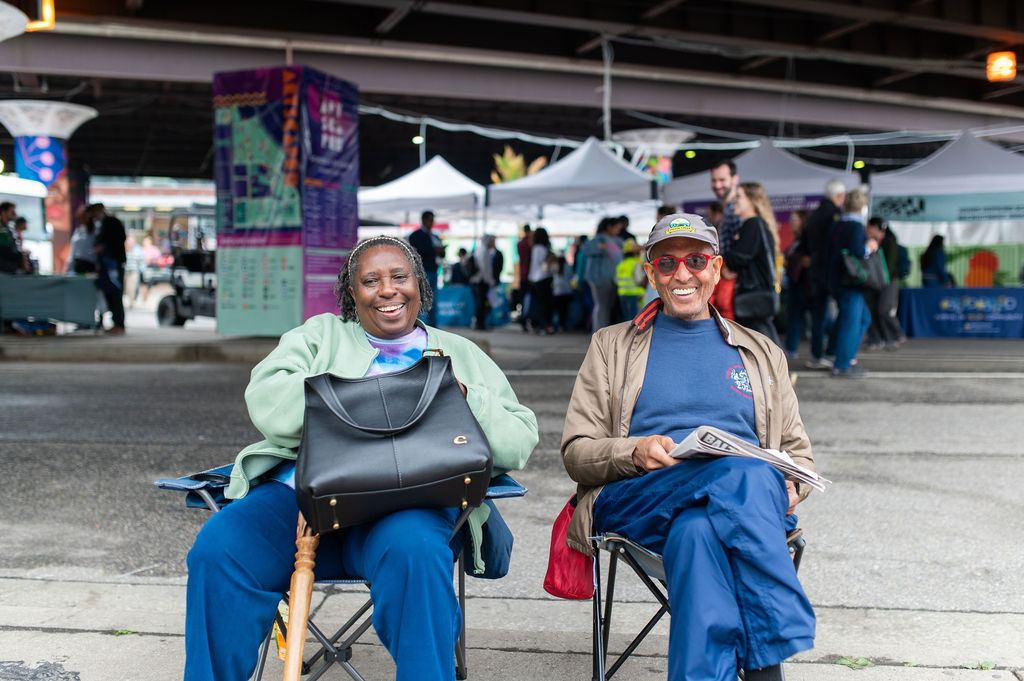
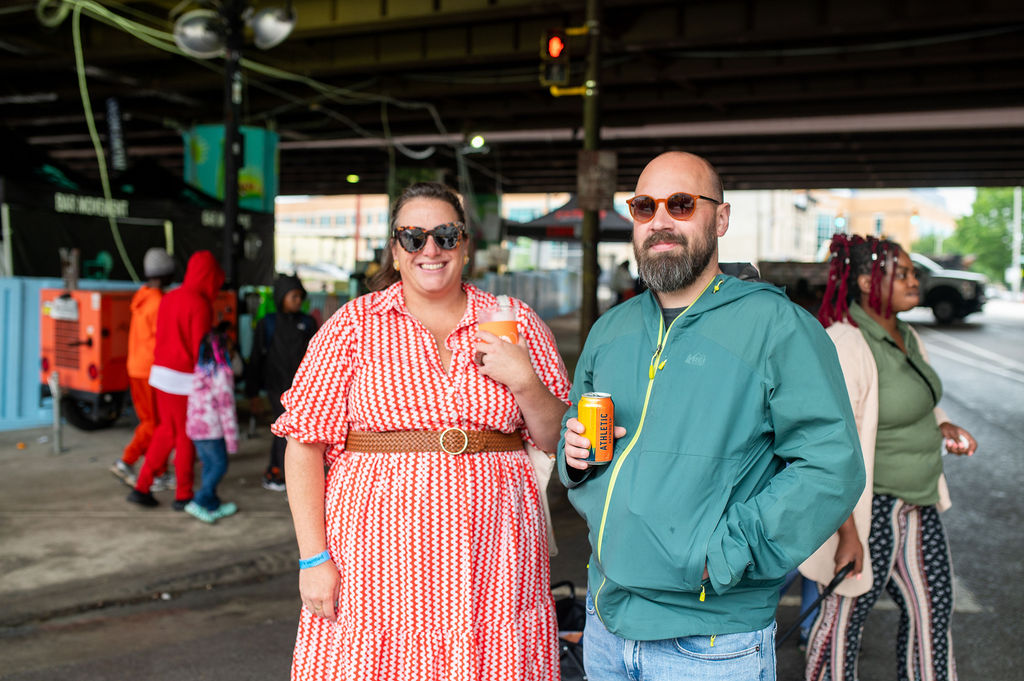
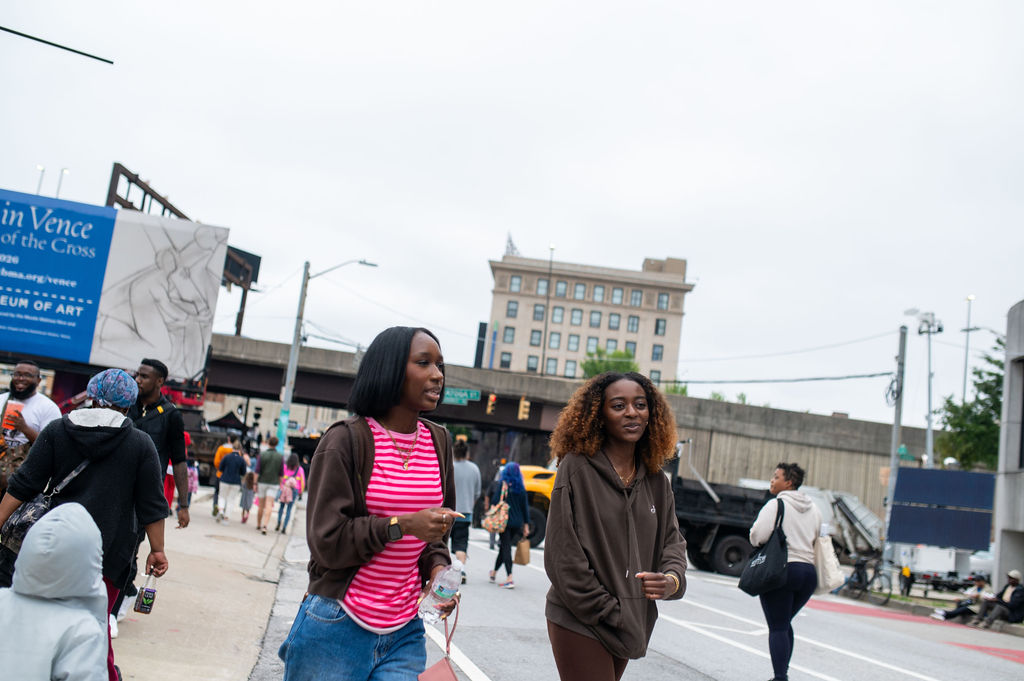
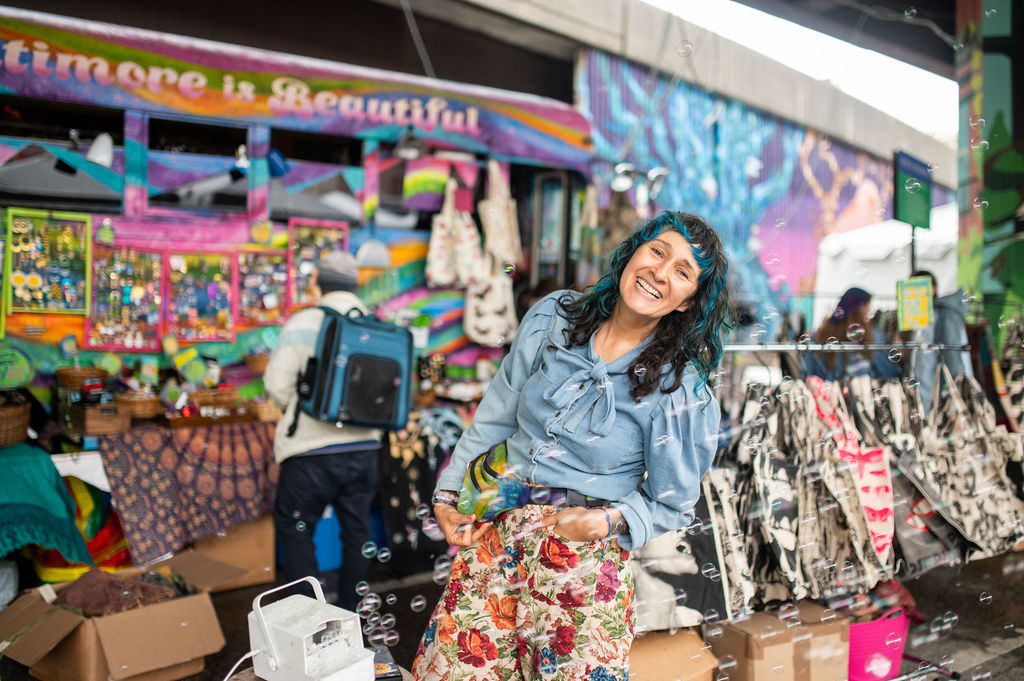
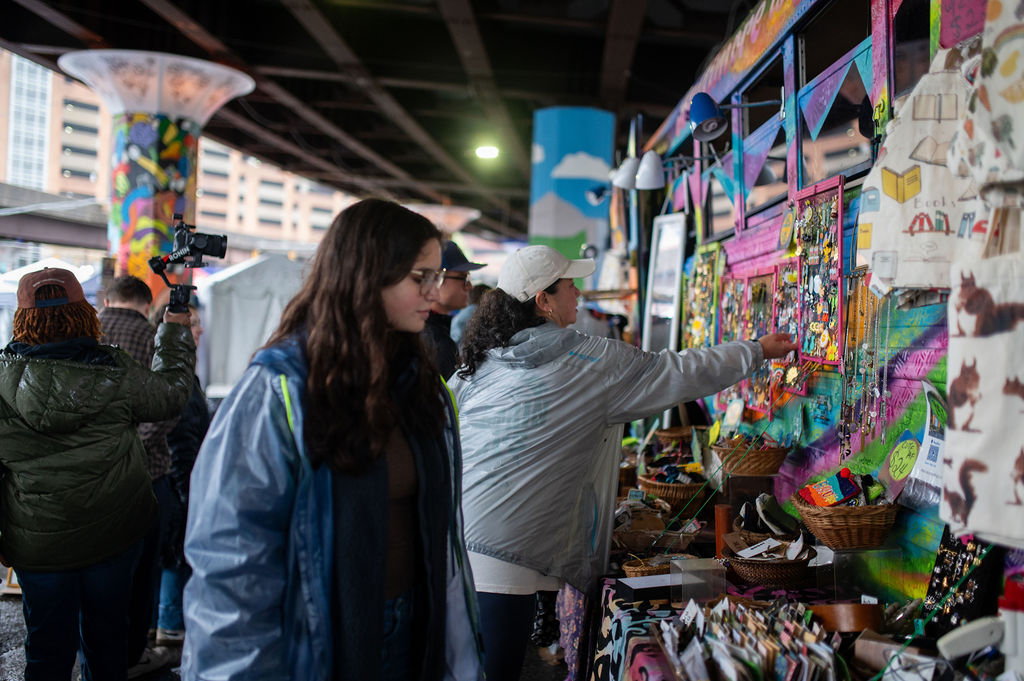
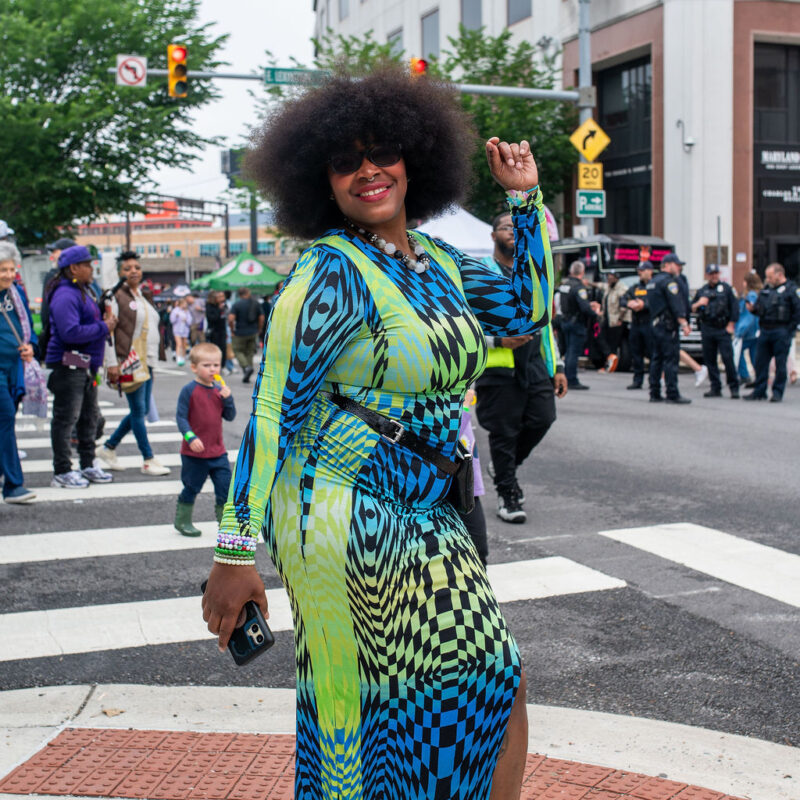
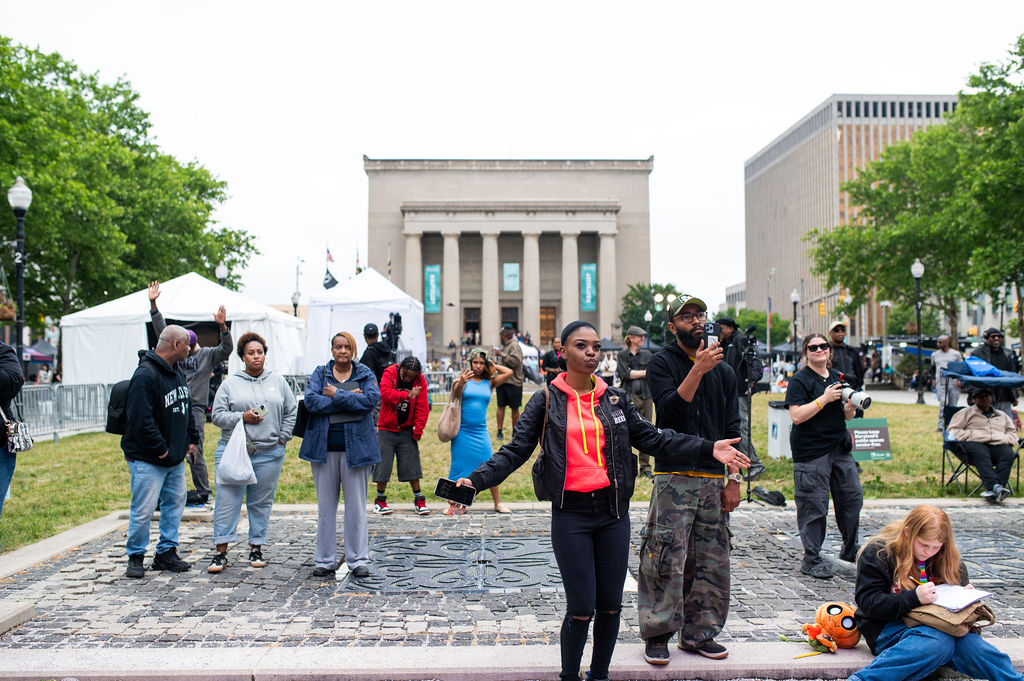
Over Memorial Day weekend, thousands of visitors streamed through downtown Baltimore for Artscape 2026, filling War Memorial Plaza, Guilford Avenue, Gay Street, and surrounding blocks with music, performances, food vendors, exhibitions, and public programming. By most visible measures, the festival was a success. Despite rain and cold weather at times, the crowds were substantial reflecting an ambitious entertainment lineup. The city once again transformed its business district into a temporary cultural destination.
For years, one of Artscape’s defining characteristics was its proximity to working artists. The festival emerged from a neighborhood ecosystem anchored by MICA, artist-run spaces, studios, galleries, and cultural organizations in Station North, Mount Vernon, and Bolton Hill. Art was not simply something presented during the festival—it was embedded in the surrounding landscape.
Downtown offers a different proposition. The infrastructure is larger. The stages are bigger. The civic ambitions are more explicit. The relationship between artists and place feels less organic and more carefully orchestrated.
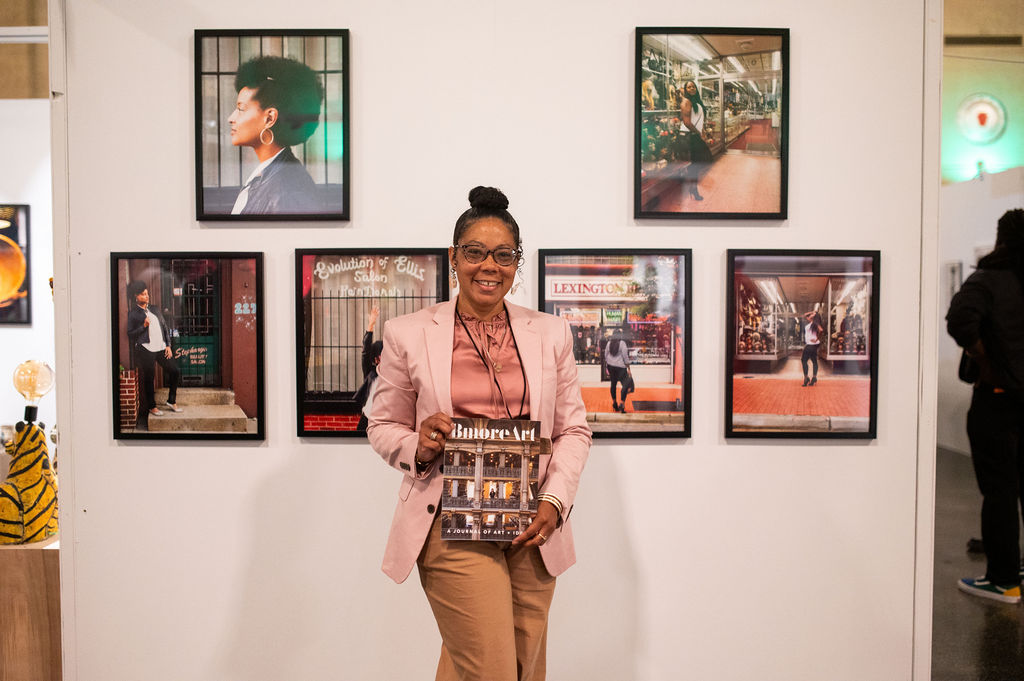
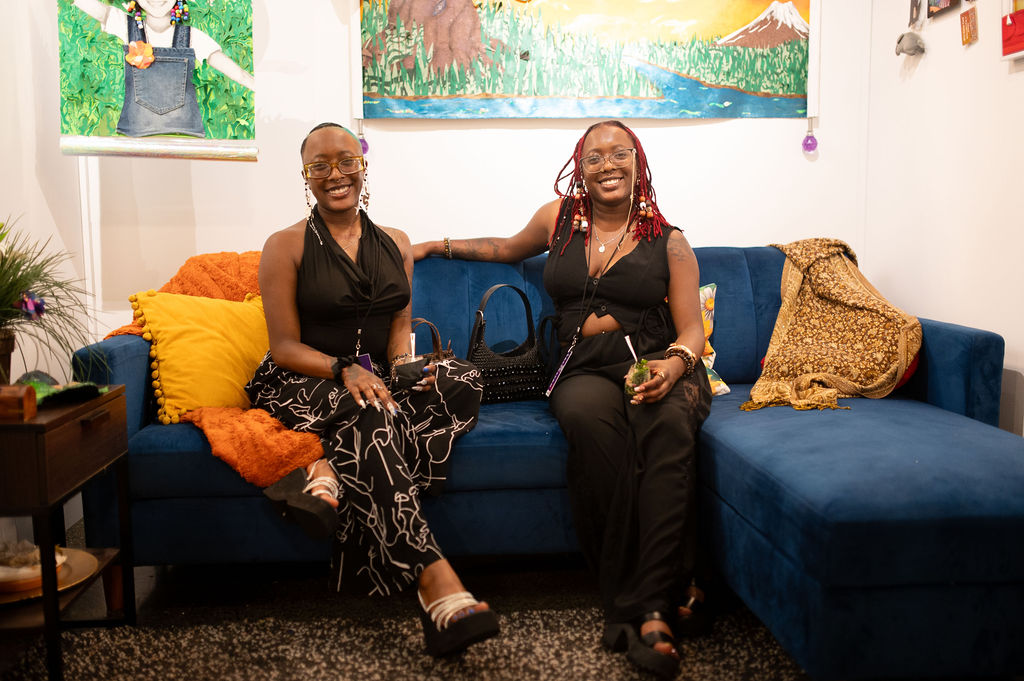
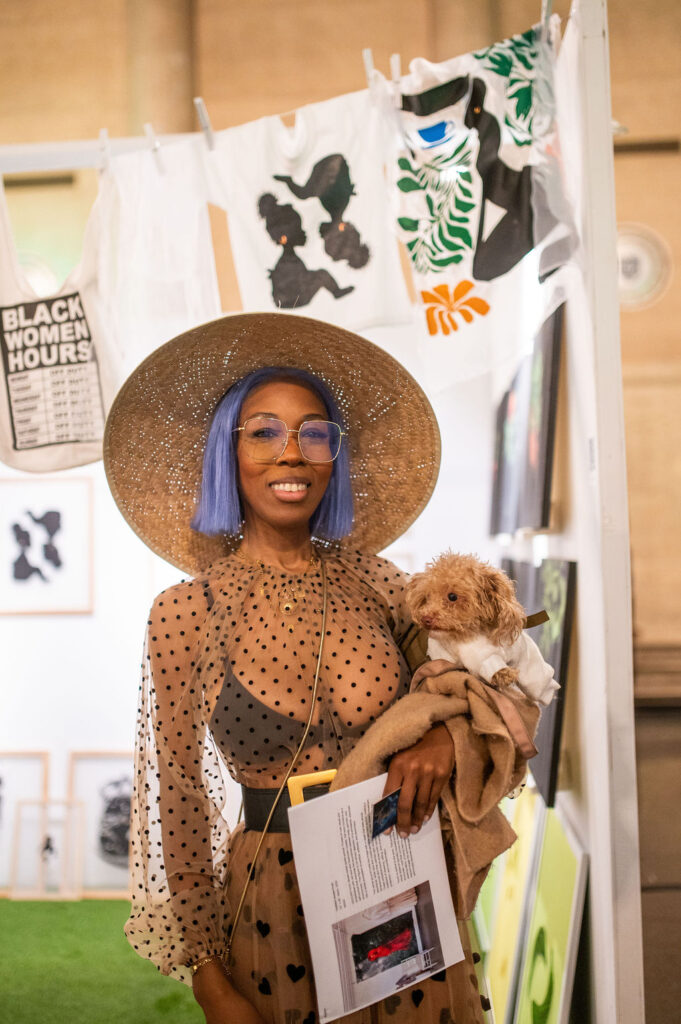
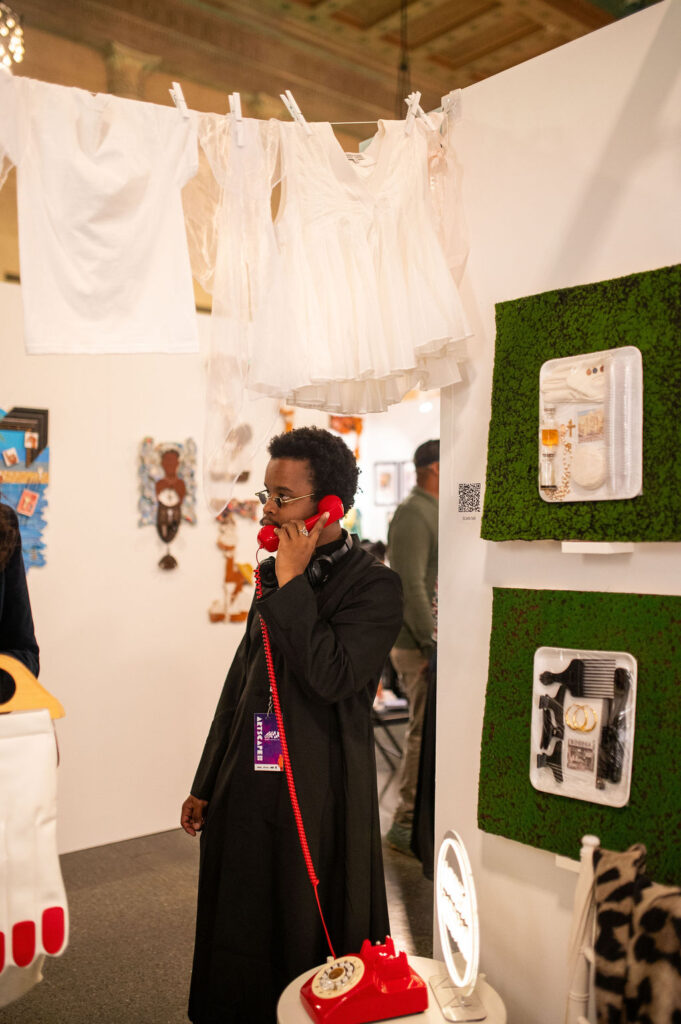
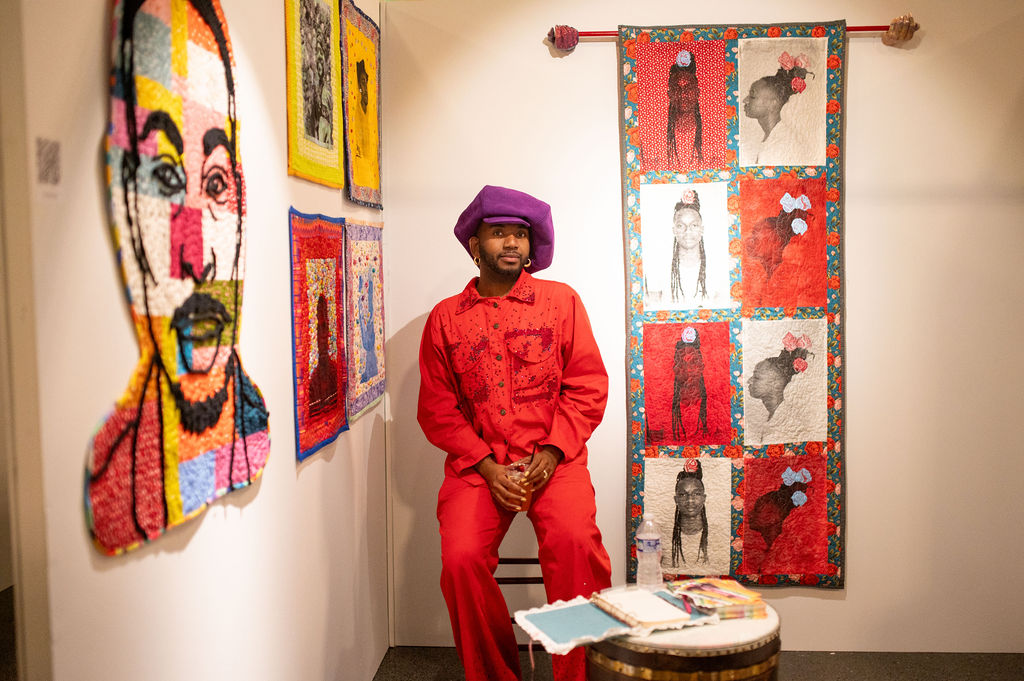
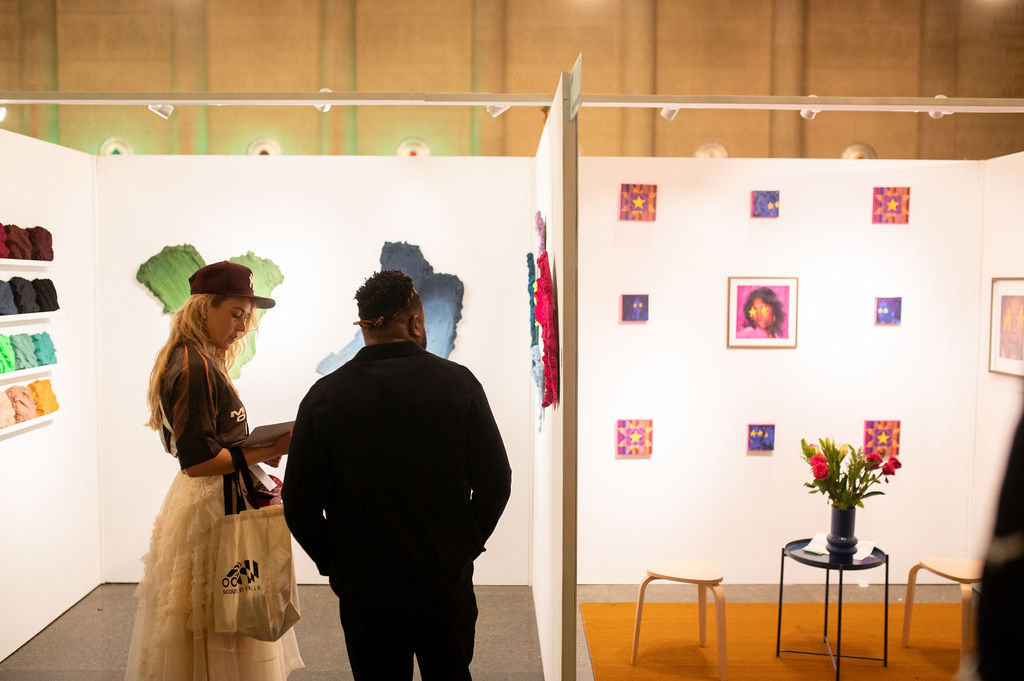
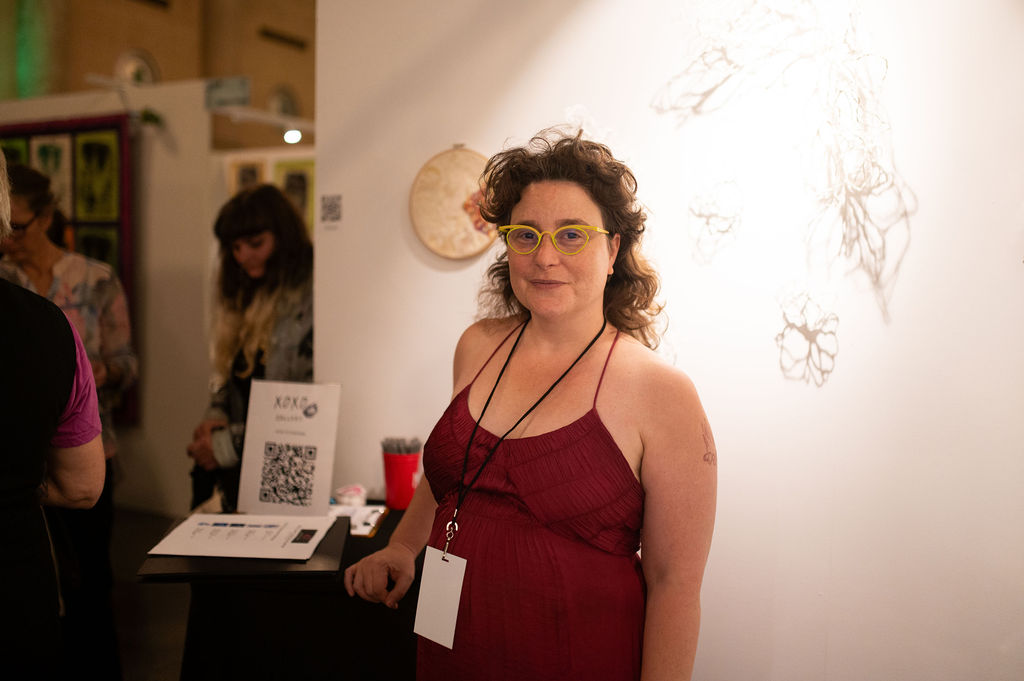
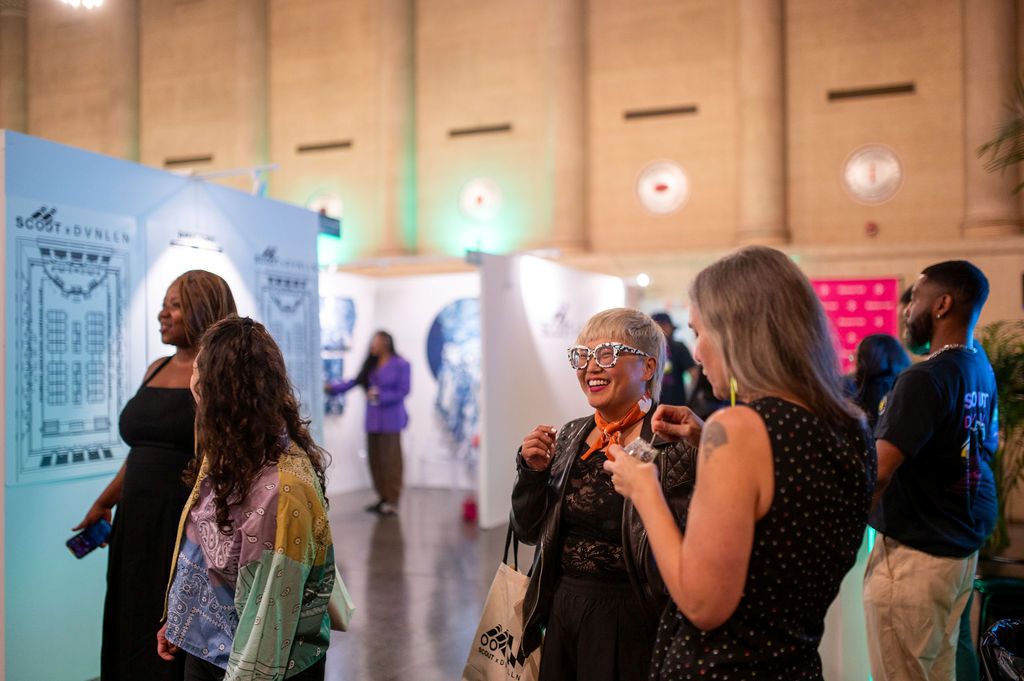
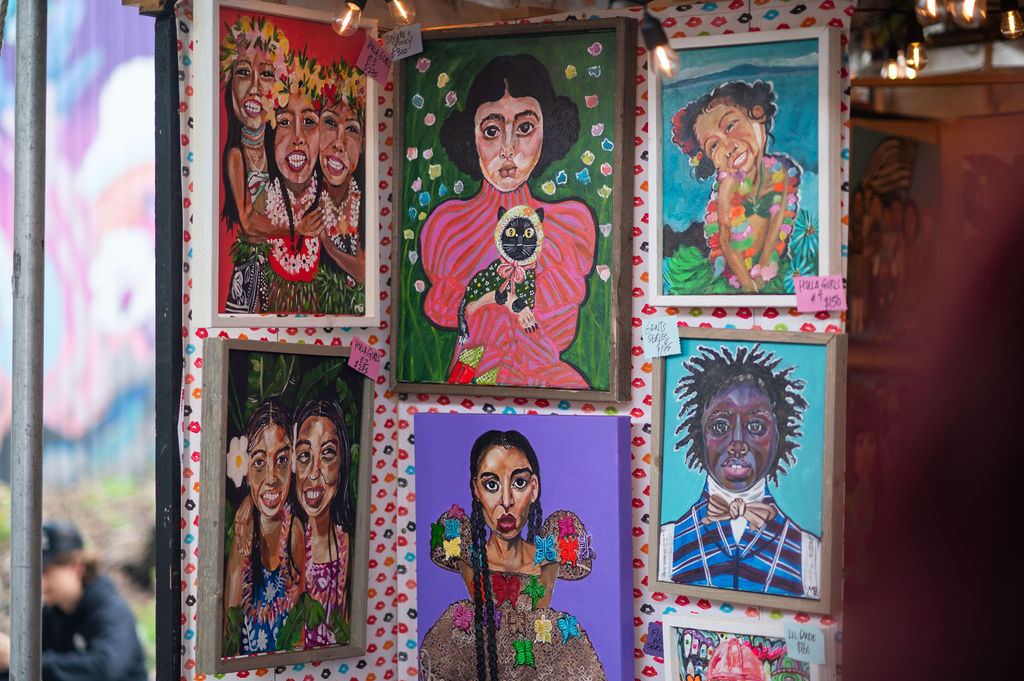
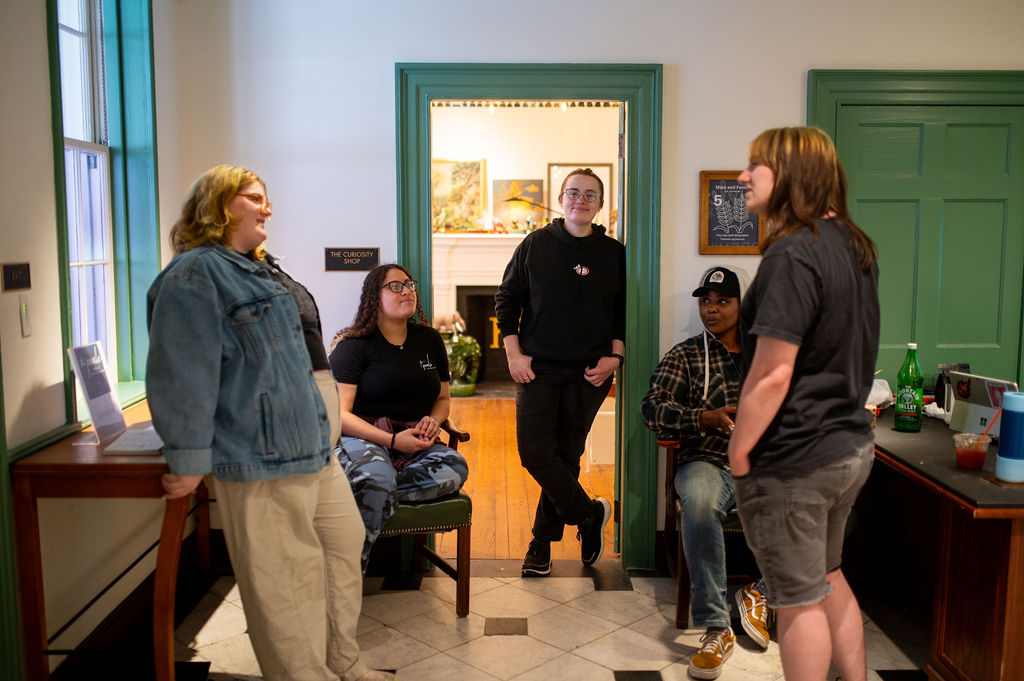
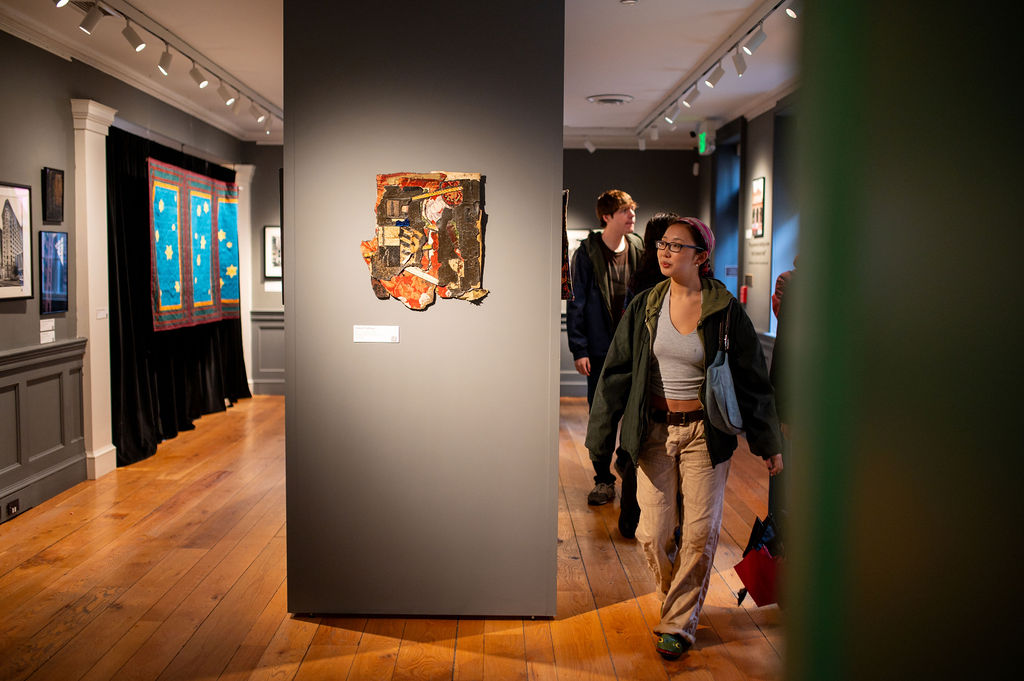
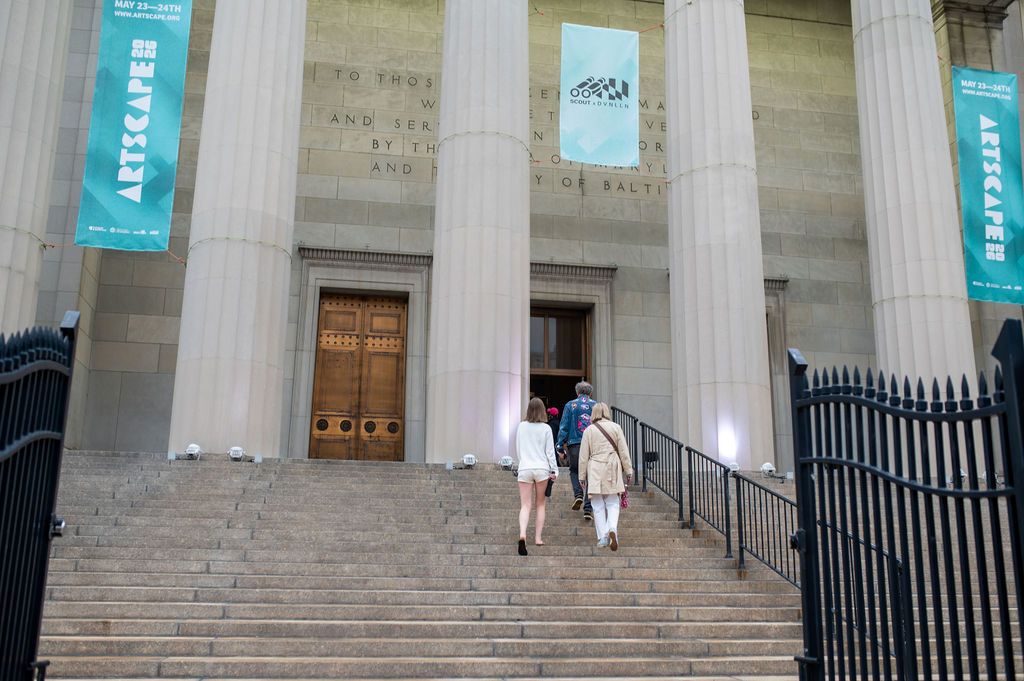
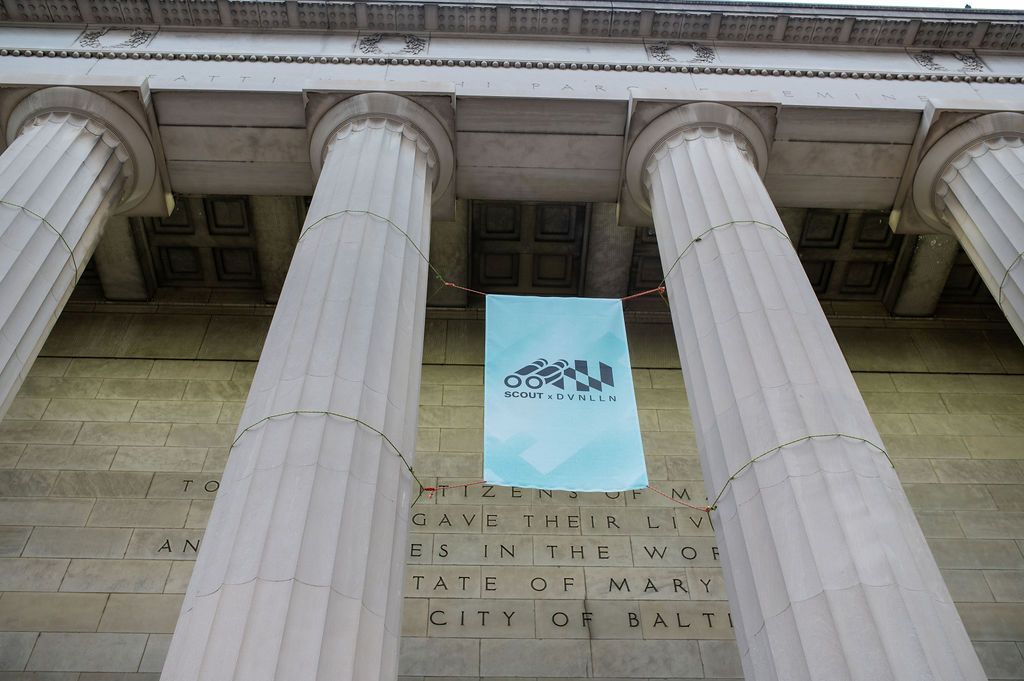
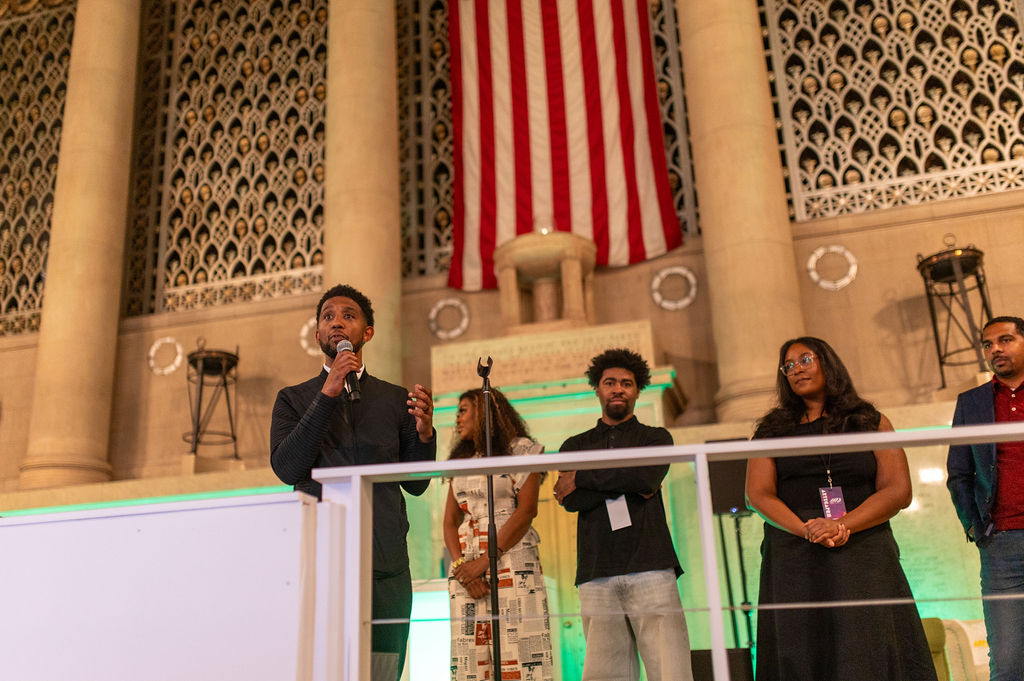
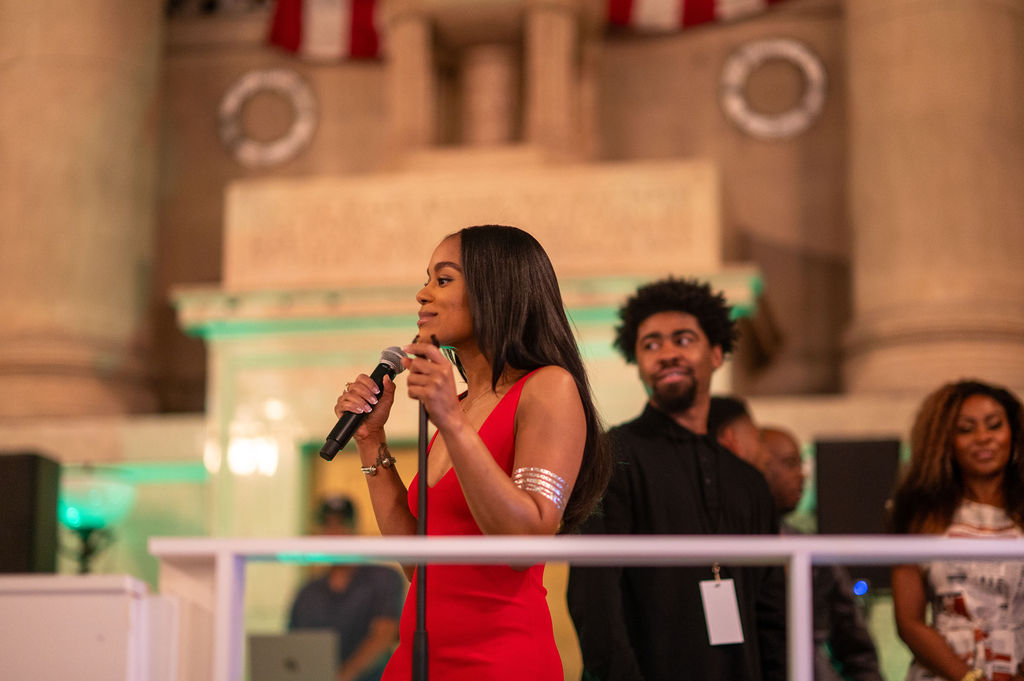
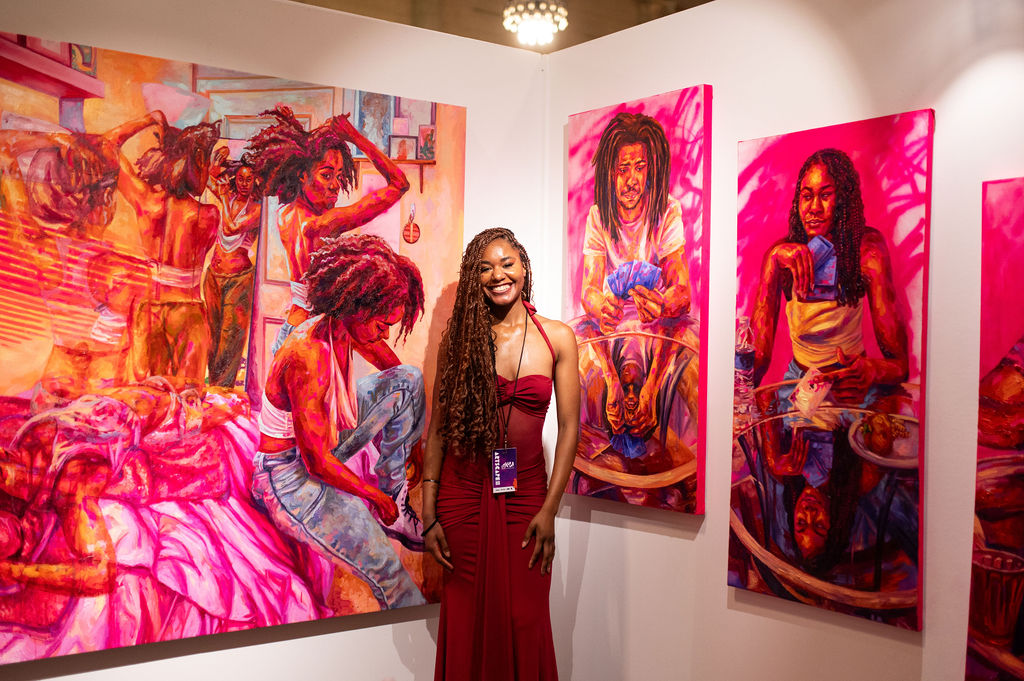
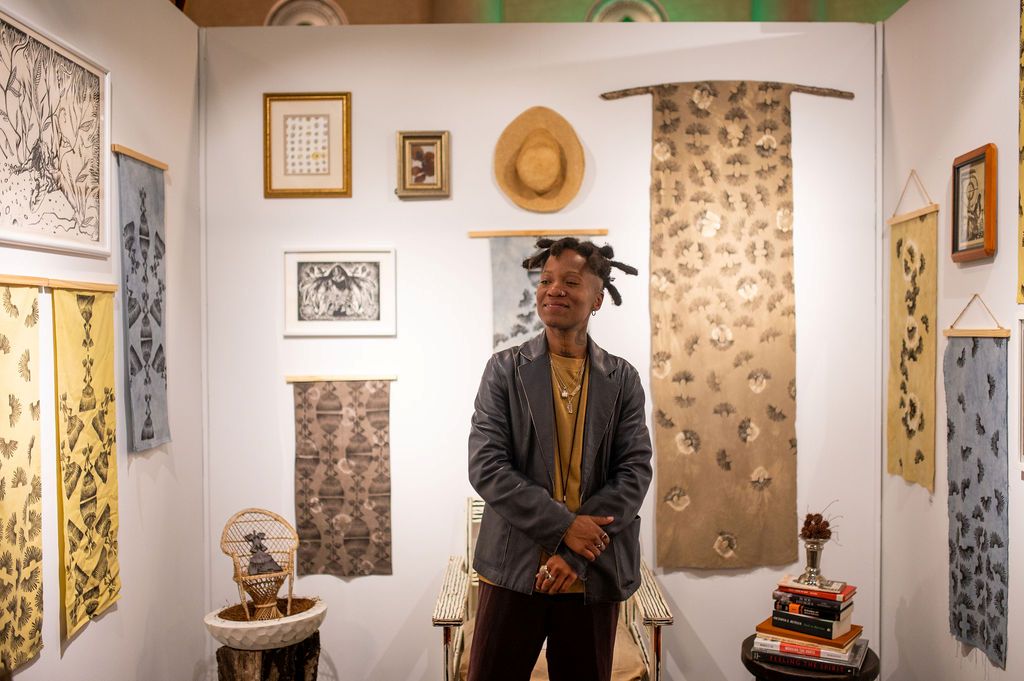
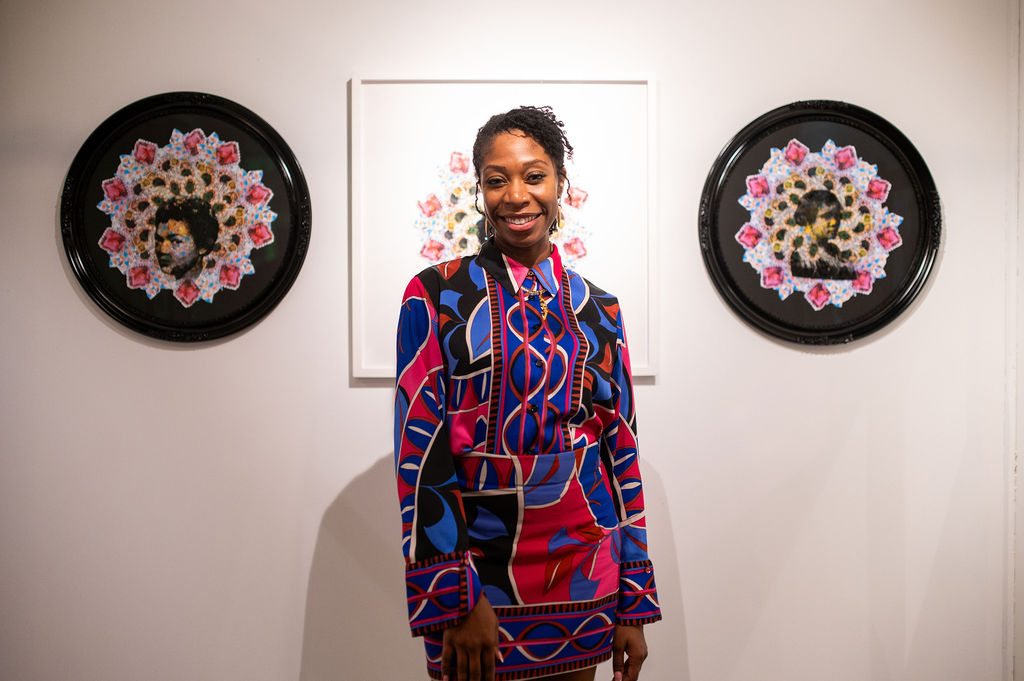
SCOUT Art Fair, curated by Devin Allen and Cierra Britton inside the grand and historic War Memorial Building, emerged as one of the festival’s most compelling destinations. For the second year, the fair, organized by Create Baltimore and MOACE, featured 30+ Baltimore-based artists and galleries in a gorgeous setting. After remarks by Mayor Brandon Scott and organizing partners, Thursday night’s Vernissage, a private collector-focused party co-hosted by BmoreArt, started the weekend off on a high note that culminated in $100,000.00 in sales by its close on Sunday.
Cara OberThe question is not whether Artscape 2026 succeeded. By most conventional metrics, it clearly did. The more important question is what kind of success Baltimore wants Artscape to represent.
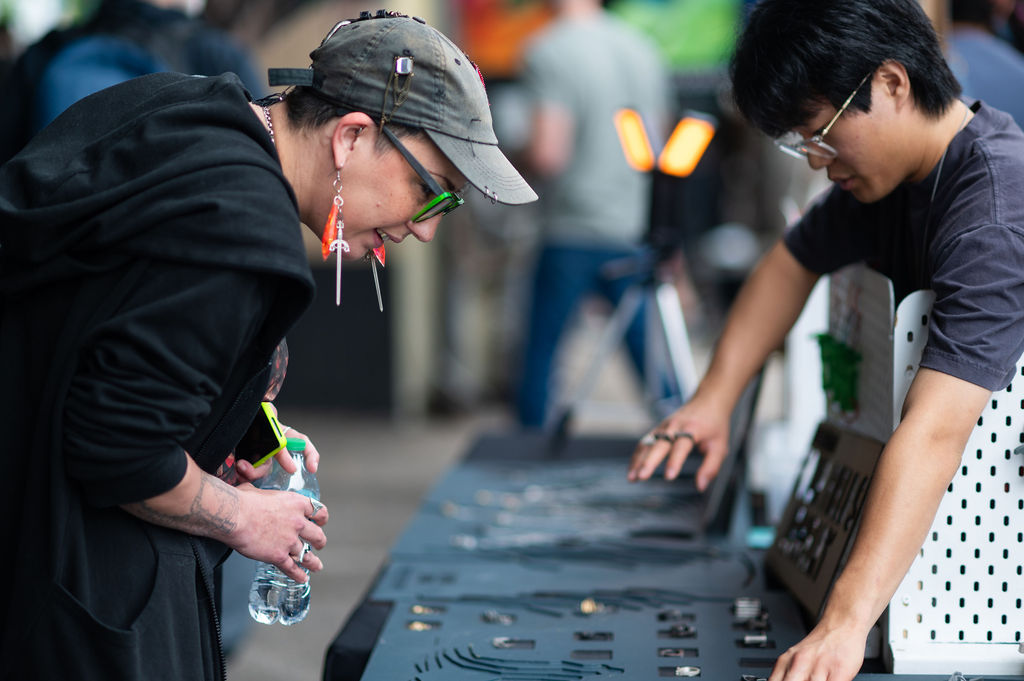
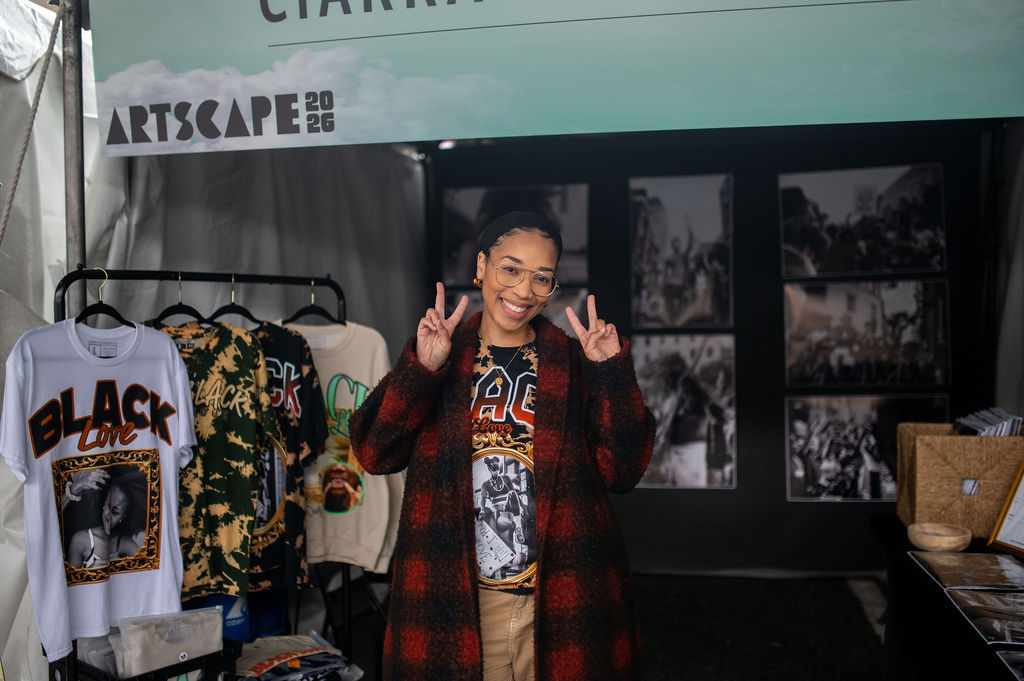
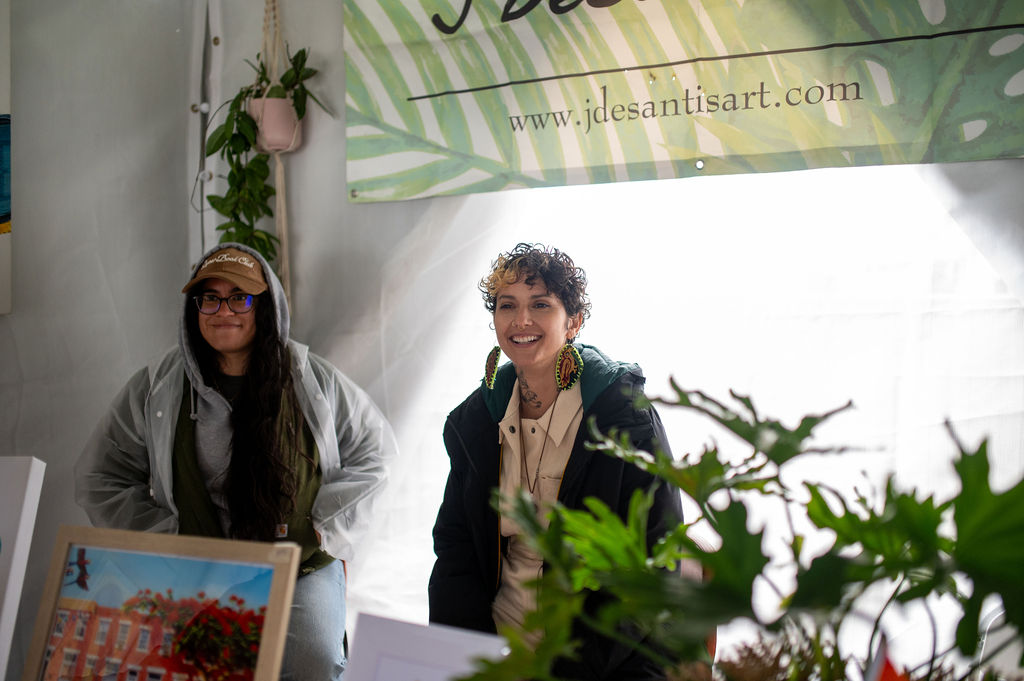
From my vantage point inside the fair at the BmoreArt booth, SCOUT provided ample opportunities for direct engagement between artists, collectors, and the public. At a festival increasingly dominated by large-scale entertainment, it offered something more intimate and substantial: sustained encounters with artists.
Slightly off the festival footprint but still walkable, the Sondheim Art Prize semifinalist exhibition at the Reginald F. Lewis Museum provided another anchor for contemporary art. Together, these exhibitions established a stronger visual-art presence than many recent iterations of Artscape have achieved. Last year’s inclusion of The Peale, adjacent to City Hall, was the one unfortunate exception to this year’s lineup of indoor venues although the museum offered its own exhibits and hosted visitors throughout the weekend.
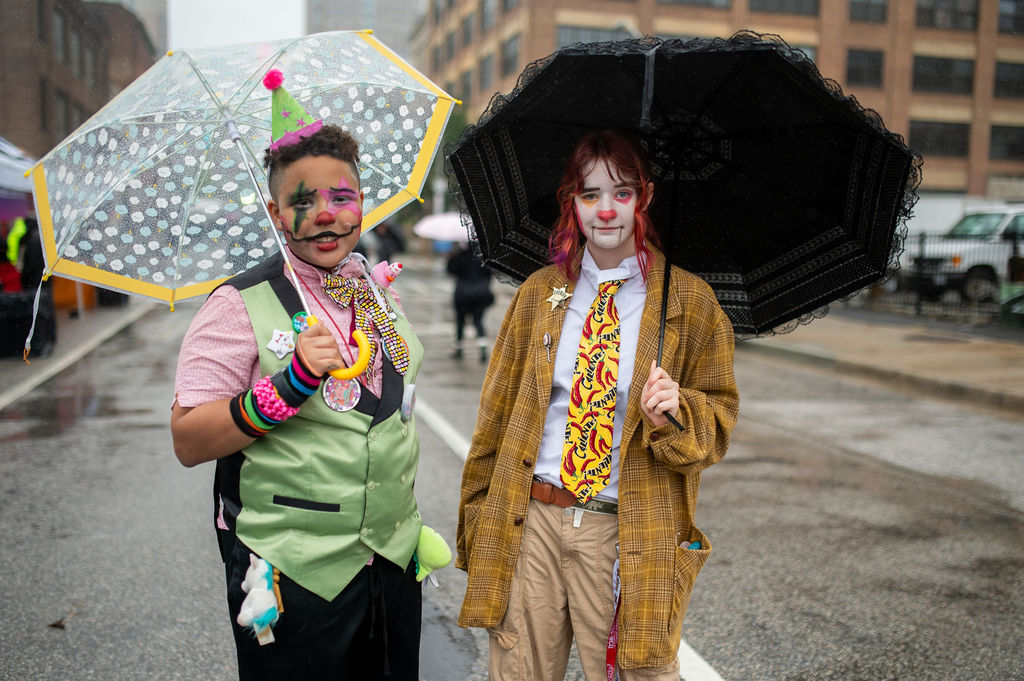
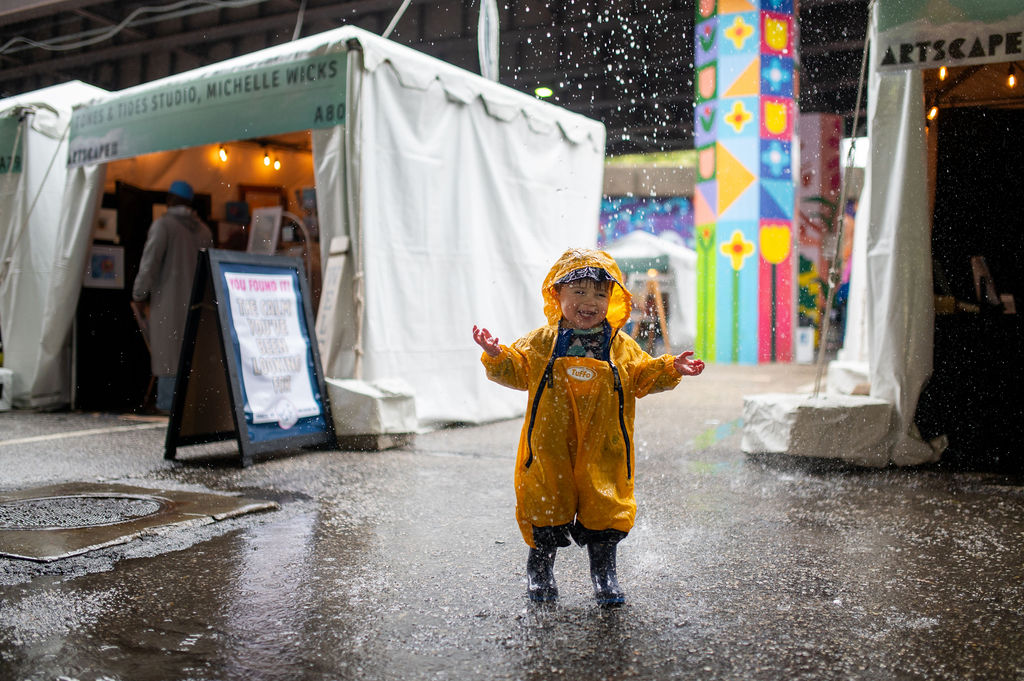
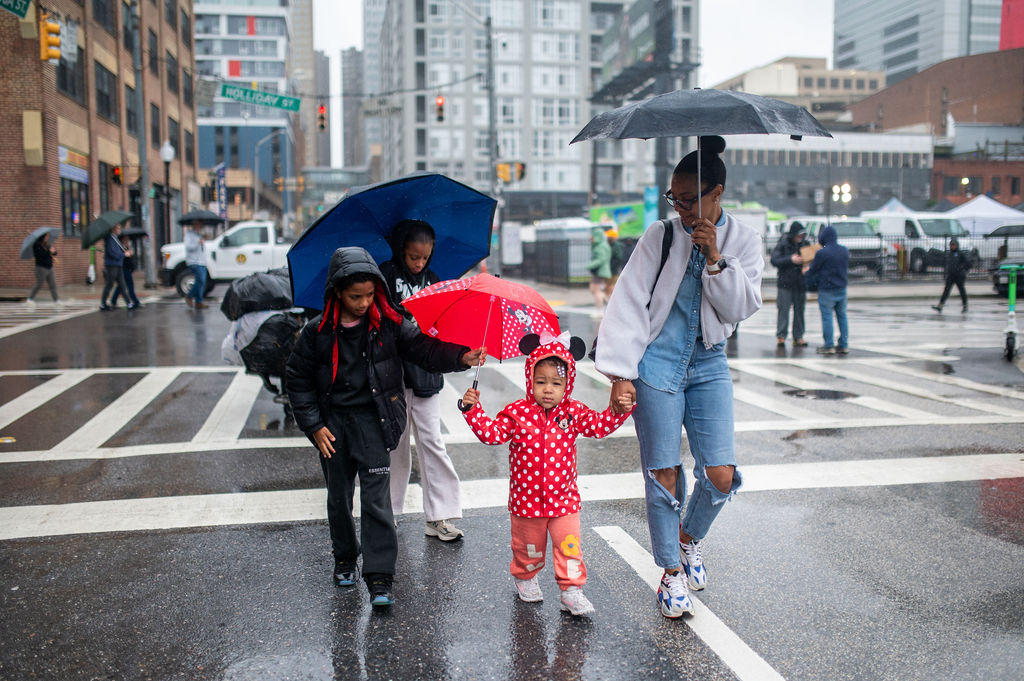
Outdoor events are always beholden to unpredictable weather. Saturday brought steady rain, unseasonably cold temperatures, and the kind of weather that can test even the most established outdoor festivals. The downtown plaza felt noticeably sparse at times, as attendees darted between indoor venues and sought shelter from persistent downpours.
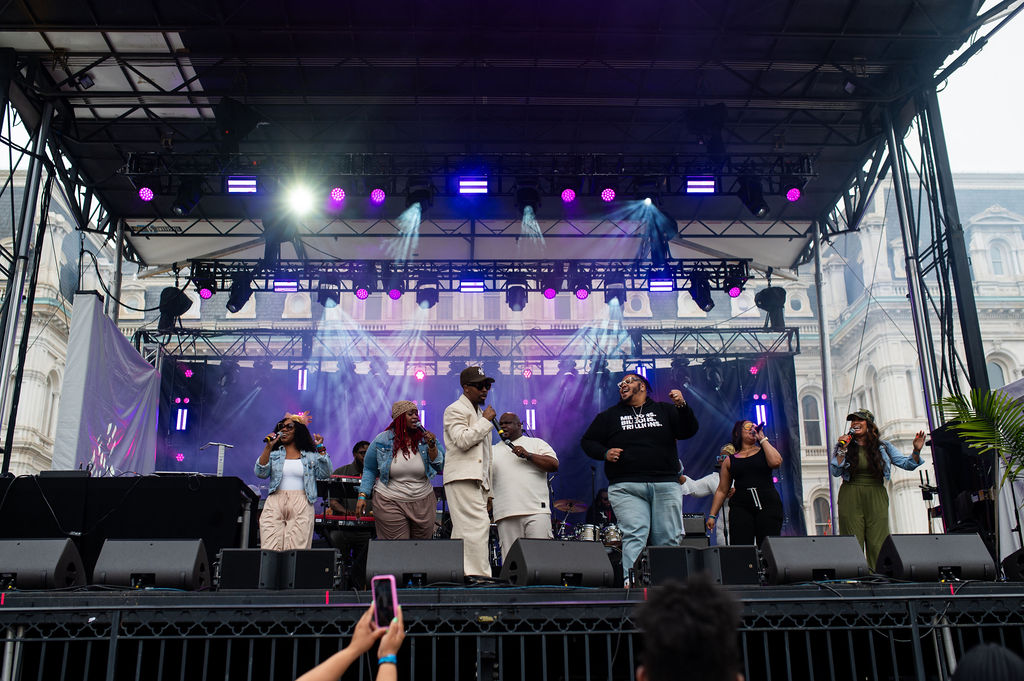
By evening, when The Roots took the main stage, the crowd gathered beneath a sea of umbrellas, rain jackets, and ponchos. The image was striking: one of the country’s most celebrated hip-hop groups performing for a devoted audience willing to endure miserable weather rather than miss the show.
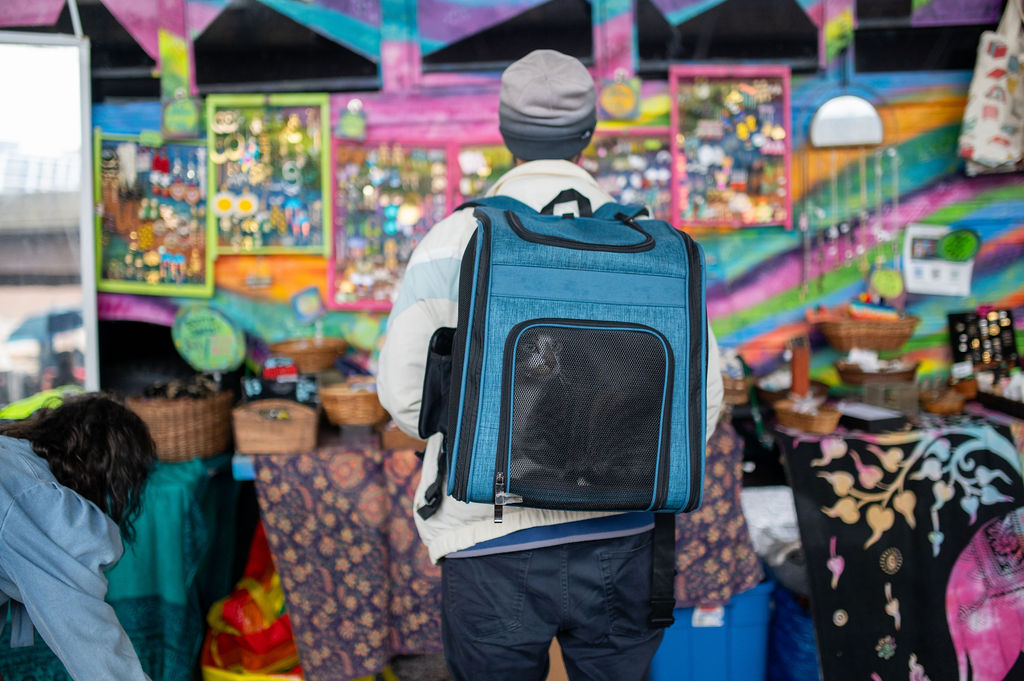
The difference between Saturday’s rain-soaked streets and Sunday’s significantly improved weather was clear. Sunday boasted outdoor crowds downtown, bringing shoppers and visitors necessary to support the food, craft, and art vendors who dedicated their weekends to the festival.
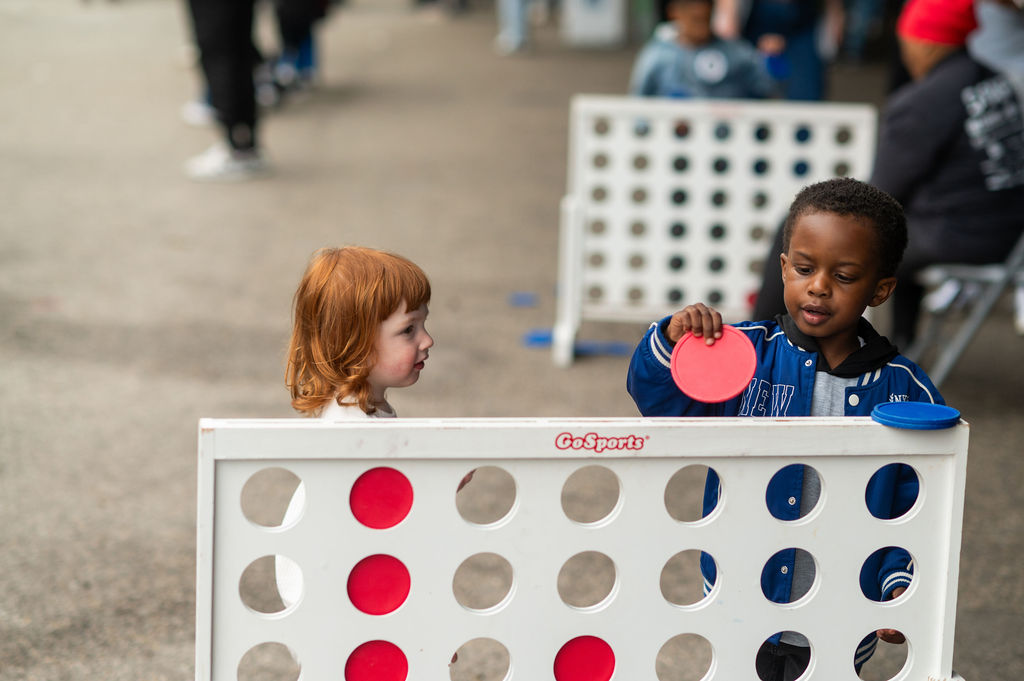
The festival’s largest crowds gathered around music programming, with performances by The Roots, Stephanie Mills, Kindred the Family Soul, and a wide range of local acts drawing audiences throughout the weekend. Music has become Artscape’s primary attraction, and there is nothing inherently problematic about that evolution. But as Artscape expands into a multi-disciplinary cultural event—incorporating film programming, wellness initiatives, culinary demonstrations, family activities, civic conversations, and major concert performances—the visual arts increasingly compete for attention within an ever-growing menu of experiences.
The city’s leadership has embraced this broader approach. Artscape now sits at the center of Baltimore’s efforts to reimagine downtown as a destination for residents and visitors alike. Festival organizers frequently point to economic impact, tourism, and creative placemaking as measures of success. Those goals are understandable. Cities need thriving public spaces. Restaurants, hotels, and businesses undoubtedly benefited from the influx of visitors.
But the emphasis on economic development also complicates Artscape’s identity. When an arts festival becomes a tool for urban revitalization, artists can find themselves serving as evidence of cultural vitality rather than as the primary beneficiaries of it.
The question is not whether Artscape 2026 succeeded. By most conventional metrics, it clearly did. The more important question is what kind of success Baltimore wants Artscape to represent.
If the festival’s future lies downtown, its long-term value may depend on how deeply it invests in artists—not simply as exhibitors, performers, or attractions, but as essential participants in shaping the city’s cultural identity. Large crowds and national headliners can generate excitement, and economic impact studies can generate political support, but artists generate the culture that makes these gatherings meaningful in the first place.
Artscape 2026 suggests that the festival is no longer trying to recreate its Mount Royal / Station North past. A new version has emerged, one that is more polished, more centralized, and more closely aligned with the city’s broader ambitions for downtown.
Whether that evolution ultimately strengthens Baltimore’s artistic ecosystem—or simply creates a larger stage around it—remains an open question.
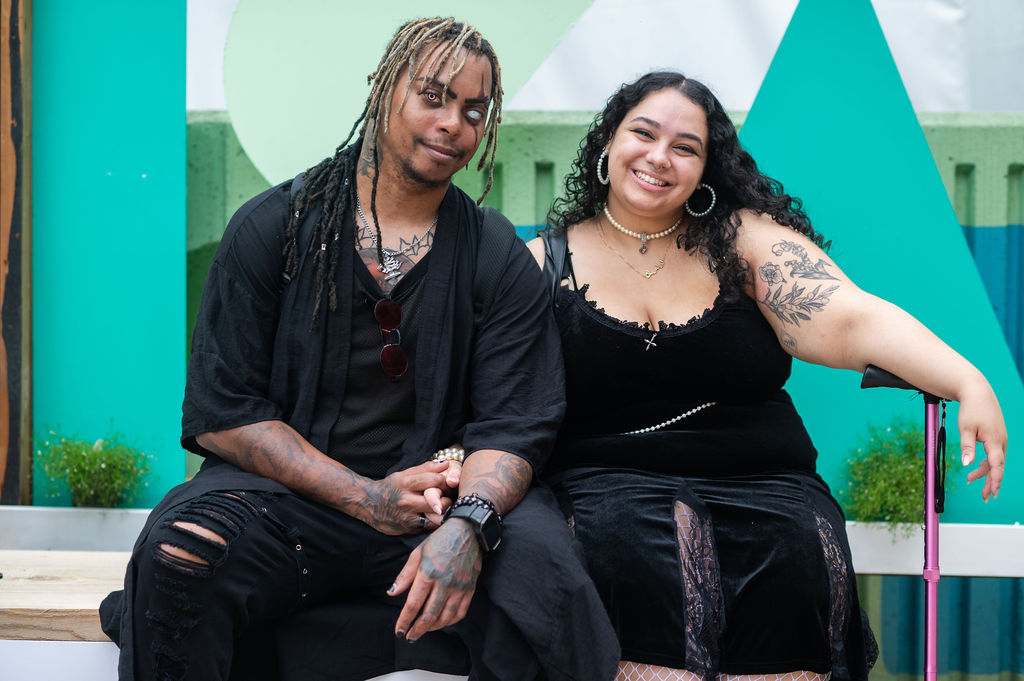
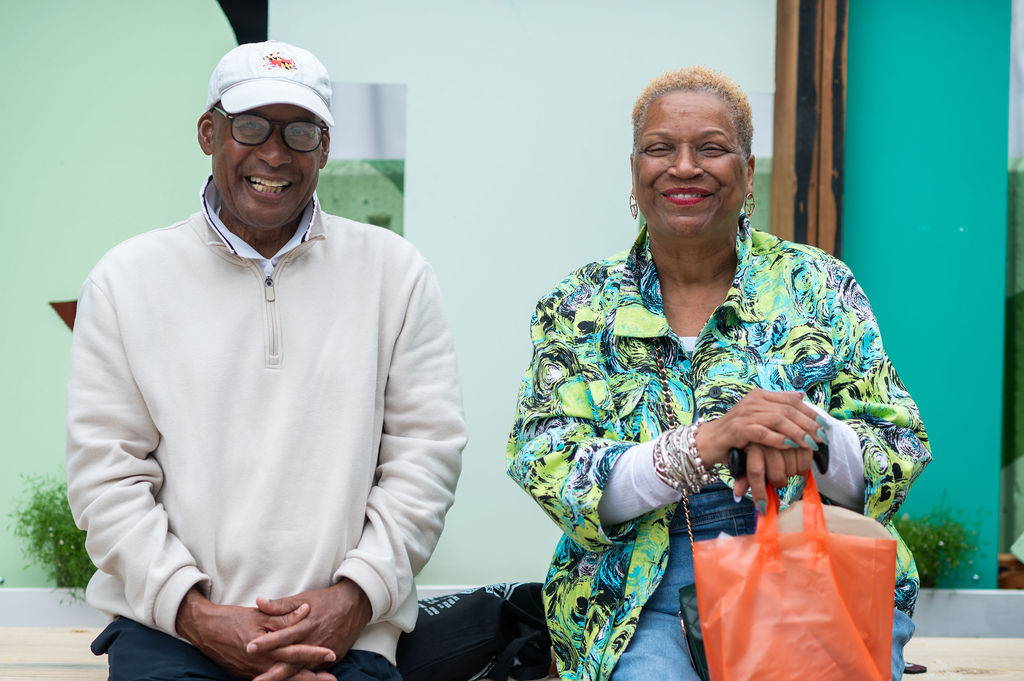
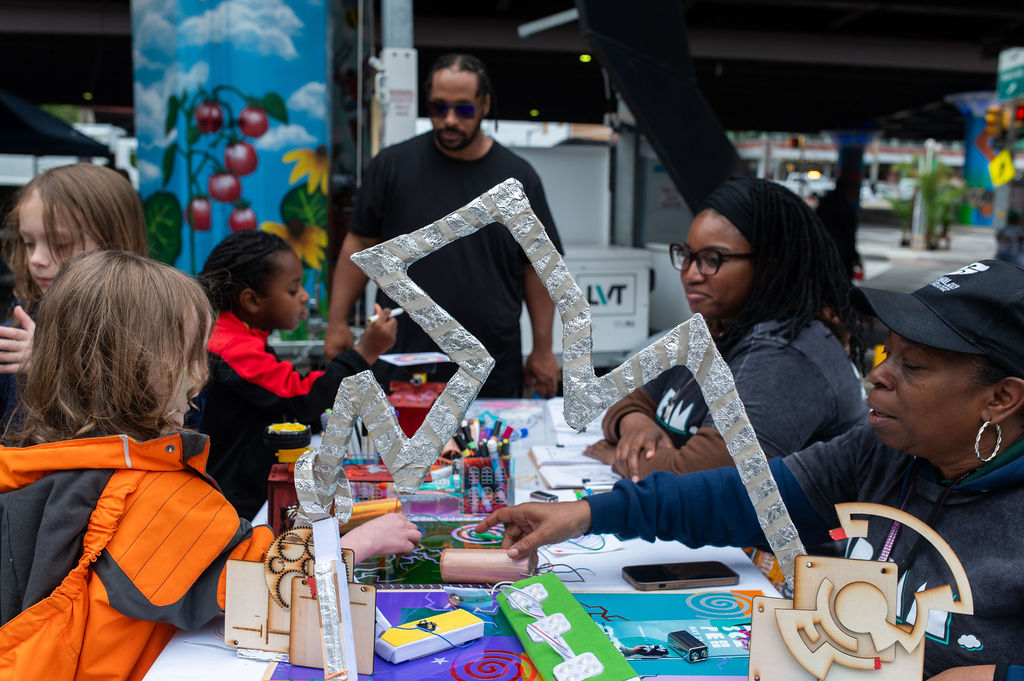
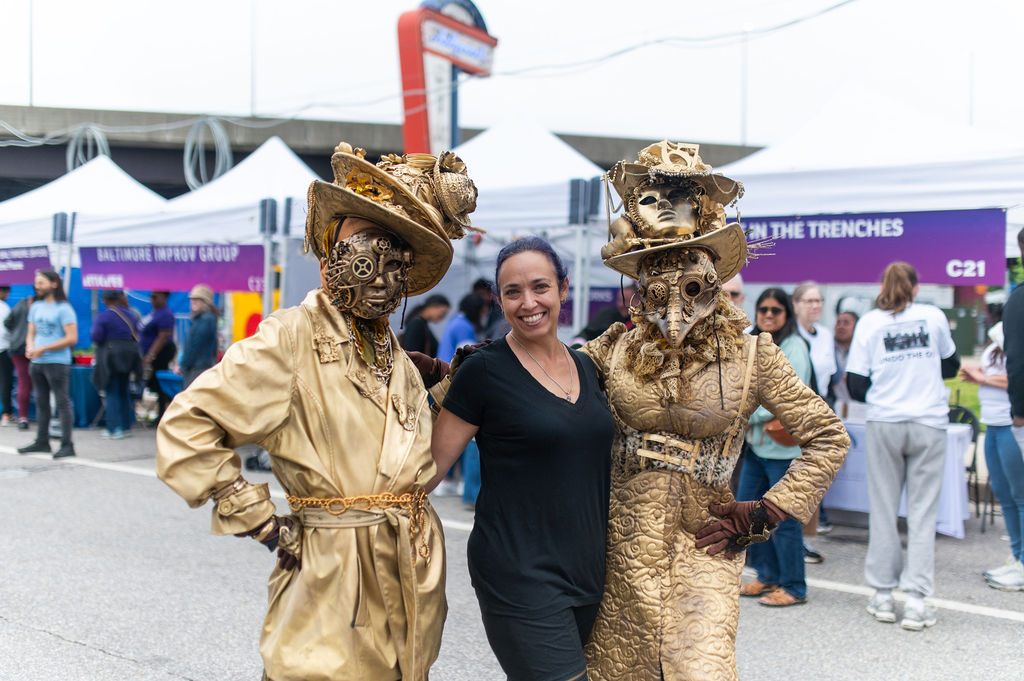
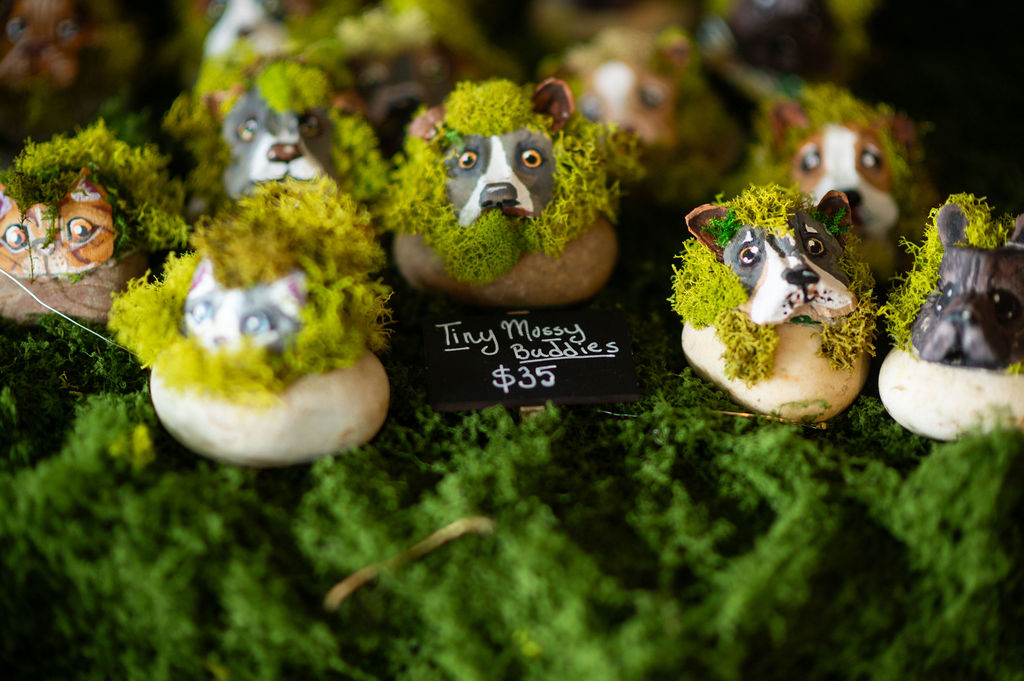
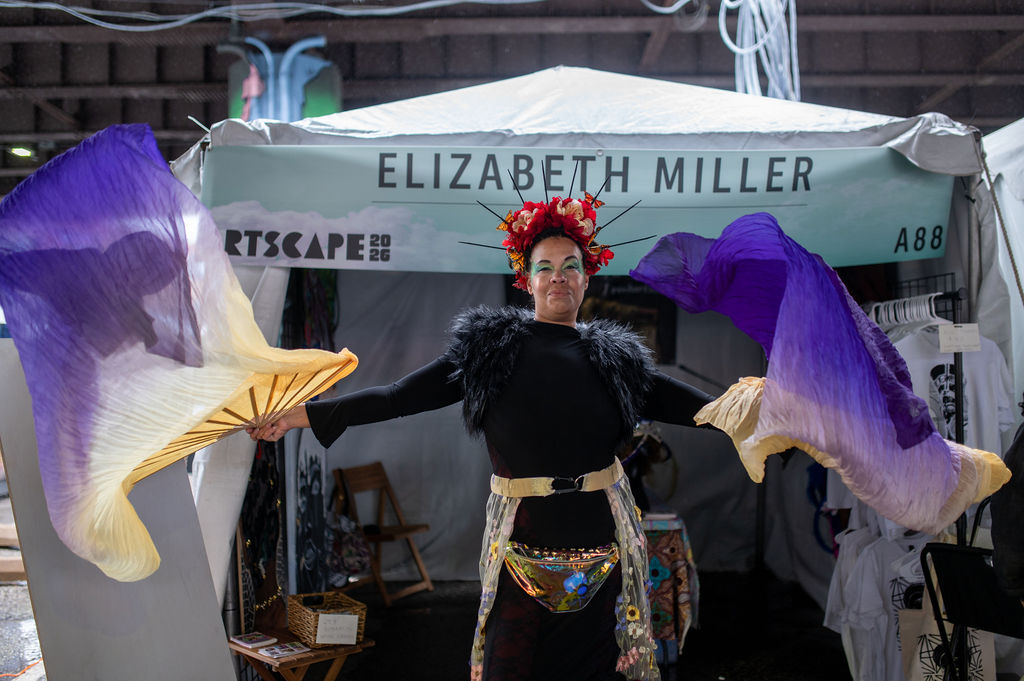
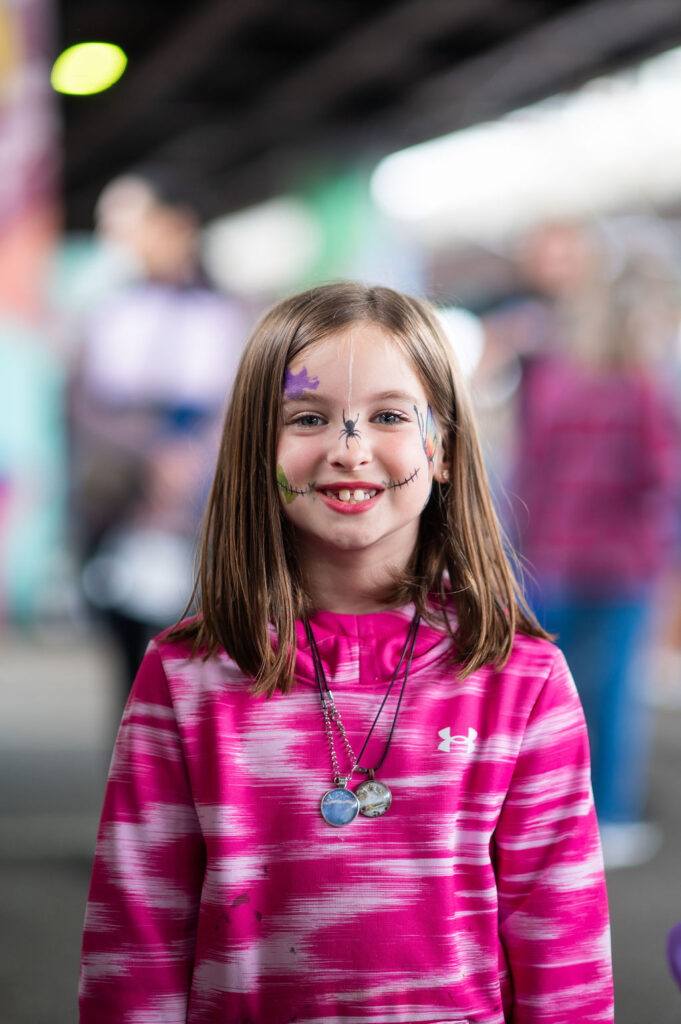
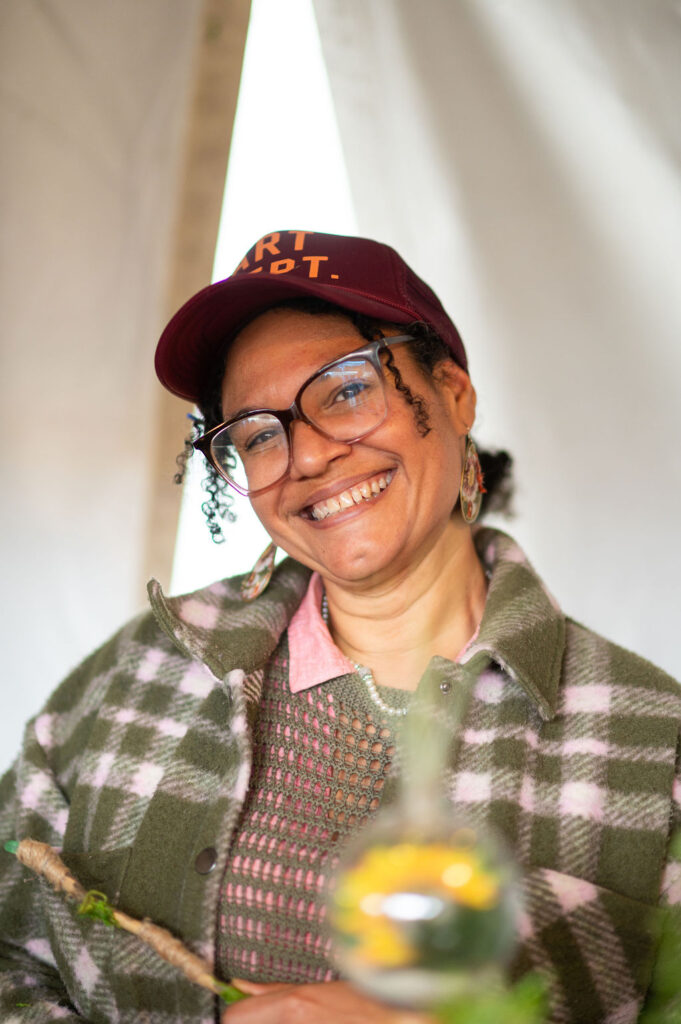
The following photos from SCOUT Art Fair and Artscape were captured by Mollye Miller.