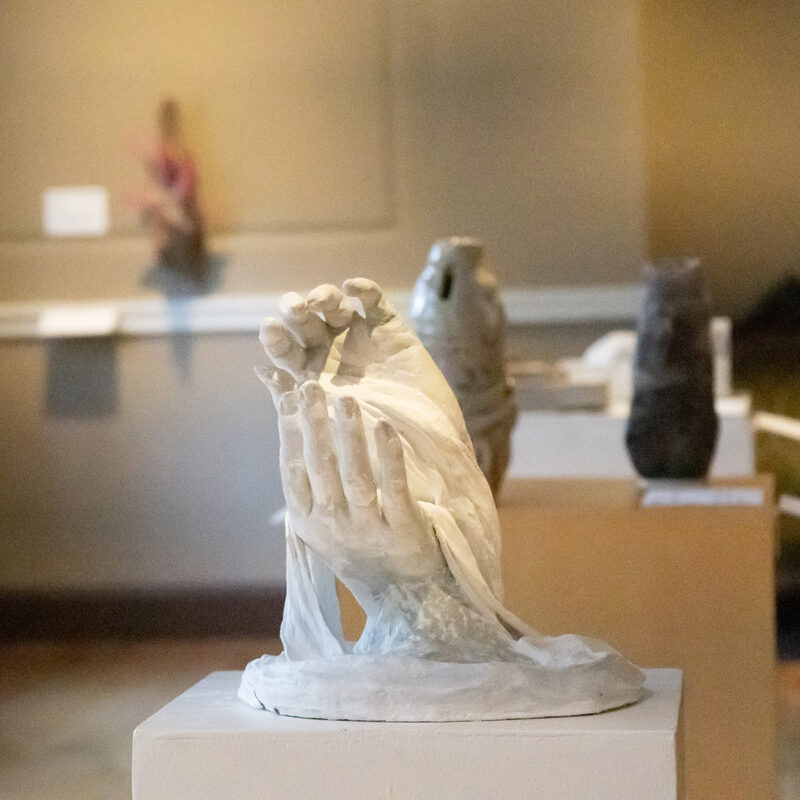
Positioned prominently in one of the Peale Museum’s second floor galleries are a pair of hand-carved stone gloves. Resting on a pedestal in the center of the room, these two small sculptures lie at the heart of the institution’s latest exhibition, The Active Power of Touch. Created by Baltimore-based artist Sebastian Martorana, these pieces are called “Glove: Thermal” (2015) and “Glove: Leather” (2015) respectively, and are naturalistic depictions of these two distinctive types of hand coverings. “Thermal” has been carved from Carrara marble, with a texture like that of a glistening surface of glass. Meticulously made, it appears full and structured, alluding to the anatomy of a winter glove’s warm layering. Conversely, “Leather,” made of coarse Indiana limestone, slumps and wrinkles. Compressed by Martorana’s working of the stone, it imitates the effects of gravity.
When experienced together, these works offer audiences an exceptional look at the distinction to be found between Indiana limestone and Carrara marble. Both stones share an intriguing relationship: while both hail from renowned quarries and are utilized in the construction of a host of famous monuments and museums, they have markedly different properties. Sculpted out of limestone, “Leather” is porous, with its rough surface immediately recognizable to the hand and eye, while the marble used to create “Thermal” is inviting and soft to the touch. With the eyes closed, and the hands left to be the guiding force in interpreting this pair of sculptures, two differing mental images arise. The first is an easily understandable depiction of a working hand, one which brings to mind the efforts put forth by Martorana himself. The second, with its sleek marble surface, sees one envision a hand with fingers which seep together, offering an abstract view of a lifelike work.
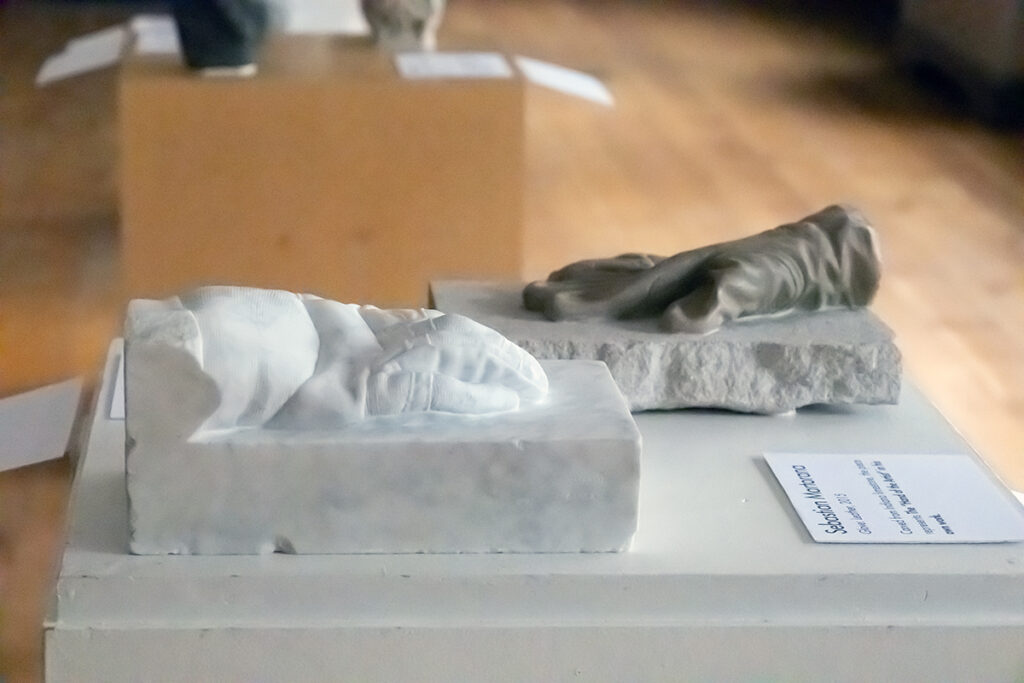
Grounding visitors in their focus upon the tangible, these pieces make for a powerful entry into the wider exhibition. While different, both stones are evocative of the monuments and architectural wonders they are so often used to create. To touch the materials which make these two hands, and feel their imperfections, is to resist the AI slop increasingly tainting life. It is to be reminded of humanity. Now, at the Peale, the oldest purpose-built museum in America, such is further centered as, accessibility and beauty are joined hand-in-hand within The Active Power of Touch.
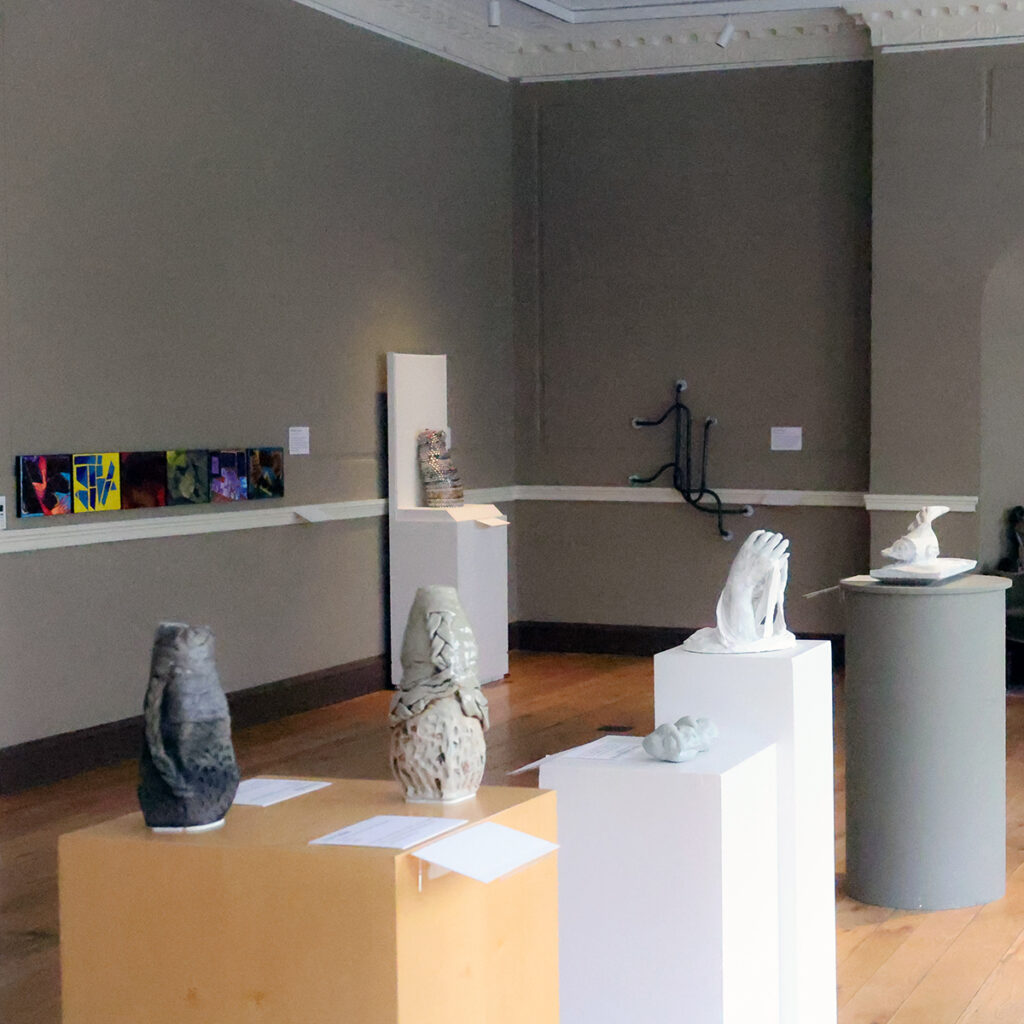
The tactile show encourages audiences to interact with the art displayed in a more direct manner, and thus experience a deeper immersion in each piece’s individual charm. While given a rather on-the-nose title, the exhibition offers a surprisingly nuanced look at an oft-overdone premise. The separation of art from its visual elements typically makes for a quick win for unimaginative curators, as I have witnessed, being a blind art critic who is often invited to such facile displays. Where The Peale’s endeavor stands out, however, is in the fact that it does not seek to diminish the inherently visual nature of certain works, but instead emphasizes non-visual aspects otherwise neglected. While the curator, Dr. Cheryl Fogle-Hatch, happens to be blind, the result of this sensory integration is not art simply by the blind, nor art simply for the blind, but art for all.
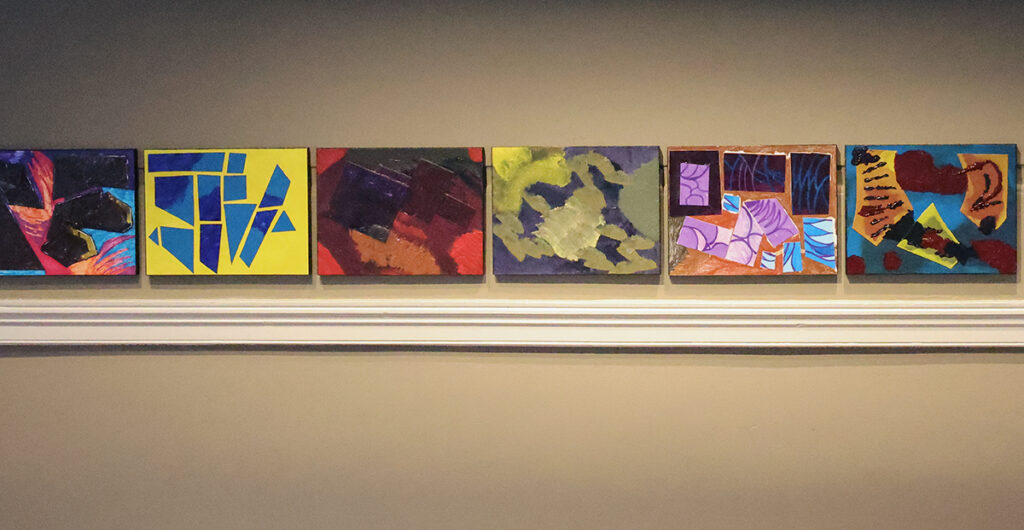
In opening up pieces to the touch of the audiences who take them in, this exhibition not only dismantles the formal arrangements which underlie museums and their practices—promoting an inviting and inclusive atmosphere in the process—but also adds a new dimension to the emotional vocabulary of visually impaired and sighted viewers alike. The enthralling nature of The Active Power of Touch does not arise out of the cheap trick of an inversion of expectations, but in truly getting to experience art in new ways. This becomes most evident when taking in Malcom Slade’s Shapescapes series (2025).
Approached in a purely visual manner, these are six abstract works, created with varying amounts of attentiveness, that ultimately lack a strong compositional awareness or correlation. Yet to the hand these collages—though their movement is opaque to the eye—come alive. A flow is delineated by the rough fusion of layers of paint and mixing of paper, and order is established by manner of feeling. Identifiable polygons give way to intriguing negative space, all with differing, captivating textures.
Various degrees of representational art are then seen in Earl Elliott’s “Fish” (undated) and Sarah McCann’s Inner Landscape series (2026). Both artists employ sculptural techniques that make use of found objects, including salvaged architectural elements from Baltimore itself.
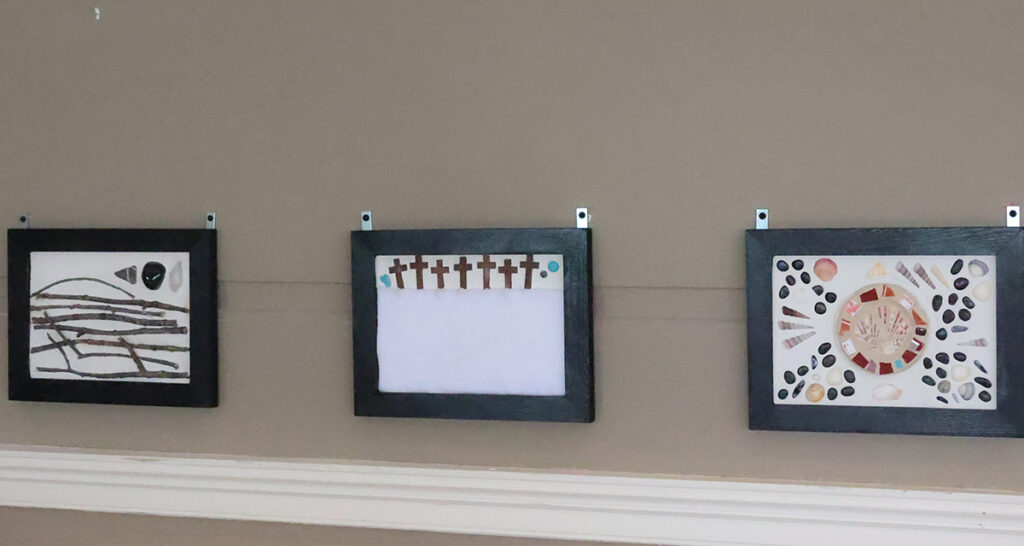
Elliott presents a fish made of repurposed marble from Loudon Park Cemetery. Depicted in the act of swimming, with its tail heavily accentuated and scales legible to the fingertips, the smooth and cool feeling of the stone transports one to wintry streams and star-speckled, early morning fishing trips. McCann’s tactile renditions of landscape paintings are similarly immersive, using twigs, gemstones, and shells to offer viewers a glimpse of New Mexico. Running one’s hand over the small crosses inlaid in one of these panels replicates the experience of seeing descansos, roadside memorials, flicker past the window. In the manner of a good short story, these smaller pieces sustain just enough beauty to inspire the mind to create the rest, with knowledge of the stream derived from the fish and knowledge of the land derived from its woods.
Such works highlight another important implication of the show: art’s enrichment stems not merely from gazing upon its visual elements, but contemplating its entire existence. Many moments will see envisioning a given piece or its qualities to be more impactful than simply viewing it, and as emotions are often all the more powerful in the free expanse of memory, so too is art when conjured and experienced within the personal chambers of the mind. Dr. Fogle-Hatch’s exhibition encourages audiences to allow themselves to be immersed in the works—to think about them in a variety of contexts, inviting an attentive and active engagement with their beauty typically only reserved for recollection.
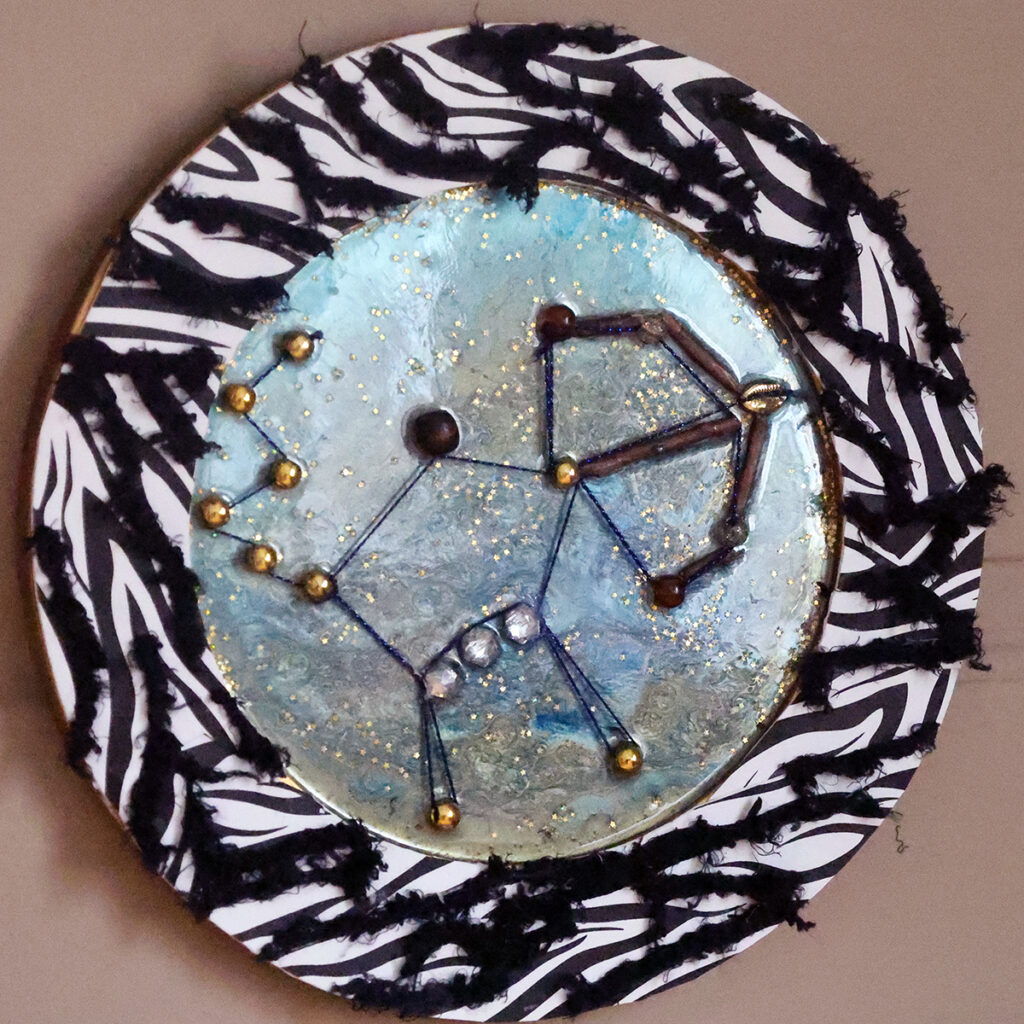
Further emphasis of this is found in Amaka Korie’s introspective work “Orion’s Mirror.” Made from a mirror covered in resin, its frame is outlined in swaths of felt. When touched it works to envelope one into the center of the piece, where an abstract portrayal of its namesake constellation is rendered out of thread and beads. With eyes closed, it is completely evocative of the image it attempts to recreate. Thrilling to perceive, and personal yet universal in how it is brought to the attention of viewers, to feel it is to experience one of the emotional pinnacles of the exhibition.
Ultimately, The Active Power of Touch at The Peale works to reveal what a showing of art can truly be—unconfined, a dynamic exploration, not simply aesthetically stimulating, but physically engaging. In a world which sees artificial intelligence increasingly encroach upon true, organic creativity, its invitation to let the full use of the senses flourish makes for a magnificent rejoice in humanity. So too does it work to enliven the idea of a tactile exhibition, focusing not only upon what beauty for the blind can look like, but offering valuable insights on the nature of quality, materiality, and other topics relevant to wider discussions on art in general. It presents inclusivity not as a particular approach for a special circumstance, but as something that can, and in many instances should be, commonplace. Likewise, it cements the tactile as not an opposing force to the visual, but as yet another component through which the enthralling poetry of life is experienced.
The Active Power of Touch, curated by Cheryl Fogle-Hatch, is up through August 16th, 2026 in The Peale Museum’s Old Council Chamber on the second floor.
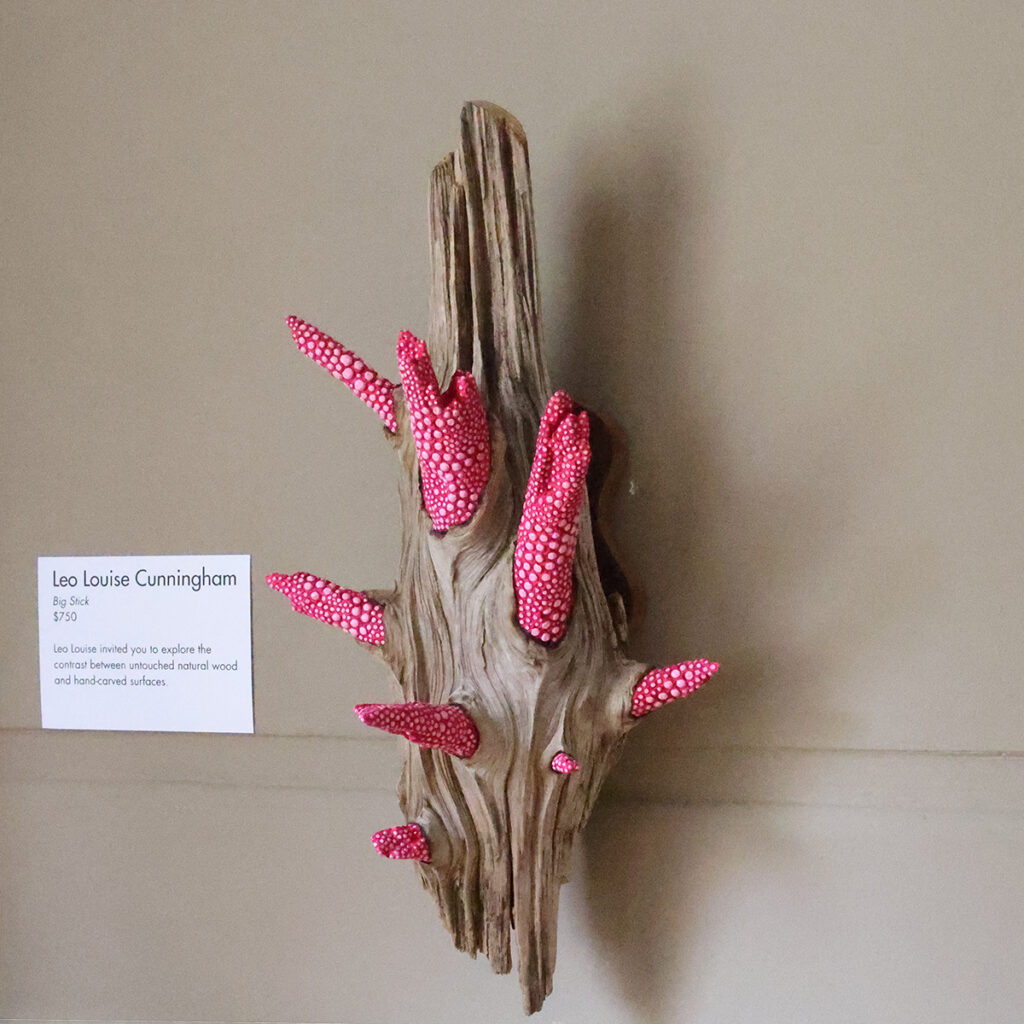
The exhibition features works by Nicole Buckingham Kern, Leo Louise Cunningham, Earl Elliott, Pat Halle, Stella Hamilton, Lohitha Kethu, Amaka Korie, Sebastian Martorana, Sarah McCann, Tatiana Nelson-Joseph, Malcolm Slade, and Alx Velozo.