Let me introduce you to the Greek goddess Tethys, a Titan with a Mona Lisa smile. She’s goddess of fresh waters (and nursing moms), famous for her winged brow, and for marrying her brother Oceanus.
She holds court at the Baltimore Museum of Art.
In one mosaic there, you’ll find her staring down a dragon-headed serpent, surrounded by darling fish, feisty eels, and other sea creatures. Below her, astride a dolphin, sits Eros, with a much heftier—and more useful—set of wings. You know him as the god of love, sex, and passion. He’s fishing with a simple rod and string. He’s got a bite!
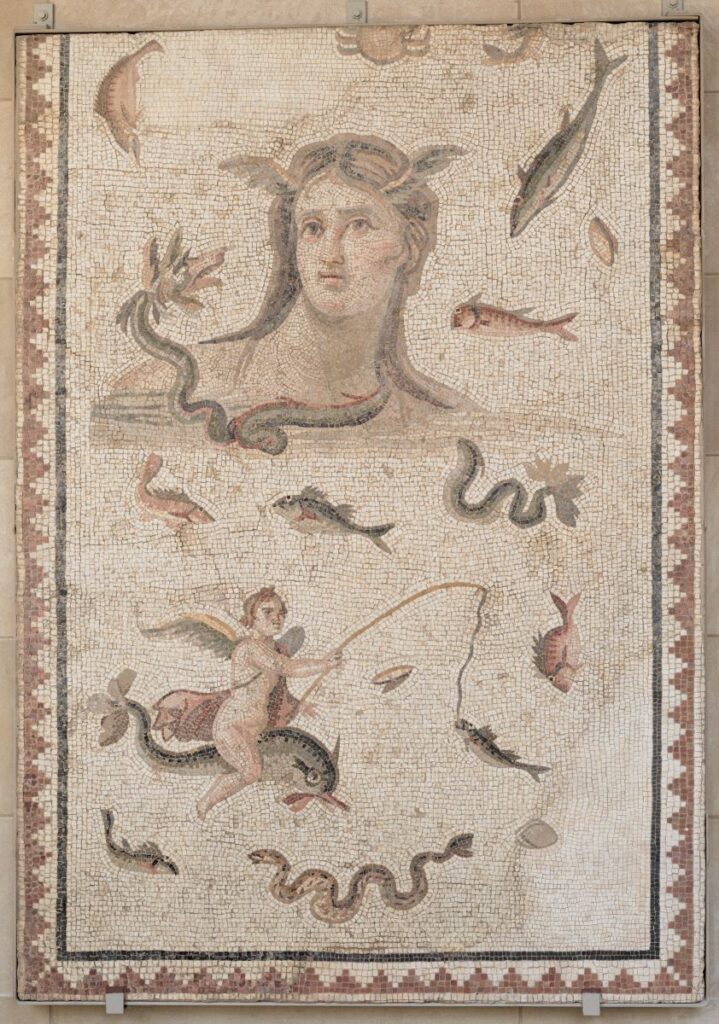
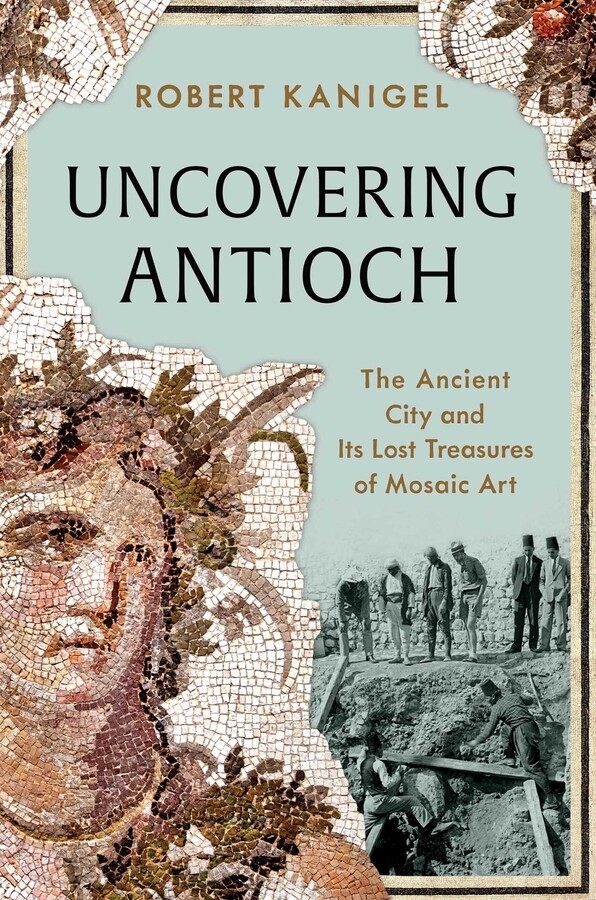
For Robert Kanigel, this mosaic sparks a musical memory. “In its freshness, its sweet unlikely playfulness, it reminds me of the early Beatles, with their marmalade skies, tangerine trees, sea of green,” the Charles Village author writes in his book Uncovering Antioch, which comes out late August, 2026.
The BMA’s Antioch Court, and its captivating mosaics, meant little to Kanigel until about a dozen years ago when another Baltimore museum ignited his interest in the art form. “I took a one-day course in mosaics … at the [American] Visionary Art Museum,” Kanigel tells me, “and I thoroughly enjoyed it. I’ve been doing it since in a very limited amateur [way], and trying not to let it completely take over my life. Because once I start a mosaic, it does take over my life for a few days or weeks, and knowing my own personality, I have to protect myself against that tendency to get lost in a project.”
Visiting Kanigel at home, you see the fruits of this passion before even setting foot in the door. A small mosaic announces his rowhome’s street address, and a vibrant square, echoing the many shades of green in his front yard, greets you on the porch. The AVAM class, and a few follow-on projects, were enough to encourage him to take a closer look at the massive objects hung in the Baltimore Museum of Art’s central Antioch Court.
A vague idea for investigation began to take shape. At this point, to see if the seed might bloom into a book, Kanigel jotted down notes toward a proposal. He’d already authored ten books. In most of them, he grabs hold of an idea or a notable life, and through prodigious research—in a vivid, novelistic style—brings forward a set of revelations that leave readers smacking their heads and saying, How come I didn’t know that?
He has written about urbanist Jane Jacobs, and efficiency guru Frederick Winslow Taylor. One recent book spotlighted the work of classical scholar Milman Parry, digging into his stunning discovery that researchers seeking a historical storyteller named “Homer” were likely asking the wrong questions; another visited the “lost world” of the Irish island of Great Blasket, where language and customs withstood modern encroachment.
And in Kanigel’s best-known work, The Man Who Knew Infinity, he drew the life of Indian mathematician Srinivasa Ramanujan—played by Dev Patel in the film adaptation, which also stars Jeremy Irons. Read the book first, then see the movie.
But back to the Antioch proposal. Kanigel quickly realized that this story would have to unfold along three timelines. One traces the tumultuous history of this crossroads city on the Orontes River, where the mosaics were created in the first through sixth centuries A.D., and where floods and earthquakes buried them in place. Another spans the decade or so from the late Jazz Age through the Depression to the start of the Second World War, when the Princeton-based project to dig in Antioch gathered resources and personnel who made annual forays to French-ruled Syria from 1932 until 1939—the year that Syrian Antioch became Turkish Antakya. All this is sifted with current knowledge, as Kanigel roams from his home in Baltimore to Princeton to Turkey in search of the history of the Antioch mosaics, mining his own love of the art.
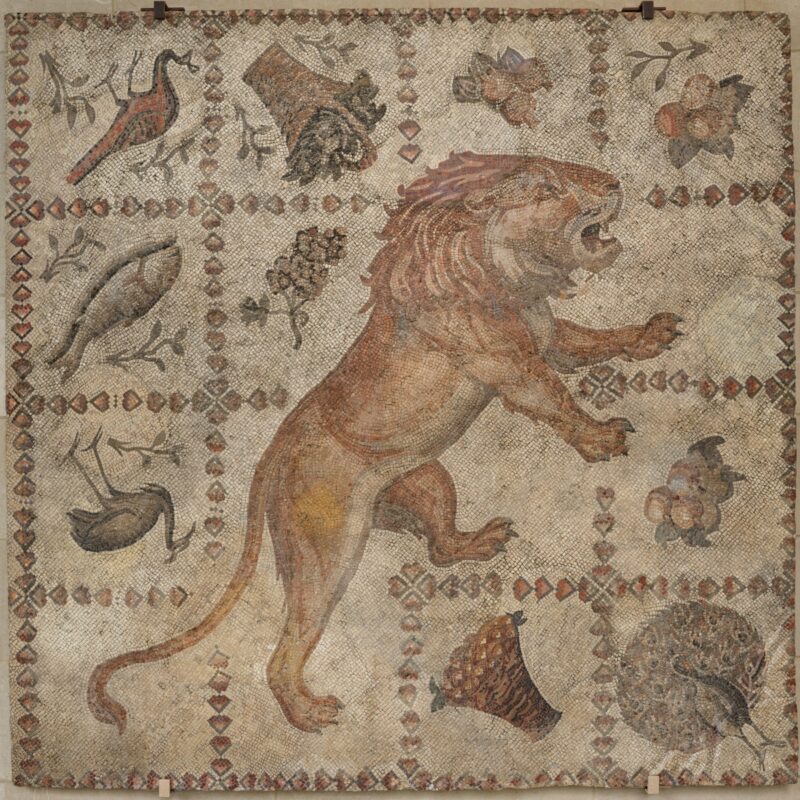
Kanigel’s books of ideas often have a larger-than-life protagonist, or a set of them. Here, Charles Rufus Morey—chair of the Art and Archaeology Department at Princeton, who birthed the idea of the Antioch expeditions—stands out. Scholar, teacher, diplomat, fundraiser, Morey fields the initial inquiry in 1927, learning that the French “would look with favor on a Princeton archaeological dig at Antioch.” He had no presentiment that the yearly campaigns would be remembered almost exclusively for the astonishing proliferation and variety of mosaics hauled out of the ground—300 of them in the end.
Two dozen of those are on display here in Baltimore.
Why here? For that, you’ll have to meet Robert Garrett, “a scion of one of Baltimore’s wealthiest and most prominent families,” Kanigel writes. “[H]is grandfather was, back in the 1850s, the first president of the Baltimore and Ohio Railroad.” Garrett’s father died in 1888 at age 39, and soon after, his mother took teenaged Rob and his two brothers on a world tour that included Egypt, Palestine, and Syria, places he would continue to explore.
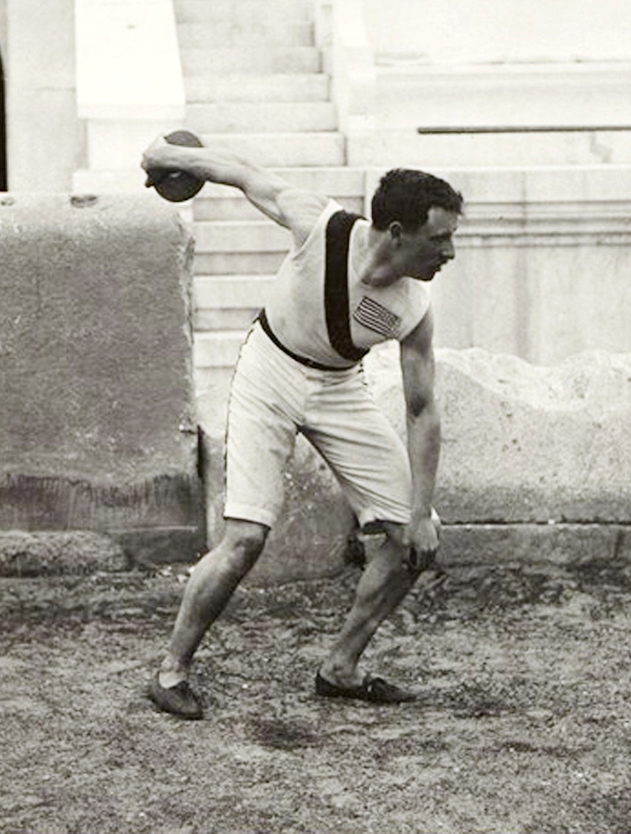
After winning two gold medals in the 1896 Olympics, Garrett visited Antioch in 1899, and fifteen years later, wrote this about his life-altering experience: “The famous Antioch, variously known as the ‘Queen of the East,’ ‘Antioch the Beautiful,’ the ‘City of God,’ and by still other glorious names, was once considered the third city of the world, only less than Rome and Alexandria in size and splendor, and until the rise of Constantinople was actually the chief city of the East, but it is now a squalid town… Only a few shapeless traces of its great buildings of early days are to be seen.”
He also might have cited Antioch as the place where followers of Jesus were first called “Christians.” Or as the location of the fictional, deadly chariot race in Ben Hur.
Garrett studied at Princeton, where Morey taught. His wealth, passion for antiquity, and his ability to enlist other prominent Baltimoreans made him an ideal partner as the expeditions were spinning up in the later 1920s and early 30s. As the Louvre—as well as museums in Worcester, Mass., Philadelphia, and elsewhere—considered joining the project and sharing whatever emerged from the ground, Garrett managed the BMA contribution.
Chipping in about 15% of Baltimore’s total of $6,000 (perhaps $120,000 today), he also set an illuminated manuscript (worth the equivalent today of half a million dollars) into a safe deposit box. This he pledged to the expedition should Baltimore come up short. In the end, his participation ensured that the Baltimore Museum of Art would share both the costs, and the mosaics. [In the 1936 courtyard photo below, Garrett is fourth from right.]
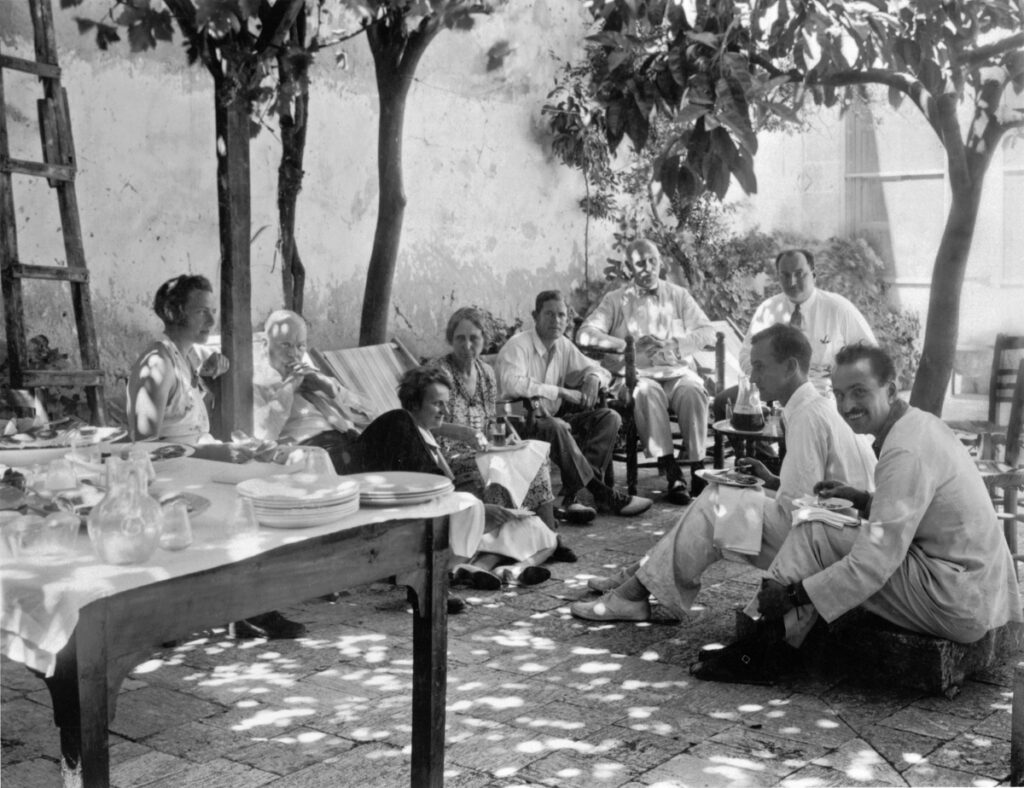
Morey pieced together the funding for the expeditions, Kanigel writes, but the Depression was a curse, and also an unexpected blessing. Workers had been budgeted at 80 cents a day each, which turned out to be much higher than necessary in those hard times. Once the outlay for laborers was reduced to between 30 and 50 cents a day, the total fell precipitously, and that, writes Kanigel, “was enough to make Antioch work.”
As Kanigel leads me through the Antioch Court, he can barely restrain himself from touching the fingernail-sized “tesserae” of stone and glass that make up the pictures and patterns. It’s the tactile presence of this art that attracts the author. “I like physical things. I like to touch things,” he tells me, while I hope he doesn’t. One of his books, punnily titled Faux Real, is about leather and attempts over the years to come up with substitutes. What mosaics, leather, and some of his other subjects have in common is what he and his wife call “thinginess.” He uses another non-word to describe his passion: “materialophilia,” which he defines as “a love of touch, a love of things and textures and what you can get your hands on.”
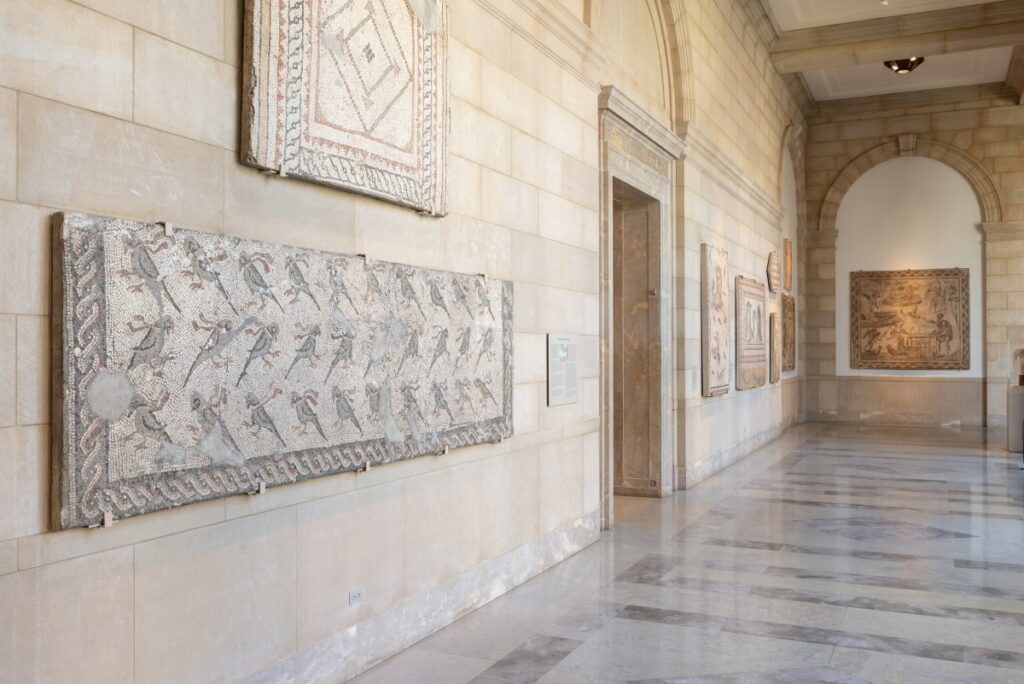
We move over now to stand in front of two dancing sprites—one a satyr, one a maenad. Above them, a dazzling geometric playground baffles the eye and recalls Escher. “They never looked like this [in Antioch],” Kanigel says of the dancers. They were part of a much larger mosaic that was broken up and “split between the subscribing museums.”
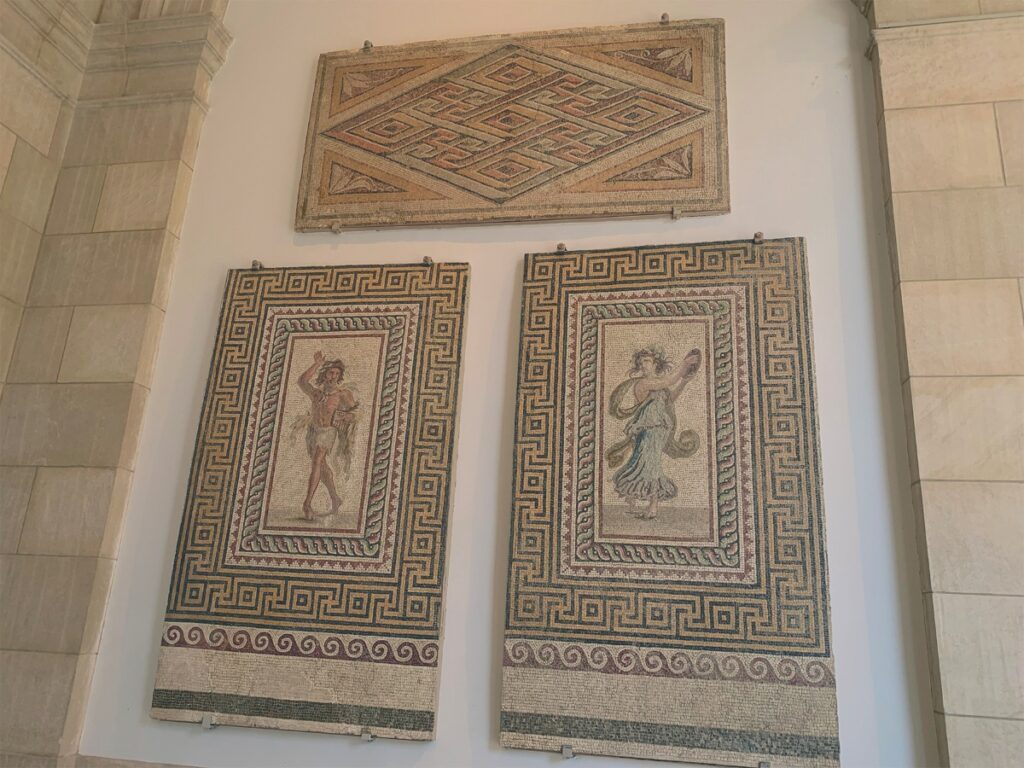
Not everyone was on board with what some might see as mutilation. “Jean Lassus, for example, the French representative [on the expeditions], always had guilt… about whether this is the right thing to do,” Kanigel says.
The Princeton crew was committed from the start to leaving a portion of the mosaics in the city where they were found, and where half of them remain today. But, Kanigel acknowledges, in the years since there is a growing philosophy “that says basically, you don’t take it out at all; you leave it where it is, in the ground. And if you want to have a museum around that, maybe you can do that, but you don’t cut it [apart].”
He points up to the dancers. “The original version of this was probably in total area, I’ll say quadruple or five times the area represented by these fragments. And it included three other mosaics, all larger than these two. …Plus the fact that it’s on the wall instead of on the floor.”
“So in some ways,” Kanigel continues, “we have been denied the perfect experience of somebody in Antioch living at that time. The question is whether it’s appropriate to do that or not. I, on balance, think it is, because we’re bringing great beauty from all over the world, in having museums in the first place. That’s what museums do. So yes, there’s something lost. There’s no question about it. But the question is, is it worth it? I personally think it is, but I think [there’s] a very strong argument to the contrary also.”
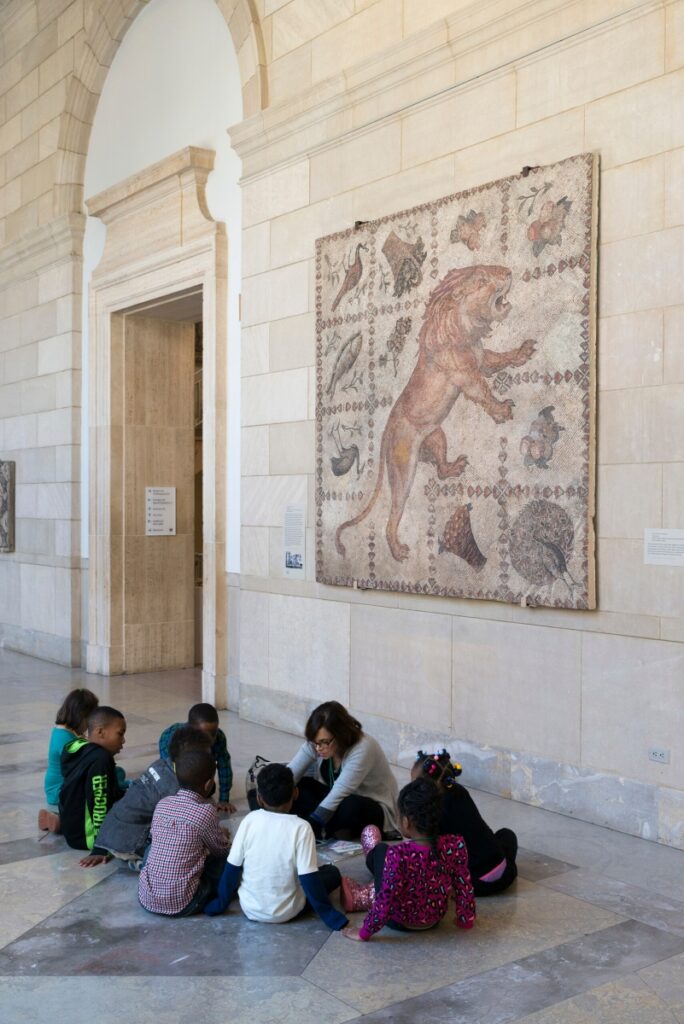
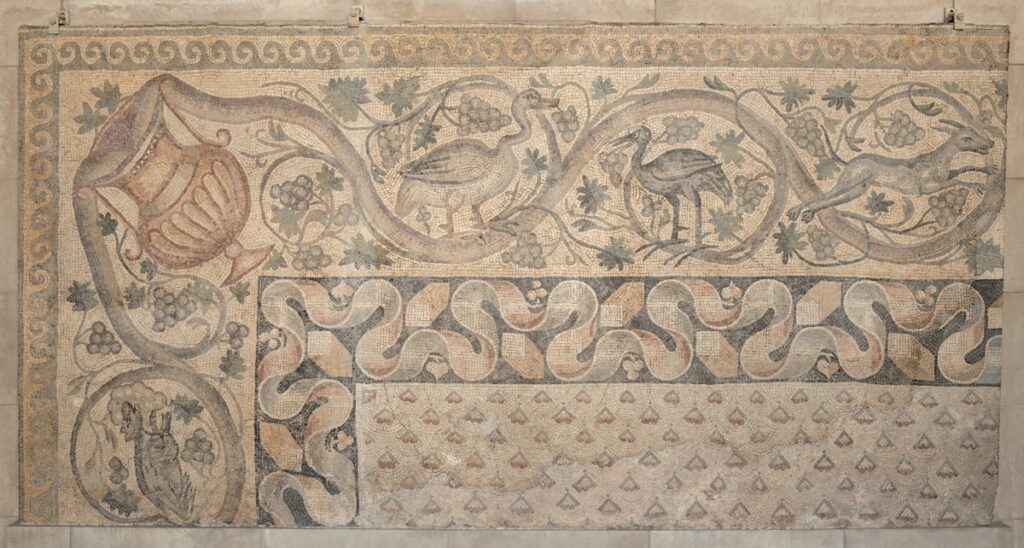
The BMA in 2022 decided to be more transparent about what exactly we’re looking at in the Antioch Court. New labels call nearly everything a “fragment of a floor mosaic,” emphasizing that these “pavements” never lived on walls and that they’ve been broken up to center their stories, or highlight their intricate patterns. Covered by as much as 30 feet of mud and rubble, they were the lavish floors of villas, baths, and public spaces both in Antioch and its magnificent suburb Daphne.
Kanigel marvels, “The cool floors of mosaics afforded relief from the Mediterranean heat; that was one reason they were so popular in Antioch and throughout the region. A bigger factor was that they wowed visitors, gave patrons a chance to show off their wealth, their taste, their embrace of the storied Greek past. And the breadth of interpretation they could inspire suggests their worth, too, as spur to an evening’s fine conversation, like a good book.”
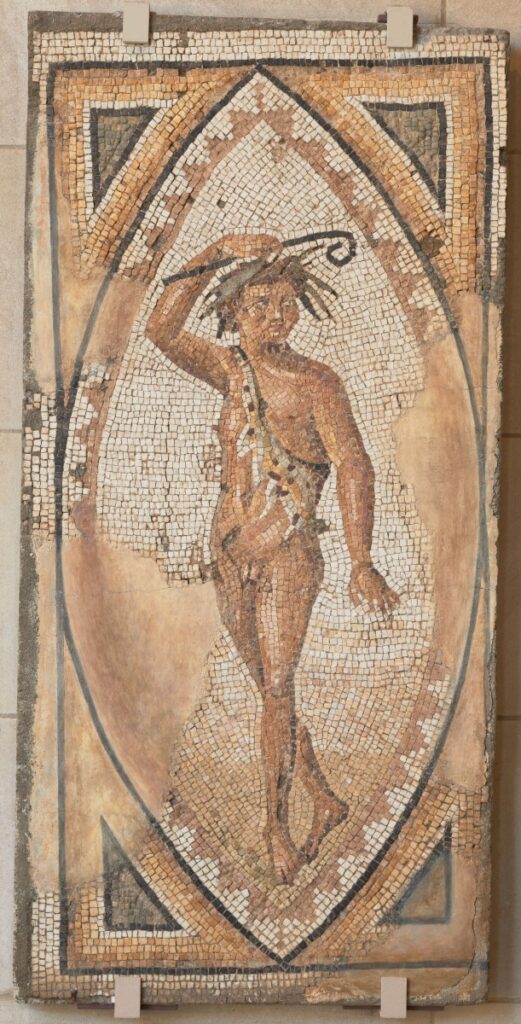
With that in mind, we move on to the riotous “Fragment of a floor mosaic depicting a peddler of Erotes.” Fishing (again!), hunting, frolicking Erotes, a pair of them watching a cockfight, their wings enlivened by bluish glass, are contrasted with the more down-to-earth peddler, who has one of these winged creatures trapped in a cage. Does he really control them? How? Why?
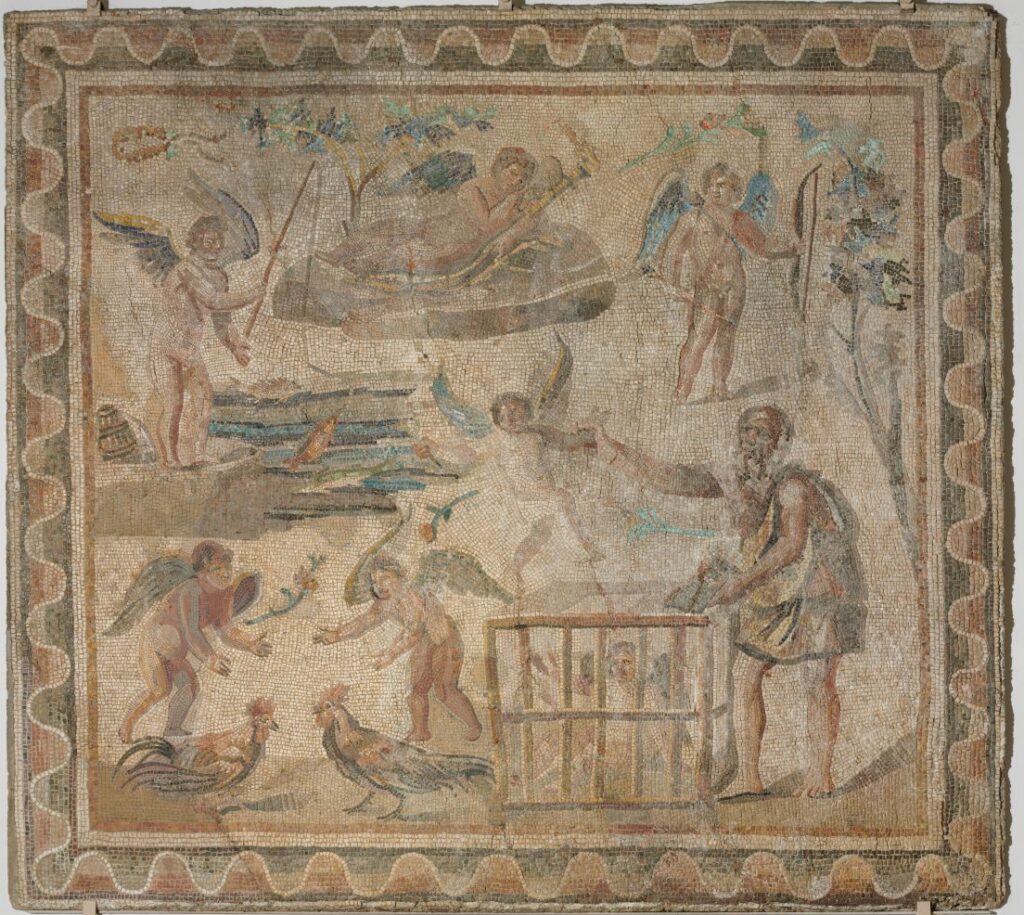
Researching this wacky piece after talking with Kanigel, I discover an online essay that connects this mosaic to Roman slavery. Mary Sulavik, who wrote about Erotes in her honors thesis for a Johns Hopkins degree in classics, posits that this image encompasses the horrors of enslavement, as well as the universal emotions of found and lost love, and even the tantalizing qualities of Roman boy toys. The Romans, she says, called these figures cupids, but they may also be standing in for something else. “Deliciae,” she writes, “which literally translates to ‘pleasures’ or ‘toys,’ refers to beautiful male youths within the Roman lexicon. They were renowned for their charm and impudence, and they were essentially kept as pets and sexual objects by their masters.”
Looking at this mosaic, Kanigel is not shy about naming its transgressive qualities: “This guy truly is a peddler or jailer, even, of these creatures.” And yet, he wonders “what is actually going on—whether it’s some sort of kinky sexuality or something I can’t even imagine.”
In fact, there’s little that Kanigel, with his extraordinary gift of curiosity, can’t imagine. Trained as an engineer, Kanigel started a program in science writing at MIT, where he taught for a dozen years. He rarely starts as an expert in the fields he’s writing about. And that, he says, is his superpower. “I stand in for my reader and I think sometimes initial expertise can actually interfere with your ability [to communicate].” He backtracks for a moment and avers that sometimes experts can bring you successfully into their world. “But more generally, if I’m writing about, you know, molecular biology or urban planning or oral poetry or in this case mosaics, I’m a stand-in for the ignorant reader and I watch … my own reactions to what I’m learning as a vehicle for ways to tell the story.”
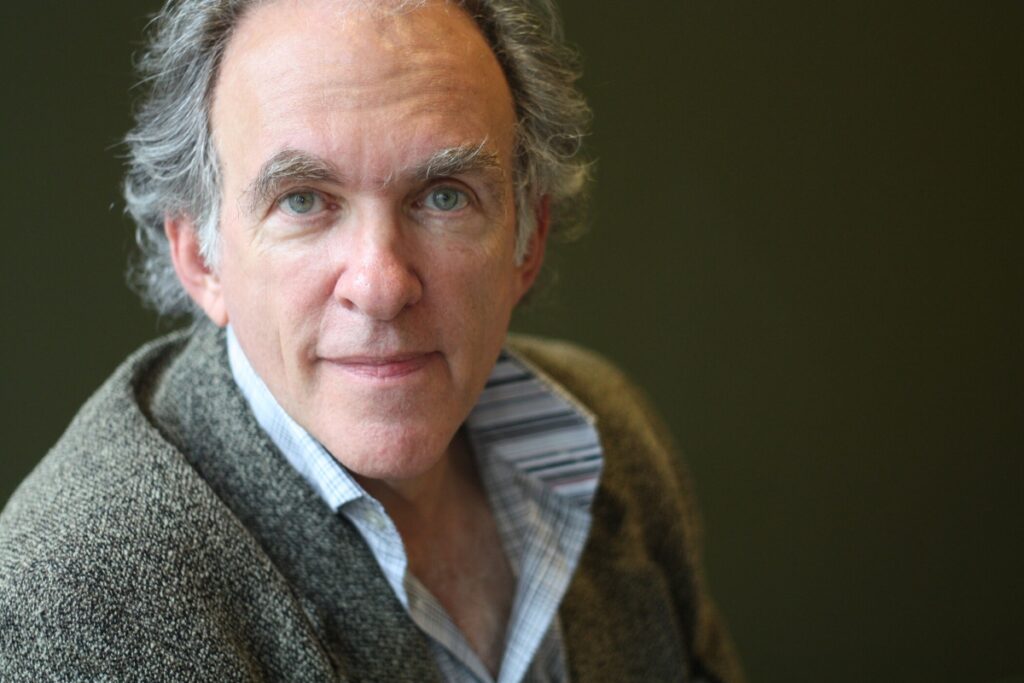
Kanigel’s strongest feelings about the Antioch mosaics connect directly with his work as an amateur mosaicist. He wants readers to always remember that they were made by human hands. Describing the work in his book brings out the poet in him:
“With painting or drawing you can imagine each stroke of brush or pencil point as tentative, ineffably shaded, artistry marking every speck of surface, the final work the result of a million small acts of addition, gradation, and erasure. But with mosaics, there’s no edge to feather, no line to lighten, nothing to erase, blend, or paint over. Just one tile after another, laid down into its bed of receptive mortar or cement. Each fragment of stone or glass, cool to the touch, yet somehow warming, becomes for the viewer, as it was for the artist, the product of a deliberate, individual act.”
Yet these works are not bound to any one creator. As Americans, he says “we are individualists, and we want somehow [for the work] to be [created by] the ‘great artist.’ And this is not like that for the most part. We have to think sometimes that these beautiful things are, in part, the work of a collective effort by skilled and talented people whose names we don’t know.”
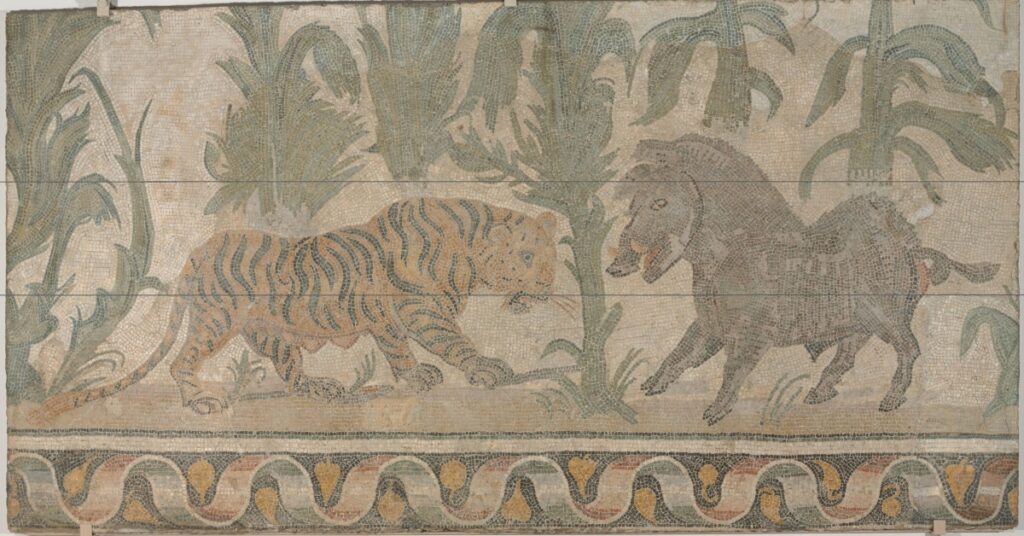
The word “workshop” comes up—and Kanigel wants to make sure we broaden our definition of the idea. He says we should picture “a collectivity of knowledge, experience, materials that could be put to work in making the mosaic. And obviously there would be differences in the abilities of these, whatever you call them, craftsmen, artists, what have you.”
A scholar named Katherine Dunbabin is Kanigel’s North Star in this regard. In her opinion, he says, “we need to stop thinking of the word artist. That world’s notion of art is not ours. It’s different.” We can respect those who created the mosaics and be delighted and astonished by their craft and beauty. It’s OK that we can’t name the individual artists or artisans.
We now camp in front of three rows of parrots, some facing left, some right, seeming to sport natty scarves. Kanigel’s fingers threaten to outline areas of the mosaic where the patterns fall away. Beginning when they were buried, then unearthed, and through their journeys to the New World, the mosaics have all suffered various levels of damage. “And conservators, as we call them today, had to deal with what to do. Should we leave [the damage],” he asks, or repair it?
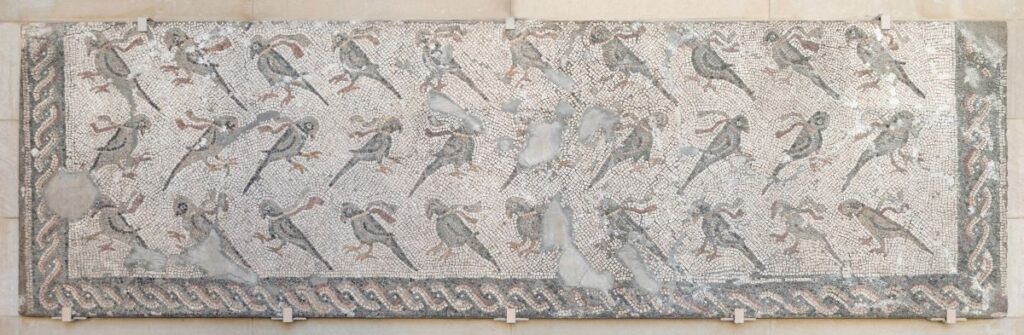
“I really want to touch this,” Kanigel says, again. “Here,” he points, “they would have found a sort of rotted out area where the tesserae were all gone and a decision was made, a human decision, to color it in,” to approximate the original, without aiming to deceive anyone.
I ask him whether the approach to restoration has changed over the years.
“There’s a very definite way that it’s changed,” he learned from a family member who’s an art conservator. “The absolute requirement is that everything has got to be reversible. Everything. Any change you make in the interest of reaching a museum audience and making it pretty has to be something that can be washed out or [removed]. I don’t know how they do it, but there are a lot of modern materials that are used to create these effects. But they all have to be reversible, so if you make a mistake in 2026 you can correct it in 2126.”
Neither of us will be around then. Kanigel just turned 80, and I’m not that far behind. He’s at work on a novel, his first. When I ask whether Uncovering Antioch is, perhaps, his last nonfiction book, he waffles, hanging on to my “perhaps.” Moving on isn’t so simple. “Writing these books,” he says, “gives me a chance to escape my existence and step into … a heightened world with enough time and exposure to it to really immerse myself. And I find that immensely satisfying.”
Catch Robert Kanigel talking about Uncovering Antioch August 26th, 6 p.m. at The Ivy Bookshop. He’ll be in conversation with mosaic artist and teacher Rick Shelley.
Postscript: A drone flies low above the Turkish city of Antakya. A magnitude 7.8 earthquake has destroyed or badly damaged 90% of the structures there, killing 24,000 people across Hatay province, and more than twice that many in the region. Rebuilding from this February 2023 catastrophe will be painfully slow. But the city has had so many lives; there’s no reason to believe that another cannot eventually take hold. Antakya, formerly Antioch, will rise again, as it has for centuries.