This week’s news includes: Coronavirus concerns at corner stores, opening the Maryland economy amid COVID-19 unknowns, the fate of inmates and officers at state prisons and detention centers, and more reporting from the Baltimore Brew, Technical.ly Baltimore, Maryland Matters, Real News Network, WYPR, and others.
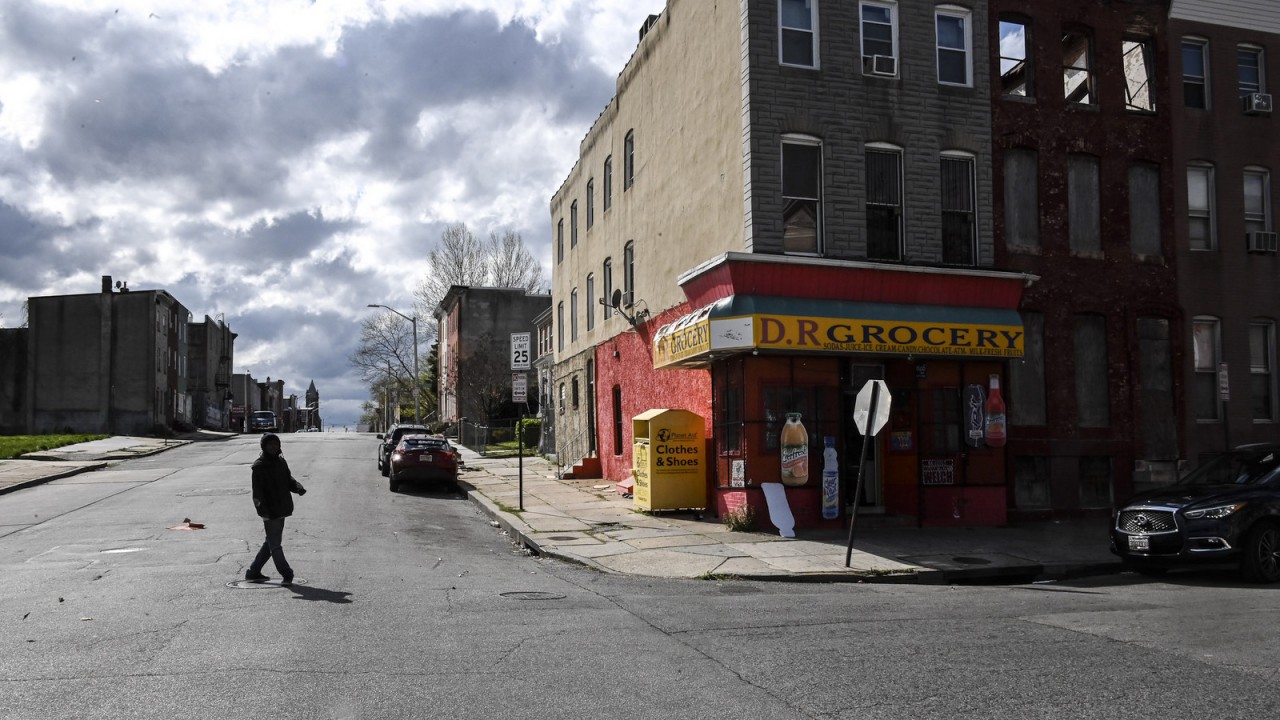
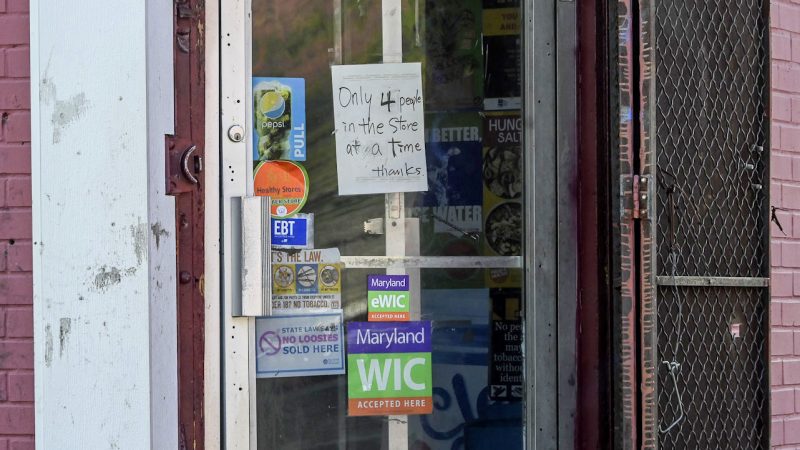
In West Baltimore’s corner stores: no Purell at the door, but plenty of COVID-19 danger
by Nneka Nnamdi
Published April 10 in Baltimore Brew
Excerpt: In the Upton-Harlem Park neighborhood where I live, there are three corner stores and something critically important is missing from them: Protections of any kind against the new coronavirus. They have no hand sanitizers or wipes at the door, no social distancing demarcations, no COVID-19 signage. In other words, none of the public health measures that people have come to expect in the supermarkets and pharmacies in other parts of Baltimore.
People like us who live in the city’s “food deserts” always had few options. But now we’re suffering not only from price gouging and lack of access to fresh fruit and vegetables, but from a higher risk of contracting a potentially deadly virus.
When Cooper replied that Trump was now making the case that the decision to reopen the economy was his—and not the governors'—Hogan pushed back against the president’s claim. “It’s not my understanding of the Constitution,” Hogan said.
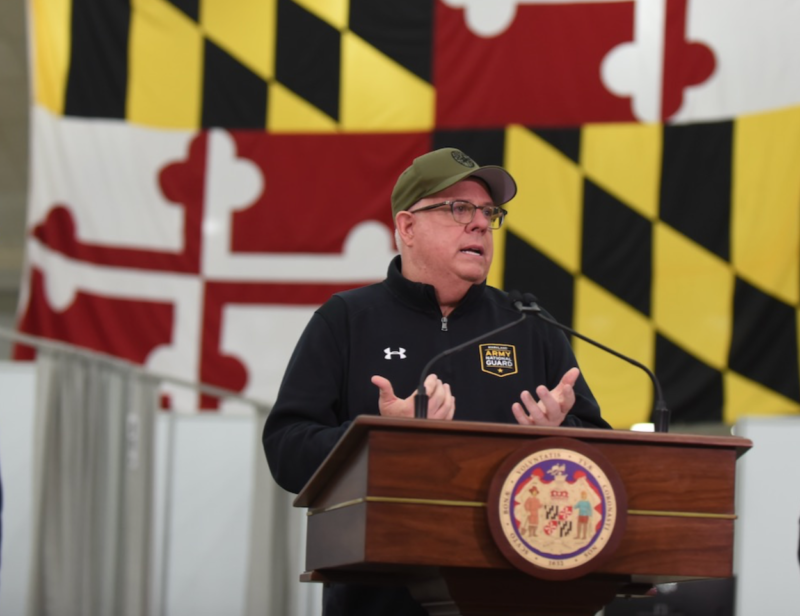
Hogan and Wen Offer Takes on Virus and Potential Reopening of the Economy
by Ron Cassie
Published April 14 in Baltimore Magazine
Excerpt: As the number of confirmed COVID-19 cases and the death toll in Maryland climbed again Monday, Gov. Larry Hogan and former Baltimore City health commissioner Leana Wen discussed the potential reopening of the economy, which President Donald Trump has been pushing for, on CNN. Despite concerns from White House public health experts and governors and elected officials from around the country, President Trump continued to press for the removal of work and business restrictions on Twitter and during his daily briefing on Monday.
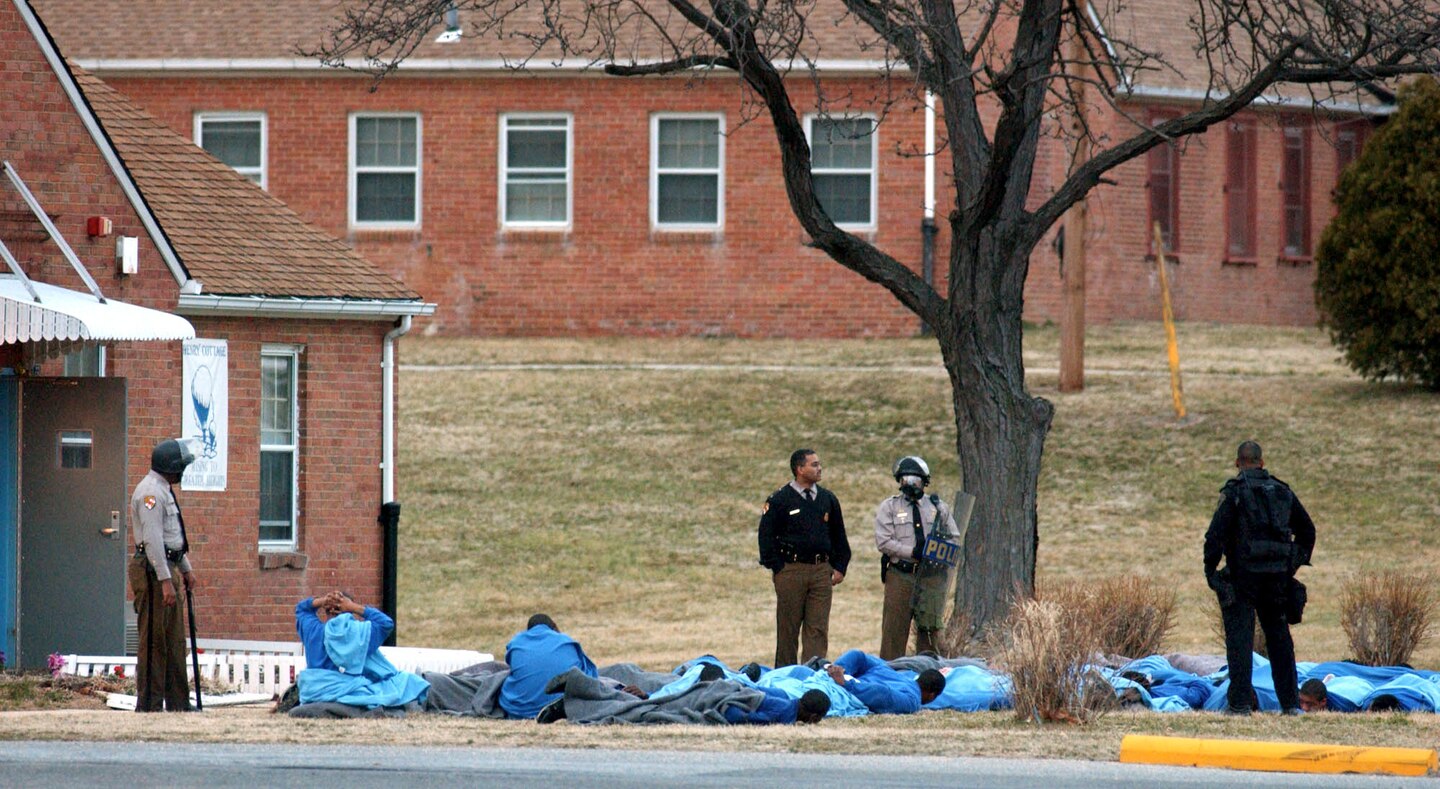
Maryland’s chief judge orders release of young offenders to reduce covid-19 risk
by Anne E. Marimow
Published April 14 in The Washington Post
Excerpt: Maryland’s highest court has ordered judges throughout the state to try to reduce the number of young people held in juvenile detention facilities to minimize their exposure to the deadly novel coronavirus. The order from Chief Judge Mary Ellen Barbera directs local courts to find alternatives to locking up juvenile offenders and to review detention orders every two weeks until the end of the covid-19 crisis.
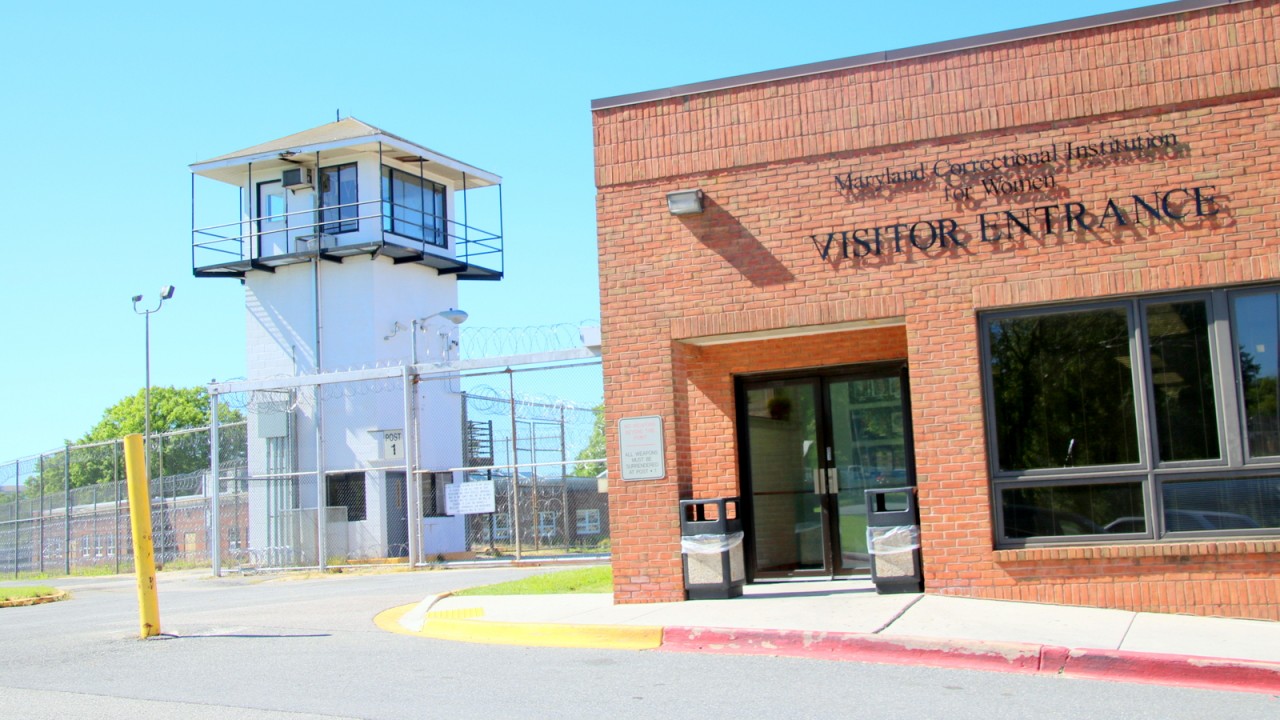
Guards and inmates fear for their lives inside Maryland’s jails and prisons. Advocates, now including Maryland’s chief judge, urge Hogan to act.
by Lizzie Kane
Published April 15 in Baltimore Brew
Excerpt: As the coronavirus outbreak has spread in Maryland’s prisons and jails—resulting in the first death of an inmate—the people who live and work in them say they feel unprotected and vulnerable. “We walk in there every day thinking we have this virus,” said Oluwadamilol Olaniyan, a correctional officer at Jessup Correctional Institution, where state officials say an inmate in his 60s died on Saturday from complications from COVID-19. No test kits are available yet at JCI, though temperature screening is taking place for officers as they enter the facility. And a tent to quarantine sick inmates was under construction outside the facility last week.
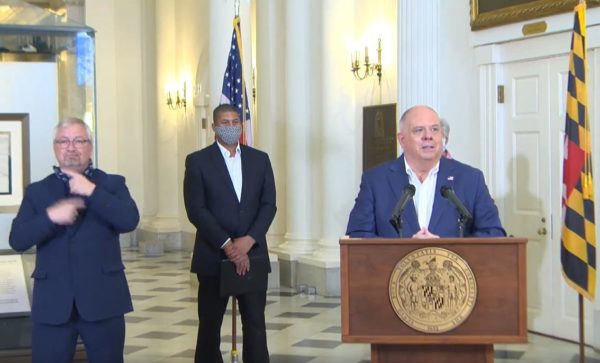
Hogan to require face coverings in retail stores, state officials begin looking at when to ease COVID-19 restrictions
by Marcus Dieterle
Published April 15 in the Baltimore Fishbowl
Excerpt: Effective 7 a.m. Saturday, Marylanders will have to wear masks or face coverings while inside retail stores or while riding public transportation. Retail workers will also be required to wear masks or face coverings, and retail establishments, such as grocery stores, pharmacies and convenience stores, will need to implement “appropriate social distancing measures,” Hogan said.
Unconstitutional Power Grab? Baltimore Police Sued Over Spy Plane
by Jaisal Noor + Brandon Soderberg
Published April 14 in The Real News Network
Excerpt: The police department may be using the COVID-19 shutdown as cover to launch what an ACLU attorney says would be “the most wide-reaching surveillance dragnet ever employed in an American city.”
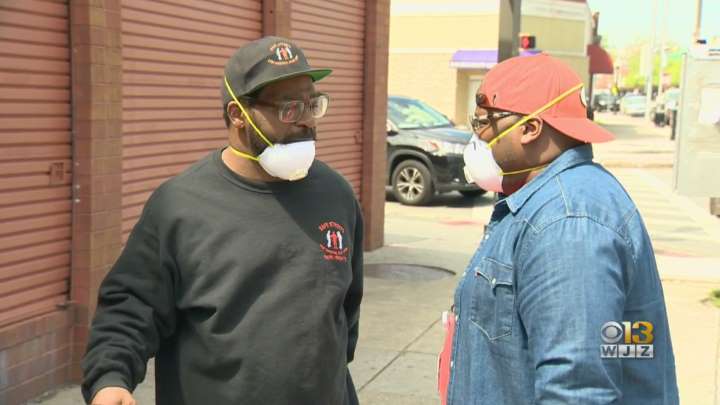
Safe Streets Baltimore Working To Help Inform City Residents About Coronavirus Safety
by Max McGee
Published April 14 in WJZ 13 CBS Local
Excerpt: A Baltimore city group that normally works to quell violence around the city is now shifting their focus to educating those same neighbors about coronavirus. Safe Streets Baltimore, which was founded in 2007, spent Tuesday walking around the Park Heights neighborhood to educate residents about the COVID-19 pandemic, social distancing and staying home. Park Heights is among the zip code 21215 with the highest number of coronavirus cases in the state.
The EPA won’t penalize polluters for failing to comply with monitoring and reporting rules in situations where the COVID-19 crisis was the cause of the noncompliance.

As EPA Eases Enforcement, Marylanders Fear for the Bay
by Robin Bravender
Published April 13 in Maryland Matters
Excerpt: Late last month, the Trump administration announced that it would ease up on requirements for facilities to monitor and report their pollution during the COVID-19 pandemic. A memo issued by the U.S. Environmental Protection Agency’s enforcement chief, Susan Bodine, states that EPA won’t penalize polluters for failing to comply with monitoring and reporting rules in situations where EPA agrees that the COVID-19 crisis was the cause of the noncompliance.
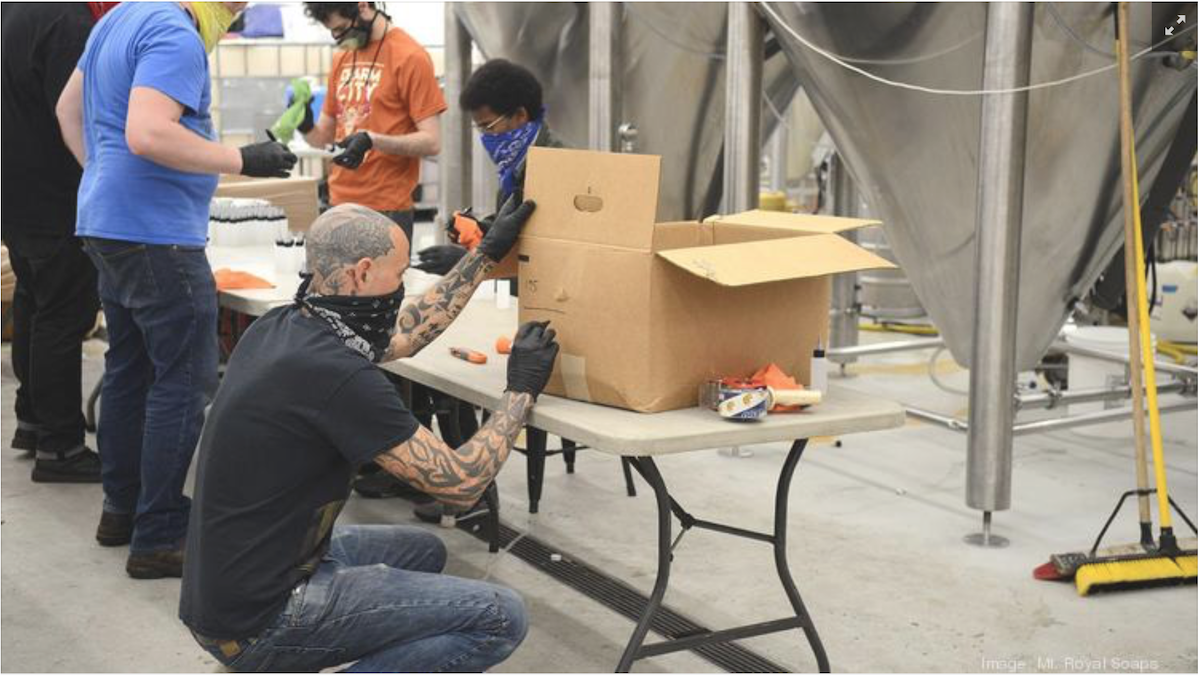
Mount Royal Soap — with help from some friends — pivots to mass sanitizer production
by Ethan McLeod
Published in Baltimore Business Journal
Excerpt: When the mayor’s office and area hospitals come calling for thousands of bottles of hand sanitizer during a fast-spreading pandemic, you answer. If you have the means to produce it, that is. Mount Royal Soap Co. was able, thanks to a recently formed, one-of-a-kind partnership forged with Johnston Square meadery Charm City Meadworks and Waverly Colors, a local maker of pigments for tattoos.
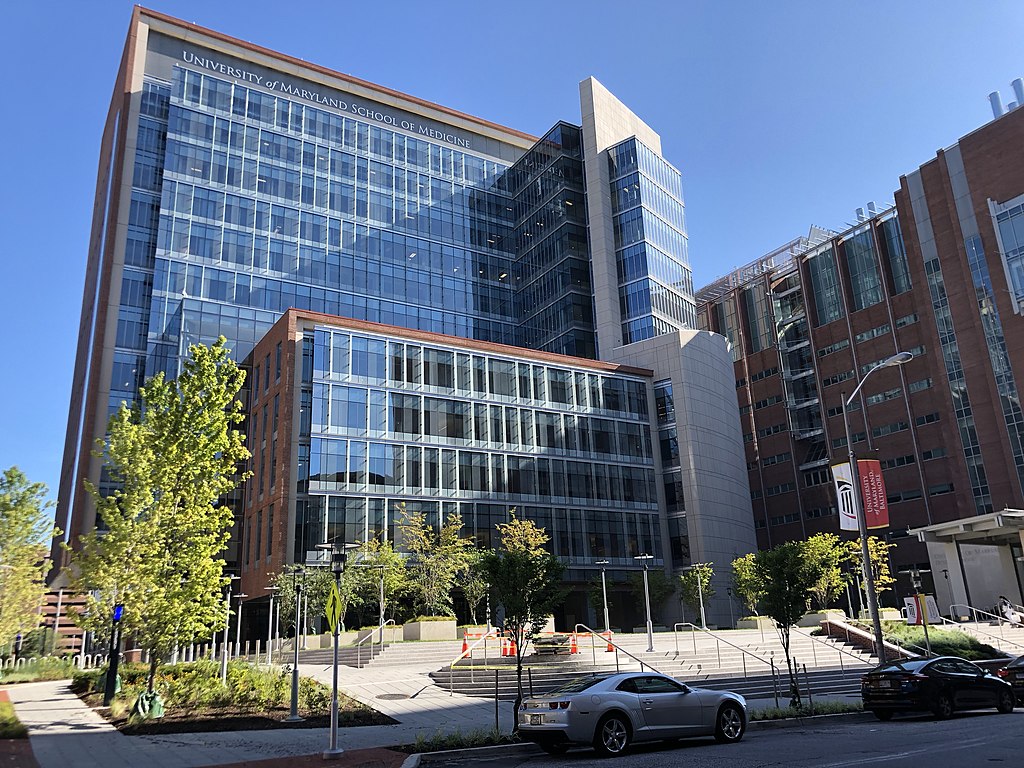
University of Maryland School of Medicine is launching a large-scale COVID-19 testing initiative in Baltimore
by Stephen Babcock
Published in Technical.ly Baltimore
Excerpt: “We have invested $2.5 million in a joint partnership with the University of Maryland School of Medicine to provide the technology to launch a large-scale COVID-19 testing initiative which will be enable their lab to run 20,000 tests per day,” Hogan said. The lab will ramp up to that capacity over the next few months—and will enable people to get results within 24 to 48 hours, as opposed to waiting for weeks, UMSOM said.
"It's an opportunity to first meet the response out there and have ventilators put into production," said Olszewski. "Not just here in Maryland but across the country."
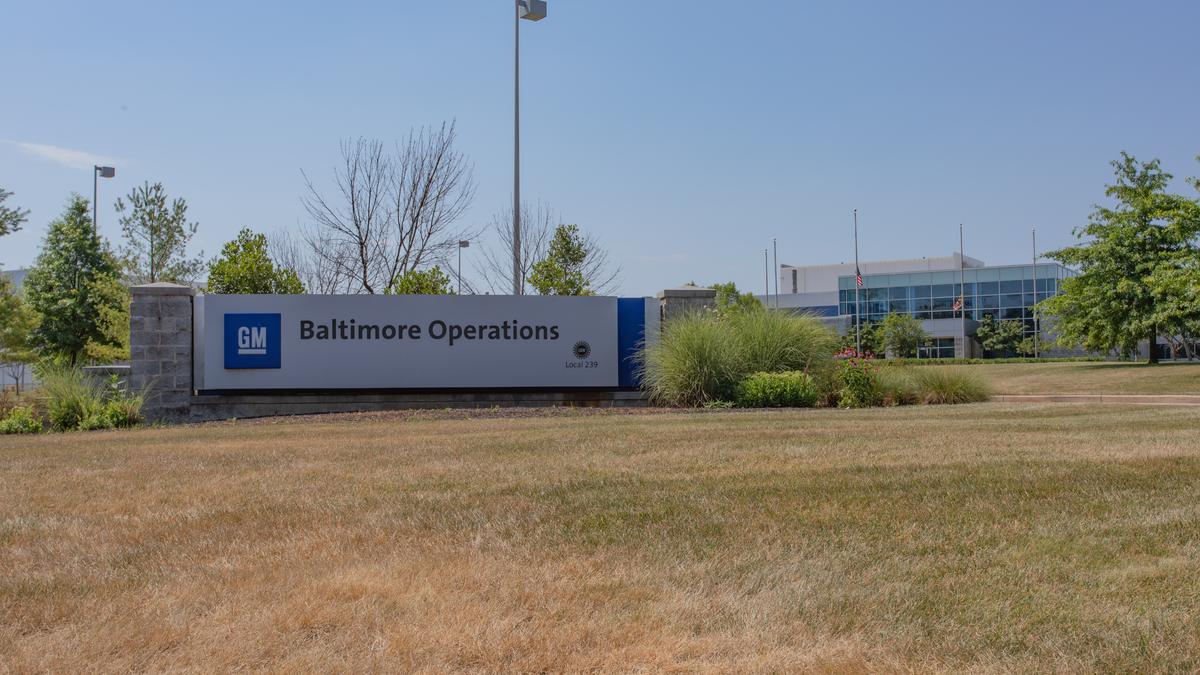
Baltimore County Executive Johnny O. calls for General Motors plant to reopen for COVID-19 efforts
by Dave Detling + Amira Hairston
Published April 13 in WMAR 2 ABC Local
Excerpt: Baltimore County Executive Johnny Olszewski wrote a letter to the White House urging President Trump to pressure General Motors to reopen its White Marsh plant. The letter comes as the auto manufacturer begins producing life-saving ventilators health professionals need to treat COVID-19 patients. “It’s an opportunity to first meet the response out there and have ventilators put into production,” said Olszewski. “Not just here in Maryland but across the country. We also know that opening the GM plant is a chance to put people to work and back to work.”
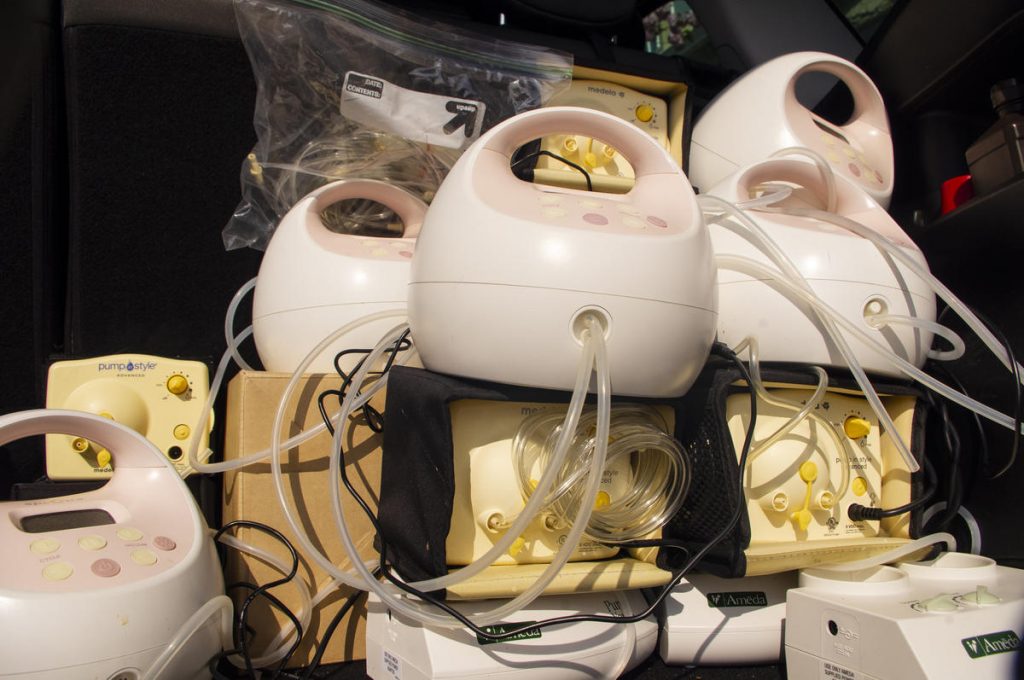
Dust Off That Old Breast Pump – It Might Help In The Fight Against COVID-19
by Mary Rose Madden
Published April 13 in WYPR
Excerpt: Hospitals across the country are in short supply of essential medical equipment critical in the fight against COVID-19. Top on that list is ventilators. A typical ventilator costs anywhere from $5,000 to $50,000. Now a team of engineers in Southern Maryland have figured out a way to convert an item often found in the back of a mother’s closet into a ventilator: a good old reliable breast pump.