In January of 2025, the proposed Maryland state budget for 2026 threatened to eliminate the Art Stabilization Act, a landmark legislation that protects annual funding for the arts in Maryland. Maryland Citizens for the Arts (MCA), the organization that helped pass the original legislation in 1994, immediately stepped in to fight for the law, organizing a grass roots campaign across the state. After the publication of dozens of op-eds and community outcry about the shortsightedness of the proposed cut, the governor revised the budget to include the law, allowing arts and culture to continue to flourish across the state. MCA’s efforts safeguarded not just the present success of arts and culture in the state but also support the long-term viability and growth of groups dedicated to creativity and community engagement.
While the continued stripping away of arts funding nationwide makes the work of Maryland Citizens for the Arts seem especially relevant today, the truth is that even during quieter political moments, their efforts have been imperative. MCA has spent nearly 50 years lobbying lawmakers about the positive impacts of investing in the arts and working with arts organizations of all sizes from Oakland to the Eastern Shore to help them secure funding and advocate for themselves. Such work is vital to the existence of Maryland’s rich and diverse creative community.
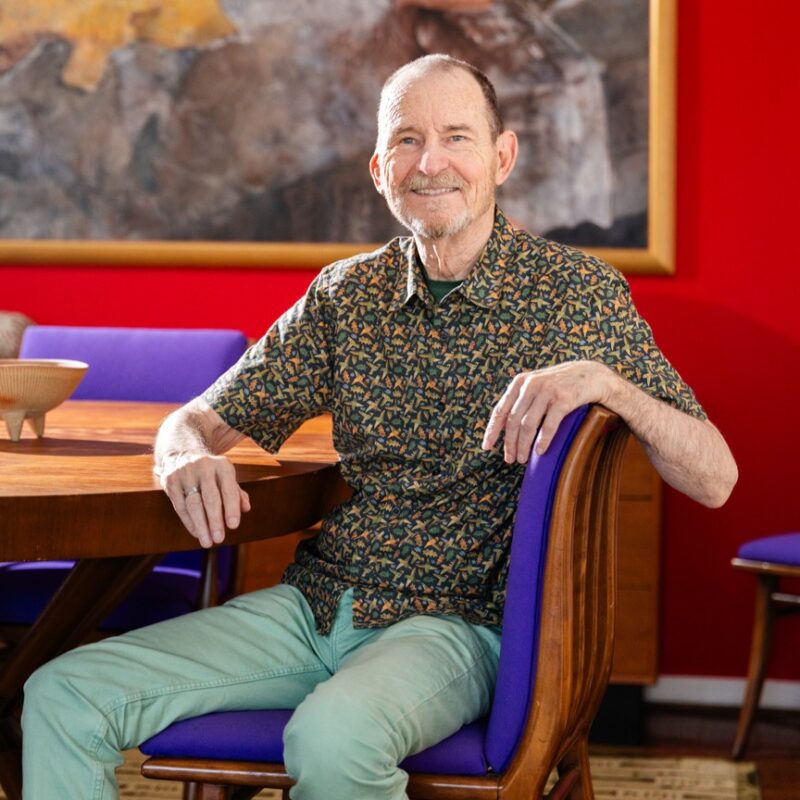
BmoreArt caught up with Executive Director Nicholas Cohen to learn more about MCA.

Maryland Citizens for the Arts was established almost 50 years ago in 1977. Could you talk a bit about how MCA came to be?
Yes, we have our 50th anniversary coming up! In the 70s, the Baltimore Symphony Orchestra (BSO) was the only arts organization that received funding from the state, so a group of arts advocates including Sue Hess, who founded Maryland Citizens for the Arts, got together some of the big supporters of the Arts in Maryland.
As the lore tells it, they sat around her kitchen table and discussed why we were only getting money for one arts organization and not on behalf of others like the Walters and the Baltimore Museum of Art (BMA). And throughout Maryland there were other great arts groups that should have been getting state funding, too. Hess decided that we needed an entity to support and advocate for all of us. And so, she and a few others created Maryland Citizens of the Arts. In a sense, they were saying, “We want the BSO to be amazing and get investment. However, there’s also this wide range of other groups that deserve funding as well.” MCA was really formed as a grassroots advocacy group. We work with all different organizations, from the BSO, who’s the largest arts group, down to independent artists.
What moments in the history of MCA stand out as being particularly significant?
In 1994, MCA helped pass the 1994 Art Stabilization Act, which is considered national landmark legislation for the arts. The way it works is the State Arts Council’s budget grows each year per the growth of the state’s general fund. Most state arts agencies start at zero every year, and typically the governor has to go in and put in a number, so that’s volatile. This formula says that the funding starts from whatever last year’s number was. Sometimes government revenues can decrease, but the way the legislation is written says that the State Arts Council’s funding can only increase or be level; it cannot, by the formula, decrease. This is part of what makes it so brilliant.
What happened when the law was threatened last year?
MCA was created to defend against that kind of stuff. We actually got a $200,000 increase last year. And that’s because we amassed support. BmoreArt published an op-ed for us. The Sun did an article for us after that. And then, if you look through the state of Maryland, there are like another 15 op-eds that we helped arts councils in other counties write. So that’s another aspect of who we are: an on-the-ground organizer for state arts funding. We make sure people know what’s going on that may affect funding. We share the state arts budget with around 10,000 people. And that’s where I come in. I’m the registered lobbyist, so after the budget comes out, I analyze it and then put together what it means for us.
Nicholas CohenTo build grassroots, you have to bring people together. We need to know what’s going on: How are people using the investment from the state? What challenges are they facing? We also come together to celebrate.
MCA has some significant objectives, and you are the only organization of this kind in the state. How big is your team?
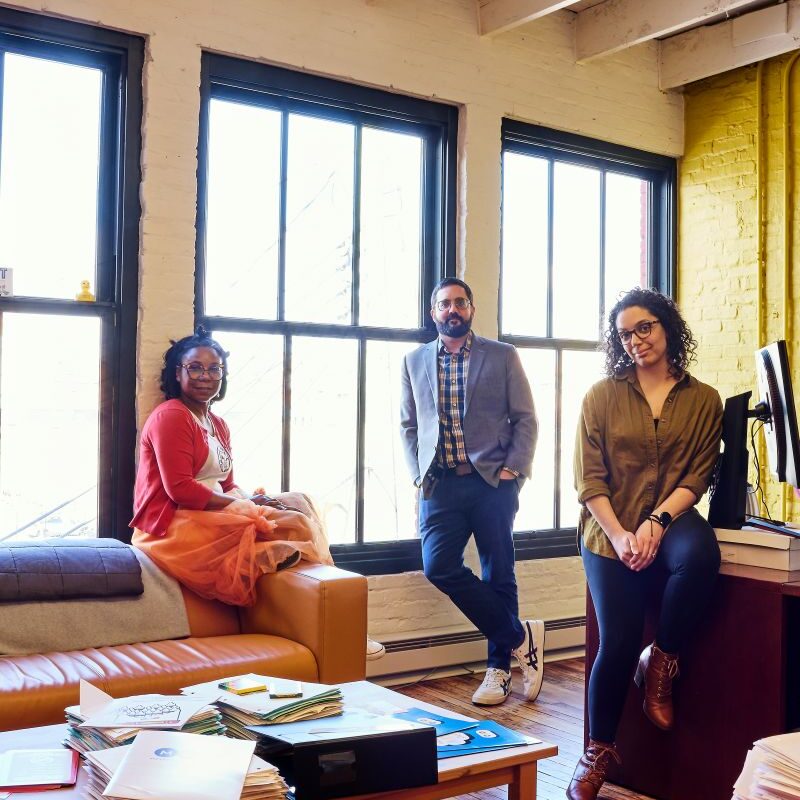
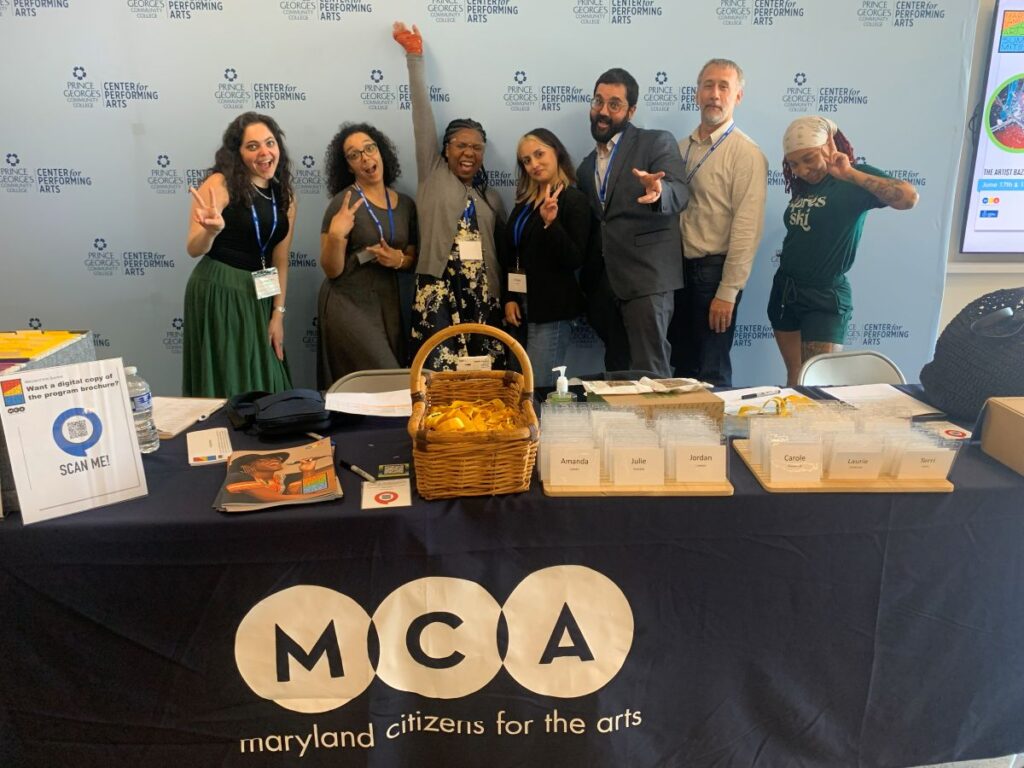
It’s really just three of us. We’re a small but mighty team. I switch between being the executive director and then, during the legislative session, a lobbyist. Amanda Morell is our Deputy Director; in that role, she is responsible for the day-to-day operations of MCA, event logistics, and the planning and execution of the MD Arts Summit. Tracy Stevens is our Marketing Manager and is responsible for all messaging to our community related to promoting the arts sector, relaying advocacy messages, and event promotion. She is also our in-house graphic designer. We also are lucky to have Hannah Cipriana helping part-time as our Peabody Work-Study fellow; she helps with legislative, event, and administrative logistics.
What do you do in addition to all the advocacy work?
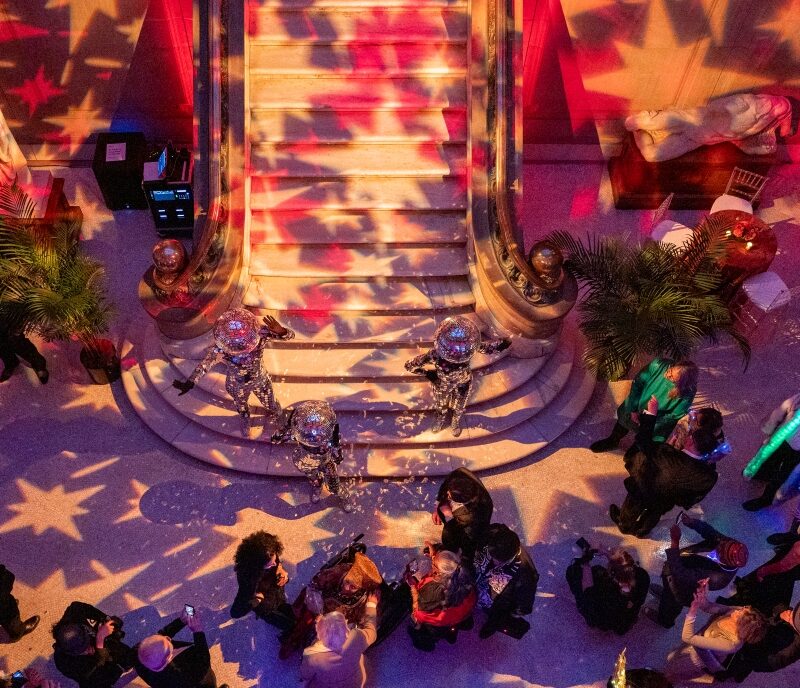
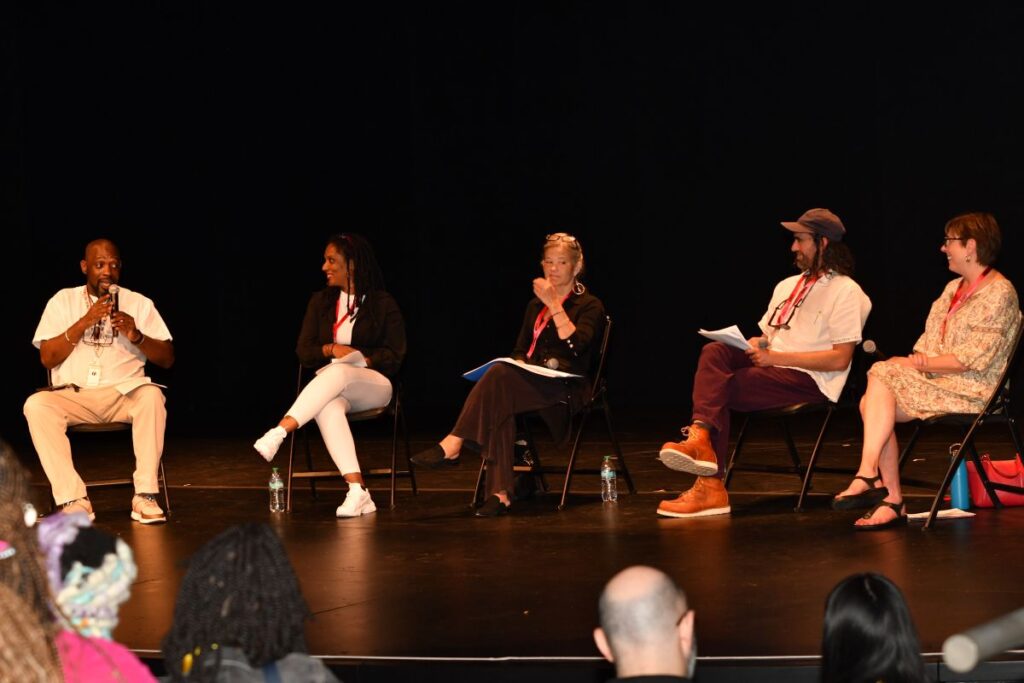
MCA can be thought of in two ways. Half of it is advocacy. The other half is our programming. For example, we host something called the Maryland Arts Summit, and it’s the only statewide conference for the arts in Maryland. That is what we do during what I call the “off season.” To build grassroots, you have to bring people together. We need to know what’s going on: How are people using the investment from the state? What challenges are they facing? We also come together to celebrate. Let’s be proud of Maryland because we are so well-resourced compared to other states.
So true! Isn’t Maryland one of the top states in terms of arts funding per capita?
Right now, we’re third in the country in per capita investment in the arts. Another study came up which said we’re number one if you include federal, state and local funding, which is interesting. But we’re always in the top three and we have been for the past 10 years. Also in the past 10 years we have doubled our budget for the State Arts Council. Maryland is one of the only states that can say that we’ve added to our arts budget. We’re always working on pieces of legislation that make sense.
Could you give us another example of legislation you’ve worked on?
Right before COVID, we were hearing from a lot of small arts organizations that wanted help getting access to capital funds. The state has an operating budget and then they have a capital budget which goes to things like buildings. The big arts organizations like the BMA or Strathmore in Montgomery County have huge buildings, and they have a more straightforward path to get capital money from the state because they’re big projects, so they need millions of dollars. But many folks we work with need things like new flooring or an HVAC system, so $200,000 versus $2,000,000, and those capital projects are a little harder to get funded.
It’s challenging for small arts groups. So, we ended up working with Brooke Lierman, who was a delegate at the time and is now the comptroller of Maryland, and Senator Sarah Elfreth, who was the state senator at the time and is now a congresswoman. We worked with them to create legislation to start an arts capital grant program that says every year, out of the capital budget of the state, $3,000,000 will be set aside for smaller arts organizations. And now it’s a grant process through the State Arts Council.
So those are the kinds of things that we bring to the table. We hear issues and we respond to them by convening folks. We work with the legislature on what is possible. It took us three years because of COVID, but we got the law passed in 2021. The program has been up and running for the past few years, and it’s been incredibly successful.
You do a lot of work with the legislature and the laws related to arts in Maryland. Do you and your team all have backgrounds in the law?
None of us do. I’m glad you brought this up though. Actually, we are all practicing artists in one shape or form. I’m a freelance bassoonist and Contra bassoonist. Amanda is a dancer and flute player and went to School for the Arts. Tracy is a well-known multimedia artist and does murals and house music around Baltimore. And our part-time person, Hannah, is getting her master’s at Peabody in opera. Being artists ourselves grounds us in this work. Some of the groups I perform with get State Arts Council funds. It’s like they’re able to survive and thrive because of some of the money they get from the state. It’s helpful for us to see first-hand the impact of the work we’re doing and to understand why we do it.
And we don’t do this alone. We have many partners. One of our favorite partners is Maryland Volunteer Lawyers for the Arts. They are our go-to when there is a law issue that’s kind of wonky. I also have lawyers on my board. And partnerships go both ways. Maryland Volunteer Lawyers for the Arts sometimes have direct lobbying or legislation that they’re interested in, and they come to me for the strategy.
Nicholas CohenIn Maryland you can go anywhere—like I mean really go out to the sticks—and you will see barn quilts and different arts and incubator spaces. A lot of that has to do with the investment that, through the years, MCA has helped advocate for along with our grassroots coalition.
The Arts Stabilization Act is one factor in the success of arts organizations in Maryland. Are there other factors that help the arts in Maryland thrive?
In Maryland, every county and Baltimore City has an Arts Council. That’s not usual. You don’t see that across the country. Each Arts Council is funded by the Maryland State Arts Council. They get what’s called a block grant, so everybody gets the same amount and then they get a little more based on population. So, we’ve created 24 of these mini arts councils and they’re kind of our boots on the ground to find out what’s going on, what are the issues out there. We train them on local advocacy because, as you can imagine, we can’t be at every county or city hearing.
What is most exciting to you about the arts scene in Maryland?
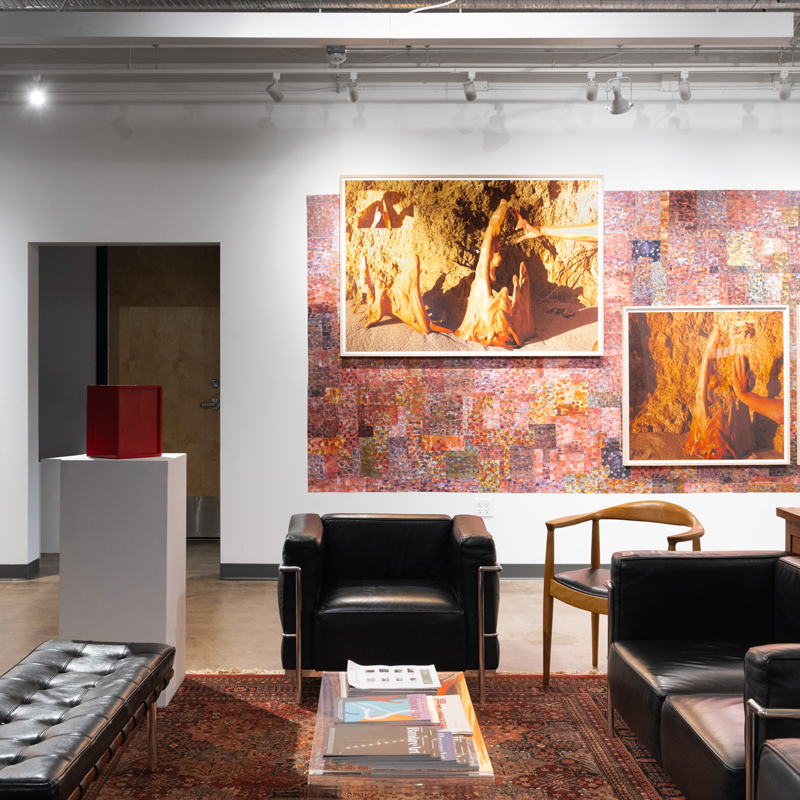
The arts districts are really important. For instance, our offices are in the Motor House, which is a great anchor of the Station North Arts District, which is working hard and doing important programming. There’s also Lady Brion who is out in the Black Arts District. It’s a historic area of the city, and their work can bring it back to the glory that it should be. The history of Pennsylvania Avenue is so rich, and the arts can help bring more investment to that area. I love that mixture of arts funding and enterprise funding. Investment in arts districts brings creativity in and supports creatives who live in those areas.
Are there arts districts outside of Baltimore City?
In Maryland you can go anywhere—like I mean really go out to the sticks—and you will see barn quilts and different arts and incubator spaces. A lot of that has to do with the investment that, through the years, MCA has helped advocate for along with our grassroots coalition. MCA created the legislation for the arts entertainment districts that exist in 2001. The legislation was designed to create specific districts that get tax incentives for artists to work in those areas. Station North was one of the first, as was Highlandtown. Now there are 27 all over the state. You can go to Garrett County, all the way out near West Virginia, and in Oakland, MD you’ll find a really cute little arts district. And then you can go to Berlin, right outside of Ocean City, MD, and they’ve got an arts district. You can go down to Saint Mary’s and see one down there. Baltimore has four. They are good places to build arts and the economy.
What is the best way for people to get involved?
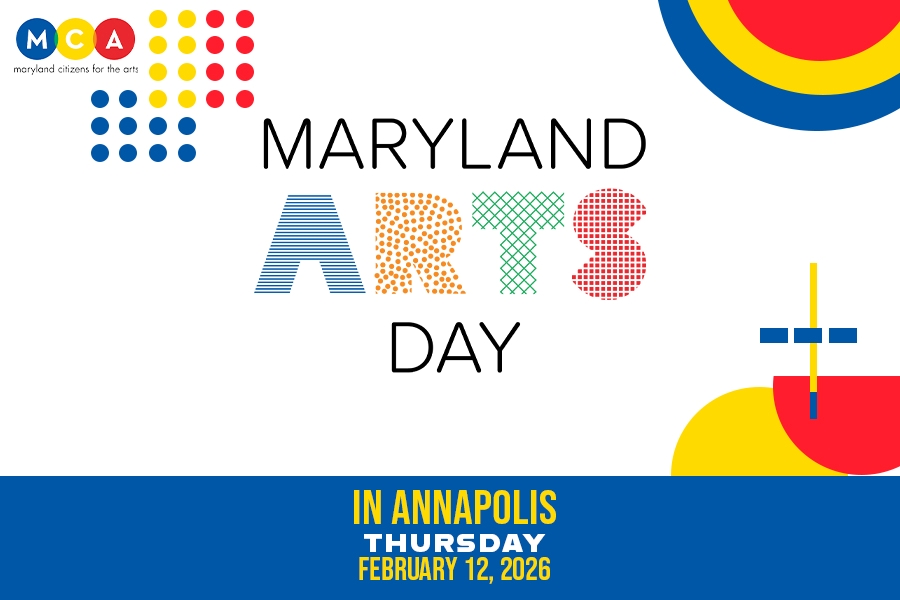
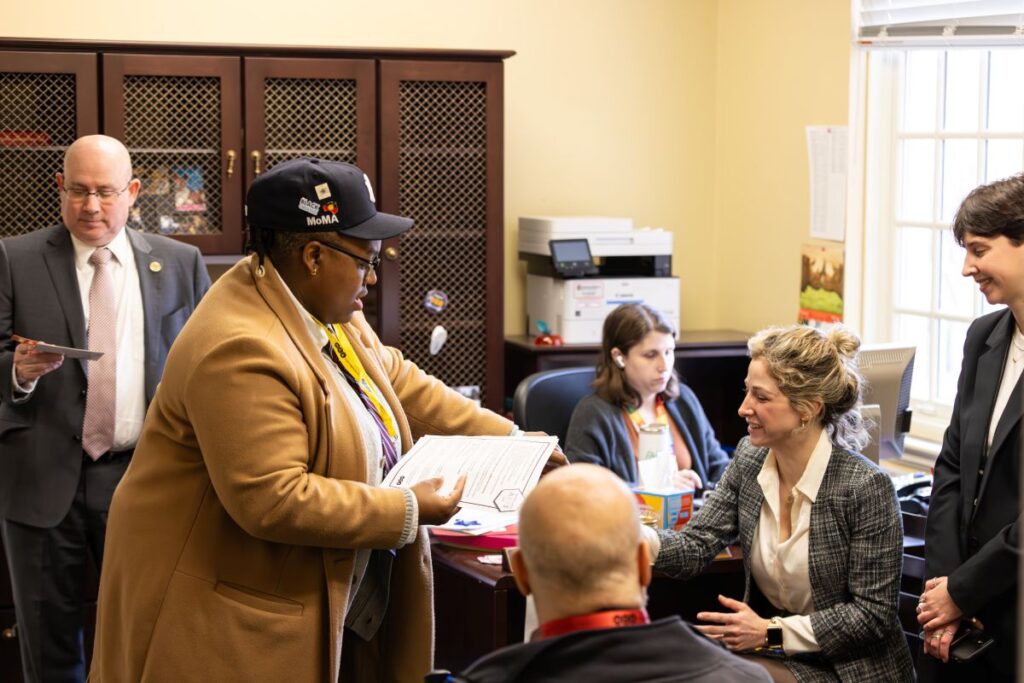
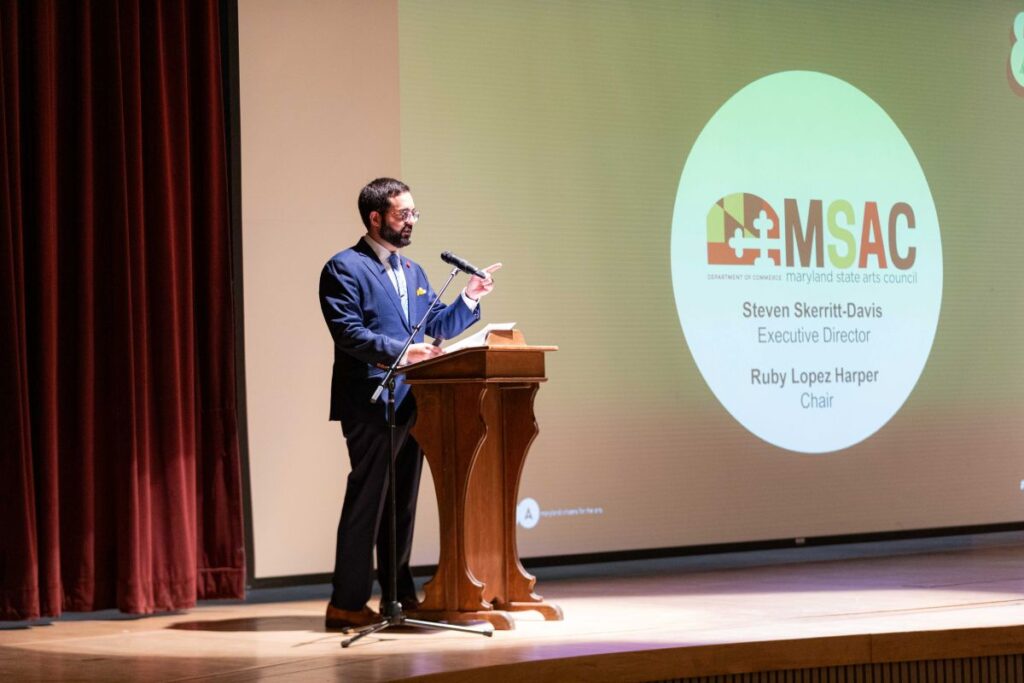
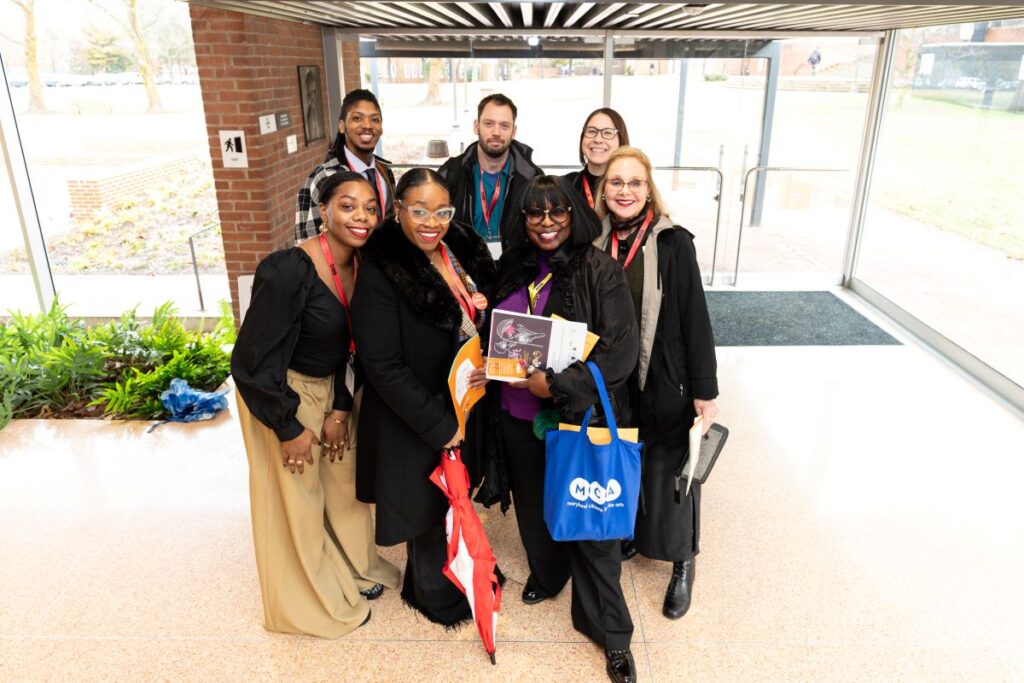
First and foremost is signing up for our e-mail so you are informed. And if you can get to Annapolis, join us for our flagship advocacy event, Maryland Arts Day, on February 12. We have about 600 people that come to that, and it’s a powerful day. It starts in the morning with openings from lawmakers. We give budget details and then individuals will do office visits to all lawmakers. There are 188 senators and delegates in Maryland. We have about 50 advocate leaders, and we split up the 600 people to meet with the lawmakers. And then we get our message across. It’s a powerful thing. I only live in Baltimore City, so the vast majority of those 188 people do not represent me. They want to hear their voters, right? People that live there, people that work there, people that are interested in holding lawmakers accountable. That’s where grassroots advocacy really works.
Maryland Arts Day will take place on February 12, 2026 at St. John’s College in the Francis Scott Key Auditorium, located at 60 College Drive, Annapolis, MD 21401.