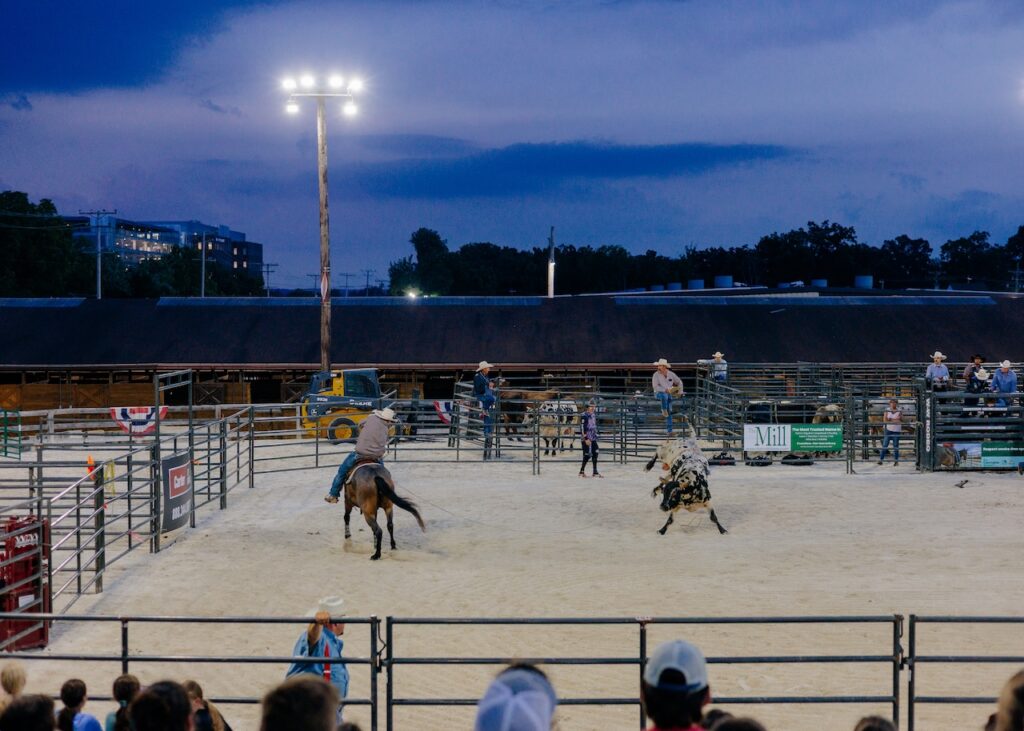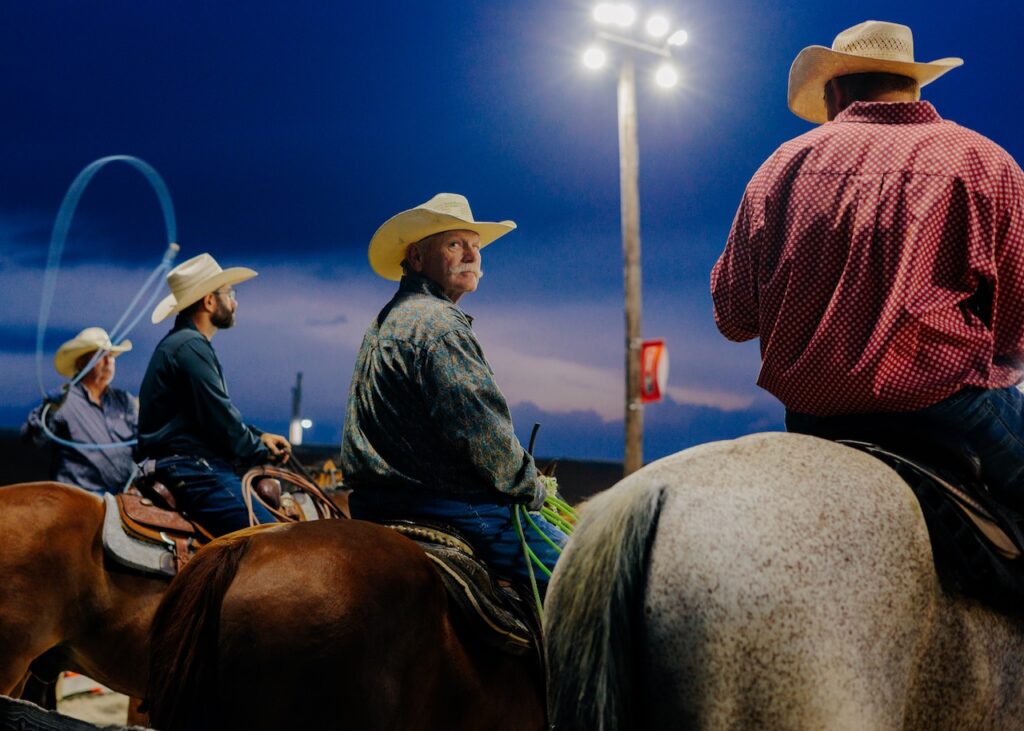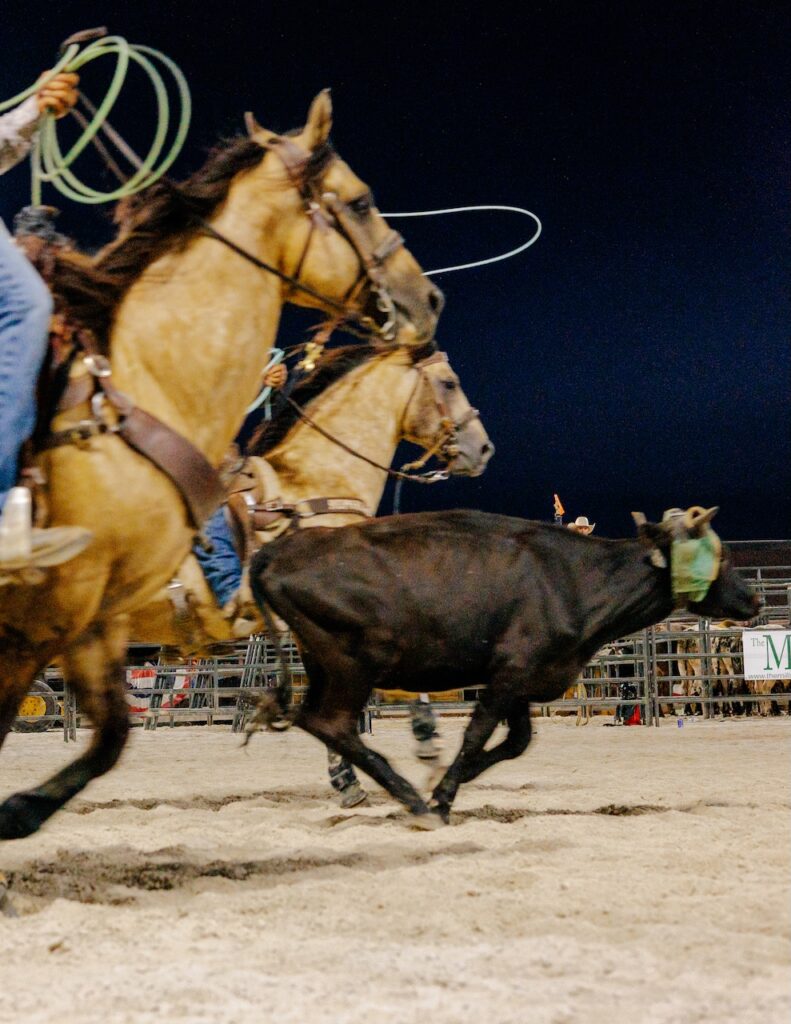
At the Maryland State Fair, Maryland’s oldest and largest agricultural exhibition, held each late summer at the fairgrounds in Lutherville-Timonium, the day starts before most people are dressed. The fair traces back to 1878, when a group of Baltimore County businessmen founded what became the Maryland State Fair and Agricultural Society, and it has run almost every year since — the one exception a three-year suspension during World War II, when the fairgrounds were leased to the U.S. Army. Today it packs livestock competitions, horse racing, a full midway, and a state’s worth of fried food into three long weekends, what organizers now call the “12 Best Days of Summer.”
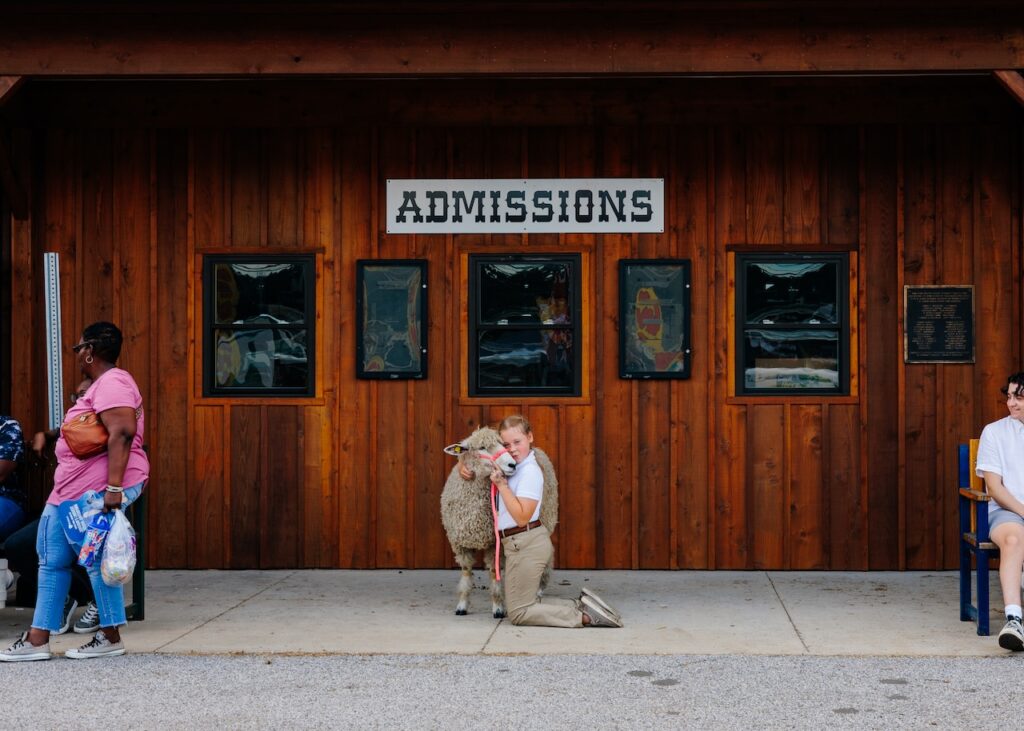
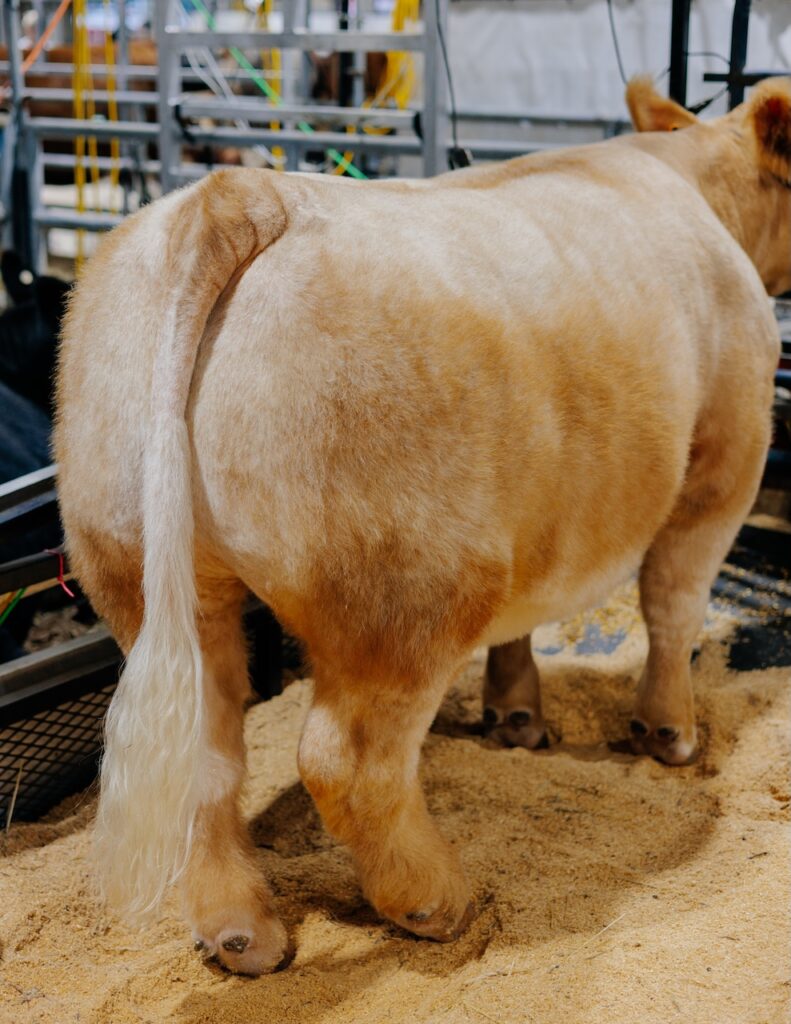
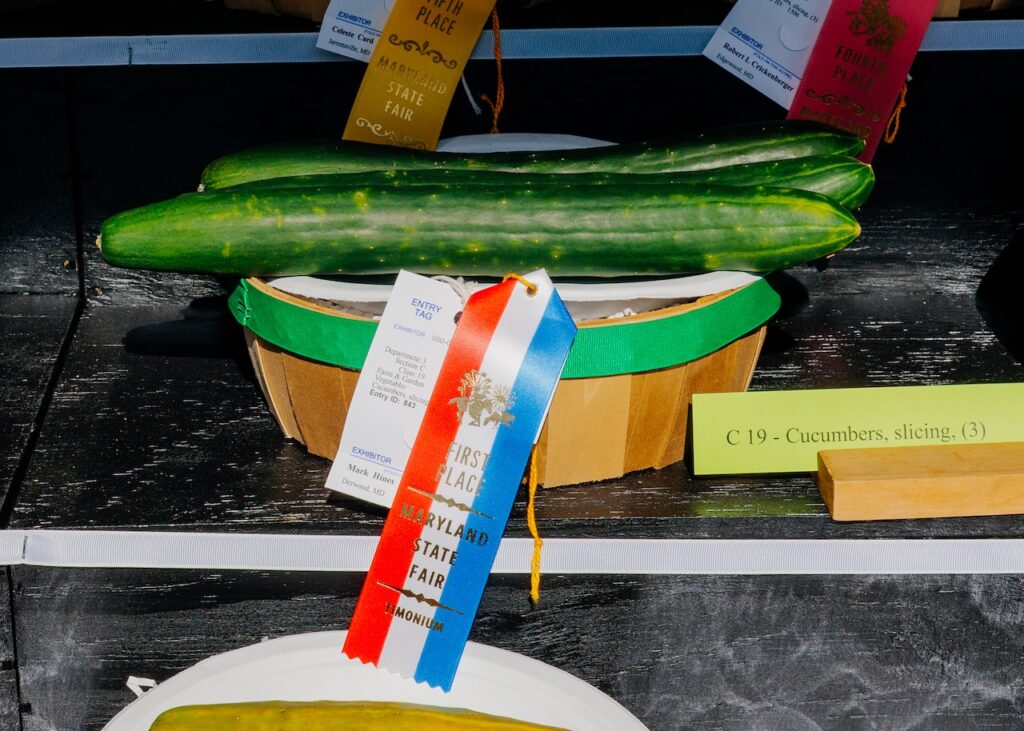
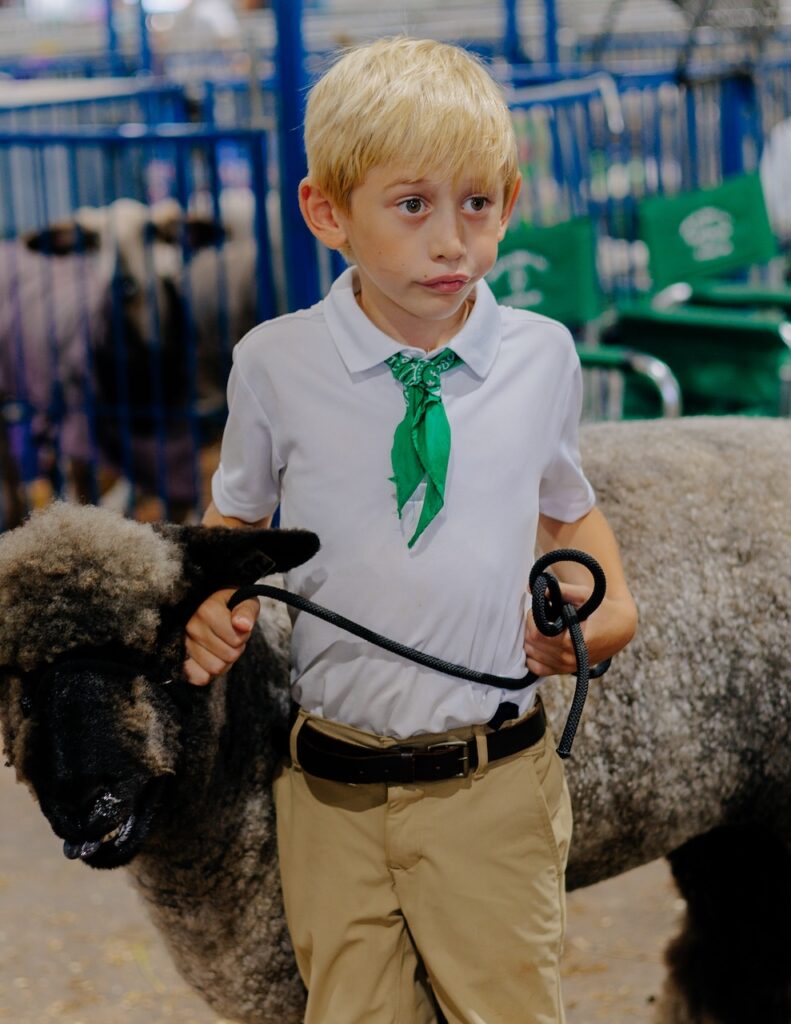
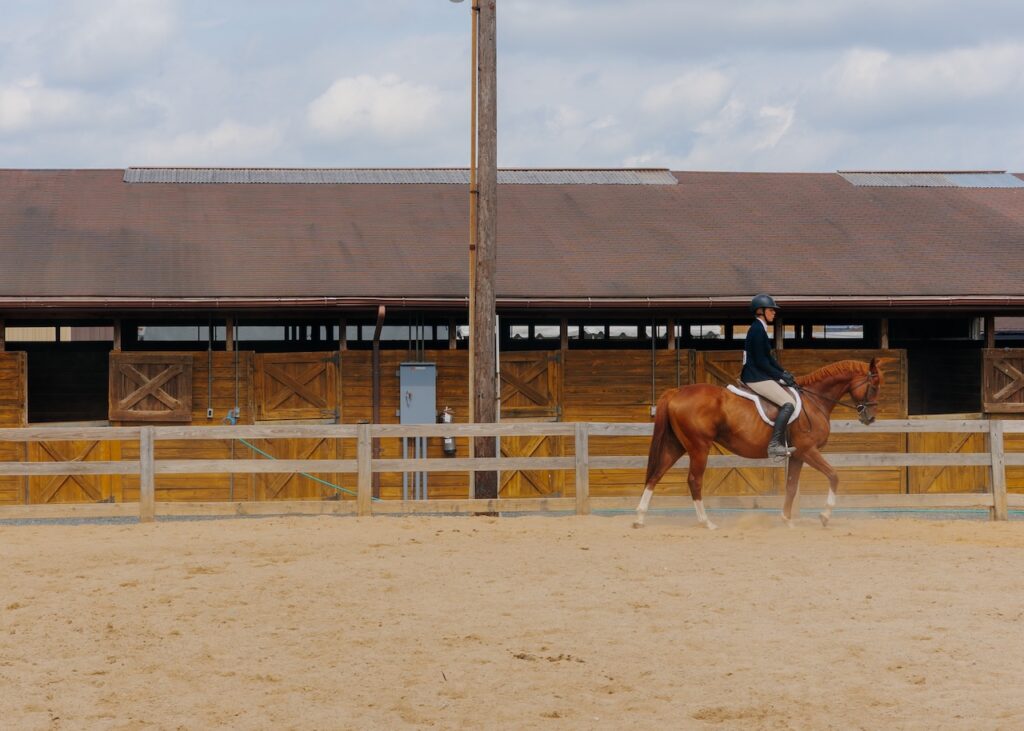
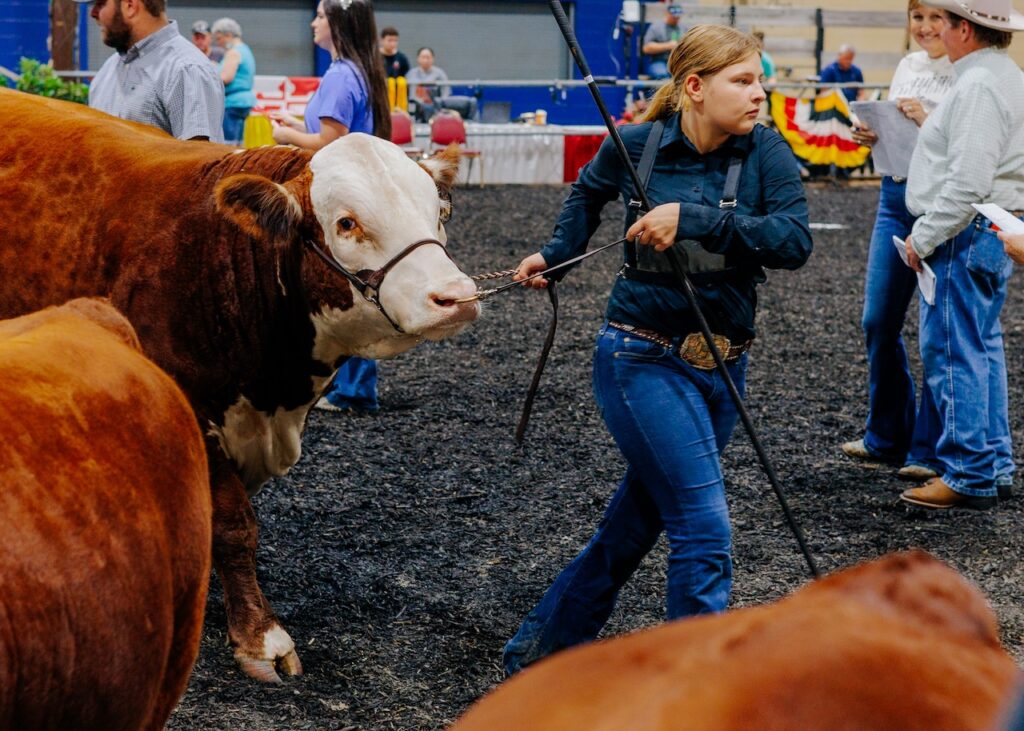
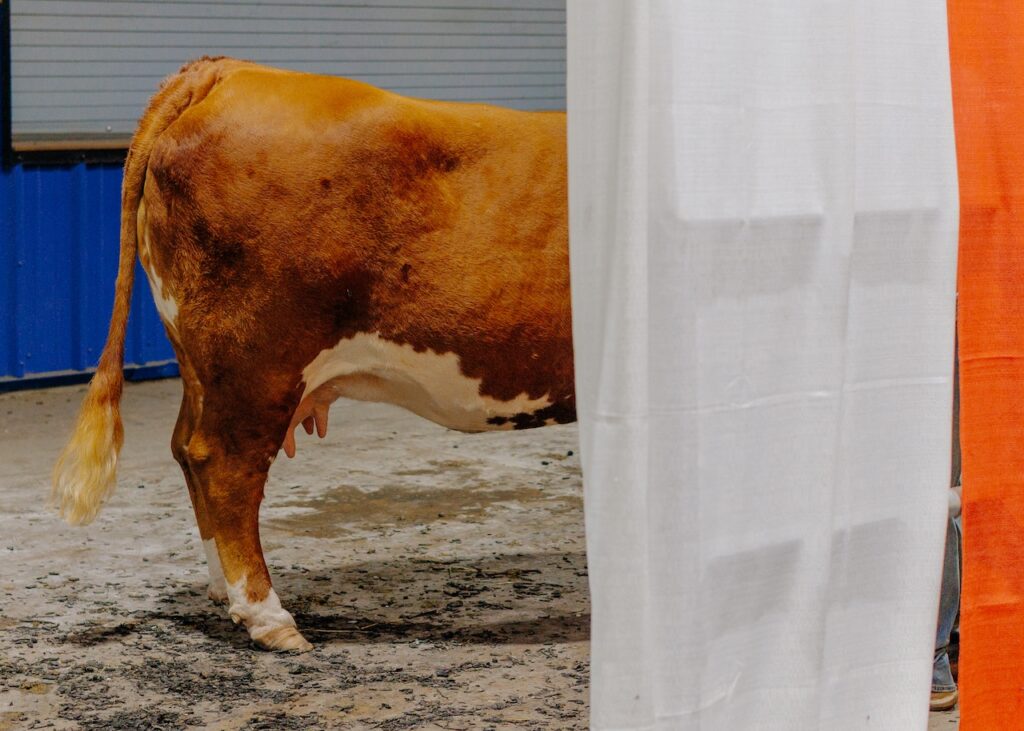
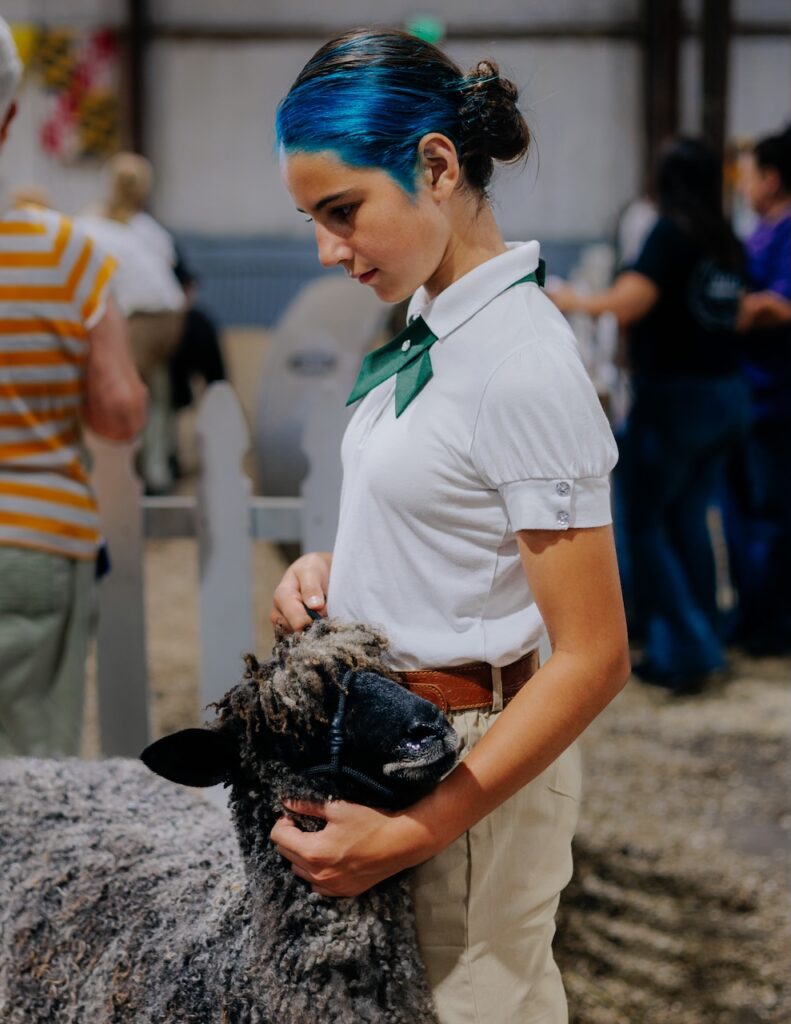
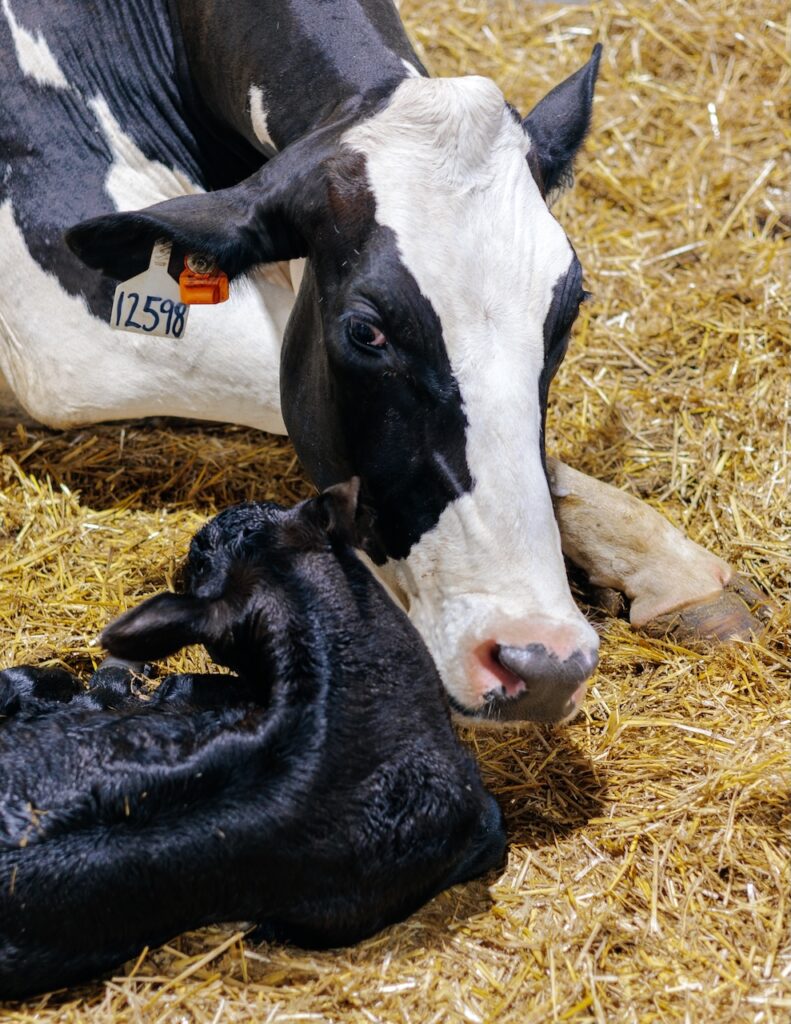
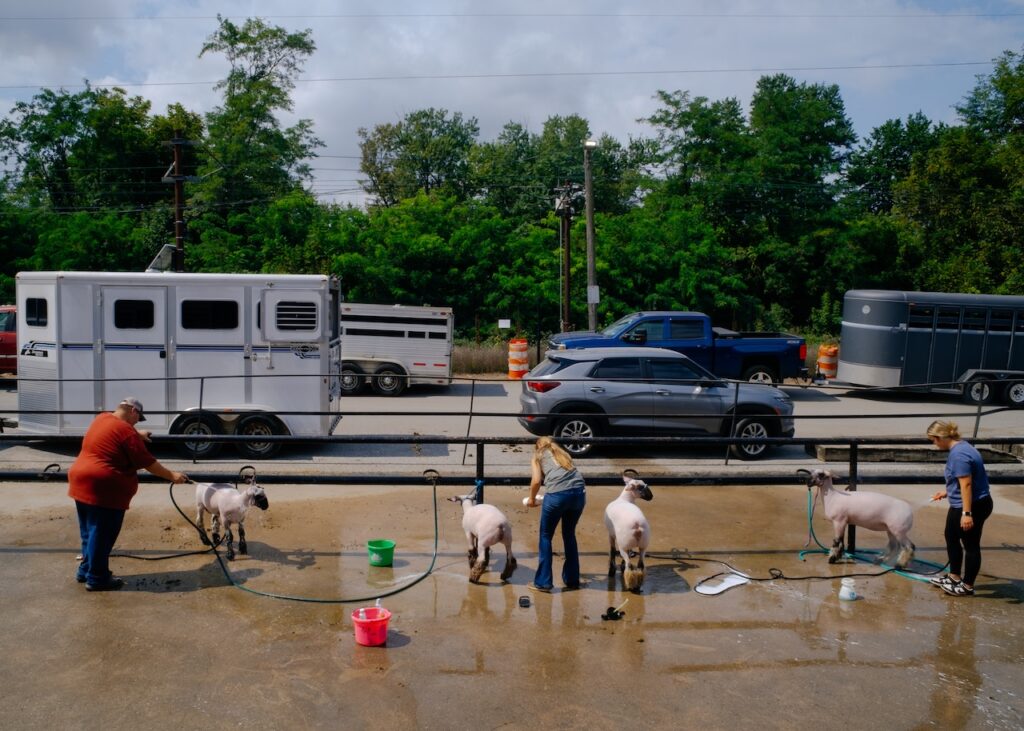
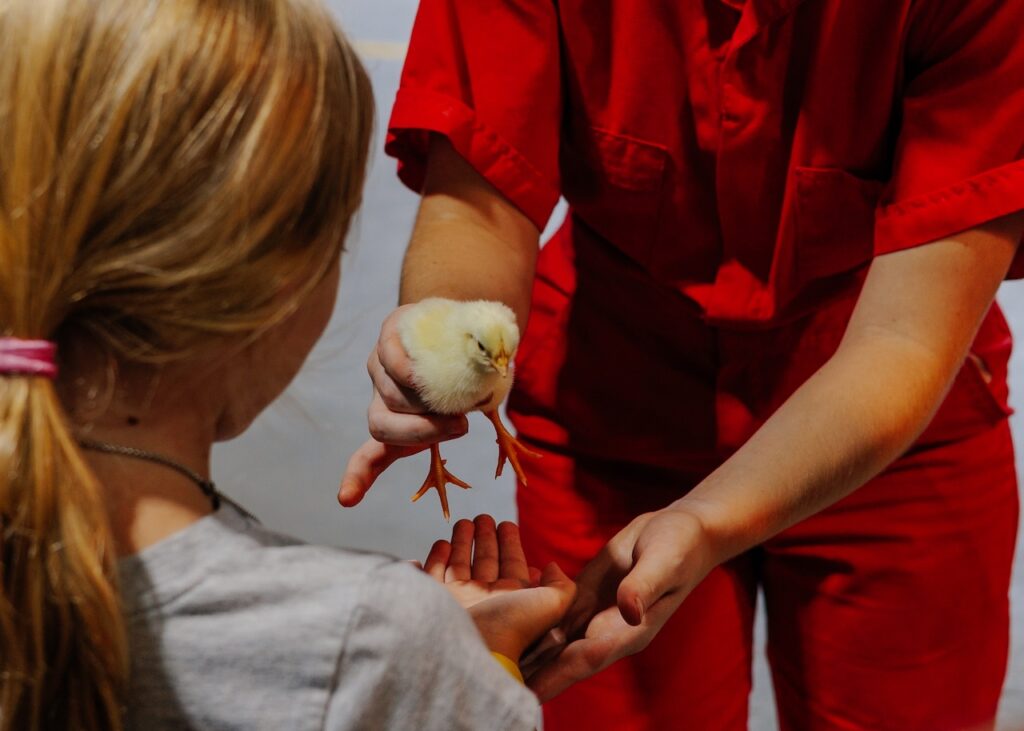
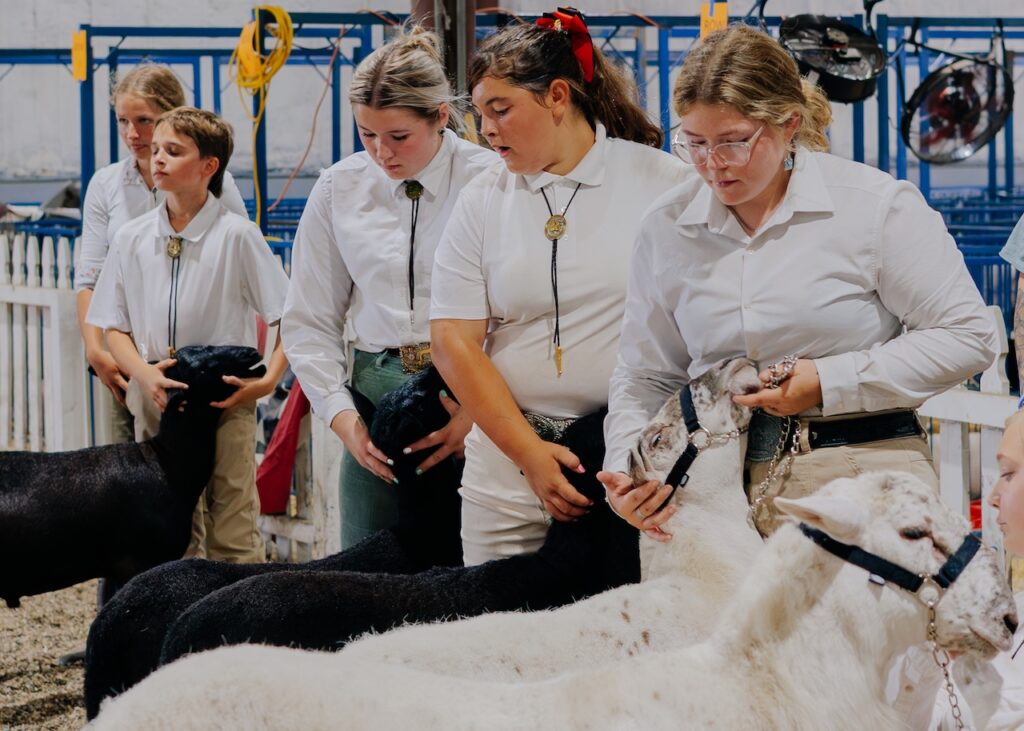
By time the sun comes up, farm families are already out of their campers, pampering their cattle, sheep, and swine. The animal shows are first on the schedule at the Maryland State Fair, and they must present their best if they want to win ribbons or oversized checks. These 4-H and FFA competitions are the fair’s original purpose and still its beating heart — a rare public stage for the kind of unglamorous, pre-dawn labor that keeps a state, and a country, fed, and that gets far less recognition than it has earned.
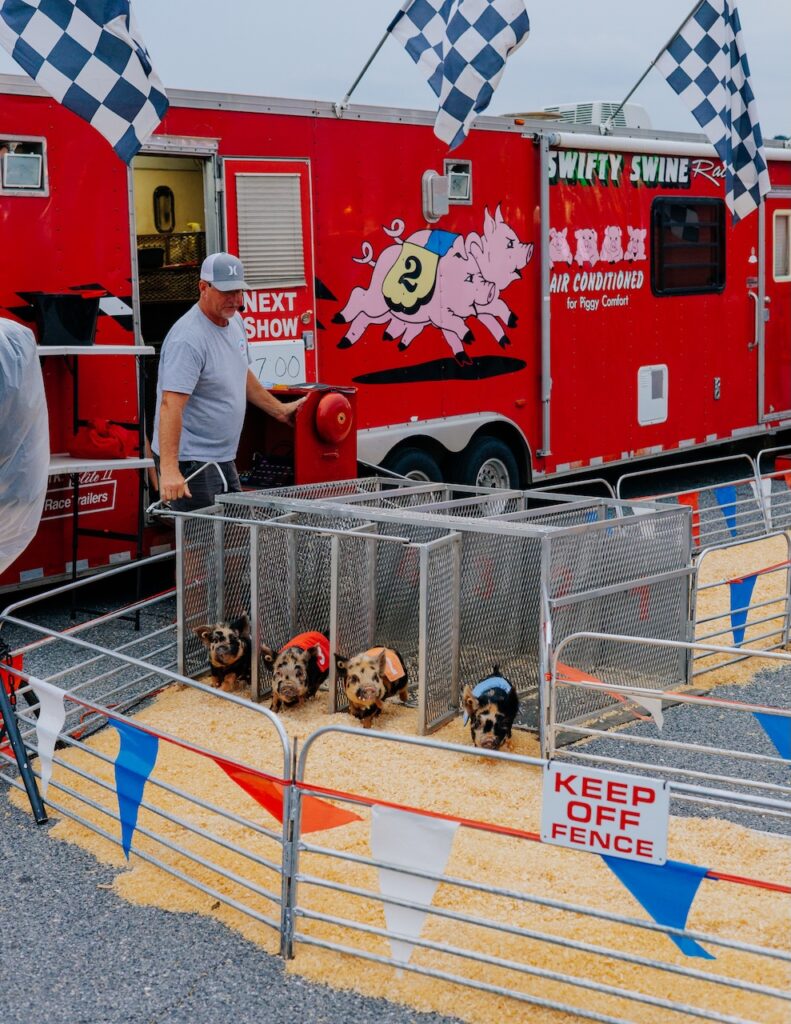
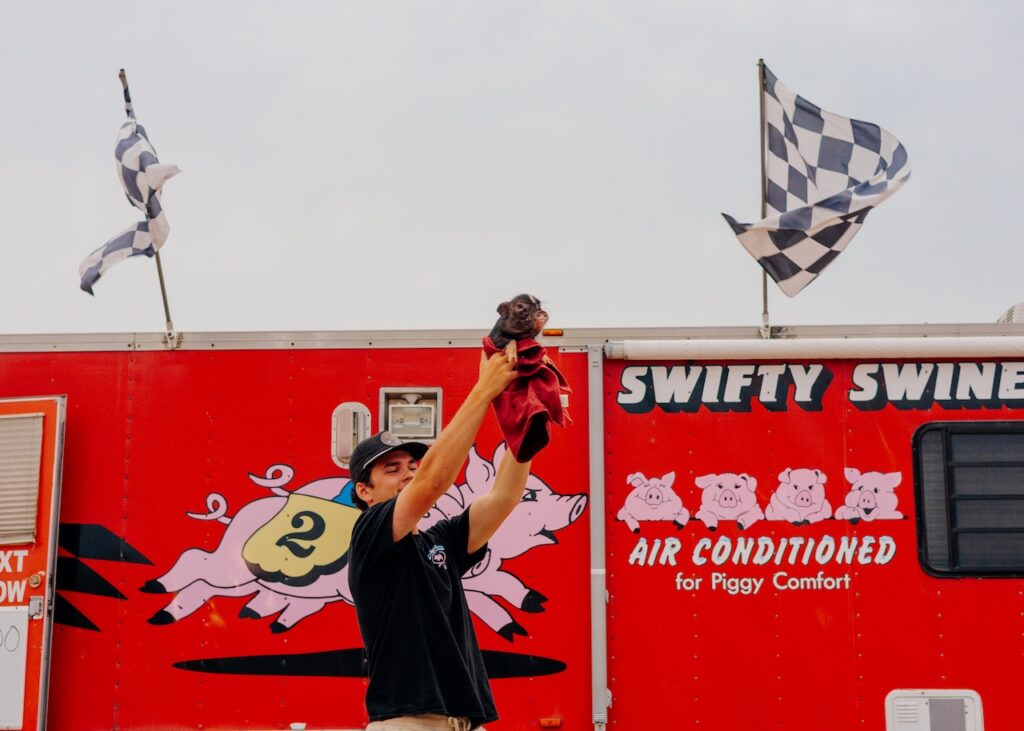
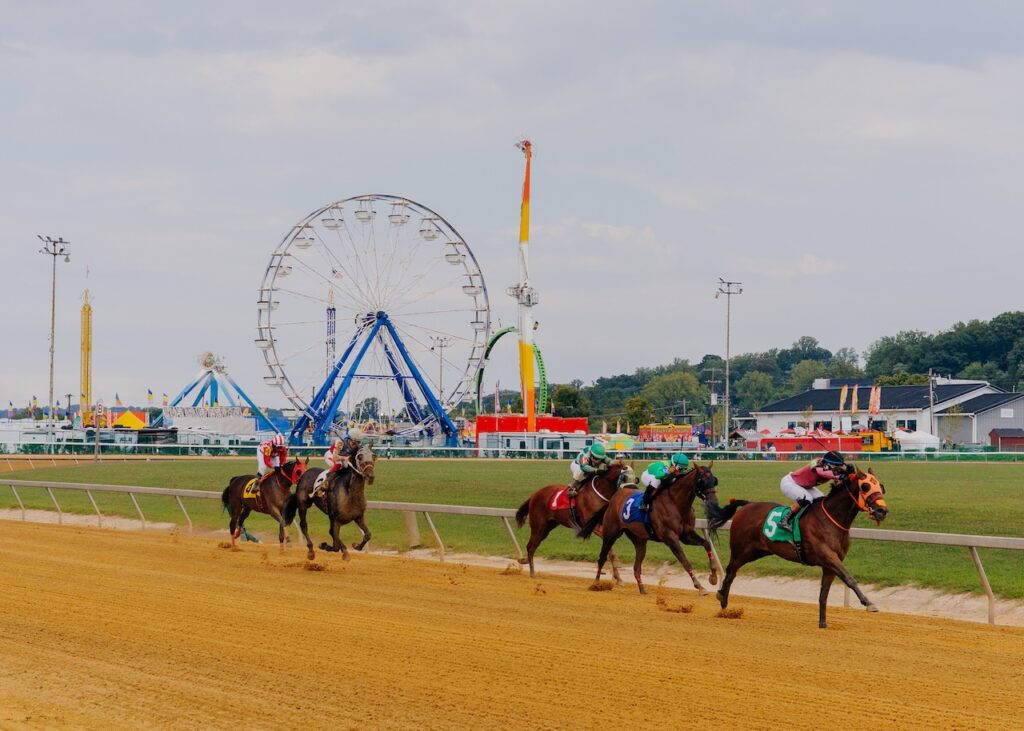
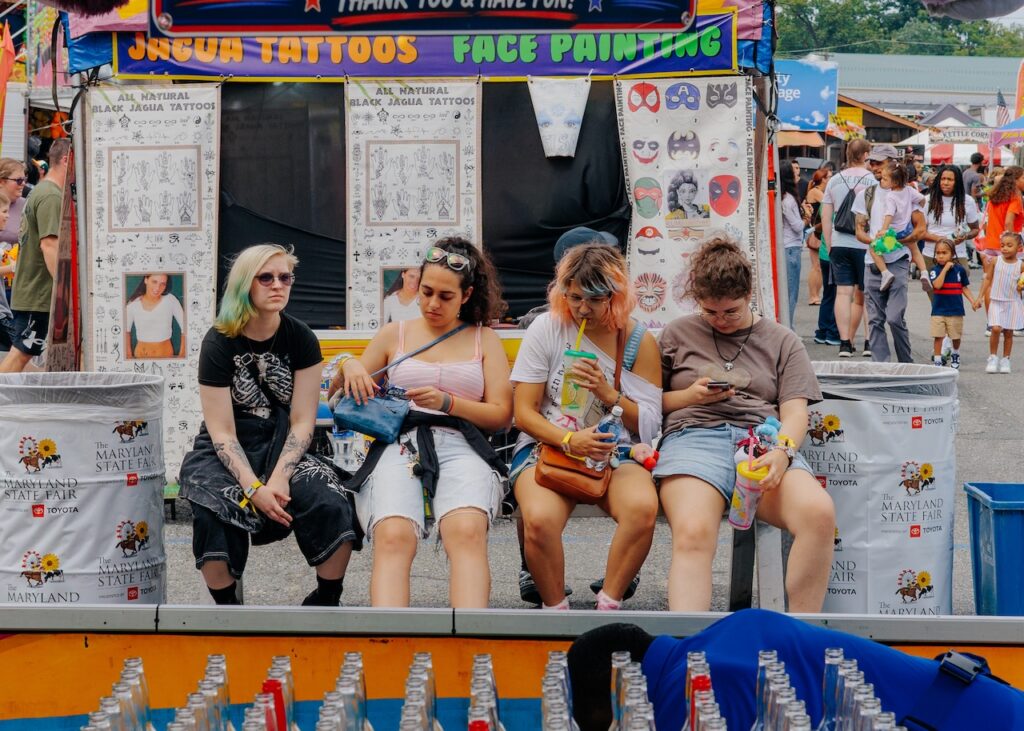
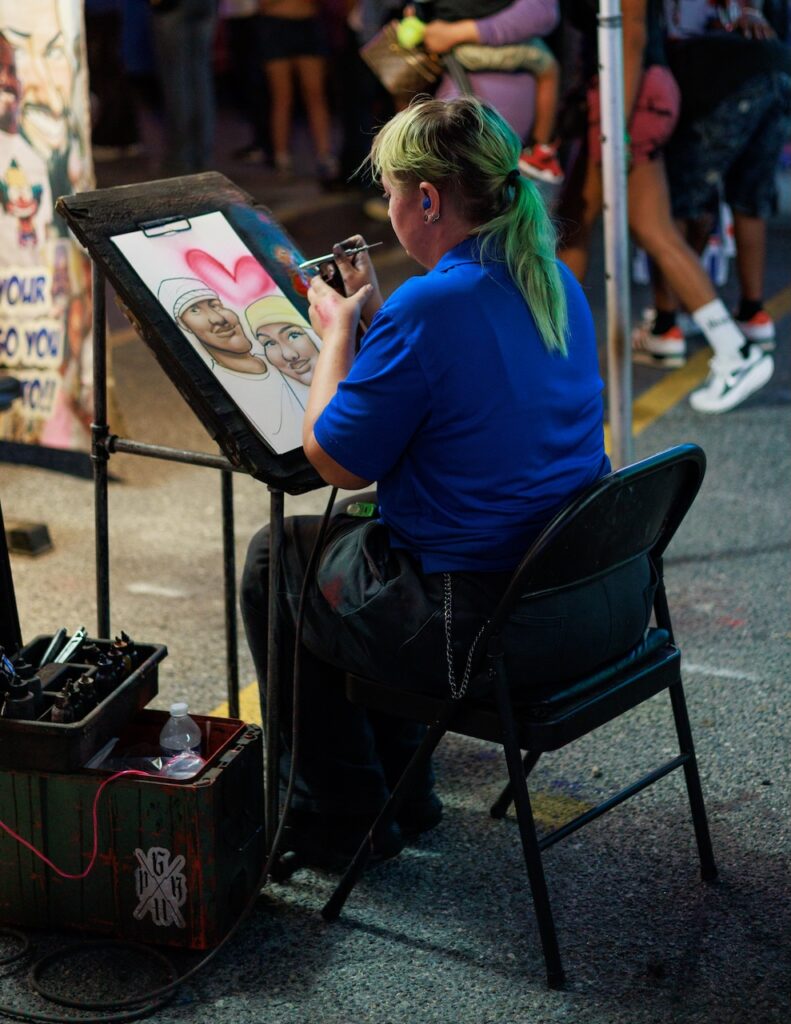
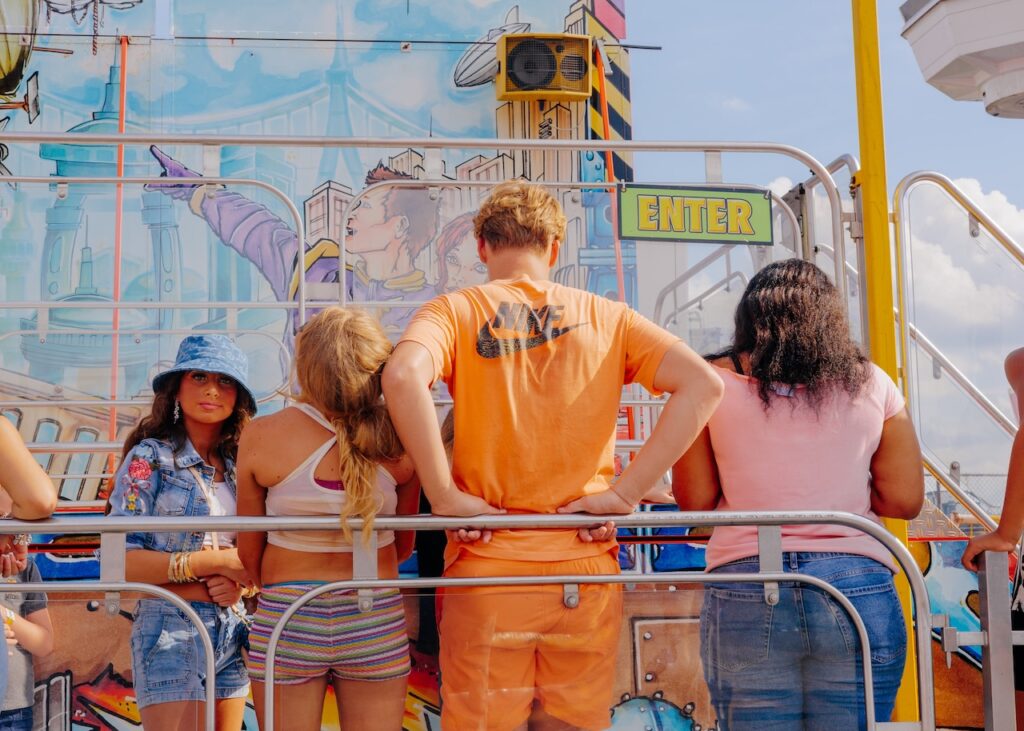
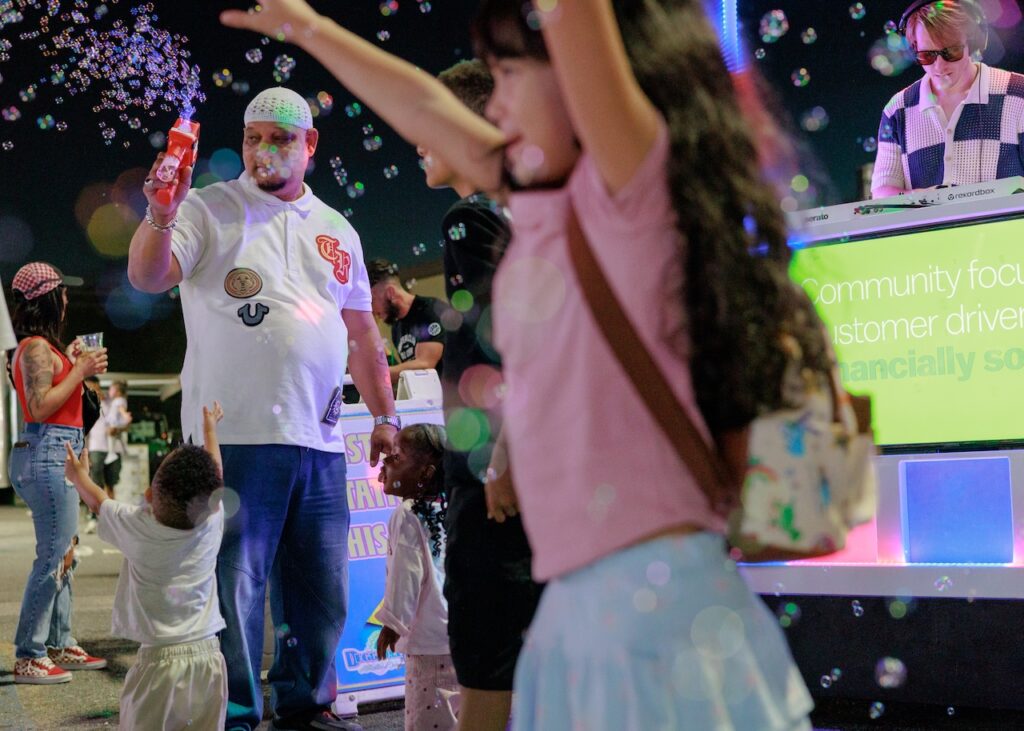
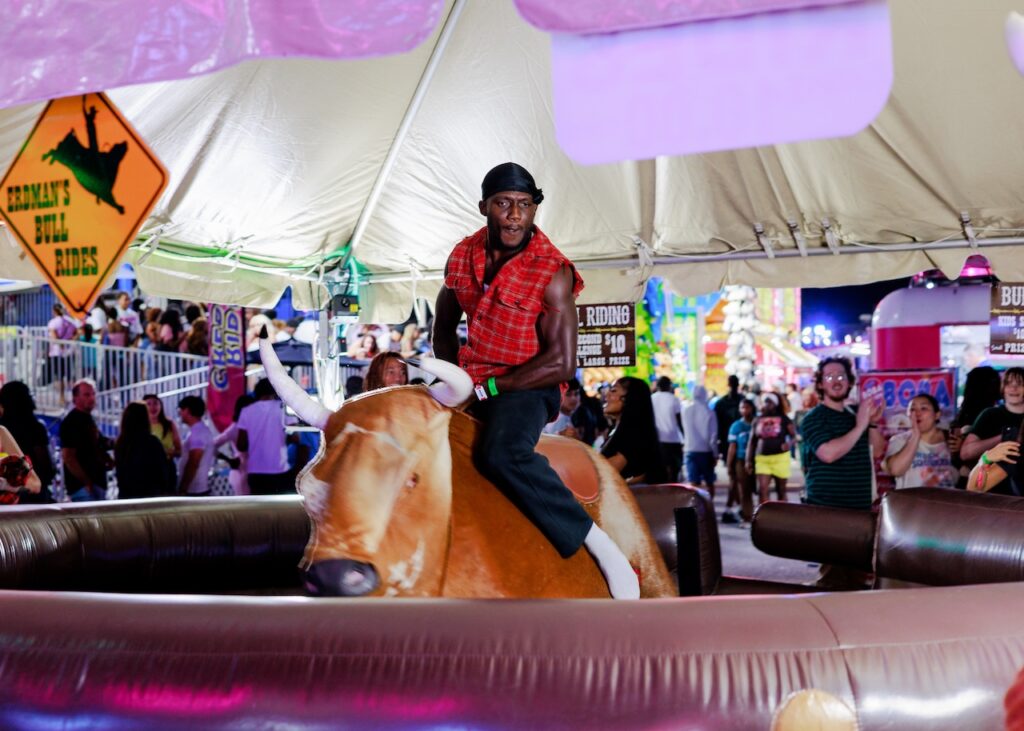
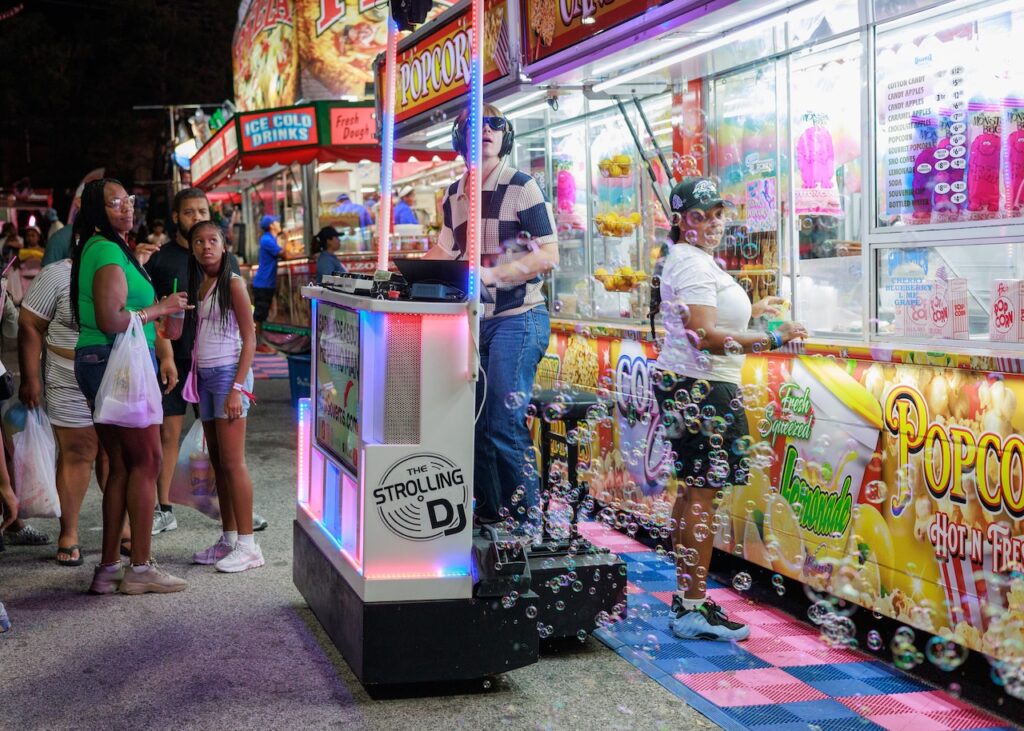
Outside of the animal barns, little kids drag oversized inflatable baseball bats around the fairgrounds, adorned in face paint making them look like tigers and unicorns, their lips stained bright colors from slushies and candy apples. The mobile DJ drives past, enticing everyone nearby to dance to the Cupid Shuffle. Pink and brown pigs scurry around a small racetrack, scoring an Oreo cookie if they win. Behind that, a much larger track sits with the sound of Thoroughbred hooves approaching like thunder, their legs stretching far, elongating their stride — a nod to the fair’s long, sometimes contentious relationship with horse racing, which nearly ended in the 1970s before advocates fought to keep it. In the grandstands, spectators shout “c’mon, go!” at the horse they placed their bets on.
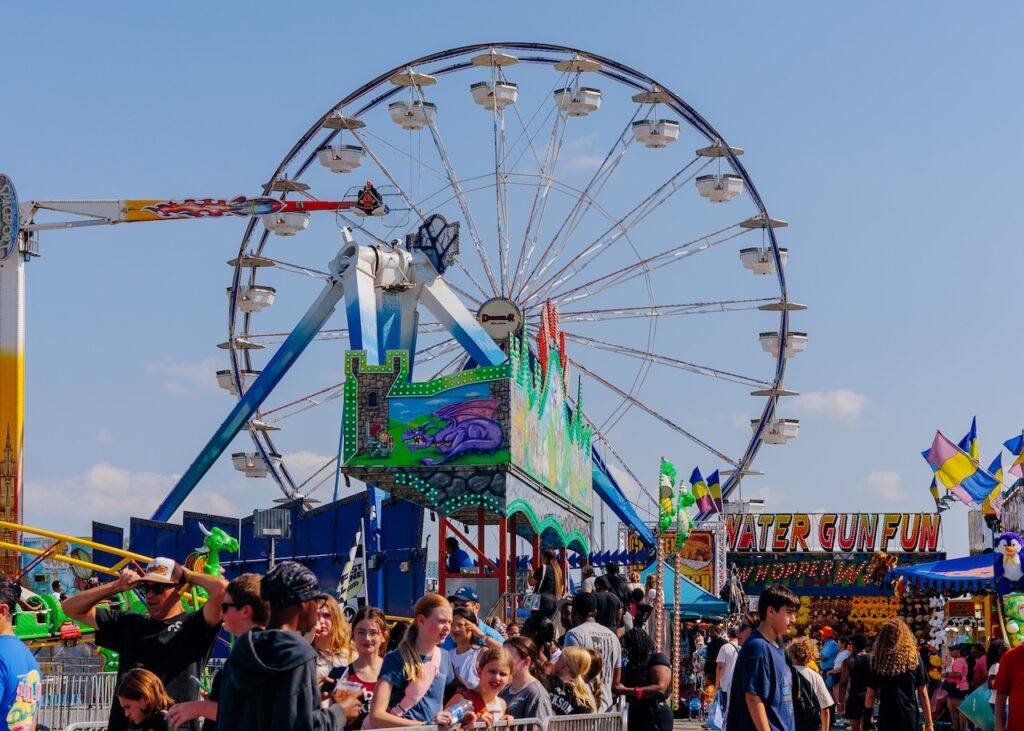
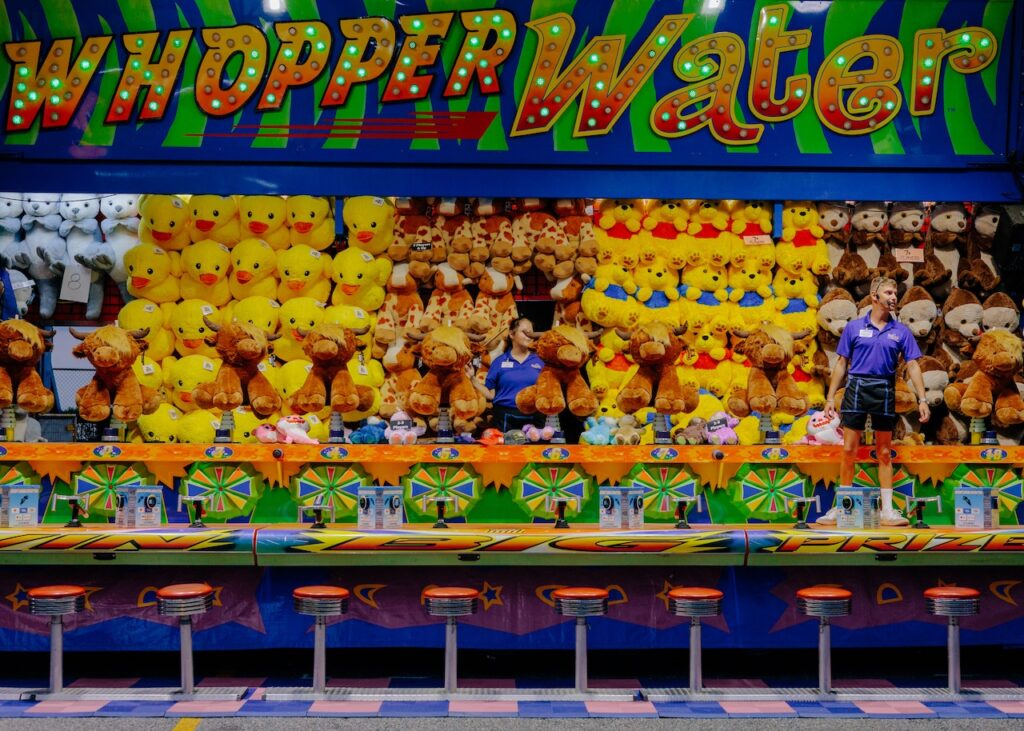
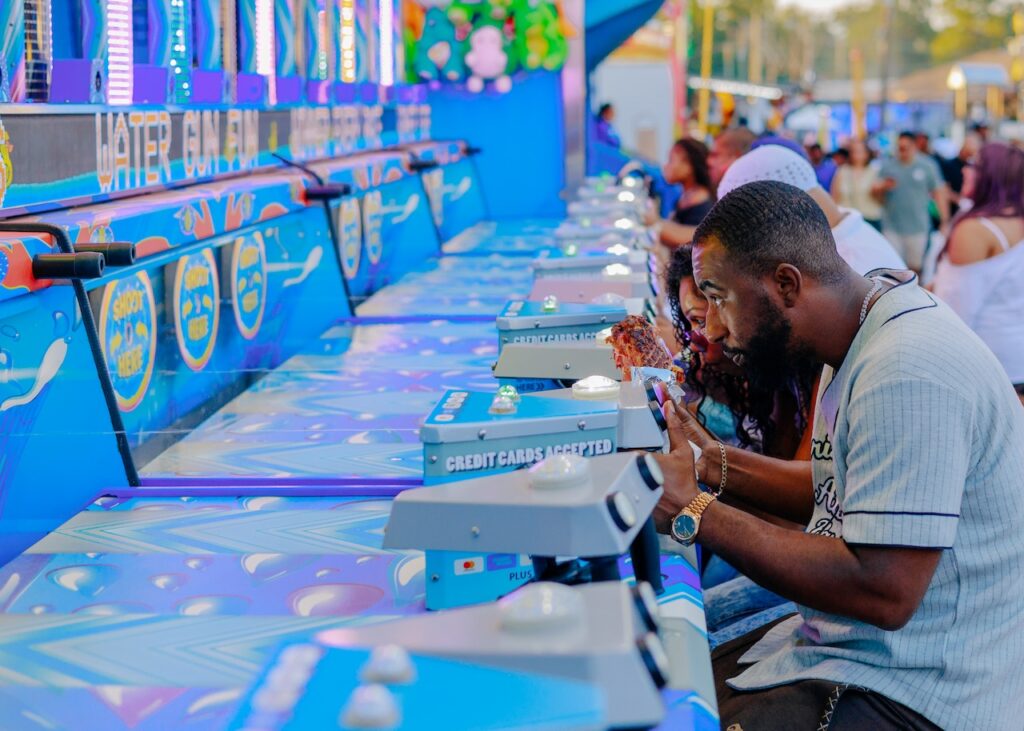
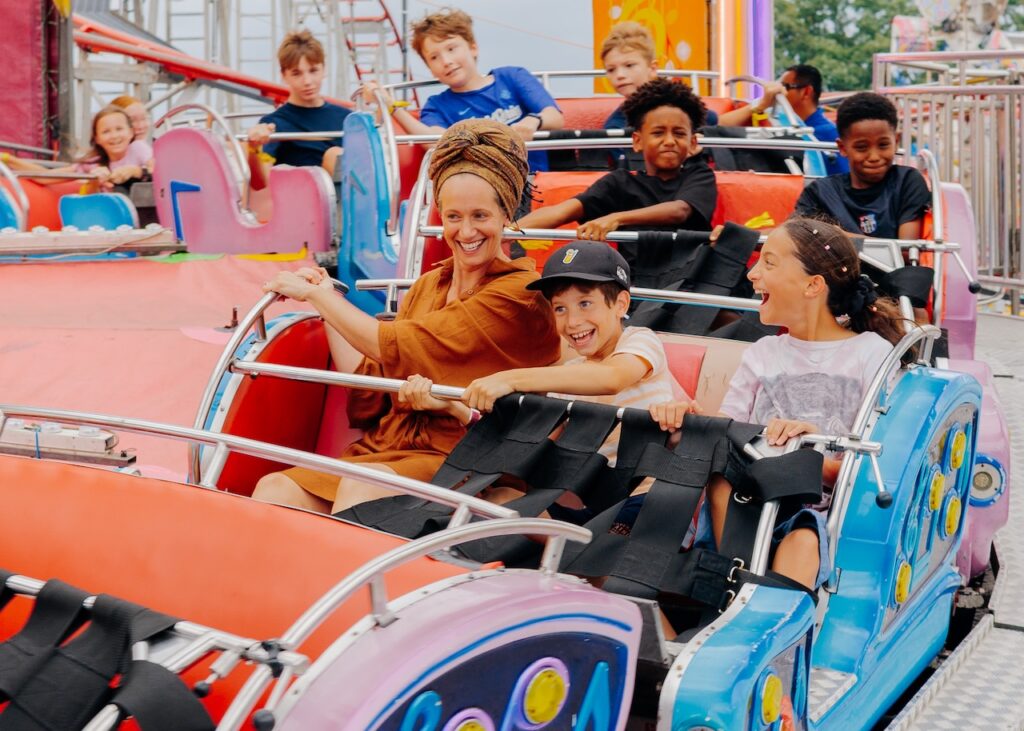
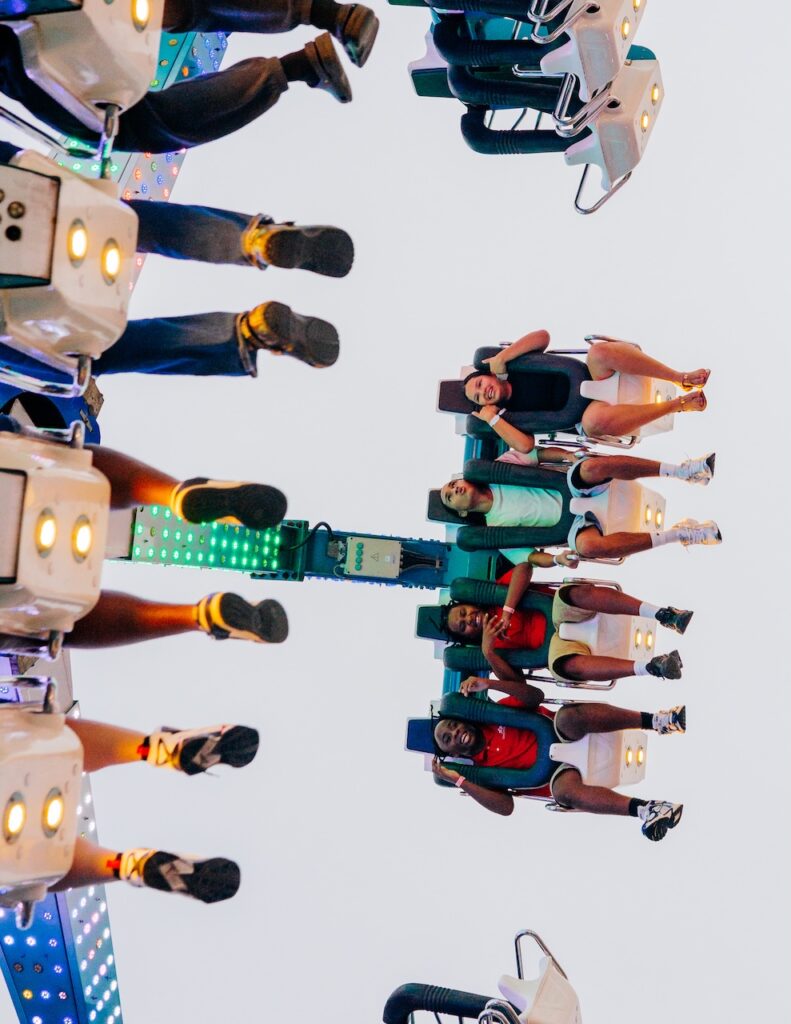
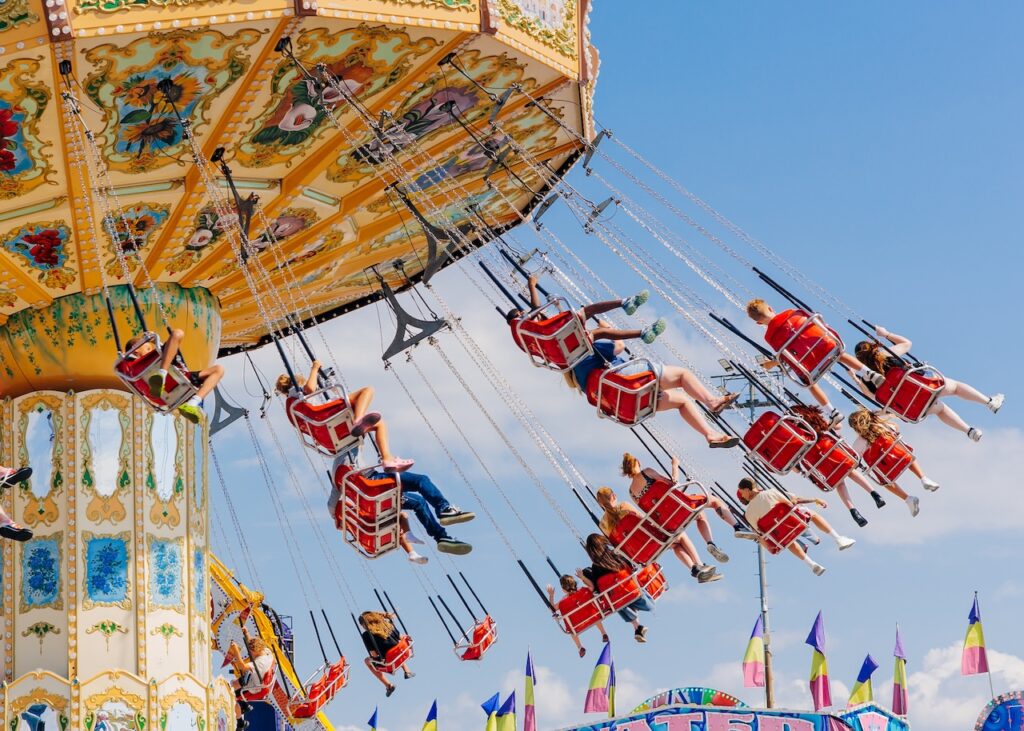
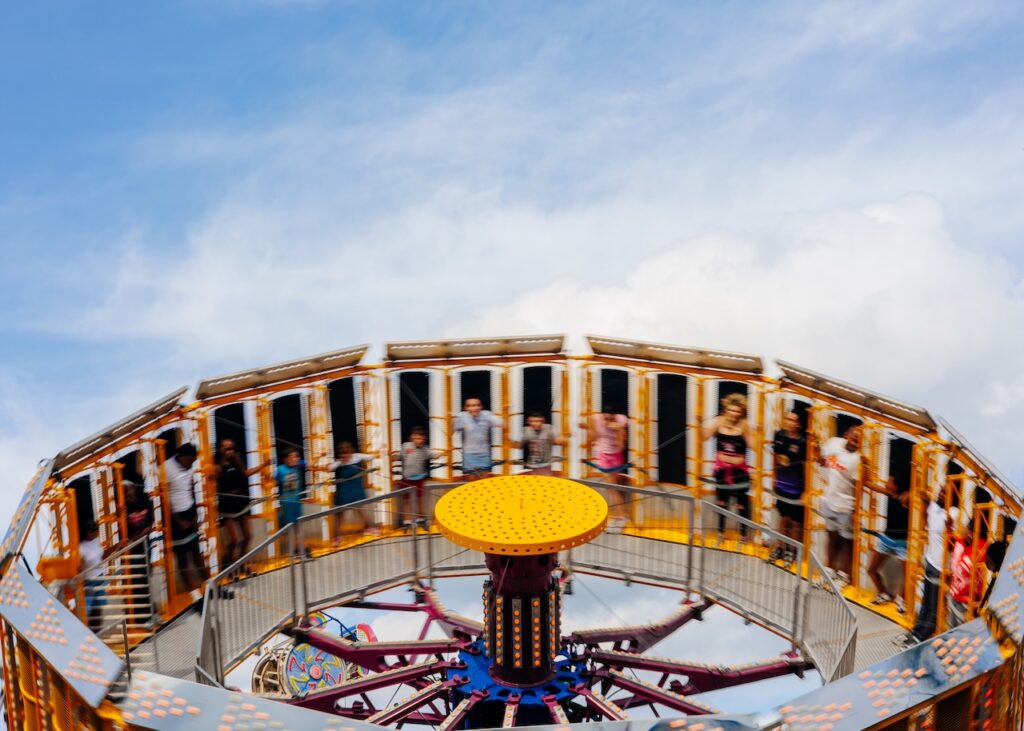
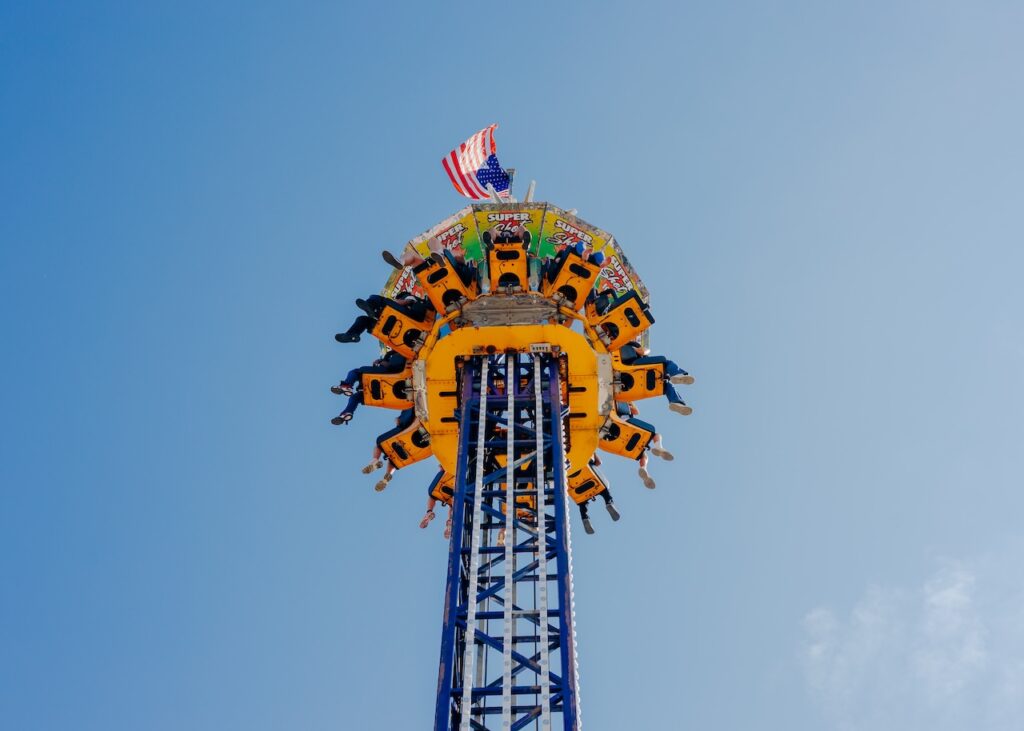
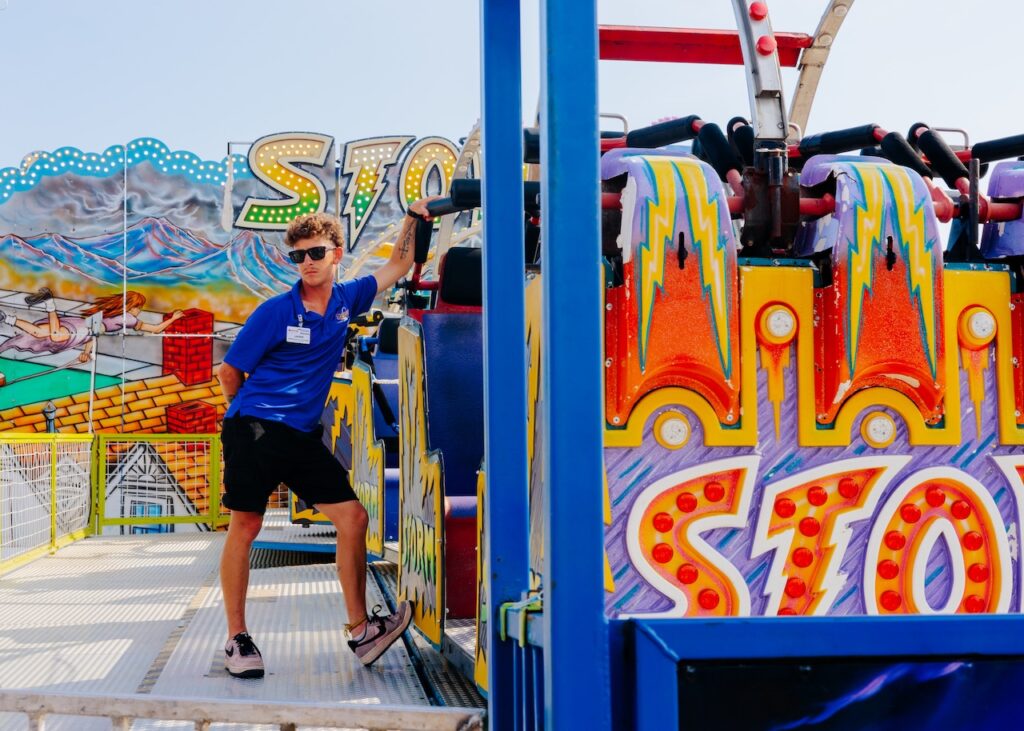
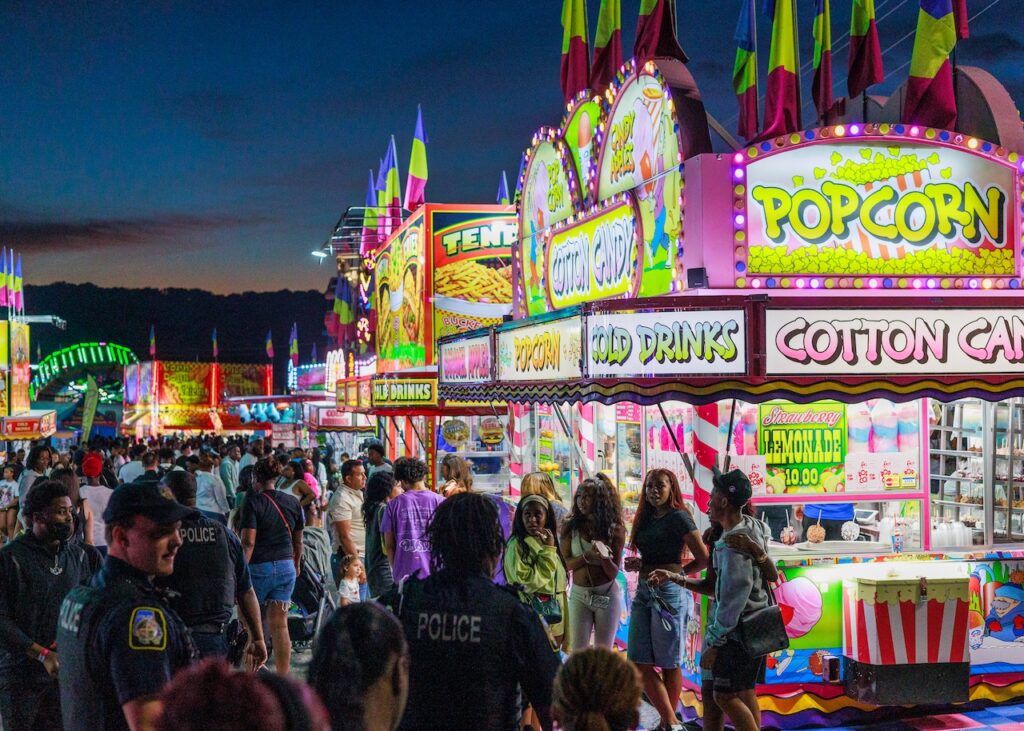
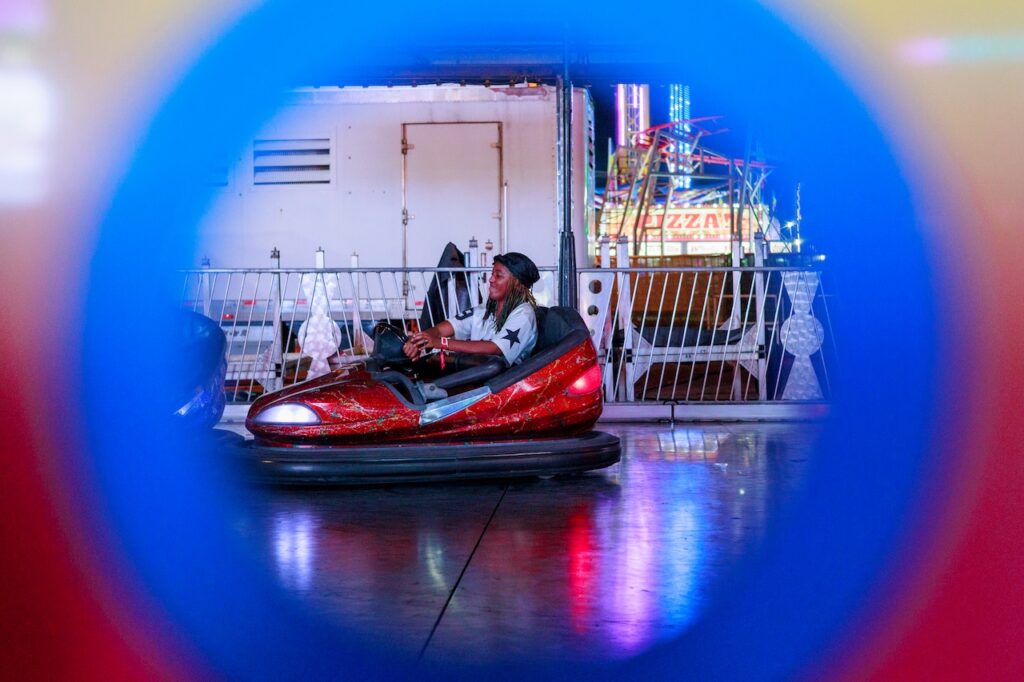
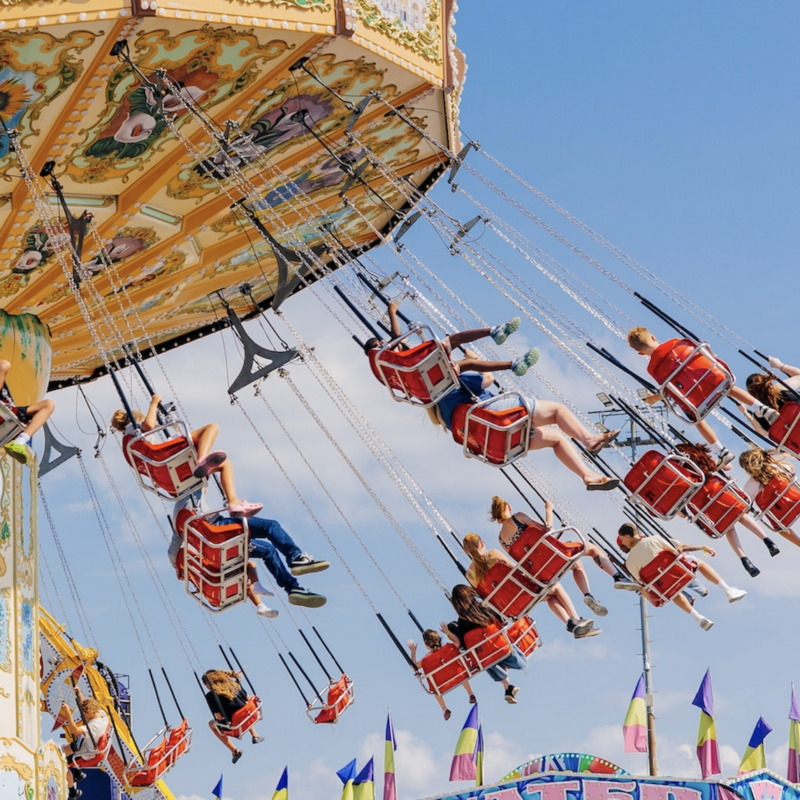
Screams echo through the Midway as riders are hurled through the cotton-candy sky at 60 miles per hour on the Spaceport ride, while fairgoers below watch in awe, snacking on funnel cakes and corn dogs. By the final nights of the three-weekend-long spectacle, the sun goes down a little earlier, closing in on the end of summer — and on more than 145 years of a fair that has survived war, development pressure, and a pandemic because enough people kept showing up to save it. It’s worth asking why an institution built around the people who grow our food isn’t treated as more central to how Maryland, and America, sees itself. Farming is one of the few things that still quietly unites a divided country, and it deserves the kind of investment the Maryland State Fair has spent a century and a half proving it’s earned.
We hope you enjoy this gorgeous photo essay by KT Kanazawich captured in early September.