Since when did texting become a substitute for exchanging business cards? At the Baltimore Museum of Art (BMA) 110th Anniversary Ball and After Party last weekend, I somehow ended up with several new digits—two of which were simply listed as “Andrew.” One is a lawyer specializing in the arts, the other a burgeoning art collector. I should mention that I fully intended to stay off my phone during the event, leaving photography to my talented colleagues, Jill Fannon and E. Brady Robinson. However at times, it was just necessary to check in, so I admit defeat in that department.
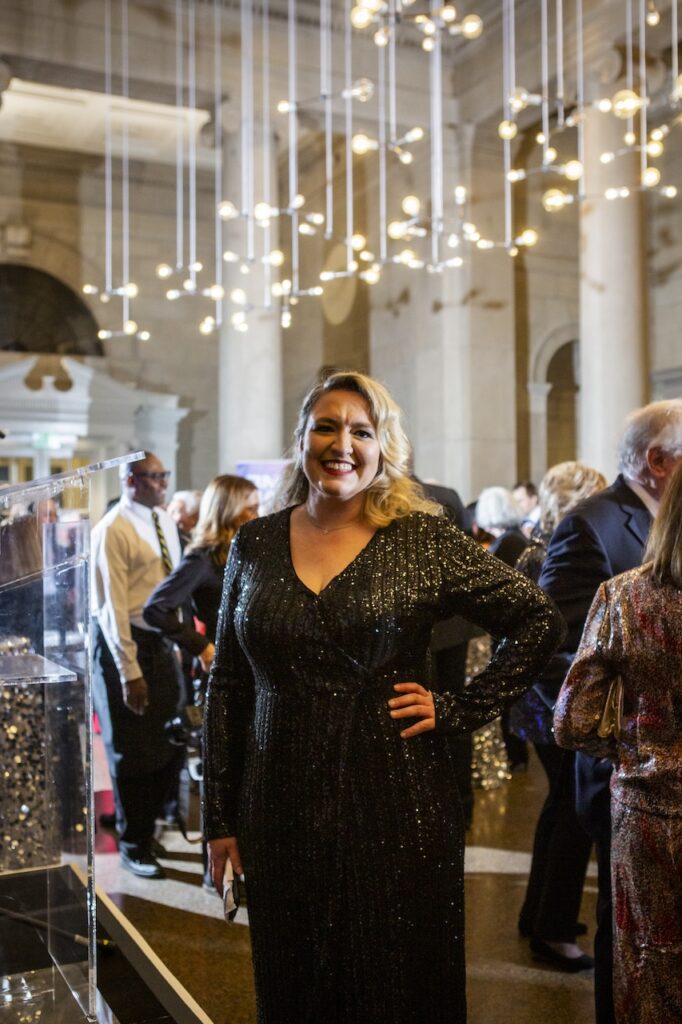
I arrived early, wearing a black party dress and large, asymmetrical Nikki Couppee earrings—my favorite wearable art. It was already dark as I ascended the grand front steps of the museum, passing two dozen young women in metallic green puffy jackets and white tights, part of the Twilighters Marching Band performing outside. The street was quiet, with the exception of a group of valet attendants hopping about, keeping warm and waiting for more cars to arrive.
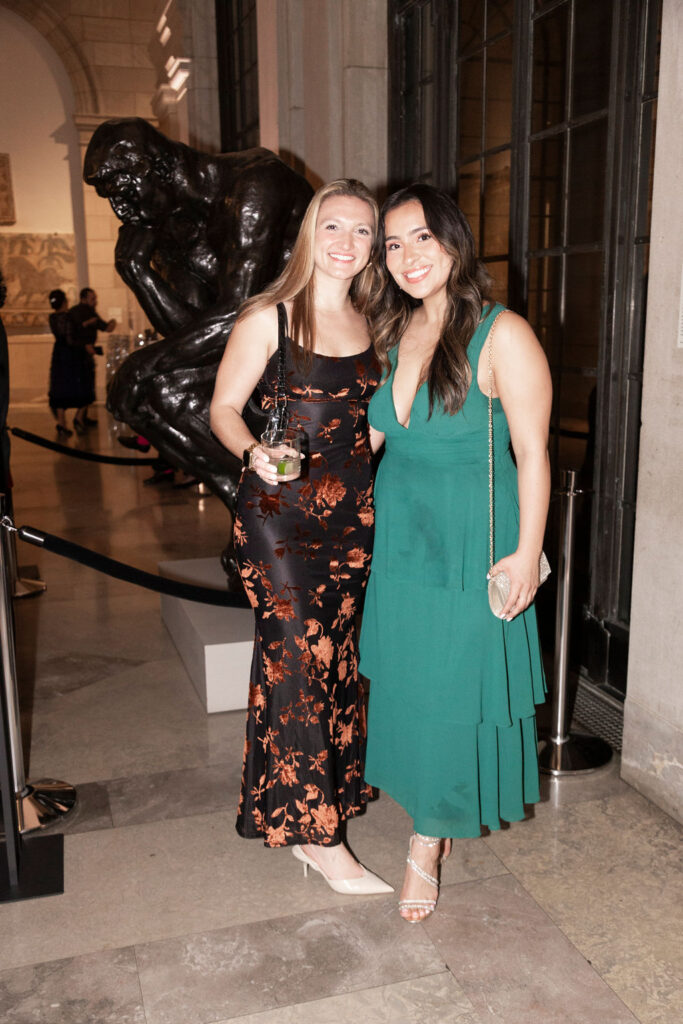
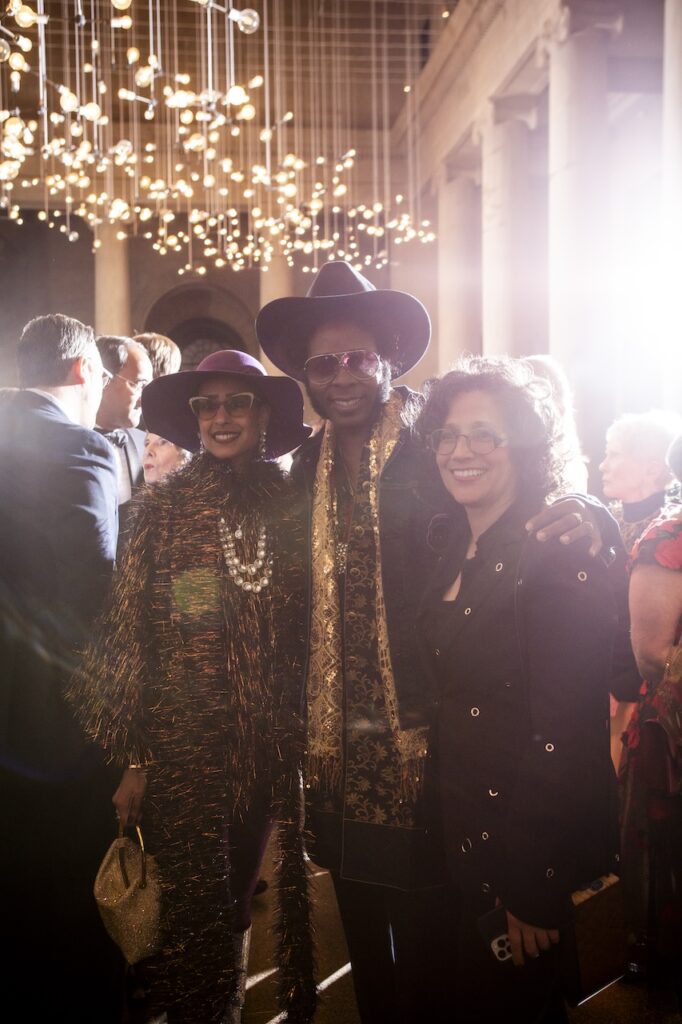
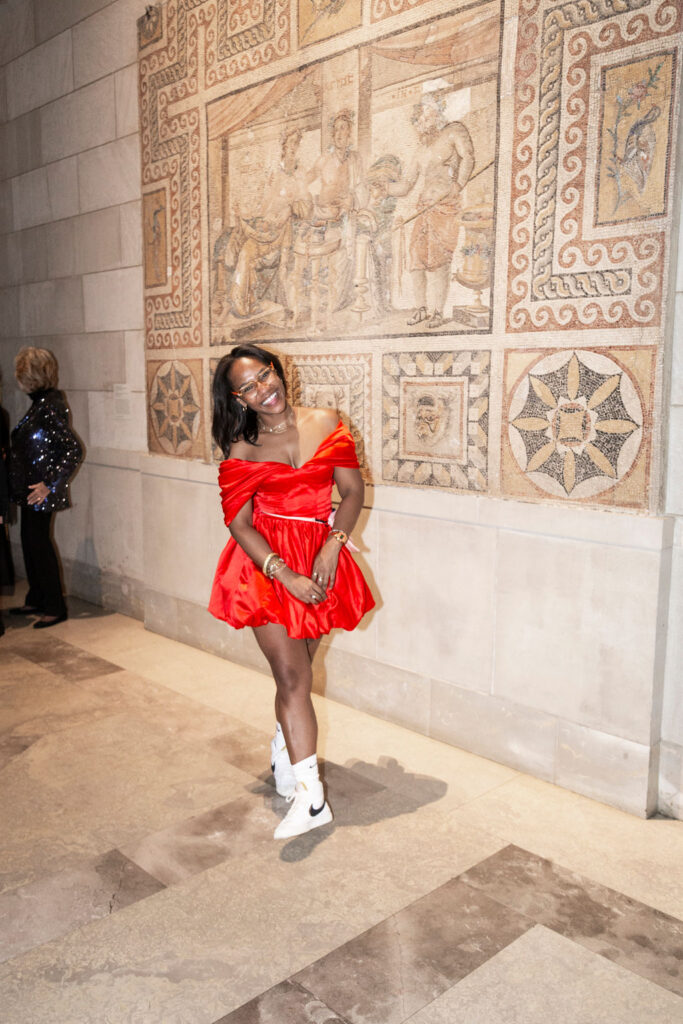
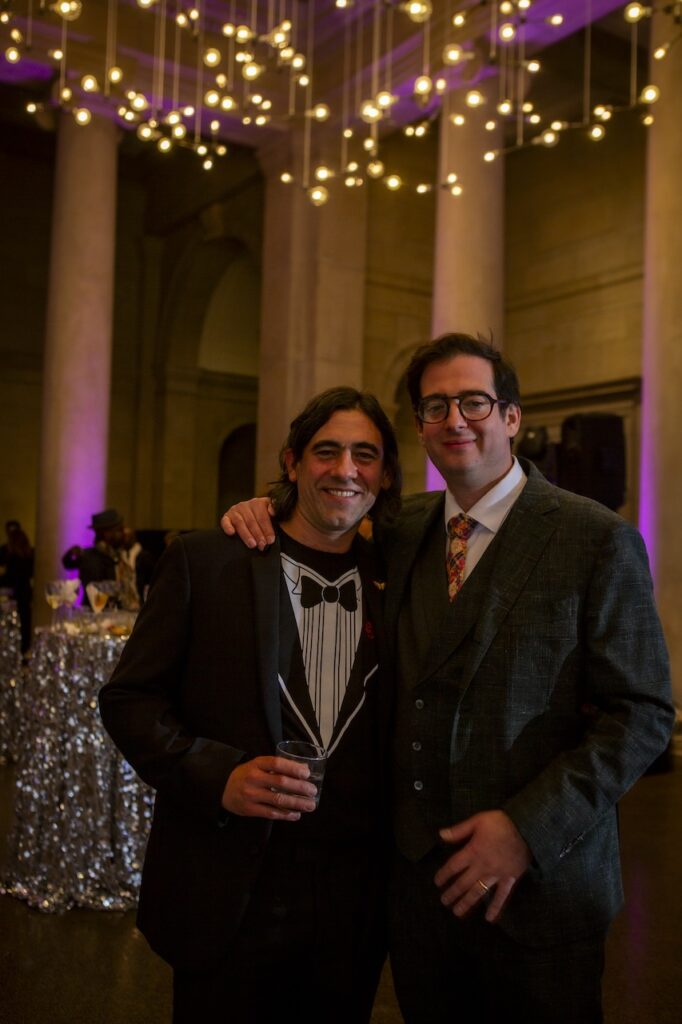
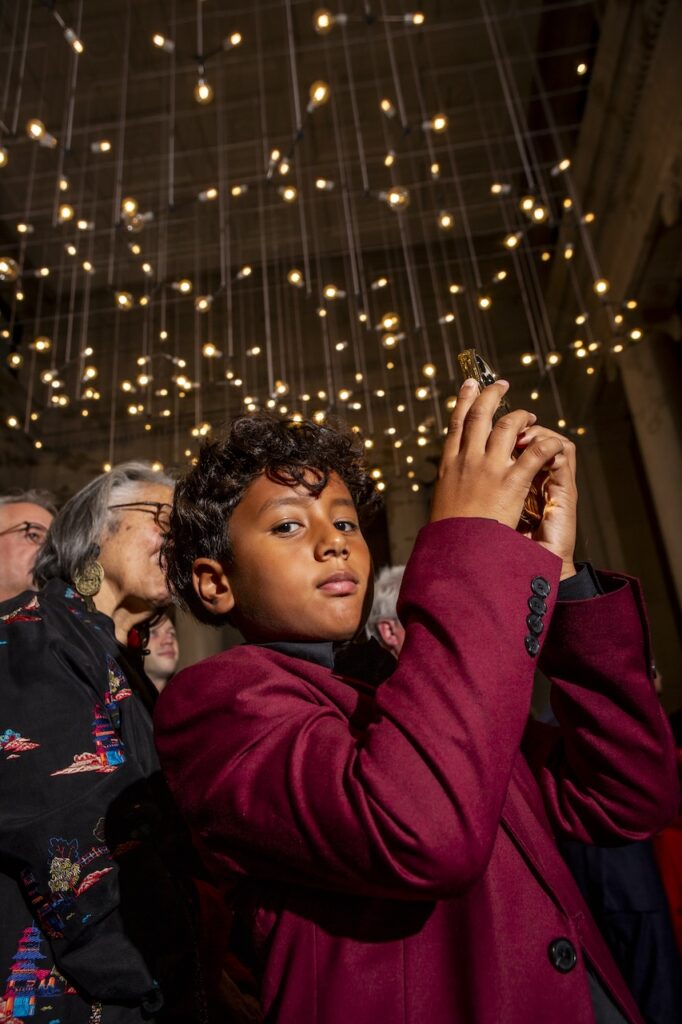
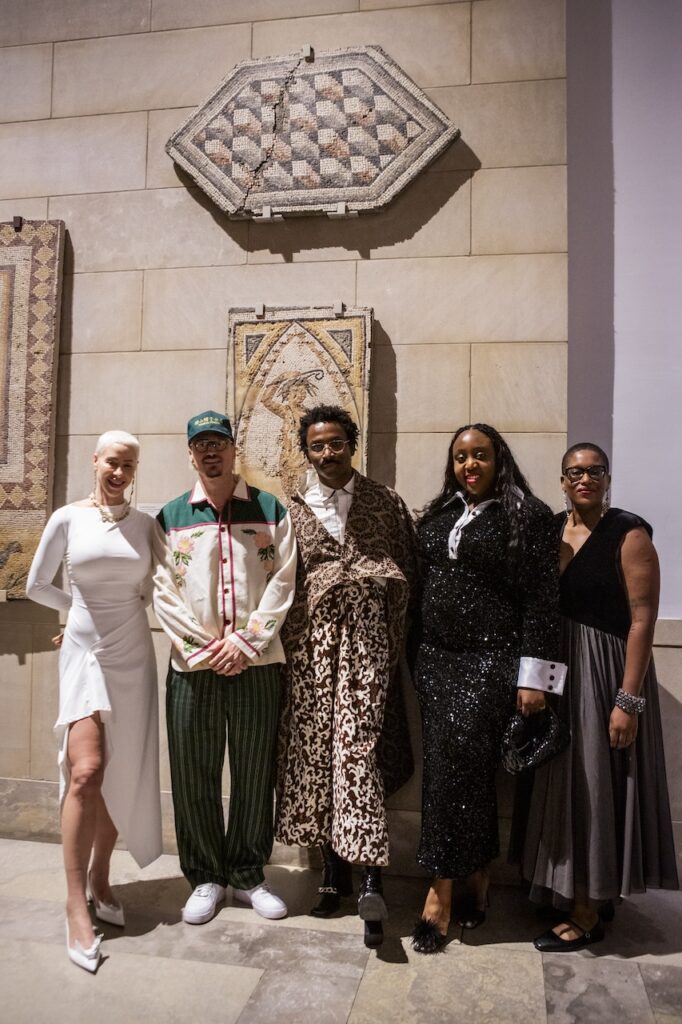
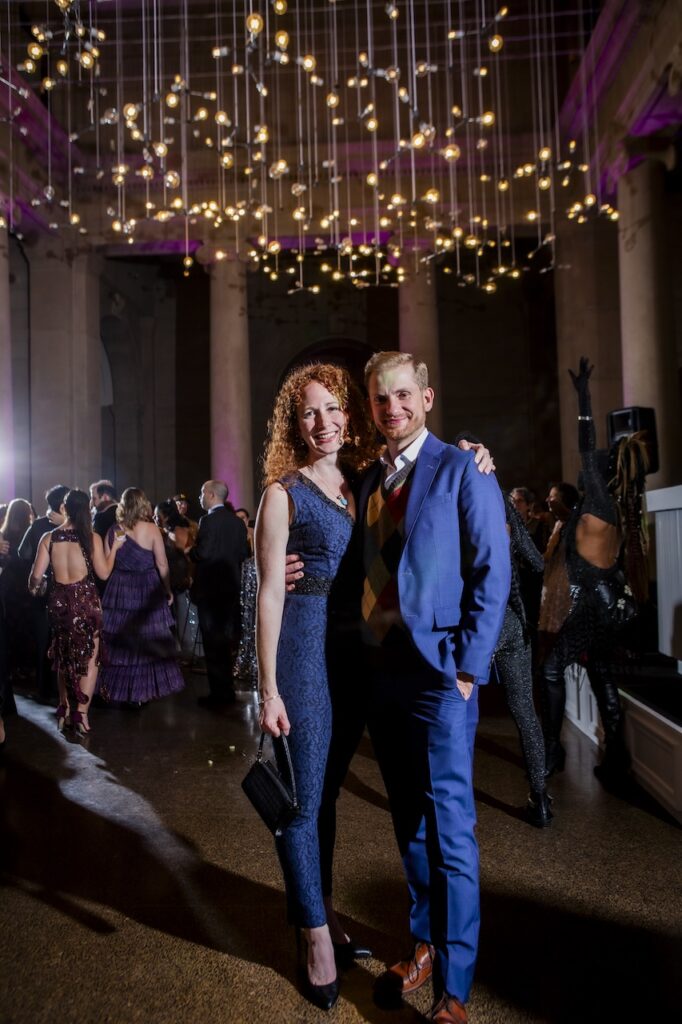
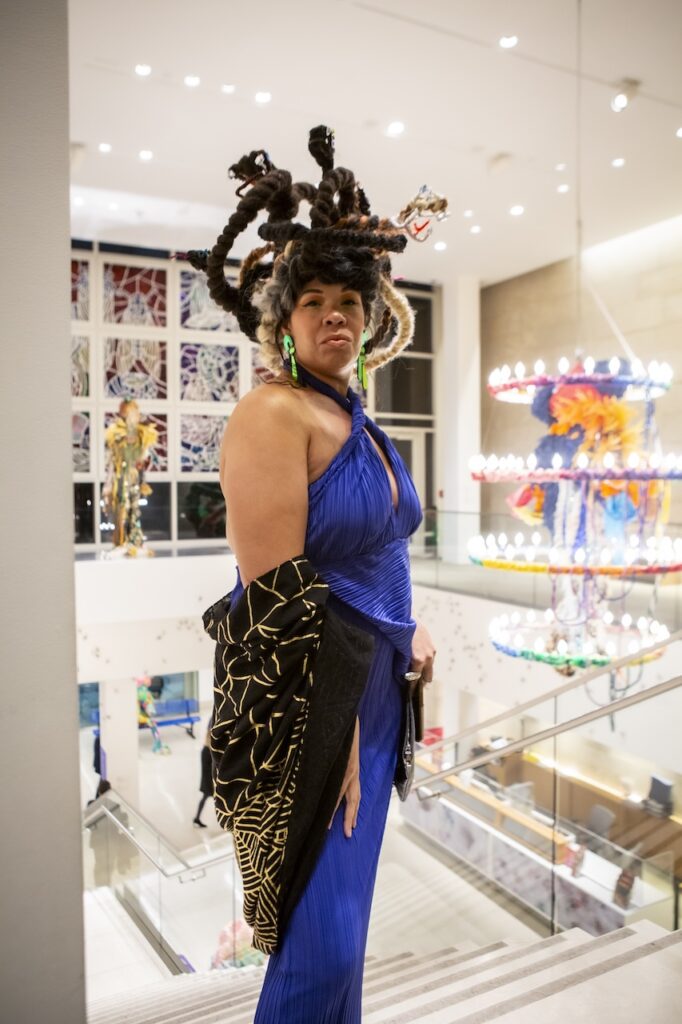
Normally, visitors to the BMA enter through the side Zamoiski entrance near Gertrude’s, but tonight was special—the 110th Anniversary Celebration. So, we walked up the grand front staircase, through massive doors, and into the Fox Court, which was filled with 150 sparkling chandeliers, the stunning modernist sculpture by Spencer Finch, titled Moon Dust (Apollo 17). The installation, first presented at the 2009 Venice Biennale, consists of 417 lights and creates a starry, swoon-worthy atmosphere. The hallways around the court are lined with Antioch mosaics and Rodin’s The Thinker, setting the perfect scene for an event that raised $1 million to support artistic and educational programs, including the Turn Again to the Earth environmental initiative.
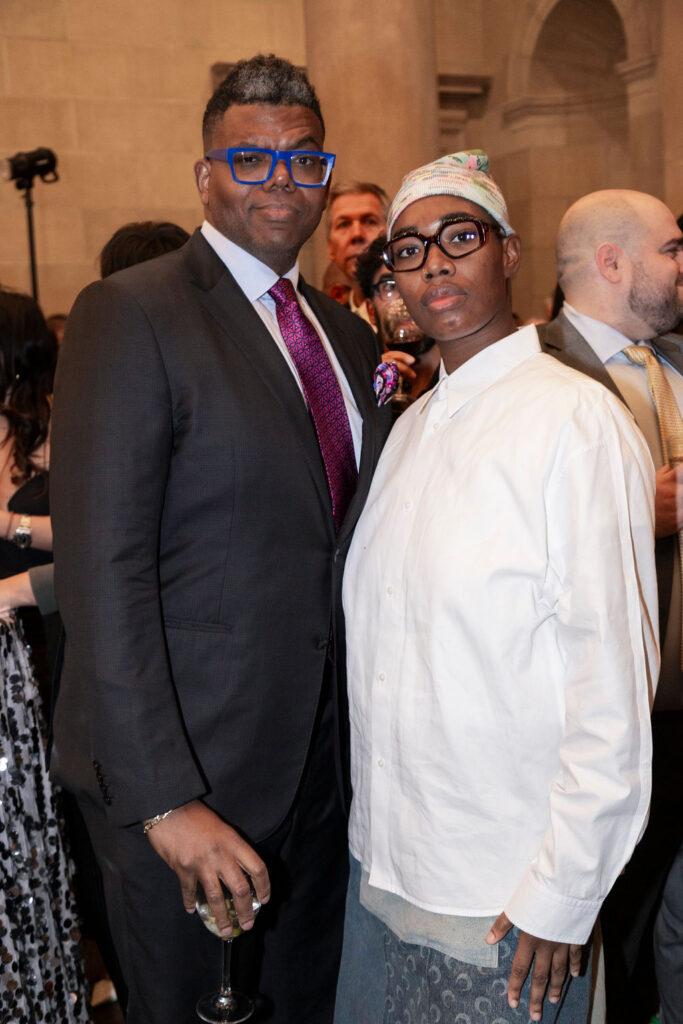
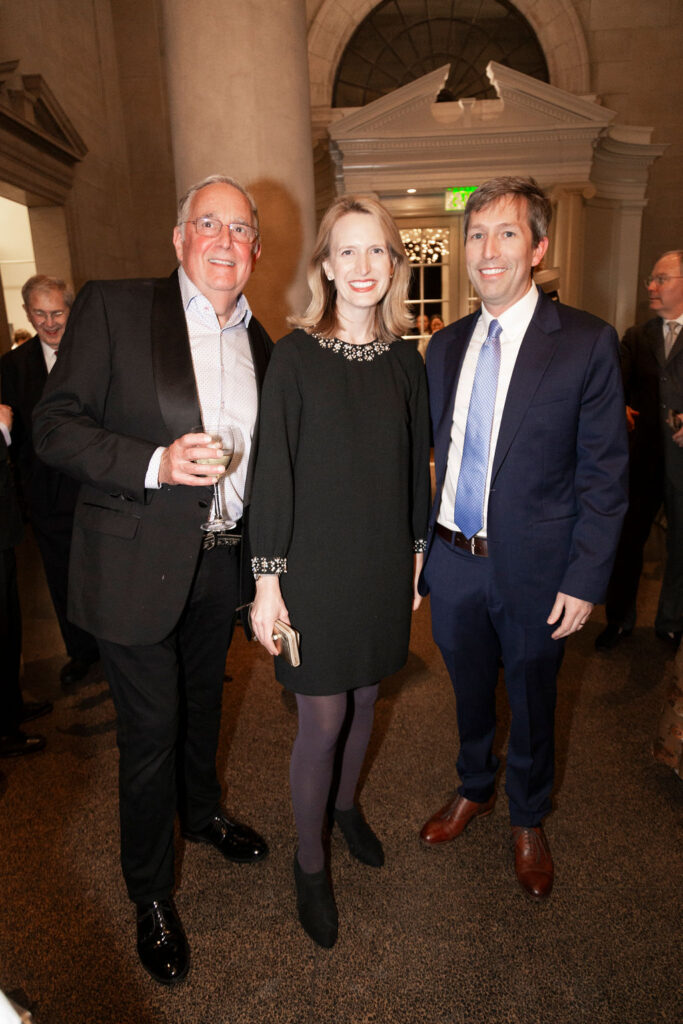
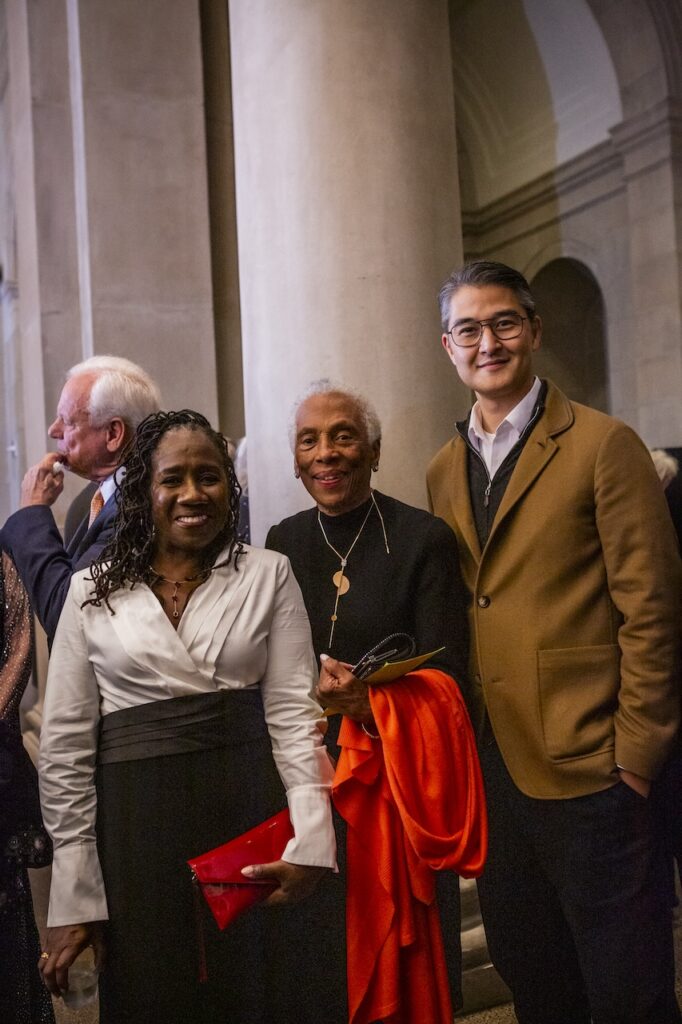
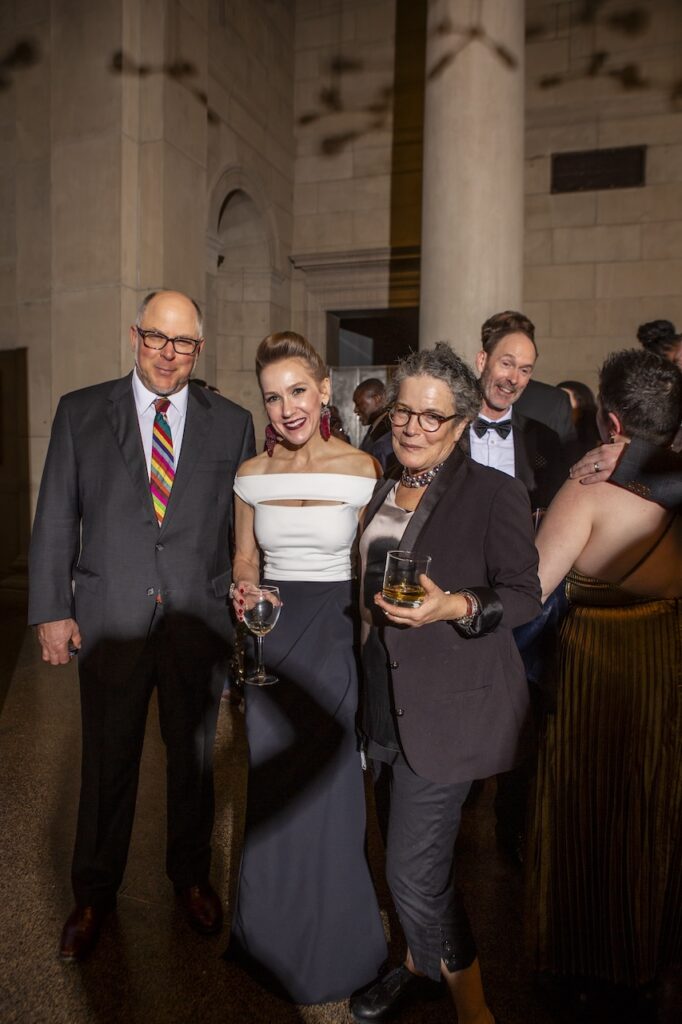
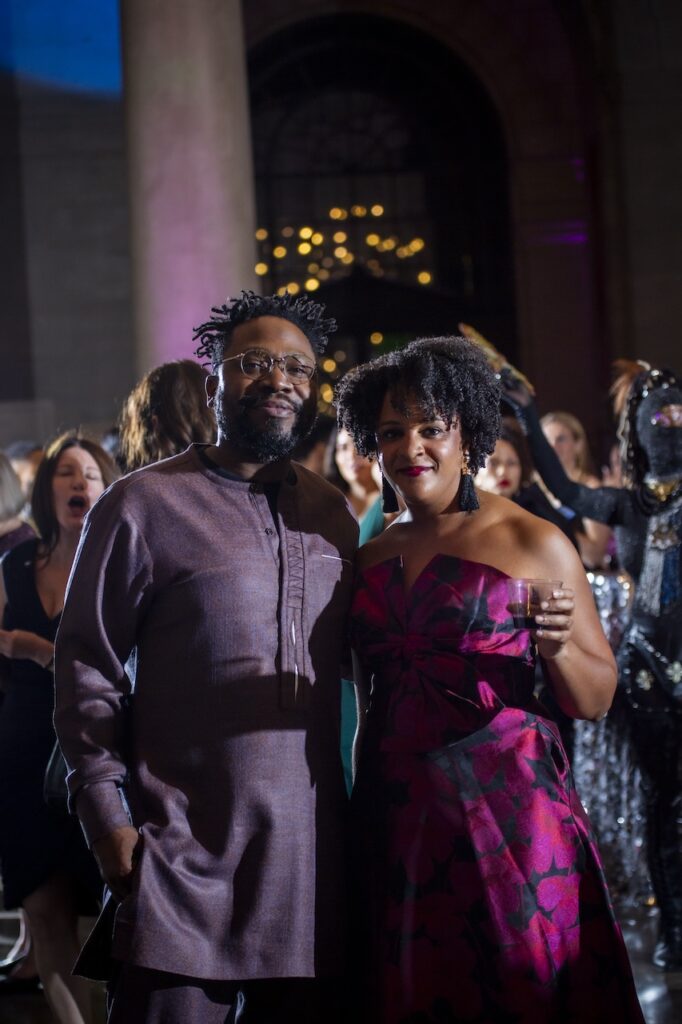
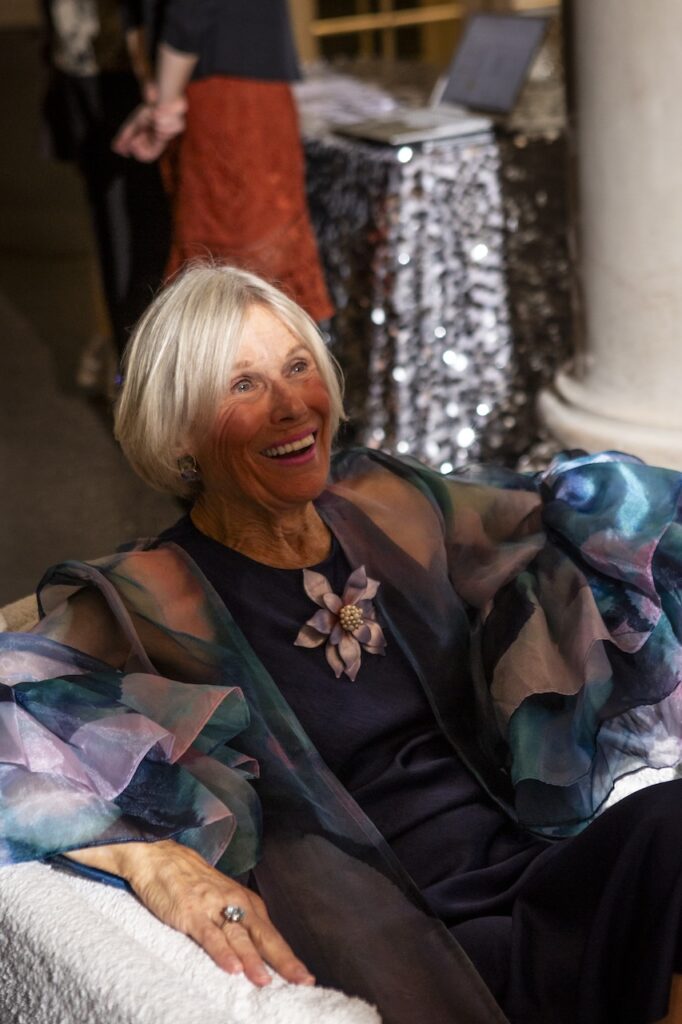
Given the gravity of the occasion, I knew the guest list would be impressive: artists, collectors, philanthropists, elected officials, and celebrities. The museum welcomed over 400 guests for the Ball and another 200 for the After Party. Among the notable attendees were John Waters, Amy Sherald, John Akomfrah, LaToya Ruby Frazier, Sherrilyn Ifill, Maryland Governor Wes Moore and First Lady Dawn Moore, former Baltimore Mayor Kurt Schmoke and Dr. Patricia Schmoke, as well as several other prominent figures who served as co-chairs and trustees, including Derrick Adams, George Petrocheilos and Diamantis Xylas, Amy Elias and Richard Pearlstone, former Governor Martin O’Malley and Katie O’Malley, and Michael and Betsy Sherman.

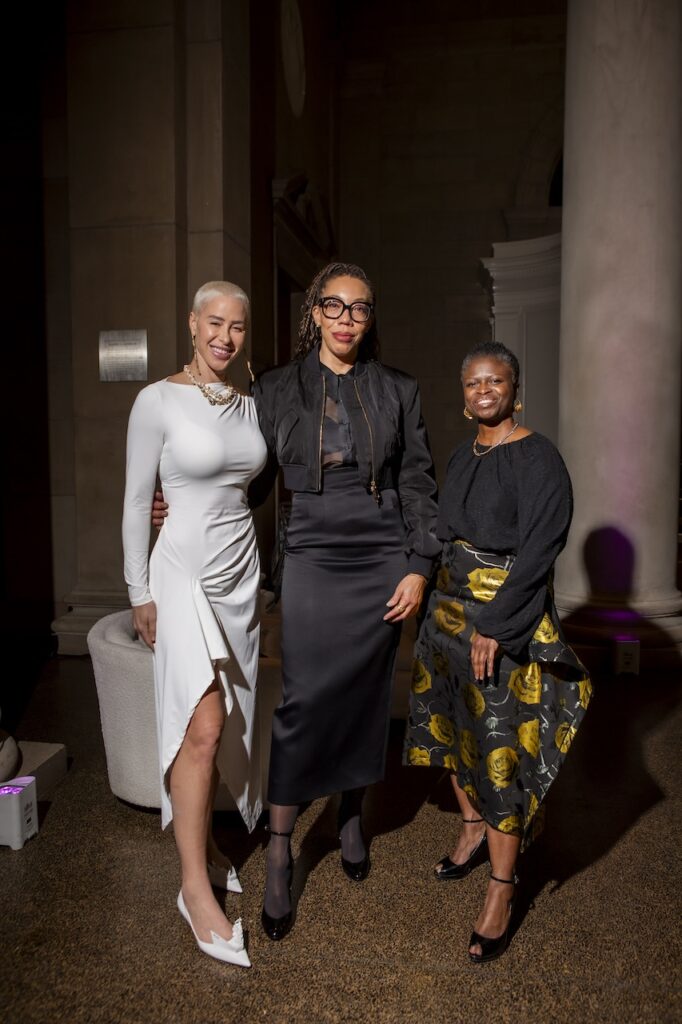
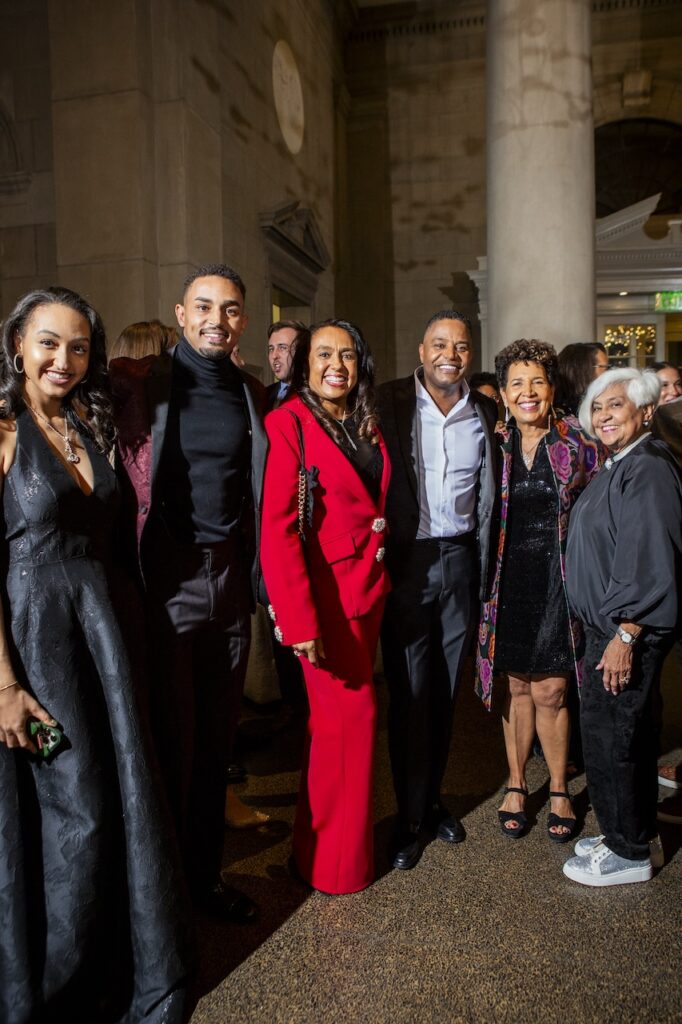
After politely declining several offers for champagne (which I knew would lead to a brutal headache), I made my way to the bar and ordered a Woodbridge Reserve Old Fashioned. One drink was enough to carry me through the night’s whirlwind of former mayors, governors, current city council members, art stars, and new acquaintances. While I am usually able to recall most names, there are always a few instances where I have to fake it when a name dances just out of reach, so having just one very nice drink is a winning strategy.
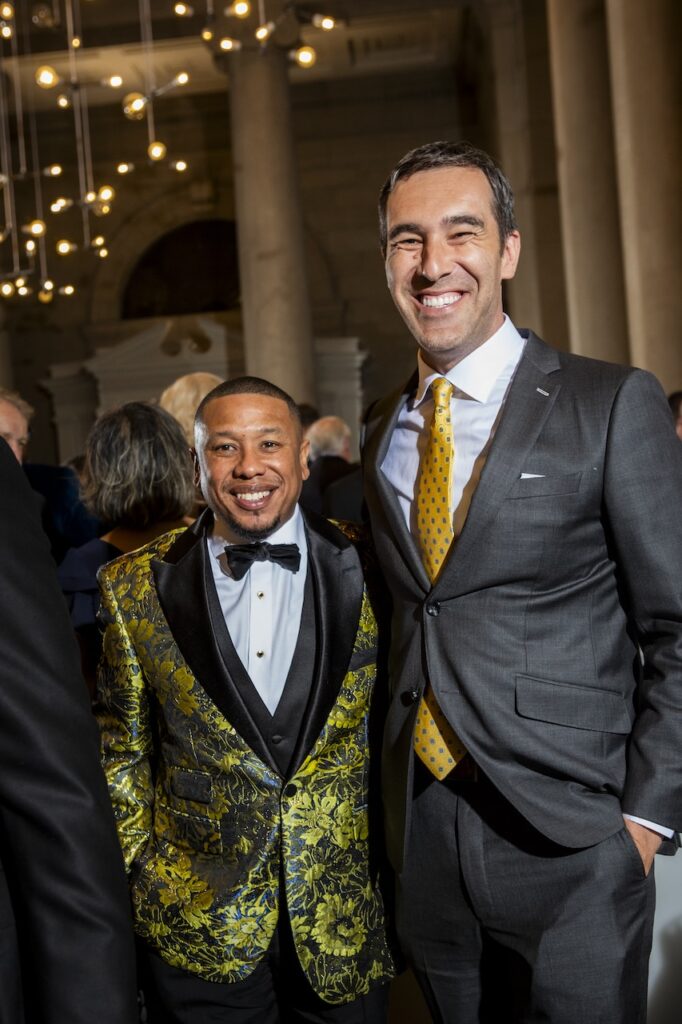
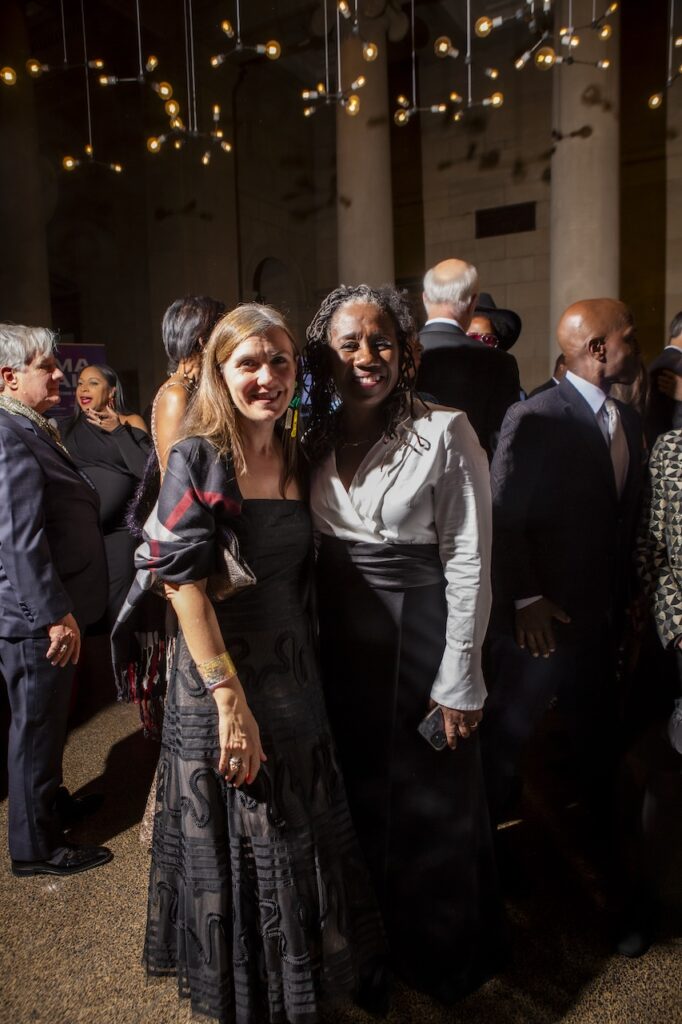
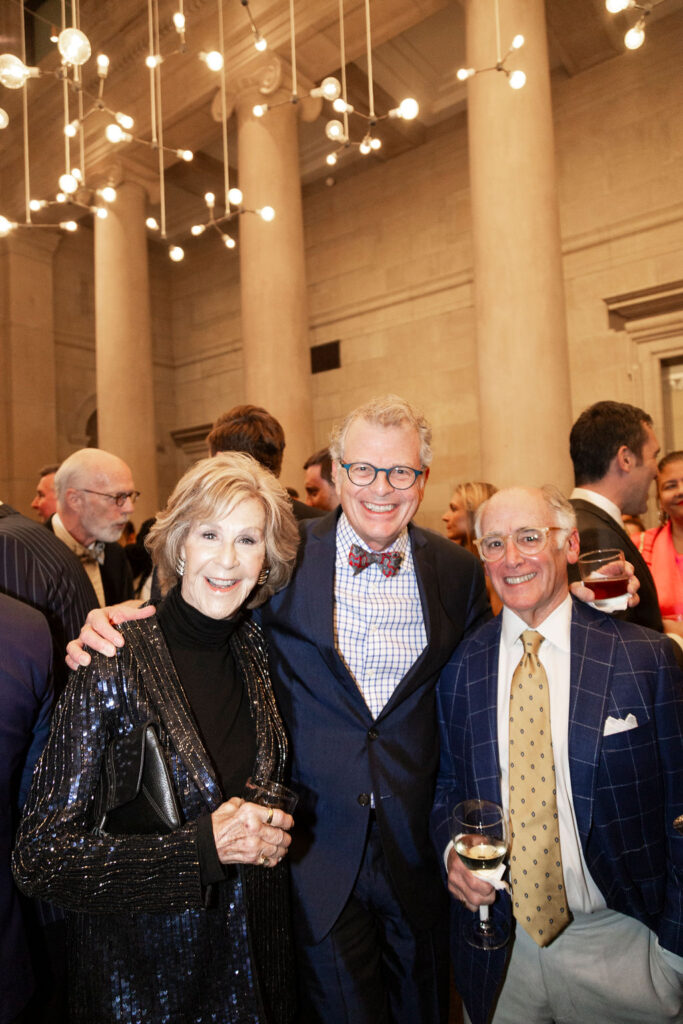
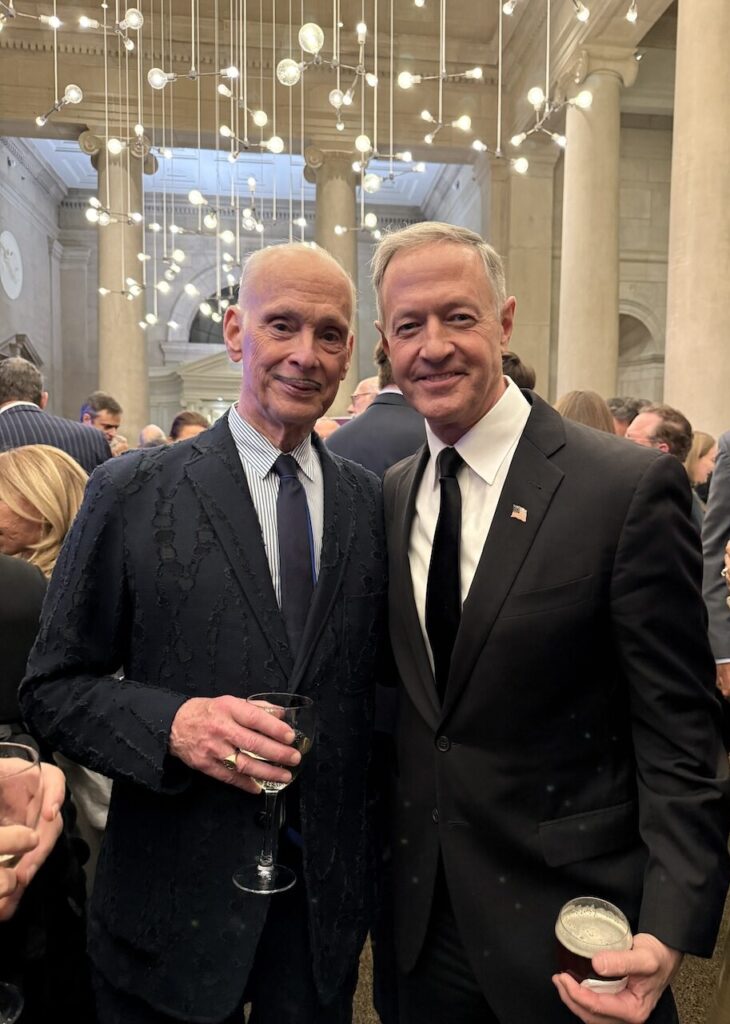
Cocktail hour was a blur of sequins, sparkles, selfies, and air kisses—Baltimore celebrities mingling with regular folks, some nationally recognized faces, others more familiar to local crowds. I found myself face to face with John Waters and Martin O’Malley, who were deep in a conversation of vaguely political nature. I asked permission to snap a quick portrait of them on my phone, which turned out to be one of my favorite shots of the evening.
A few moments later, someone else joined the conversation, and I found myself talking to John about his recent modeling gig for Saint Laurent and the growing trend of older models. He mentioned that Iggy Pop was also a Saint Laurent model, which led to an amusing debate about how hot Iggy Pop has remained over the years. I admitted that I’ve always thought he looked like a “meth mom from Hampden,” but John defended him, saying Iggy looked incredible, both clothed and naked. When I asked how he knew this, John looked at me like I was a dummy: “He was naked in Cry-Baby!” Duh! I vaguely recalled a washtub scene and promised myself to rewatch the film with my family during the holidays.
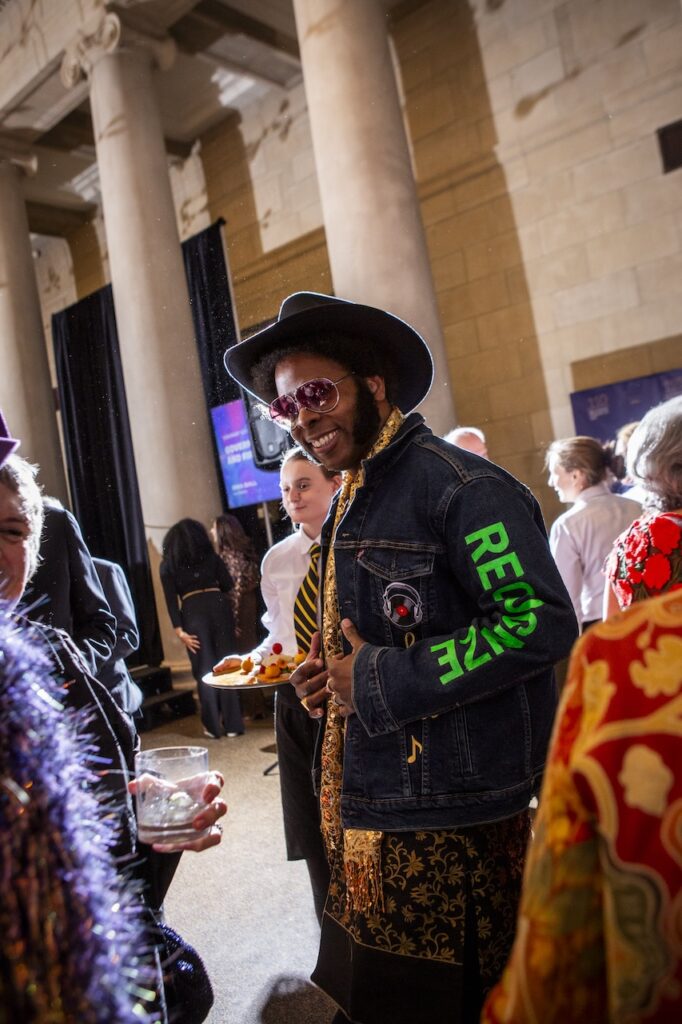


Soon, I was introduced to the first “Andrew” of the evening, a young lawyer from DC. He then introduced me to his client, who he described as “the owner of the Baltimore Sun.” My immediate response was, “You’re not David Smith!” No kidding. His name is Armstrong Williams, co-owner of the Sun with Smith.
I dug myself in deeper by mentioning the Sun‘s recent decision to cut arts coverage. To my surprise, Williams vehemently disagreed with me, insisting, “We are doing TONS of features! We’ve never done so many features at the Sun!” I was caught off guard but attempted to back out gracefully, suggesting I must have misunderstood the (very clearly worded) statement I’d seen from the Sun Writers Guild. He handed me his business card so I could follow up, and we agreed that Baltimore, as a “city of artists,” needs a newspaper that values art and culture. Here’s hoping that events, and conversations, like this lead to more coverage of the arts.
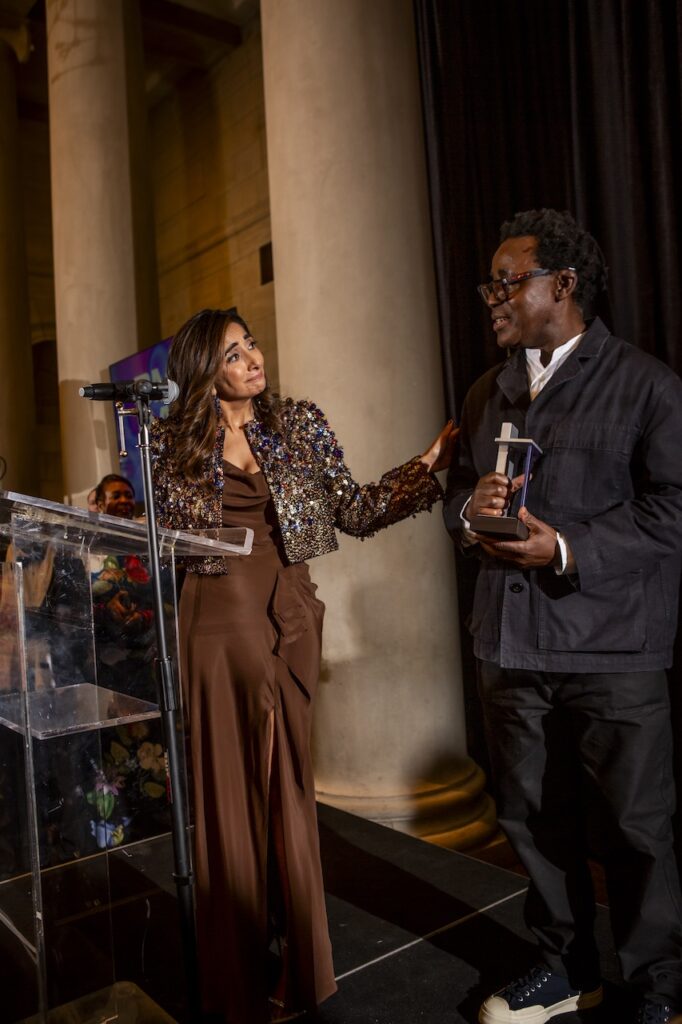
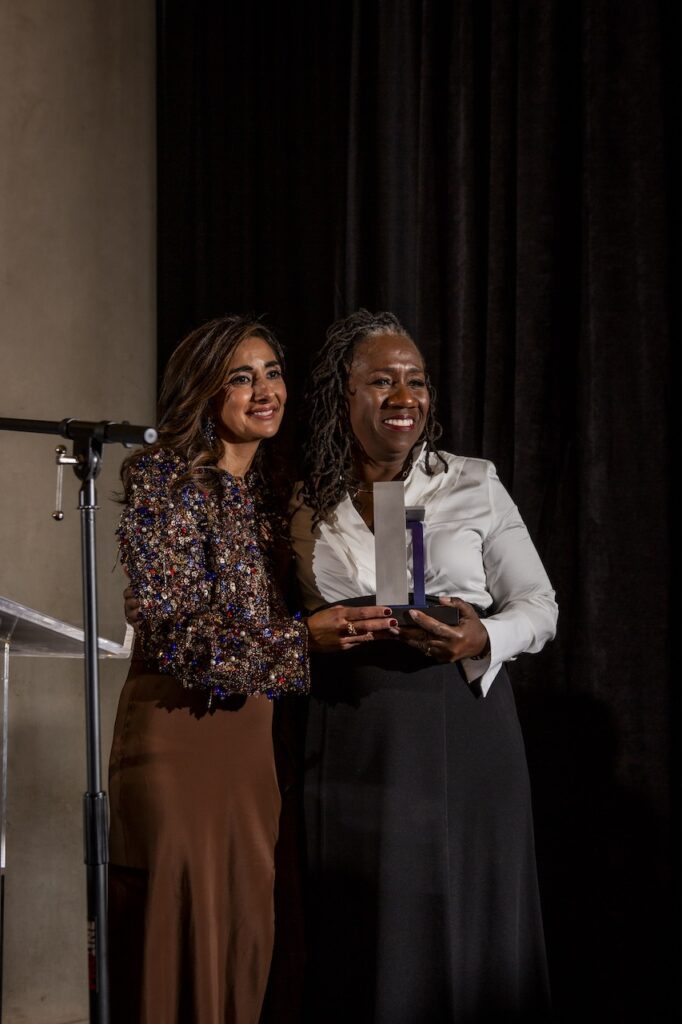
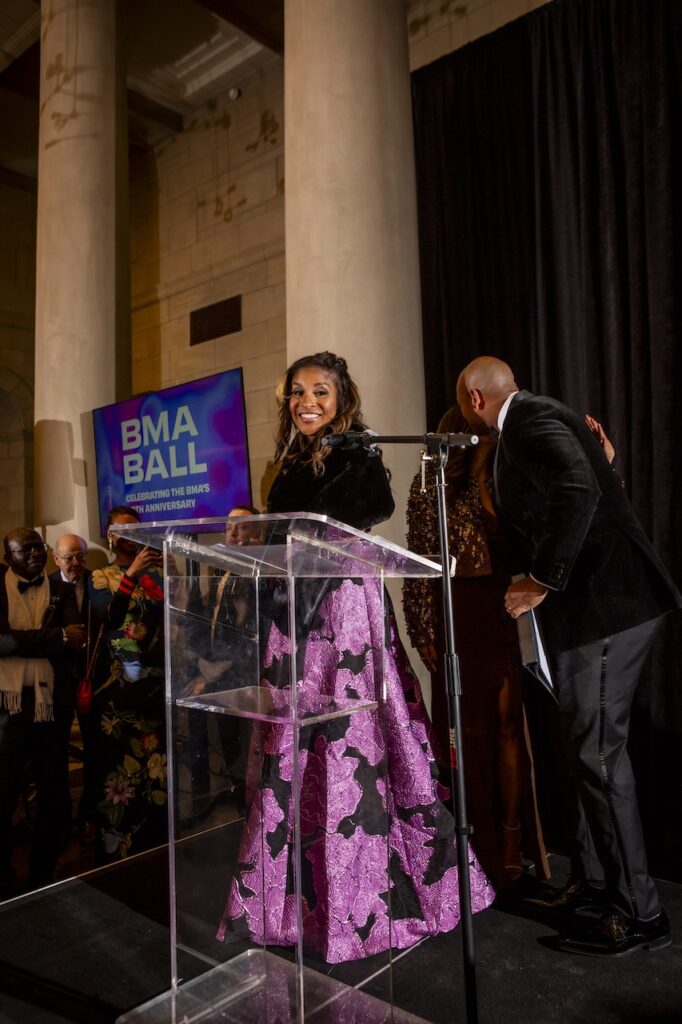
The award ceremony followed, with remarks from Trustee Amy Elias, Board Chair Jim Thornton, and BMA Director Asma Naeem. The night’s honorees included John Akomfrah and LaToya Ruby Frazier, who received the Artists Who Inspire awards, and BMA Trustee Sherrilyn Ifill, who received the Changemaker Who Inspires Award. Each recipient was presented with a small sculpture created by Baltimore-based designer Malcolm Majer—an elegant touch. We also watched a short birthday video from honorary co-chair John Legend, who couldn’t attend in person but expressed his admiration for Ifill and the BMA.
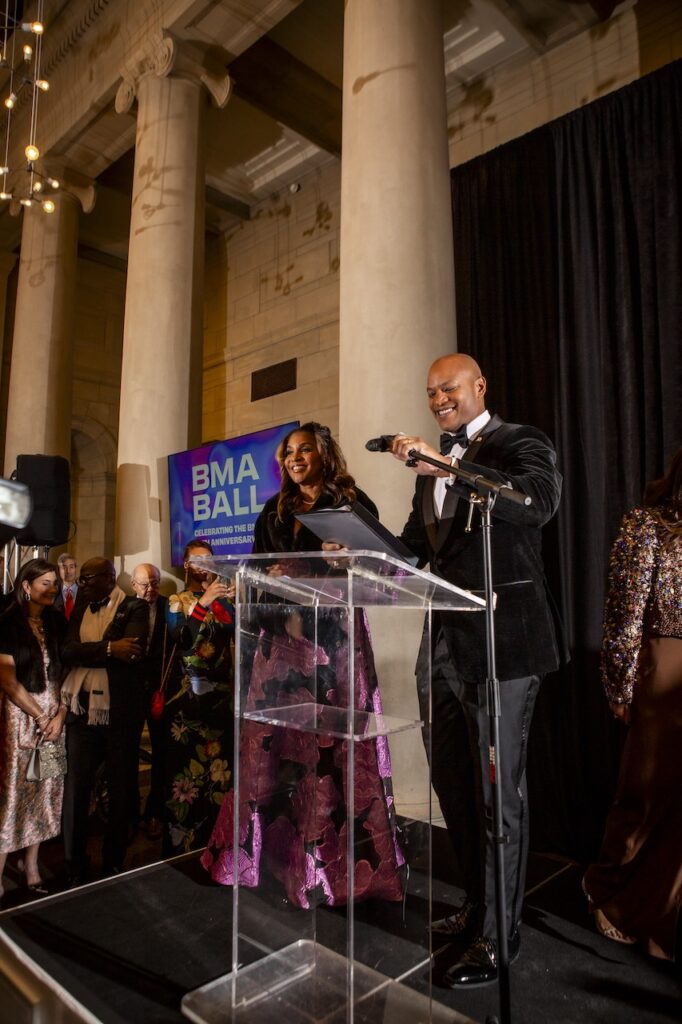
Governor Wes Moore and his wife, Dawn, then took the stage. They were both professionally gorgeous, and he gave an inspiring speech about his commitment to the arts in Maryland and the state’s relationship with the BMA. His delivery was compelling, and I overheard someone behind me say, “That’s the future of American politics right there.”

After the speeches, we mingled once again. The bar closed, and we were directed to the Cone Collection and Contemporary Wing for dinner. I was seated at table 32, with BMA Curator Cecilia Wichmann, and also with Co-Chairs for the After Party, BMA Trustee Darius Graham and Tonya Miller Hall, Senior Advisor of Arts & Culture, Mayor’s Office.
Our table also included Sherrilyn Ifill’s family and the second “Andrew” of the night, an art collector who had attended the event with his husband. We sat across from a beautiful Valerie Maynard sculpture in a futurism-themed room, surrounded by contemporary surrealist paintings that felt like they came straight out of a Gabriel García Márquez novel—quirky, magical, and defying logic.
As we enjoyed our dinner—artistically composed salads from Linwoods, paired with white wine, followed by steak and lobster—I asked Andrew about his homemade BMA 110th Anniversary shirt, which featured iron-on silver letters and rhinestones. He explained that while they weren’t ‘official’ art collectors, they did own a notable Joyce J. Scott sculpture. Which one? I ask. It’s a white one, made of blown glass from Murano, of a woman laying on her back… “And a tiny man shooting j*zz on her face?” I ask excitedly. “YES,” he exclaims. “THAT’S THE ONE! Nobody has ever said that to me before, but yes, that’s exactly what it is!!”
I told him I’d written a racy review of that piece back in 2016 for Hyperallergic and that I adore Scott’s entire series of Murano glass-made sculptures. I promised to send him the article, and he gave me his phone number. I saved it in my phone contacts and then texted him the review. Texting as a replacement for business cards still feels weird, especially when phones vibrate and light up like they’re exchanging secrets or digital STI’s.
Later, I ran into Amy Sherald, and it was wonderful to hear about her survey exhibition at San Francisco’s SFMOMA, which will be at The Whitney in the spring. We talked about her upcoming conversation with Annie Leibovitz, who had photographed her in 2022. I pointed out the shared stylistic elements between their portraiture, both creating artificial environments to reveal their subjects’ personalities, and how satisfying it is when your friends achieve success beyond anything you had imagined.
As the After Party began and the music turned up, I found myself feeling slightly hard of hearing, nodding along to conversations while watching the dancers claim the floor. I headed for the outer hallway to escape the noise for a bit and tried ordering a drink at the bar, but the bartender couldn’t hear me over the music. I ended up with a glass of Grey Goose vodka on ice—not an ideal choice, but I was out of the house and wearing a dress. I was determined to keep the party going, despite it being past my bedtime.
When I checked my phone, I realized with horror that I had sent my inappropriate Hyperallergic review to the wrong Andrew—the lawyer, not the art collector! Panicking, I quickly texted him, “Sorry, I sent that to the wrong Andrew,” assuming he hadn’t read it. I mean, who reads random art reviews texted to them by people they barely know during a formal dinner? I later saw that he had “liked” the message, but was probably just being polite, and when I ran into him again, he didn’t seem fazed at all. Phew.
The evening wound down, and I caught a ride home with my neighbors, Dave Tomasko and Amy Raehse, from Goya Contemporary Gallery. Amy was wearing a stunning pair of Joyce Scott beaded earrings—two heads, two different colors, unmistakably Joyce. If my unintentional phone usage was one theme of the night, then Joyce Scott, and the powerful presence of so many incredible Baltimore-based artists, was the other.
As we walked out into the clear, cold night and down the grand staircase, my ears still rang from the music, but I left with the sense that something special had happened that night. Everyone looked so beautiful, a zillion selfies had transpired, and the museum raised a record-breaking $1 million. Despite my occasional phone misadventures, I was proud to be present, witnessing a museum dedicated to fostering “artistic excellence and social equity for the benefit of communities throughout Baltimore and beyond.” I look forward to a future in Baltimore that sparkles with light, sequins, and the relentless creative labor of its artistic community.