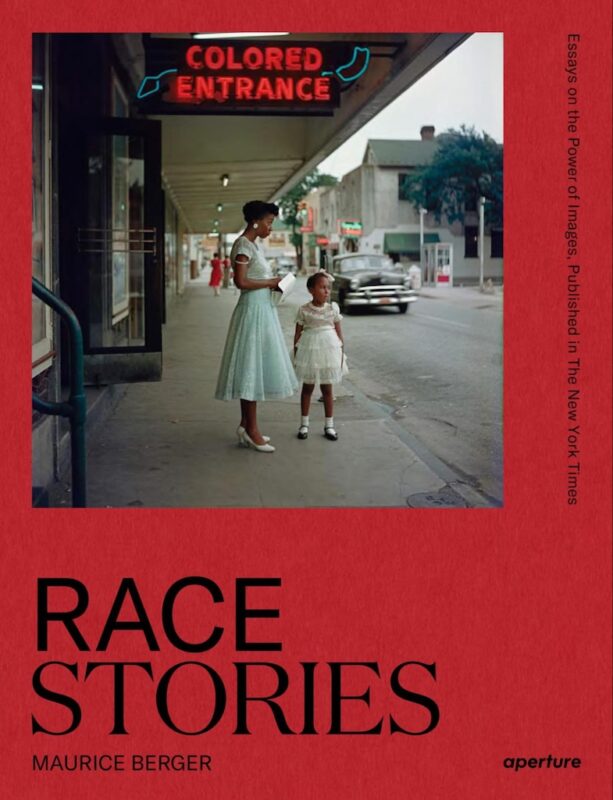
It’s been almost five years since Maurice Berger died, in the early days of a ghastly global pandemic, but it’s fair to say that his legacy is still taking shape. To be sure, Berger was celebrated during his lifetime: he was widely known as a consequential art historian, an influential curator, an astute authority on photography, and as a plain-spoken critic of racism in the art world, a champion of Black artists.
But the recent launch of a program named for Berger at UMBC (where he worked as a professor and curator) and the publication of a series of essays he wrote for the New York Times between 2012 and 2019 imply that his work remains both relevant and catalyzing. They offer a natural opportunity to reflect on the accomplishments of an admired figure who was professionally based in the Baltimore area for most of three decades, but whose life’s work rippled outwards in a number of senses.

Berger was born in Manhattan in 1956 to white Jewish parents; his father, Max, worked as an accountant, and his mother, Ruth, had sung opera and acted professionally. For much of his childhood, they lived in a Lower East Side housing project that was populated largely by Black and Puerto Rican families, whose kids became Berger’s playmates. As they explored the city, Berger saw those friends subjected to a depressing litany of racist hostilities in public spaces; he witnessed injustices that would fuel much of his eventual work.
He graduated from Hunter College in 1978 and, increasingly interested in rigorous visual analysis, entered CUNY’s Ph.D. program in art history. While there, he studied with the formidable Rosalind Krauss, the well-known critic and art historian who had co-founded the densely theoretical journal October. By the mid-1980s, Berger was teaching art history at Hunter, where he also directed the college’s art gallery. The joint appointment allowed him to forge a scholarly reputation while also working closely with actual pieces of art and the individuals who made them.
Berger’s writings from the late 1980s are often overlooked, but they’re worth considering. As a collection, they convey his wide-ranging intelligence and energetic curiosity—and his gradual turn towards the analysis of race in the art world. To be sure, that turn took some time. His dissertation, for example, which concentrated on Robert Morris and was published in 1989, has nothing to say about racism or systemic inequalities. Rather, it’s a productive extension of Krauss’ earlier writings on Minimalism and phenomenology.
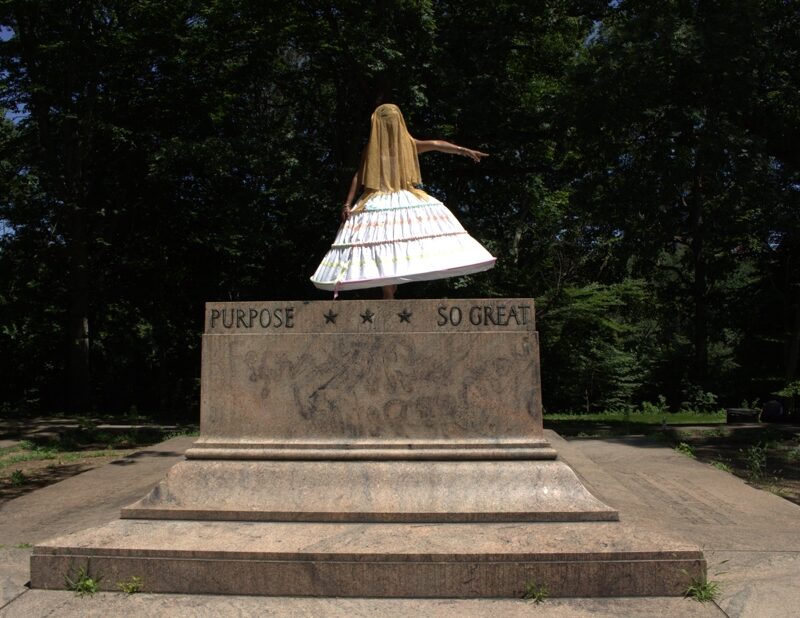
“I read Maurice’s column because I knew him and how phenomenal his writing about photography was, and because his Times column gave visibility to work that wouldn’t necessarily get that kind of audience or be contextualized so well.”Nona Faustine
At the same time, though, Berger authored a series of pieces that implied a growing interest in activism and social justice. Interestingly, he did this in two very different venues: in the pages of Artforum, and in the exhibition catalogues that accompanied the shows that he curated at Hunter.
His subjects ranged widely, too, from the ideological aspects of the Farm Security Administration’s attempts to document poverty in 1930s America to the visual tactics used by Vietnam War protestors in the 1960s. Consistently, though, Berger called attention to the ways in which images, and especially photographs, are linked to larger sociopolitical realities.
Inevitably, Berger’s conviction that images are essentially political sparked frictions. For one thing, he began to openly criticize the idea—associated at the time with critics such as Clement Greenberg and Hilton Kramer—that art can offer a purely aesthetic experience.
By contrast, Berger flatly dismissed the notion of art for art’s sake. Rather than being value-free, he contended, art always reflects the politics and priorities of artists, institutions, and the society in which they exist. In turn, this led him to sense that the larger field of art criticism was in need of reinvention. Such a sentiment is clear in the book The Crisis of Criticism, which he edited—and in which he wrote that “many critics fail to understand their own purpose and responsibilities in the greater cultural and social sphere.”
But what, exactly, were those responsibilities? Here, Berger was influenced by the ideas of several Black artists and intellectuals. His published conversations with David Hammons and Henry Louis Gates, for instance, include frank assertions about the inequitable allocation of resources and power in the art world, and about the possibility of change.
But Berger was particularly struck by the work of Adrian Piper. As Berger noted, Piper demanded that all of her viewers—including, critically, white, heterosexual men—take part in a project of self-interrogation, with the end goal of fostering change in a racist, sexist, and complacent art world. Such a project fascinated Berger, who began to call for art criticism that is introspective and self-critical.
That may sound abstract, but in essence Berger was urging the predominantly white, Euro-American art world to undertake a form of self-reckoning. As a child, he had repeatedly witnessed social and cultural indifference or latent hostility to people of color; now, as an arts professional, he sensed a similar phenomenon in galleries, museums, and art historical textbooks. And that casual marginalization, he felt, was both unjust and untenable. “As the 1980s draw to a close,” he argued in Artforum in 1989, “it is becoming increasingly difficult for the guardians of first world culture to ignore the production of third world peoples and Western people of color.”
A year later, Berger pushed these ideas a step further, in what would become his best-known piece of writing. In “Are Art Museums Racist?” published in Art in America in 1990, he answered his own rhetorical question by alleging widespread bias in America’s art museums. Museum boards were largely white, programming often involved forms of tokenism, and people of color were rarely hired for policy-making positions.
The only way forward, in Berger’s view, involved sustained self-critique, no matter how unsettling that might be. For, as he put it, “not until the white people who now hold the power in the art world scrutinize their own motives and attitudes toward people of color will it be possible to unlearn racism.”
Berger’s essay still reads as remarkably clear-eyed; it was both accurate and prescient. It was also deeply effective. Indeed, many of the decisions made by American art museums over the past thirty years can be seen, on some level, as a response to Berger’s charges. Consider the Baltimore Museum of Art, whose elimination of admission fees, increasingly diverse board, commitment to shows such as Generations, and purchases of work by living Black artists are implicitly responses to the charges leveled by Berger a generation ago. Did you see LaToya Ruby Frazier’s monumental installation currently at the BMA? If so, you’ve also seen the fruits of Berger’s essay.
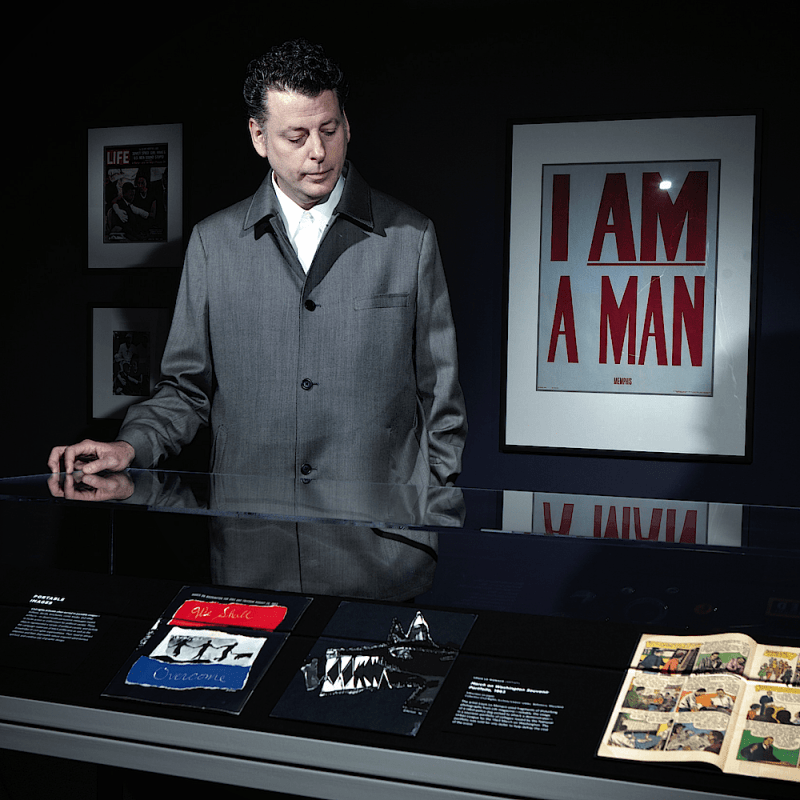
The impact of his perceptive analysis soon meant that Berger was in demand. Over the next few years, he taught at Yale, the ICA Boston, and the New School—and also entered, in 1992, into what would prove to be a long-term relationship with the University of Maryland Baltimore County (UMBC). Although he continued to live in New York, he worked with UMBC in curating the popular traveling show Ciphers of Identity; eventually, he became a senior research scholar (and, later, professor) at the school’s Center for Art, Design and Visual Culture. Somehow, Berger also managed to remain a prolific writer, authoring Modern Art and Society (1994), Constructing Masculinity (1995), and White Lies (1999), a disarming account of encounters with racism and anti-Semitism.
But Berger was also beginning to explore, quite systematically, a subject that would occupy him for the rest of his career: the intersection of race and visual culture. What role, he asked, have posters, advertisements and billboards played in the construction and perpetuation of racial tropes and identities? How did photographers document the Civil Rights movement—and how did their work foster multifaceted understandings of whiteness and blackness? And can a photograph really combat, as the photographer Gordon Parks had alleged, racism through the kindling of empathy? Berger liked to claim that he had realized, “at a very young age, that race was a very visual thing.” Over the next few decades, he would devote himself to investigating that idea, in nuanced terms.
Particularly notable was the 2011 exhibition For All the World to See, a collaboration between UMBC and the National Museum of African American History and Culture in Washington. “There is no question,” stated Berger in the accompanying catalog, “that visual images have influenced how Americans see and think about race.” The show offered a dizzying series of proofs of that claim. From advertisements nostalgically evoking the Old South to the horrifying photograph of Emmett Till in his casket, and from the affirmative imagery of The Crisis to the appearance of Sammy Davis Jr. on All in the Family, Berger’s show foregrounded some of the myriad ways in which ideas of race have been constructed and challenged by means of documentary, polemical, and symbolic imagery.
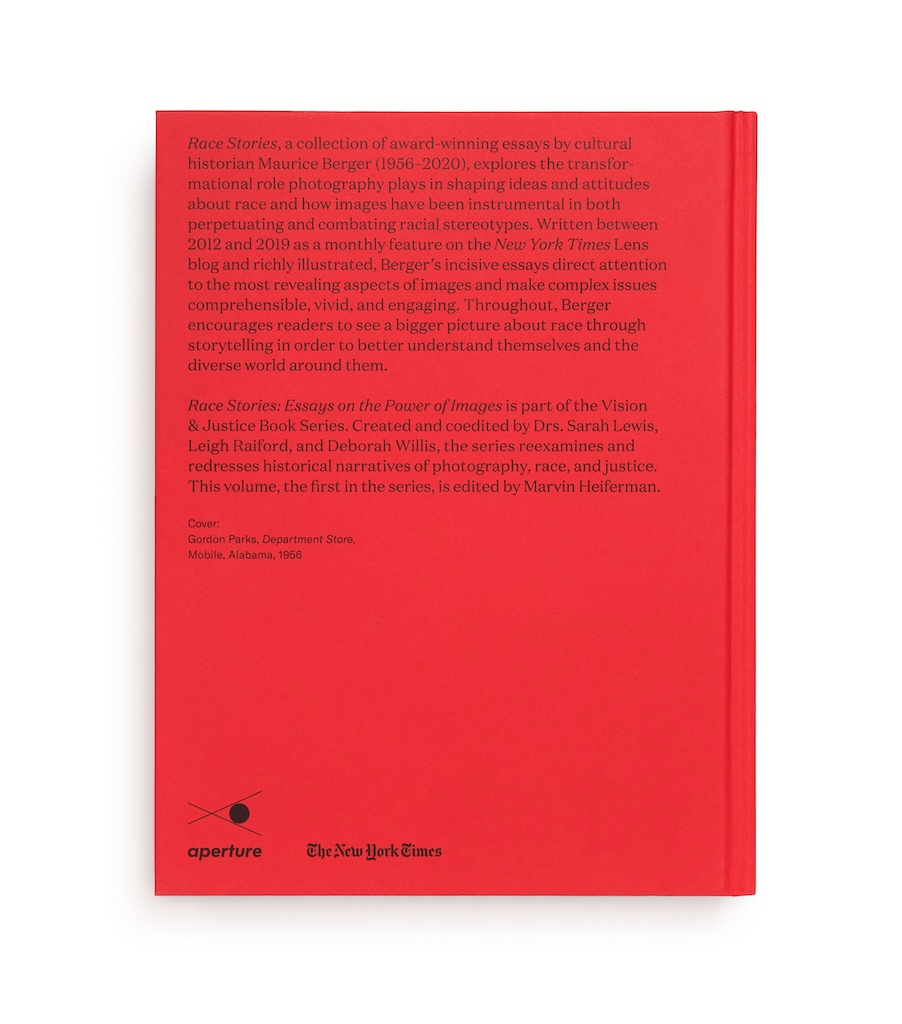
The success of that show, which toured widely, led The New York Times to grant Berger a monthly online column entitled “Race Stories.” In more than sixty short essays composed between 2012 and 2019, Berger explored a diverse field of images, all chosen to illustrate his conviction that “racial literacy could come from visual literacy.” And while the pieces were modest in length, and some of their subjects familiar from his earlier curatorial work, the general thrust of the column was both innovative and significant.
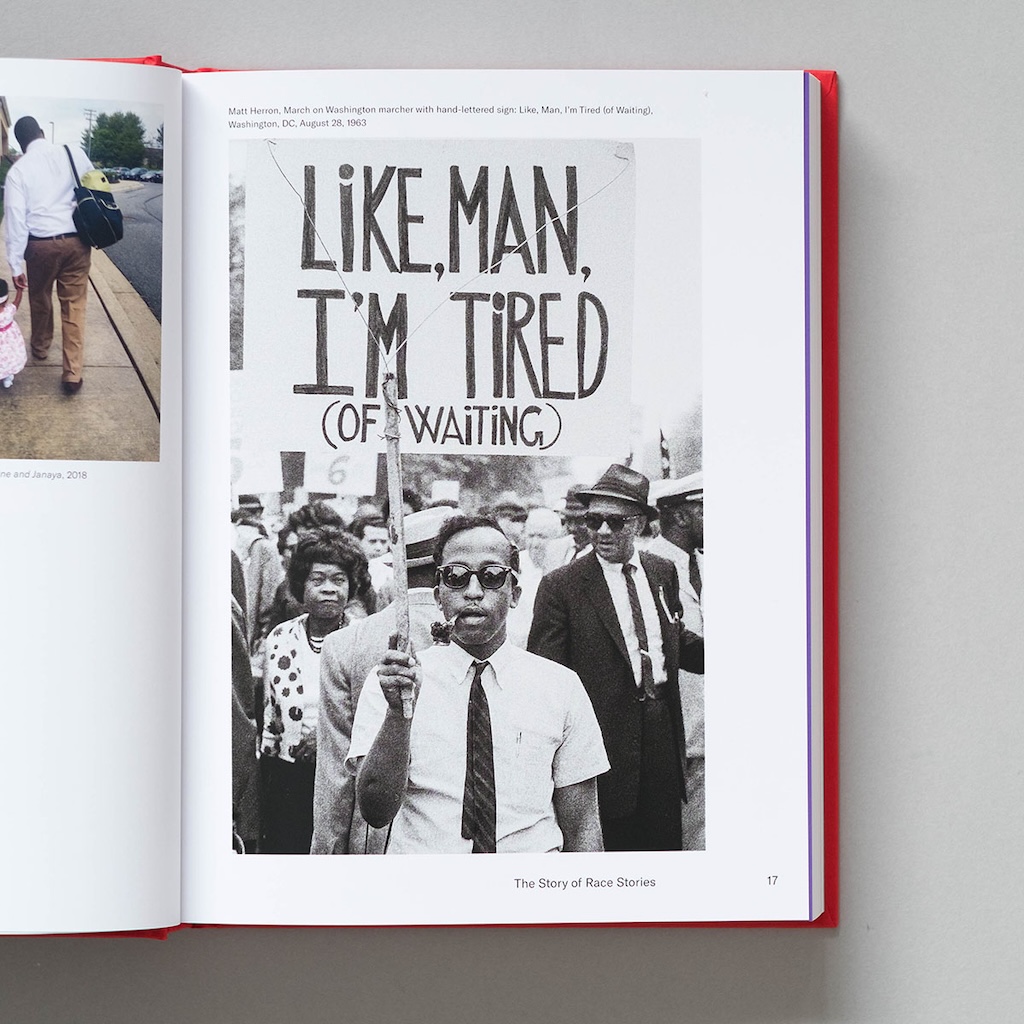
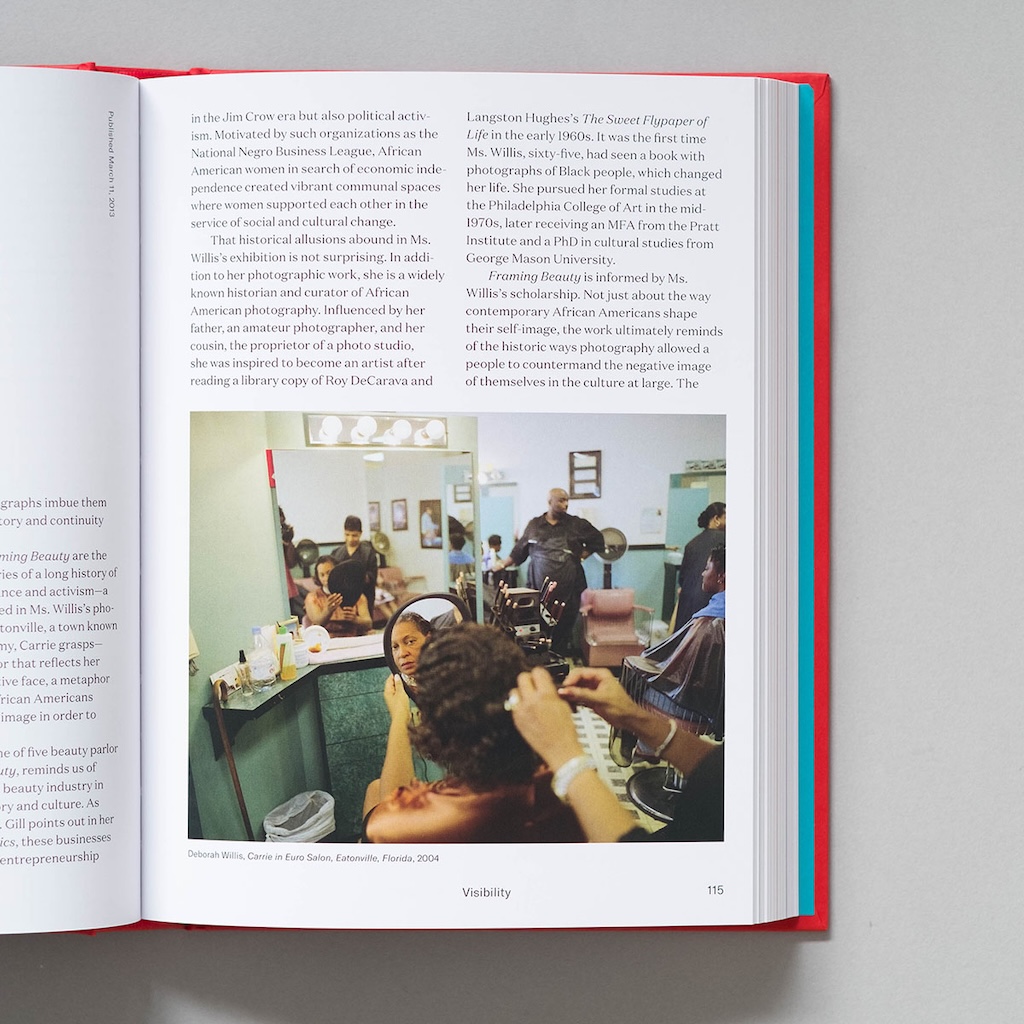
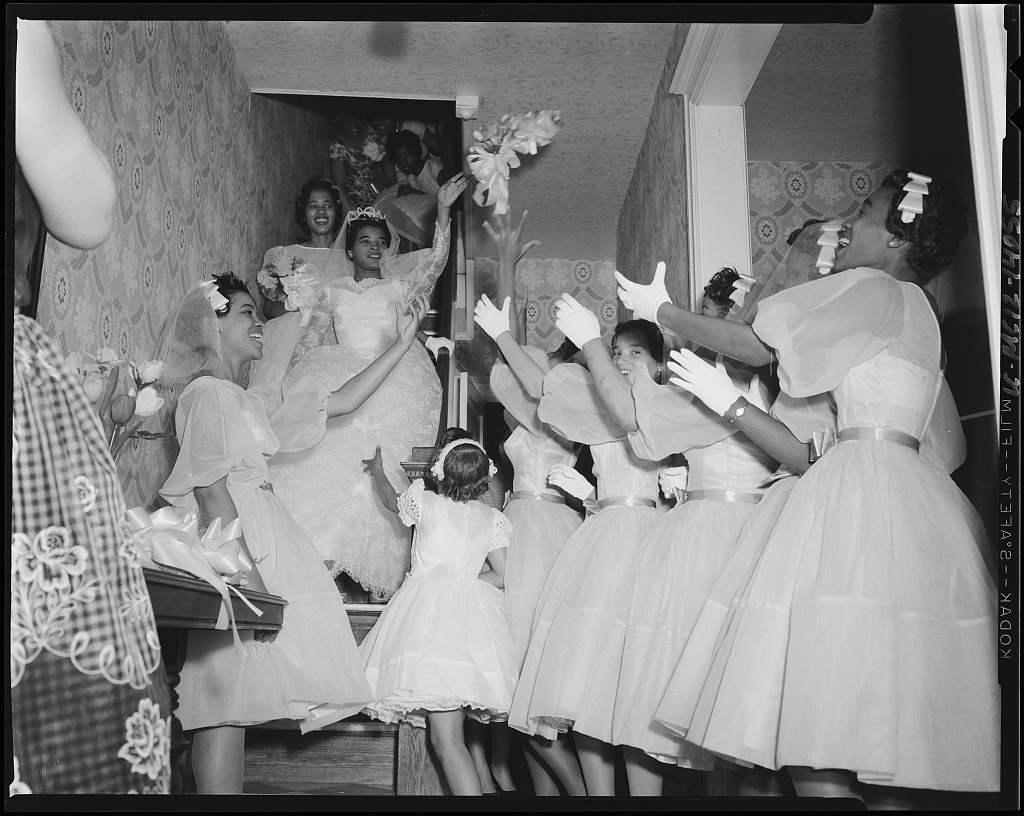
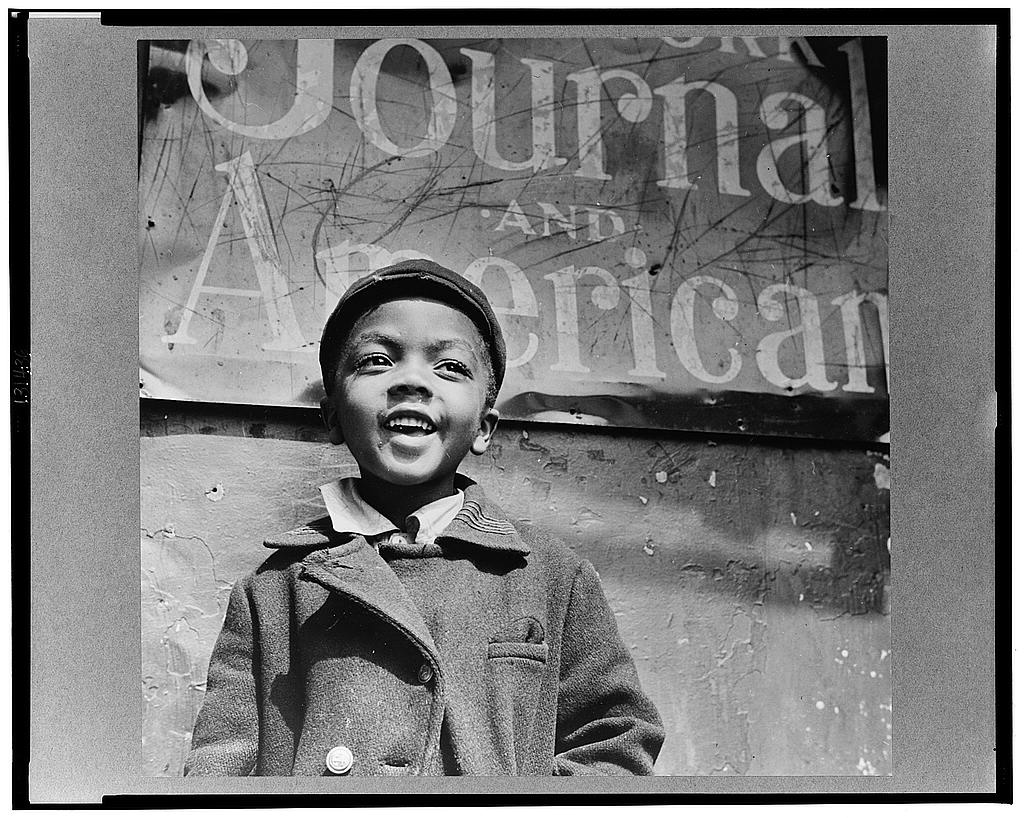
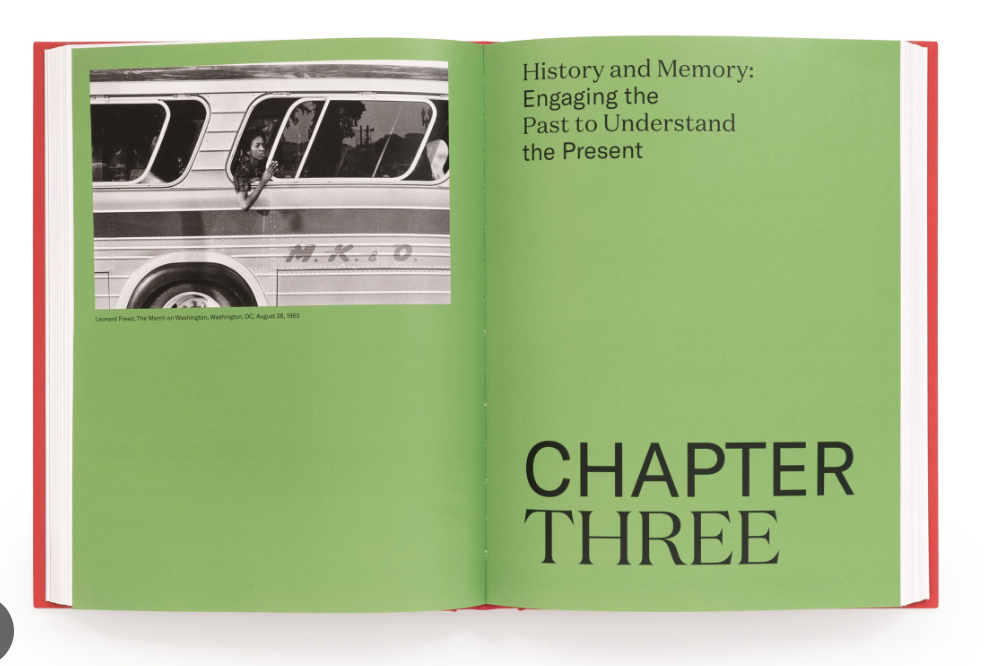
Now those columns are newly accessible, in a beautiful new volume co-published by The New York Times and Aperture. Pairing Berger’s essays with more than a hundred potent images, and featuring appreciative contributions from the photographers Dawoud Bey and Nona Faustine, the book is a powerful testimony to Berger’s admirable brand of visual activism—and to the diversity of photography as a medium. Amateur snapshots, professional portraits, mugshots, iconic examples of photojournalism: all make an appearance here. And, cumulatively, they show how visual imagery can act in both sinister and liberating ways, from affirming racist tropes to deconstructing them.
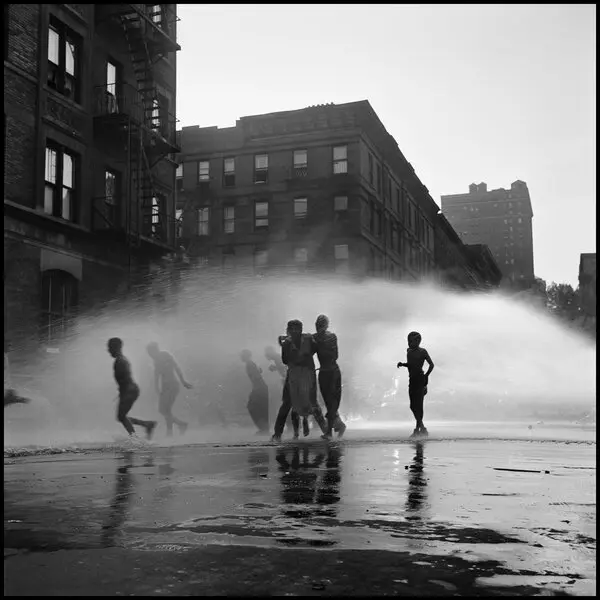
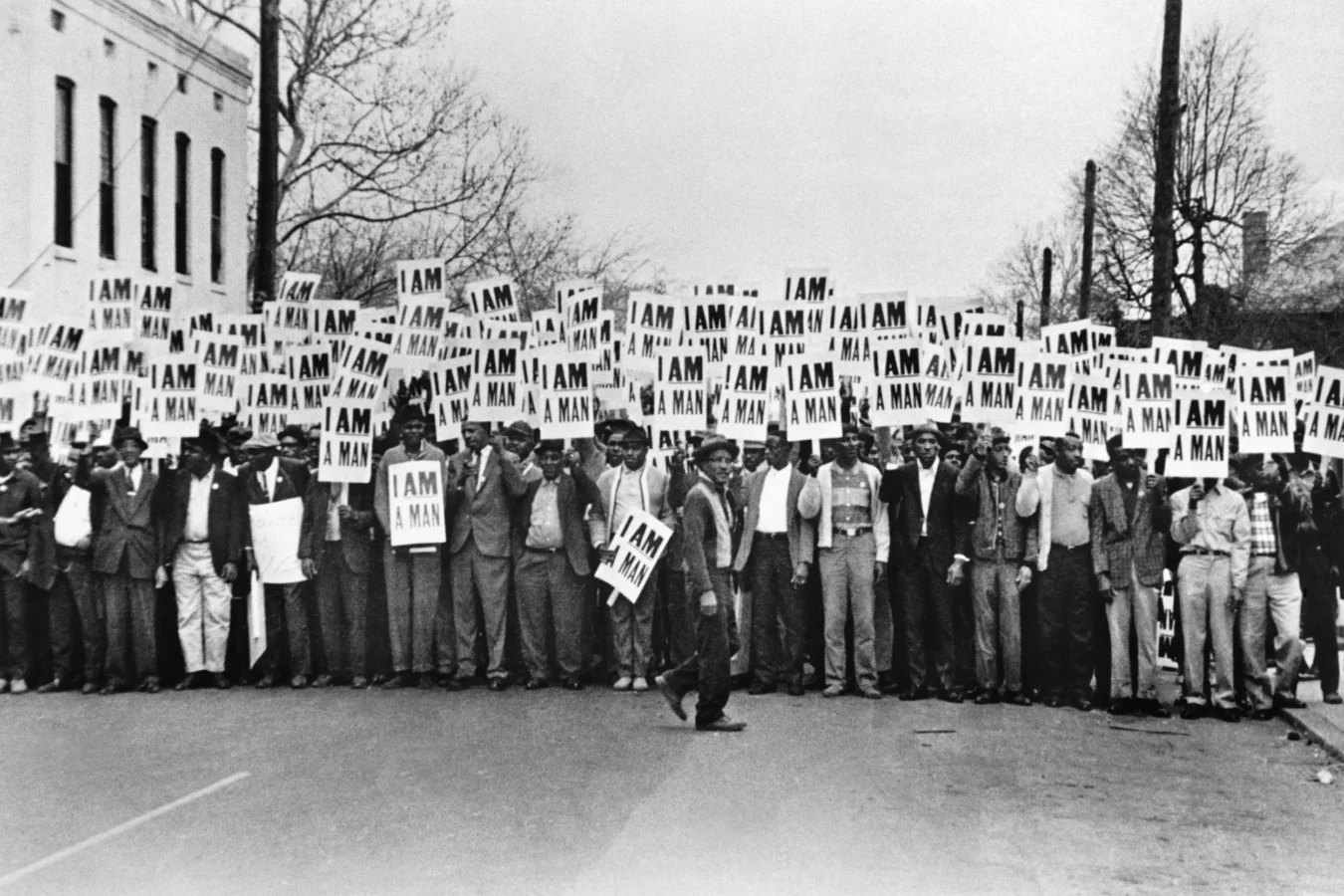
What else do we learn in looking through the book? Certainly, Berger enjoyed photographs that contested or countermanded easy myths—puncturing the idea, say, that racism was limited to the South, or that gay Black men are typically shunned by their own community. To Berger, Zun Lee’s tender pictures of parenthood were potent precisely because they thwarted a stock narrative about Black fatherhood. Repeatedly, too, Berger lauded work that moved beyond what he saw as “typical” civil rights imagery, preferring pictures of intimate or understated moments to epic shots of famous speeches or immense crowds.
His marked taste for the quiet, the domestic, and the normal is notable in a few senses. For one thing, it echoes Arthur Ashe’s claim that true heroism is undramatic (and indeed, Berger extols a photo of Ashe standing, unrecognized, on a subway platform a day after winning the U.S. Open).
But it also corresponds to Berger’s hope that photography can offer positive models and engender empathy across racial lines. A photograph of Martin Luther King, Jr. preaching can impress, but it’s hardly a relatable template for behavior. By contrast, a photograph of King at a dinner table with his family grants him a real dimensionality—and, to Berger, can convince viewers of a shared humanity.
Such phrasings can feel cliched, and at points Berger’s politics do come across as utopian, or naïve. It’s also striking how limited his discussions of photographs are, in a basic sense: again and again, he tends to emphasize subject matter, instead of treating the image as an image, and thinking about, say, composition, or light, or depth of field.
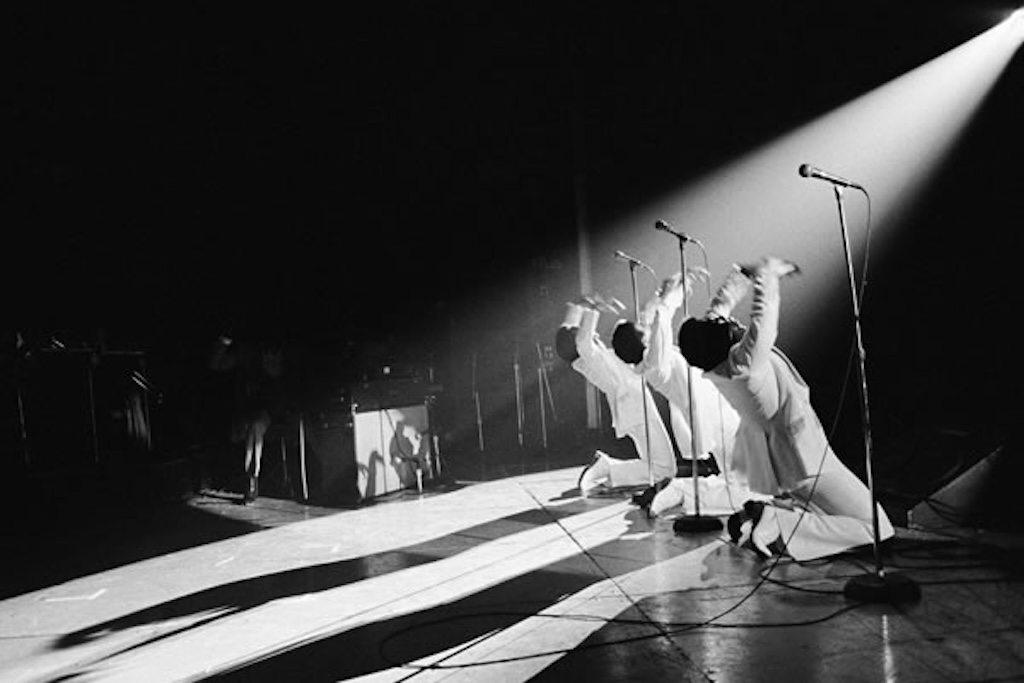
At times, this leads to lost opportunities, as in his discussion of a sublime photograph of the O’Jays by Bruce Talamon. (Really? Not even a word on the inky black that fills a quarter of the image, or to our abased vantage point, or to those divine diagonals?). Moreover, Berger’s writing can sometimes feel repetitive or unimaginative, as his essays frequently open with very slight variations on a standard formula.
Berger’s notion of us was always an expansive one, in other words—and so it’s fitting that his legacy continues to grow, even after his death.Kerr Houston
There’s a more generous way of putting this, though. Importantly, Berger’s writing style—guileless, undramatic—neatly matches the sorts of images he most enjoyed. His columns repeatedly illustrate, too, the sensitive cross-cultural appreciation that he believed could be nourished by visual imagery. And he could be a muscular and compelling writer.
His fiery criticism of Dana Schutz’s Open Casket is a study in principled criticism. And a column on the work of Ken Gonzalez-Day, who organized a walking tour of lynching sites in downtown Los Angeles, culminates with a smoldering observation: “More than anything, it makes us think where our ancestors—or our own bodies—might belong: as a victim dangling above or a perpetrator grinning below.”
Note his use of us, and our. In the hands of some white critics, such pronouns can sometimes feel casually exclusive. To Berger, by contrast, they were always inclusive—for, in his view, the best visual imagery was that which brought people together, by subtly dismantling the barriers of racism. Berger is hardly the only critic who has dwelled thoughtfully on the intersection of race and visual culture; A.D. Coleman and Teju Cole did something similar, bringing their tangy wit and exquisite discernment to the subject. But if you’re in the mood for affirmative, redemptive analysis, this book offers a generous invitation.
Berger’s notion of us was always an expansive one, in other words—and so it’s fitting that his legacy continues to grow, even after his death. His supportive words to young photographers such as Nona Faustine, early in their career, arguably shaped the future of the field: last year, before she suddenly passed away, Faustine was awarded a prestigious Rome Prize.
Similarly, UMBC’s newly launched Maurice Berger CADVC Program Fund pledges to support work on the histories of race, representation and justice in visual culture, and to create accessible public programming. These realizations of the ideas proposed in his writings ensure that Berger’s vision remains relevant, and leave little doubt that we—however one conceives of that word—are the better for it.
More info: https://aperture.org/books/race-stories-essays-on-the-power-of-images/