This week’s news includes: Jeannie Howe leaves GBCA after 14 years, BMA celebrates MICA’s bicentennial with MICA200 exhibition, documentary photographer Martha Cooper, Professor Lupe Fiasco at Peabody, Asia North 2026, Baltimore artist Phaan Howng profiles Carly Glovinski, BmoreArt contributor Kerr Houston writes about Agnes Martin, birthday celebrations for John Waters, a review of Before the Americas exhibition, and the BSO at Mount Vernon’s Flower Mart this weekend.
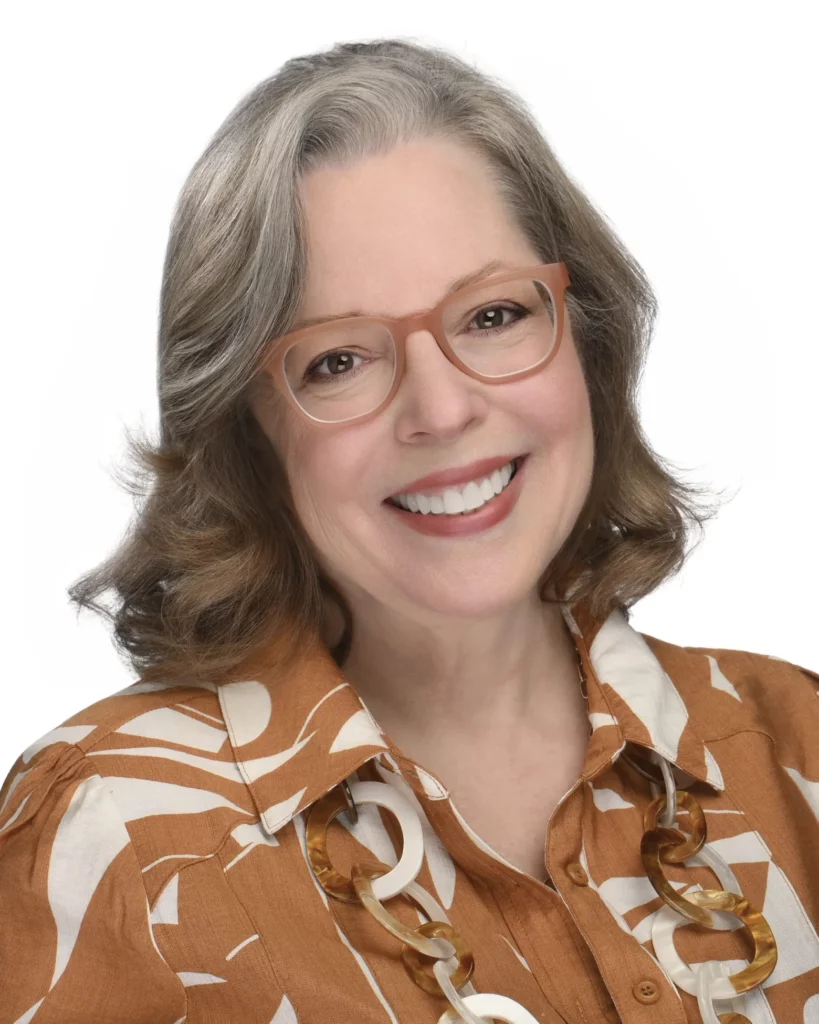
Greater Baltimore Cultural Alliance executive director Jeannie Howe to leave after 14 years
by Marcus Dieterle
Published April 28 in Baltimore Fishbowl
After 14 years as executive director of the Greater Baltimore Cultural Alliance, Jeannie Howe will move on from the organization Dec. 31.
Howe, who has led the organization since 2012, oversaw several programs supporting the Baltimore region’s cultural sector. The alliance will begin searching for her successor in June.
“Reflecting on my time at GBCA, I am deeply proud of what we, the staff and Board of Directors, have accomplished together and in partnership with our community,” Howe said in a statement. “We have led with a deep commitment to equity and fairness and have spoken out on behalf of the creative sector and its tremendous impact on the quality of life and economic success of the region. As I enter this new time in my life, I am extremely excited for GBCA’s future and the impact of its amazing work in the years to come.”
Influential arts leader Jeannie Howe to exit Greater Baltimore Cultural Alliance
by Wesley Case
Published April 27 in The Baltimore Banner

BMA Celebrates MICA’s Bicentennial with Special Presentation of Affiliated Artists in its Collection
Press Release :: April 28
The Baltimore Museum of Art (BMA) presents BMA Celebrates MICA200, a focus exhibition recognizing the 200-year legacy of the Maryland Institute College of Art (MICA) and the enduring influence of its artists, faculty, and alumni on Baltimore and the contemporary art world at large. Drawing entirely from the BMA’s collection, the presentation features 17 works that span nearly 150 years with examples of painting, sculpture, photography, film, textiles, jewelry, and works on paper. This diversity of media reflects MICA’s longstanding commitment to material experimentation, critical inquiry, and interdisciplinary practice. BMA Celebrates MICA200 is on view in the Contemporary Wing from May 17 through January 3, 2027.
Featured artists include both alumni and professors: Timothy App, Betty Cooke, Grace Hartigan, Maren Hassinger, Connie Imboden, Hugh Bolton Jones, Tom Miller, Elle Pérez, Amalie Rothschild, Joyce J. Scott, Jo Smail, Shinique Smith, Aaron Sopher, Grace Turnbulland Charles H. Walther, as well as the collective MICA Pandemic Quilters. The quilt project includes contributions by Susie Brandt, Kibibi Ajanku, Dr. Denise Bailey-Jones, Sarah Zenobia Barnes, Erika Carruth, Rosa Chang, Katherine Cowan, Joann Dixon, Rae Drotleff, Patty Gallivan, Dr. Leslie King Hammond, Rodette Jones, Joseph E. Malson, Christine Manganaro, Kenya Miles, Audrey Lee Naiva, Marla Parker, Ursula Populoh, Julia Racicot, Glenda Richardson, Rosalind Ford Robinson, Lowery Stokes Sims, Tobyanne Suyemoto, and Lowell Zelenka. Together these works illustrate the depth and breadth of MICA’s program while underscoring the BMA’s role as a steward of Baltimore’s artistic history.
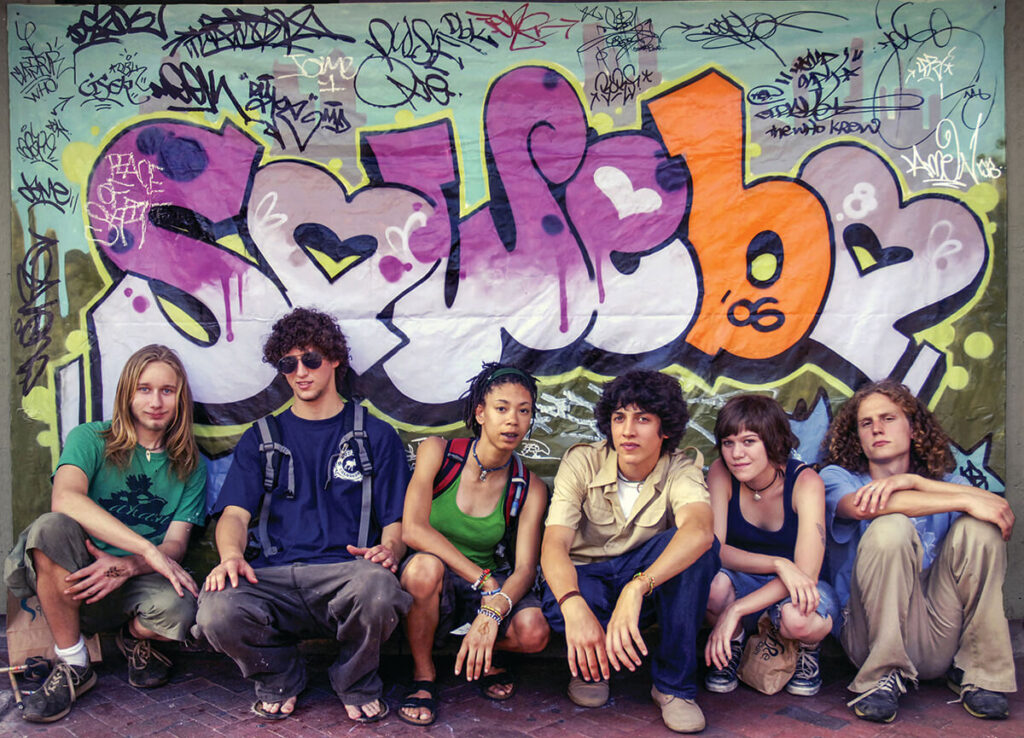
Documentary Photographer Martha Cooper Hasn’t Forgotten Her Roots
by Ron Cassie
Published April 28 in Baltimore Magazine
Photojournalist Martha Cooper has always been fearless, indefatigable, and intuitive. Now in her 80s, she is best known for her documentation of New York City’s graffiti culture of the 1970s and 1980s and, specifically, the 1984 book she co-authored, Subway Art, which became a foundational text for street art globally.
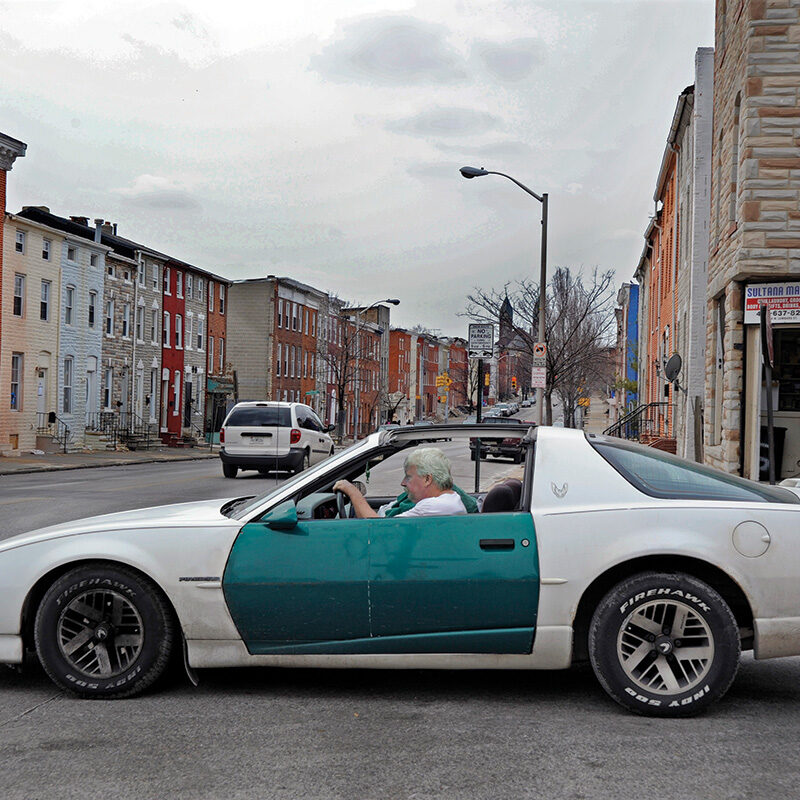
Twenty years ago, casting about for a project, she came home to Baltimore. She knew the city well. Growing up, she had been influenced by her father, who ran Cooper’s Camera Mart on Harford Road with his brother, and her mother, a Western High School English and journalism teacher. Initially, she considered the rowhouse communities of East Baltimore for her project, partly because she was taken with screen painting. (With degrees in art and anthropology, documenting subgroups has been a lifelong interest.)
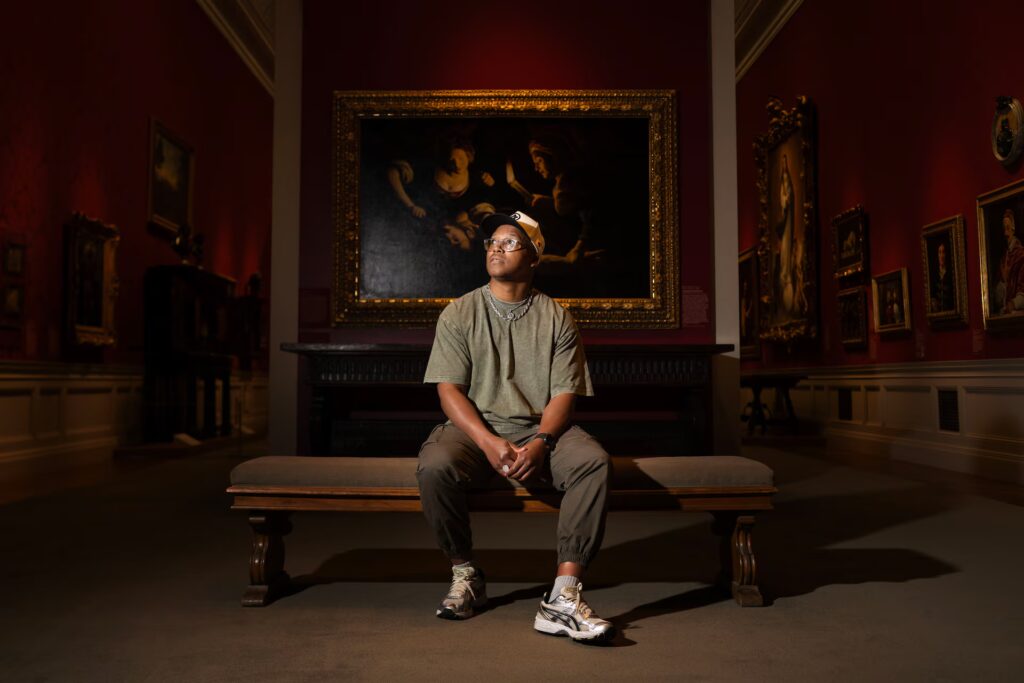
Want a degree in rap? Lupe Fiasco is here to teach you.
by Wesley Case
Published April 24 in The Baltimore Banner
Few artists know the art of rapping better than Lupe Fiasco, the 12-time Grammy nominee with more than 20 million records sold.
From Rakim, the God MC himself, to J. Cole and New York City Mayor Zohran Mamdani, hip-hop fans of all eras have paid respect to Fiasco as one of the best to rock a mic.
It made Fiasco — who burst onto the scene in 2006 with his ode to skateboarding, “Kick, Push” — a natural choice to become the first to teach rap at Johns Hopkins’ Peabody Institute in the fall of 2025. His largely remote role is part of Peabody’s first-of-its-kind Bachelor of Music program in hip-hop, led by Baltimore’s Wendel Patrick.
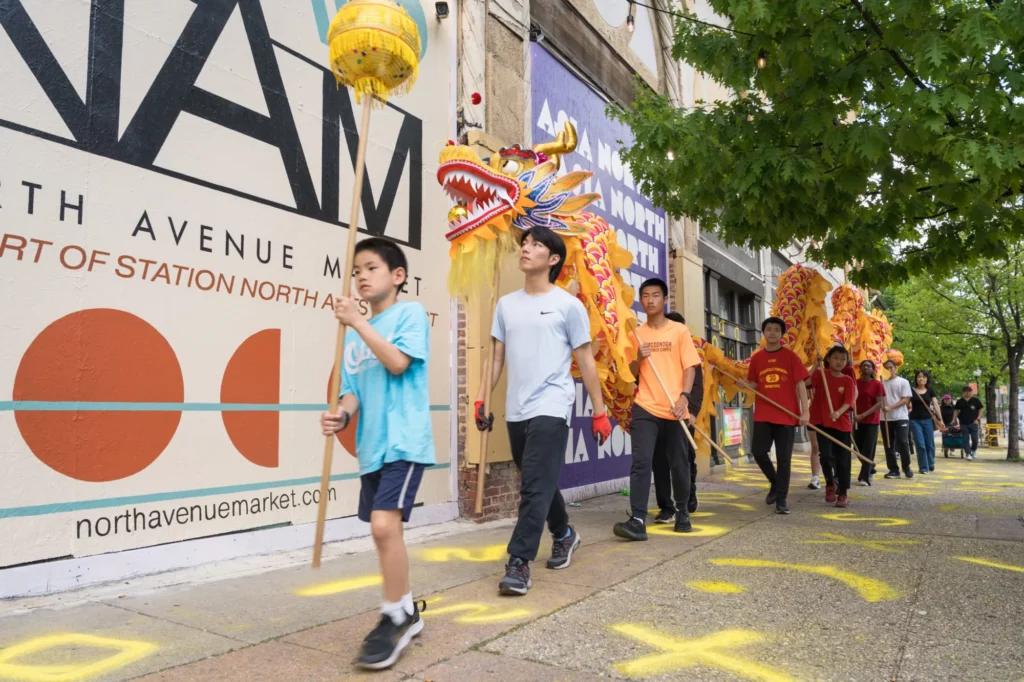
Asia North Festival returns to Station North with spotlight on hospitality and belonging
by Aliza Worthington
Published April 23 in Baltimore Fishbowl
The Asia North Festival returns for its eighth year to Baltimore’s Station North Arts District, running from May 1–31.
Central Baltimore Partnership (CBP) and Towson University’s Asian Arts & Culture Center will co-produce the month-long festival, which coincides with APIMEDA Heritage Month. “APIMEDA” stands for Asian, Pacific Islander, Middle Eastern, and Desi American cultures. The programs will celebrate Baltimore’s Charles North/Station North neighborhood, whose identity continues to evolve as a Koreatown, arts district, and a creative hub.
Carly Glovinski
by Phaan Howng
Published April 27 in BOMB Magazine
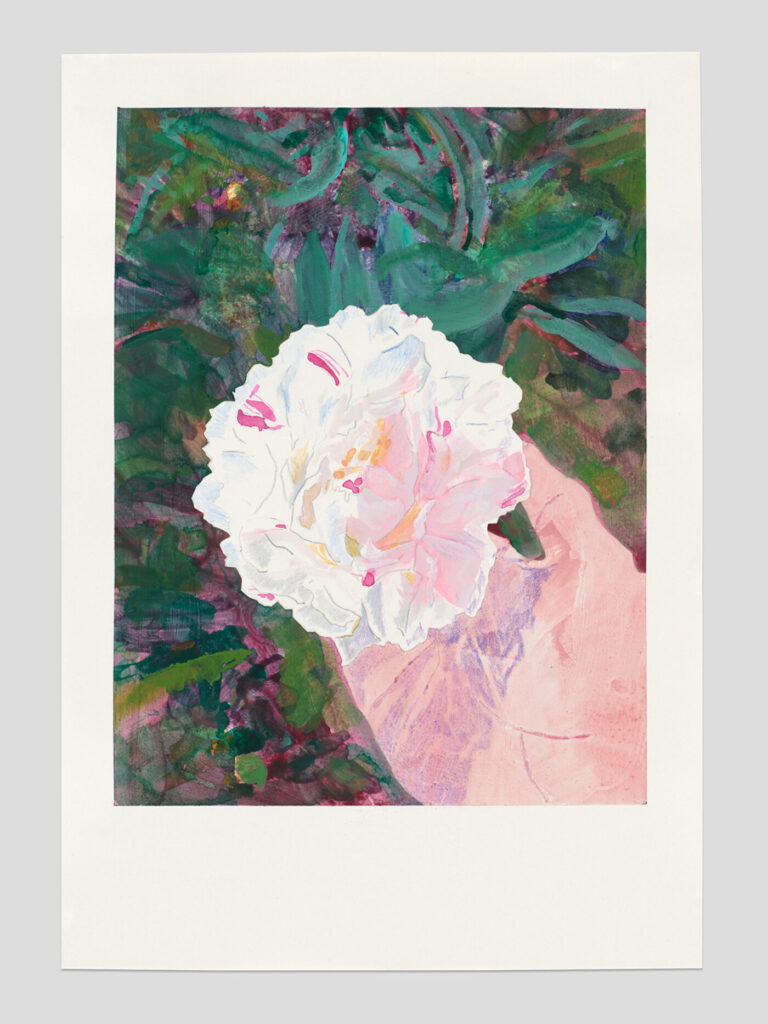
Carly Glovinski and I met in 2002 when we attended Boston University’s BFA Painting program. We lost touch and then magically reunited years later. While catching up, we discovered that we have parallel art practices with themes that revolve around garden culture, plants, and the landscape. We even share the same journey of abandoning painting on canvas and choosing instead to work on paper, create large-scale installations and public artworks, and then return to canvas. Our only differences are our concepts and artistic languages.
In 2021, Carly started a living art project, Wild Knoll Foundation Garden, located at Surf Point Artist Residency in York, Maine. Wild Knoll is literally planted on the footprint of the late poet Mary Sarton’s home before it was torn down. Carly still continues to nurture and maintain it today. I had the privilege of visiting and experiencing Wild Knoll last summer when Carly invited me to do an art activation within the garden. To me, Wild Knoll was like living proof of what a harmoniously established ecosystem filled with native plants looks like, with joyous varieties of birds and insects happily pollinating, juxtaposed against the yet-to-be-managed parts of the property that were overcome with non-native plants.
Agnes Martin’s Fields of Flax
by Kerr Houston
Published April 2026 in Material Intellegence
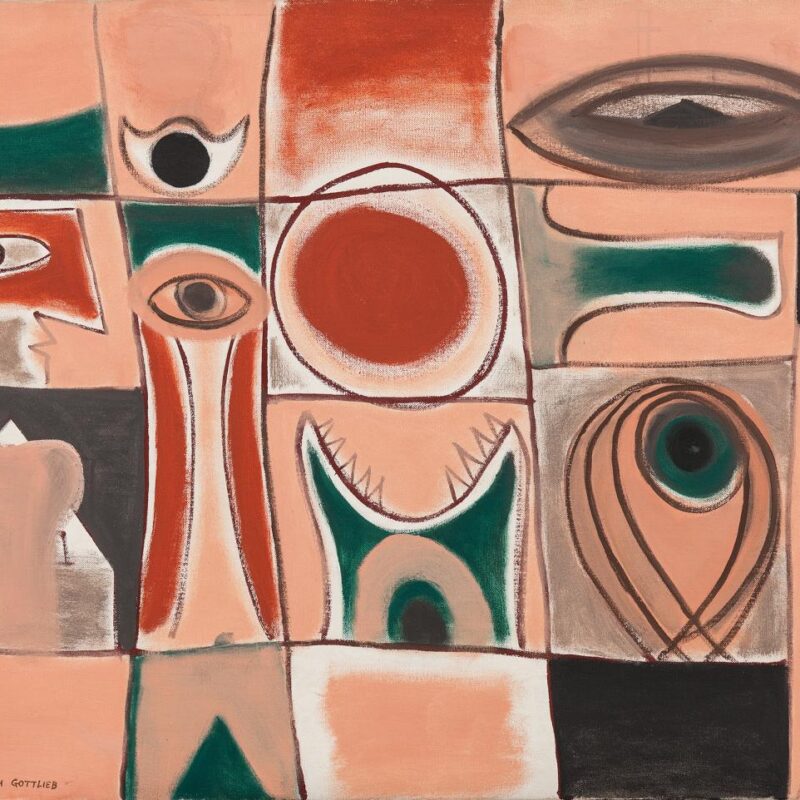
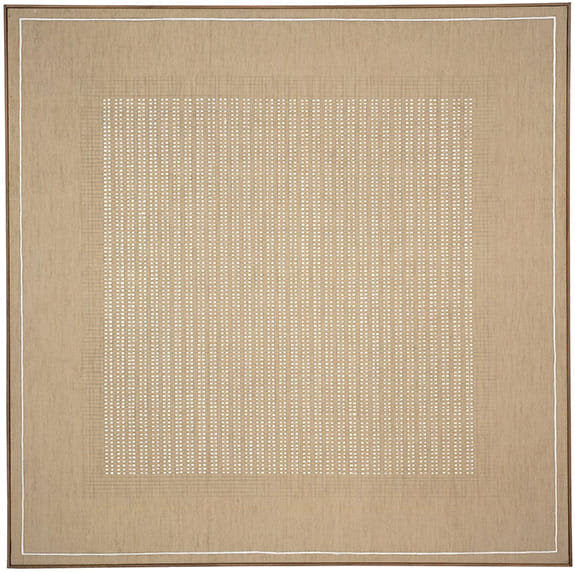
What can we make of the largely overlooked fact that Agnes Martin, the famed modernist painter, suddenly began to work on linen in 1960?
It was a consequential moment in a consequential career. After spending most of a decade in New Mexico, where she had experimented in a range of modes (encaustic portraits, biomorphic watercolors, abstractions in oil), Martin moved to New York City in 1957. Working in a warehouse in Coenties Slip over the next few years, she began to create gridded patterns on six-foot-square canvases: subtle exercises in geometry and restrained mark-making that soon attracted notice, and which are now widely admired. Understandably, this has frequently been seen as a critical period for Martin. Indeed, the artist herself saw it that way; years later, she remarked that “It wasn’t till I found the grid, in New York in 1960, that I felt satisfied with what I was doing.”
Filmmaker John Waters celebrates 80th birthday with Deborah Harry, Ricki Lake, poppers-themed cake and lemon sticks
by Ed Gunts
Published April 24 in Baltimore Fishbowl
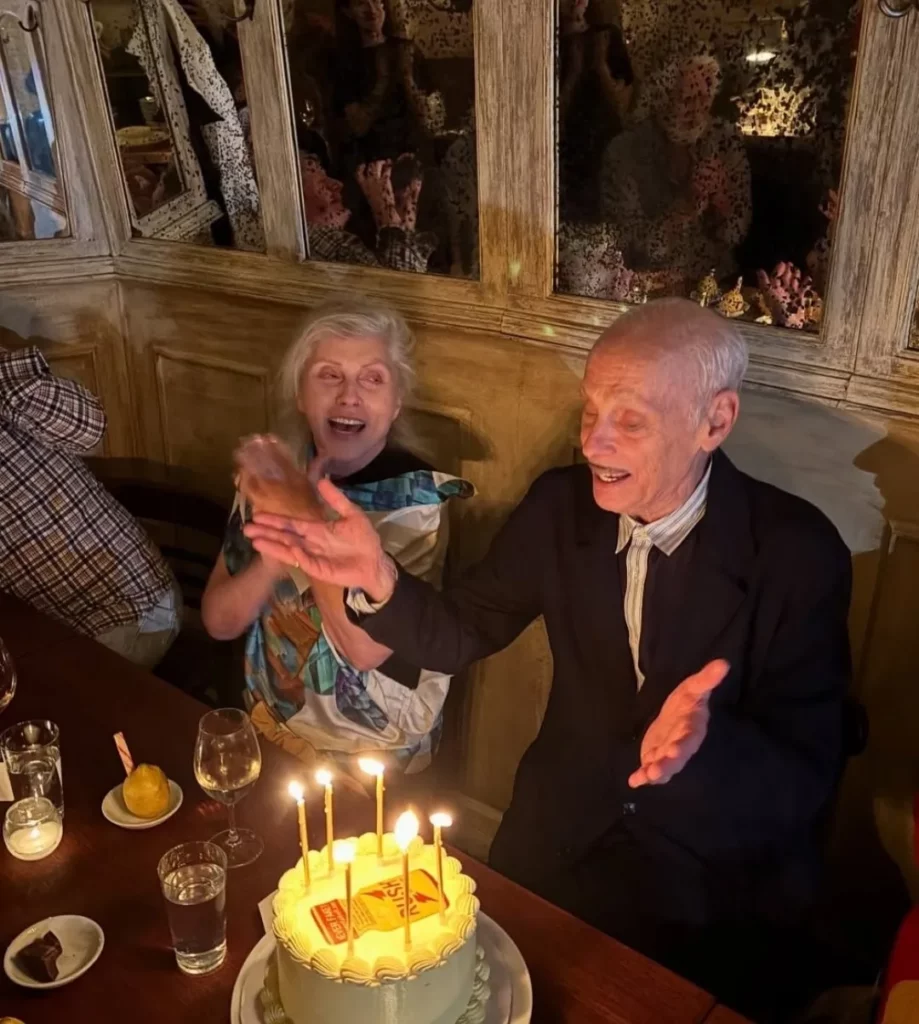
Filmmaker John Waters celebrated his 80th birthday a few days early with Deborah Harry, Ricki Lake and nearly three dozen others at a private party in New York City.
Photos of the event now making the rounds on social media show Waters seated at a table next to Harry, who played Velma Von Tussle in the 1988 version of “Hairspray.” His cake had six candles and an image of a red-and-yellow bottle of Rush-brand poppers on the top. The company once promised him a lifetime supply after he created a larger-than-life sculpture of a Rush bottle with the contents spilling on the floor.
According to guests, the dinner took place at Prune in New York City, where Waters had a spoken-word performance on April 19. His actual birthday was April 22, and he had a show in Miami that night.
East City Art Reviews–Before the Americas
by Phil Hutinet
Published April 22 in East City Art
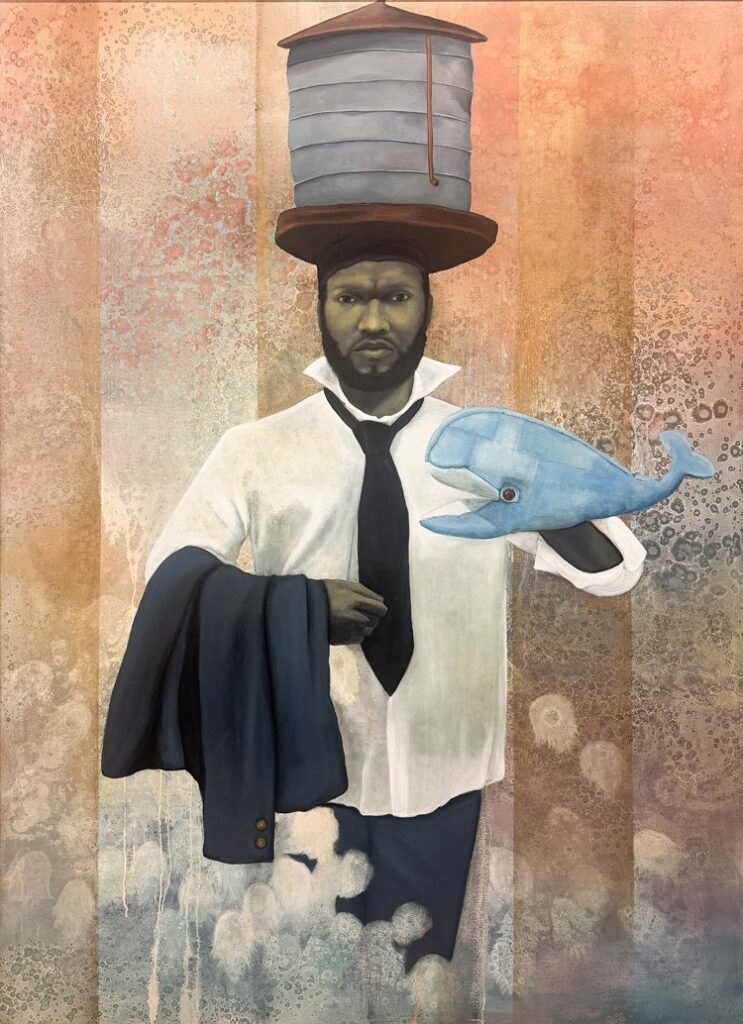
Before the Americas, currently on view at the University of Maryland Global Campus Arts Program, is not a particularly intuitive title, at least not at first. It suggests a return to a pre-Columbian landscape of forests, mountains and Indigenous worlds untouched by the modern infrastructure and urban sprawl that now define the Americas. But that is not the exhibition Cheryl Edwards has assembled.
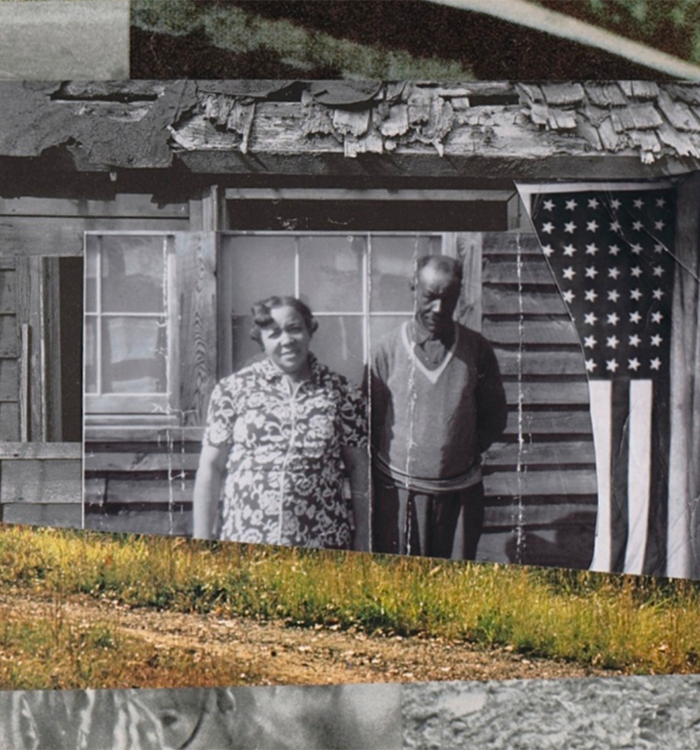
What Edwards is actually pointing toward is something more precise and more difficult to visualize–the persistence of cultural memory. Specifically, the exhibition traces lineages that originate in Africa and extend through the Americas, shaped by forced migration, colonial histories and the complex layering of identity among Black, Latino, Afro-Latino and Caribbean artists. For many of the artists included, these histories are not abstract—they are embedded, carried and reinterpreted through form, material and image.

BSO musicians to perform at Mount Vernon church to help kick off Flower Mart on May 1
by Ed Gunts
Published April 24 in Baltimore Fishbowl
Three musicians from the Baltimore Symphony Orchestra will help kick off the Flower Mart in a spring concert at Mount Vernon Place Church on May 1.
“Serenade for Strings” is the title of the concert, featuring BSO Concertmaster Jonathan Carney, violinist Agnes Tse and cellist Holgen Gjoni playing classical music by Mozart and Beethoven.
The Flower Mart is a two-day event that runs May 1 and May 2 from 11 a.m. to 8 p.m. in the streets and parks around the Washington Monument at Charles and Monument streets.
Become a Member
Artist Memberships Include 2 Tickets to Each Magazine Release Party!