“When forces are trying to strip people of their human dignity, that’s when art and the expression of that dignity is restorative, for them and for the whole of society,” says Joseph McNeely on a recent phone call. We were talking about the current political moment in the United States, but he could just as easily be describing why he and his family created an award in his late wife’s name.
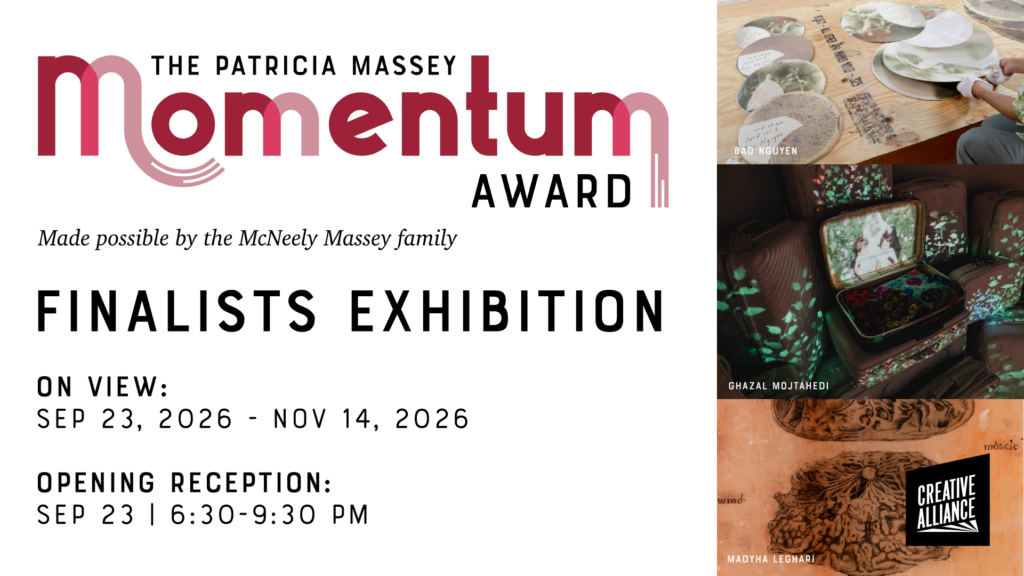
Creative Alliance presented the first Patricia Massey Momentum Award on Wednesday, September 23, when winner Bao Nguyen was announced at the opening of an accompanying group exhibition running through November 14. The $10,000 prize, funded by the McNeely Massey family, will go annually to one emerging immigrant visual artist living in Maryland. It was created to honor Patricia Massey, a Baltimore housing pioneer and longtime Creative Alliance board member who passed away in 2021.
The award supports artists whose work reflects their cultural heritage and lived experience. To be eligible, they must have been born outside the United States, currently live in Maryland, and be at least 21 years old. The prize is aimed squarely at artists trying to move from a developing practice into a sustained professional one. Staff, board members, and current resident artists at Creative Alliance are not eligible, though former ones are.
McNeely, reached by phone ahead of the exhibition opening, described an idea that took shape slowly over about a year and a half following Massey’s death, after a local artist and fellow board member at the Creative Alliance made a gift to name the organization’s new Creativity Center’s lobby in her honor.
“We decided we wanted to create something that reminds people of Pat,” he explained, but they decided to focus on immigrant artists in part because it is central to their own family history. “Both Pat’s mother’s parents and my mother’s parents were immigrants,” McNeely said. “Our children are immigrants too. So we’re framed by this immigrant experience.”
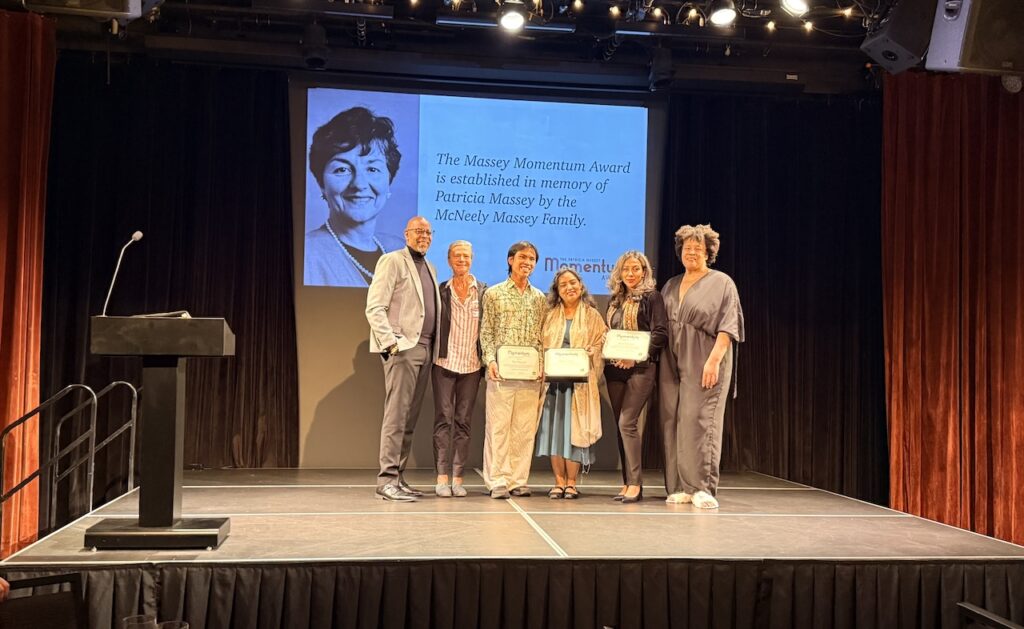
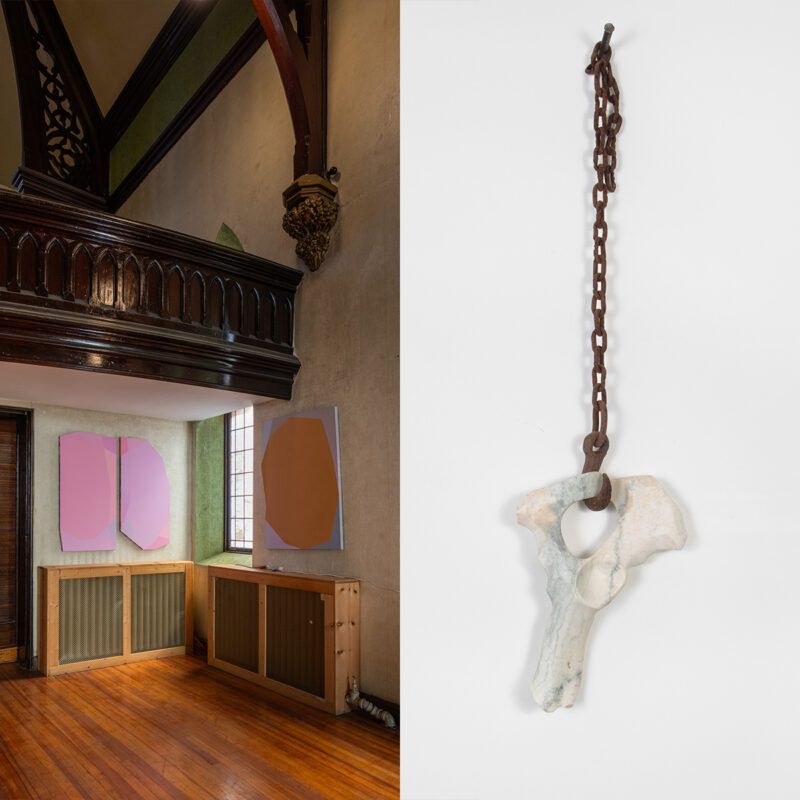
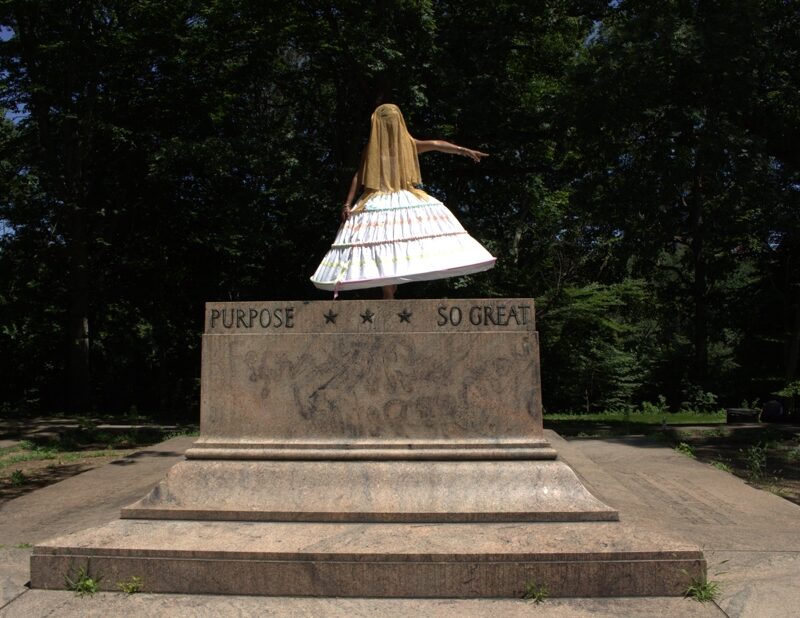
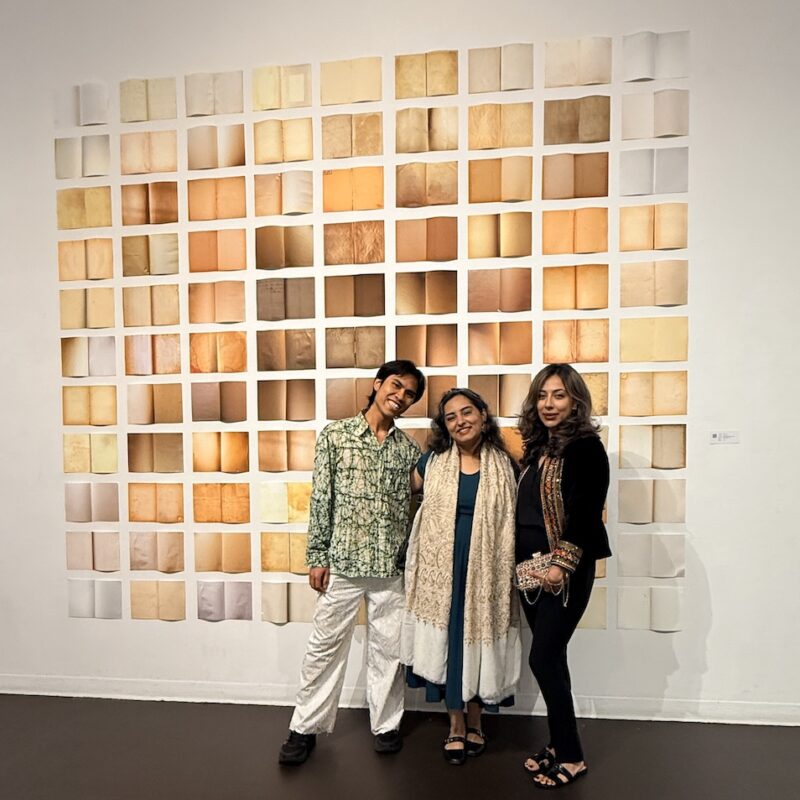
The family also settled early on making it an open, no-strings prize rather than a project grant or scholarship, and on a large enough amount to make an impact. “We decided it should be an open award, not a scholarship, because artists need different things,” said McNeely. “It could be a studio, it could be materials, it could be school. The artist gets to decide.” This inaugural round drew 43 applications, narrowed first to about ten artists who received studio visits, and finally to three finalists. All three are presenting work together in a group exhibition at Creative Alliance.
The finalists include Madyha Leghari, a Washington, DC-based artist, writer, and educator whose interdisciplinary practice explores language, embodiment, and pregnancy, with exhibitions at the Phillips Collection and Kreeger Museum among others; Bao Nguyen, a Baltimore-based visual and performance artist born in Vietnam whose work engages places that are overlooked or unregulated; and Ghazal Mojtahedi, an Iranian interdisciplinary artist and filmmaker based in Baltimore whose installations and films explore memory, displacement, and migration.
One of the three received the public program at Creative Alliance that comes with the prize money. The other two are recognized as finalists. The selection panel included Scott Massey, Patricia Massey’s nephew, a graphic artist who teaches at Pratt Institute, and Ky Vassor, Edgar Reyes, and Tae Hwang, all Baltimore-based artists and educators.
Joy Davis, Visual Arts Director at Creative AllianceThe Patricia Massey Momentum Award is an amazing opportunity for us as a community organization to fully step into our role supporting artists at the many different stages of their career.
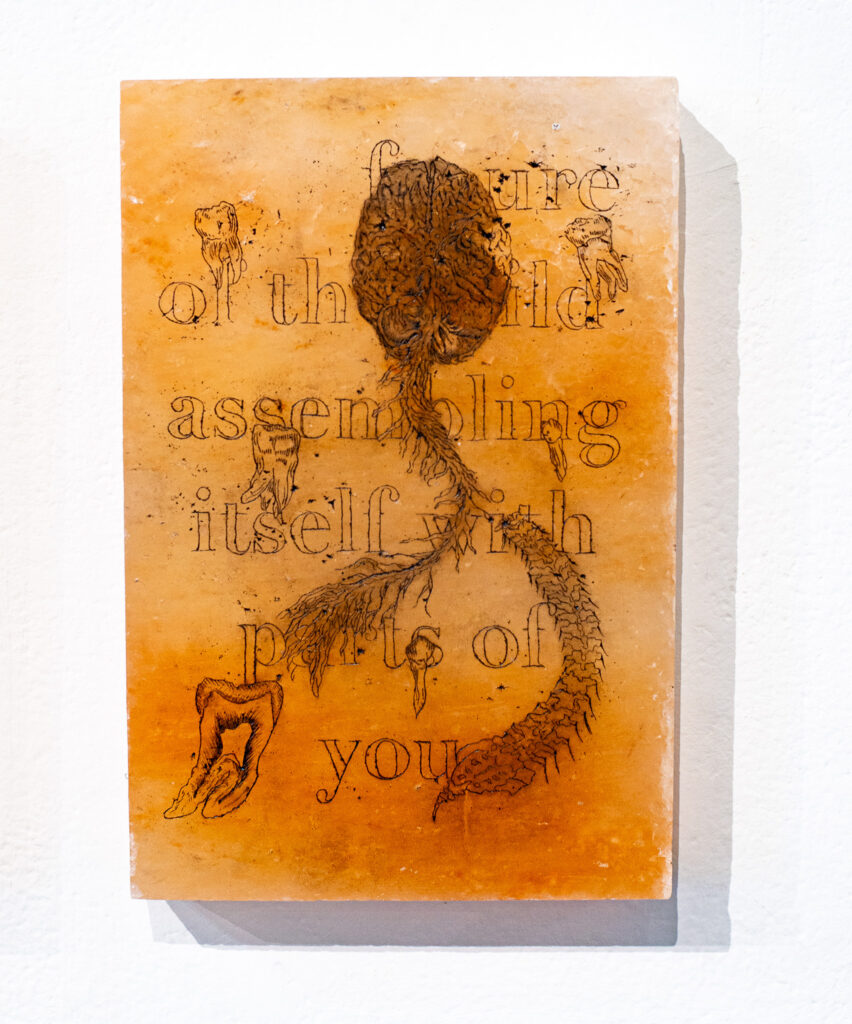
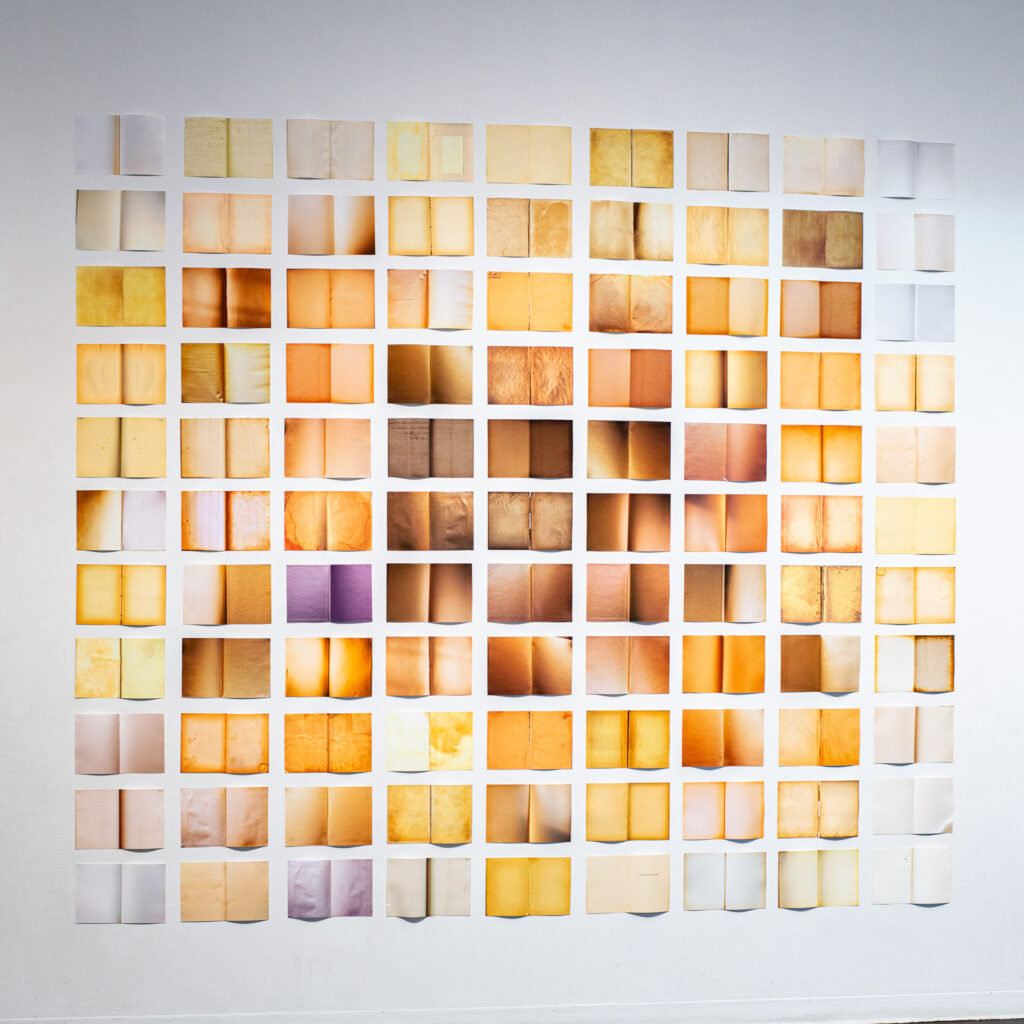
“The Patricia Massey Momentum Award is an amazing opportunity for us as a community organization to fully step into our role supporting artists at the many different stages of their career,” said Joy Davis, Visual Arts Director at Creative Alliance who worked with the selelcting panel, the artists, and has organized the new exhibition.
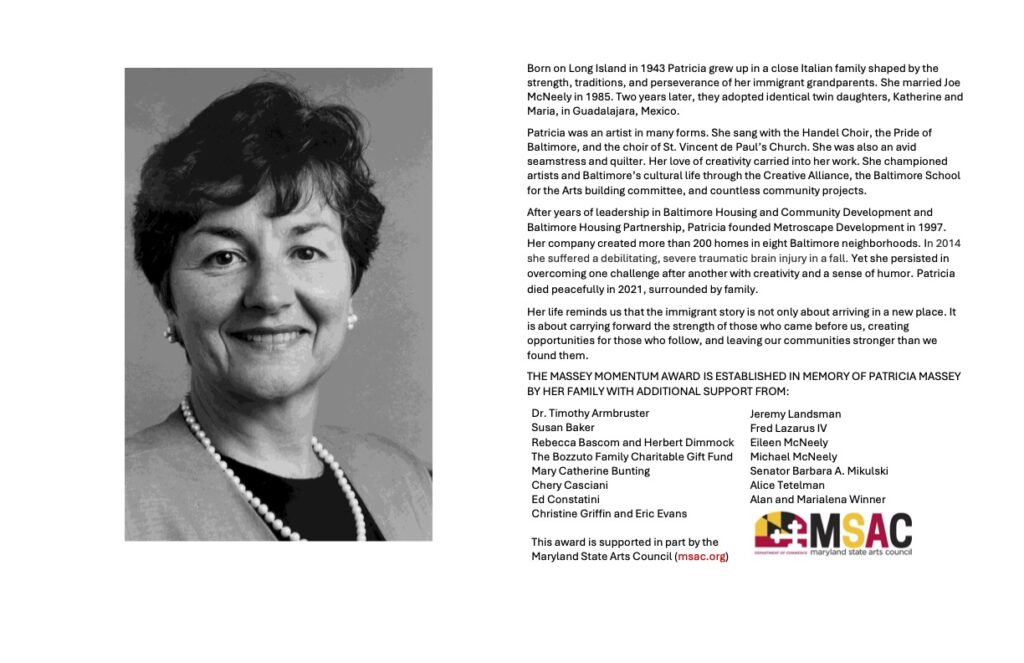
Patricia Massey spent her career reshaping Baltimore neighborhoods before she ever thought of herself as someone shaping the city’s art world, though in her own mind the two were never far apart. Born to George and Almira Massey of Elmont, New York, she moved to Baltimore in 1977 to join the city’s Department of Housing and Community Development. In 1984, as director of land disposition, she proposed and helped Mayor William Donald Schaefer create the Baltimore Housing Partnership, a public-private effort she led for a decade that turned vacant city buildings into 1,000 affordable homes for ownership and rental.
In 1997 she founded her own firm, Metroscape Development, which went on to build or rehabilitate more than 200 homes across eight Baltimore neighborhoods, including Canton, Frankford, Hoe’s Heights, and Hampden. She was known for taking on the parcels other developers passed over and insisting that every project reflect the character of its neighborhood rather than repeat a formula.
In 2006 she helped convert the former Bell Foundry buildings into artist studios and gallery space, and she served on the boards of the Baltimore School for the Arts and Creative Alliance, chairing the building committee that delivered what became Creative Alliance’s Creativity Center.
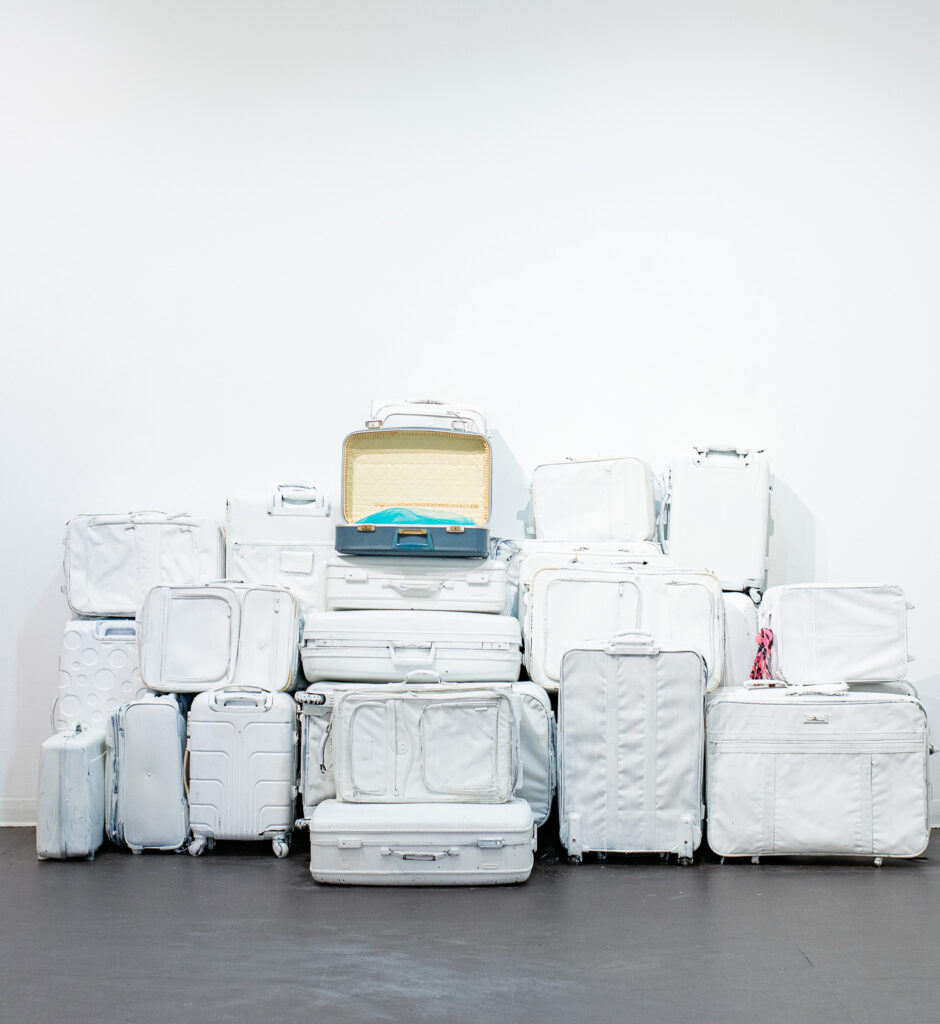
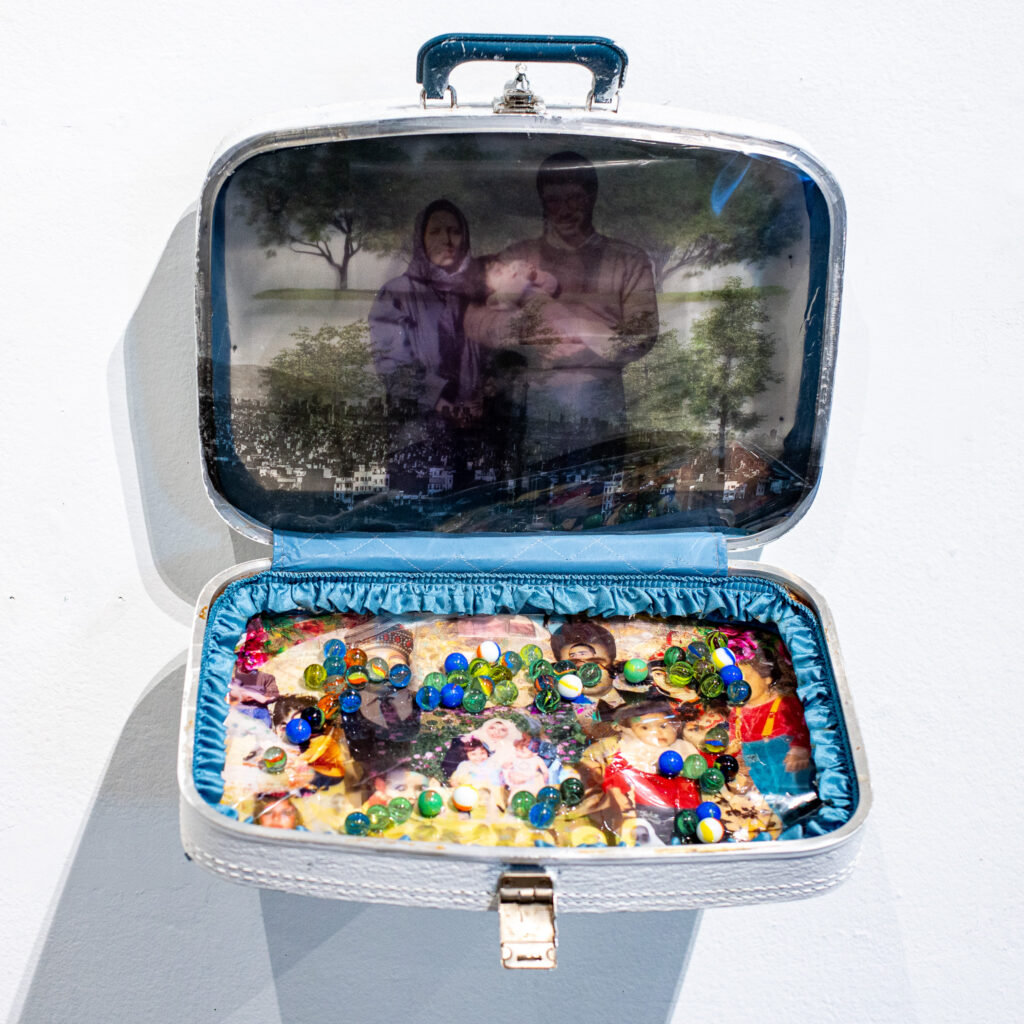
McNeely was quick to describe his late wife as someone who saw little difference between building houses and making art. “She always wanted something designed to fit into the neighborhood, that reflected the culture, that related to the setting,” he said. “Every one of her projects was different.”
He recalled her comparing her two crafts directly. Housing and quilting, she told him once, were the same thing: “taking something that’s two-dimensional and making it three-dimensional. I’m taking plans and turning them into a house, I’m taking fabric and turning it into a quilt.”
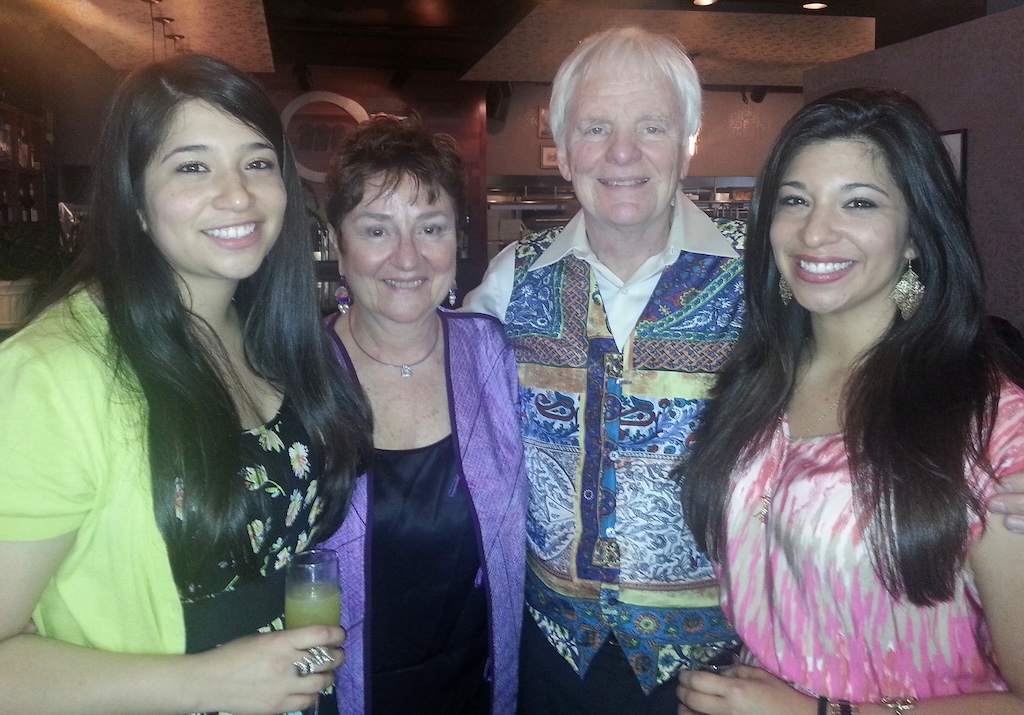
In addition to being an avid quilter, Massey sang with the Handel Choir and the Pride of Baltimore. In 2014 she suffered a traumatic brain injury in a fall while working on a Southeast Baltimore housing project, and she fought to recover for seven years before her death on February 25, 2021, at 77. She is survived by her husband of 35 years, Joe McNeely, and daughters Katie and Maria.
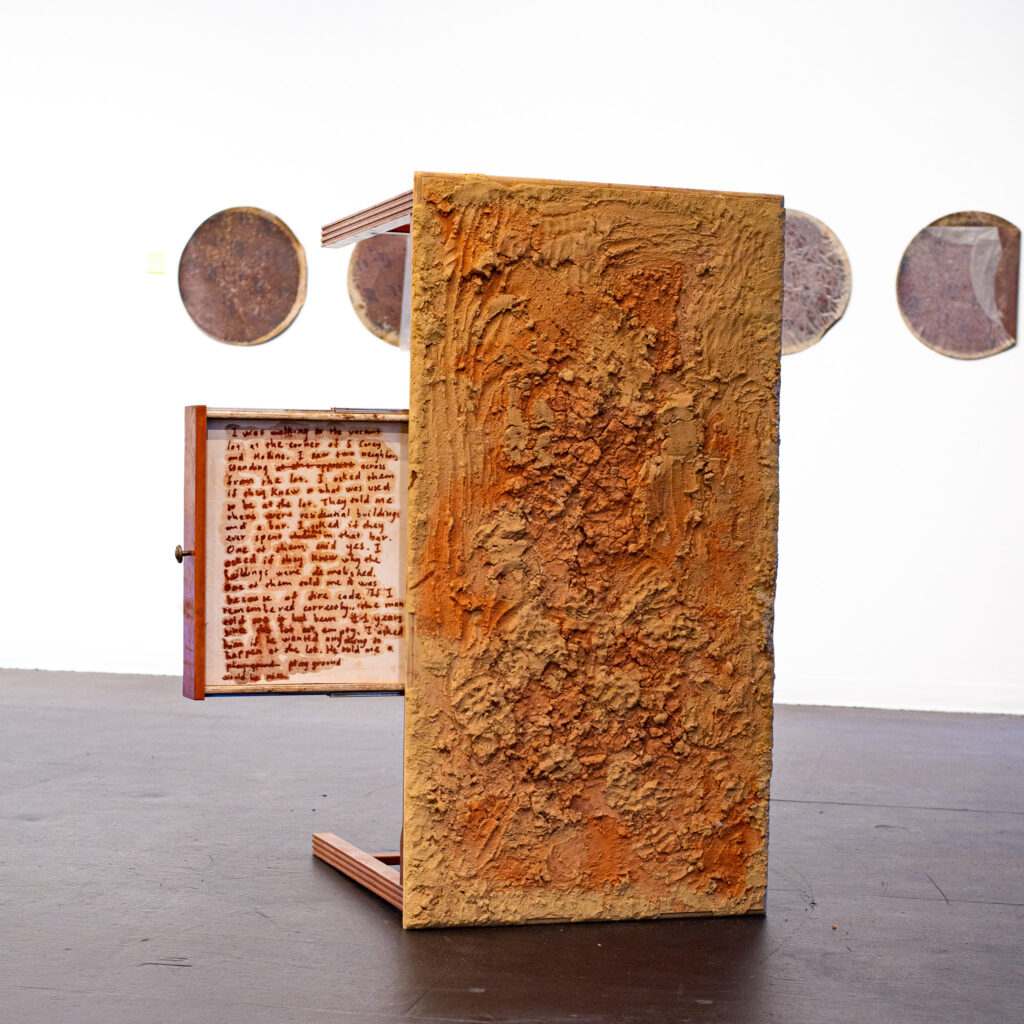
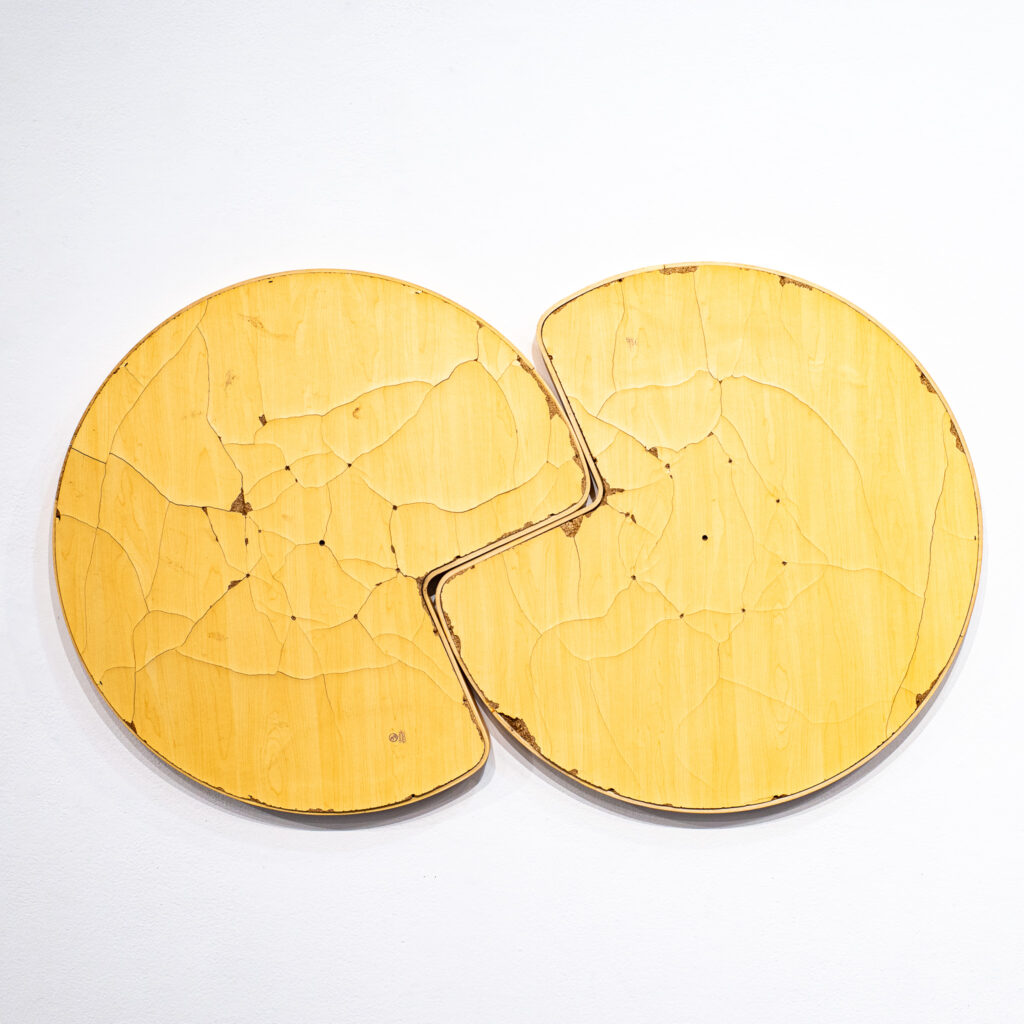
McNeely noted that the award’s arrival amid a fraught national debate over immigration was not something the family planned around, even if it now feels newly urgent within that debate. “It’s coincidental, but the timing couldn’t be better,” he said.
He cited US history repeating itself in its current hostility to immigrants, back through both families’ histories. “Whether it’s Pat’s Italian grandparents or my Irish grandparents, there were plenty of stories of being called names, of signs that said Irish need not apply,” he said. “We see ourselves as a country of immigrants, and we have a hard time digesting that from time to time. It’s important to keep coming back to it.”
The family has raised enough to sustain the award for at least 20 years, and McNeely said they are close to funding second and third prizes beginning next year. “It’s not just for the person who wins,” he said. “It’s to hold up that there’s a whole vibrant immigrant community giving us all kinds of contributions in arts and culture in Baltimore.” With the new Massey Momentum Prize, celebrating immigrants’ cultural contributions has now become officially institutionalized and preserved for future generations, as well as a competitive new opportunity for artists to exhibit and grow their practice in Baltimore.
Nguyen, a recent UMBC graduate of the IMDA MFA program with an undergraduate degree from MICA, will use the unrestricted funding to establish their studio practice in Baltimore.