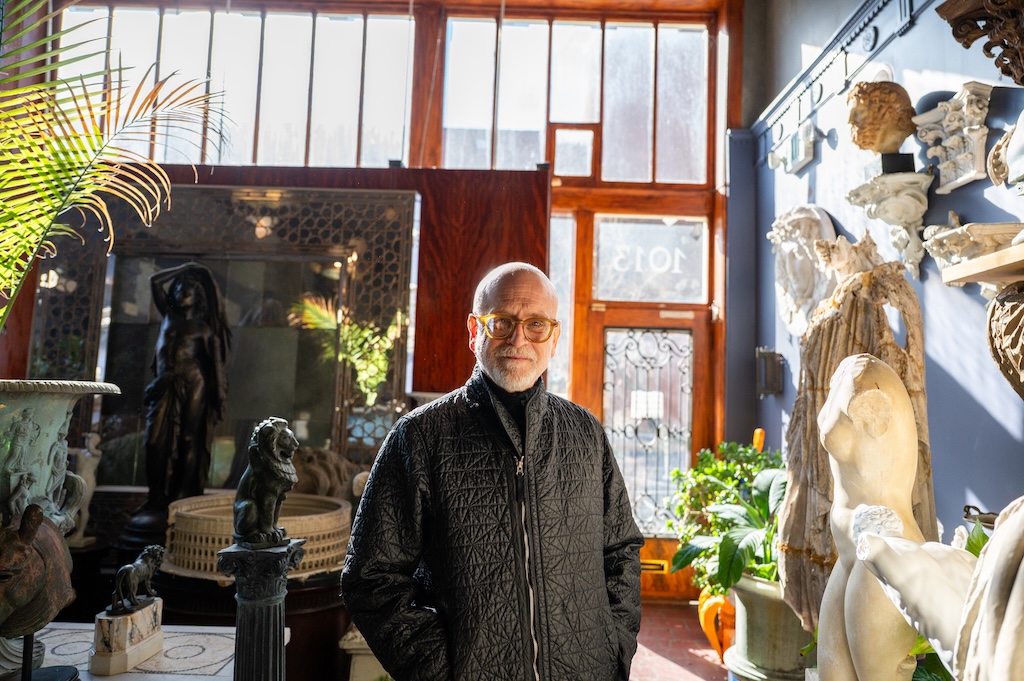
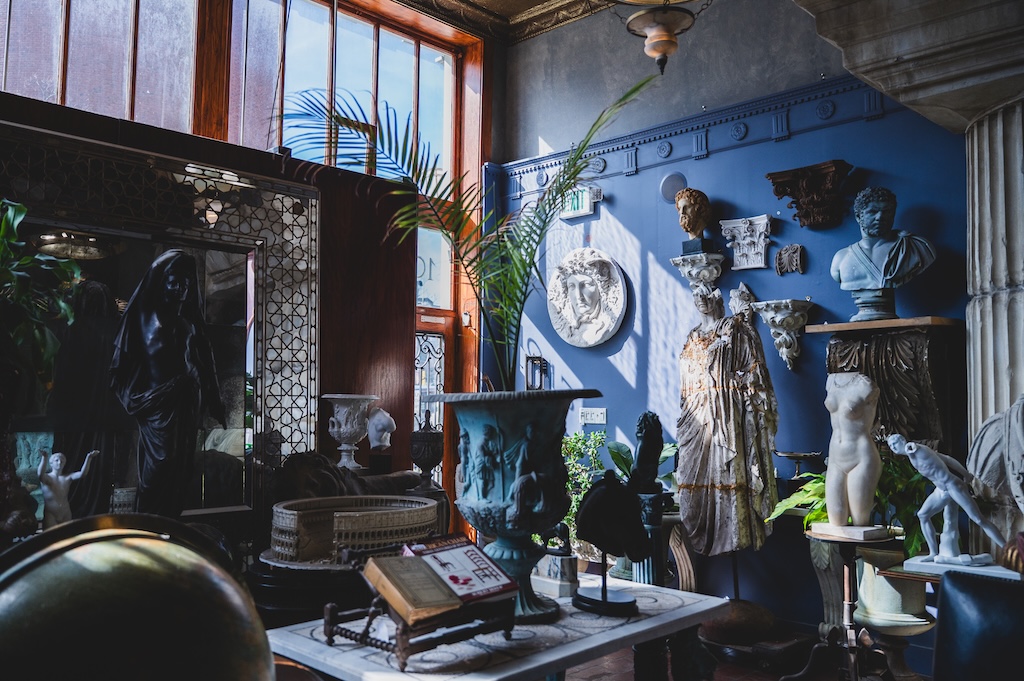
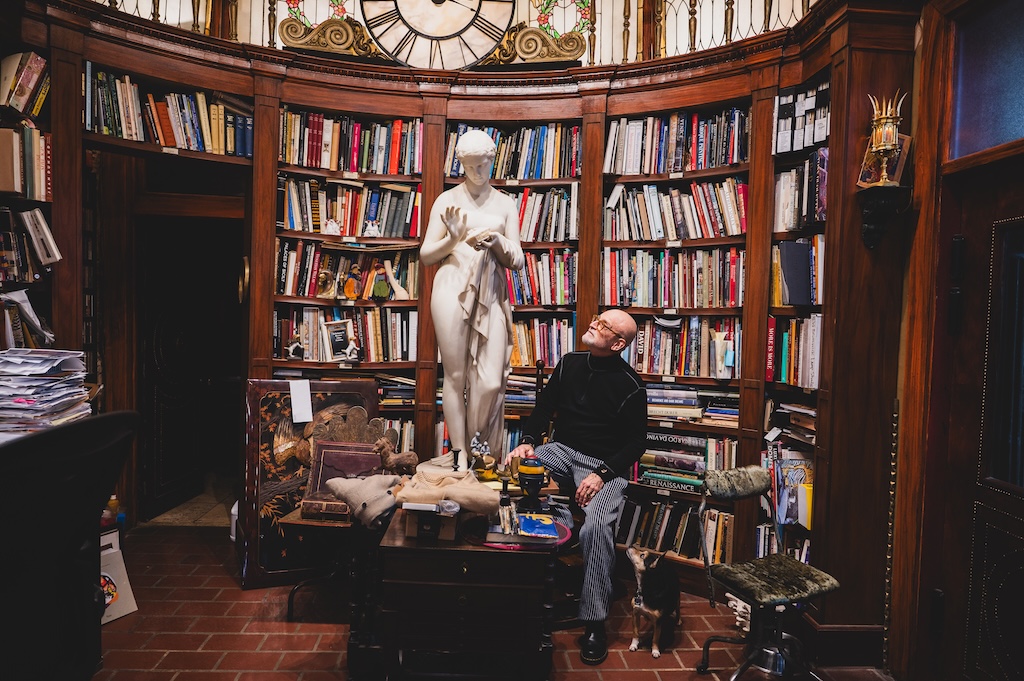
The McLain Wiesand studio on Cathedral Street is a kind of heaven for aficionados and connoisseurs of beautiful neoclassical inspired objects. Located in a 19th century townhouse in Mount Vernon and operated by artist David Wiesand since 1986, the custom built furniture workshop and showroom hosts an enthralling mix of original historic objects, lovingly created reproductions, and elegant adaptations where art history and technical expertise go hand in hand.
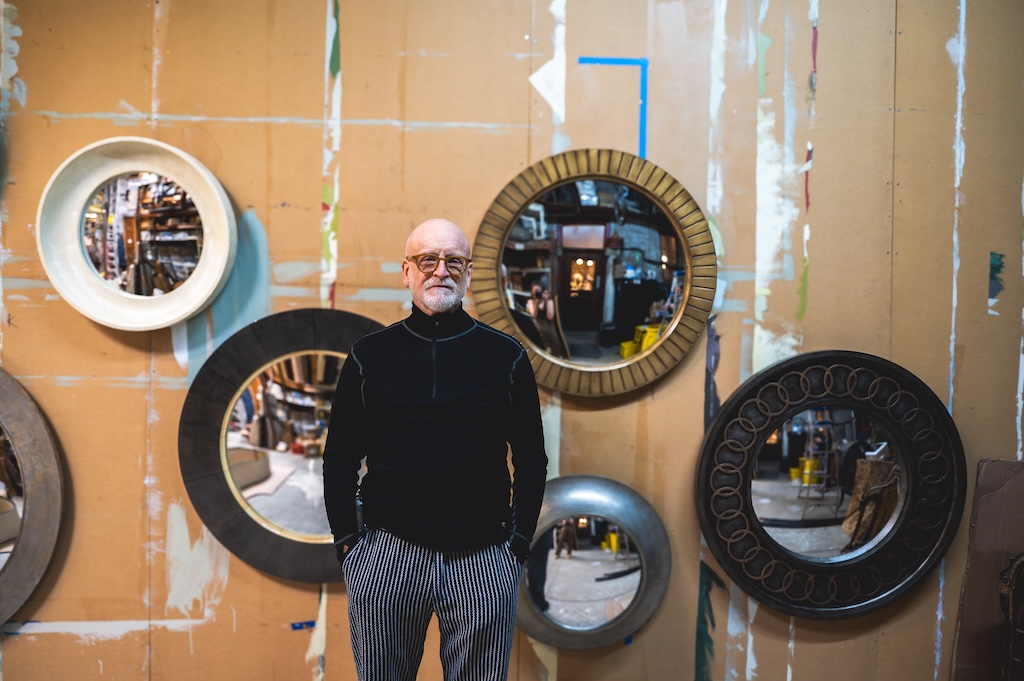
Over the course of a forty-year career devoted to restoring, reproducing, and interpreting beautiful things, the McLain Wiesand operation has grown to include 4,500 square feet of workshop, a showroom, and offices as well as a beautifully appointed living space. Originally, the business focused on 18th and 19th century art, antiques, and decorative objects but Wiesand redirected the focus in the early 90s to the design and manufacture of original furnishings and decor with a strong neoclassical influence. Their offerings include painted and finished wood, wrought iron, and cast decorative elements made from in-house molds. The business is known throughout the region for its decorative painted finishes for interior spaces including consoles, beds, chairs, cocktail tables, cabinetry, lighting, and architectural elements.
It makes perfect sense that a classically trained visual artist sits at the helm of this organization. That artist is David Wiesand, a Baltimore native whose creativity remains grounded in an active drawing practice inspired by history. During a recent visit, he joyfully showed me a charming and accurate drawing of a tall, antique case clock. Made when he was just ten years old, the model, his grandfather’s clock, exists as a harbinger of the rich artistic life he has manifested. Both the clock and the drawing now sit side by side, keeping one another company in his home above the shop.
We discussed other examples of his earliest influences, opportunities that empowered him to intentionally design every element of his environment. That same child wanted a belt just like one worn by Lowell Nesbit, a visitor to his parents home. It was a revelation to Wiesand when Lowell told him he’d made the belt himself. He remembers wanting toy soldiers like those he saw in a children’s film. At age seven, he was not prepared to carve them, so he set about making a set of paper cut-outs of the army.
Looking back even further, Wiesand shared that his father was a collector with a construction company, Atlas Contractors, and a formative influence upon Wiesand’s understanding of craftsmanship, historical reproduction, and collaboration. His grandfather had the collector’s gene as well, and many of the sculptures, dishes, and paintings that Wiesand still cherishes were acquired first by him.
His willingness to work across historically separated genres and markets is a distinctive strength. It guarantees that his own curiosity and creative impulses are always centered.William Chickering
Wiesand earned a BS in Fine Art from Towson University in 1979 followed by an MFA in Painting from the Maryland Institute College of Art (MICA) in 1981, where he found a number of inspirational mentors. “Peter Collier was my version of a 19th century French salon art education,” he says. “And Ron Cubbison at Towson took me under his wing as well.” Both encouraged his love of representational drawing and painting, and stimulated his artistic development. After graduate school, Wiesand started out in the visual merchandising department of the Hecht’s department store in Baltimore. The creative, nurturing atmosphere Wiesand found there encouraged him to insist on the same kind of environment in his own workshops where he employs a number of designers, artists, and craftspeople.
In Wiesand’s practice, the relationship between art, art history, and interior design is seamless; whether he is working on a commissioned mural, a replica of a historic lighting fixture, or his own art, his willingness to work across historically separated genres and markets is a distinctive strength. It guarantees that his own curiosity and creative impulses are always centered, with his family history as an anchor. When Wiesand started his first shop in 1986, which mainly sold antiques, he named it McLain Wiesand, incorporating his mother’s family name to represent her influence as well.
“Once I started McLain Wiesand, it was Alexander Baer, a local Baltimore interior designer who happened into my small space on Antique Row on Howard street and gave me my first commission,” Wiesand says. He was asked to make a specific kind of table, the beginning of a successful line of home furnishings and decorative objects that blend seamlessly into historic environments.
These days, the McLain Wiesand workshops use an 18th and 19th century European atelier approach to production. A diverse team of multi-talented artisans and craftspeople share the credit for creating its output. His daughter, Alex, is a partner in the firm, as well as a constant collaborator and supporter of this unique business, which offers a diverse array of practices including wood and metal work, mold making and casting, sewing, jewelry making, and more.
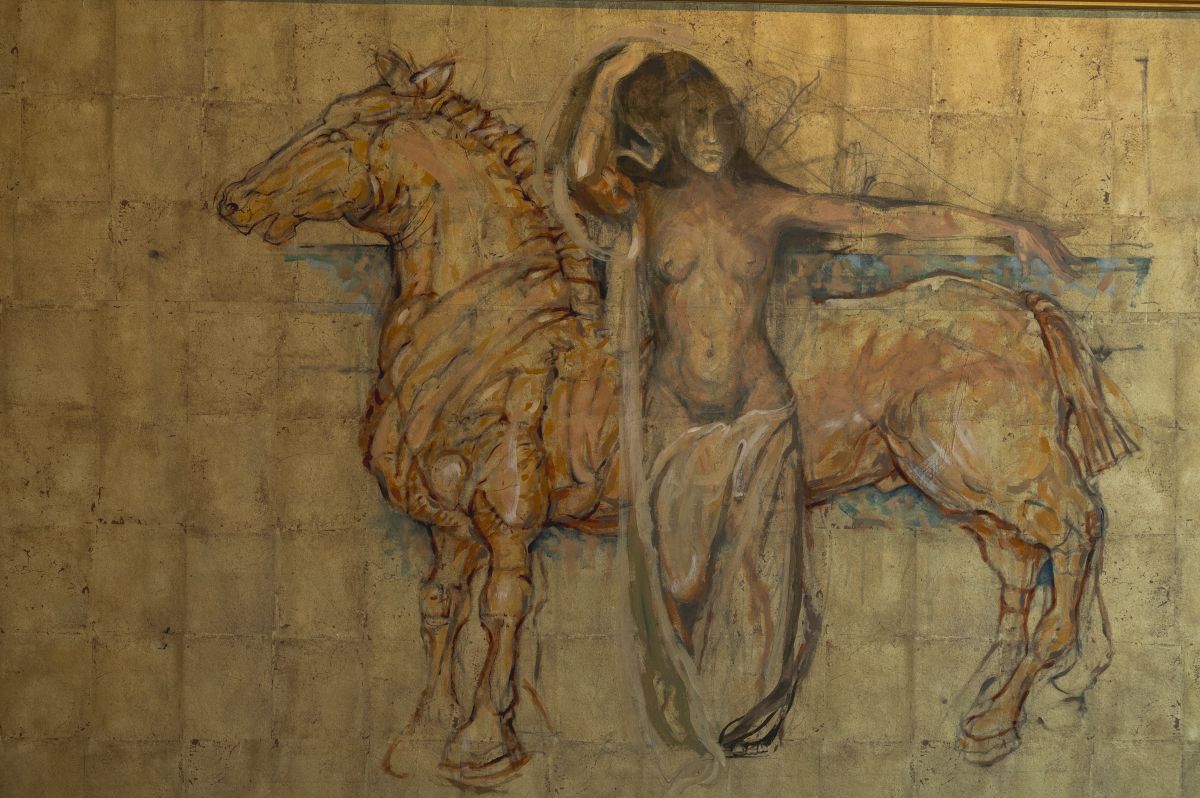
Wiesand questions our assumptions about past, present, and future; blending the three together.William Chickering
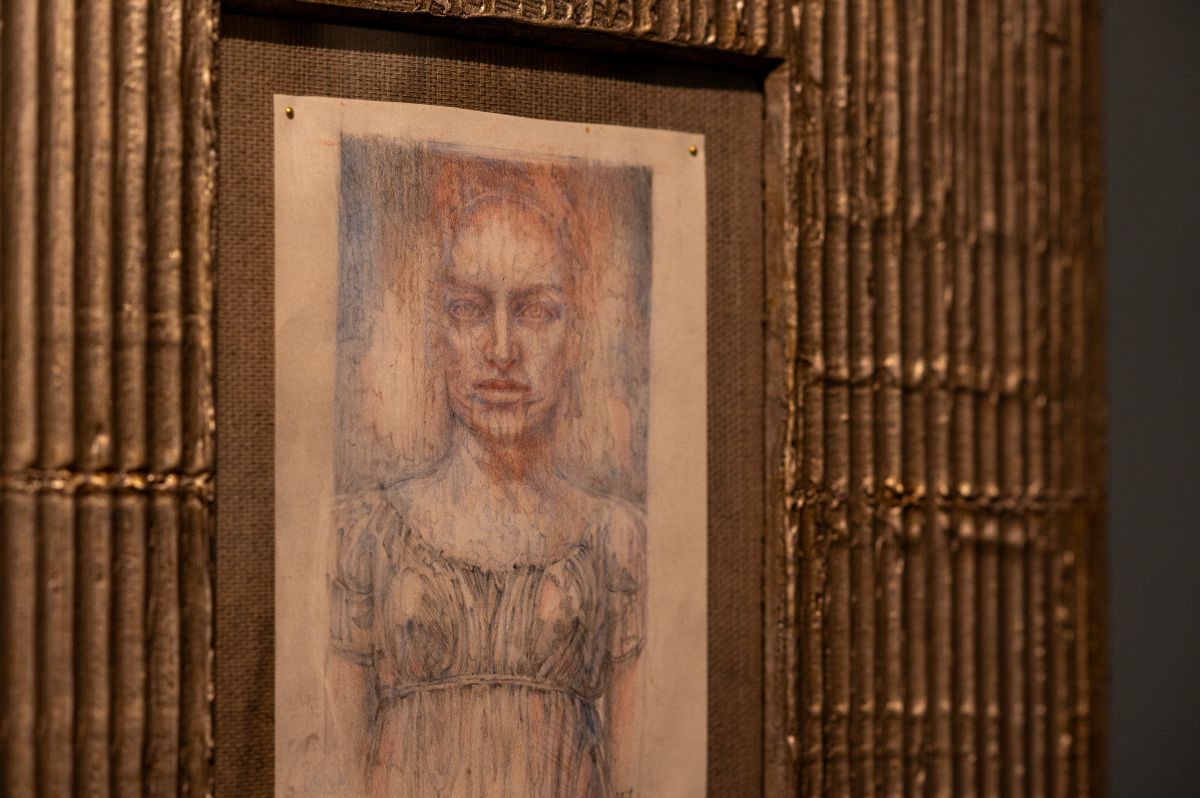
An April 2024 solo exhibition, Making Beautiful Things, at the nearby Gallery Blue Door, confirms the artist’s lifelong aesthetic choices as an individual philosophy as well as a modus operandi for his business. “My recent work of drawings and paintings is my effort to re-examine my feelings about making art: my love of the old, antique, distressed, worn things, art and objects,” says his artist statement.
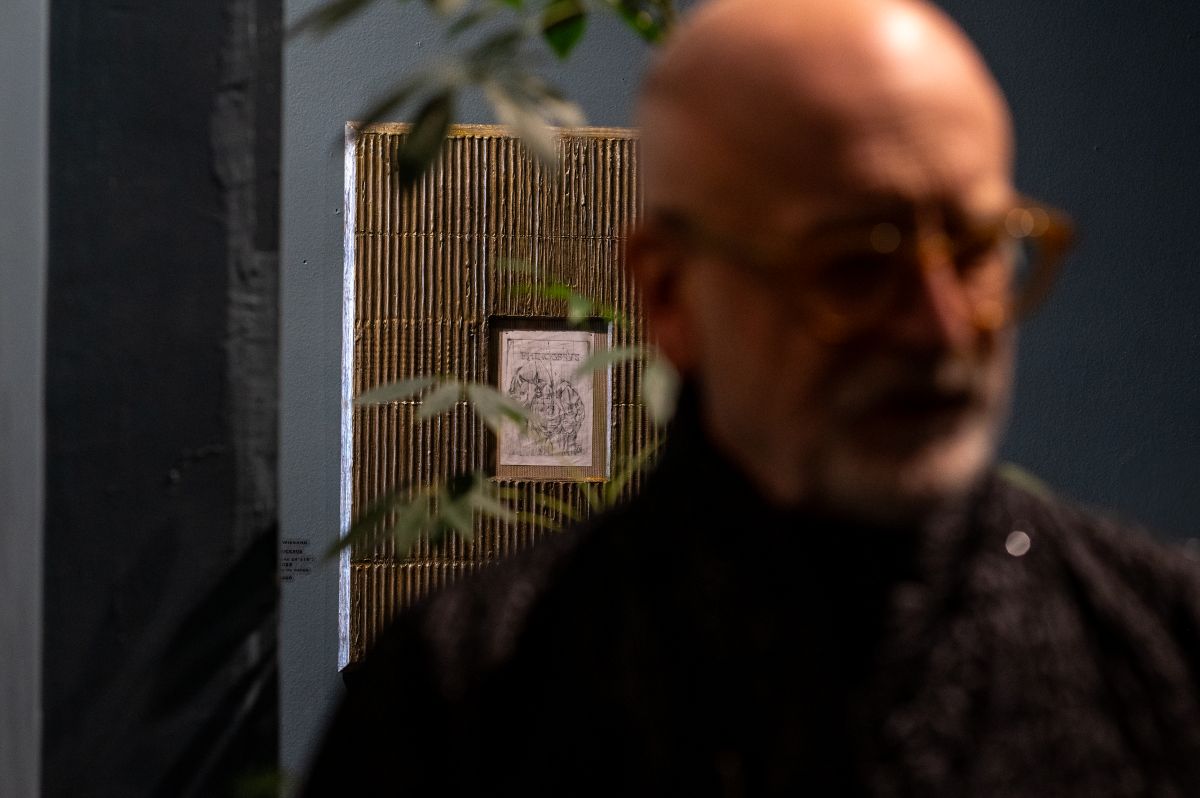
Through large paintings and tiny, labor-intensive drawings, Wiesand questions our assumptions about past, present, and future; blending the three together into timeless images and also incorporating his love of craft. Inspired by the work of Stanford White, he designed and constructed all of the frames for the artwork, offering a textured, decorative visual platform to elevate his sketches.
“The frames for the drawings are inspired by Classicism, Brutalism, and my attempt to create something with an otherworldly feeling, inspired by films like Blade Runner and Dune,” he explains. “So they have a sense of not quite fitting in any specific design period, they might be from the future.”
A consistent line of inquiry into the places where art, architecture, design, and decor overlap is applicable to Wiesand’s commercial work as well, where the dynamic tension between handmade, mechanical reproduction, and digital intervention centers old fashioned drawing. Rather than forcing himself to use ever-advancing technology, Wiesand avoids computer-assisted design software. On the occasion where this becomes an impediment, he turns to one of his skilled associates to turn his sketches into a machine-presented product.
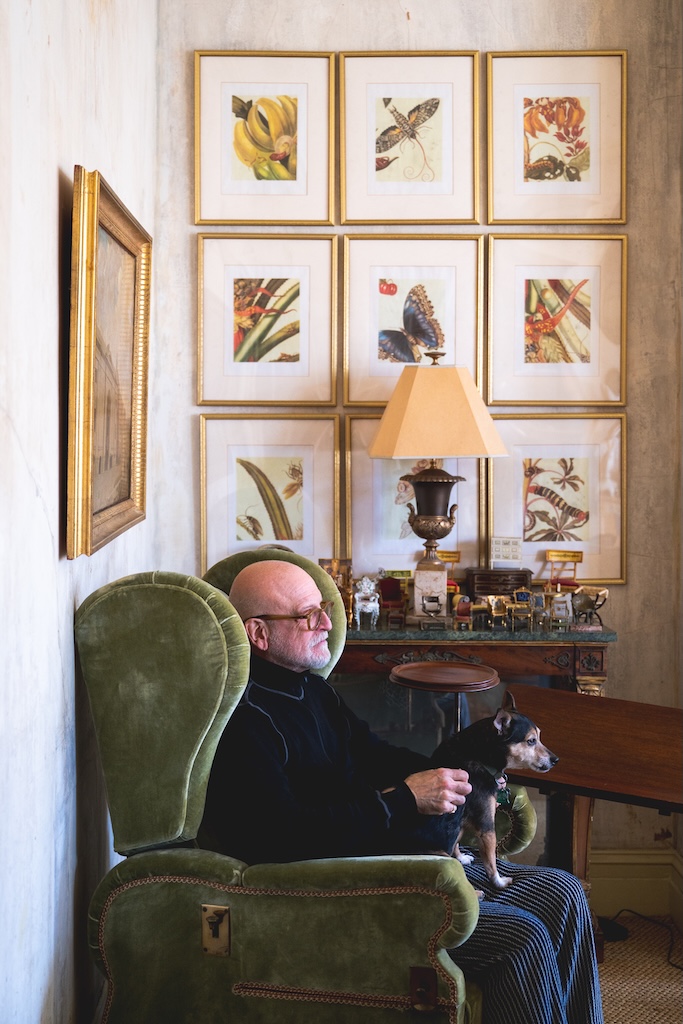
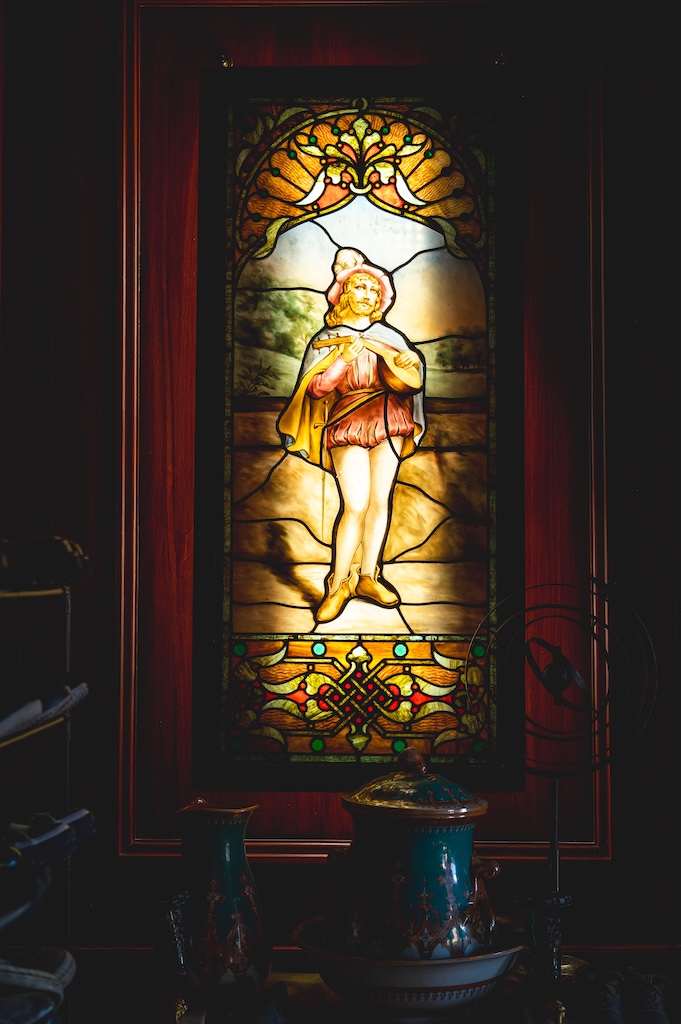
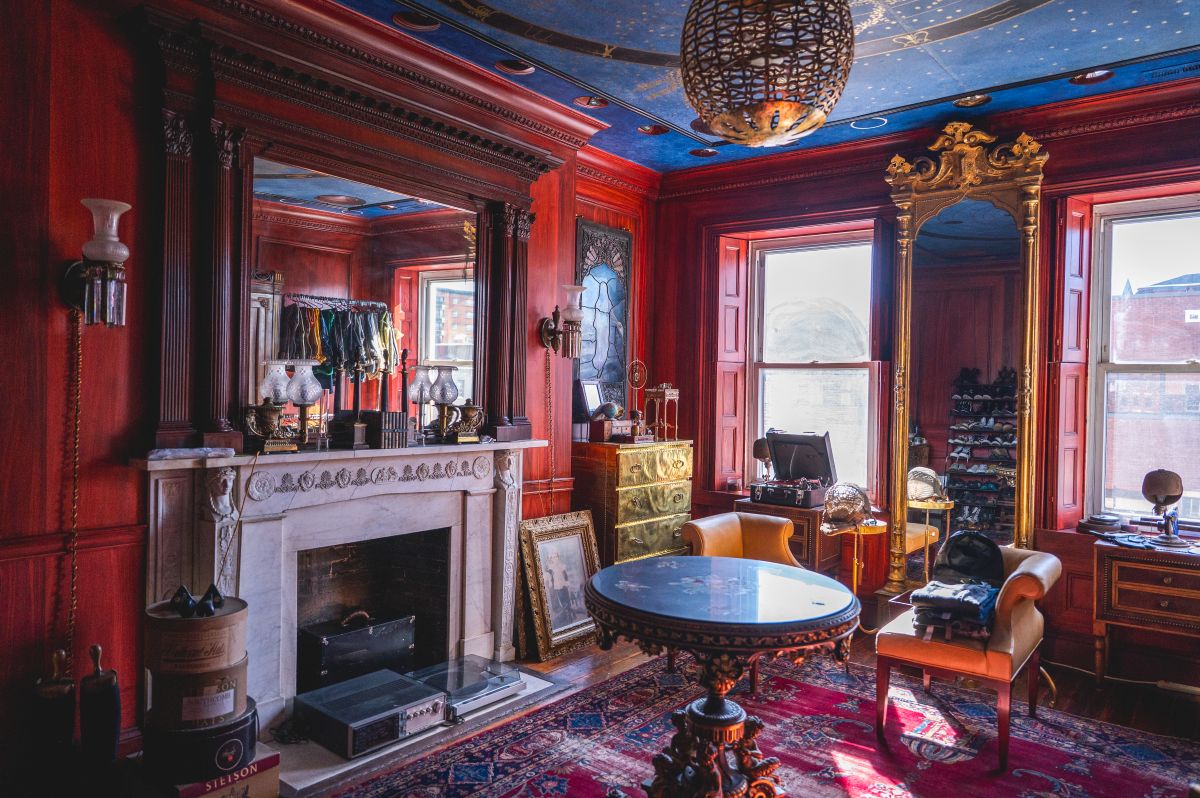
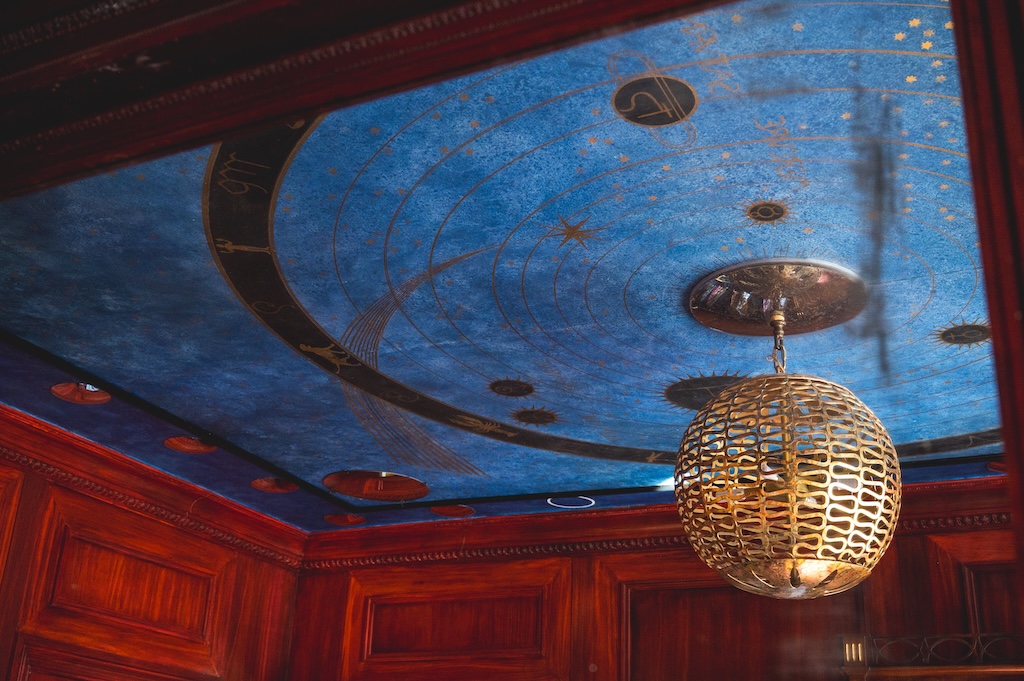
Wiesand’s latest venture, House Demiurge at 1008 Morton Street, is a curated boutique designed to delight those who enjoy beautiful objects of antiquity. The shop incorporates antiques and artisanal items, jewelry, vintage clothing, and home furnishing, offering a window into Wiesand’s unique artistic journey and expertise in finding beauty in unexpected places.
After forty years of running a variety of creative businesses in Baltimore, Wiesand’s dedication to beautiful imperfection remains a central tenet in all the work that he does and in the way he lives his life. He acknowledges, “The best treasures often come with imperfections and patina.”