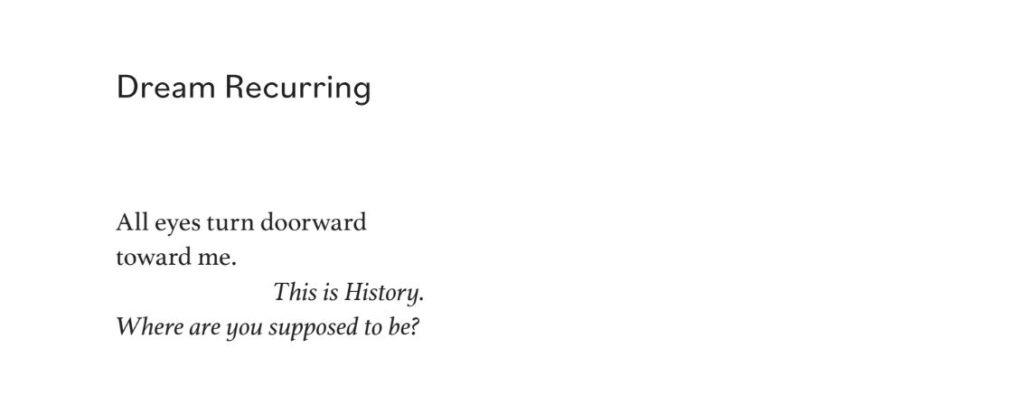
So begins Dora Malech’s fifth poetry collection, Trying × Trying—with a prayer-like admission. The slim 82-page volume (Carnegie Mellon University Press, 2025) is packed with 51 poems. Written between 2016 and 2022—a singularly defining cultural period marked by political authoritarianism, social justice movements, and the COVID-19 pandemic—the book explores the challenges of enduring and thriving during difficult times. Of particular focus is the author’s intense personal, sometimes traumatic journey to motherhood during that era (she now has two young children).
The “Trying” in the title has multiple meanings. The doubling (or squaring?)—Trying × Trying (spoken as “Trying Times Trying”)—suggests repeated efforts and struggle. There is repeated intertwining throughout. Trying to conceive, trying to move forward, trying to survive, trying to accept, trying to understand.
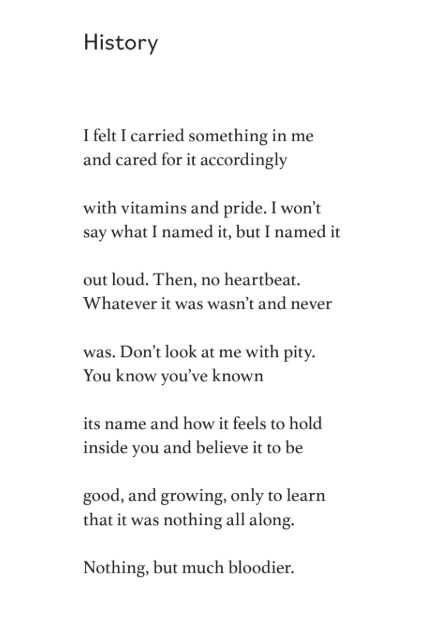
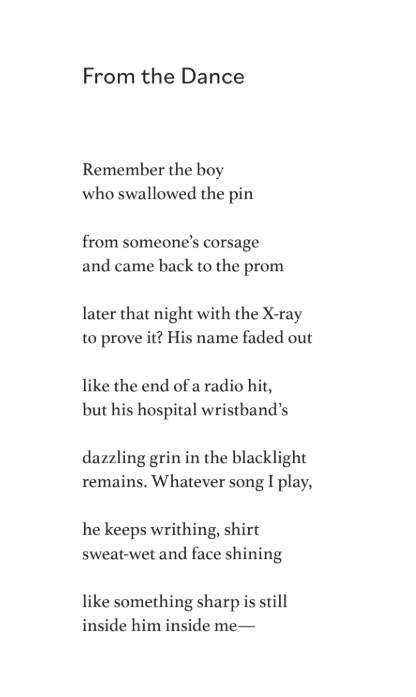
While the pandemic is the backdrop, a variety of stories emerge. In the poem “From the Dance,” the author recalls a boy who swallowed a pin at a dance, which reappears ominously. “Reflexive” begins with a compelling image/metaphor of a small heart “the size of a fist” and ends by repeating the words “this day” into a 4/4 time. The sad and affecting “History” addresses a miscarried child, already named.
“Address Delivered” takes the form of a tightly packed, jumbled essay delivered in one thick, dense paragraph or sentence that extends over half the page, also referencing loss and miscarriage. Near the end, “Travelogue’ a springy four-page chronicle, flows with surreal skittering observations—including this stanza near the end delivered in Malech’s snap fast jampacked style:
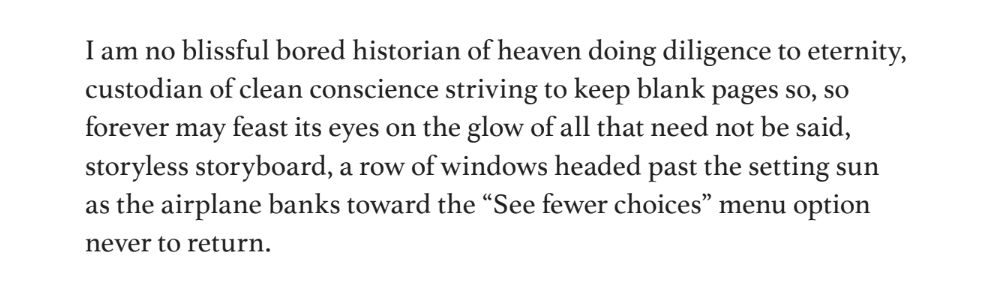
As with all of the author’s finest work, meaning often is not explicit, but instead buried within sonic language like a treasure to discover. Thought emerges in broken fragments. Her dynamic compositions feel like a personal quest navigated through writing. There is a blend of the personal, the scientific, and the political. The author’s unexpected and inventive structural choices serve as gateways to bigger questions. These poems grow with multiple readings, and like a song cycle, they possess a musical quality that becomes more evident when read aloud, unveiling additional layers of significance.
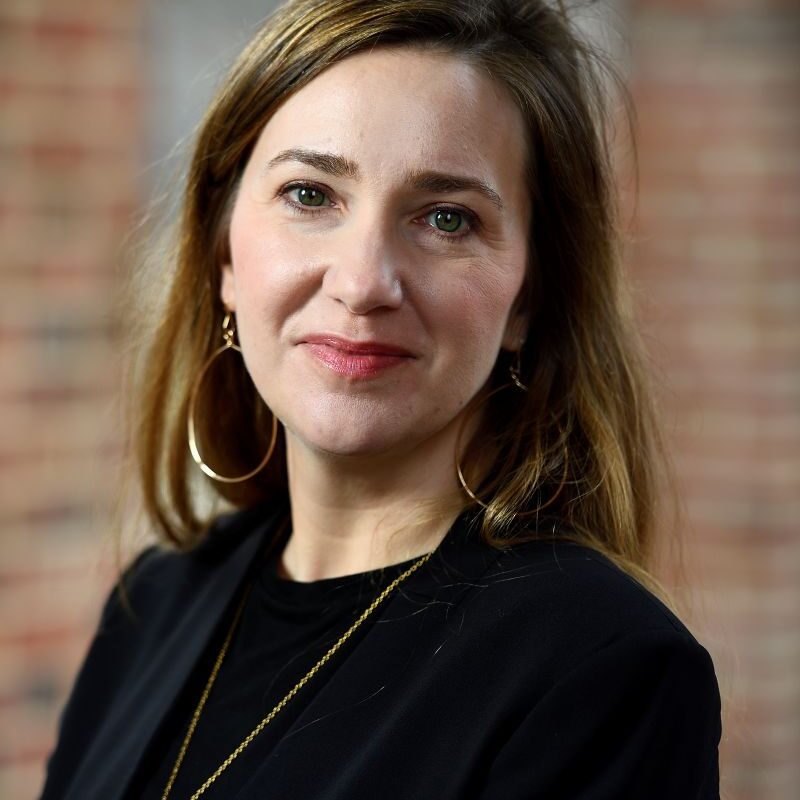
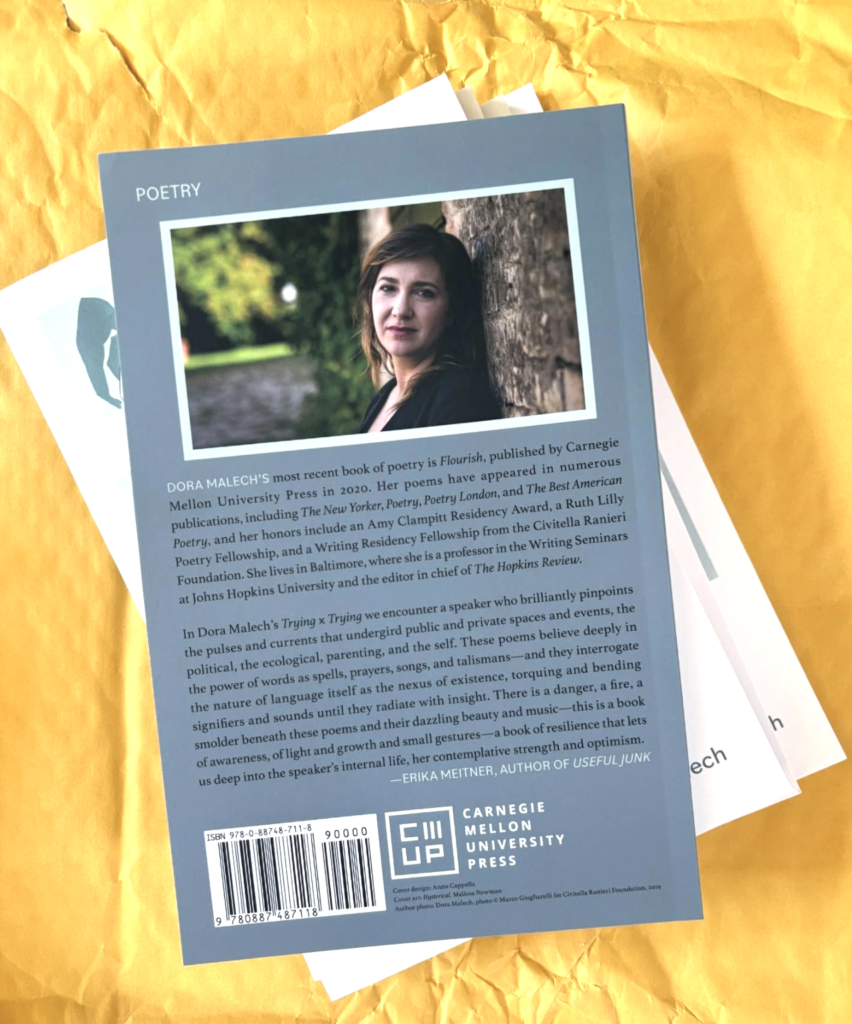
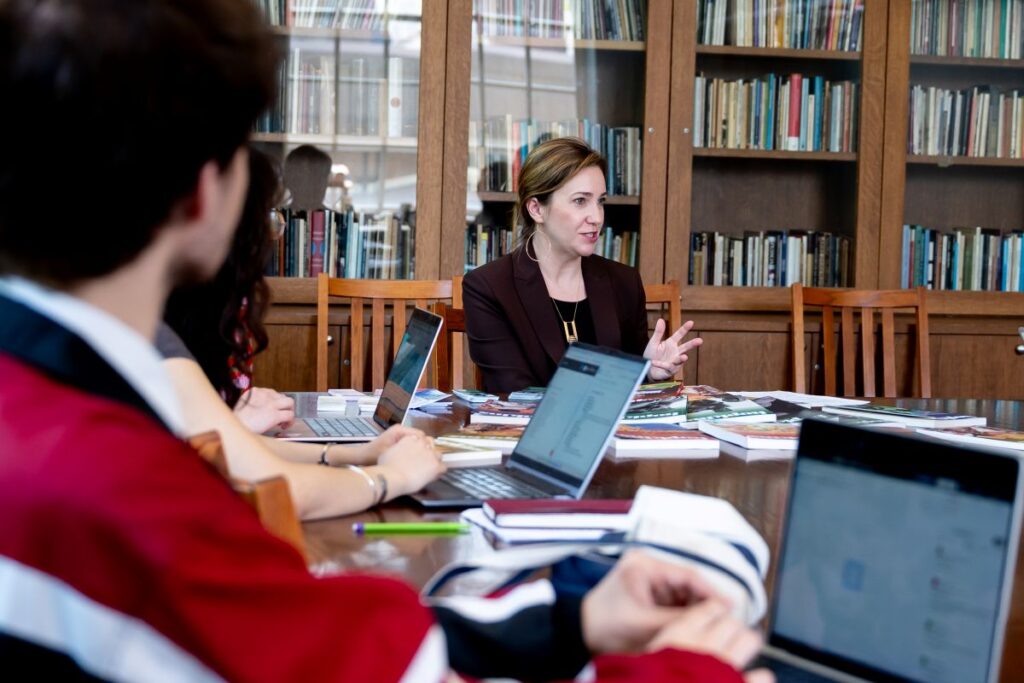
I was fortunate enough to see Malech read in person twice. Once at the University of Baltimore and once at the Pratt Library (both have excellent reading series). She was captivating. The author is well known in Baltimore as a dedicated writer, professor, editor, and supporter of the arts. She currently teaches and serves as the Chair of the Writing Seminars at Johns Hopkins, a prestigious role. She is also the editor-in-chief of The Hopkins Review, a publication she has worked with her students to revitalize. A recent issue featured an extensive interview with Baltimore icon John Waters, in which a delighted Malech quizzed Waters about his embrace of his suburban Lutherville upbringing.
When I asked her about her enthusiasm for that topic, she said she could relate. Malech grew up nearby in suburban Bethesda. As a kid, she was a precocious, obsessive “art nerd.” In her teens, she immersed herself in the local DIY poetry and painting scenes she discovered in her hometown and nearby Washington, DC. She started working with poet Rose Solari at the Writer’s Center in Bethesda, which connected her to other mentors in DC. Working with older poets, she helped publish a now-defunct literary magazine called WordRights. She took part in readings across the region, including here in Baltimore. Inspired by her high school painting teacher, Walter Bartman, she also learned to paint outdoors on location in the “plein air” style and spent some time working at his studio and gallery at Glen Echo Park.
Malech’s feverish creativity eventually led her to Yale University as an undergrad. She applied with a portfolio of paintings and a chapbook of poetry. Once there, she found an English department run by the late Harold Bloom, a pugnacious uber-academic who championed the classic European canon. She was less interested in that kind of study at the time, and the English department lacked an MFA program program to set the tone of prioritizing creative writing. That didn’t slow her down; she thrived in the expansive, well-known fine arts department and worked on the Yale Review.
Jack LivingstonThese poems grow with multiple readings, and like a song cycle, they possess a musical quality that becomes more evident when read aloud.
As she completed her degree, she met many inspiring mentors and friends along the way. After graduation, Malech prepared to head to Kentucky to train as a junior high teacher (yes, you read that right!!!), and there is something about her that makes sense for that calling—a sensitive dedication to social activism and public education. Then came an acceptance letter into the storied Iowa Writers’ Workshop. She couldn’t turn that down, so she headed off to Iowa.
As her studies expanded and deepened, her poetry flourished. By the time she finished there in 2005, Malech had refined what would become her personal style, which incorporates what she describes as “the materiality of language”—syntax, etymology, pattern making, stresses, alliteration—blended into a sophisticated mix of play and improvisation that yields surprising results. In 2009, she published her first book, Shore Ordered Ocean, which also features her striking artwork. Elements of the visual arts remain deeply rooted in her practice, including the concrete visual placement of typography on the page, as well as concepts of color theory, composition, and conceptualism—skills she previously studied and which are evident in her painting. (She currently has no time for painting, she told me—something had to give, whew, understandable!)
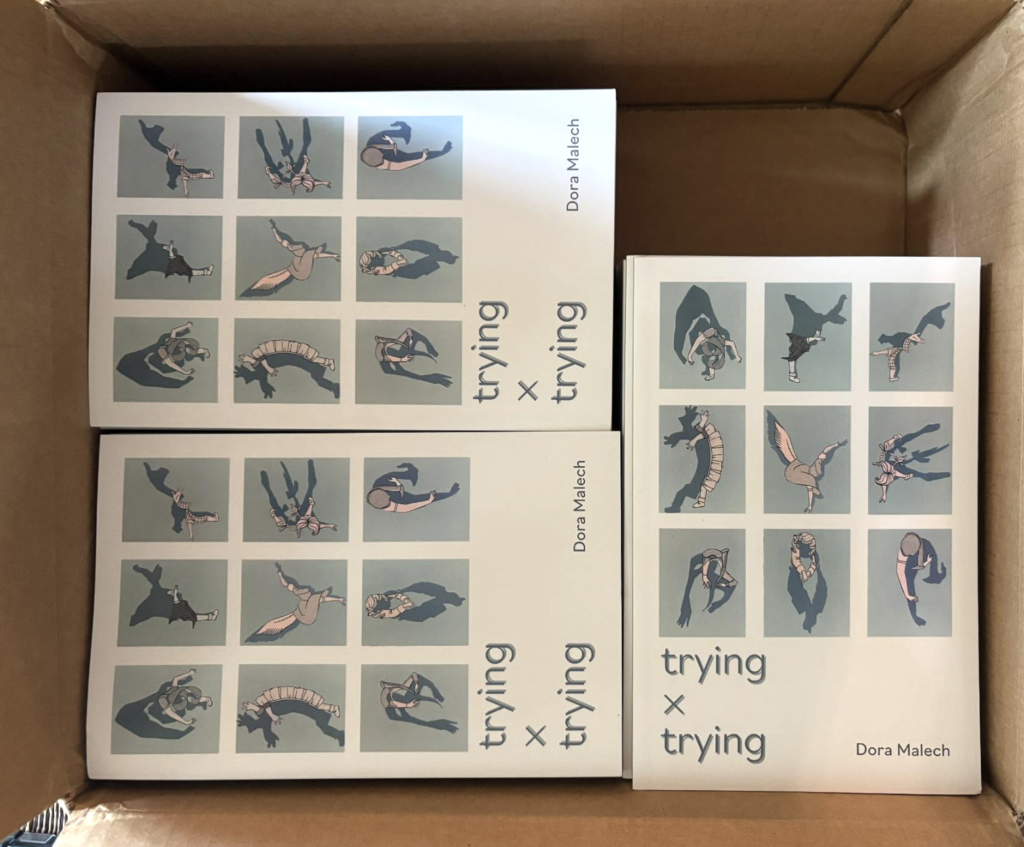
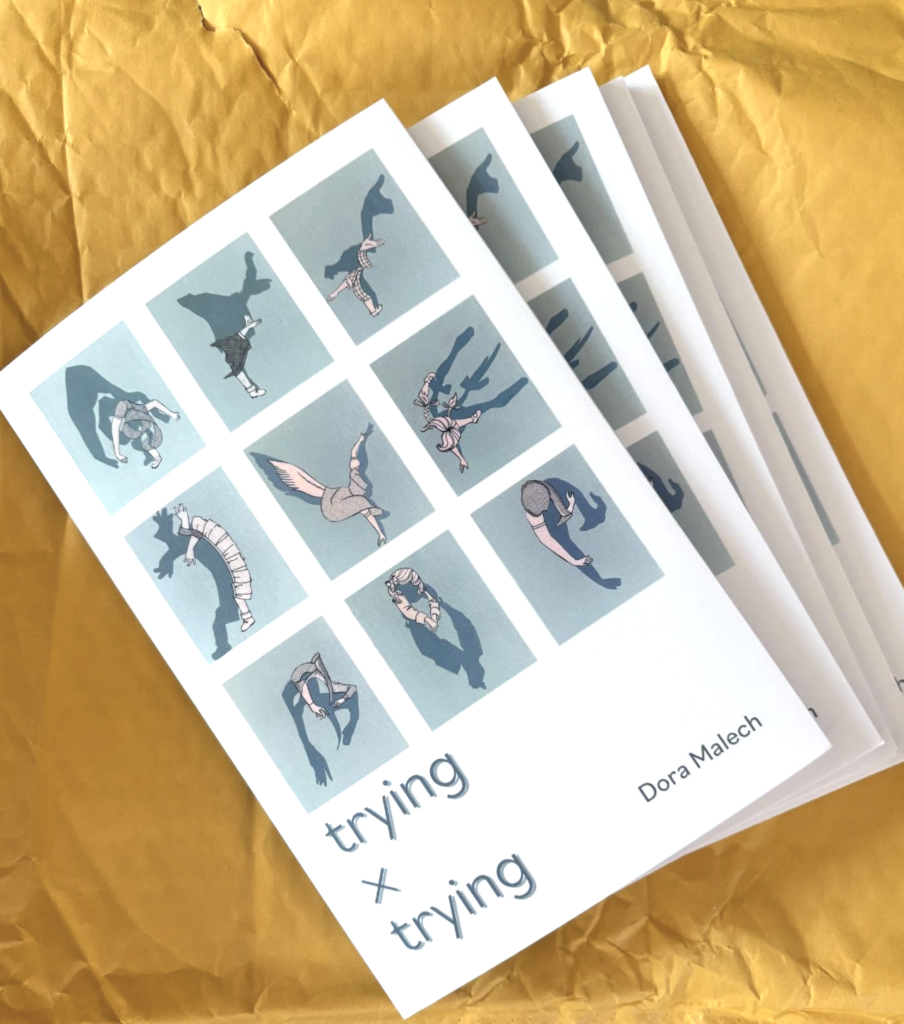
The cover of Trying × Trying features a grid of biomorphic, line-drawn figures set against cast shadows. The artwork, a combination of collage and painting, is by Melissa Newman, a visual artist friend whom Dora met while in school in Iowa. The piece is both whimsical and ominous in its deconstruction of childlike figures and forms. The title of the artwork— “Hysterical,” resonated with the writer due to its multiple meanings related to the gendered, biological reproductive aspects of the book and its historical connection to how the word has been used against women. It also acts as a callback to her previous book, 2010’s Say So, which also features a shadow on the cover.
In an age when we are surrounded by so much language that feels culturally hollow and even sinister, Trying × Trying reminds us why poetry remains vital, how the poetic form can continue to enlighten and inform—how our poets provide nourishment. Malech’s latest book achieves just that.
Purchase your copy of Trying × Trying here at the University of Chicago Press.
Dora Malech was scheduled to read at Bird in Hand through Humanities in the Village on January 26, 2026, but this has been postponed due to inclement weather. We will post the new date here when it is determined. She will offer a virtual craft chat through the Writer’s Center on February 26, 2026.