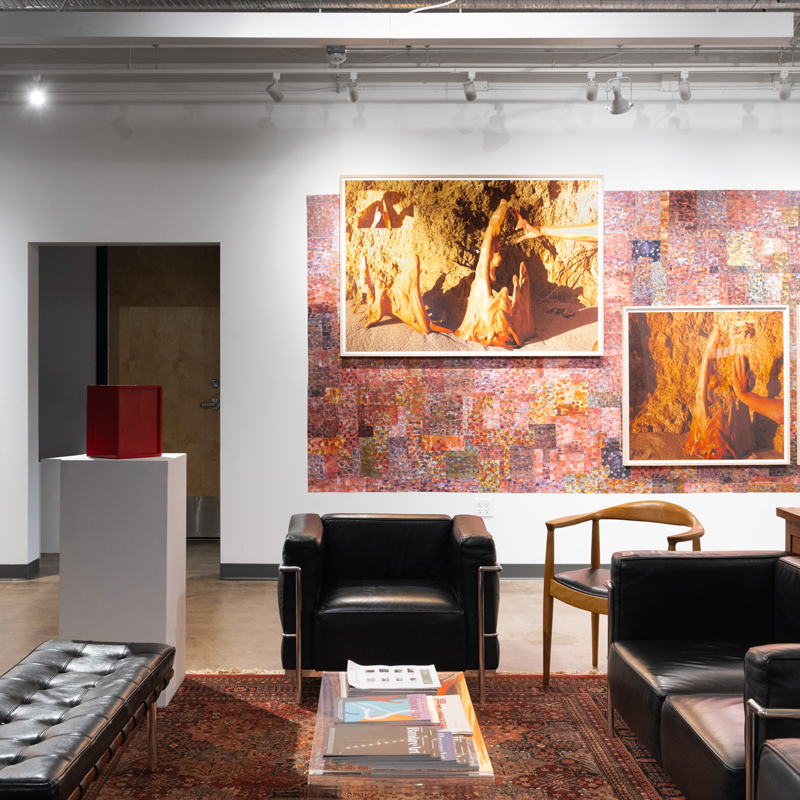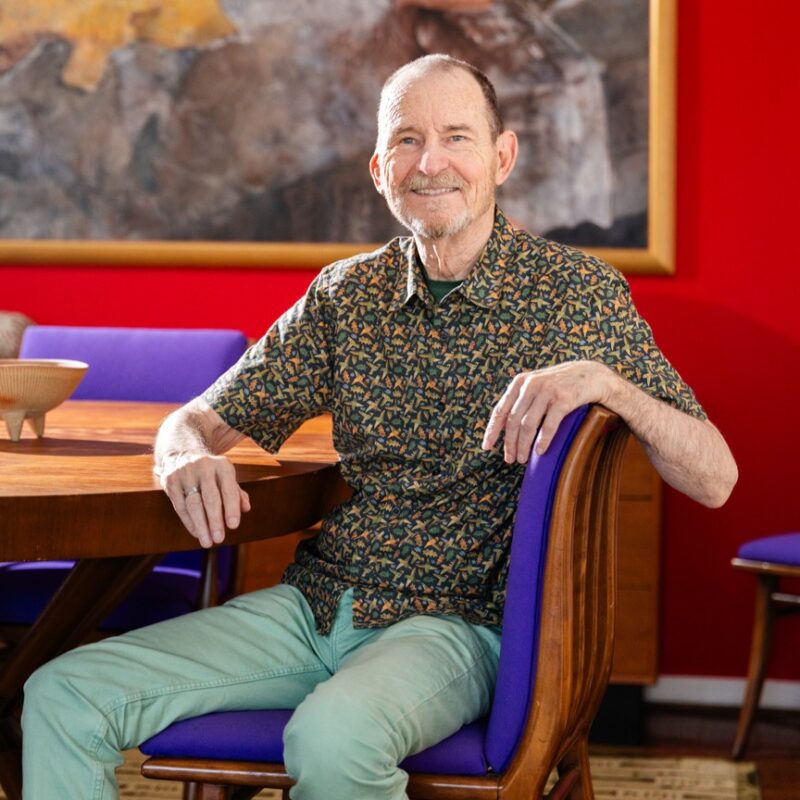
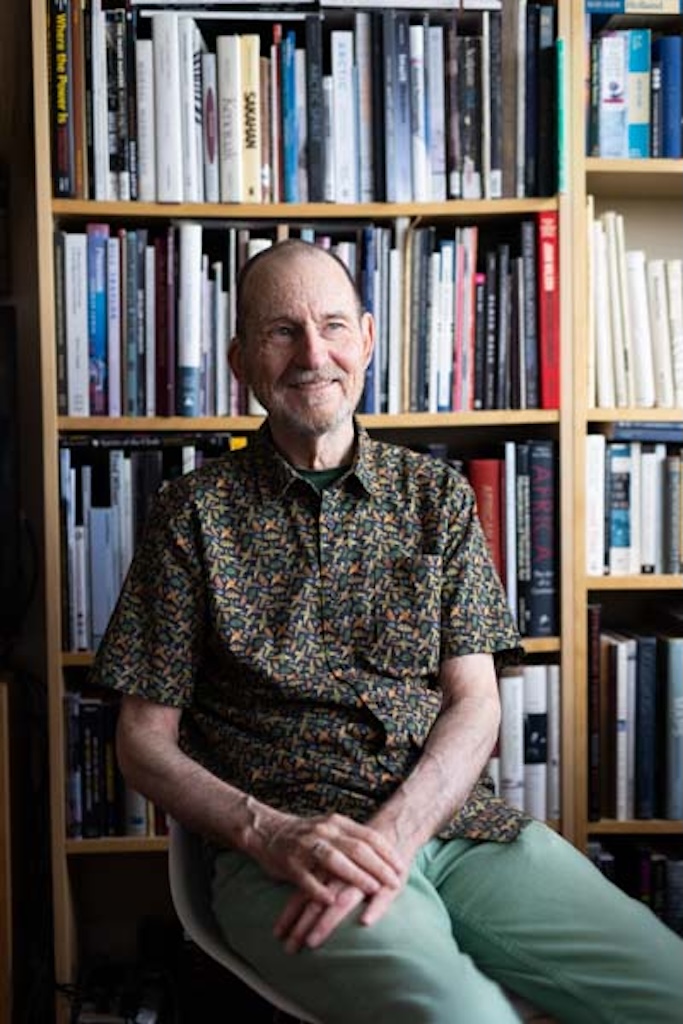
There is something about Baltimore and the way conversations in this city always seem to bring you full circle. To my left, seated in a chair facing the windows, is George Ciscle, the subject of this installment of On the Level. I am seated on his couch beneath a large painting by Keith Morrow Martin, whose art I have come to know through my own work as the Gallery Coordinator for the Community College of Baltimore County and the school’s collection.
The piece is characteristic of Martin’s style. Simultaneously amorphous and solid, defined and fluid, all at once, a painting that is more like a memory than an image. On the coffee table in front of me is an article about Martin’s work, written by the very professor at Notre Dame of Maryland who first challenged me to transform artistic talent into actual skills: Kevin Raines.
On the time-worn pages before me are images and words that reveal connections between Ciscle and Raines laid down years before I had met either of them, through an artist whose work had already found its way into my own life.
Maybe that is just Baltimore. Or maybe it is George Ciscle. Spend enough time tracing the connections within Baltimore’s arts community, and eventually you will find the iconic curator somewhere in the middle of them, bringing his characteristic mixture of sharp insight, compassion and intellectual curiosity. He is, after all, the man who founded The Contemporary Museum, MICA’s Curatorial Practice MFA program, and brought Fred Wilson’s Mining the Museum to Baltimore—an exhibition that changed the course of art history an institutional practice forever.
At some point in our conversation, after discovering mutual acquaintances, I laugh, and observe, “It’s a small world.” Cliche, but, also very true.
“It is, isn’t it?” Ciscle replies, “It’s a small world. Everyone always eventually gets together.”
That tendency toward connection; between artists, educators, institutions, communities, and ideas would become one of the defining through-lines of our conversation. What begins as a discussion of accessibility and curatorial practice gradually unfolds into something larger: a reflection on how relationships, rather than institutions alone, shape Baltimore’s cultural landscape.
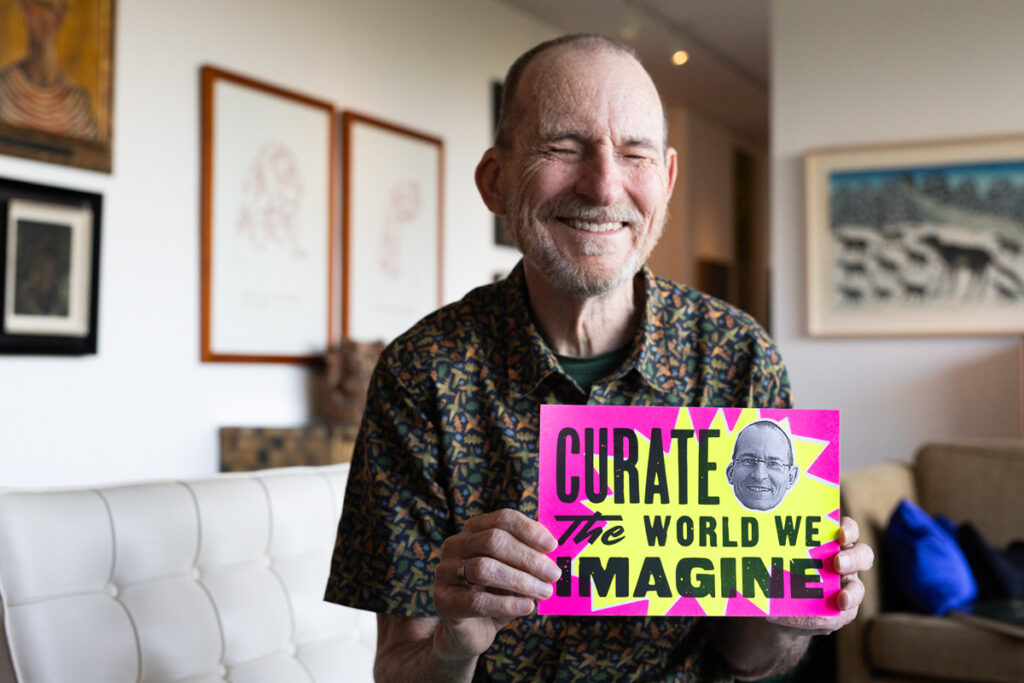
Number of Exhibitions Curated/Installed to Date:
76
First Exhibit Curated:
Prelude to discoveries and disclosures,
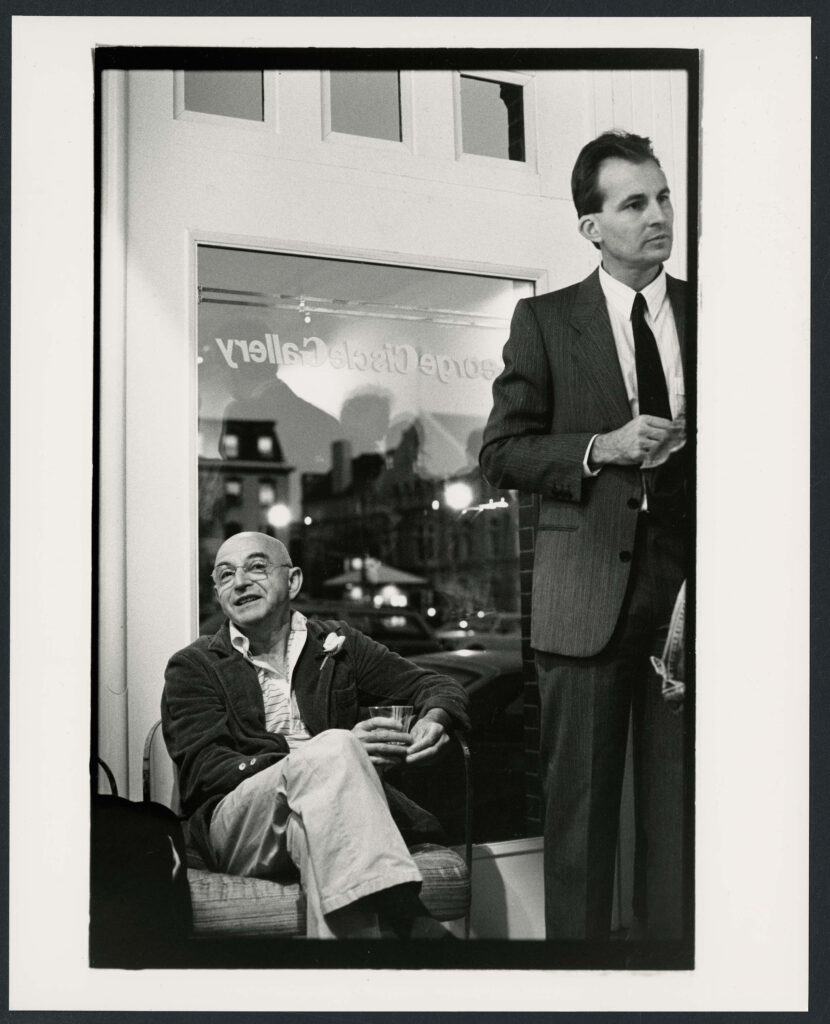
George Ciscle Gallery, August 1, 1985
“The introductory exhibition, PRELUDE, served as an anthology of works that were chosen without prejudice for style or medium. It was a declaration of intent to support the unknown and the unfamiliar. Only after a long process of selection and rejection did these discoveries bring a new look that took not the historical, nor the easily categorized, but the creative as its point of departure.”
Curatorial Philosophy:
Artists matter, collaboration is key, and audience is everywhere.
Favorite Color:
Green.
Nicole Buckingham Kern: Can you tell me about your earliest memories of art or objects in your childhood and what got you curious about art in the first place?
George Ciscle: I had a cousin whose best friend was an artist, a painter, and my parents wanted her to do my portrait. It was the first time I met an artist. I went to her studio to sit for the portrait, and I was probably seven or eight years old. I remember very distinctly her studio. I remember how she dressed, which was nothing like any of my relatives or my family at the time. It wasn’t even really just the art itself; it was being in an artist’s studio and being around this person who felt completely different from anyone I knew.
That portrait hung in my parents’ club basement for decades. I have no idea who she was. I never saw her again years later or anything like that, but that really was my first exposure—meeting an artist, being around an artist.
When my parents moved from Hamilton to Lutherville, the Beltway had just been built and all these new developments were going up. We moved into one of these ranch houses with a club basement—truly like something out of a picture book.
Around that same time, after seeing the Wyeth exhibition, there was an art gallery at Towson Plaza called Bendance Gallery. A real art gallery—not posters, real artwork. We lived close enough that I could ride my bike there, and I would just hang out. I was a junior or senior in high school and I’d spend time there looking around at the work and whatever shows they had up.
There was this print there. It was a landscape, sort of a hand-colored print, and I wanted it for my room. I saved up all my allowance and bought it. That was my first collecting. It wasn’t like after that point I suddenly started collecting art, no. That was the one piece I had.
Before that, my allowance mostly went toward things like sweaters or shoes if I wanted something my parents weren’t going to buy. So that was the first time my allowance ever went toward something like that. That print was in my bedroom. It was mine. I still have it. It’s not on display now—it’s in storage—but I still have it.
So in terms of the foundation of all this, it really begins with that: moving to the suburbs, finding this gallery at Towson Plaza, going there and just hanging out. That’s really where all that happened.
May I just add that that was the best use of an allowance, ever? And what was your first museum experience?
I had never been to a museum. My parents never went anywhere involving art. That wasn’t part of what they did. But I remember being a senior in high school, before college, and my parents taking me to this Andrew Wyeth exhibition at the BMA. It was a huge exhibition back then, really a retrospective or survey exhibition, and I remember being fascinated by it.
I was fascinated by the museum itself—what that was—and then seeing these paintings. Portraits were familiar to me, but then there were these landscapes.
From that point on, the only “art,” quote-unquote, that existed in our home was that my parents bought a print from the exhibition. They bought “Christina’s World.” I’ll never forget it. They had it framed under glass and it took pride of place in our home, in our living room, until the day they both died. I’m talking fifty years. That painting lived with us.
I hadn’t thought about this until now. Not just in terms of your question about first exposure to art or art objects, but thinking about me now, and thinking about that painting and what it was about. I know that painting lives in my mind, but I never thought about all the Wyeth paintings and prints they could have bought… and that’s the one they bought.
My mom had a pretty severe mobility disability from a fall. She had walkers and Canadian crutches for the rest of her life and was in severe pain. She would never describe herself as disabled, but she was. And that was around the same time. Obviously for her, that image had great meaning. She never would have talked about that, but now thinking about what was going on in her life…
At this point in our conversation, Ciscle pauses while reflecting on the “Christina’s World” print, his mother, and the thread would weave through his work for decades to come.
“I hadn’t honestly thought about that till now,” he admits. As Ciscle reflects out loud, an unexpected connection emerges. “Christina’s World” presents a figure looking toward a distant home across an open landscape, a space that feels at once close and unreachable. Decades later, Ciscle’s work with Baltimore City Accessible Arts is similarly concerned with closing distances, creating pathways not only for disabled audiences to access the arts, but for disabled artists whose opportunities have too often been shaped by barriers to equity and inclusion.
Long before accessibility became a central focus of Ciscle’s work, its foundations were already present. Not as theory or institutional practice, but as lived experience.
Sometimes the philosophies that guide us later in life begin as something we didn’t expect: a painting on a living room wall, a parent’s unspoken struggles, or an image that settles into memory… and never quite leaves.
The stories Ciscle is sharing centers on objects, but beneath them runs something deeper: connection. Connection between people, experiences, and the ways art enters and shapes our lives. What began with portraits, galleries, and paintings evolved into questions about what role art itself was meant to play.
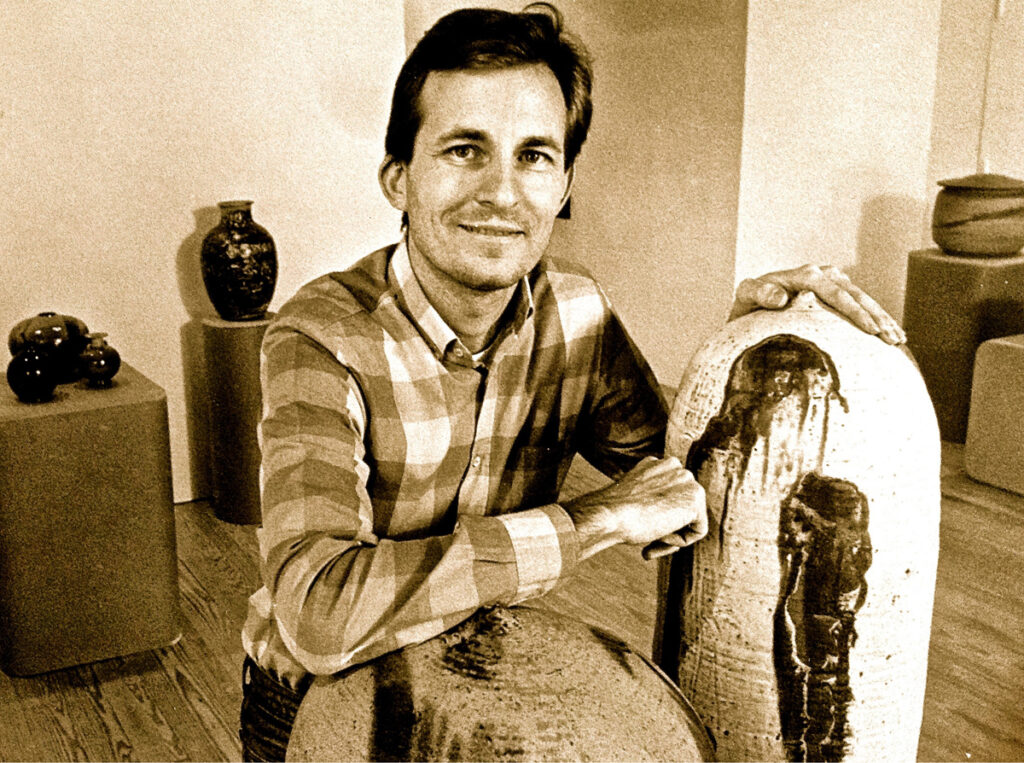
At the George Ciscle Gallery in the mid-1980s, you were working with emerging and outsider artists. What were the unexpected challenges and rewards?
The unexpected challenges were learning bookkeeping. And taxes—both sales tax and other taxes, which obviously were not the fun part of it.
But the unexpected rewards were realizing that my interests and skills weren’t just as a curator. Having been an educator for fifteen years before that, the gallery made me understand there might be a way to combine both, my interests and my skill sets, and apply them together… That’s where the unexpected part was.
But what I realized was that while I still loved working with artists and putting on exhibitions, I was missing being an educator. I had assumed I was going to be a gallery dealer until I retired.
Back then there was still this tradition in the seventies and eighties of galleries lasting for generations, being passed down and continuing for a very long time. I certainly saw myself doing that. I couldn’t do that in a commercial gallery. So then the question became: What do I do? Do I go back to teaching? No. I had left teaching for a lot of reasons.
How do I keep that? How do I keep that part of myself and still remain creative?
I realized I needed both. I needed to find a way to combine my interests and my skill sets. I needed to understand that the creative act of making an artwork could be just as important as the creative act of an individual becoming the best that they can be.
That eventually became the Contemporary.
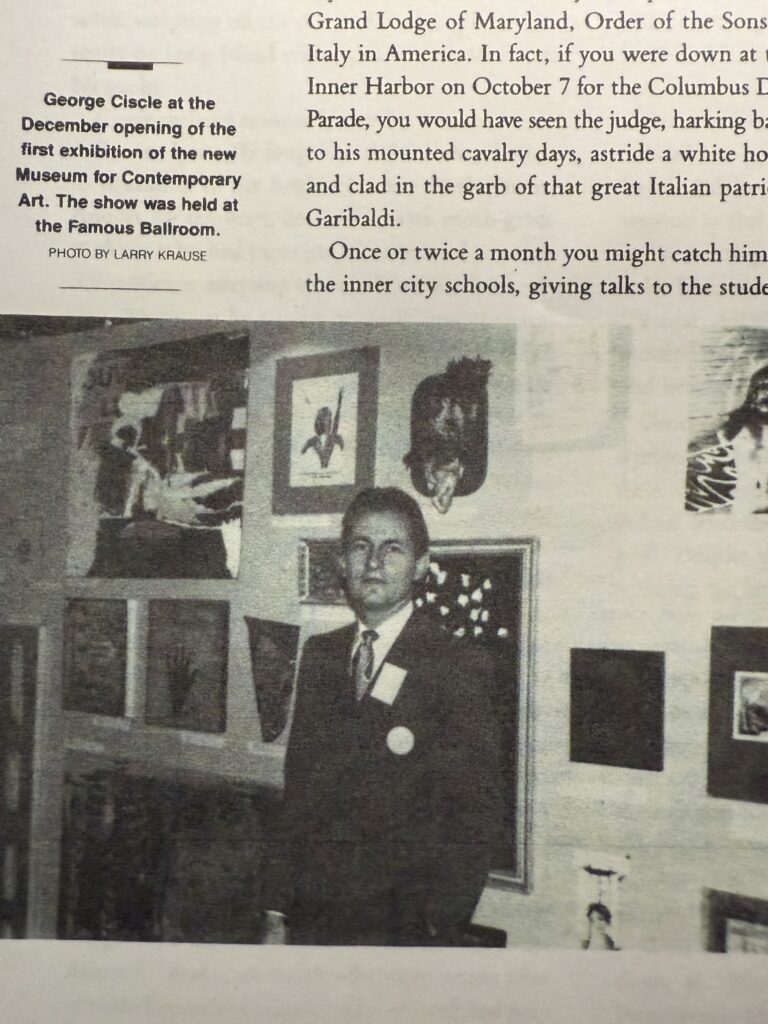
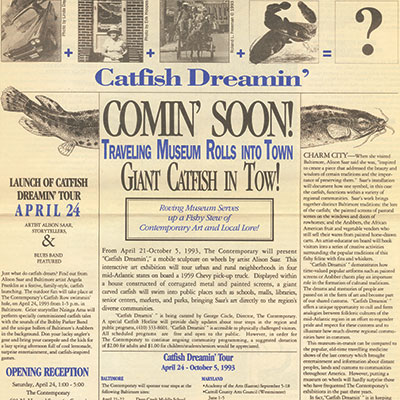
From a practical perspective, what did it look like transitioning from the commercial gallery to this new model, the Contemporary, and flipping things on their head?
The practical part had to do with the fact that if I was going to stop the gallery and figure out what was next, I didn’t know what next was. So before I closed the gallery, I gave myself six months of income—sort of like giving myself a sabbatical. I needed a buffer. I needed time to retreat and figure out what came next.
When I closed the gallery, it wasn’t like there was some announcement saying, this is what George is doing next. No one knew. Everyone thought I was going to New York to open another gallery there because the gallery here had been extremely successful, both in the community and critically. But I didn’t know. I just knew I had six months to figure out what I was going to do.
My parents were completely freaking out. Here I had spent fifteen years teaching accounting and had been very successful at that, and then the gallery was successful and I was making a living from that. I even owned the building, so I had income from renters upstairs. From the outside, it probably looked like I was walking away from something that was working.
But I kept saying: No. I have six months of buffer before I decide what to do.
Then during that sabbatical, I was very fortunate. One of my biggest collectors, Sally Kearsley—who had also become a patron for many younger artists—said to me, “I think you need to get away. You can’t do this here.” And she literally funded my sabbatical.
During that time, I wasn’t only thinking about my interests and skill sets in education and curating. I was also thinking about audience. Who is art for?
The museum world at that time, especially in the eighties, felt very elitist. I kept thinking there had to be another way. Maybe artists needed to be part of building audiences, not just making exhibitions.
So I came up with this idea and presented it to Sally. She said, “If you can come up with a real proposal and show me what this would take, I’ll support it.”
I knew it would take a board, staff, funding, and some structure around it. Sally funded that first year, and Lisa Corin came on as curator. Lisa was brilliant. She could take all of these ideas that were floating around in my head and translate them into something real.
We built a board, established a 501(c)(3), raised money, and started creating program
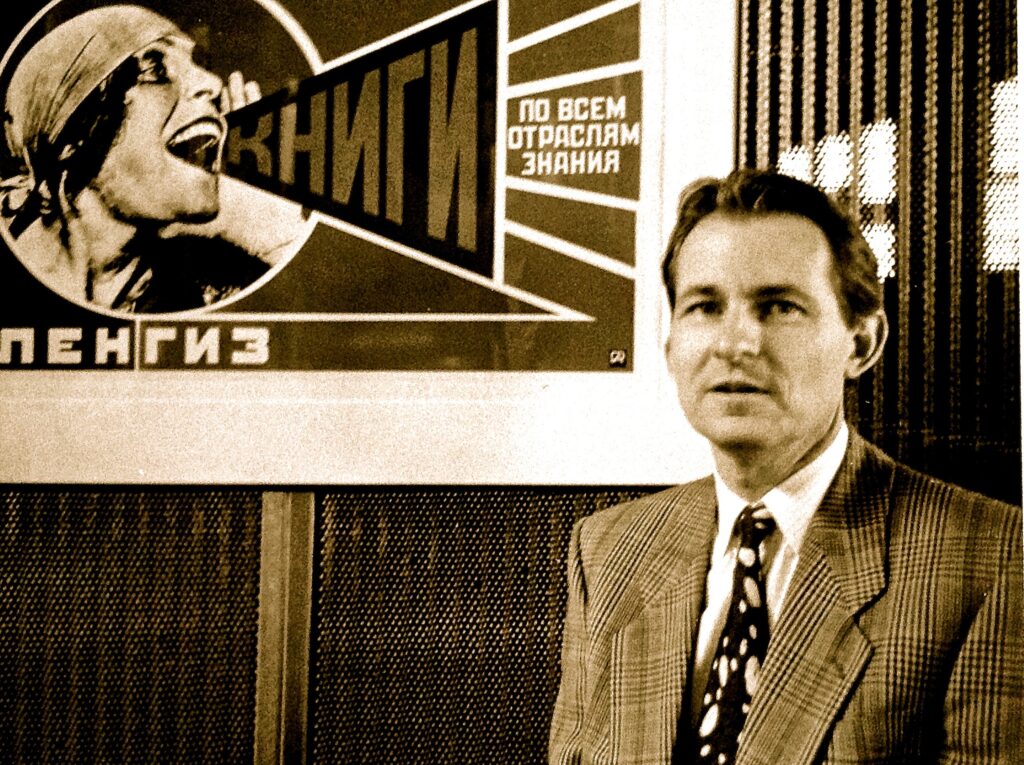
That question—“who is art for?”—was that the moment you realized there needed to be something more than the traditional museum model?
We had to show people that we weren’t the Baltimore Museum of Art, we weren’t Maryland Art Place, we weren’t School 33—not that we were critical of them—it was just that we were doing something different.
We were going to be in communities, working with artists in residence. The artists we were showing were often people you weren’t finding elsewhere—artists of color, women, people whose voices were largely absent from institutions at the time.
The work would connect to contemporary issues and to what was happening in people’s lives. whether it was AIDS, Russia, urban violence, or whatever was happening in the world and especially in our communities.That wasn’t really what museums were doing then.
It wasn’t just what we were doing. It was how we were doing it. Artists would come in and spend time learning a place, learning a community. Han Lu, for example, came from China and learned about the history of both China and Baltimore and developed this incredible project connected to Canton.
All of those projects had relationships to what we now call site and time and place.
That’s really what it was about.
Every project was site-specific in the sense that it belonged where it was happening. We weren’t taking a show and dropping it into a building somewhere. The place itself mattered. At a certain point we realized that people loved what we were doing, but they didn’t necessarily understand what we were doing.
We had done three projects and people responded to them, but no one really understood that we were questioning what a museum could be. So we thought, Hmm… if that’s what this is about, then let’s do a project about that.
That’s where Mining the Museum came from.
The projects before Mining the Museum were probably more important in terms of showing people who we were and how we worked, but Mining the Museum gave people a way to understand the larger question we had been asking all along.
After that, museums like the Walters and the Museum of Industry became partners and collaborated with us on projects with artists. They saw value not only in what we were doing, but in how we were working.
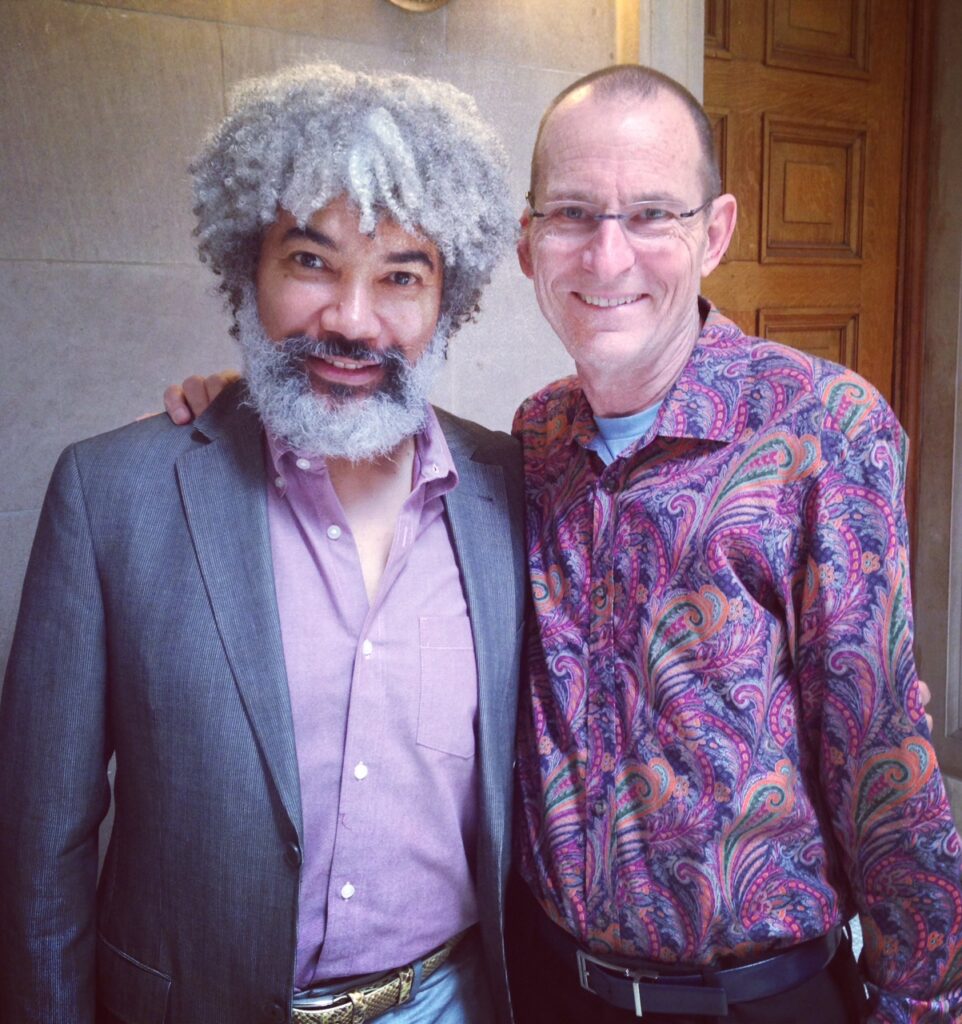
Your understanding of accessibility seems to have evolved over time. How did your definition change?
Back then I was using the word accessible differently than I use it now.
When I was first thinking about it through the Contemporary, I wasn’t talking about accessibility in terms of disability or accommodation in the way we often think about it today. I meant: How do you make art accessible to people who aren’t “art people?” How do you make it relate to people’s everyday lives? How do you make people feel comfortable walking into a space or participating in something if they didn’t come from an art background?
I always thought about my parents and my Aunt Doris. If they came to one of these projects, I wanted them to feel comfortable. I wanted them to feel that what they were experiencing had some relationship to their own lives and experiences.
Everything was free, but accessibility wasn’t really about affordability.
I saw recently someone describing a show as accessible because it was affordable, and I thought, wait a minute—that’s not what I mean. Back then I meant accessible in terms of people feeling welcome and connected. Now, of course, I am also thinking specifically about disability and barriers to participation.
But I don’t actually see those as separate things. The question is still really the same question: How do you remove barriers? How do you create spaces where people feel that they belong?
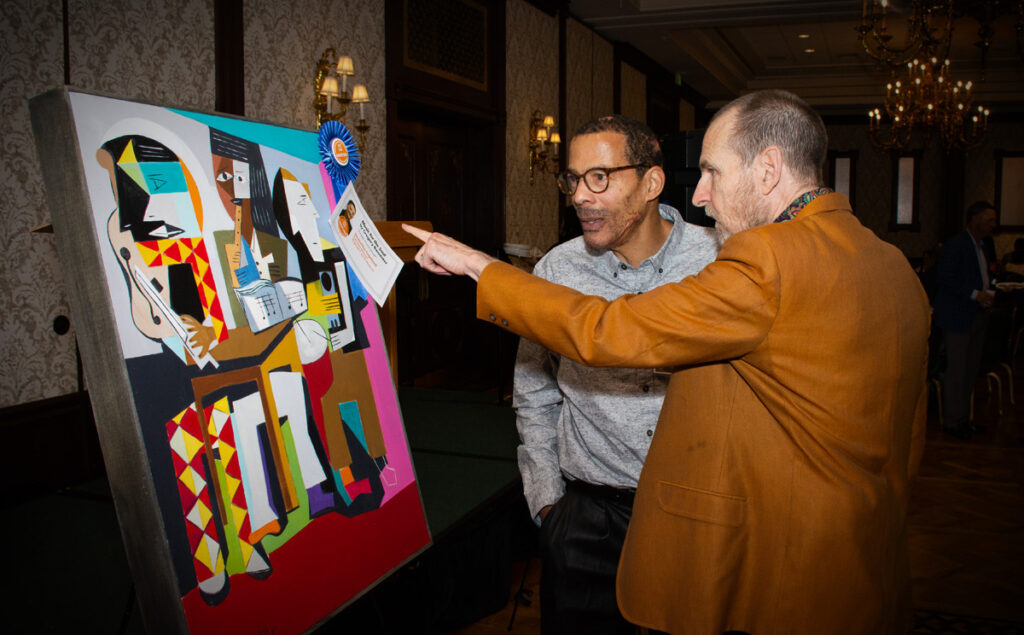
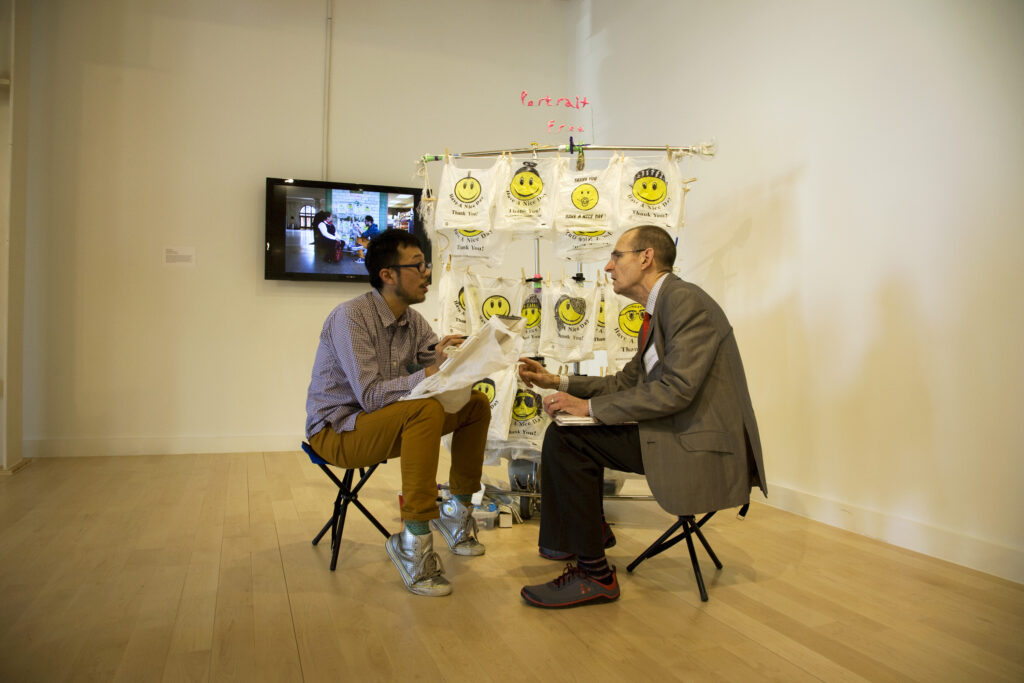
George CiscleThe people you’re serving shouldn’t only be invited into the room after everything has already been decided.
What should curators and arts institutions understand about accessibility and community?
I think accessibility can’t be something you add at the end. It can’t be: Okay, now the exhibition is done, now let’s figure out the accessibility part. You have to think about it from the beginning. You have to ask: who is this for? Who’s missing? Who isn’t here?
Years ago, when I was thinking about accessibility, I was thinking about my family and people like that. I wanted them to come into these projects and feel comfortable. I wanted them to feel welcomed. I didn’t want them to feel they were being talked down to. Now I think about accessibility much more specifically in terms of disability and barriers to participation, but I don’t actually see those as separate ideas.
You’re asking the same question: how do you remove barriers?
Institutions have to stop thinking they already have all the answers. When I was talking with people at the museum, I said I didn’t have the answer either. But I knew where I would start. I would start with artists.
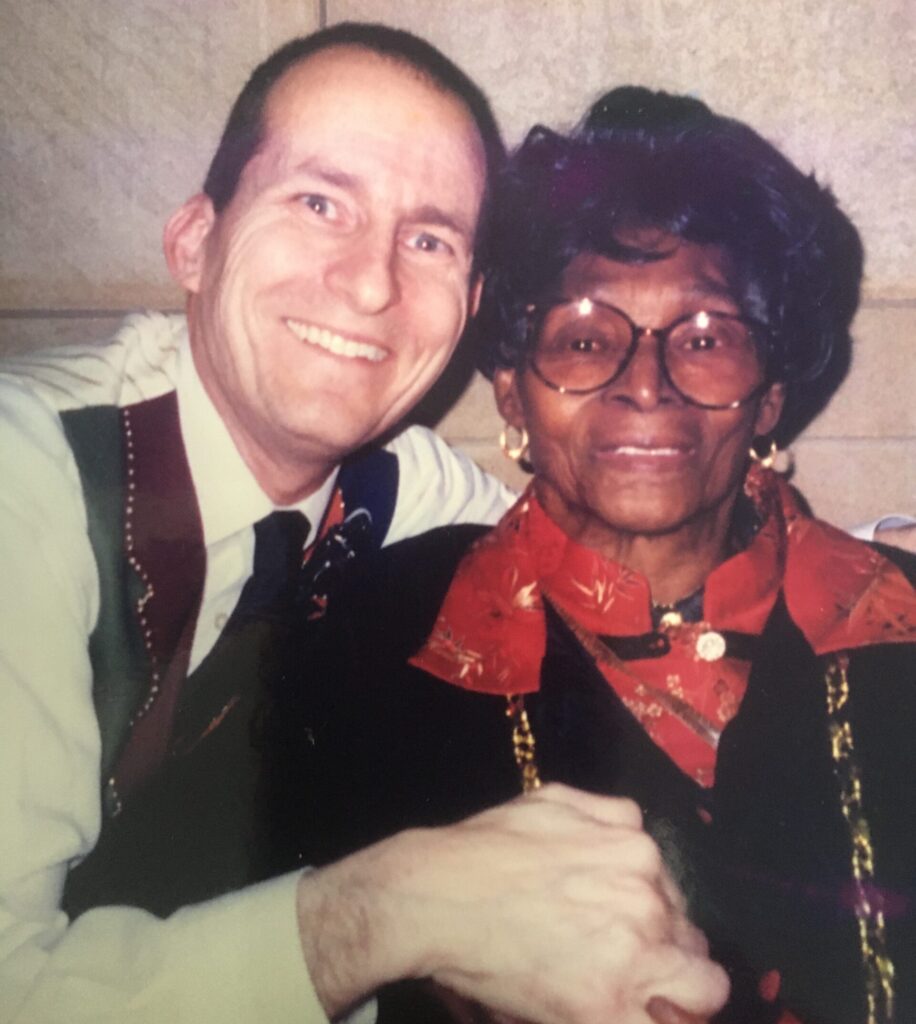
You bring artists in. Not just for exhibitions or programming but into the actual structure of what you’re doing. You need to get rid of some of the hierarchy and think about how people can have the power they should have. How many artists are on your board that aren’t celebrities? Why aren’t those people helping shape decisions? Why aren’t the communities the institutions serve helping shape decisions?
The people you’re serving shouldn’t only be invited into the room after everything has already been decided.
Years after reimagining what a museum could be through the Contemporary, you’re asking many of the same questions again—this time through accessibility and the work that would eventually grow into Baltimore City Accessible Arts. What brought you out of retirement and into this work?
The only way I would come out of retirement to do the Elizabeth Talford Scott exhibition was to reimagine it—not just in terms of Elizabeth’s work, but in terms of what I had been learning during retirement about disability studies, disabled artists, disabled audiences, and accessibility.
I kept asking myself: How would I do a show that connected to disabled audiences?
When I presented that idea to the Baltimore Museum of Art, they were very interested in the exhibition itself, but I had made it clear that this was part of it too. Asma Naeem was essentially saying, We trust you.
They had just received funding to study accessibility in the museum, and suddenly all of it aligned. It became an opportunity to explore what accessibility actually looks like—visual descriptions, braille, touch samples, seating, all of these things.
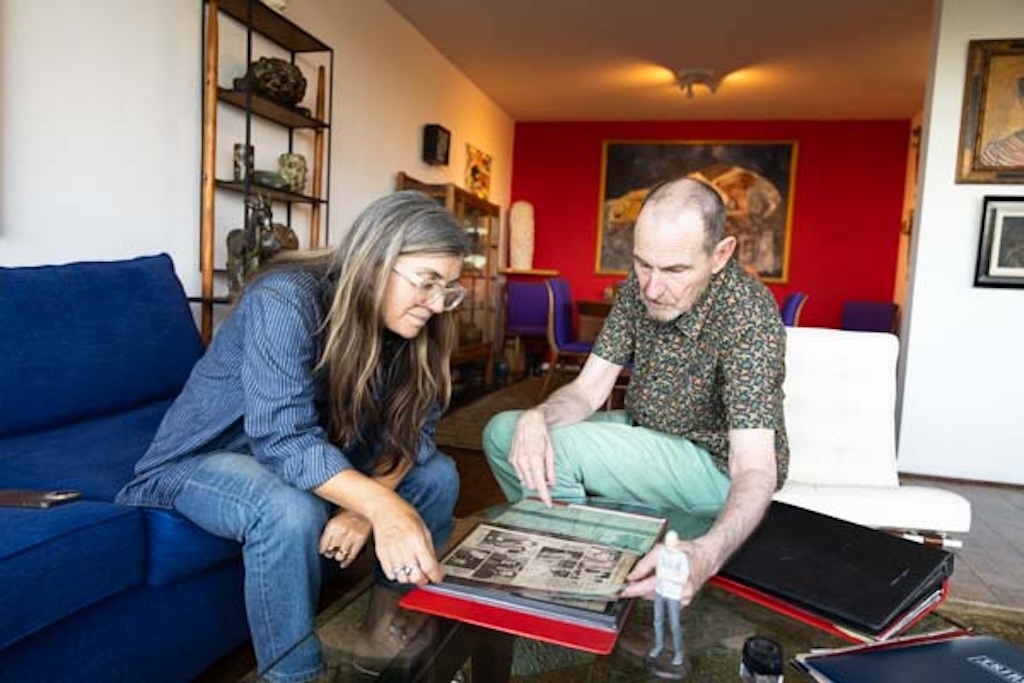
Near the end of our conversation, Ciscle pointed to a detail on the BMA’s redesigned website. At first, he assumed Executive Director Asma Naeem appeared at the top of the staff directory because of her position. Then he realized the directory wasn’t organized by hierarchy at all. Staff were listed alphabetically by first name.
It is a subtle distinction, one many visitors would likely never notice. Yet to George, it represented something much larger. After years of conversations about accessibility, participation, and shared authority—conversations sparked through projects like the Elizabeth Talford Scott exhibition—it was a small but meaningful indication that those ideas had begun to take root. Because Ciscle had done what he has always done: asked thoughtful questions, challenged long-held assumptions, and created space for others to imagine new possibilities.
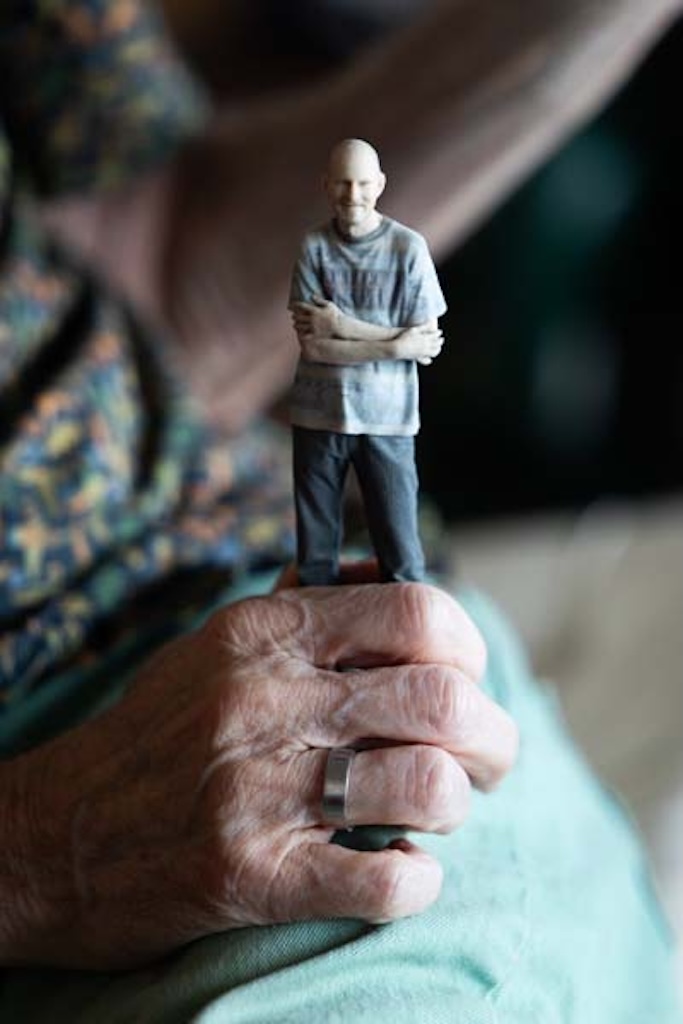
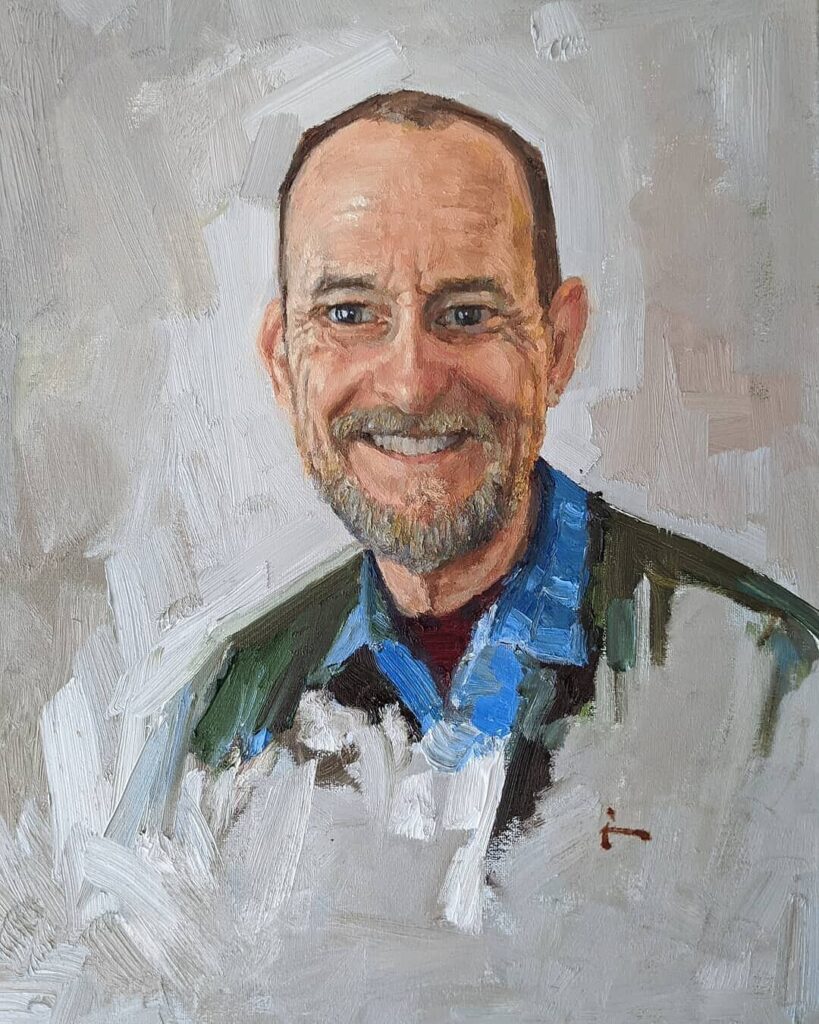
This evening, as the light outside begins to fade and I polish the finishing touches on this installment of On the Level, I realize there is one question I somehow neglected to ask Ciscle: After all these years, what keeps you curious?
But in Baltimore, conversations have a way of coming full circle. I have a feeling that question is simply waiting for another conversation.
The Baltimore: City of Accessible Arts (BCAA) Leadership Team invites you to join us for an in-person and online convening at the Bearman Gallery in the Frederick Douglass-Isaac Myers Museum. Curator Kibibi Ajanku will lead a tour of the exhibition Susie’s Steel & Spirit, curated by Ajanku and the Black Art Today Foundation. Learn more about the exhibition here.
We will also enjoy a featured artist talk by Karen Y. Buster, who has developed a distinctive practice rooted in intricate hand-cut imagery, mixed media, printmaking, and sculpture. Learn more about Buster’s work on her website.
Date: Thursday, September 17, 2026
Arrival: 1:45 PM
Convening: 2:00 PM – 4:00 PM (approx. two hours)
Location: 1417 Thames St, Baltimore, MD 21231
Please RSVP here at your soonest convenience.
All BCAA convenings are hybrid and include ASL interpretation and live captioning.