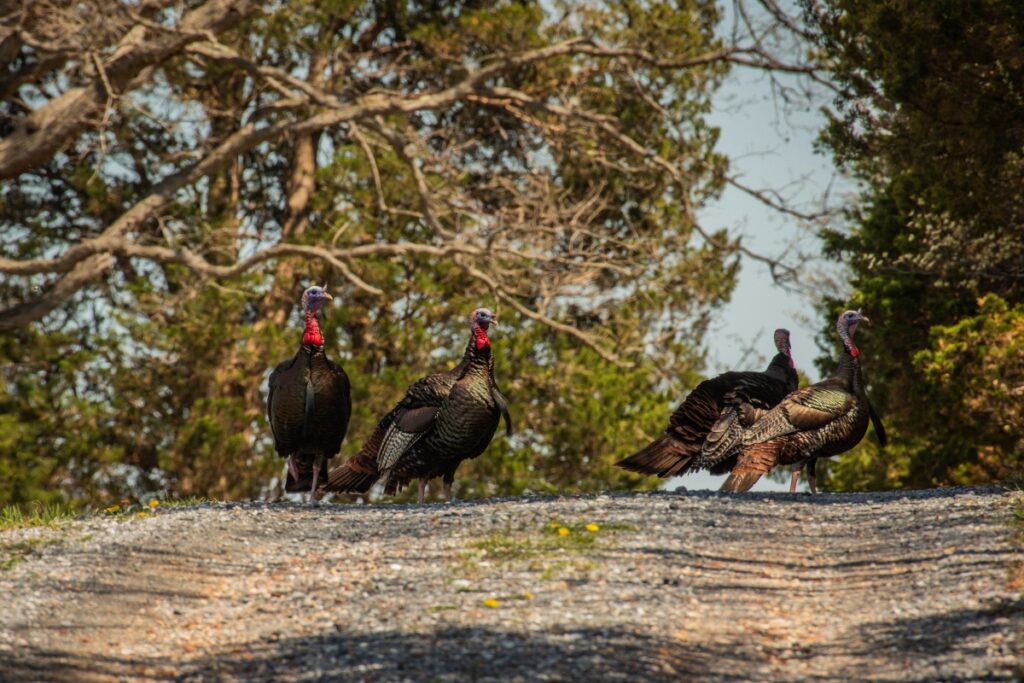
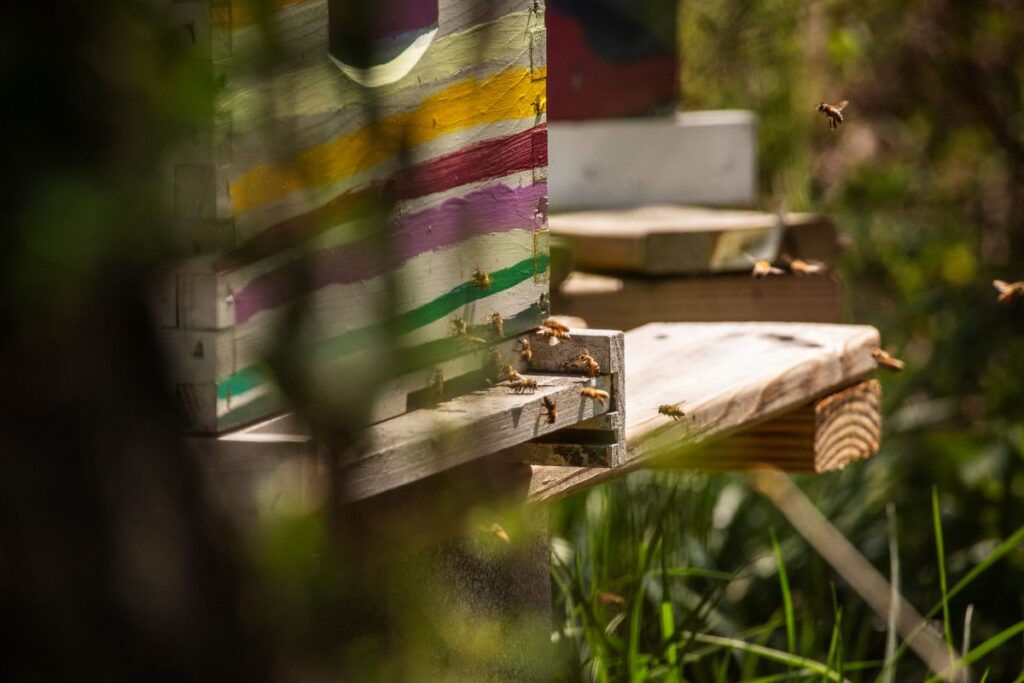
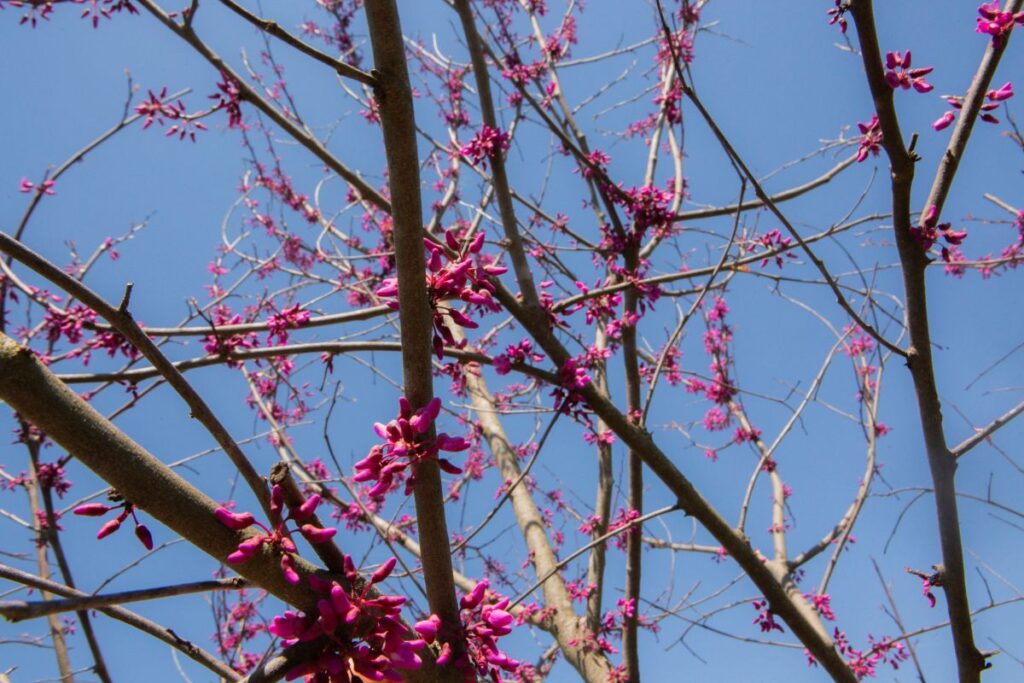
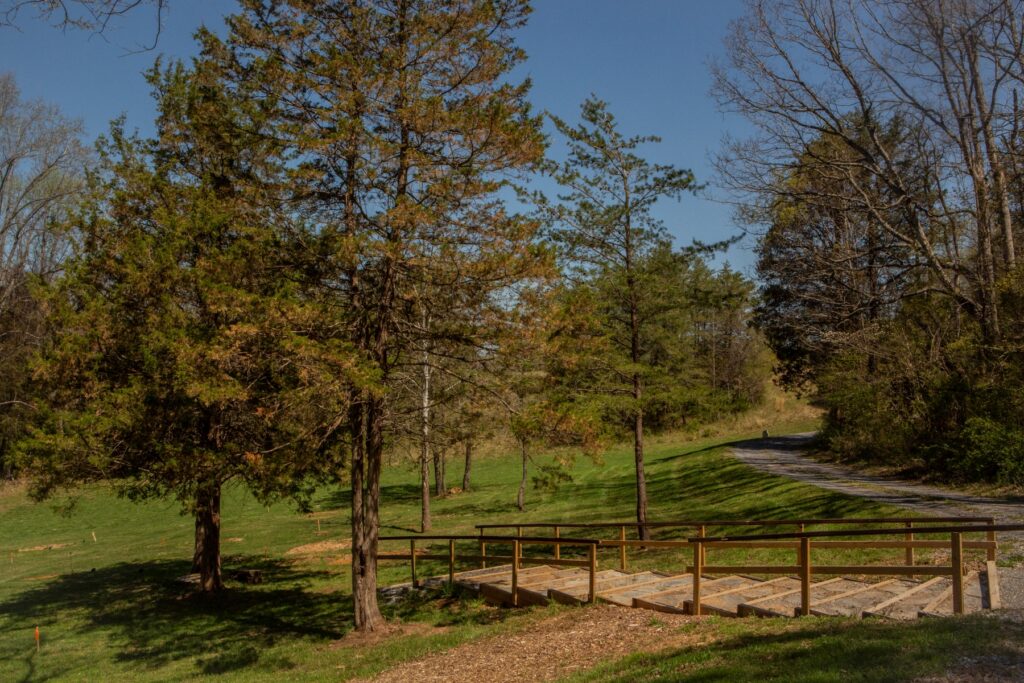
The rolling hills teem with life: the hum of five beehives and the flutter of over 150 species of birds. Goldenrod, blue flag irises, and black-eyed susans nourish pollinators, joined in spring by maple blossoms. Evergreens cool streams with their shade, host hawks in high branches, and shelter rabbits and foxes during storms. Oaks provide refuge for bats, owls, and raccoons while offering sustenance for caterpillars, chipmunks, and deer. Hickory nuts feed squirrels, wood ducks, and turkeys alike.
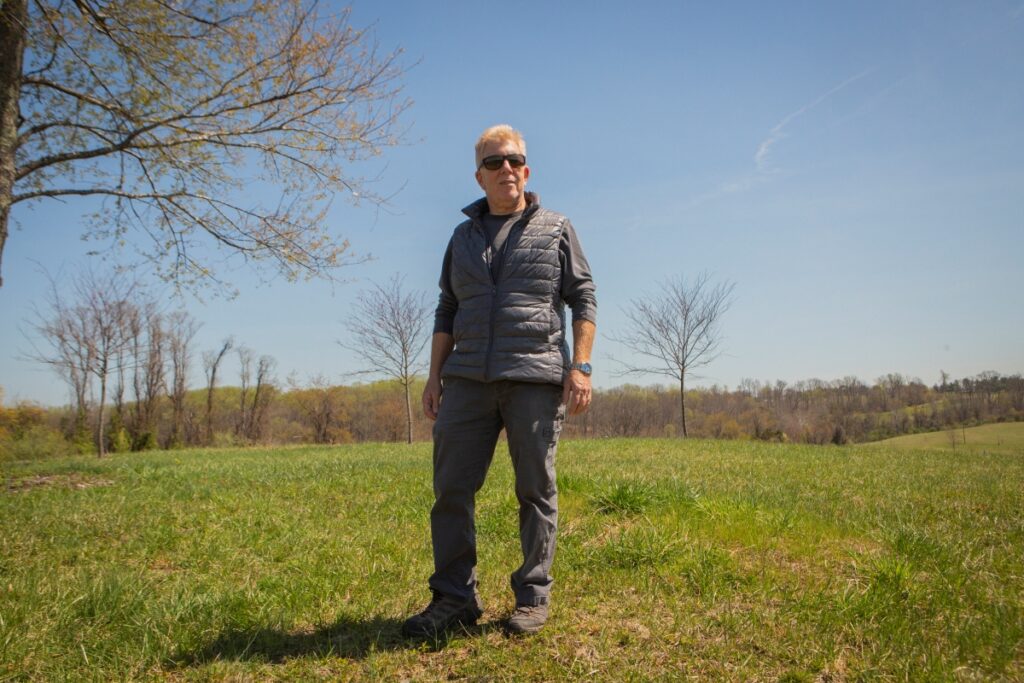
Serenity Ridge Nature Preserve and Arboretum thrives as a haven for Maryland’s native flora and fauna—and as the state’s first green burial ground. Founder Howard Berg describes the site, in late spring through midsummer, as spectacular.
Some might call it drop-dead gorgeous.
More seriously, Serenity Ridge “is a place where we honor life and preserve nature for generations to come,” Berg says, and is one of a growing number of cemeteries in the United States offering green, or natural, burials to meet rising demand from the environmentally conscious.
Green burials, legal nationwide, forgo embalming fluid, metal or treated wood coffins, and concrete or plastic grave vaults and liners—materials that can contaminate groundwater and hinder natural decomposition. Instead, bodies are wrapped in cotton or linen shrouds or placed in simple pine or poplar boxes or wicker baskets—anything biodegradable.
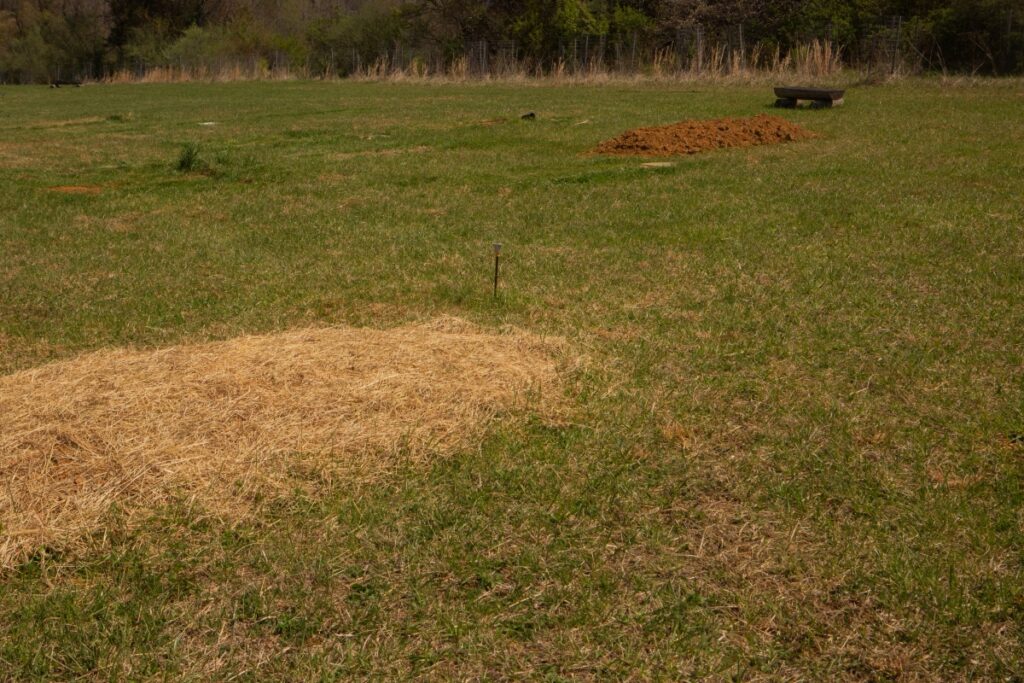
Graves are typically 3.5 to 4 feet deep, allowing the body to return nutrients to the soil while remaining in the oxygenated layer, nurturing plant and microbial life and, in turn, healthy ecosystems.
In the Western world, eco-friendly burials were standard before the American Civil War, but with thousands of soldiers dying on distant battlefields, families wanted their bodies returned home. Embalming emerged as a solution and later became fashionable after President Abraham Lincoln’s body was preserved for his three-week funeral train procession. Enterprising undertakers began touting the procedure as essential to dignity and public health and ensuing laws and customs shaped the modern funeral industry by the early 20th century, though it is notable that many Black, Indigenous, Jewish, Muslim, and Orthodox Christian communities maintained eco-friendly burial practices.
In 1965, a century after the Civil War ended, Berg’s father purchased 177 acres of forest-edged farmland. He died in 2018, and the property passed to Berg and his brothers. Berg wanted to do something meaningful with it, and, following his father’s funeral, knew he did not want to be buried at a conventional cemetery. “To me, that’s a very depressing place,” he says.
After researching green burial and visiting the closest such cemetery in New Jersey, the Bergs conducted environmental and hydrogeological studies and worked with local officials and the Greater Patapsco Community Association to secure zoning approval. Five years later, in January 2023, Serenity Ridge opened, with 80 acres donated to Baltimore County as green space for public trails. Leaders from a range of religious traditions blessed the cemetery. “We are open to anybody from any background,” Berg says.
With his mother’s blessing, Berg reinterred his father on Founders’ Hill at Serenity Ridge.
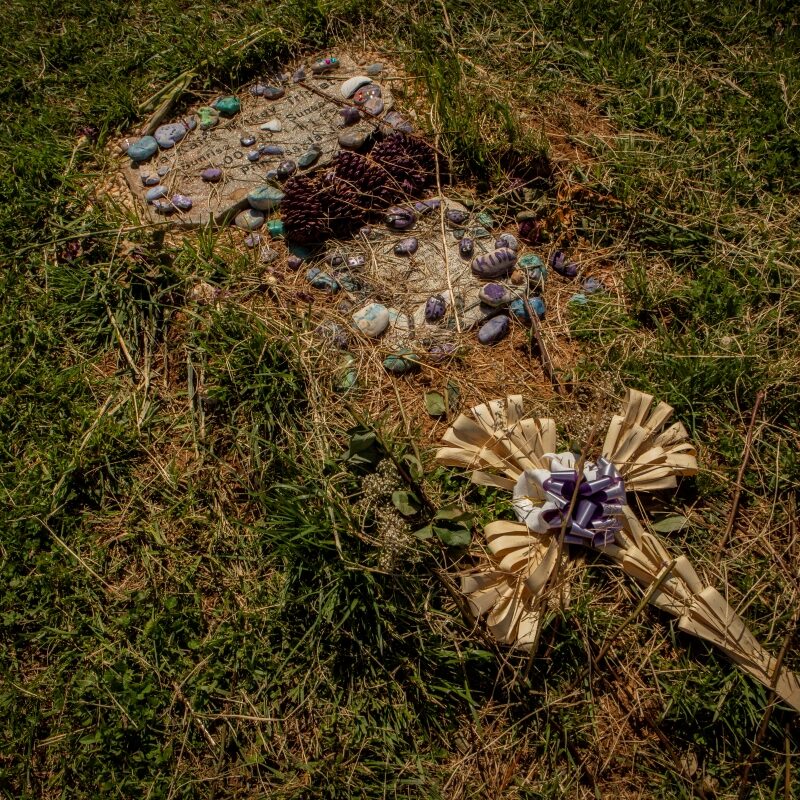
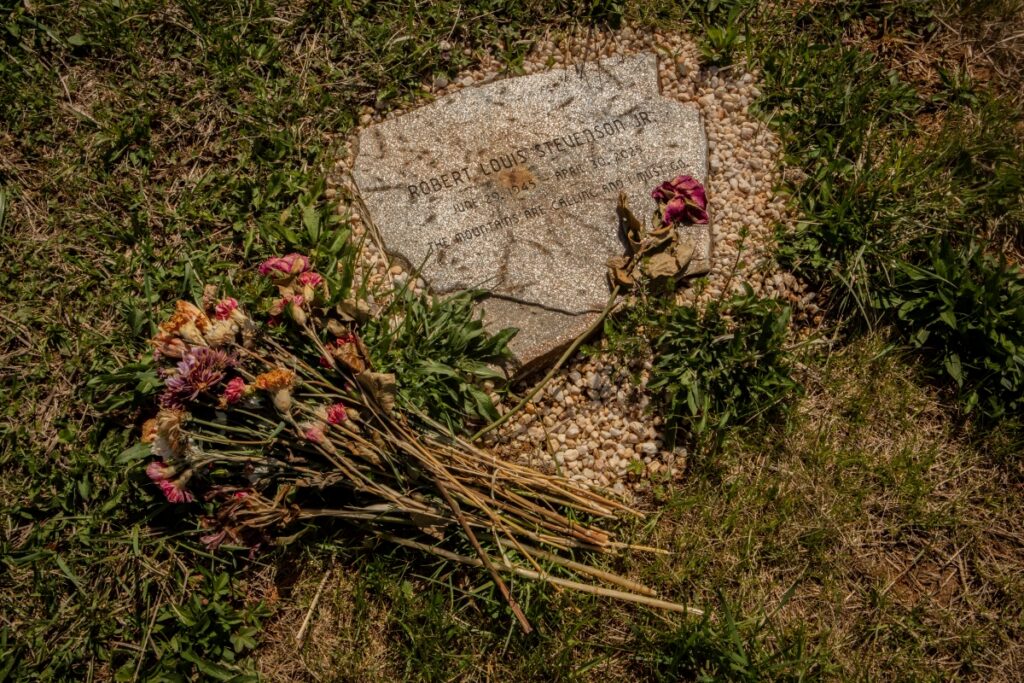
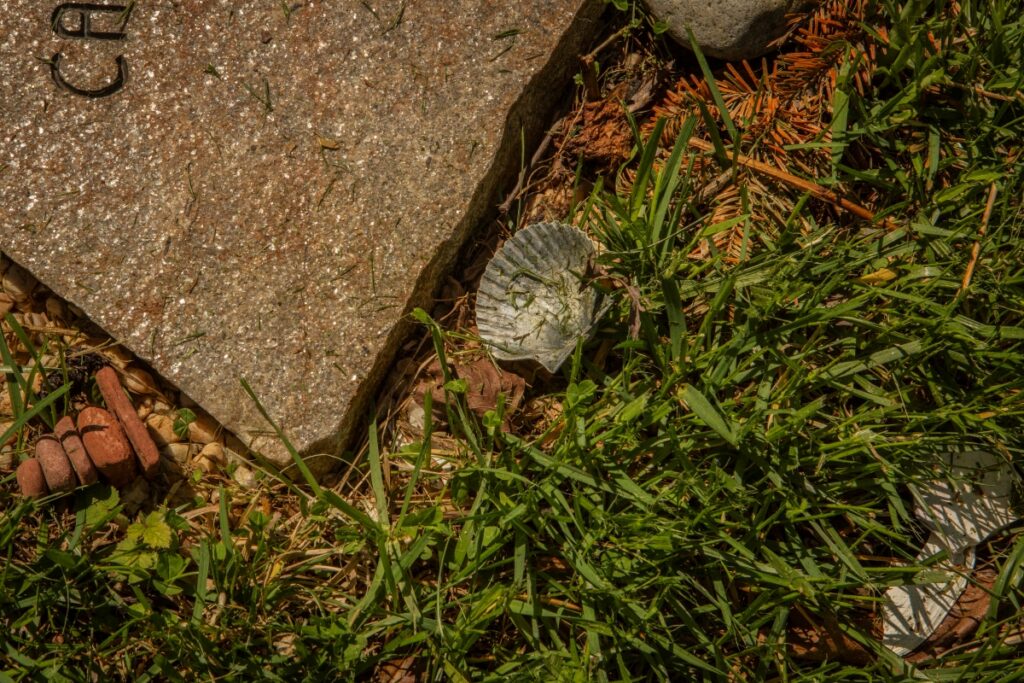
Instead of lavish headstones, burial plots are marked with carved fieldstones Berg hand-selects from the Patapsco quarry. These lie flat on the ground, blending seamlessly into the conserved valleys and meadows, although many are decorated with flowers, shells, stones, and other natural objects.
Howard BergNatural burial is the only way to enhance the earth as your last act on Earth.
A traditional burial produces about 250 pounds of carbon dioxide, whereas a green burial sequesters 25 pounds of the greenhouse gas, according to the Green Burial Council, which certifies conservation burial grounds like Serenity Ridge. The process also avoids pesticides and energy-intensive maintenance—watering, mowing, fertilizing—while promoting biodiversity and ecological resilience. “Natural burial is the only way to enhance the earth as your last act on Earth,” Berg says.
Besides reducing pollution and helping mitigate climate change, green burial also redefines our relationship with death. Working with the Serenity Ridge team has led Berg, a recently retired colorectal surgeon, to embrace mortality as part of the planet’s natural cycle of renewal. “This has been cathartic for me,” he says. “The thing that’s so remarkable is the customization, the meaningful ceremonies that people make their own—just a lot different from traditional funerals. It’s really what I was hoping it would be—that there’d be a lot more meaning to being out in nature.”
Some families and friends hold memorials at sunrise; others gather in the evening for candlelit vigils. Rituals may include singing, reading poetry or sacred texts, playing acoustic music, or releasing balloons or butterflies to symbolize a loved one’s continued spirit. “We don’t tell anybody what their ceremony has to be,” Berg says.
The bereaved often take on an active role in the burial itself. At Serenity Ridge, mourners may place earth on the body by hand and lower it into the grave, using a traditional lowering device, at their own pace and with guidance from trained staff. Studies suggest that such participation can provide a greater sense of closure than passive observation, fostering agency, connection, and healing.
Each grave is mapped out and has GPS coordinates, but rather than seeing uniform headstones or other regimented details, families and friends hear birdsong, wind, and flowing water. These sounds, often referred to as “pink noise,” can alleviate stress and support emotional processing.
The desire to memorialize loved ones in a way aligned with individual values is one reason green burials have gained popularity. This quiet movement also stems from distrust of the funeral industry that arose during the 1960s and 70s. Jessica Mitford’s The American Way of Death (1963) exposed the industry’s manipulative use of guilt and spectacle to turn a simple rite into a costly production.
Around the same time, the rise of hospice care championed family-centered, holistic end-of-life experiences. From the 1970s to 90s, concerns about the environmental impact of conventional burial practices began gaining attention. Finally, in 1998, the country’s first modern green burial cemetery, Ramsey Preserve, opened in Westminster, South Carolina. And, according to the National Funeral Directors Association (NFDA), more than 60% of Americans today are interested in environmentally friendly funerals.
Berg says younger people are more open to green burial, but he has been “very pleasantly surprised” by the number of fellow Baby Boomers who have toured Serenity Ridge. Visitors are drawn to the landscape and learn, for instance, how cold storage and prompt burial allow bodies to be safely interred without embalming.
“As time goes on,” Berg says, “more people will come to understand and accept natural burial as a reasonable alternative.”
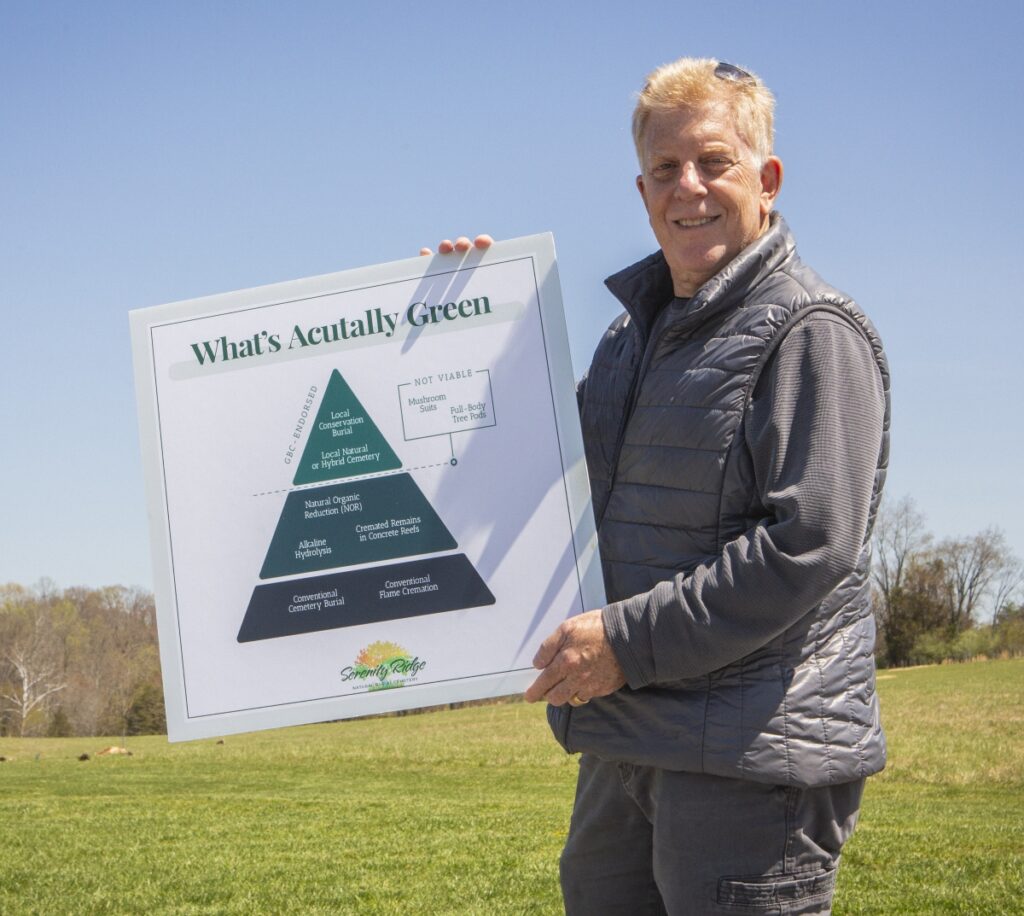
Green burials also represent a substitute to cremation, which accounted for over 60% of U.S. deaths in 2024 and is, according to the Green Burial Council, “erroneously thought by many to be greener”—despite producing emissions comparable to driving 500 miles in a car.
At Serenity Ridge, cremated remains are permitted in biodegradable vessels. “We don’t love it, but we accept it,” Berg says, noting ongoing efforts to educate the public about the environmental impact.
Green burials, being less ornate, tend to be more affordable than conventional options. The national median cost for a funeral with viewing and burial—excluding the plot or headstone—is $8,300; by contrast, a green burial at Serenity Ridge, including gravesite and internment fees, ranges from $4,500 to $6,300.
“The truth is, when you start something like this, you have no idea what response you’re going to get,” Berg says. “However, it’s been very well received—we’ve seen huge growth.”
Serenity Ridge has buried nearly 200 people and has another 350 on its pre-need list—those who have arranged and often prepaid for burial in advance.
As Dan Morhaim, physician and former Maryland state delegate, observes, “our culture celebrates personal autonomy and freedom,” but, when it comes to death and dying, “we collectively abdicate” those values. Berg emphasized the importance of talking with loved ones early about end-of-life decisions.
“Things can happen, and planning ahead saves the family a lot of stress and worry in the future,” he says. “At Serenity Ridge, we offer different areas with different exposures to nature—you pick out the one that is most representative of what you believe in. You get that taken care of, and nobody has to worry about anything in the future.”
“One day, I will have a one-way ticket to Baltimore,” adds Berg, now 72, who lives in Boynton Beach, Florida, and usually makes the trip back north once a month. In addition to removing invasive flora and replanting native trees and shrubs on the grounds, he works out about four times a week and tries to keep healthy. There is much he is looking forward to. “I’m hoping to stay around for a while, so I can see the completion of the preserve and appreciate everything we’re doing out there.”